Vienna (Hotels & Experiences)
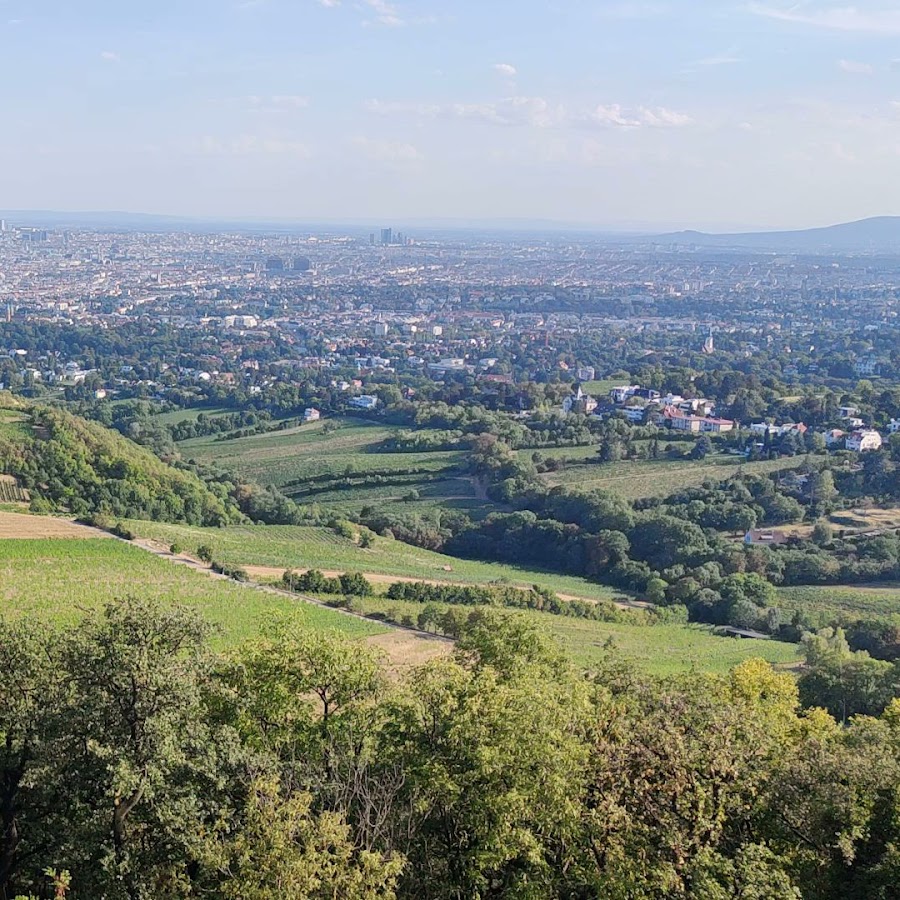
Explore the majestic Schönbrunn Palace and Hofburg, stroll through the charming streets of the Old Town and savor Vienna’s famous coffeehouse culture. Enjoy legendary music at opera houses and concert halls or unwind with a culinary journey through local delicacies. With history, art and culture around every corner, Vienna Region offers an unforgettable Austrian experience.
Things to see or do in Vienna
Explore Vienna’s palaces, music legacy and charming streets.
Votive Church
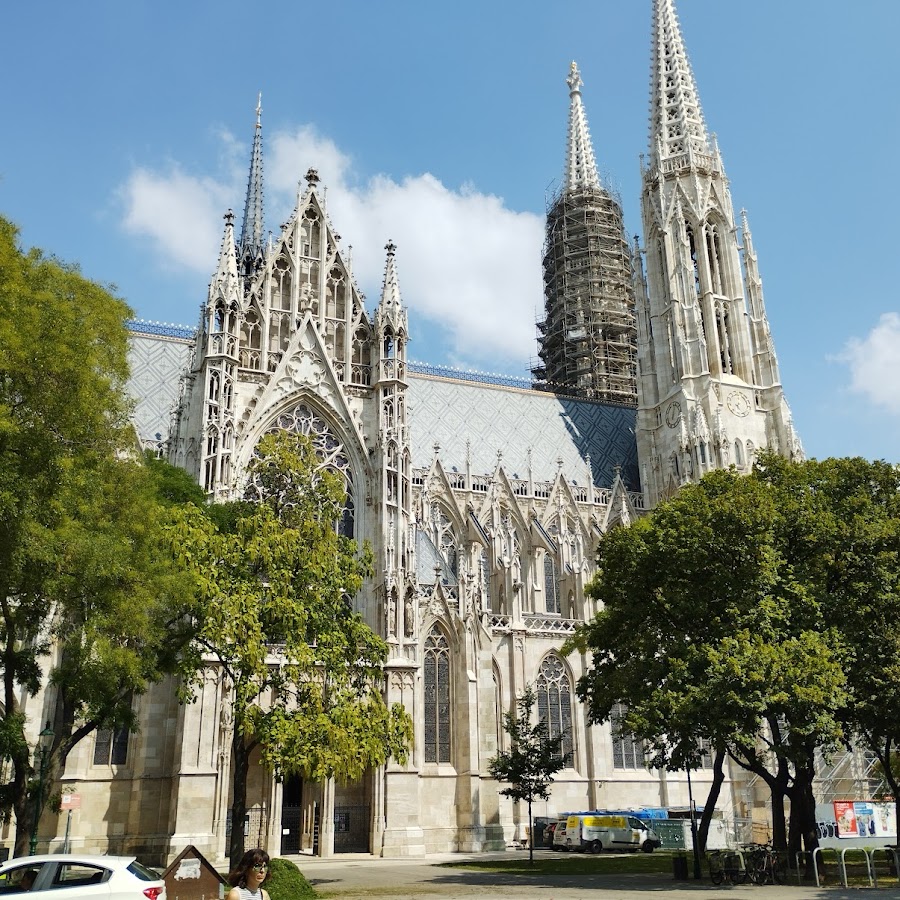
Rising majestically beside Vienna’s Ringstraße, the Votive Church is a striking neo-Gothic symbol of gratitude: it was built as a “votive” offering after an assassination attempt on Emperor Franz Joseph in 1853. Construction began in 1856 under architect Heinrich von Ferstel, and the church was finally consecrated in 1879 — coinciding with the silver wedding anniversary of Franz Joseph and Empress Elisabeth. The design echoes the great cathedrals of France, with three aisles, flying buttresses, and soaring vaults. Its most distinctive external feature is its twin towers, each reaching 99 m, making it Vienna’s second-tallest church after St. Stephen’s Cathedral. Inside, light pours through 78 stained-glass windows, some of which were only fully restored in the 1970s. The main altar is especially impressive: a gilded retable with an ornate “ciborium” supported by alabaster columns. Upstairs in the raised oratory – once reserved for the imperial family – you'll find a small museum. The highlight is the Antwerp Passion Altar, a late-Gothic masterpiece from around 1500. A modern twist comes with the “Light of Creation” show — a 30-minute multimedia light installation (projections + music) that transforms the interior, giving a new, almost otherworldly dimension to the gothic architecture. The church is easily accessible: it’s just a short walk from the Schottentor station (metro U2) or via several tram lines. And it’s free to enter (for the church), though the museum has a modest fee. introducingvienna.com In short, the Votive Church is not just a historic monument — it’s a living place of worship, art, and modern light spectacle.
Königreich der Eisenbahnen
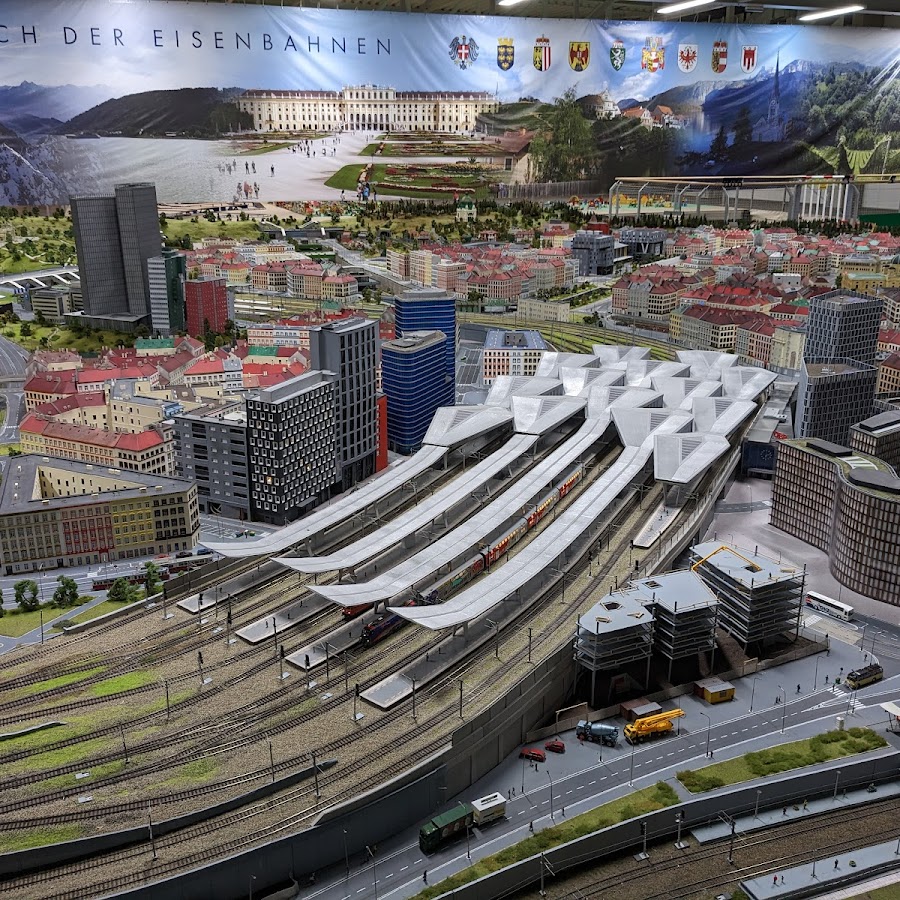
In the heart of Vienna’s Prater lies a magical miniature world: the Kingdom of the Railways (Königreich der Eisenbahnen). On just 270 m², visitors can explore a detailed H0-scale model of Vienna, complete with over 70 landmarks, moving trams, underground trains, buses, thousands of figurines, and tiny cars. But it’s not just a static model: you can race remote-controlled cars, operate small construction vehicles, or even pose as a conductor or train driver. Opened in 2020 and built with a long-term vision to expand to 1,000 m², the attraction aims to become the largest model railway in Austria and one of the biggest in the world. The venue is open daily (10:00–19:00 according to the Vienna Tourist Board). vienna.info Admission starts from about €24.90 for adults and €17.90 for children and reduced categories (students, seniors, etc.). It’s a charming mix of play, history, and technical wonder — perfect for families, train lovers, or anyone who enjoys seeing Vienna in miniature.
Madame Tussauds Wien
You step off the tram into the magical world of the Prater in Vienna, where the giant Ferris wheel looms nearby, and you’re immediately drawn to a shimmering building at Riesenradplatz. As you walk inside, the red carpet seems to roll out just for you — welcome to Madame Tussauds Vienna, a place where wax comes to life. Once you enter, you realize this isn’t just a static gallery. Over 90 incredibly realistic wax figures stand before you, spread across more than ten themed areas. The air hums with excitement, because here, you don’t just look — you interact. In one room, you find yourself face-to-face with Austrian icons: Emperor Franz Joseph and his ever-elegant wife Sisi, Mozart with his thoughtful gaze, Gustav Klimt, Falco, Maria Theresa… their wax likenesses perfectly captured, down to the folds of their clothes. But the real magic begins in the Sisi Uncovered Experience, a 200 m² immersive area that feels less like a museum and more like stepping into a time machine. There, modern 3D projections bring Sisi to life: you can hear her voice, smell the perfume of her court, and even taste the world she inhabited. In her dressing room, she greets you, and in darker moments you discover her inner struggles — a side of the empress few ever see. Wandering further, you come to a stage-like space where you can conduct Johann Strauss, swaying gently to the “Blue Danube” waltz as if you were in an imperial ballroom. Nearby, a friendly Einstein challenges you to an intelligence test — can you beat his legendary mind? And just around the corner, in a sporty twist, you try to score a goal against Hans Krankl, the Austrian football legend. There’s also a wedding chapel — but not just any chapel: it’s a Las Vegas–style chapel, and Marilyn Monroe and Elvis Presley are your waxy officiants. You can don a veil, pose in front of the altar, and take a selfie that feels like a very glamorous, slightly surreal ceremony. History buffs will delight in the historical and political area: world leaders like Nelson Mandela and Mahatma Gandhi stand in thoughtful silence, while you can imagine debating from a podium with famous politicians. There’s even a spot that remembers dark chapters of history, like war and conflict. And if you ever wondered how these lifelike figures come to be: making a single wax figure is a labor of love and precision. The artists take hundreds of measurements, hundreds of photos, and insert real hair strand by strand — sometimes 140 hours just to needle in the hair. Each figure can cost up to €200,000 to create. At Madame Tussauds Vienna, the past and present collide in wax. It’s not just a museum — it’s a celebration of fame, history, and imagination. Whether you want to dance with royalty, challenge a genius, or marry a superstar, here, your selfie dreams come true.
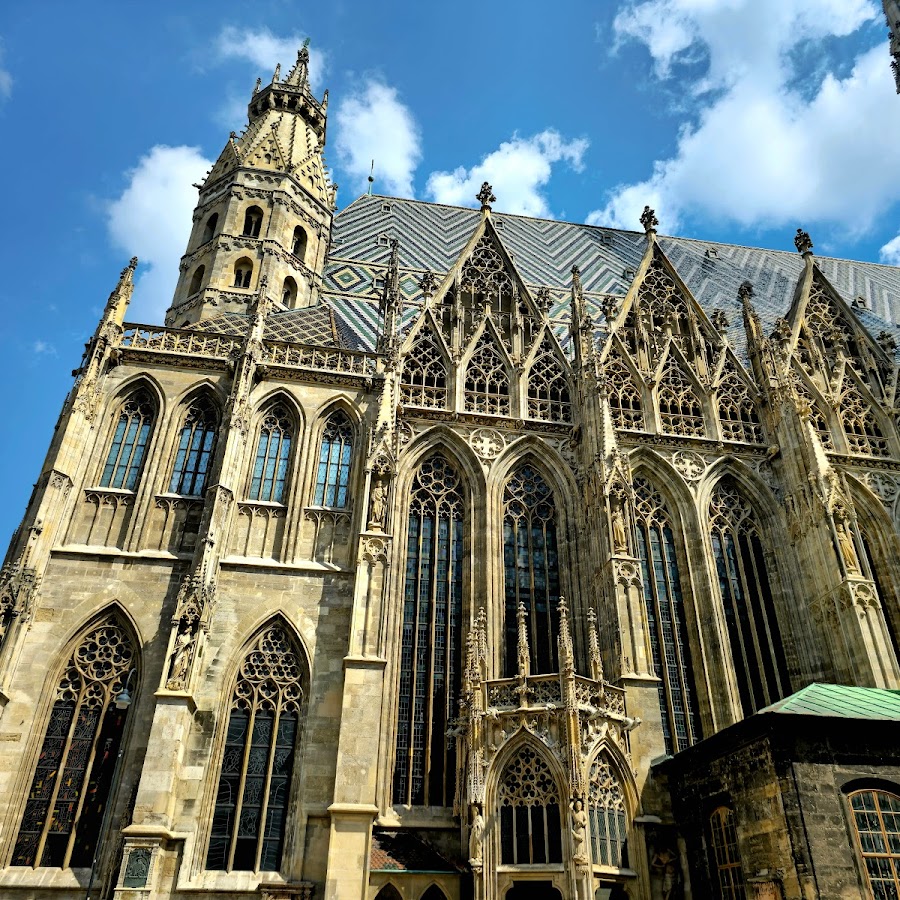
St. Stephen's Cathedral
This is the main cathedral in Vienna, located at Stephansplatz 3. Architecturally, it's a mix of Romanesque and Gothic styles. Its south tower reaches a height of about 136.4 m, making it one of the most distinctive features of the city skyline. Visitors can: ➜ Use audio-guides or join guided tours for the interior. ➜ Explore the catacombs beneath the cathedral, where the Habsburgs were buried. ➜ Climb the towers: ➜ The north tower gives you access to the huge “Pummerin” bell. ➜ The south tower has many steps and offers great views. Stephansplatz Wien Visiting times: open daily, but sightseeing hours are more limited (e.g., 09:00–11:30 & 13:00–16:30 for tours) depending on liturgical schedule.
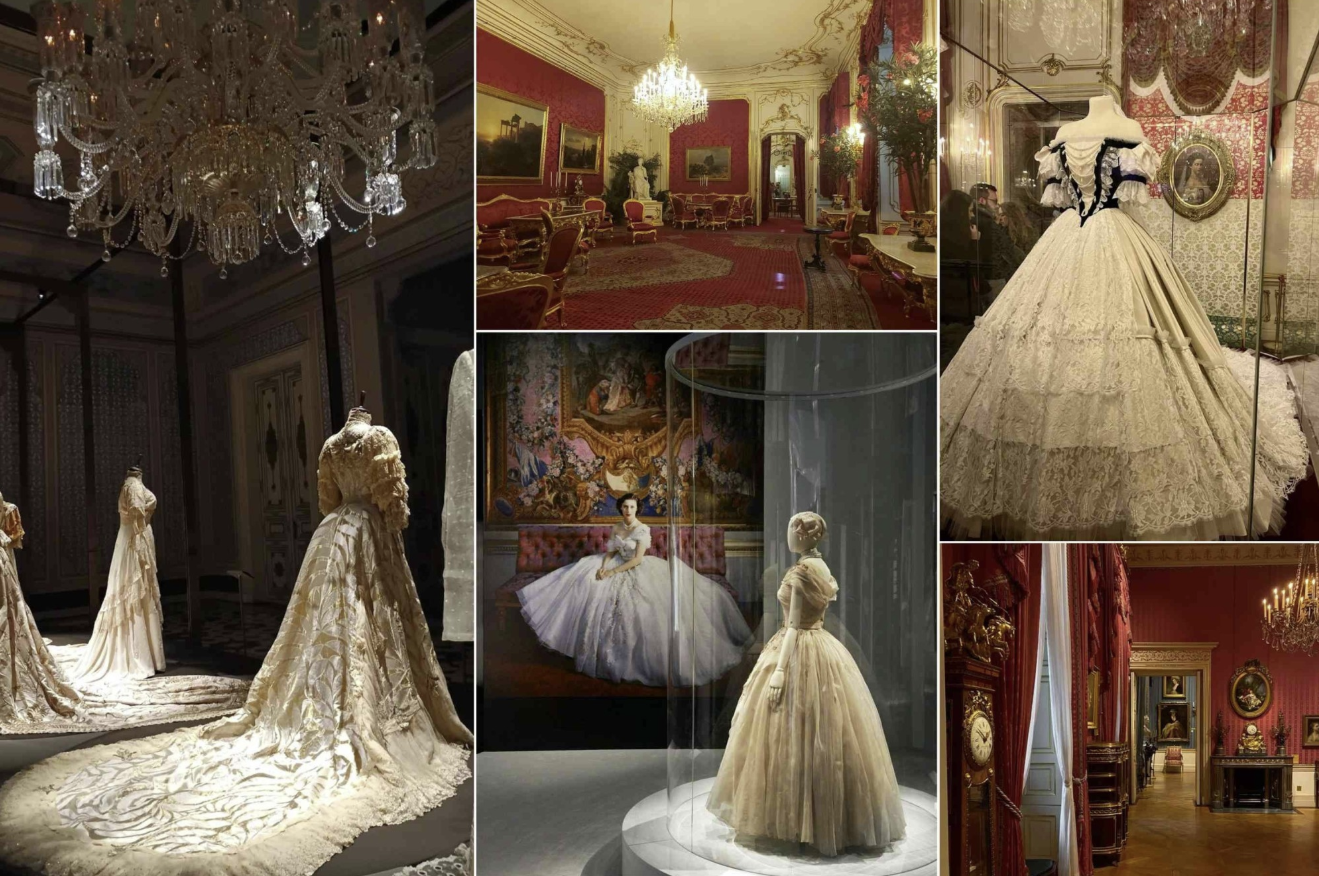
Sisi Museum Hofburg Wien
The Sisi Museum is located in the Imperial Apartments of the Hofburg Palace in Vienna. It offers a very personal look into the life of Empress Elisabeth of Austria (“Sisi”), presenting more than 300 of her belongings — from her dresses and jewelry to letters, travel items, and even her gym equipment. The exhibition explores both the myth and the reality of Sisi: her beauty, her rebellious nature, her strict beauty and fitness regime, as well as her tragically short life, ending in her assassination in 1898. The museum is open daily from 9:00 to 17:30 (last admission at 16:30). Tickets cost around €20 for adults, and there are guided tours available.
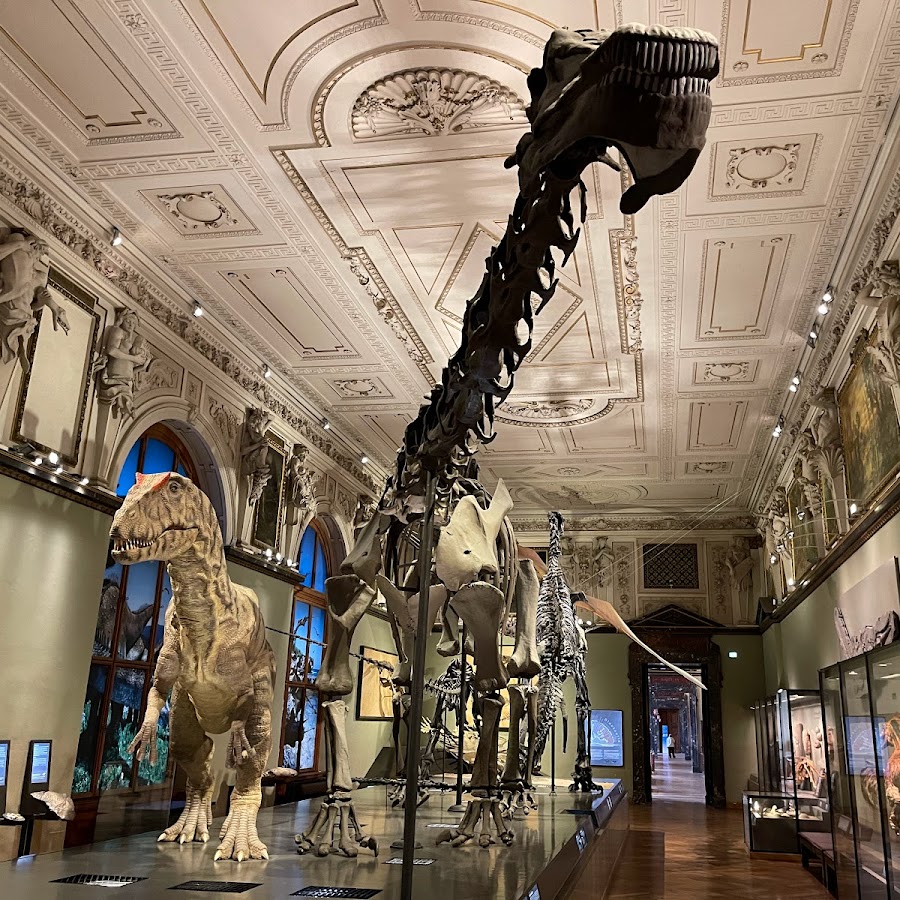
Naturhistorisches Museum
The Naturhistorisches Museum Wien is one of the most important natural history museums in the world, housing a collection of about 30 million objects. Its building — a grand “palace of natural sciences” from the late 19th century — is itself architecturally stunning. Inside, you can explore 39 large exhibition halls with dinosaur skeletons, meteorites, rare minerals, and even the famous Venus of Willendorf. There’s also a modern interactive space called Deck 50, which combines a lab, stage, and multimedia area to engage visitors in science. The museum is located at Maria-Theresien-Platz in Vienna and is open Thursday–Monday from 9 a.m. to 6 p.m. (on Wednesdays until 8 p.m.). If you like, I can also tell you about the top must-see exhibits there — do you want me to do that?
Museum of Applied Arts, Vienna
Focusing on applied arts and design, the MAK showcases a diverse collection that spans from historical artifacts to contemporary design. Its exhibitions often explore the intersection of art, design, and technology. Focusing on applied arts and design, the MAK showcases a diverse collection that spans from historical artifacts to contemporary design. Its exhibitions often explore the intersection of art, design and technology.

Belvedere Palace
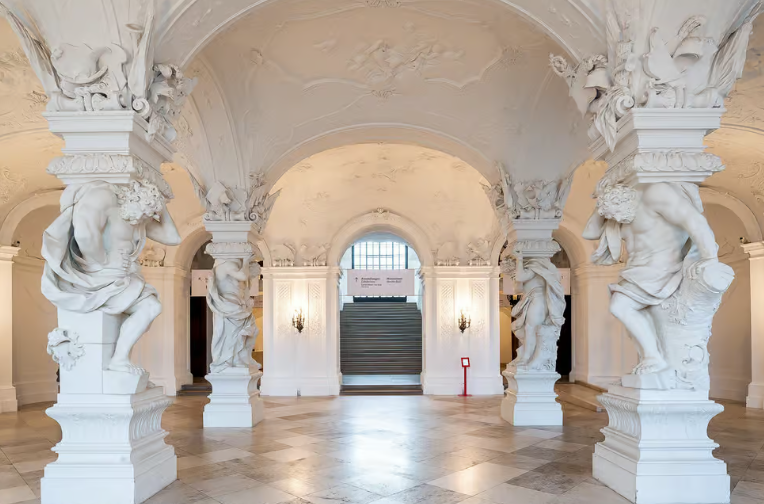
The Belvedere is a historic building complex in Vienna, Austria consisting of two Baroque palaces (the Upper and Lower Belvedere), the Orangery, and the Palace Stables. The buildings are set in a Baroque park landscape in the third district of the city, on the south-eastern edge of its centre. It currently houses the Belvedere museum known in German as the Österreichische Galerie Belvedere (in English, referred to both as the Belvedere Museum and Austrian Gallery). The grounds are set on a gentle gradient and include decorative tiered fountains and cascades, Baroque sculptures, and majestic wrought iron gates. The Baroque palace complex was built as a summer residence for Prince Eugene of Savoy. The Belvedere was built during a period of extensive construction in Vienna, which at the time was both the imperial capital and home to the ruling Habsburg dynasty. This period of prosperity followed on from the commander-in-chief Prince Eugene of Savoy's successful conclusion of a series of wars against the Ottoman Empire. The Belvedere is a historic building complex in Vienna, Austria consisting of two Baroque palaces (the Upper and Lower Belvedere), the Orangery, and the Palace Stables. The buildings are set in a Baroque park landscape in the third district of the city, on the south-eastern edge of its centre. It currently houses the Belvedere museum known in German as the Österreichische Galerie Belvedere (in English, referred to both as the Belvedere Museum and Austrian Gallery). The grounds are set on a gentle gradient and include decorative tiered fountains and cascades, Baroque sculptures, and majestic wrought iron gates. The Baroque palace complex was built as a summer residence for Prince Eugene of Savoy. The Belvedere was built during a period of extensive construction in Vienna, which at the time was both the imperial capital and home to the ruling Habsburg dynasty. This period of prosperity followed on from the commander-in-chief Prince Eugene of Savoy's successful conclusion of a series of wars against the Ottoman Empire.
Albertina Museum
This museum is renowned for its vast collection of graphic arts, including works by Dürer, Monet, and Picasso. The stunning palace itself is a historical site, and the exhibitions often feature contemporary artists, making it a dynamic cultural hub. This museum is renowned for its vast collection of graphic arts, including works by Dürer, Monet, and Picasso. The stunning palace itself is a historical site, and the exhibitions often feature contemporary artists, making it a dynamic cultural hub.

Museum Quartier, Vienna
Spread over 90,000m2 in central Vienna and encompassing 60 cultural institutions, the MuseumsQuartier Wien is one of the largest districts for contemporary art and culture in the world. Nothing is off limits at the MuseumsQuartier. Historic architecture meets contemporary design. High culture meets subcultures. The spectrum ranges from fine art, architecture, music, fashion, theater, dance, literature, children’s culture, game culture, and street art to design and photography.
Vienna State Opera
One of the most prestigious opera houses in the world, it offers a rich program of opera and ballet performances. The building itself is an architectural masterpiece, and guided tours provide insight into its history and significance in the arts. One of the most prestigious opera houses in the world, it offers a rich program of opera and ballet performances. The building itself is an architectural masterpiece, and guided tours provide insight into its history and significance in the arts.

Sigmund Freud Museum
Located in Freud's former residence and practice, this museum offers insights into the life and work of the father of psychoanalysis. It features original furnishings, manuscripts, and personal items, making it a unique cultural experience. Located in Freud's former residence and practice, this museum offers insights into the life and work of the father of psychoanalysis. It features original furnishings, manuscripts, and personal items, making it a unique cultural experience.

Haus der Musik
An interactive sound museum dedicated to music and sound, it explores the history of music in Vienna and features exhibits on famous composers like Mozart and Beethoven. It's a fun and educational experience for visitors of all ages.An interactive sound museum dedicated to music and sound, it explores the history of music in Vienna and features exhibits on famous composers like Mozart and Beethoven. It's a fun and educational experience for visitors of all ages.

Kunsthistorisches Museum
One of the world's most important art museums, it houses an extensive collection of artworks from the Renaissance to the Baroque period, including pieces by masters like Vermeer and Rembrandt. Its architecture is as stunning as the art it contains, making it a must-visit for art lovers. One of the world's most important art museums, it houses an extensive collection of artworks from the Renaissance to the Baroque period, including pieces by masters like Vermeer and Rembrandt. Its architecture is as stunning as the art it contains, making it a must-visit for art lovers.

Ambassador Hotels Vienna
Highlighting the best stays in Vienna.
Appartements Fleger
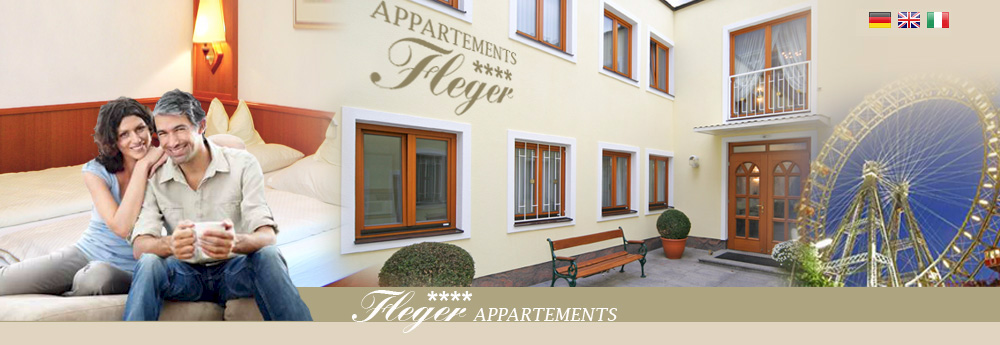
Living in a Fleger Appartements**** is a little bit like coming home! 40m² / 50m² / 60m² We offer you a warm and friendly atmosphere, delightful, comforable apartments, a true four-star-standard in our fully equipped apartments (incl. a sufficient amount of pots, kitchenware and cutlery). We regularly look after each apartment, do the cleaning, provide fresh towels and bed linen etc. The apartments are conveniently located close to an underground and tram stations. Discover Vienna by public transport – within 15 minutes you are in the city centre. Close to the apartments you find supermarkets, a dry cleaner, and several restaurants, one of them is a typical “Heuriger” (a kind of cosy wine bar with traditional cooking).
Find hotels in Vienna
Stay in the heart of imperial Vienna
Hotel NH Collection Wien Zentrum
Rosewood Vienna
Hotel Motel One - Wien Prater
Vienna Marriott Hotel
Pension Liechtenstein
Hotel Pension MADARA
Hotel Korotan
Müllner Smart Hotel Wien 24h Self Check In
BENEDIKTUSHAUS
Pension a und a
Novotel Suites Wien City Donau
Workbase Hostel
Urban Boutique Hotel Vienna
Hotel Restaurant Zum Ochsenkopf in Wien
Strandhotel Alte Donau
Steiner Residences Vienna Reumannplatz
Oak House Vienna
Hotel Pension Asperner Löwe GmbH
Boutique Hotel Nossek
Hotel Zur Wiener Staatsoper
HOTEL PRIBITZER
Alma Boutique-Hotel
Hotel Sacher Wien
Gerstner Salons Privés
Numa Vienna Wood
Pension Vera
Pension City
Parks 73 The Town House Hotel
Frühstückspension Alexandra Kasper
Pension San Francisco
Steiner Residences Vienna Nestroyplatz
Hotel Capricorno
Hotel Pension Baron am Schottentor
Hotel An der Wien
Hotel Bajazzo
Hotel Am Parkring
Altwienerhof Aparthotel
A romantic art hotel in Vienna. Generous spaces, cozy mattresses, new bathrooms. Really a lot of paintings. A magical cabinet with a kitchen inside ( fridge, microwave, induction plates, espresso machine, plates & glasses )
Palais Coburg
Kärntnerhof
Hostel 13 Viktoria
motel22
Hotel Schani Salon
City Stay Vienna - Lugeck
Hotel Domizil
Hotel am Schubertring
Hotel Donaustadt Kagran
Hotel Stadtpark
Aparthotel Laaerberg
Hotel Haydn Wien
Almanac Palais Vienna
HPA - Hotel Pension Andreas
Pension Lizzi
Aviano - Boutique hotel
Hotel Attaché
Hotel Royal
Pension Mariahilf
Primus Hotel
Am Spiegeln dialog hotel
Small Luxury Hotel Das Tyrol
Pension Stadthalle
Hotel Calmo - Wien
The Leo Grand
Hotel Kaiserin Elisabeth Vienna
Hotel Sans Souci Wien
O11 Boutique Hotel Vienna
ARTIST Boutique Hotel
Senator Hotel Vienna
Do Step Inn Meidling
Hotel Admiral
CH-Hotel Luka Budget
Hotel Terminus
HI Hostel Vienna Myrthengasse
Vienna Hostel Ruthensteiner
Hotel Wilhelmshof
URBI - Urban Island
Wombat's City Hostel Vienna Naschmarkt
arte Hotel Wien Stadthalle
Imperium Residence
Aparthotel KostBar
Singerstrasse21/25 – aparthotel 350m next to Stephans Square
Marien-hof Appartement-Hotel, Vienna
Vienna Sporthotel
7brunnen Hostel
Gasthaus Orlik
grätzlhotel Karmelitermarkt
Oliver Like Home
Steiner Residences Vienna Vorgartenstrasse
Privatzimmer Familie Schwarz
The Guesthouse Vienna
Pension am Kurpark
Hotel Corvinus Vienna
Parkview Residences
ALON HOMES Vienna - Premium Apartments City Center
Pension Pharmador
Pension Dr. Geissler
Urban Rooms Rathaus - Self Check-In
Lenas West Hotel
Numa Vienna Strauss
Ambassador Wien
Freinest Wien
Pension Reimer - Inh. Marcel-Andre Mattis
Do Step Inn Central
MEININGER Hotel Wien Downtown Sissi

Hotel Imperial
Pension Mozart, Vienna - City Center - Boutique Hotel
Hotel Austria
Hotel Ananas
Hotel City Central
a&t Holiday Hostel
Select Hotel Prinz Eugen Wien
Hotel Pension Walzerstadt
DaunTown Rooms - Self Check-In
Hotel-Pension Bleckmann
Apollo Hotel Vienna
Hotel Das Tigra
Hotel Pension Suzanne
Park Hyatt Vienna
Hotel Mercure Wien City

Hotel Allegro
Hotel Anatol
Hotel Bosei
Hotel Savoyen Vienna
Hotel Marc Aurel
Haus Sanz
Frühstückspension "Stefanie"
Garten- und Kunsthotel Gabriel
Hotel-Pension Arpi
Hotel Pension Fünfhaus
Hotel König von Ungarn
Hotel Boltzmann
Hotel Pension Excellence

KIBI ROOMS VIENNA
Leonardo Hotel Vienna
Hotel Wiener Kindl
Hotel Mocca
Theaterhotel & Suites Wien
B&B Hotel Wien-Meidling
HENRI Hotel Wien
JUFA Hotel Wien City
Arthotel Ana Adlon Vienna
CAMPANILE VIENNA SOUTH
DORMERO HoHo Wien
Hotel KunstHof
Springer Palace
Hotel Schani
Hotel Orangerie
Vienna Boutique - Premium Hostel
IMLAUER Hotel Nestroy Wien
myNext - Hotel Leo
Hotel Viktoria Schönbrunn
Hotel Urania Vienna
Aparthotel Adagio Vienna City
Radisson Blu Style Hotel, Vienna
Hotel Altmann
Hotel Hahn
Hotel Geblergasse
Lindner Hotel Vienna Am Belvedere - JDV by Hyatt
PLAZA Premium Wien
ibis Styles Wien City
Hotel Rathauspark Wien
Hotel Sacher Vienna
BoutiqueHOTEL Donauwalzer
The Art Hotel Vienna
Hotel Triester
Hotel Am Konzerthaus - MGallery Collection
Novotel Wien Hauptbahnhof
Holiday Inn Vienna City by IHG
River Lodge
MAXX by Steigenberger Hotel Vienna
Hotel Schani UNO City Wien
MEININGER Hotel Wien Downtown Franz
Ruby Marie Hotel Vienna
Hotel Gilbert
Hotel Exe Vienna
elaya hotel vienna city west
Mercure Grand Hotel Biedermeier Wien
Hotel Zeitgeist Vienna Hauptbahnhof
MOOONS
ibis budget Wien Sankt Marx

Hotel Wandl
Hotel Apartment Rothensteiner
The Harmonie Vienna, BW Premier Collection by Best Western
ARCOTEL Wimberger Wien
Leonardo Hotel Vienna City West
Rainers Hotel Vienna
Hotel Imlauer Wien
Hotel am Brillantengrund
Pension Neuer Markt
Lenas Donau Hotel
Hotel Zipser
Premier Inn Wien City Hauptbahnhof
Hotel Strudlhof
Arthotel ANA Gala
Hotel Vienna
Zola Hotel, Palais de Boheme, Adults Only
Pertschy Palais Hotel
Westend City Vienna Hostel
Hotel George Vienna
Best Western Plus Celebrity Suites
Residence Inn Vienna City East
ibis Wien Messe
Hotel Maximilian
B&B HOTEL Wien-St. Marx
The Levante Parliament A Design Hotel
JO&JOE Wien
greet Vienna City North
Leonardo Hotel Vienna Schönbrunn
25hours Hotel Vienna at MuseumsQuartier
ibis Styles Wien Messe Prater
ARCOTEL Kaiserwasser Wien
Hotel Astoria Vienna, Curio Collection by Hilton™
grätzlhotel Schönbrunn
Hotel The Weekend
Hotel Motel One Wien-Hauptbahnhof
Hotel Doppio
Zoku Vienna
Henriette Stadthotel Vienna
H+ Hotel Wien
Hotel Babula am Augarten
Dan In'n Out
Hotel Johann Strauss
Time Out City Hotel Vienna
Boutique Hotel Kolbeck
Do&Co Hotel Vienna
Hotel Pension Lehrerhaus
Hotel Restaurant Valley Rose
Club Hotel Cortina
Living Hotel Kaiser Franz Joseph
Arion Cityhotel Vienna
Anantara Palais Hansen Vienna Hotel
Hotel Mercure Raphael Wien
Ruby Sofie Hotel Vienna
Holiday Inn - the niu, Franz Vienna
ibis Wien Hauptbahnhof
The Ritz-Carlton, Vienna
Hotel Mercure Wien Westbahnhof
ibis budget Wien Messe

Hotel Mercure Vienna First
SO/ Vienna
PLAZA INN Wien Gasometer
Spark by Hilton Vienna Messe Prater

Spark by Hilton Vienna Donaustadt

Hotel Motel One Vienna-Westbahnhof
Hotel Josefshof am Rathaus
Hotel Schloss Wilhelminenberg
Steiner Residences Vienna Augarten
Austria Classic Hotel Wien
St Christopher's Inn Vienna
Boutique Hotel am Stephansplatz
Hotel Atlanta
Novum Hotel Congress
Westbahn Hotel Wien
HausPension
Hotel Regina
Clarion Hotel Vienna South
ibis Wien Mariahilf
Max Brown Hotel 5th District, part of Sircle Collection
Hotel Daniel Vienna
Max Brown Hotel 7th District
Saint Shermin Bed, Breakfast & Champagne
Hotel Beethoven Wien
Prize by Radisson, Vienna City
Hotel Mozart
Austria Trend Parkhotel Schönbrunn
Hotel NH Wien Belvedere
voco Vienna Prater by IHG
Hotel Bergwirt Schönbrunn
Novotel Wien City
Radisson Red Vienna
Hotel NH Danube City
ibis Wien City
Renaissance Vienna Schönbrunn Hotel
InterContinental Vienna by IHG
Courtyard Vienna Prater/Messe
Hilton Vienna Plaza
DoubleTree by Hilton Vienna Schonbrunn

Hilton Vienna Waterfront
Hampton by Hilton Vienna City West

B&B Hotel Wien-Hbf
IntercityHotel Wien

magdas HOTEL Vienna City
Hampton by Hilton Vienna Messe

Flemings Hotel Wien-Stadthalle
Hotel Topazz Lamee
Transport
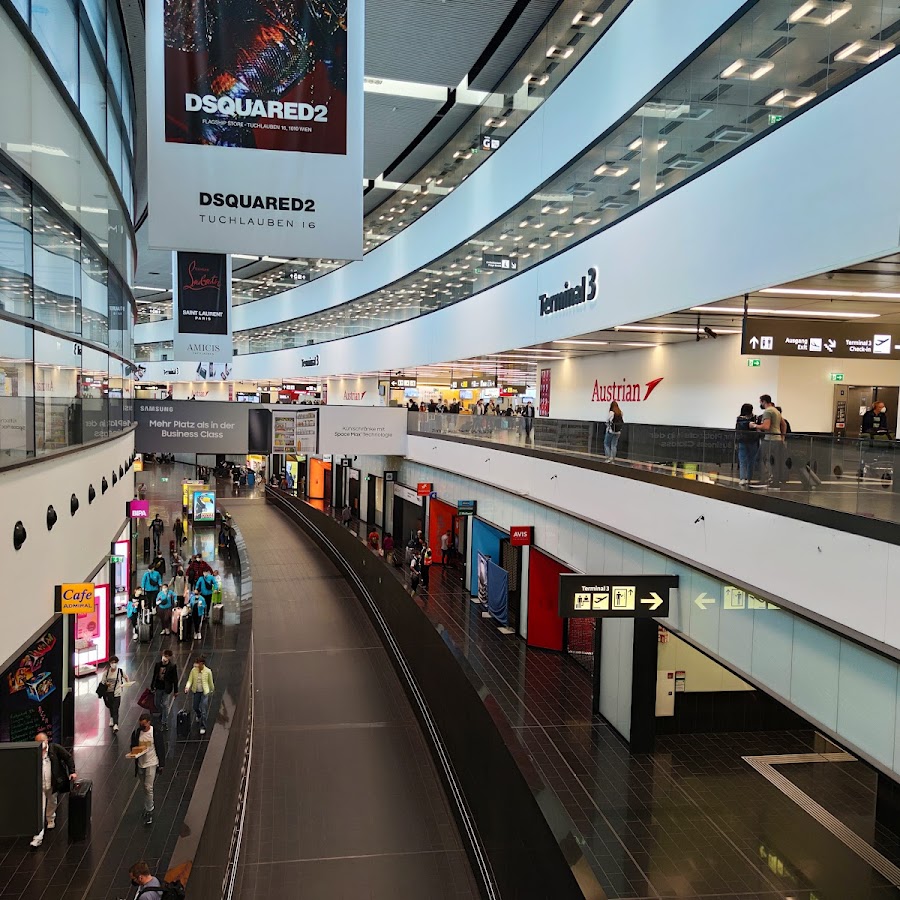
Vienna International Airport (VIE)
Tourism offices
Wiener Tourismusverband / Vienna Tourist Board
Golf Club
Golf Club Wien-Süßenbrunn
This is Vienna’s largest golf facility: it has an 18‑hole championship course (GC Süßenbrunn) and a 9‑hole “Citygolf” course. There is also a very large driving range and indoor golf simulators.
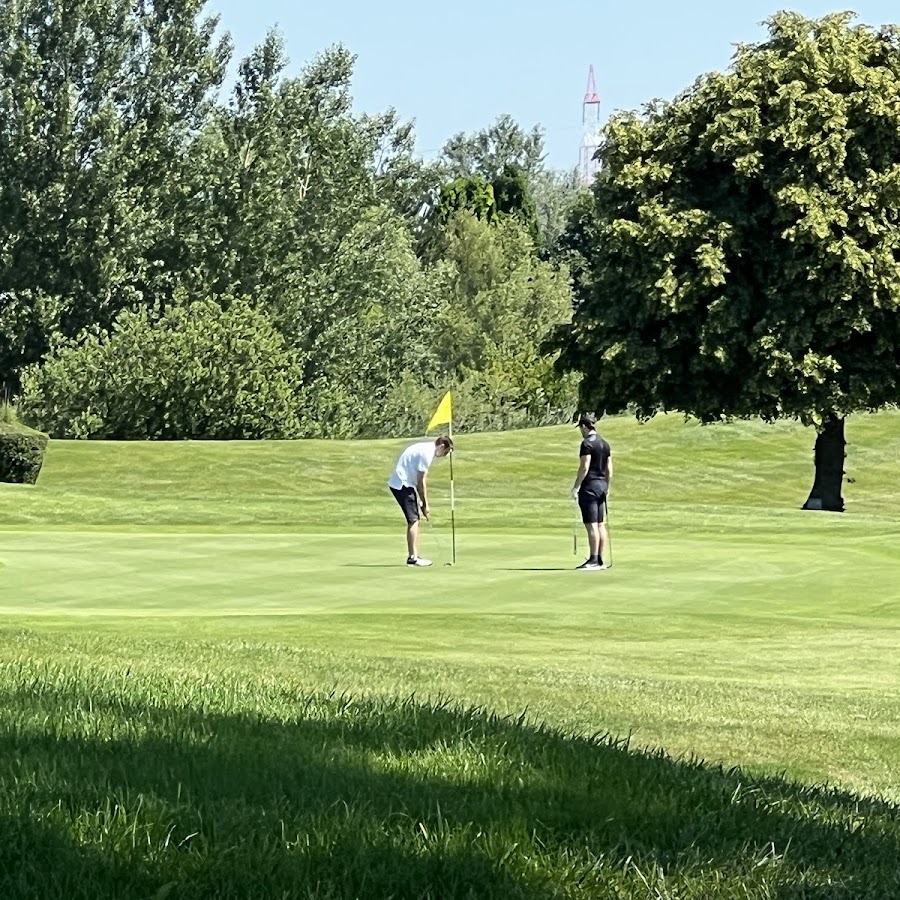
Golfclub Marco Polo Vienna
A 9‑hole course very close to Vienna centre. Mixed holes (7 par‑3, 1 par‑4, 1 par‑5), with water hazards and bunkers. They also have a golf school.
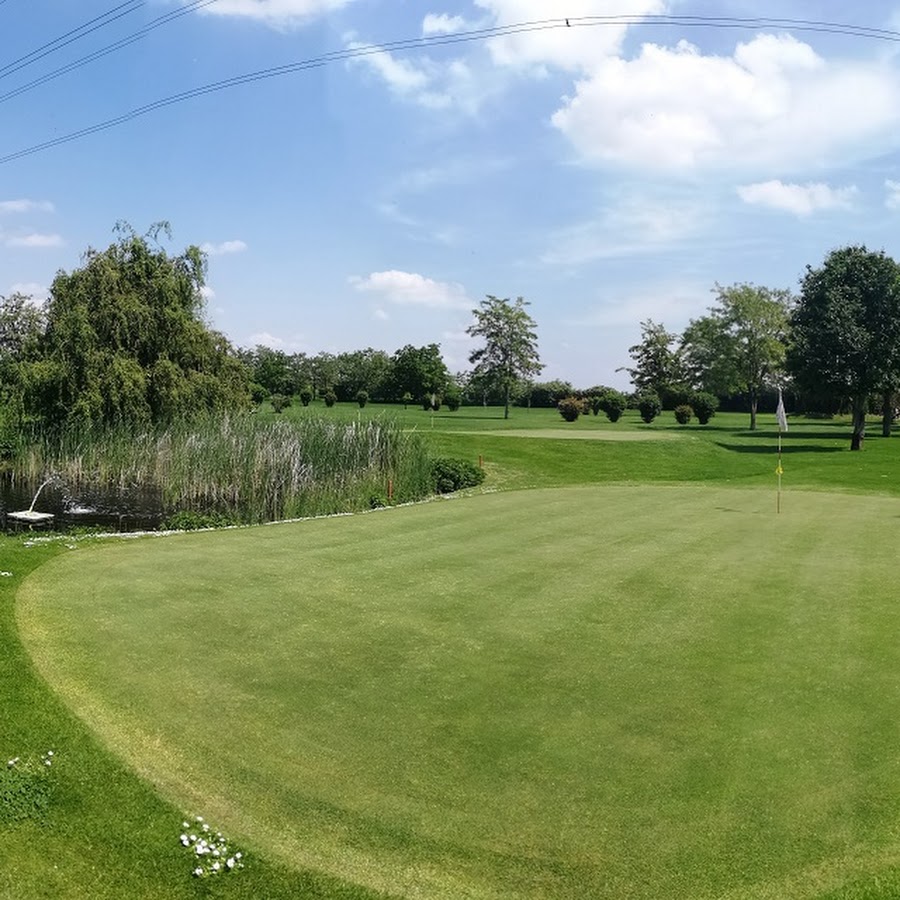
Golf Club Wien
Traditional 18‑hole golf club located in the Freudenau area of Vienna.
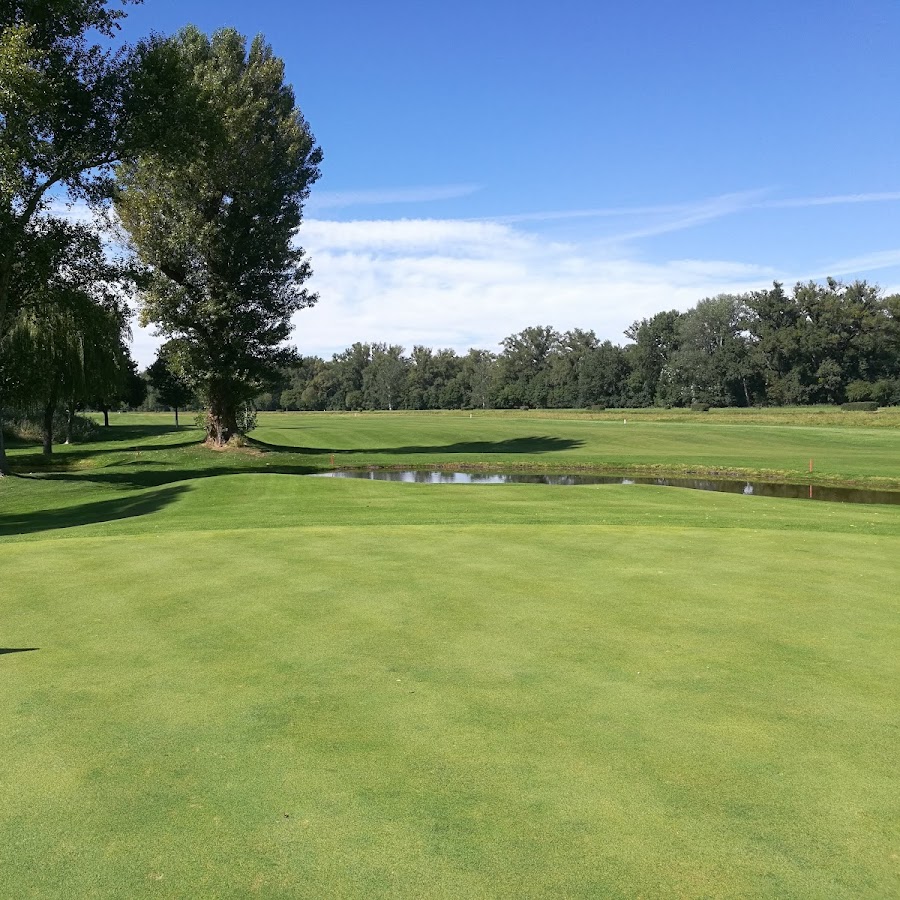
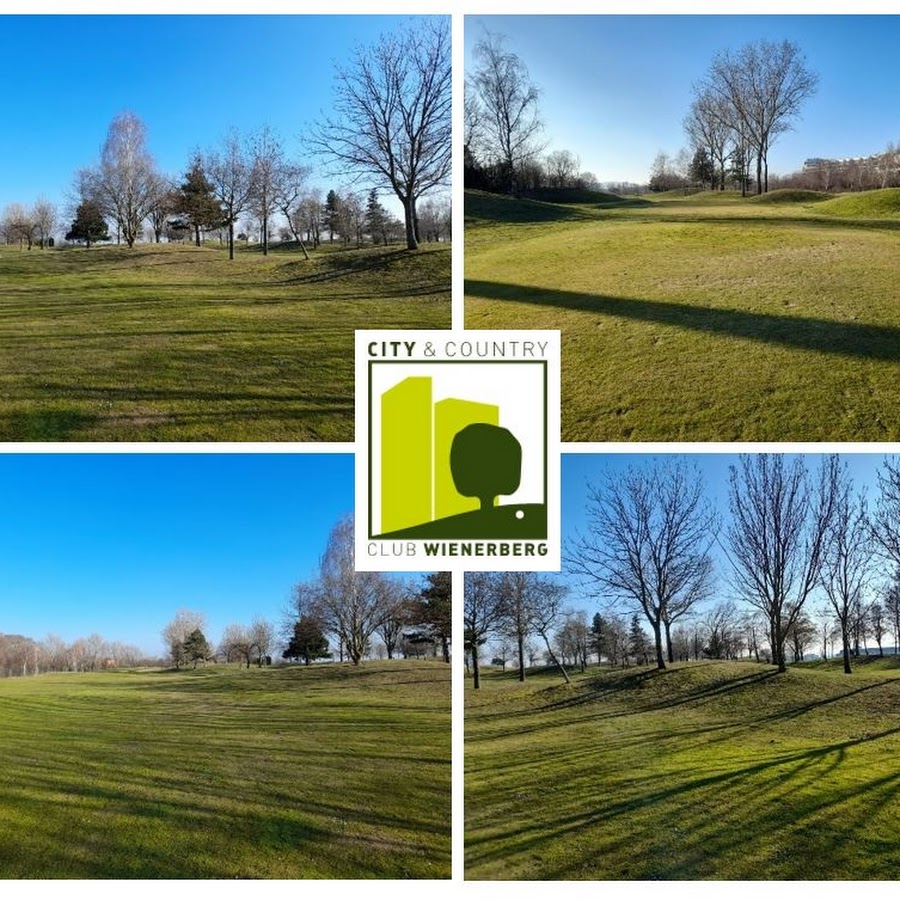
City & Country Club Wienerberg
A 9‑hole golf course in a nature reserve, right within Vienna. The club also has indoor golf simulators (QED Uneekor) and a relaxed, green setting.
Restaurant
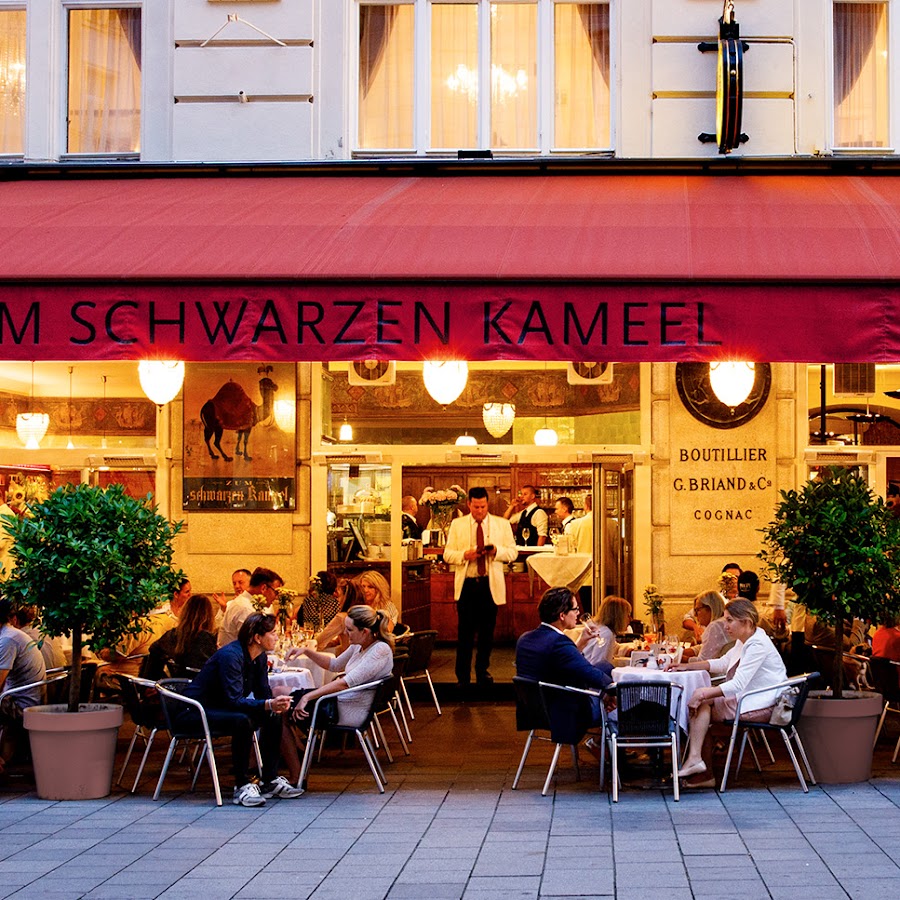
Zum Schwarzen Kameel
Iconic and historic restaurant/delicatessen in an Art Nouveau building, serving Viennese classics and small plates.
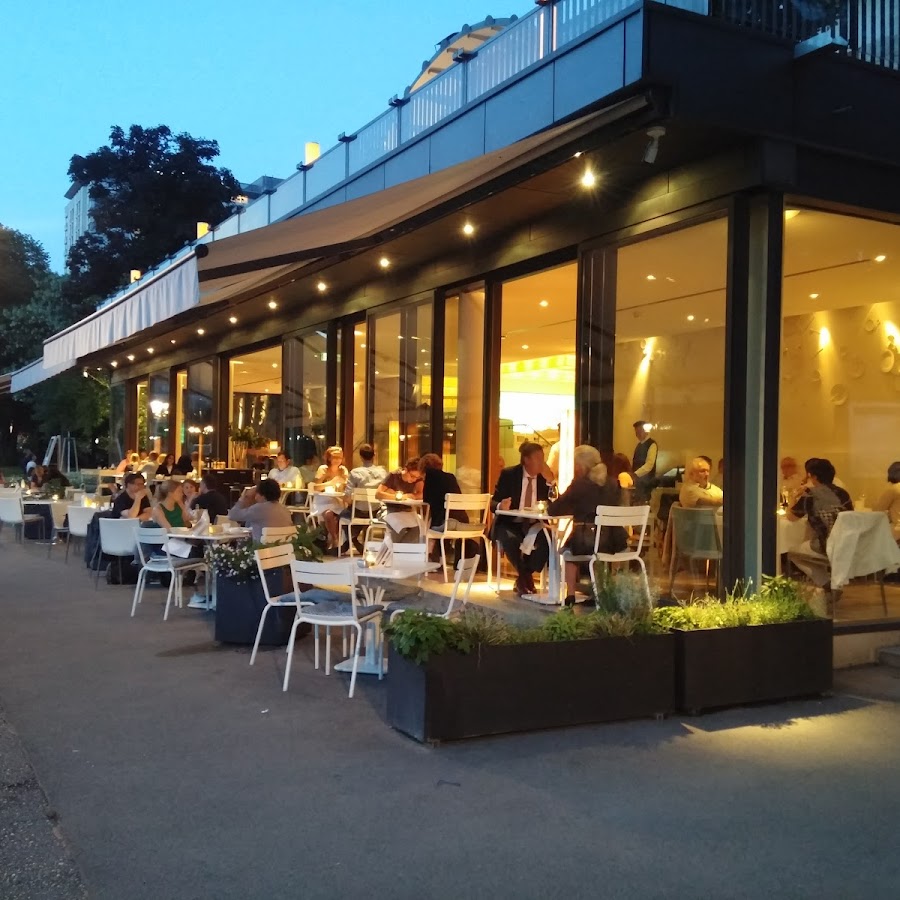
Steirereck
High-end contemporary Austrian cuisine. Located in Stadtpark, it combines traditional ingredients with innovative techniques.
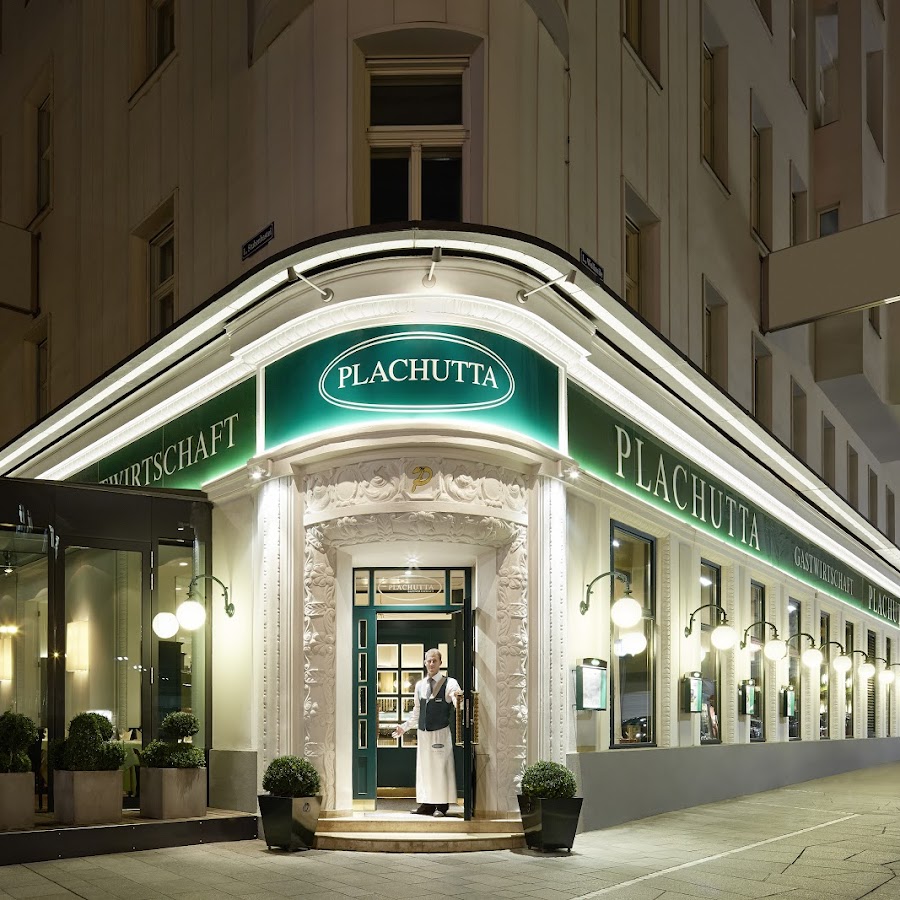
Plachutta Wollzeile
A classic Viennese restaurant, famous for its Tafelspitz (boiled beef). A Viennese institution.
Restaurant Meissl & Schadn Wien
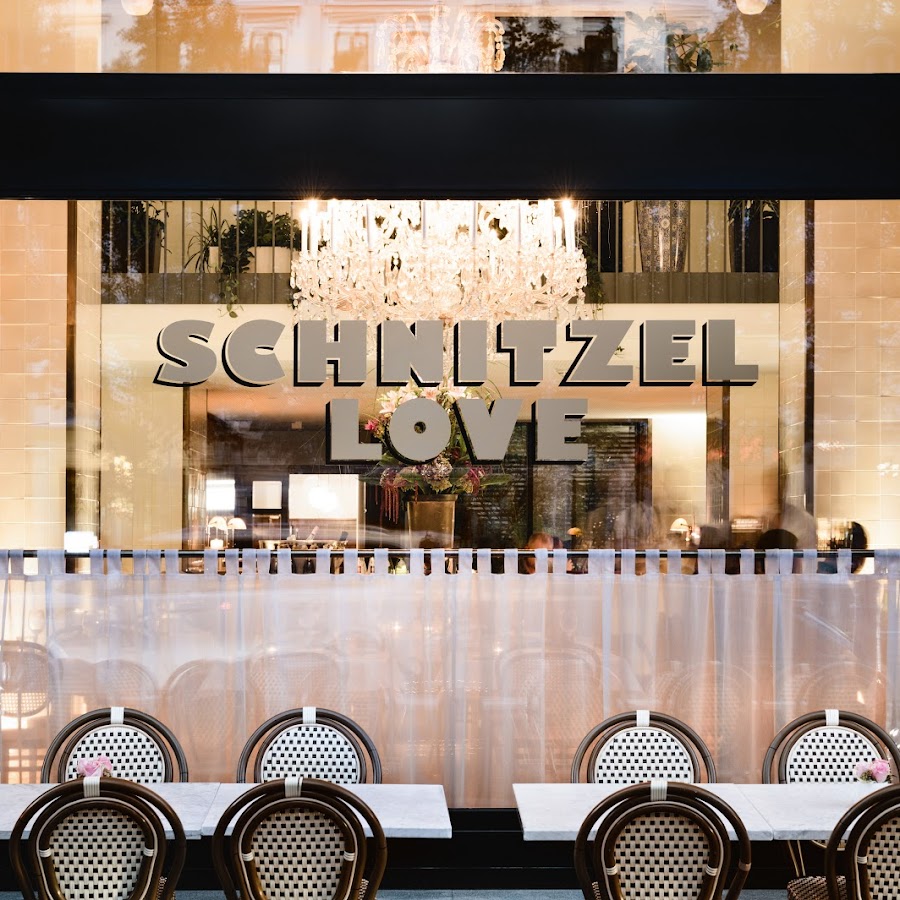
Traditional Viennese schnitzel inn, popular with both tourists and locals.
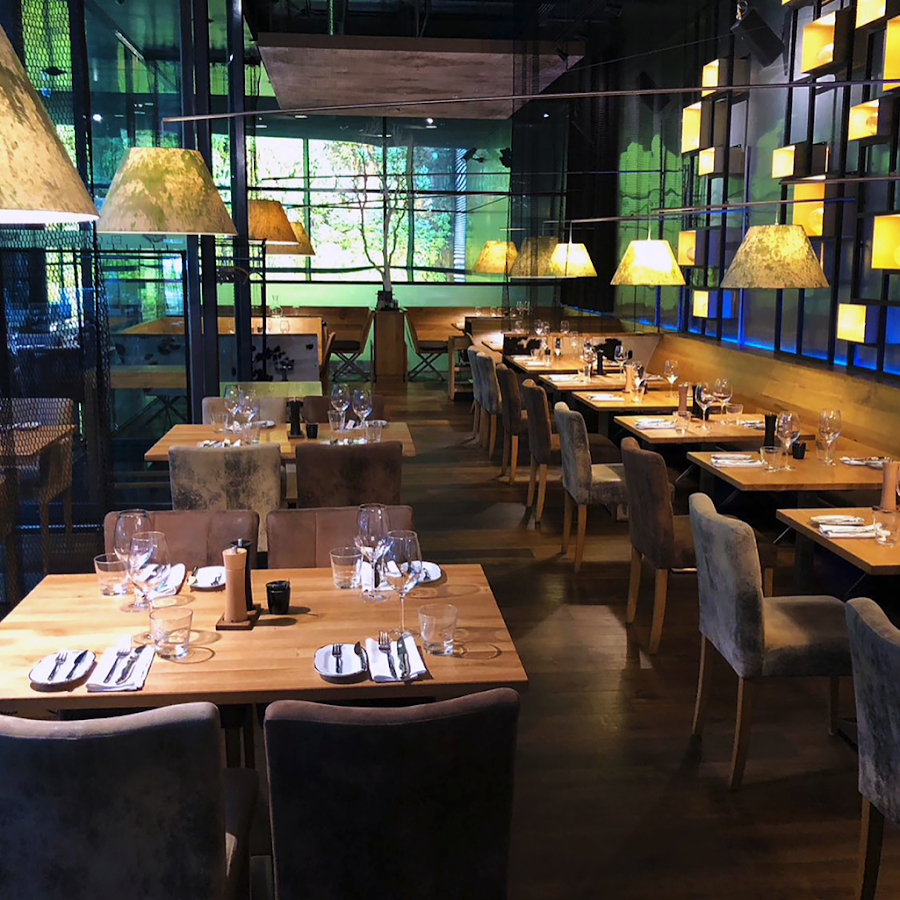
El Gaucho im Design Tower
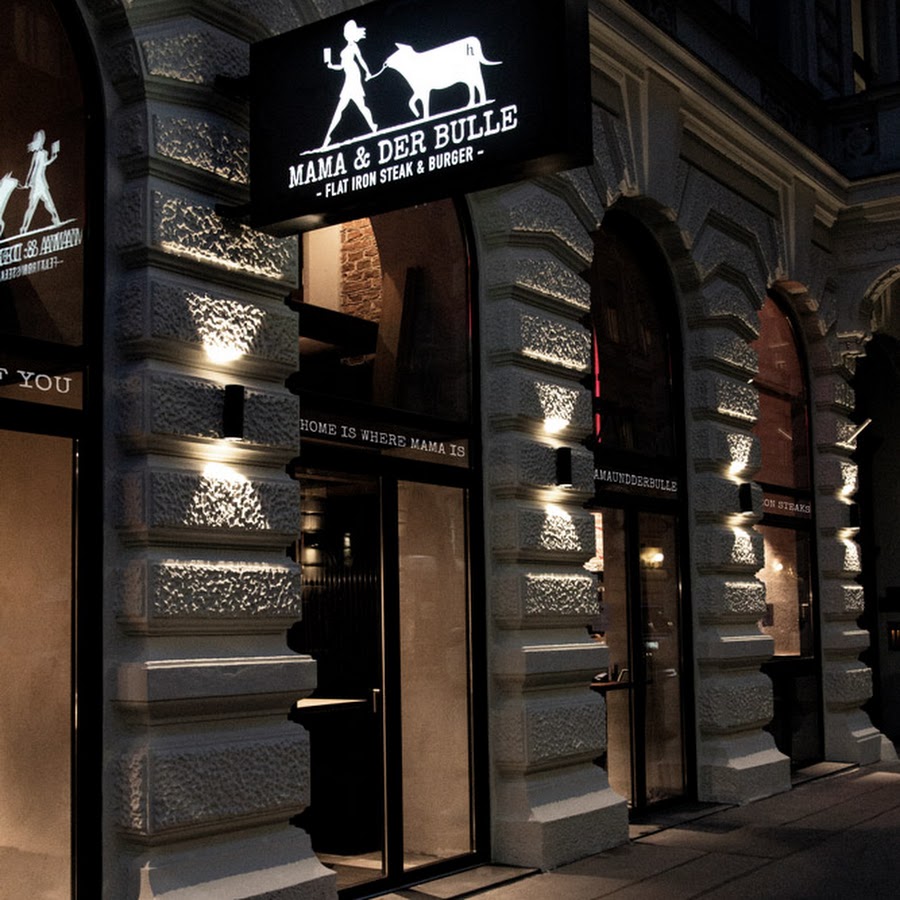
Mama & der Bulle
Modern Austrian cuisine with a steak theme; friendly, informal atmosphere.
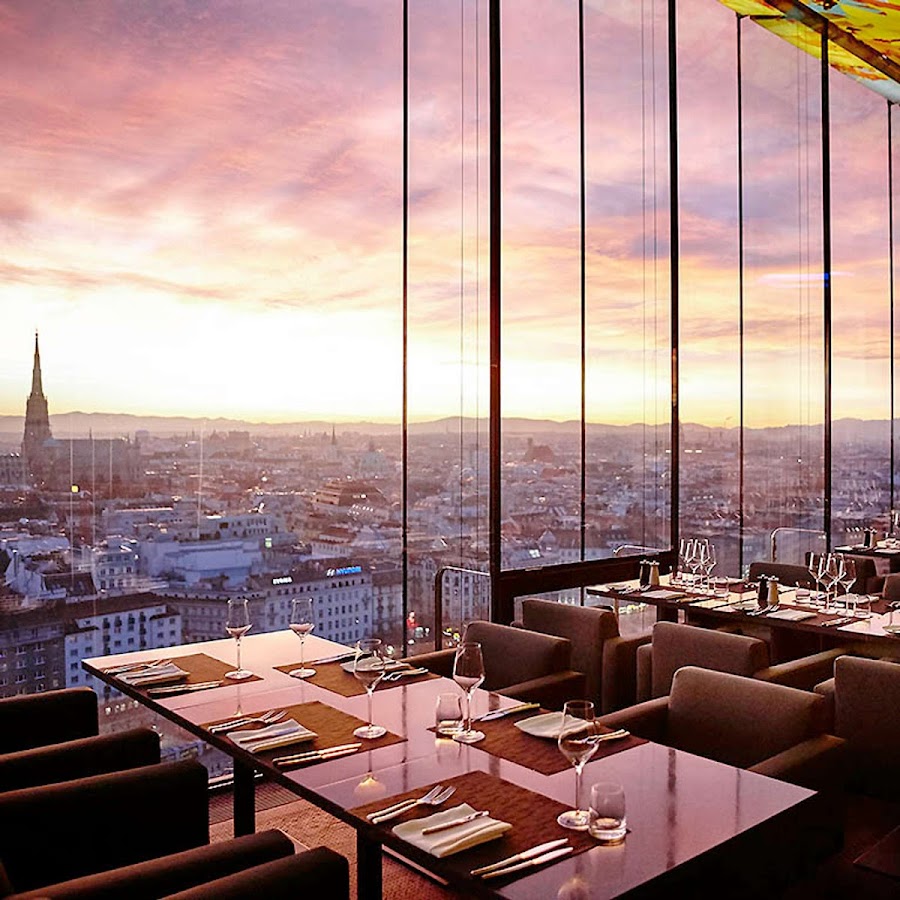
Das LOFT
Restaurant with panoramic views over Vienna (seating at a height), very stylish and modern.
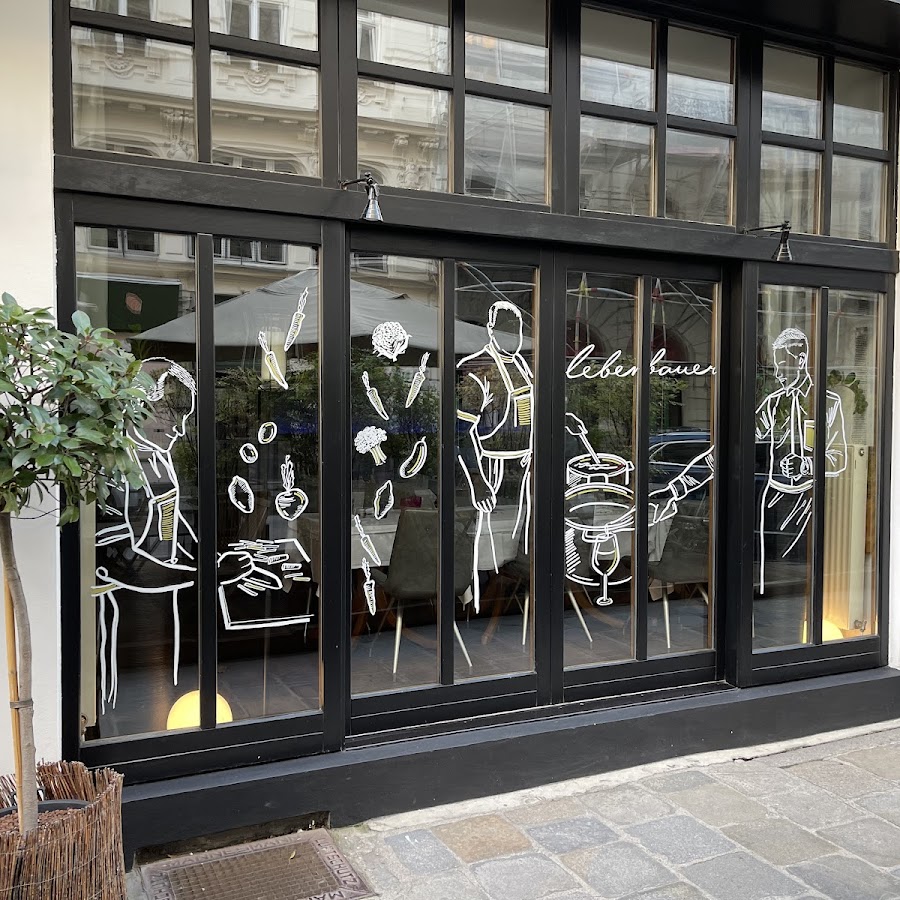
Lebenbauer Vollwert Restaurant
Healthy restaurant with a “whole food” focus, light dishes in a relaxed setting.
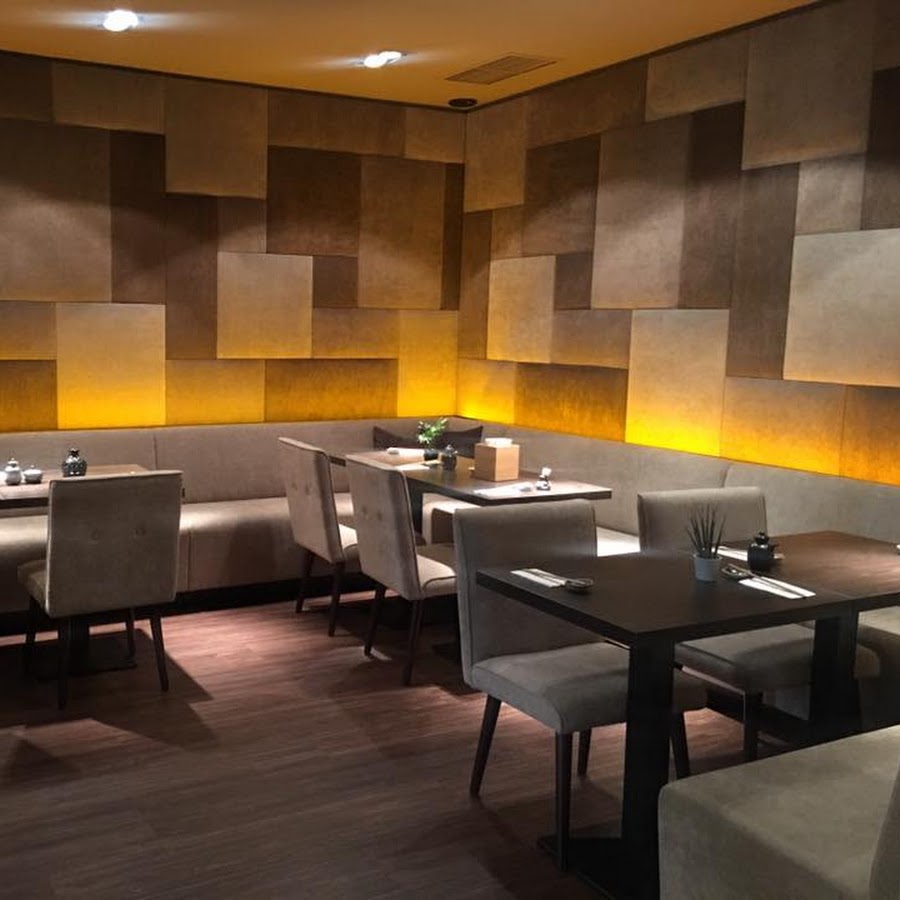
KitchA - Sticks & Rolls
Asian sticks & rolls (small dishes) in a modern, informal setting — ideal for lunch or a quick dinner
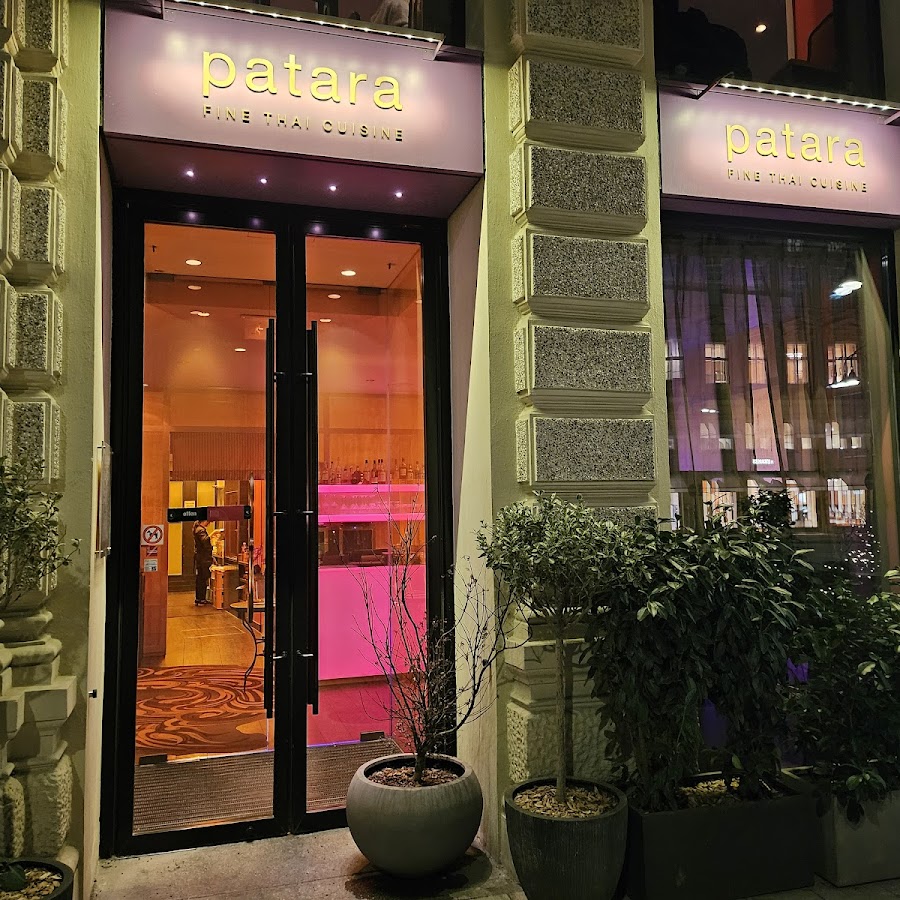
Patara Restaurant Vienna GmbH
Thai restaurant with both traditional and modern dishes, elegant atmosphere.
Viewpoints
Kahlenberg