Slovenia 770+ Stays and Things to see
Slovenia is a hidden gem in Central Europe, where alpine peaks, turquoise rivers, and charming towns come together in a beautifully green and welcoming country. From the fairytale setting of Lake Bled and the lively streets of Ljubljana to the underground wonders of Postojna Cave and the coastal charm of Piran, Slovenia offers incredible variety in a small, easy-to-explore space. Ideal for nature lovers, adventure seekers, and culture enthusiasts, it’s a perfect blend of outdoor beauty and rich tradition.
Premium Partner Hotels in Slovenia
Hostel Mamas House
Hostel Mama's House is located 3 km from Ljubljana Jože Pučnik Airport and 2 km from Krvavec Ski Centre. It offers free Wi-Fi and a fully equipped shared kitchen. A coffee shop and a bakery can be found just 50 metres from the Mama's House. Restaurants and pizzerias can be found within easy walking distance. There are 2 shared kitchens available for guests to use. The hostel offers a possibility to organise transfer to the ski lift for Krvavec. 150 metres from the hostel there is a bus stop with buses to Kranj and Ljubljana, 12 and 30 km away.
Where to Stay in Slovenia?
Hotels, B&B's...
Martinova Izba - Ekotur doo
Appartement Kristan
Appartement et chambres Aleksandra
Studios Oriana
Villa Alice
Pension Pibernik
Marija Svetina - Sobodajalka
Appartements Bled
Hôtel Astoria Bled
Hôtel Garni Berc
National Museum of Slovenia
The National Museum of Slovenia (Slovene: Narodni muzej Slovenije) is located in Ljubljana, the capital of Slovenia. It is located in the Center district of the city near Tivoli City Park. Along with the Slovenian Museum of Natural History, located in the same building, the National Museum of Slovenia is the country's oldest scientific and cultural institution. The museum has an extensive collection of archaeological artefacts, old coins and banknotes (in the numismatics department on the ground floor) and displays related to the applied arts. In 2021 it's been given the golden Order for Exceptional Merits by the president of Slovenia, Borut Pahor.The National Museum of Slovenia is located in Ljubljana and showcases the country's cultural heritage, including archaeological finds, historical artifacts, and art collections.

Camping fluvial de Bled
Morski Gaj Fiesa
Appartements Sabadin
Appartements Heidi
Appartements Majda Portorož
Chambres et appartements Knez - Košak
Appartements Artemus Music House
Appartement Pirano
Auberge Pirano
L'auberge de la Trompette et du Nuage
Appartement Verdi
Appartements Kolenc
Auberge Panorama Portorož
Auberge Adriatic Piran
Dom Paraplegikov
Maison d'hôtes PachaMama
Appartement Marciana
Maison d'hôtes Piranum
Appartements Vila Barka
Piranika
Appartements Résidence VIP
Appartements Mirjana
Appartements Stella
Hôtel Max
Maison Donatella
Maison et studio traditionnels de Piran
Camp Fiesa
Les maisons de Portorož
Hôtel Mirna - LifeClass Hôtels & Spa
Benecanka Casa Veneziana Piran
Appartements Olive Garden
Dijaški dom Portorož GEPŠ, auberge
Hôtel d'art Tartini
Apartments Piran
Appartements Bella-Tara
Piraneska
Stara Gostilna Vecchia Osteria
Chambres de la vieille ville de Piran
Spa marin, Terme Portorož, LifeClass Hotels & Spa
Hôtel PiranArt et plus
Hôtel Fiesa
Vila Piranesi
Boutique Hôtel Miracolo di Mare
Brunch végétarien PiranArt
Memento B&B
Hôtel bien-être Apollo - LifeClass Hotels & Spa
Pension Silvia
Deuxième vie à Piran - Hôtel Zala
Hotel Histrion
Auberge de jeunesse Piran
Hôtel Vile Park Premium
Hôtel Piran
Hôtel Slovénie - LifeClass Hotels & Spa
Grand Hôtel Bernardin
Hôtel Riviera - LifeClass Hôtels & Spa
Grand Hôtel Portorož - LifeClass Hotels & Spa
Hôtel Neptun - LifeClass Hotels & Spa
Barbara Piran Beach Hôtel & Spa
Ingrid Saksida - tourisme à la ferme
Motorhome Space
Prenočišča pri Martinovih
Prenočišča Kogoj
Sobe Lavanda
Rooms D&D Trnovo
Trgovina in zastopanje - Martina Alma
Turistična kmetija Štanfel
ALMA VISTA
Apartmaji v Mlinu
Villa EVA Resort & Boutique
Restavracija Primula
BRIC Wine & Relax
Lipa, Hotel & Bistro
Turistična kmetija Malovščevo
HOSTEL POINT Nova Gorica
Kamp Brda
Aldila Art Rooms
Restavracija pri Kraljici Svetogorski
Gostišče s prenočišči Oddih
Farm Stay Malovščevo
Gostišče Madonca
Posestvo Pintar
Camping Park Lijak Aktive Holidays
Bed and Breakfast Kogoj
Hotel in camp Siesta
Pri Bregarju
HIŠA ŠTEKAR
Vila Burbonka studios
Gostišče pri Marjotu
Villa Eva
House Iaquin
Hotel Kozana
Dvor Vipolže
GARAGE HOSTEL SOLKAN
Hotel Casino Paquito
Marica
Gostišče Šterk
Prenočišča Leban - TEA LEBAN
Pikol
Peterc Vineyard Estate
Gostilna Termika - hiša Goriških njokov
Sabotin, Hotel & Restaurant
Park, Hotel & Entertainment
Saksida, wine & camping resort
DAM boutique hotel & restaurant
Perla, Resort & Entertainment
Penzion Petelin Andreja Petelin sp
Maison Koražija
Rogaška
Privatne sobe Kvesić
Appartement Rozika
Auberge Kurent
Appartement Happy Scotts
Gostinstvo turizem pri kapeli Mojca Druzovič sp
VINO, TURIZEM À PRENOČIŠČA - TURISTIČNA KMETIJA PROTNER
Hiša Joannes Protner (vinarija)
Rooms Klampfer
Ferme touristique Joannes
Eko Hostel & Apartments Ljutomer
Protner Bojan - Nosilec dopolnilne dejavnosti na kmetiji
Chambres et appartements Biš
ROOMERS
Tourisme vert, Irena Vovk sp
Club TI
Hôtel Strossmayer
Širec Marjan - Nosilec dopolnilne dejavnosti na kmetiji
Hiška pri Tisi
Dopust na Carovini
Maison d'hôtes Živko
BOTRA - Restavracija - Restauration - Hôtel
Naturasort, Loisirs et Sport
Appartements Kristal Lux
Ferme touristique de Vrbnjak
Motel à pizzeria Črni Baron, Marjan Vidovič sp
Chambres Pomona
Lovrec Marjan - Nosilec dopolnilne dejavnosti na kmetiji
Kaj à Kaja, gostinstvo en turizem doo
Gostišče FraGostišče Framski hram Petra Polanec sp
Hôtel Frost
Gostišče siva Čaplja - Janko Trinkaus sp- restavracija
Village d'ORANDA
Hiša Divino
Motel Majolka
Camping Terme Ptuj
Hôtel Murat
Hôtel Zagreb
Site touristique du vinogradništvo Pungračič
Station de nidification
Herbersteinova klet
Pension Gostisce Lesjak
Motel & gostilna Divjak Marjetka Rožič sp
Maison Firbas
Gostisce Golob
Hôtel Slatina Superior, Rogaska Slatina
Appartements Akacijev Izvir
Sobe Grabar
Panorama sanglant d'Oddaja, Metka Gutschi sp
AUBERGE SONCE
Auberge Strug
Château Ramšak, complexe de glamping viticole
Oddajanje nočitvenih kapacitet, Silva Vogrinec sp
Grand Hôtel Primus
Gostilna Marta, Franc Tomažič Letonja sp
Grand Hôtel Rogaska Resort
Hôtel Aleksander Medical & SPA
Čelan Ana s.p. - Gostilna Čelan
Chambres d'hôtes Šilak
Guesthouse Beno
Hôtel Mitra
B&B Muzikafe
Hôtel-boutique Atlantida
Grand Hôtel Sava Rogaška
Grand Hôtel Donat Supérieur
Camping Falkensteiner Premium Lac Blaguš
BIOTERME - termalno kopališče, glamping Sončna dolina, hôtel à PZA
MINI-DORTOIRS AU CŒUR DU CENTRE-VILLE
Appartement Zorec
Auberge UNDERGROUND
Penzion zeleni kakadu Cvetka Wregg sp
Appartement duplex de luxe
Appartements Banjac
Appartement Bon Voyage
Auberge Lollipop
Mini résidence étudiante Maribor Center
Appartements Juric
CHAMBRE
Maison des remparts de la ville
Appartement Carême
Sobe-Apartmaji-Terapije
Domaine viticole Kaloh
Hôtel Betnava
Avtokamp Kekec, Bernard Kekec sp.
MAISON D'HÔTES - GOSTIŠČE PRI JANEZU, Robert Antoinc sp.
Maison Anna
Maison de vin Kaloh
Baci sucré
Baščaršija (Maribor Poštna)
4 pièces
Gostilna dans l'appartement maji Šelih (Zamuda doo)
Gentry11 Chambres et plus
Pub de Patrick
B&B Fani&Rozi
Tambourin
Glamping, jacuzzi et projecteur par Nidumm Stay
Auberge M
Appartements Kavenija
Mekina, Hôtel maison d'hôtes, Ferienhaus, Zimmer, Sobe, Maribor
Hôtel Maribor, City Apartments & Garden Rooms
4Flats
Auberge de jeunesse Pekarna
Gostilna à Motel pri Lešniku
Hôtel Garni Terano
Sobe Stara Lipa Tašner, Ksenija Tašner sp.
Hôtel Vila Emei
Hôtel S
Chambres Klampfer
Hôtel Piramida
Maison d'hôtes Mlada lipa
Maison d'hôtes Pri Gondoli
kavarna Kavenija
Pri Karlu - Chambres et plus | chambres, prenočišča, Zimmer Maribor
Plan de la ville de l'hôtel
Maison d'hôtes Pohorska Kavarna
Hôtel Bau
Résidence Meljska
Auberge de jeunesse UNI
Hôtel Lent
Maison d'hôtes Pikapolonca
Gril Ranca pod Pohorjem
Centre DRAŠ
Chambres de jardin
Hotel Arena
Hôtel Habakuk
Hôtel City Maribor
B&B HOTEL Maribor
B&B HOTEL Maribor Orel
Hostel Pograjski dom
Domačija Vodnik Adergas, gostinstvo in turizem d.o.o.
Apartma Franko
APARTMA DOLINAR, JANEZ DOLINAR - SOBODAJALEC
Klub Gurmanov Skaručna
Restavracija Bolero
Apartments Blumauer
Adrijana Krebelj - Nosilka dopolnilne dejavnosti na kmetiji - Kmečki turizem pri Lavrič
Ranč Luže
Turistične sobe Sreš s.p.
Turizem na kmetiji "Žgajnar"
Camp Smlednik
Apartment Vrtacnik
Apartments Gubanec
Taprav Žibert
OH Apartments & Rooms, Ljubljana
Dušan Vidovič - sobodajalec
B&B Černe
Gostišče Pr'Kovač, Vredno Cesarja
Layer House - The House of Art
Sobe in apartmaji Kepic
Apartments Boltez
Bed and Breakfast Valjavec
Lesnavesna, Architecture, Design & Apartment
Glamping Mohorjev grunt
Gostilna Logar Logar Igor s.p.
Burger Bar | Bed & Breakfast REZIDENCA PIPANOVA
Hiša Aleš
Pr' Grogori
Pri Žabarju
Hotel Brdo
Guest House Bakhus
Hostel Cukrarna
Gostilna Blegoš
Hotel Bellevue - Šmarjetna gora
Bed & Breakfast Pr'Sknet
Gostilna Pograjski dom
Sobe, Zimmer, Rooms Drinovec
Rooms & Apartments Kepic
Hotel Zbilje
Orchid and Skylight room for 4 persons
Hotel Oskar Zaplata
Gostilna Stari Mayr
Gostilna&Glamping Bizjak
Dežman Apartmaji & Sobe & Wellness
Možinetova hiša
Kavarna Vahtnca
Marija Marinšek - Sobodajalka
Pri Ancki,B&B,Pension,bar
Hotel Medno
Apartmaji Na Poljani
Bed & Breakfast Na Poljani
HOTEL BARON
Gostišče ČEŠNAR
Mini hotel gostinstvo in turizem, d.o.o.
Hotel Kanu - Resort & caravanning
Simbol Rooms
Turistična kmetija 'Pri Marku' Porenta Simon
Guest House Kveder
Aparthotel Vila Minka
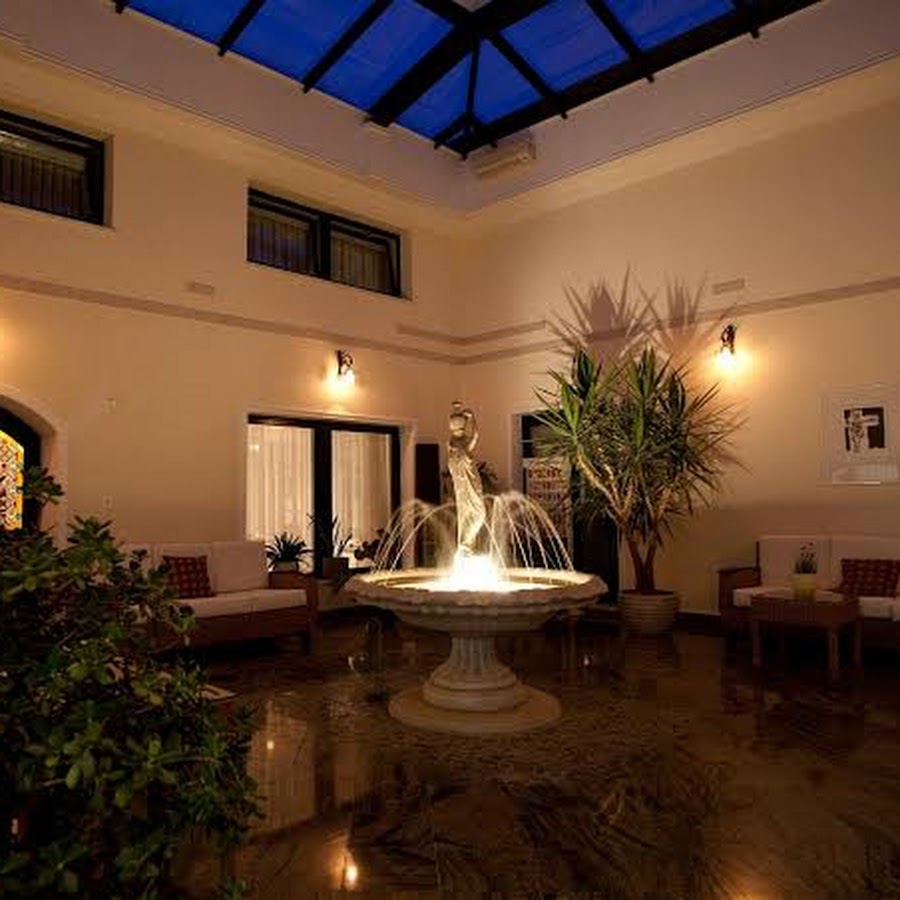
Turistična kmetija Megušar
Gostilna Arvaj pri mostu d.o.o.
Dvor Jezersek Brnik
Gostišče Kveder Andreja Eržen s.p.
Hiša Ančka Šenčur
Slavica Šmid - sobodajalka
Hotel Azul
Jurij Berglez - Sobodajalec
Hotel Marinsek
Rooms& Apartments Jana
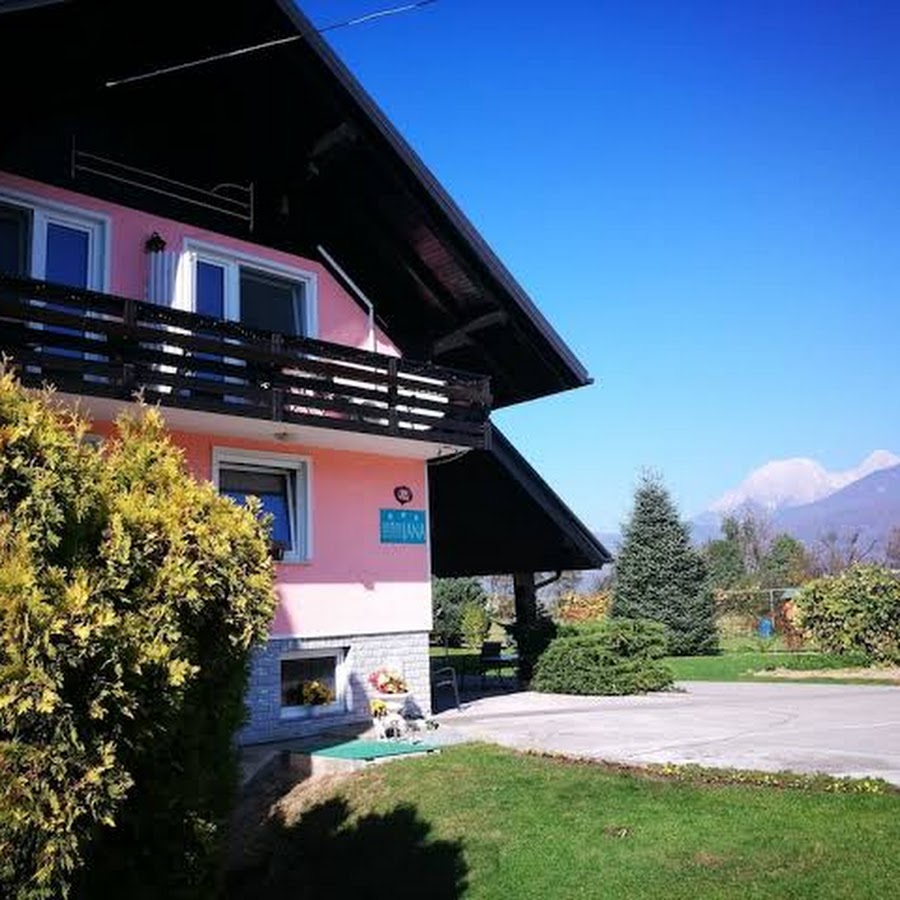
Vegan Fresh Restaurant & Hotel
Eko Glamping Resort Krištof
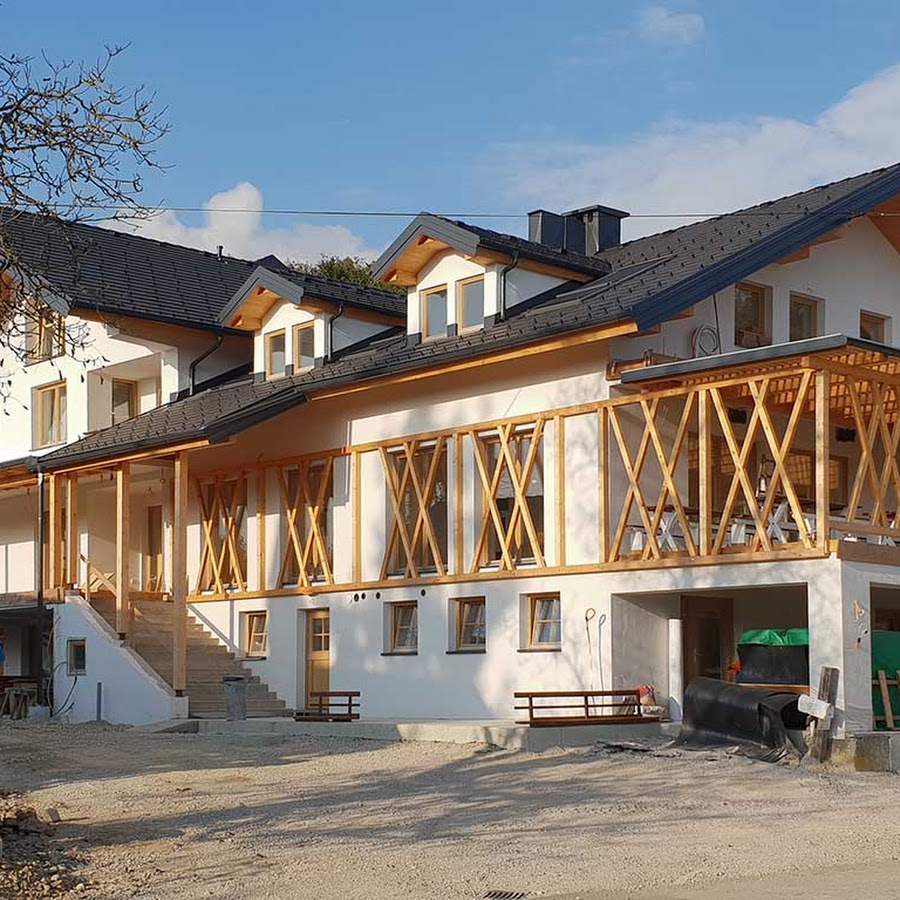
Strmol Castle - Hotel and Cafe
Rooms4Young
Elegans Hotel Brdo
Garni Hotel Jagodic
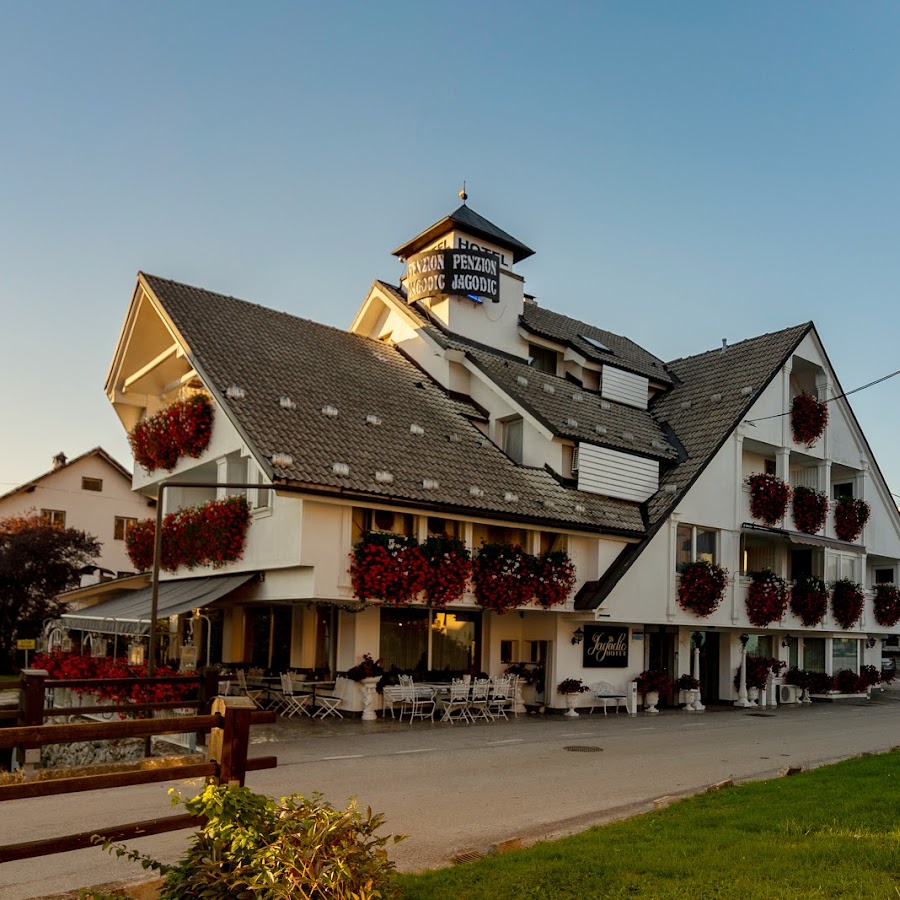
Actum Hotel
Gostilna Ančka Magdič Anton s.p.
Hotel Creina
Guesthouse Pri zalogarju
Hotel garni Paleta
Bajta Kropar'ca
Gostišče Jezero
Na Vasi, restavracija in prenočišča
Turizem Loka - Hotel Loka & Hotel Vila Loka & Wellness Loka
Hotel Zamorc
Hotel Lonca
Garni Hotel Cirman
Hostel Šest pik
Vault Hotel Ljubljana
Ljubljana Treasure Apartment
구들방 (Goodlebang) / 슬로베니아 류블랴나의 한인민박
Pansion Valentin
Most Hostel
Triplex apartment The Princess Castle
Simple Accommodation Vodmat
Apartment Center 25
Vila Kodeljevo
Hotel Čad
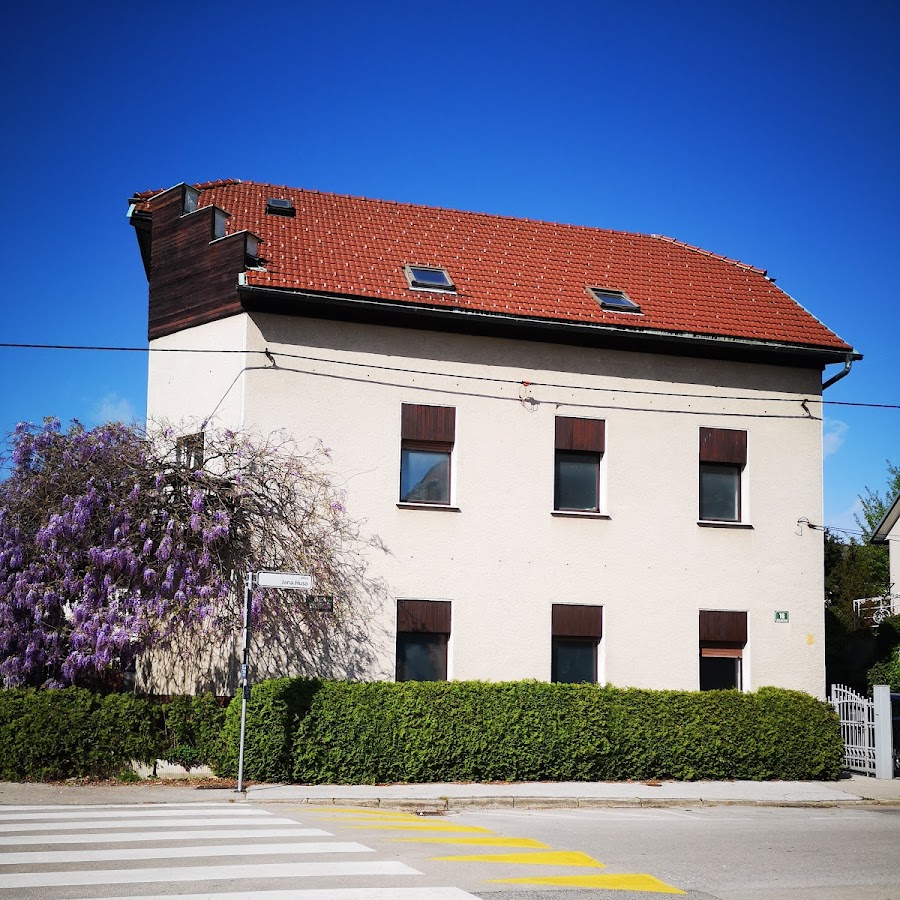
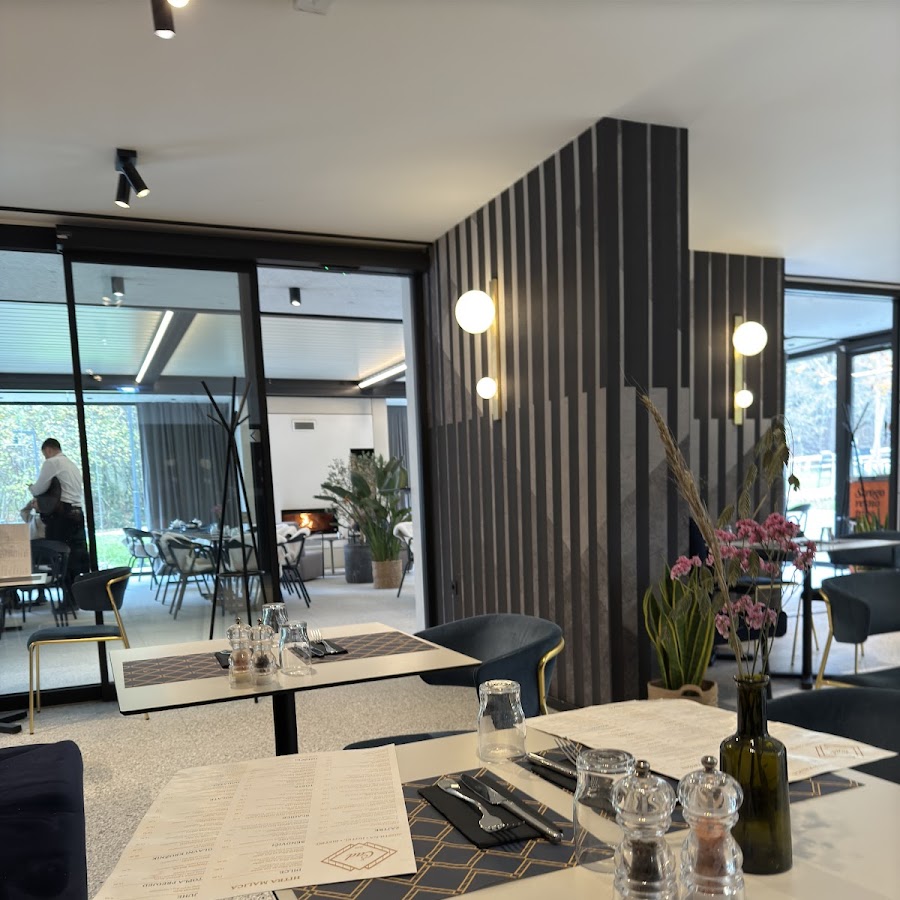
As a guest staying at Čad Hotel in the green environs of Ljubljana right at the foot of Rožnik hill, you can choose between a standard double bed, a deluxe double room, a luxury double suite and a duplex apartment for a family holiday. All rooms feature the calming energy of a bright and elegantly designed interior with comfortable beds that ensure a restful night of sleep after a day filled with new experiences, and room service for an even more carefree stay at our hotel. We guarantee a memorable experience with us, whether you are visiting Ljubljana for business or enjoying a sightseeing or family holiday. Our staff will make you feel welcome in every part of our hotel.
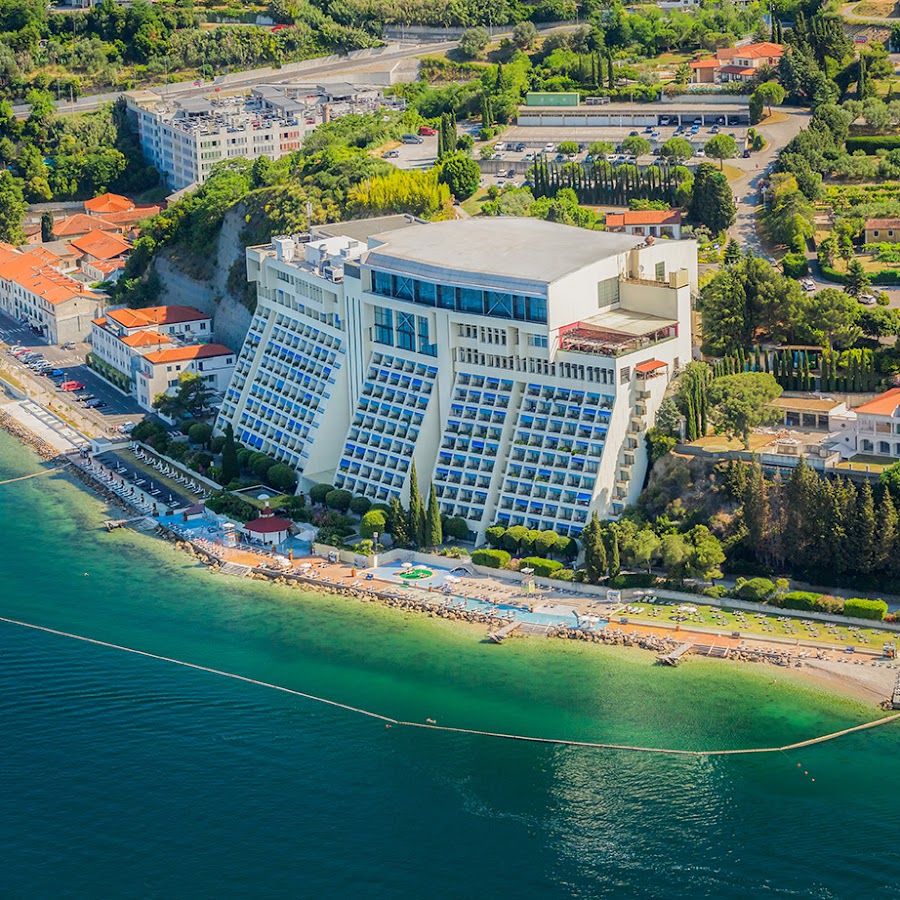
Sava Turizem d.d. - Sava Hotels & Resorts
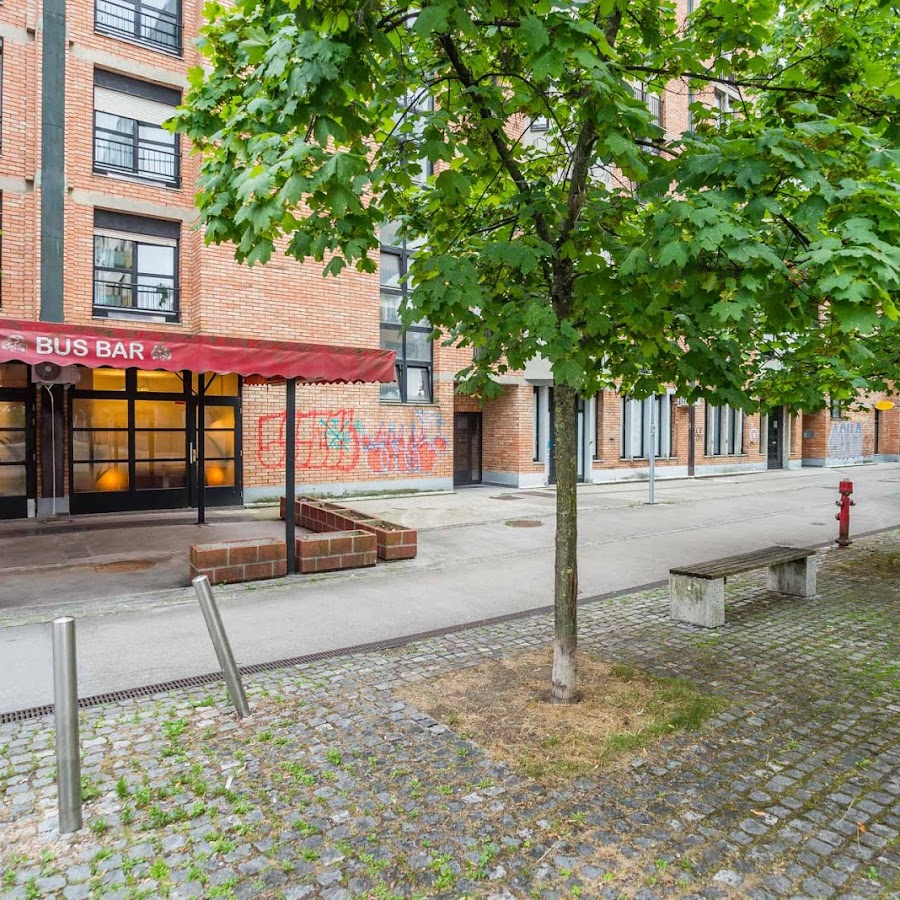
apartma npoznam 2
Apartments Vrtnica
KUBUS gostilna in pizzeria, guest house
CUBE central rooms for 2
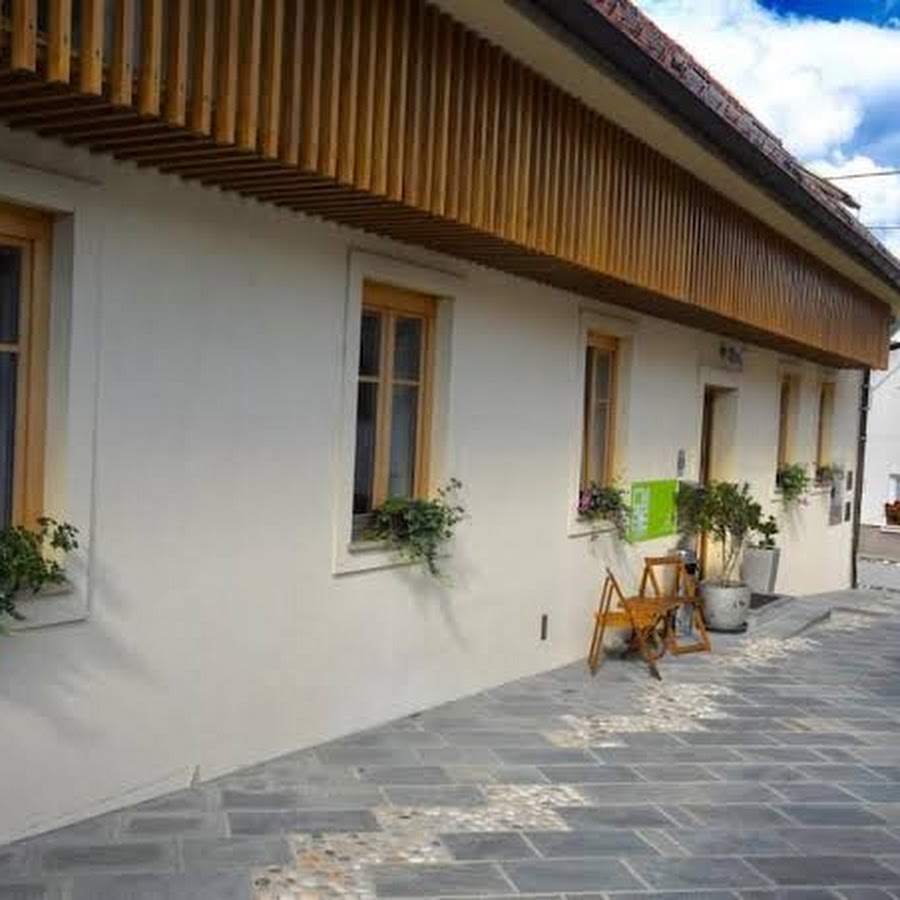
Penzion Kmecki Hram
Apartment Rimska Tour As
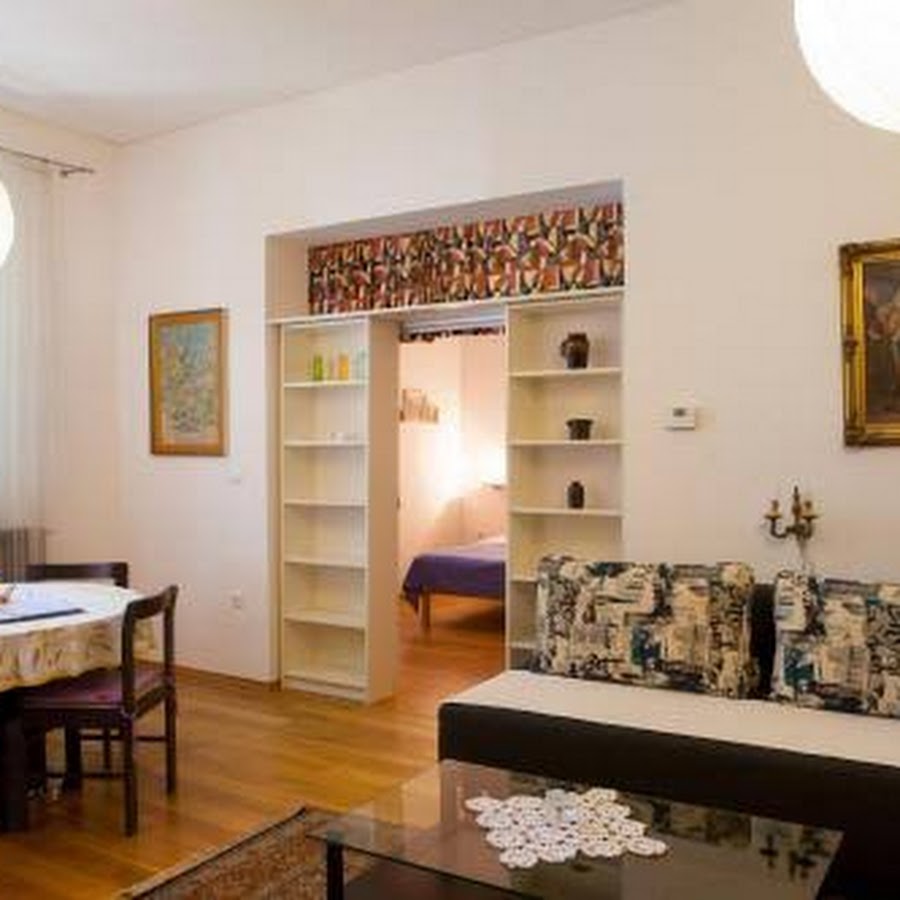
Galeria Rooms
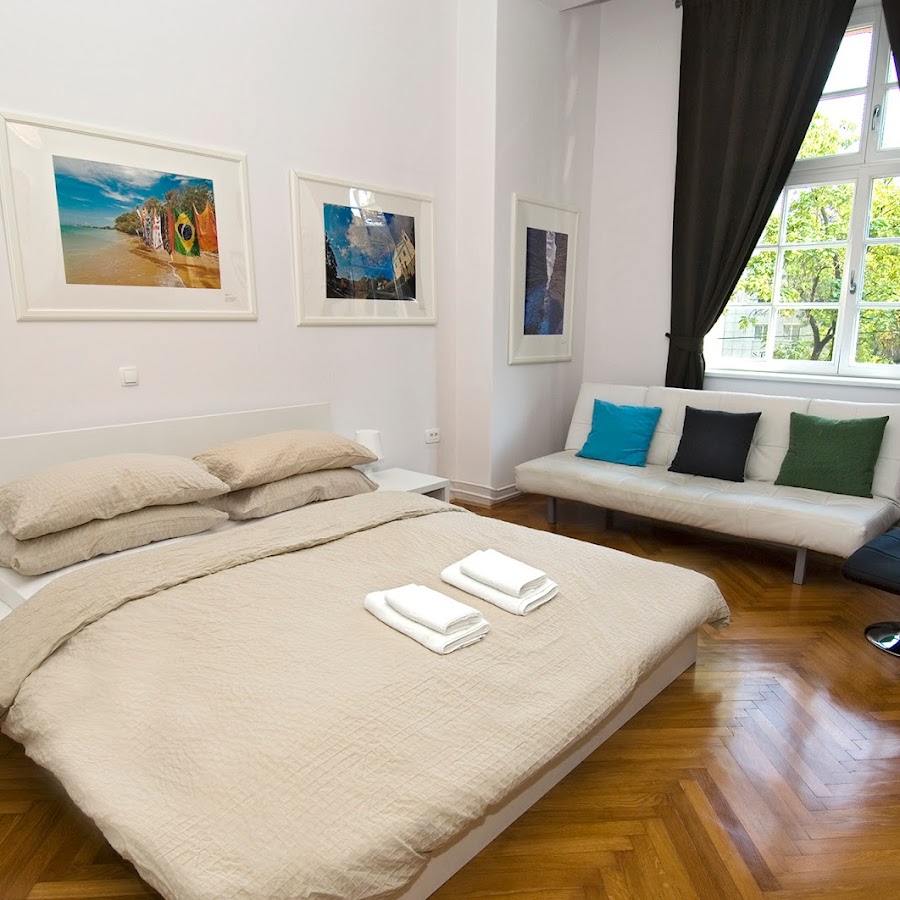
Gostilna "Pri Peclju" Grad Ivan s.p.
Meščanka Apartments
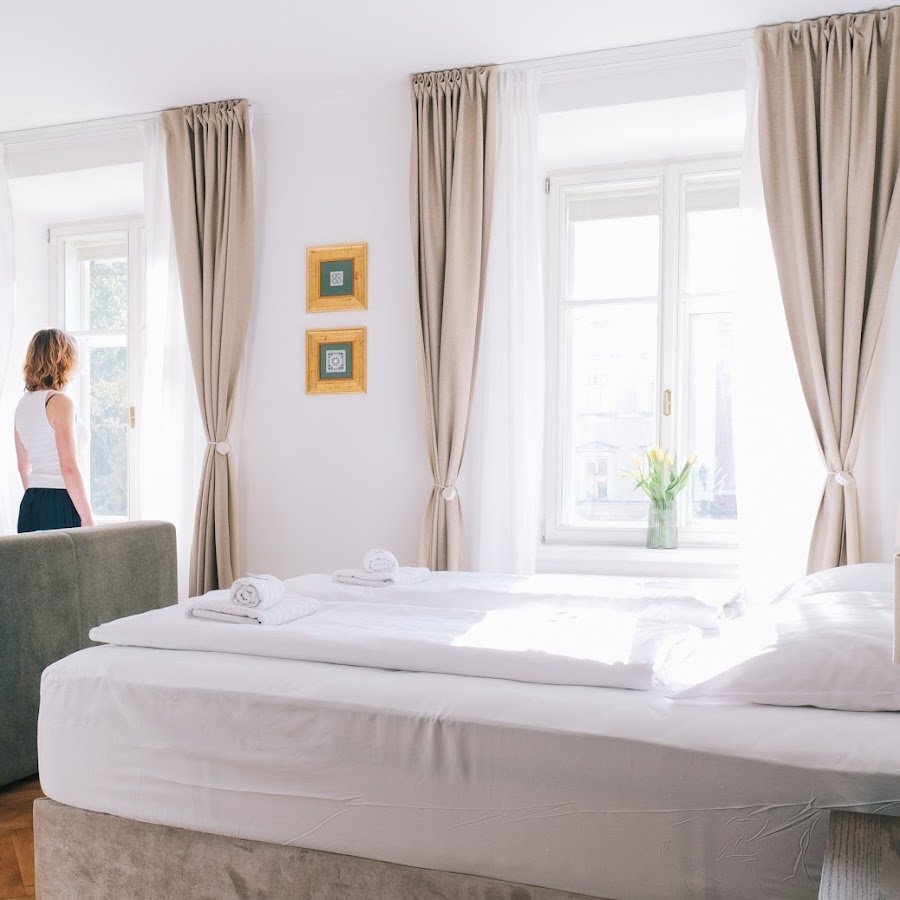
Penzion Pod Lipo
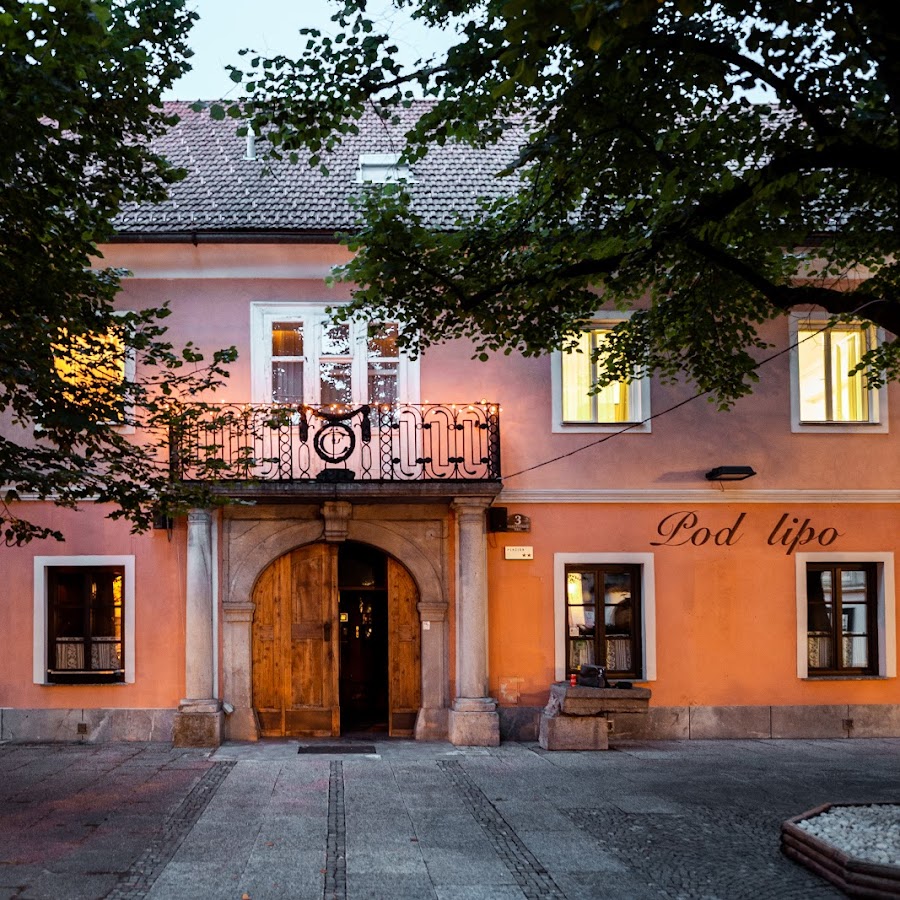
Gostilnica Orle
Azur Rooms Ljubljana
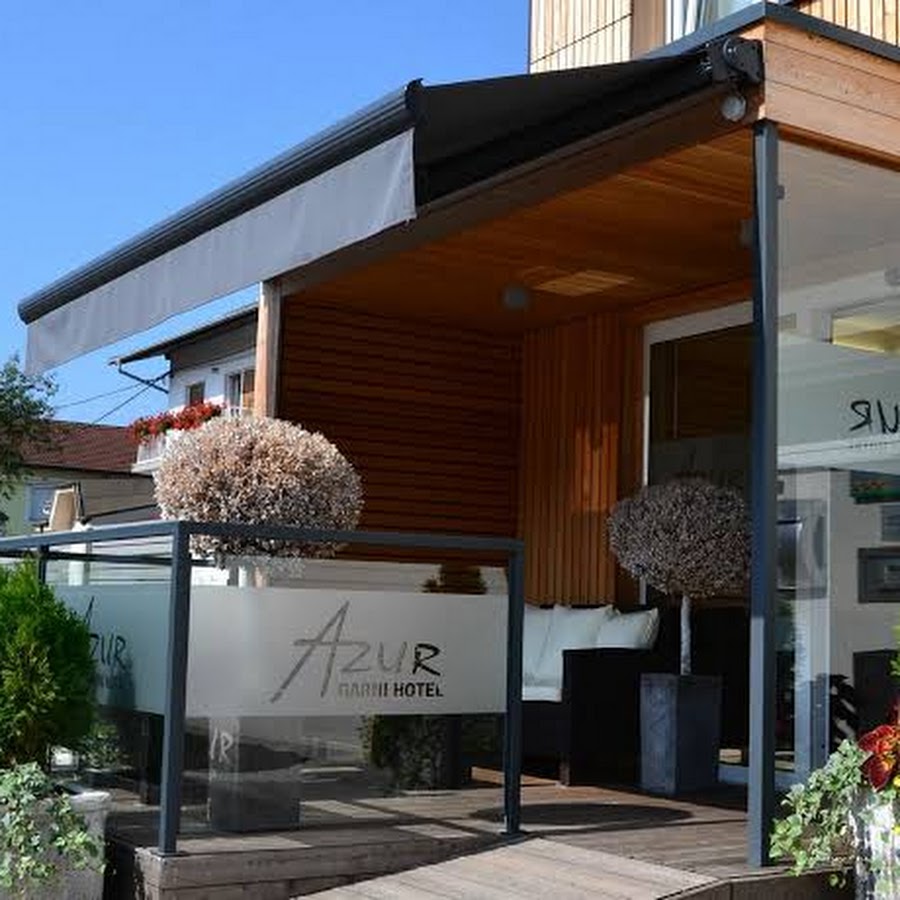
Sport Hotel
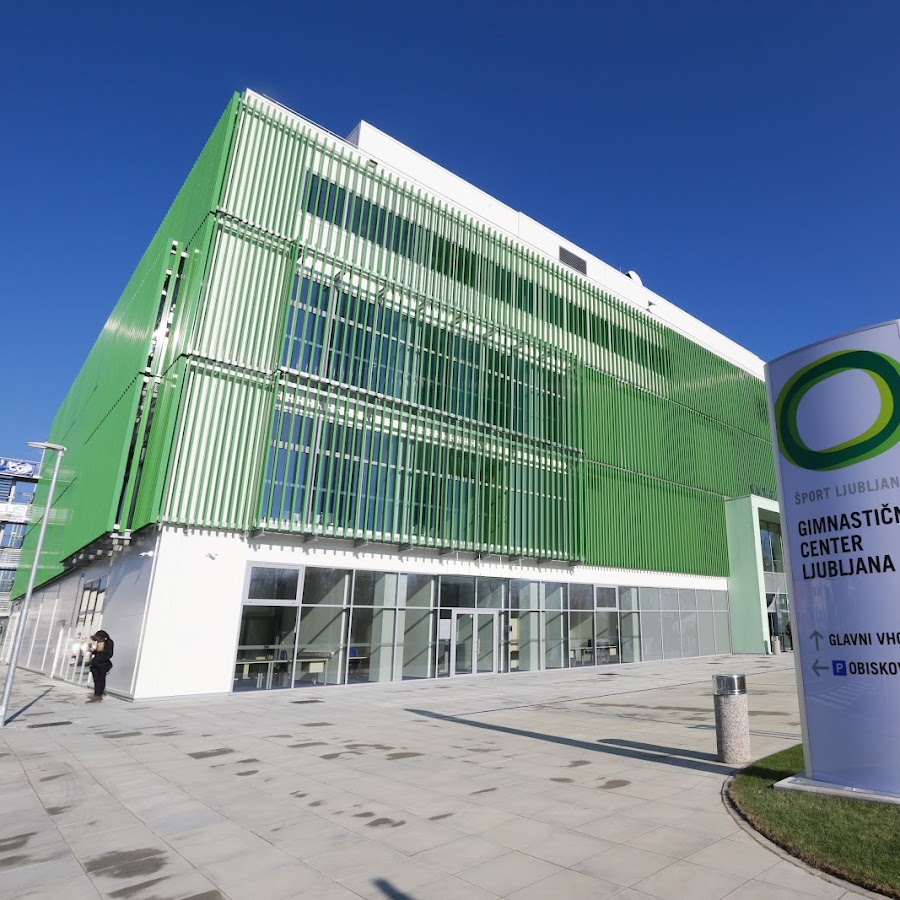
Urban Homy Ljubljana
Penzion Tavcar
Hostel Pri Janezu
Ljubljana Aparts Accommodations
Azur
Atelier Hotel
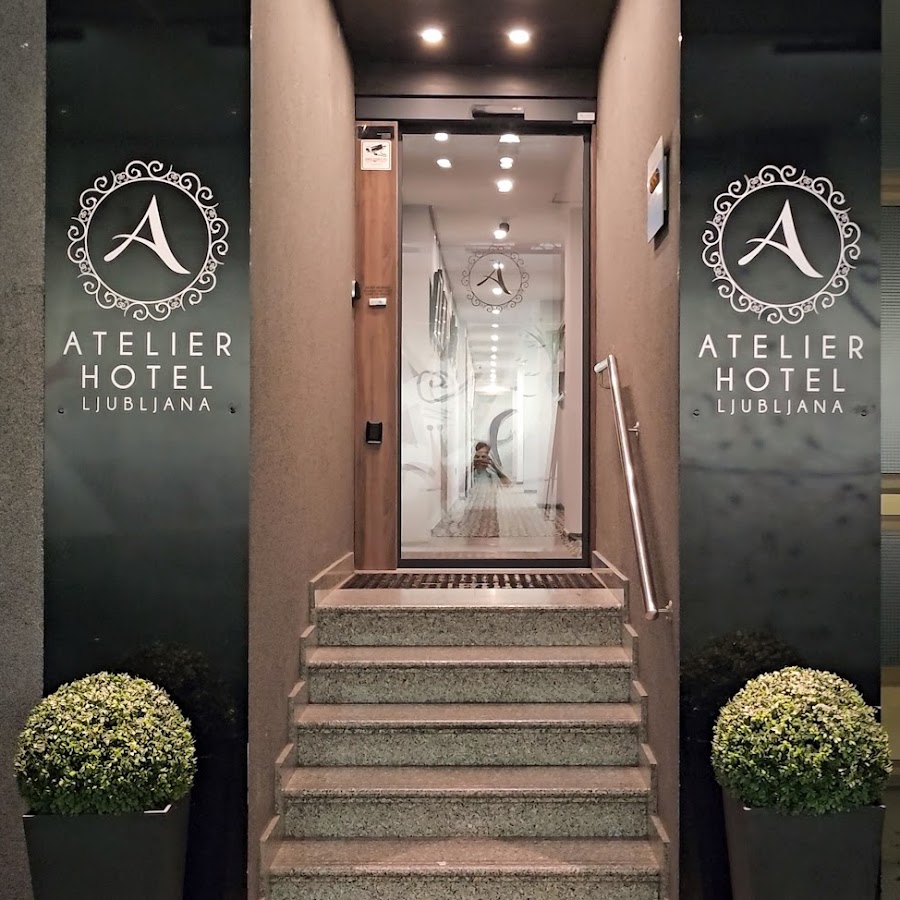
WH Apartments
Hotel Meksiko
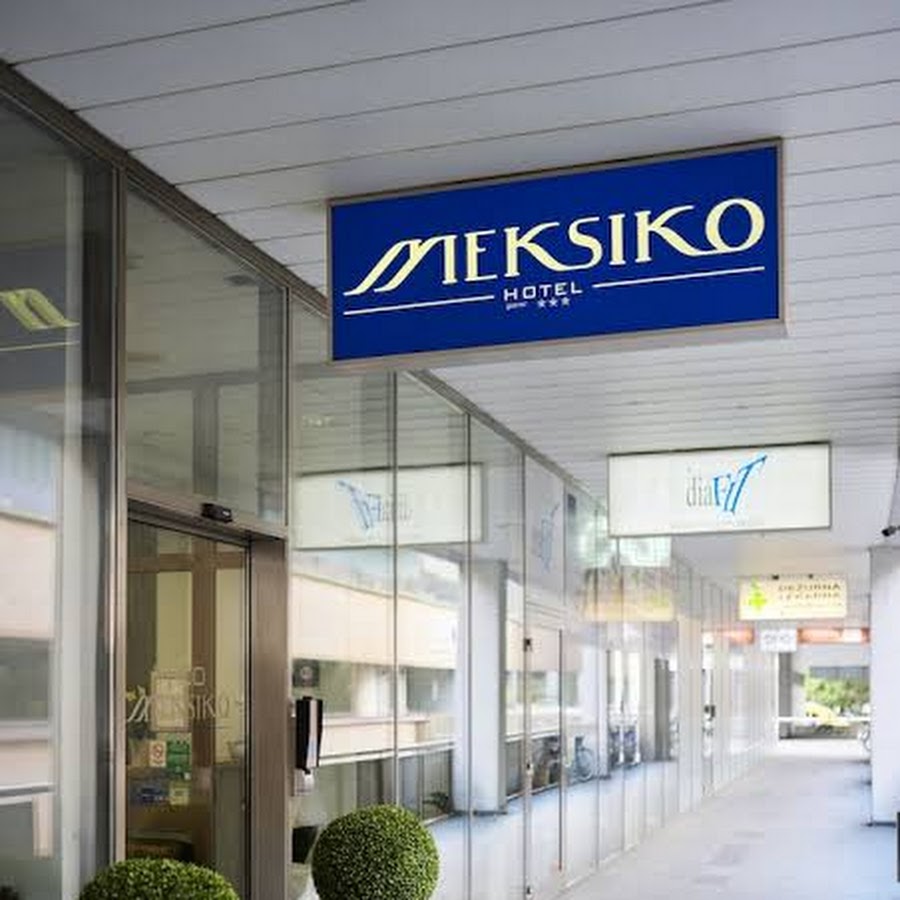
ROYAL ROOMS***
Penzion Pri Slovenc
VIKSI Nomad
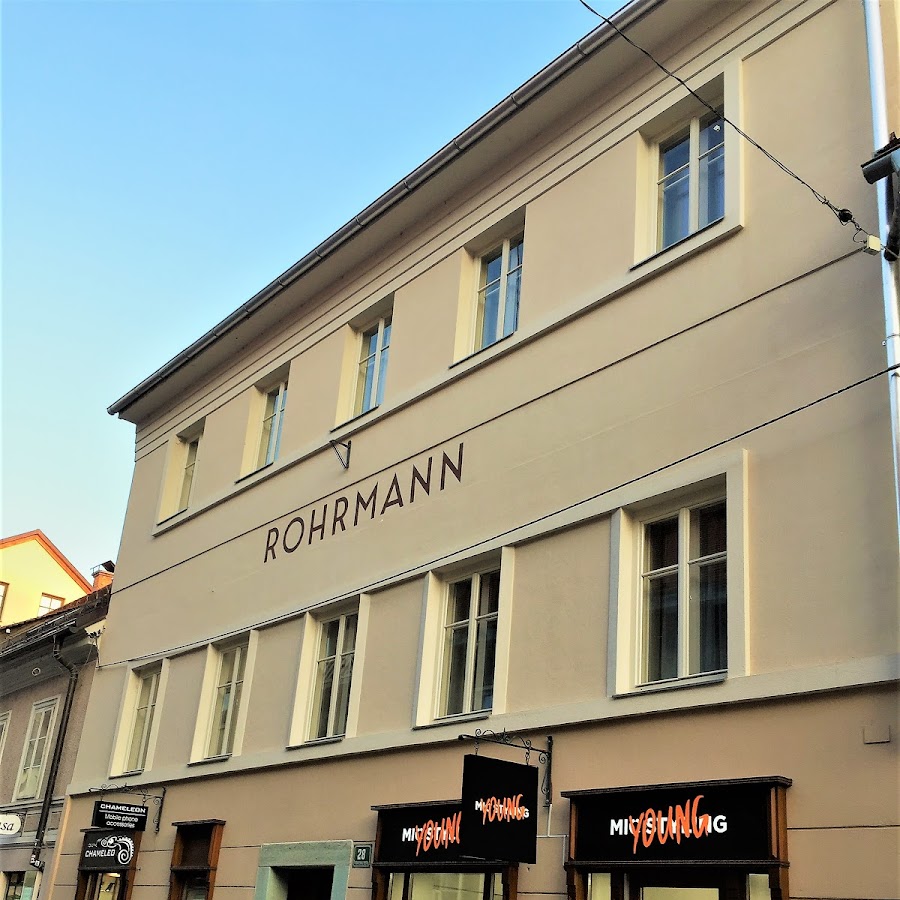
Rohrmann Apartments
Dvor Tacen Cafe
Bistro Čad
AdHoc Hostel
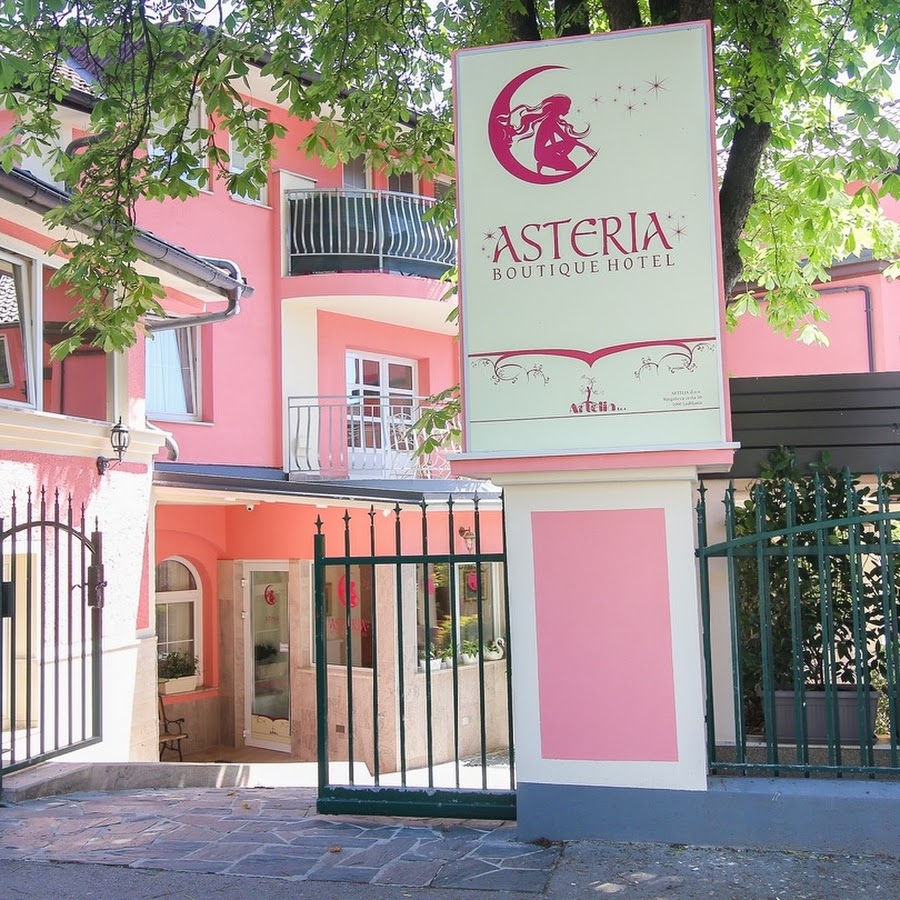
Hotel Asteria
Štalca pri Vodniku
Twix rooms
Trubarjeva 54, oddajanje zasebnih sob gostom, d.o.o.
Apartments Eleven
Student Dorms 14
Gostilna Stari Tišler
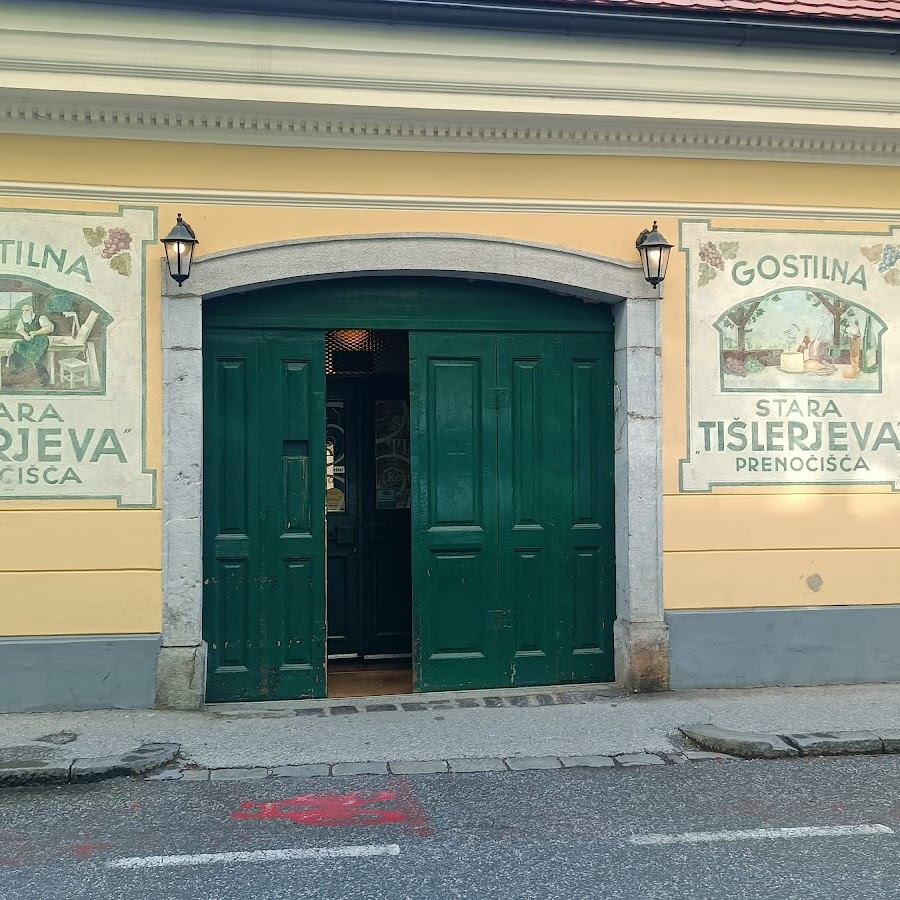
Hostel Rožna dolina
Apartment Ljubljana
Stylish Tivoli Apartments
Hostel 24/1
Apartments Lucky center Ljubljana
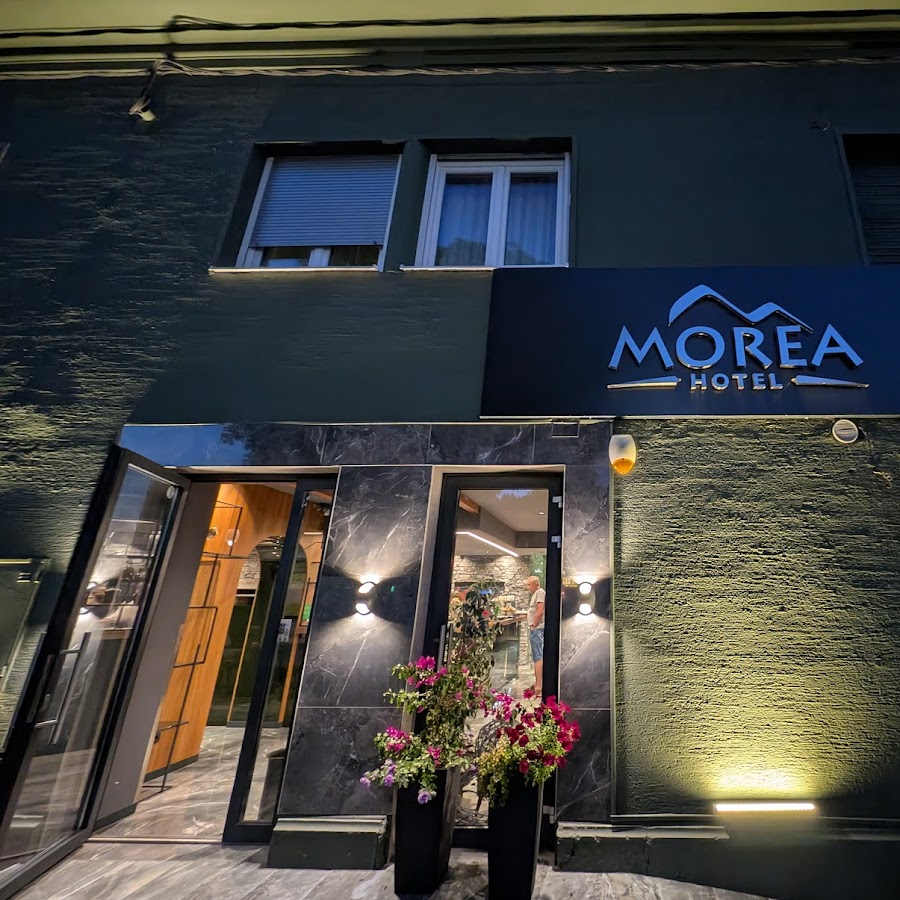
Restavracija in Hotel Morea
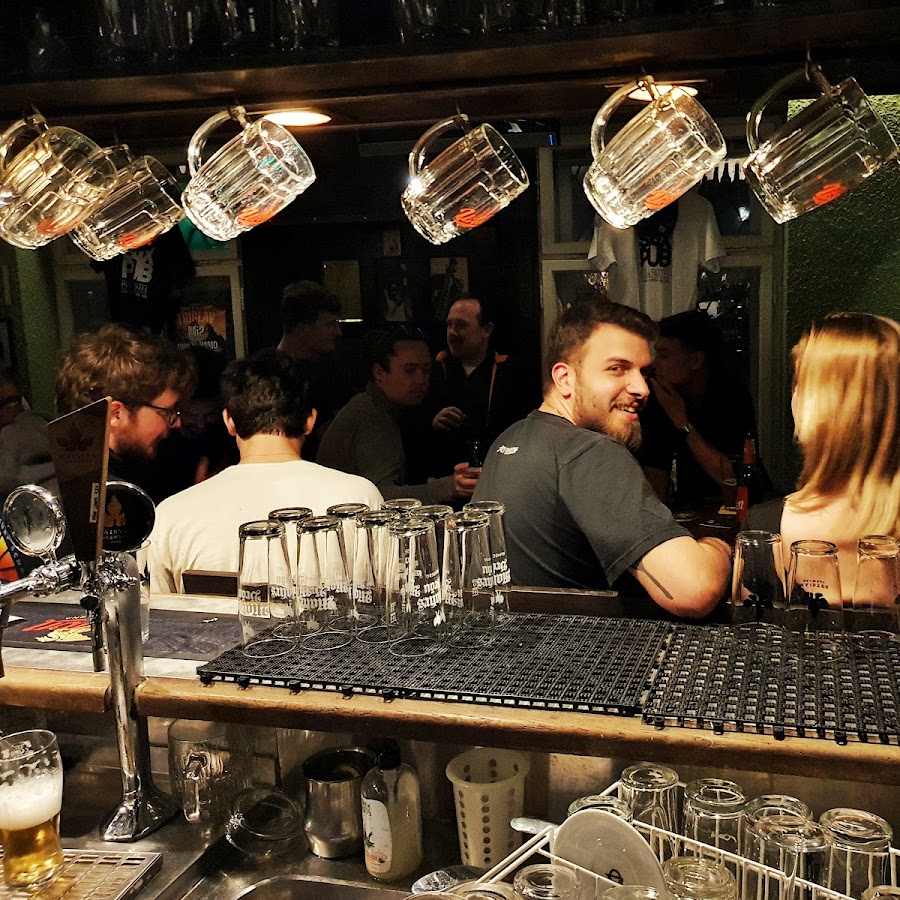
SAX HOSTEL
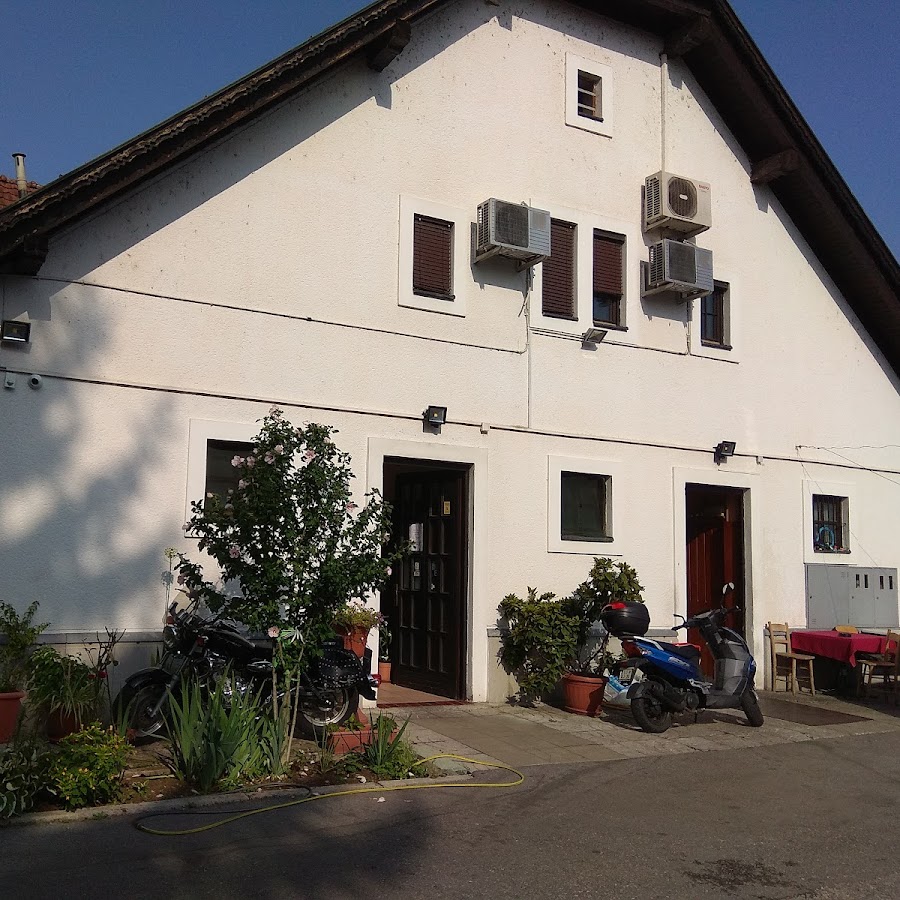
Bed and Breakfast Portal
Zois Apartments
Camper Stop Ljubljana
B&B Pod Vrbo
Ljubljana Resort Mobile Homes
Cha cha rooms
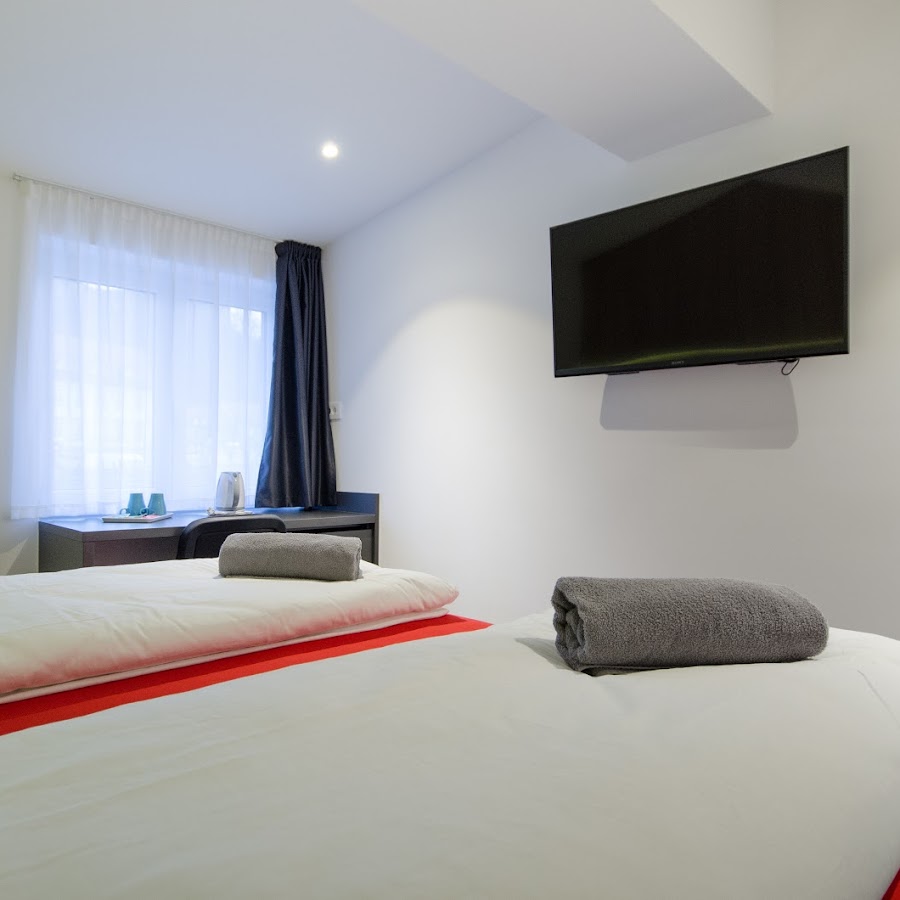
Guest House Soul Ljubljana
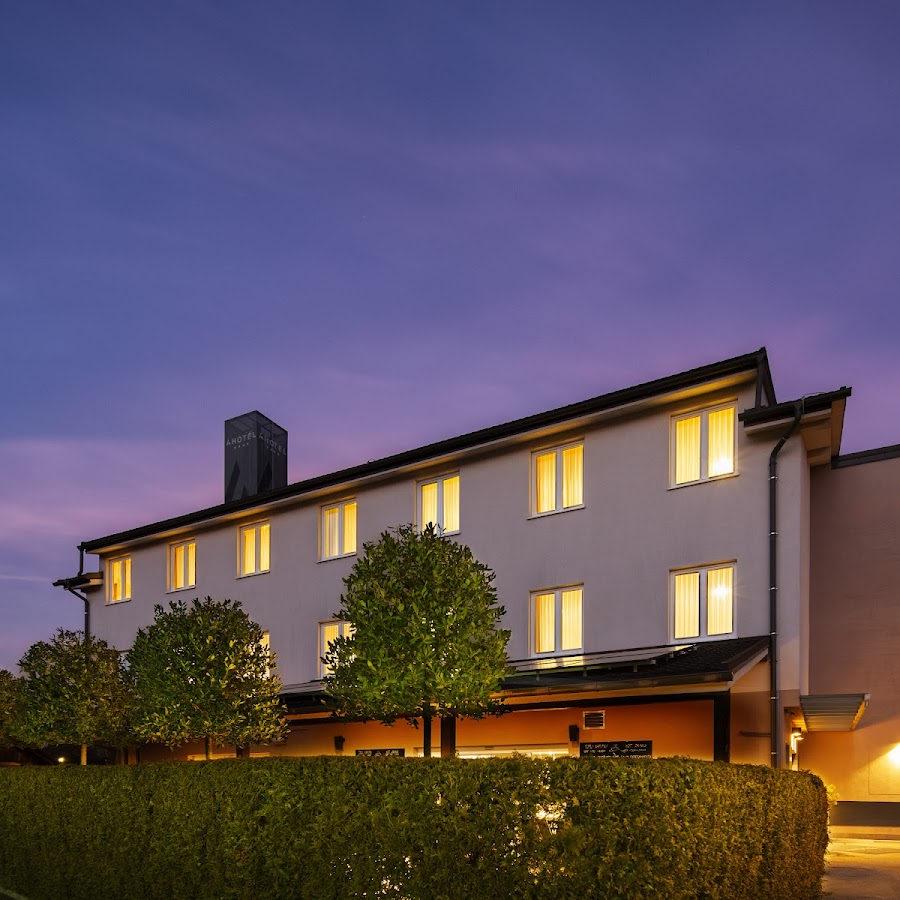
Ahotel Ljubljana
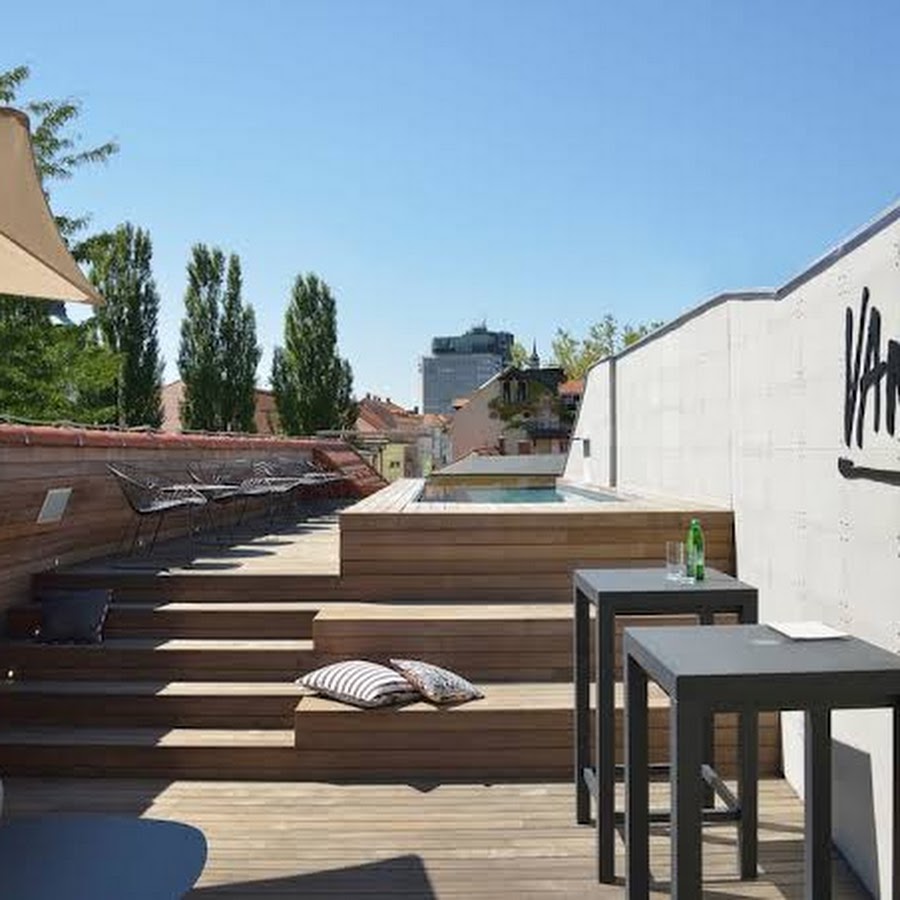
Vander Urbani Resort
Cozy apartments in Ljubljana
G land rooms
Hotel Slamič Ljubljana
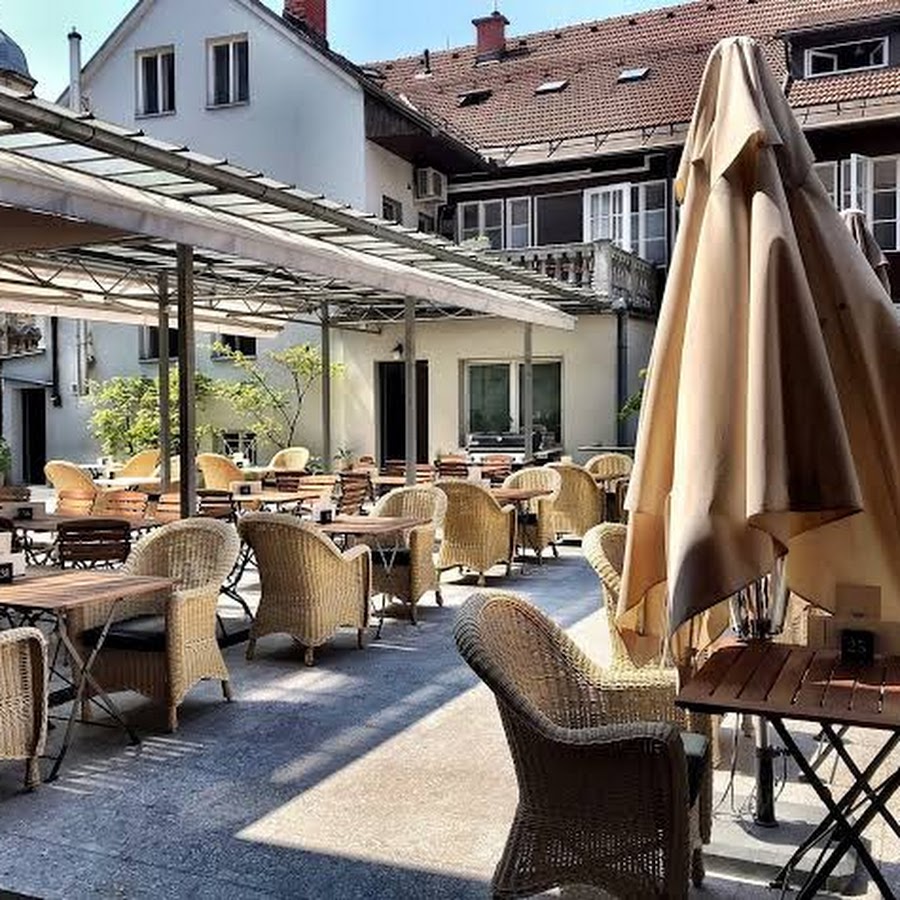
Tivoli Boutique Inn
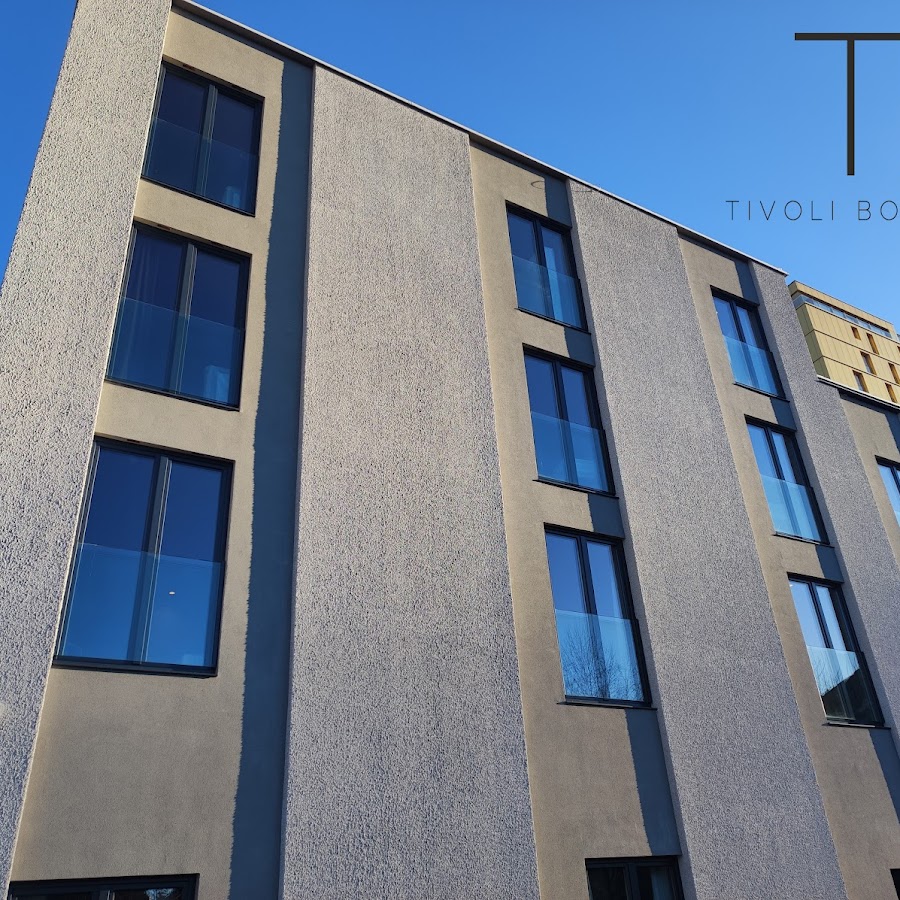
Bit Center Hotel Ljubljana
Urban Ring hotel
Galeria River
Nana's Suites
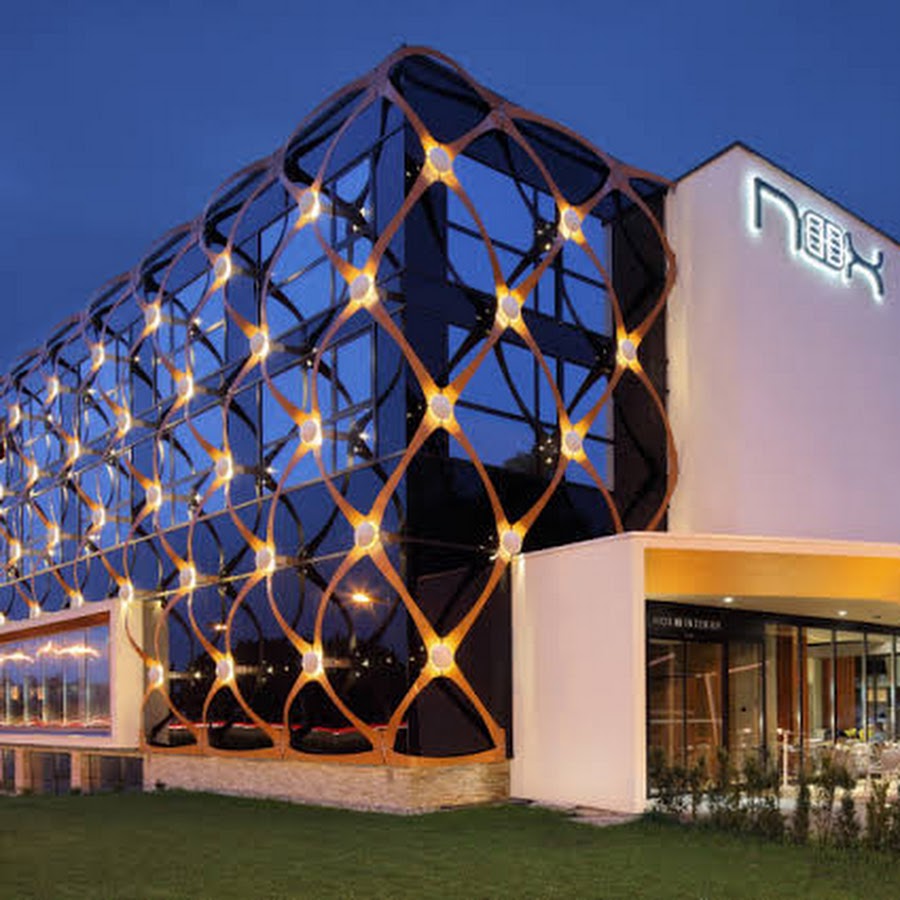
Hotel Nox Ljubljana
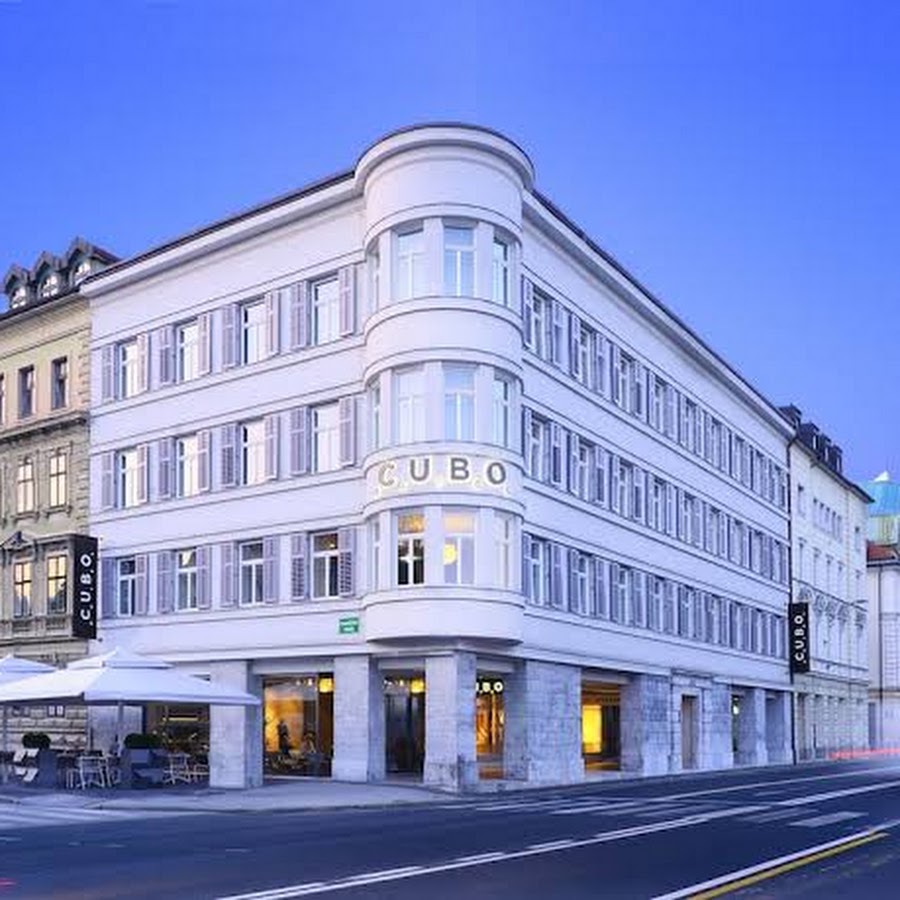
Hotel Cubo
La Villa Ljubljana
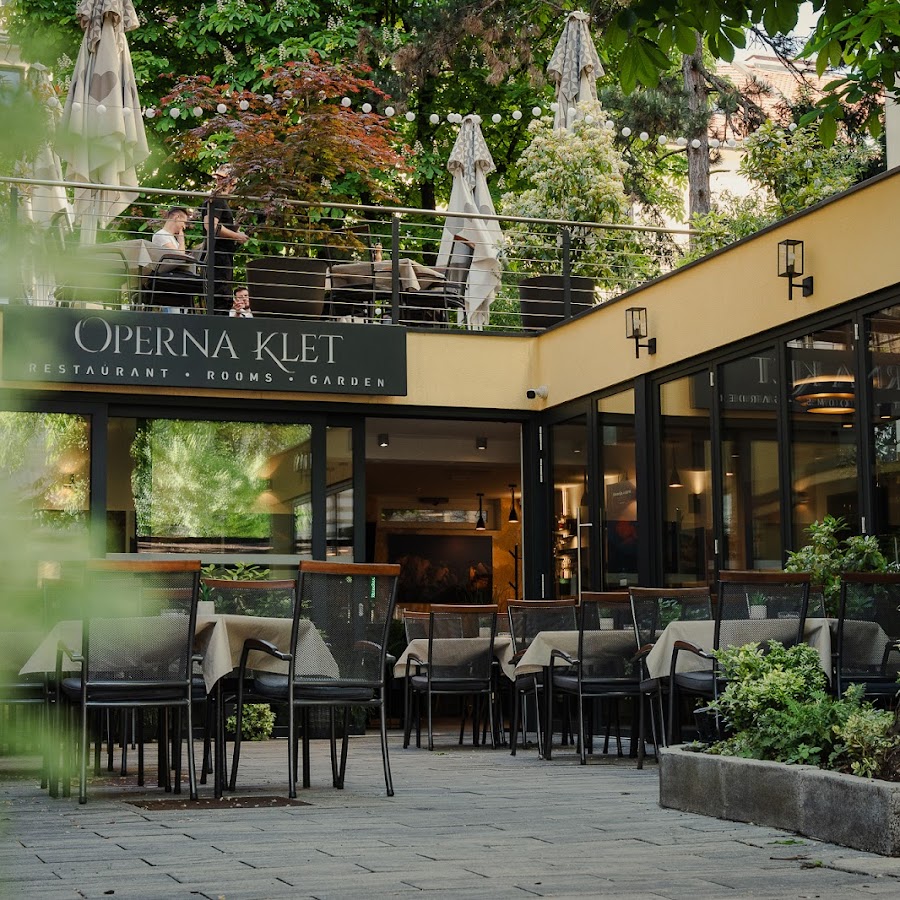
Operna klet
Bed & Breakfast Mozaik
Čad
April1550 Boutique Hotel
V22 Appartements
Old Quarter Residence
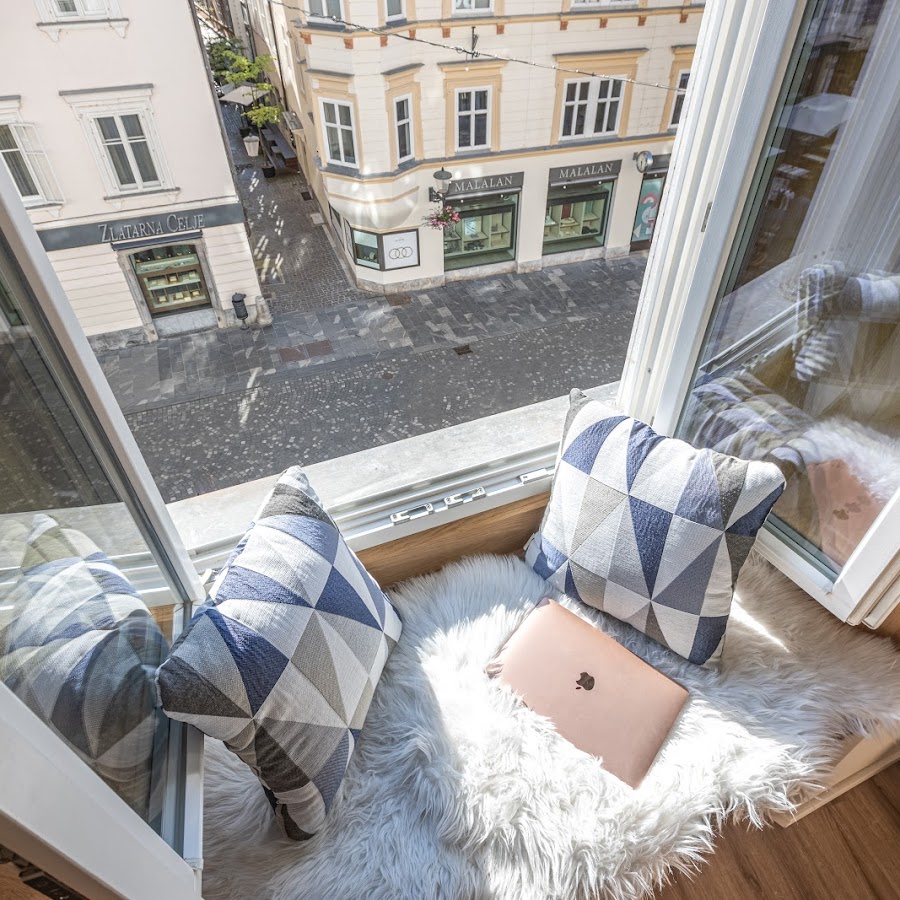
MartaStudio rooms and apartment, Elitbau d. o. o.
cacao rooms
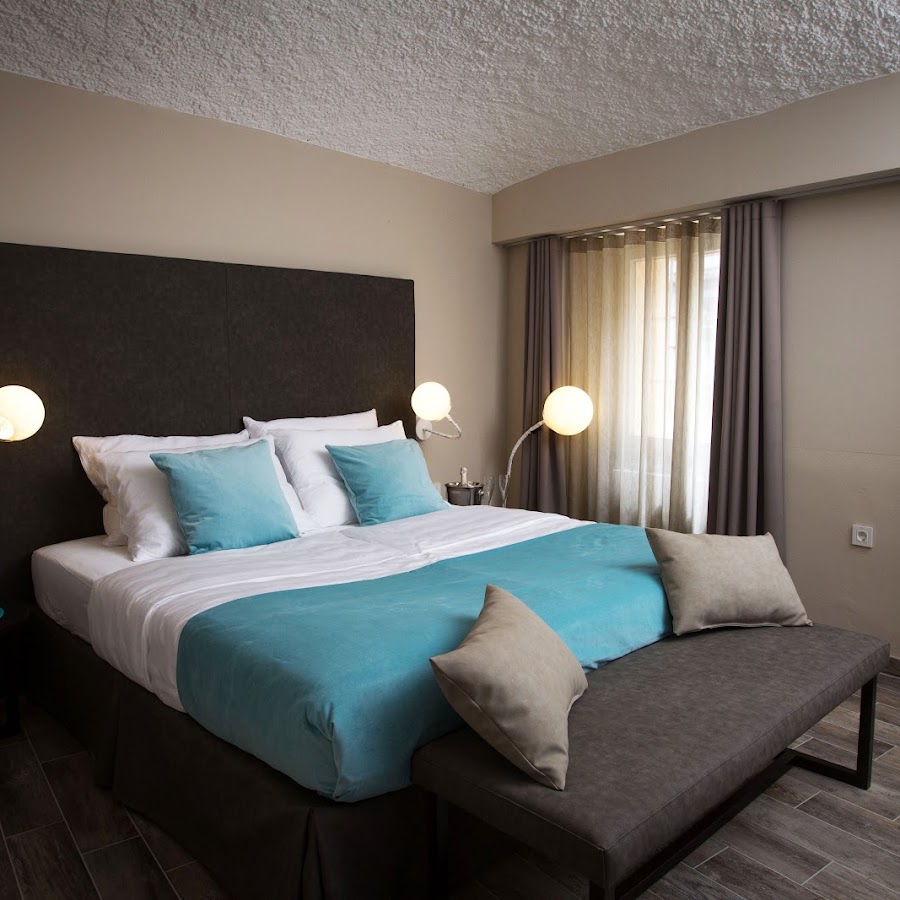
Pearl of Sava Wild Waters
Filip’s Palace Luxurious Apartment
GOSTILNA POD VRBO
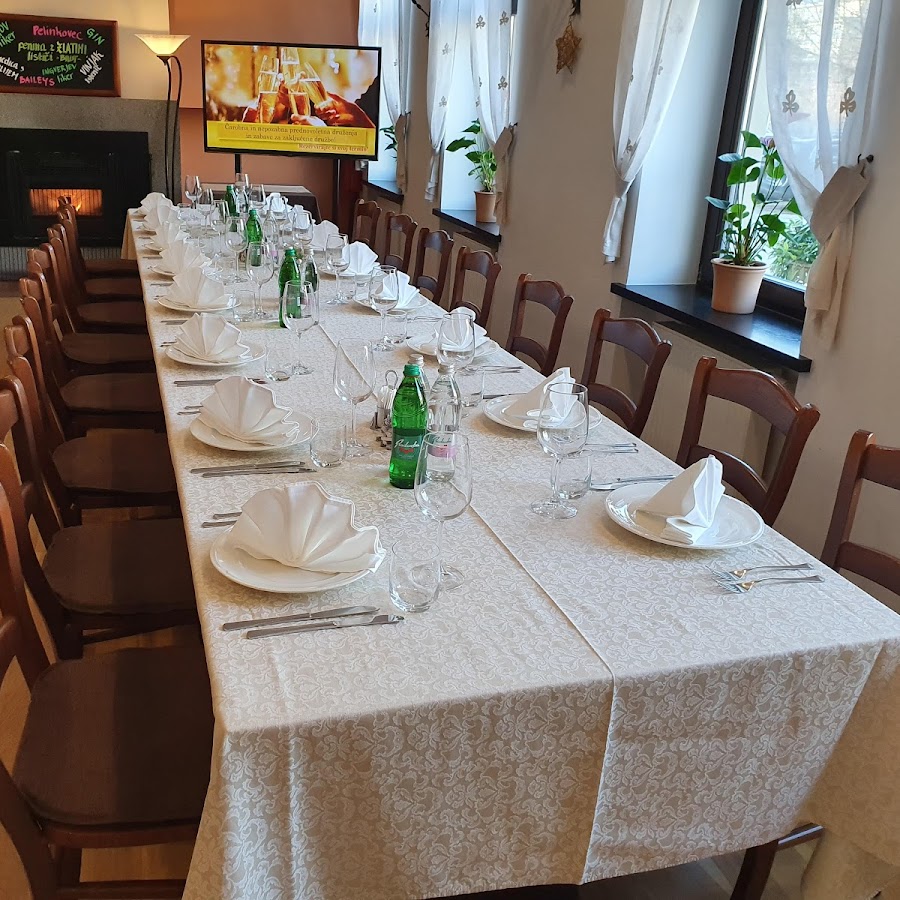
Vila Emona
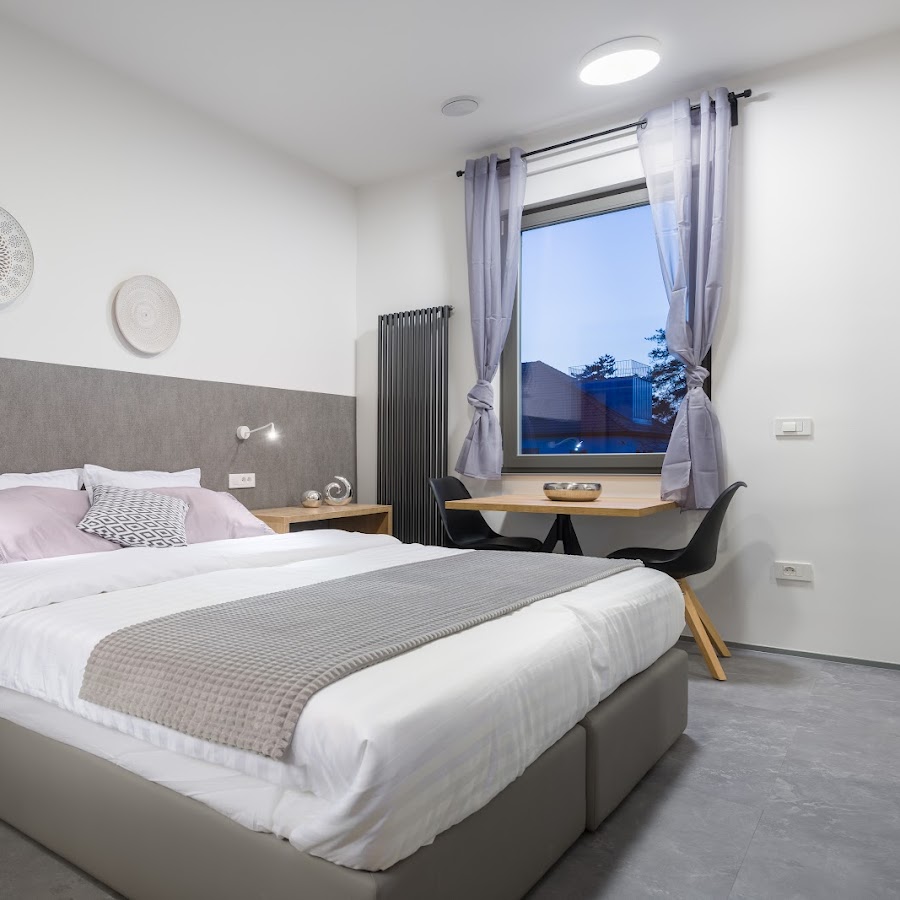
AB Ljubljana - The Residence
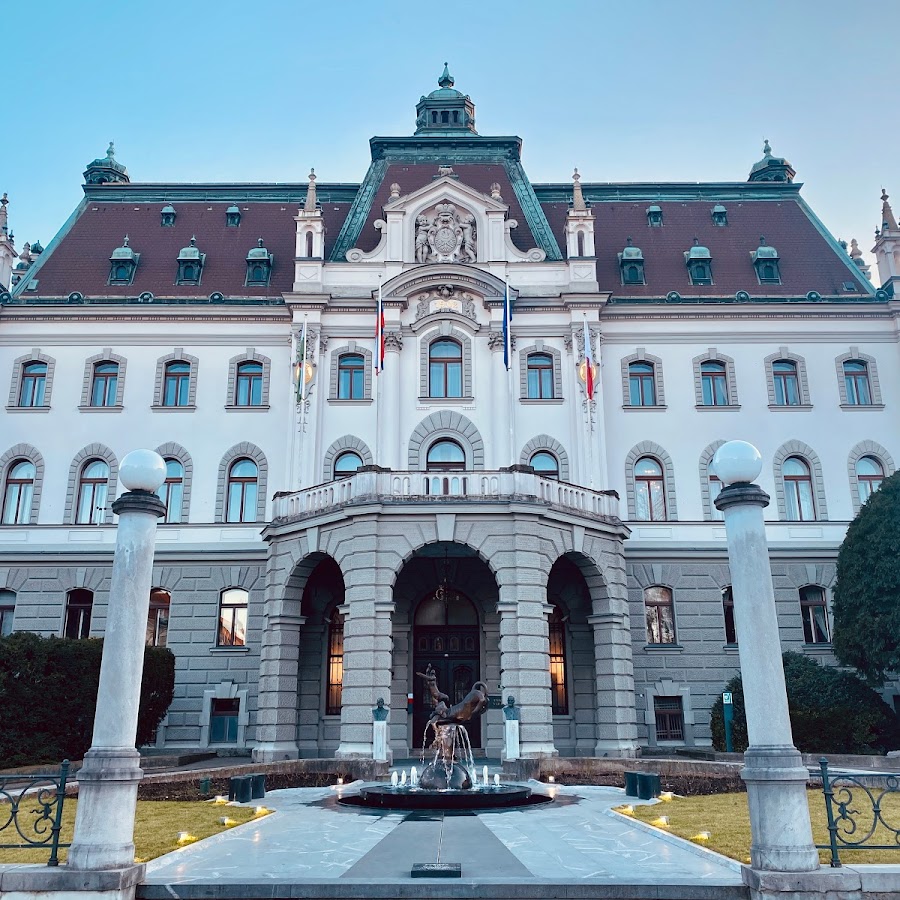
Hostel AVA
Allegro Hotel
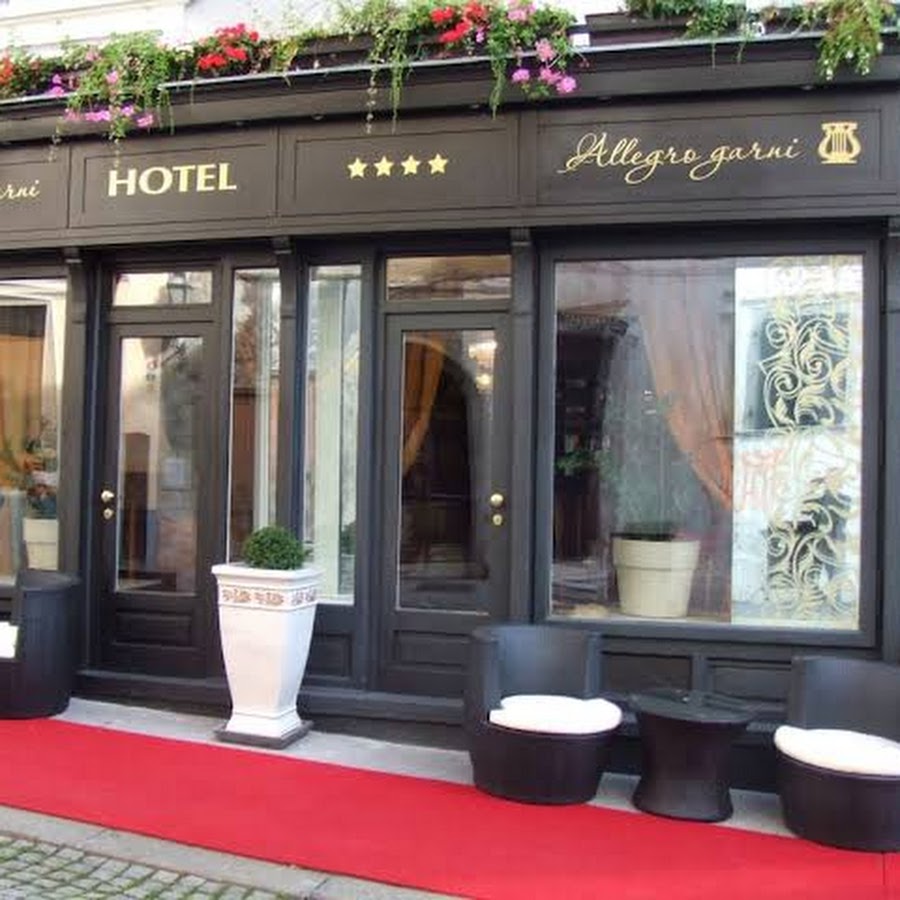
Hostel 24
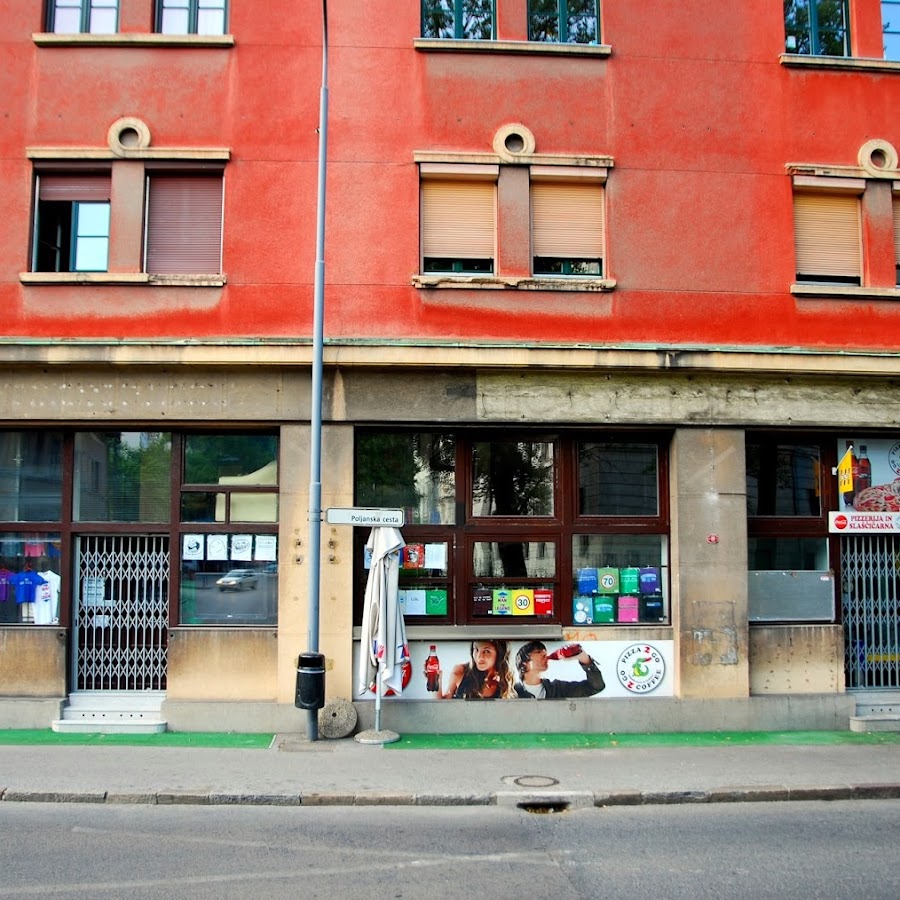
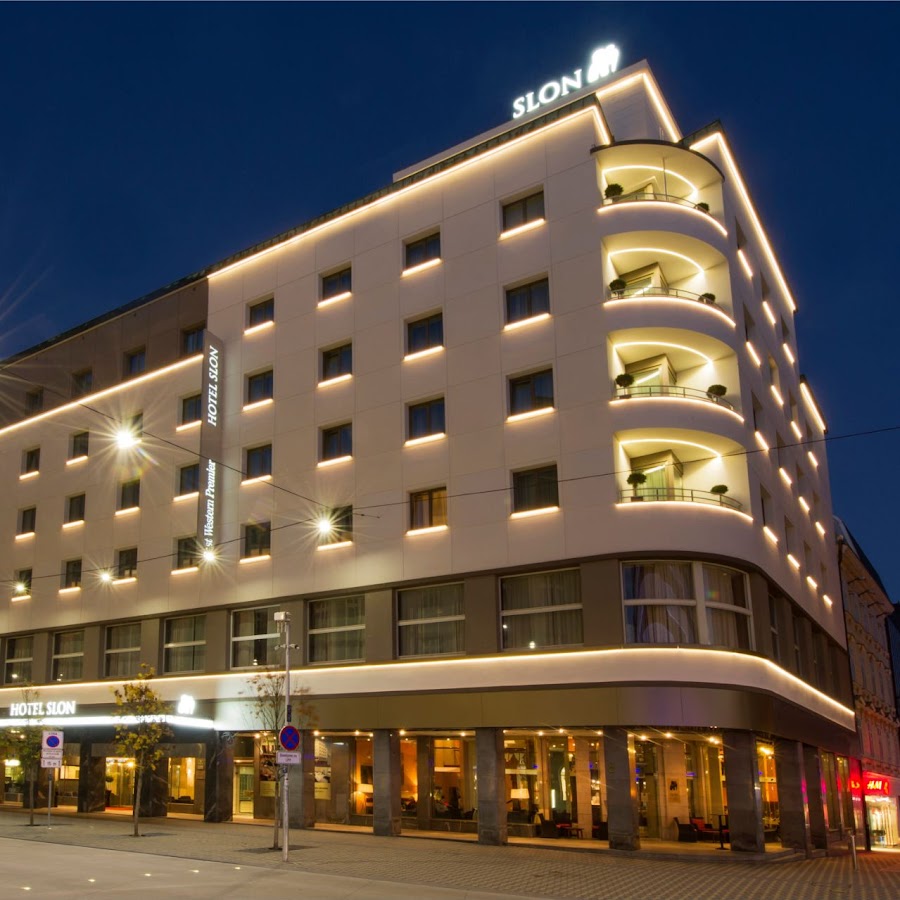
Best Western Premier Hotel Slon
RS Regentova Suites Ljubljana
Hotel Oltra
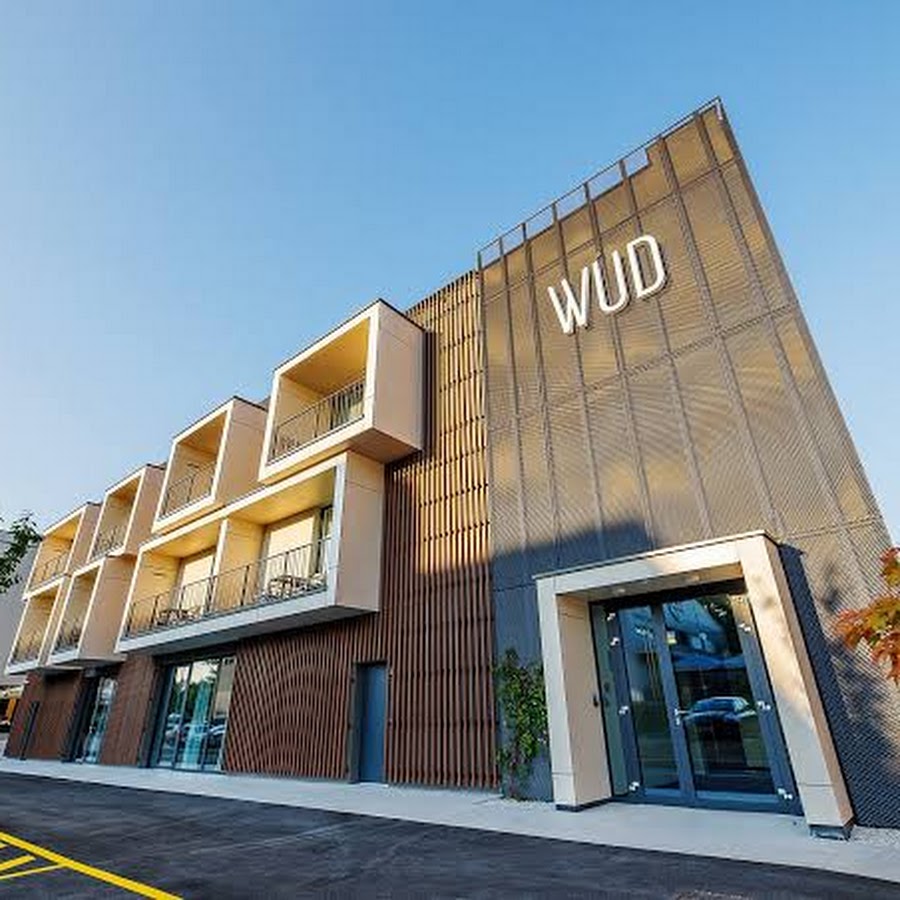
WUD hotel
B&B Striček
Family Guesthouse GreenSLO
Ljubljana Resort Hotel & Camp
AB Ljubljana - Breg Apartments
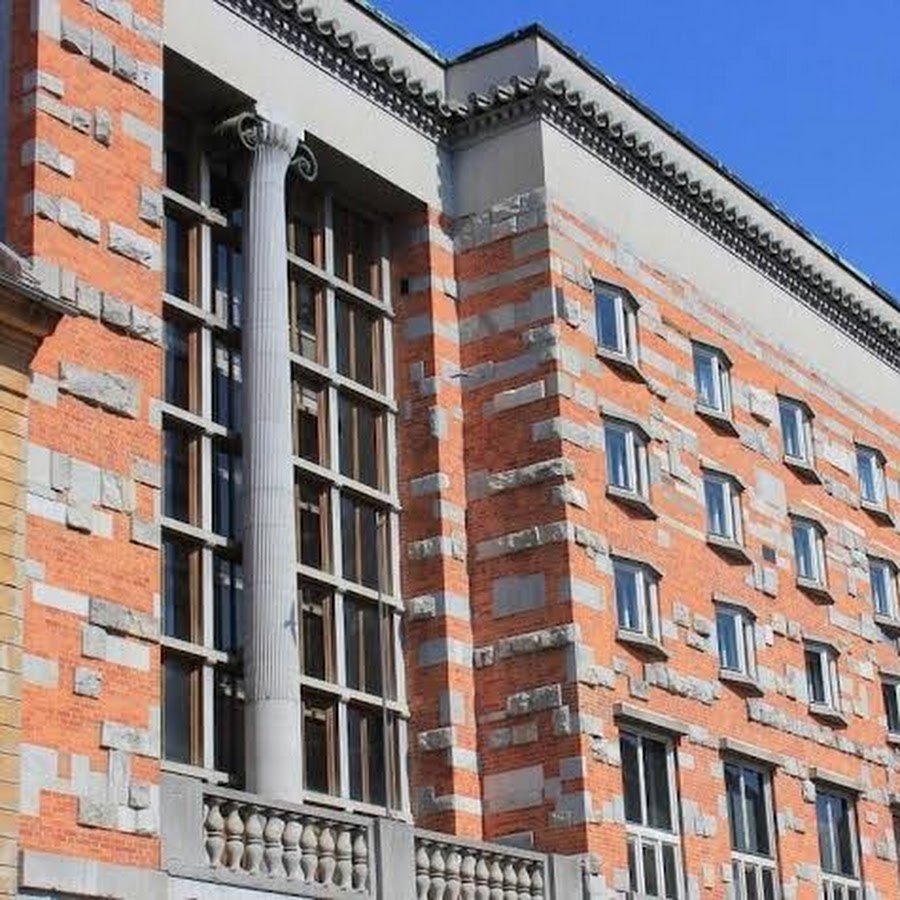
Ljubljana Apartments
Šeherezada
Florjančkov Hram
AB Ljubljana - Prince Filip
Hostel Vrba
Hotel Heritage

NEU Residences
Ljubljana Capsule Hotel
Aladin-Hostel
St. Ignatius Retreat House
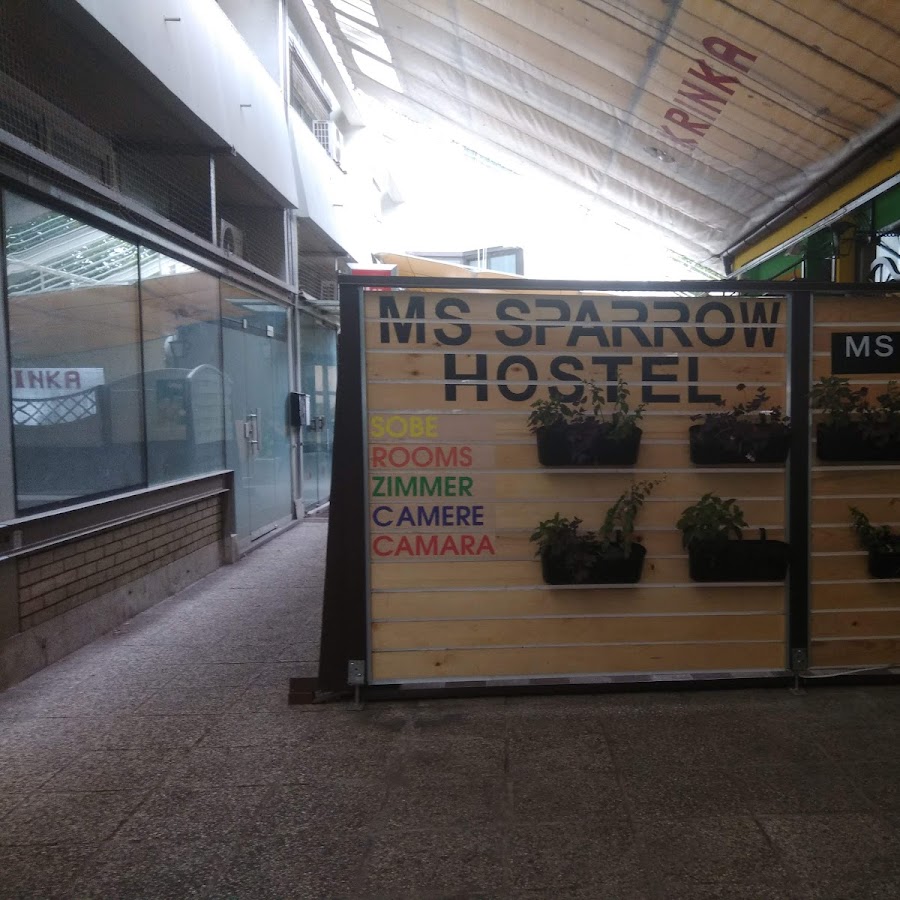
MS Sparrow Hostel
The Hotel Ljubljana
Hostel DIC
Boutique Hostel Angel (Quiet hostel)
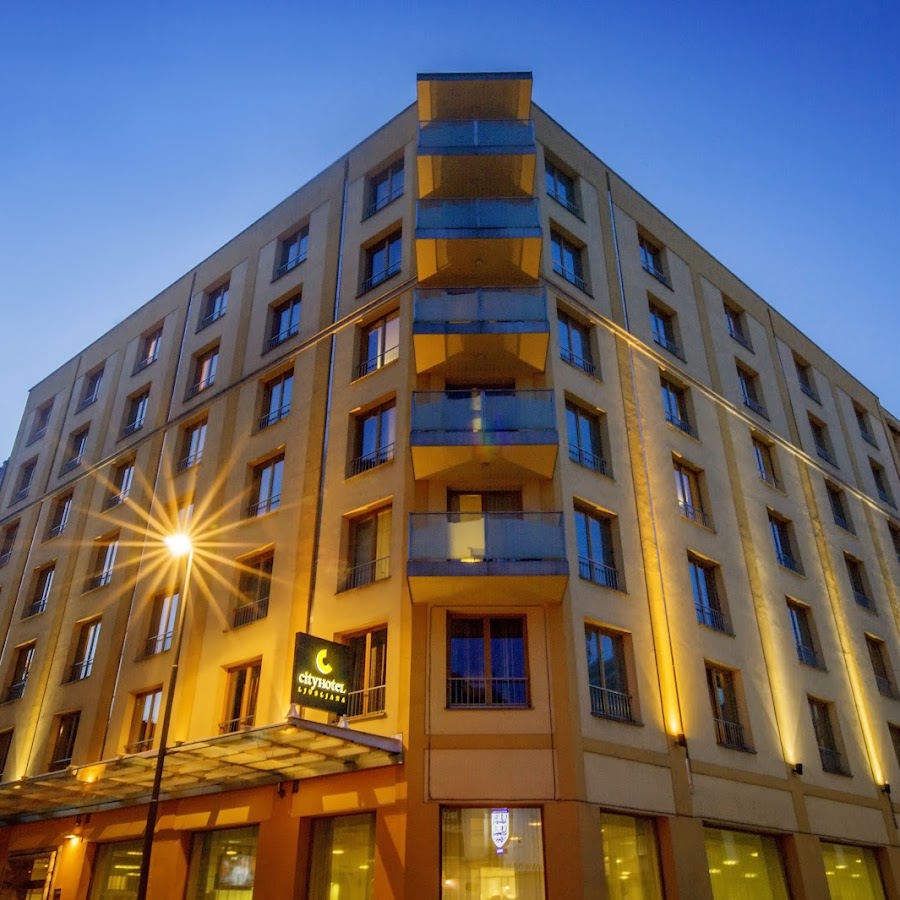
City Hotel Ljubljana
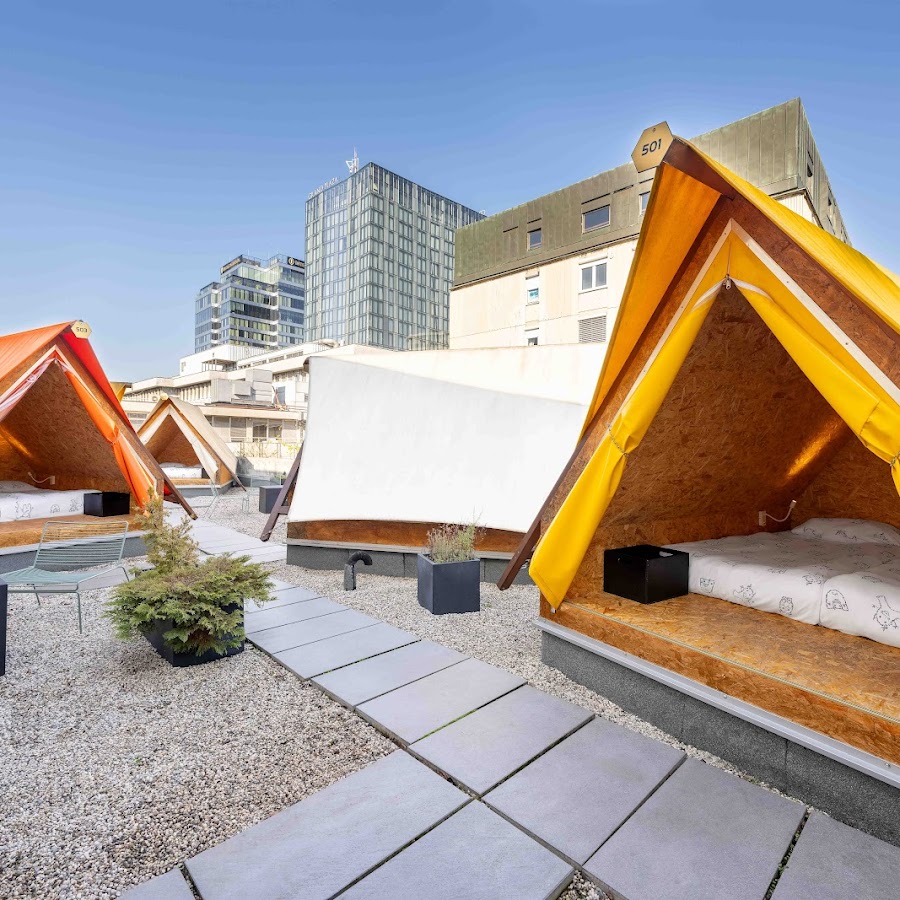
Turn Hostel
Vila Bbq
ibis Styles Ljubljana Centre
ibis Styles Ljubljana The Fuzzy Log
ATIK ROOMS
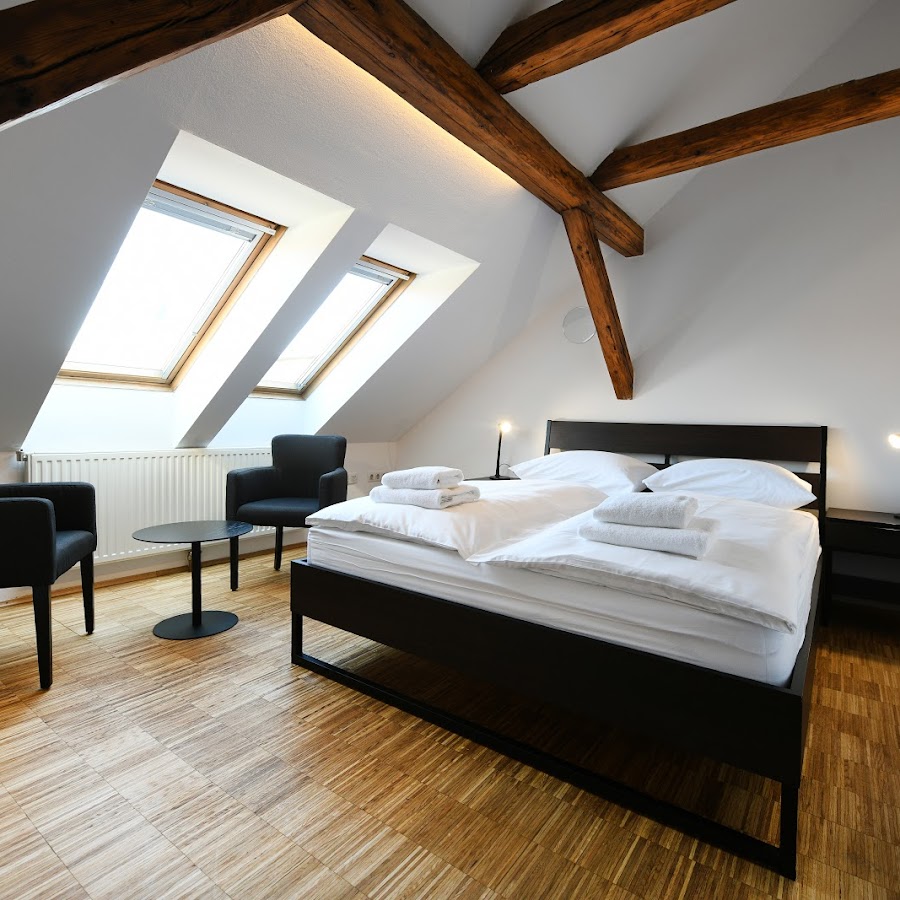
Eurostars uHotel
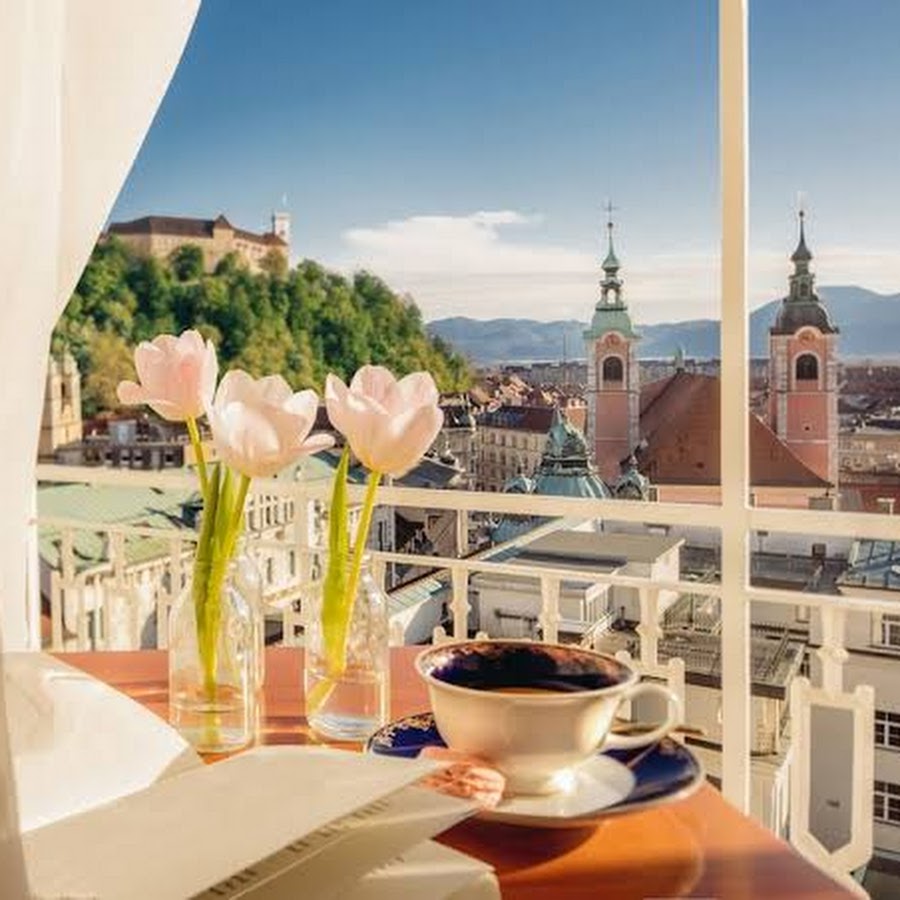
Austria Trend Hotel Ljubljana
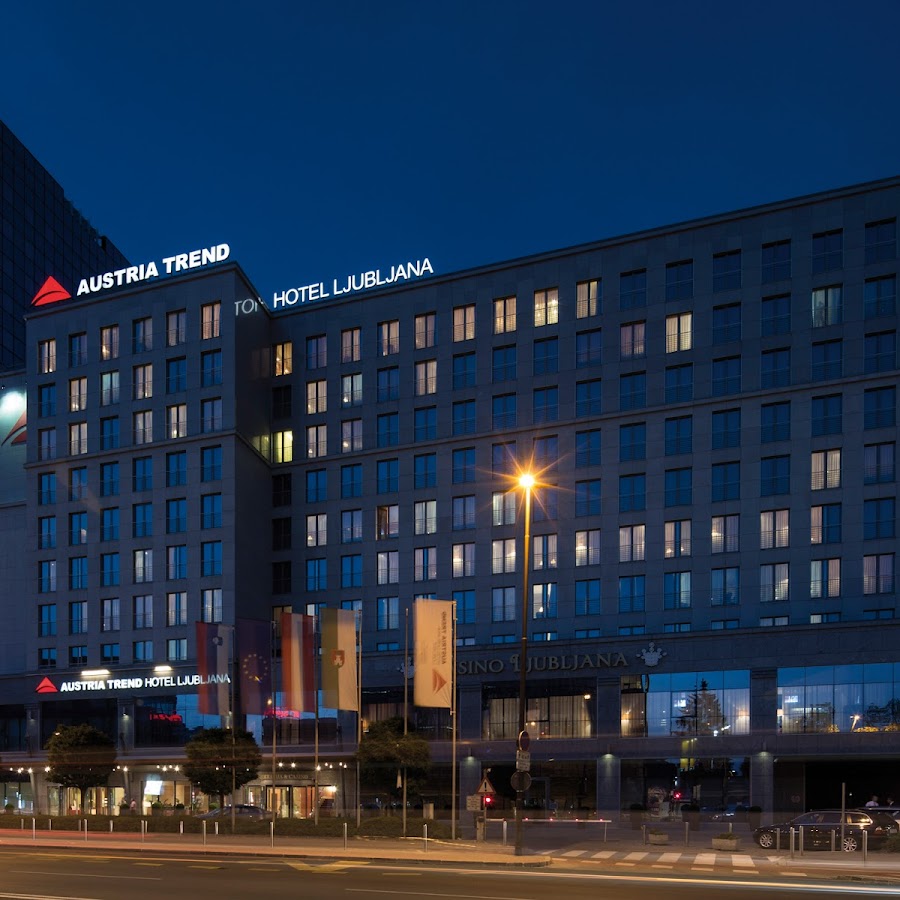
Antiq Palace Hotel & Spa
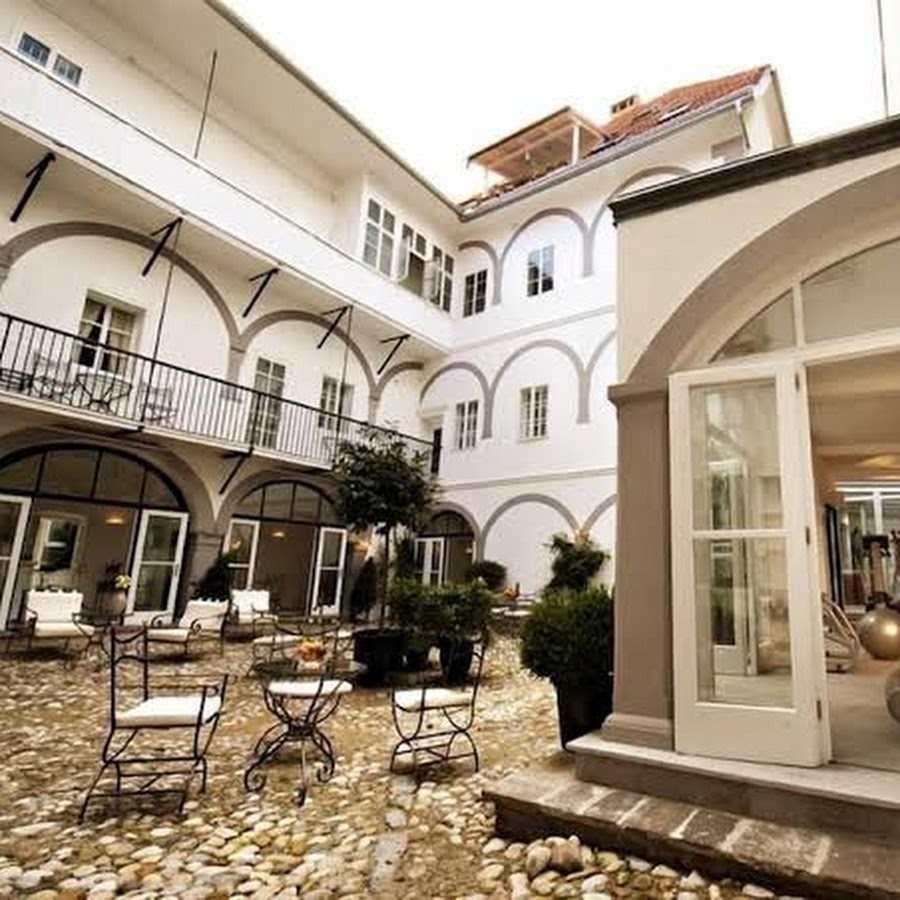
B&B Hotel Ljubljana Park
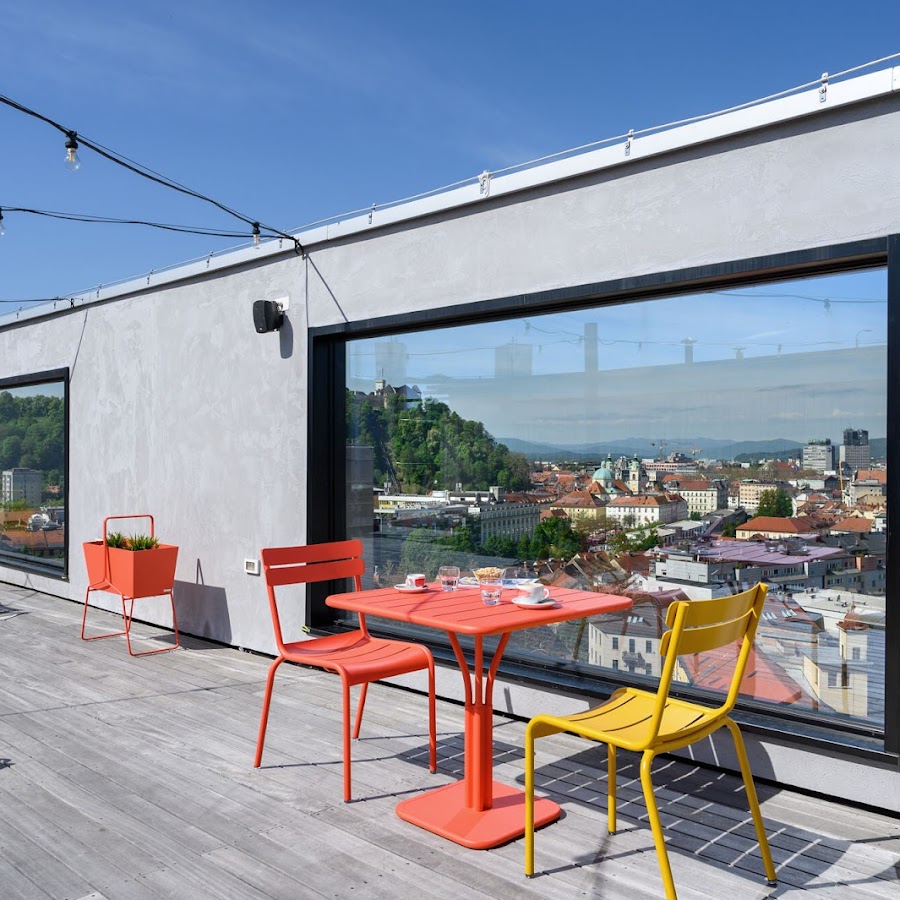
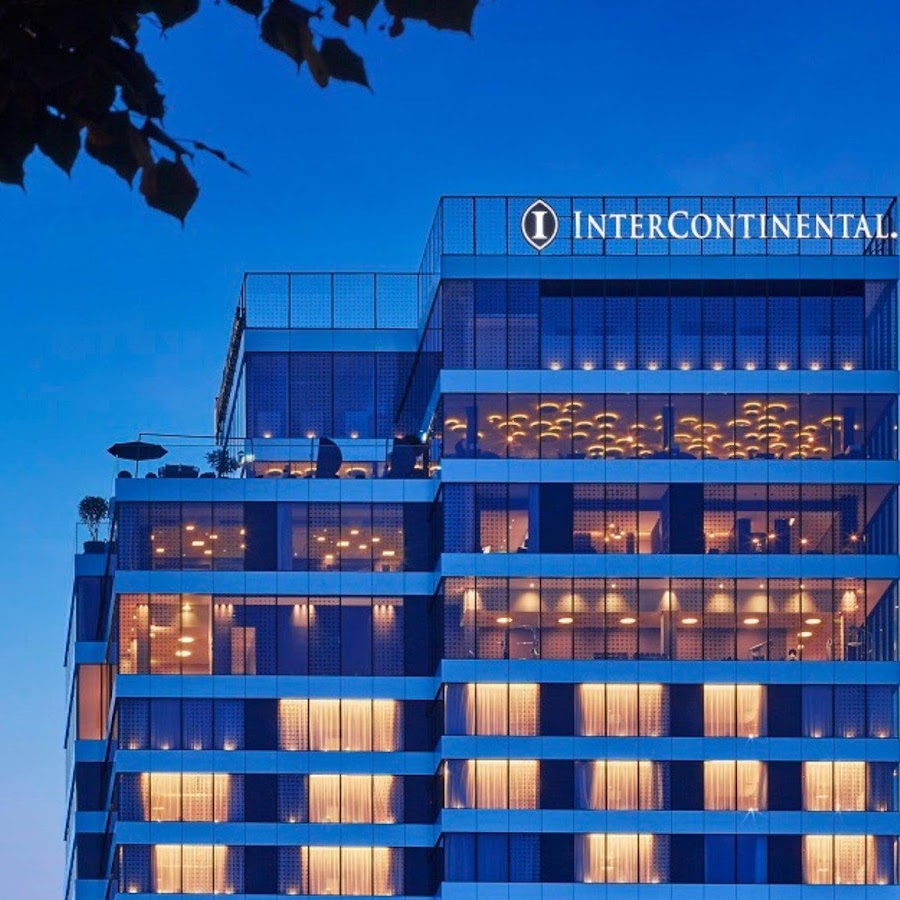
InterContinental Ljubljana by IHG
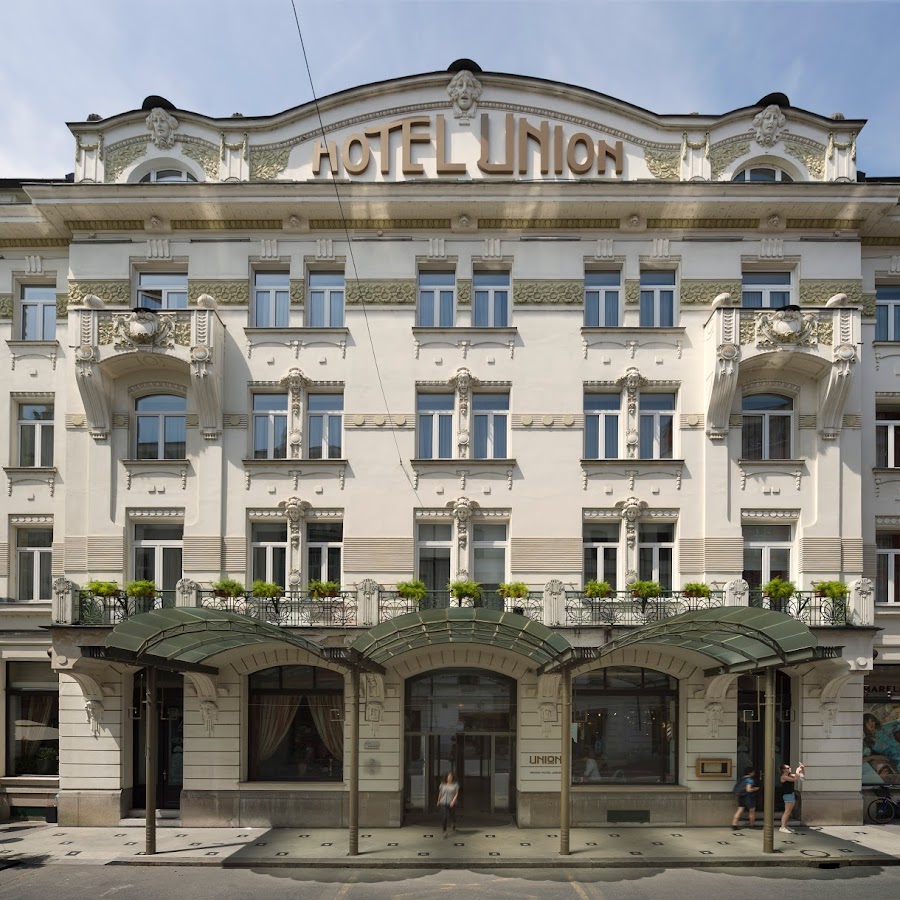
Grand Hotel Union Eurostars
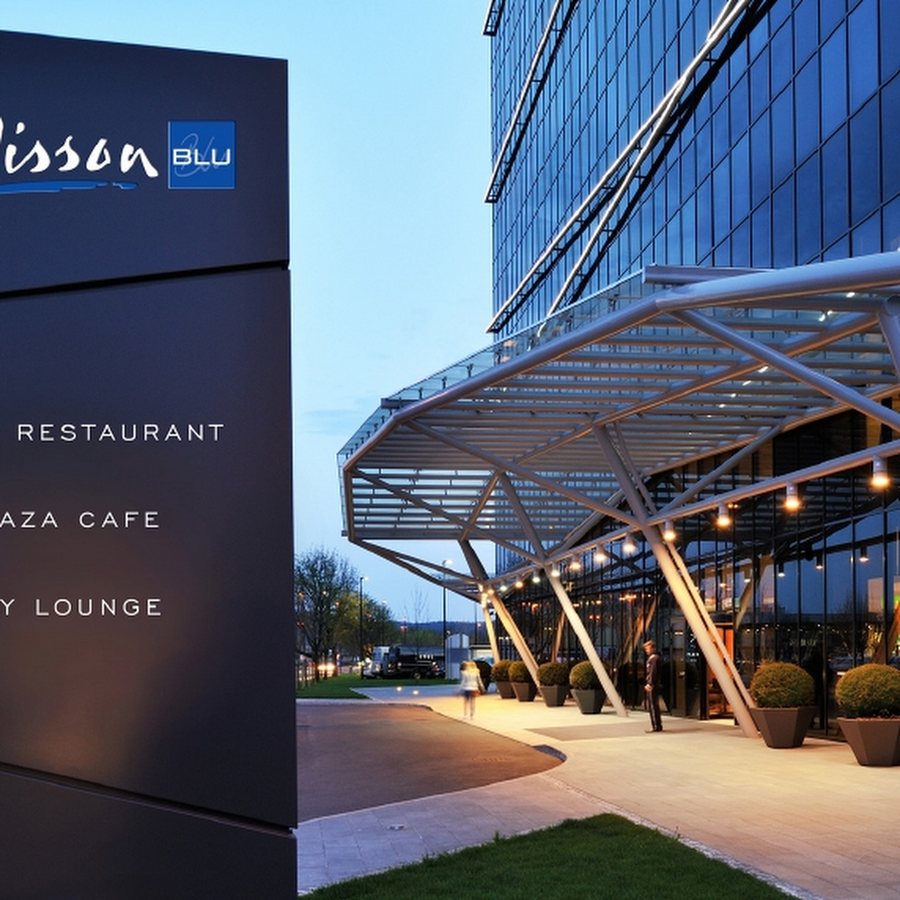
Radisson Blu Plaza Hotel Ljubljana
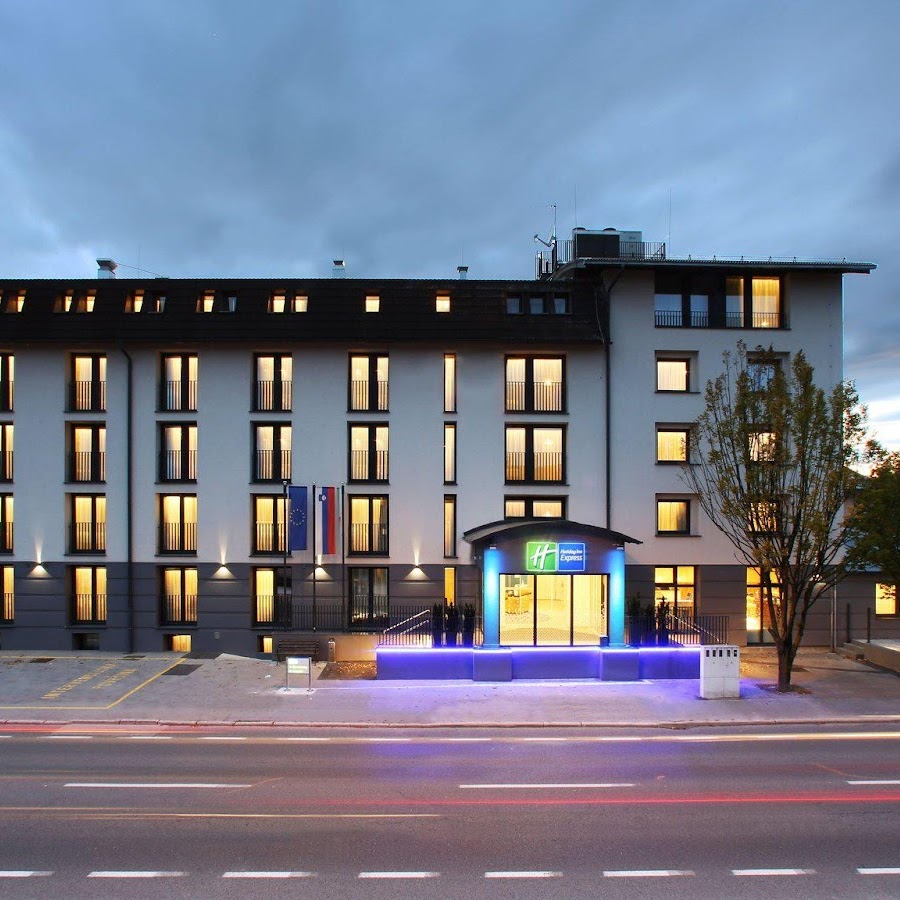
Holiday Inn Express Ljubljana by IHG
ibis Styles - The Fuzzy Log
Four Points by Sheraton Ljubljana Mons
Hotel Mrak
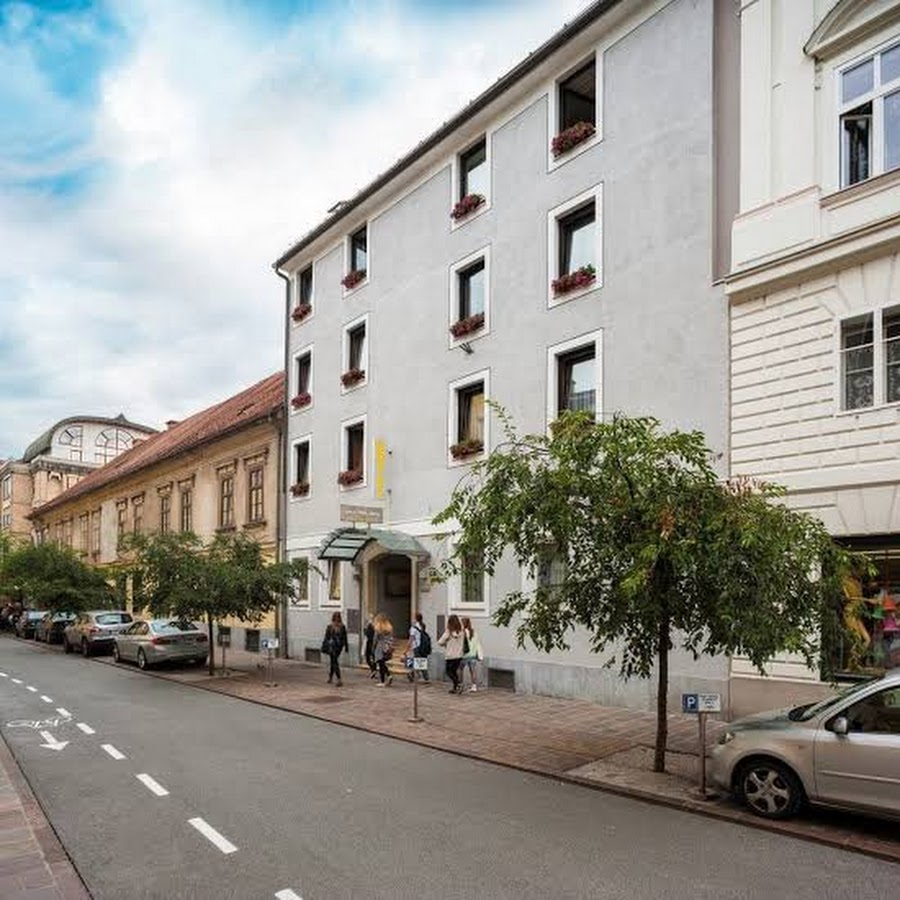
Occidental Ljubljana
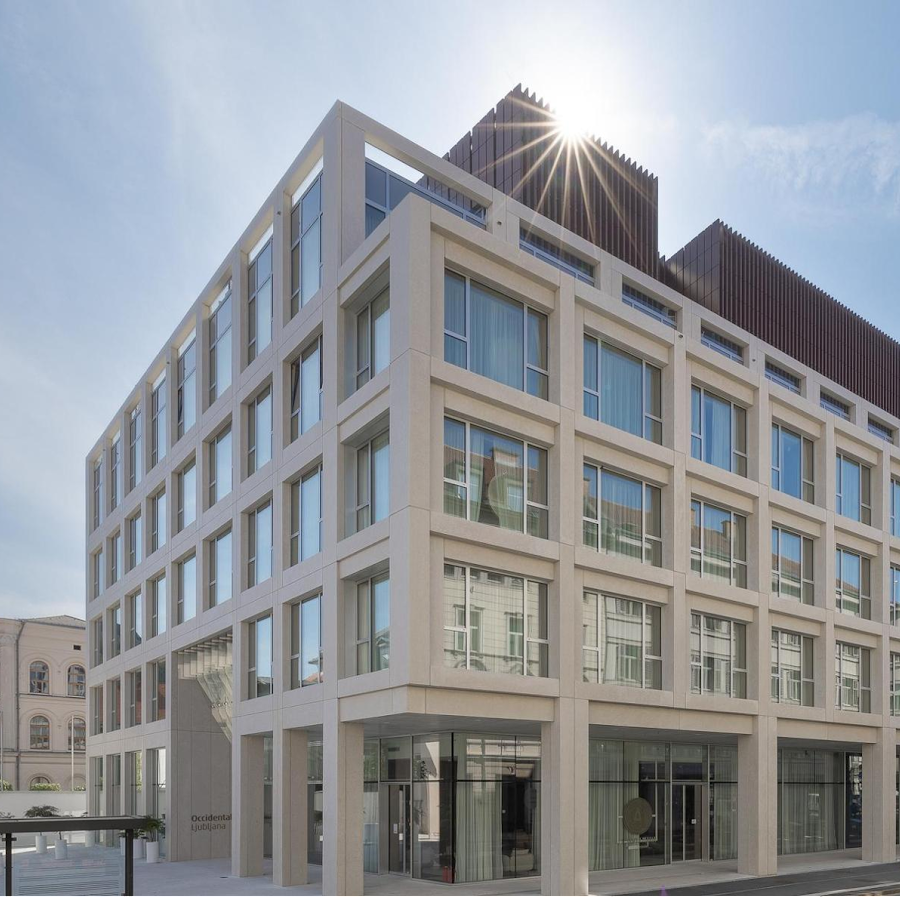
M hotel Ljubljana
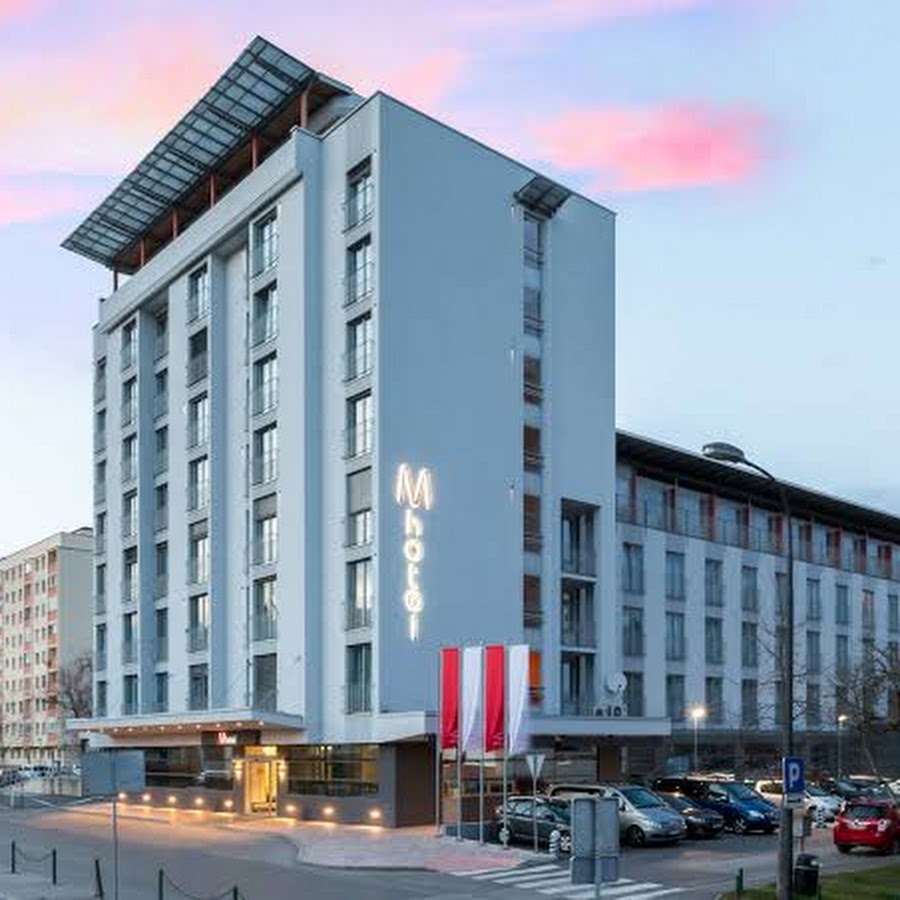
Grand Plaza Hotel & Congress Center, Ljubljana
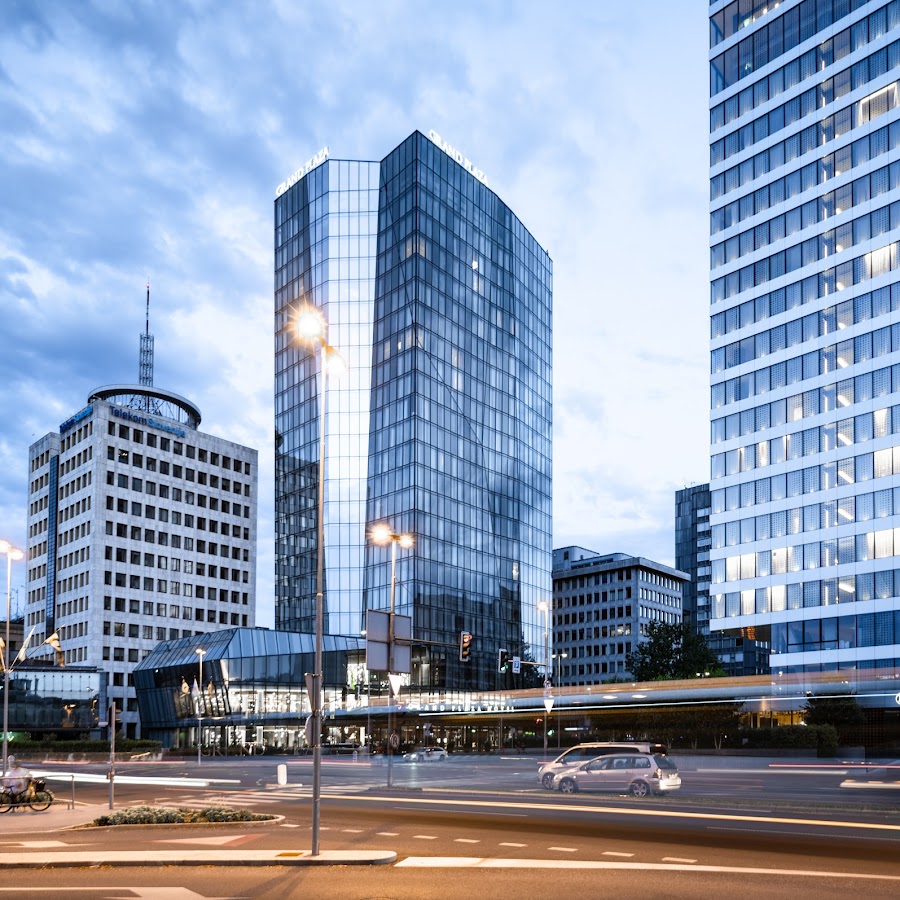
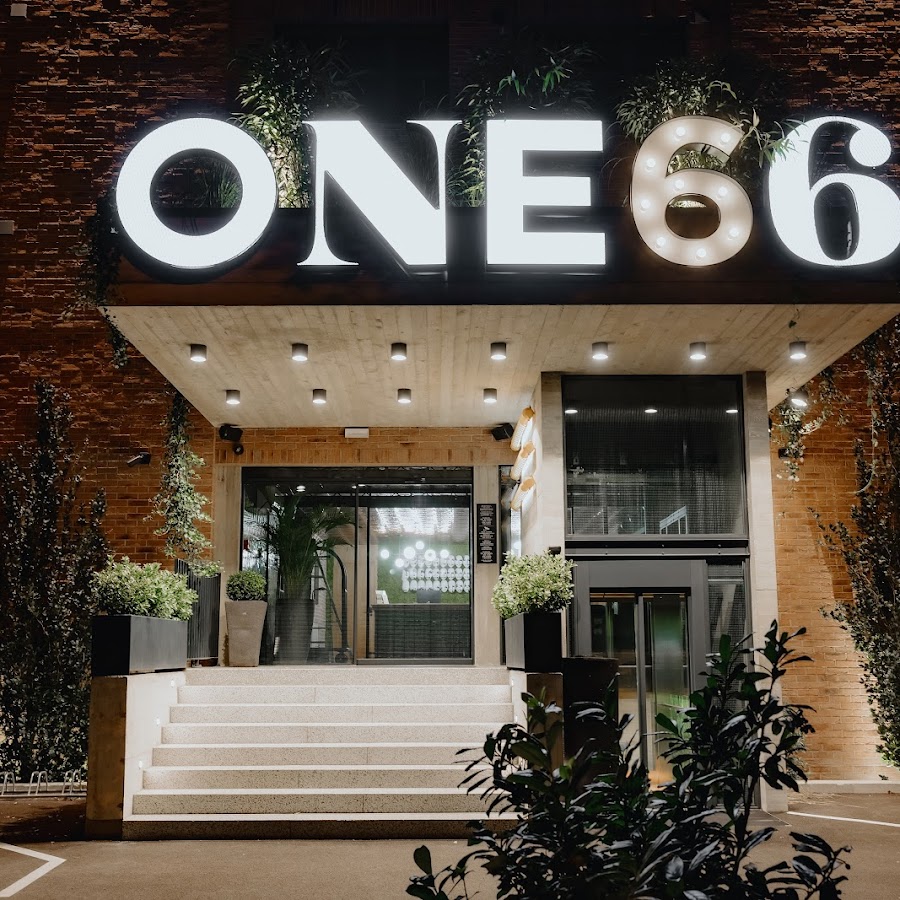
ONE66 Hotel
Apartmens Smolej
Apartma Maša
Apartments & Rooms Tempfer
Pine Tree Holiday House
Klemen Kranjc - Sobodajalec
Koča pri izviru Soče
Apartments Balon
Apartments Otasevic
Holiday House Šmuc
Guesthouse UH Kavalar
Apartments Koblar
VITRANC BOUTIQUE HOTEL
Šurc, Hotelsko-Turistično podjetje, Rateče Planica 86, d.o.o.
Apartmani Planika
Apartment Maraton
Chalet Mia - Family cottage
Hostel Nika
Villa Nena
Kekčeva domačija
Apartments Kaja
Turistična kmetija Košir
Apartments And Rooms Martuljk
B&B Brezov Gaj
HIŠA KOSOBRIN
Apartment GOLOB
Maison Lenka
Trata Resort
Apartmaji Vitranc, Hit Alpinea d.o.o.
Apartments and Rooms Banić
Apartmaji Skala
Vila Romana
Garni Hotel Rute
Apartment Blišč
Gostinstvo Blenkuš, Branko Blenkuš s.p.
Hotel Vandot
Apartments and Rooms Bernik
Hiša 109 Apartments
Restaurant in Pizzeria Kotnik
Hotel & Restaurant Lipa
Apartments Milena
Kronau Chalet Resort
Pr' Gavedarjo Eco Heritage B&B
Hotel Kotnik
Gostilna Cvitar
Gostilna in Pizzerija Jožica
Hotel Kompas
Camp Špik
Tičar Lodge on the Vršič Pass
Ian's Residence
Vila Edelweiss Rooms&App Kranjska Gora
VILLA FLORA -apartments Kranjska Gora
Hotel Alpina
Magdalena Smolej - Sobodajalka
Mountain dreams Kranjska Gora
Berghi Hotel and Apartments
Rooms "Pri Marusi"
Natura Eco Camp Kranjska Gora, Camping in Slovenia
Ramada Hotel & Suites by Wyndham Kranjska Gora
Korona, Resort & Entertainment
Chalet Sofija
Erjavčeva koča - Vršič, PD Jesenice
Pino Alpino // Hotel & Restaurant & Wine Bar
Koča na Gozdu
Jacobs Resort Apartments Kranjska Gora
Pri Martinu
Gostišče pri Žerjavu
Gostišče Vila Moj Mir
Hotel Miklic
Apartmaji | Apartments Seventy Seven, Kranjska Gora, Slovenia
Hotel Špik
Ramada Resort by Wyndham Kranjska Gora
Triangel Boutique Hotel
Penzion Livada
Gostilna Jasna - jedi treh dežel
Postman's Lodge on the Vršič Pass
Boutique Hotel Milka
Mihov dom na Vršiču - planinski dom
Hotel Kranjska Gora
Gaïa sacrée
Appartement Nona Ervina
Parus, appartements à Sobe
Karmen Vidak Forte - sobodajalka
Vin et Appartement VINALES
Auberge Sveta Ana
Tourisme touristique Robivera
Vins Bordon
Auberge BellaVista
Istrie Divine
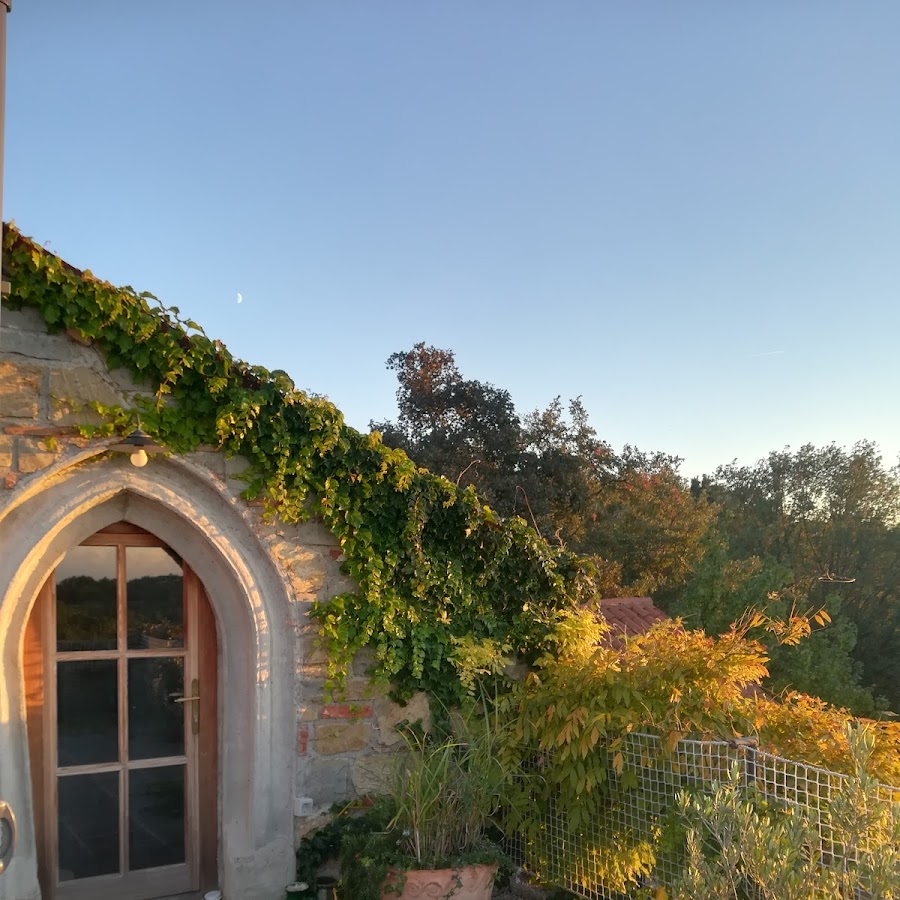
Appartement Ivana
Gordia
Bife Museum Doris Božič s.p.
Maison365
Villa Domus
Maison vénitienne
Maison d'hôtes Flora Slovenija
Auberge Histria Koper
Domačija Ražman - Istra.si doo
Tumova koča na Slavniku
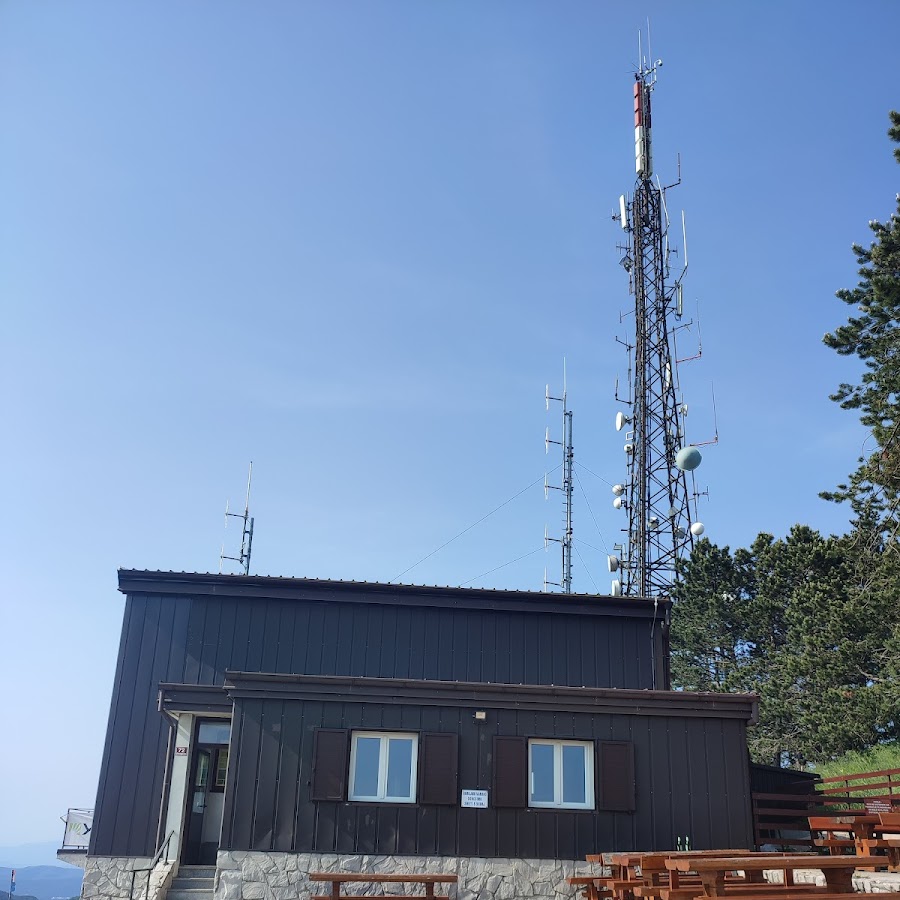
Villa Andor
PZA Koper / Zone attrezzata camping-car Capodistria
Villa Venise à Piran
Štok - Chambres, vin et restaurant (Turistična kmetija)
Damijan Jogan - Nosilec dopolnilne dejavnosti na kmetiji
Ankaran Sobodajalka Mara Hrvatini 183a APARTMAJI MARA
Casa Oasa - chambres, pizzeria et bar. Picerija Marezige
Camp osmique Jakomin
Villa Nostalgia piscine et bien-être
Auberge de jeunesse Xaxid, Dušan Bitenc - sobodajalec
Villa Xaxat
Maison d'hôtes Kamniti Rob
Appartements Vidic Koper
Gîte à la ferme Domačija Butul
Vivere en Slovénie
Prenočišča Prisoje
Paradis du vin
Appartements Vila Molet
Résidence Gold Istra
Ferme touristique RED FAIRYTALE (appartements, huile d'olive extra vierge - dégustations, magasin de la ferme)
Casa Isabella B&B
Musée Bife Doris Božič sp
Restauration Brič
Hôtel Vodisek
Auberge Pod Slavnikom
Aquapark Hotel Žusterna
Villa Majda
Hôtel Capris Capodistria
Vila ROBIDA - chambres, appartements et SPA
Maison d'hôtes Green Istria
Hôtel Grand Koper
Maison d'hôtes Škofije ob Parenzani
Rezidenca Ortus
Auberge Velenje
HIŠA WAMBRECHTSAMER
Turistična kmetija Apat - Maison de campagne Apat
La maison de vacances de Tanja dans la nature
Hôtel Razgorsek
Maison de campagne Slemenšek
Dvorec Trebnik
Apolonija Kozman - Nosilka dopolnilne dejavnosti na kmetiji
Hôtel Garni Zvon
Auberge Vojnik
Hostel Plus Caffe
Maison d'hôtes Bohorč
Vila Monet
Planinski Dom Gore
Vila Sisi
Prenočišča Mraz
Ferme touristique Urška
Hôtel Mladinski Velenje
Gostilna Čater Sabina Čater sp
Auberge de jeunesse Trbovlje
Hôtel Prebold
Maison d'hôtes Smogavc
Chambres Hochkraut
Camp Velenje à Restavracija Camp Velenje
Ferme touristique Weiss
Chambres d'hôtes Dvorec
Hôtel Sofijin Dvor
Suite Spa Dobrna
Appartement Keleia
Camp Steska
Hôtel Paka
Parc
Glamping Jagoče
Vile Terme Zreče
Hôtel Atrij
Aqua Roma
Vila Aina
Na Škaluc
hôtel reAktiv
Posest Kunigunda
Glamping Brodej - Jože Brodej - Dopolnilna dejavnost na kmetiji
Hôtel MC
Ranch à Geta
Planinski dom na Kalu
Planinsko Društvo Rimske Toplice
Vila Herberstein
Ferme Soržev mlin
PICERIJA & GRILL VERDE PETROVČE
Podpečan Andrej - dopolnilna dejavnost na kmetiji
SALUER BARBARA CELJE
Ferme touristique Žurej
GORSKA REKA, RESTAVRACIJA& PRENOČIŠČA
Glamping Rajska vas
Terme Dobrna, Termalno zdravilišče dd
Ferme d'aventure
Maison d'hôtes Pod Orehi
Hôtel-boutique Dobrna
Camp Dolina Prebold
Hôtel Faraon
Camping Park Latkova Vas
Green Valley Glamping Resort
Penzion Kračun & Ob železnici
Limaks
Lodge à Svetina
Penzion Park
Auberge MCC
Gostišče Ulipi doo
Hôtel Špica Laško
Hôtel Grande
Gostišče Pod kostanji
Hôtel Celjska koča
Hôtel A plus
Hôtel Vita
Dépendance Vila Higiea
Hôtel Thermana Park Laško****Supérieur
Thermes de Zrece - Hôtel Vital
Hôtel Zdravilišče Laško
Hôtel Švicarija
Rimske Terme Spa & Business
Hôtel Evropa
Appartement CasaBled Bella
Restavracija Vila Ajda Dax & appartement
Vila Bojana
Appartements Iva
Appartement Lenardič, Lidija Lenardič - Sobodajalka, Bled
Pension TTT
Appartements Bassanese, Studio TARA
Appartements Bledea
Appartements Dolar
Appartement près de Tina Bled
Chambres de l'auberge Hacienda Bled
Chalet panoramique forestier avec vue sur le lac de Bled
Appartements Siesta Bled
Appartements de luxe BB Bled
Vila Lipa
À propos de l'appartement Milena
Syndicat des pensions
Villa Bajtica - Maison d'art vintage
Rooms Jerman
Appartements Barbi
Appartement Van Bakel
Maison d'hôtes « La Ruche »
Appartements Chambres Kocijancic
B&B Tereza
Appartements AGENIJA
Appartements Melody et Harmony Bled
Hôtel Jadran
Appartements Olip
Chambres Murka
Appartement Swan
Maison MM
Appartements Blejka
Hôtel Trst
Chambres Dolar
Vila Gorenka
Villa Menthe&Lavande
Appartements Olga
Bled
Maison centrale de Bled
Appartements Vila Marjetica
Maison Čarman
Maison d'hôtes Golja, Bled
Chalet Žana
Les appartements Jungle (Vila Džungla)
APPARTEMENTS VILA CVETKA BLED
Maison verte de Bled
Maison d'hôtes Pr' Jozef
Appartements "Apple Garden"
Appartements Boris
Appartements à Bled
Appartement Ledrar
Ancienne maison paroissiale
Appartement Maca Bled
Appartement Castle Rock Bled
Appartements Quercus
Vila Special Bled
Hôtel Starkl
Pension Garni Pletna
Vacances au lac de Bled
Pension Zaka Bled
Maison d'hôtes Marko
Pension Alp
APPARTEMENTS KOMAN BLED
Pension Mayer
Maison Klasika
Vila Grad
Appartements de luxe Vila Ula La Bled
Maison du lac de Bled
Vila Alpina
Pension Berc
VELDES BLED B&B
Pension Mlino
Lits de la gare routière de l'auberge
SAIGNÉ | Pr'Anžlno | Barça Pletna
Hôtel Triglav LLC Bled
Marijin dom - Maison de retraite
Vila Preseren
Vieille maison de Bled
Penzion Kaps
Barn House MM - appartements
Hôtel Park
Maison d'hôtes Kolinska
Hôtel Bled Rose
Auberge de jeunesse Bledec
Camping Bled
Hôtel Rikli Balance
Village-jardin de Bled
Auberge de l'As de pique
Auberge Travellers' Haven Bled
Hôtel Savica
Hôtel de luxe Adora
Villa Bled
Grand Hôtel Toplice
Hôtel Kompas
Hôtel Lovec
Things to see or do in Slovenia
Slovenian Museum of Natural History
The Slovenian Museum of Natural History (Slovene: Prirodoslovni muzej Slovenije, Latin: Museum Historiae Naturalis Sloveniae) is a Slovenian national museum with natural history, scientific, and educational contents. It is the oldest cultural and scientific Slovenian institution. The museum features national, European, and worldwide collections demonstrating the changes in biodiversity, the development of the natural history thought, as well as different techniques of collection and preparation of samples. Its research activities focus on natural heritage of Slovenia. The Slovenian Museum of Natural History operates in the Center District in Ljubljana, the capital of Slovenia, at Museum Street (Muzejska ulica), near Tivoli Park, the Parliament and the Opera House. Along with the National Museum of Slovenia, it is housed in a building from 1885, built upon the plans by the Viennese architect Wilhelm Rezori and the master builder Wilhelm Treo from Ljubljana. The symbol of the museum is an almost complete woolly mammoth skeleton, found in Nevlje near Kamnik in 1938. Its official publication, published since autumn 1978, has been named Scopolia in honour of Giovanni Antonio Scopoli, a leading Carniolan naturalist of the 18th century.This museum in Ljubljana focuses on natural history and biodiversity, featuring exhibits on geology, paleontology, and the natural environment of Slovenia.
City Museum of Ljubljana
The City Museum of Ljubljana (Slovene: Mestni muzej Ljubljana) was established in 1935. It is housed in Turjak Palace at 15 Gentry Street (Gosposka ulica 15) in the centre of Ljubljana. The museum offers various pedagogical activities for children and students between the ages of 5 and 18 and also features a special itinerant museum groups for hospital schools, schools for learners with special needs and lower graders of the remote schools around Ljubljana.The City Museum of Ljubljana offers

Bled Castle
Bled Castle (Slovene: Blejski grad, German: Burg Veldes) is a medieval castle built on a precipice above the city of Bled in Slovenia, overlooking Lake Bled. According to written sources, it is the oldest Slovenian castle and is currently one of Slovenia's most visited tourist attractions. Nowadays, the castle is a historical museum with a collection representing the lake's history.A medieval castle overlooking Lake Bled, offering stunning views and a glimpse into Slovenia's history.

Postojna Cave
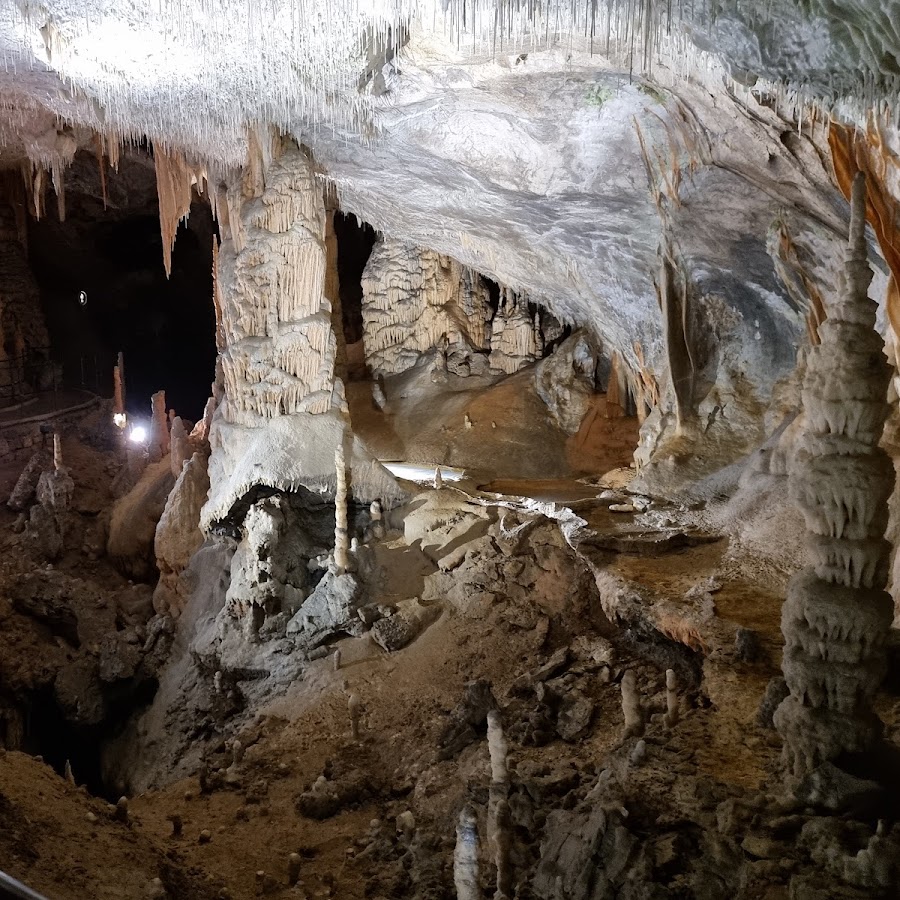
One of the largest and most famous karst caves in the world, featuring stunning stalactites and stalagmites, and a unique underground train ride.
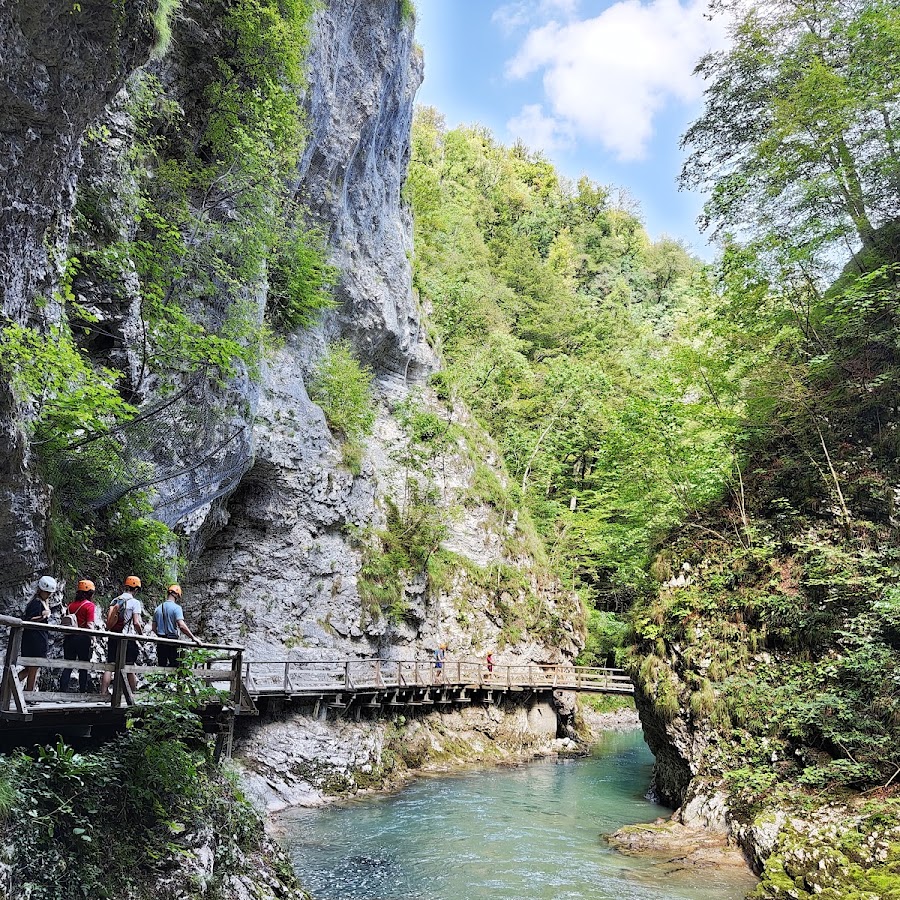
Triglav National Park
Slovenia's only national park, known for its breathtaking alpine scenery, hiking trails, and outdoor activities like climbing and skiing.
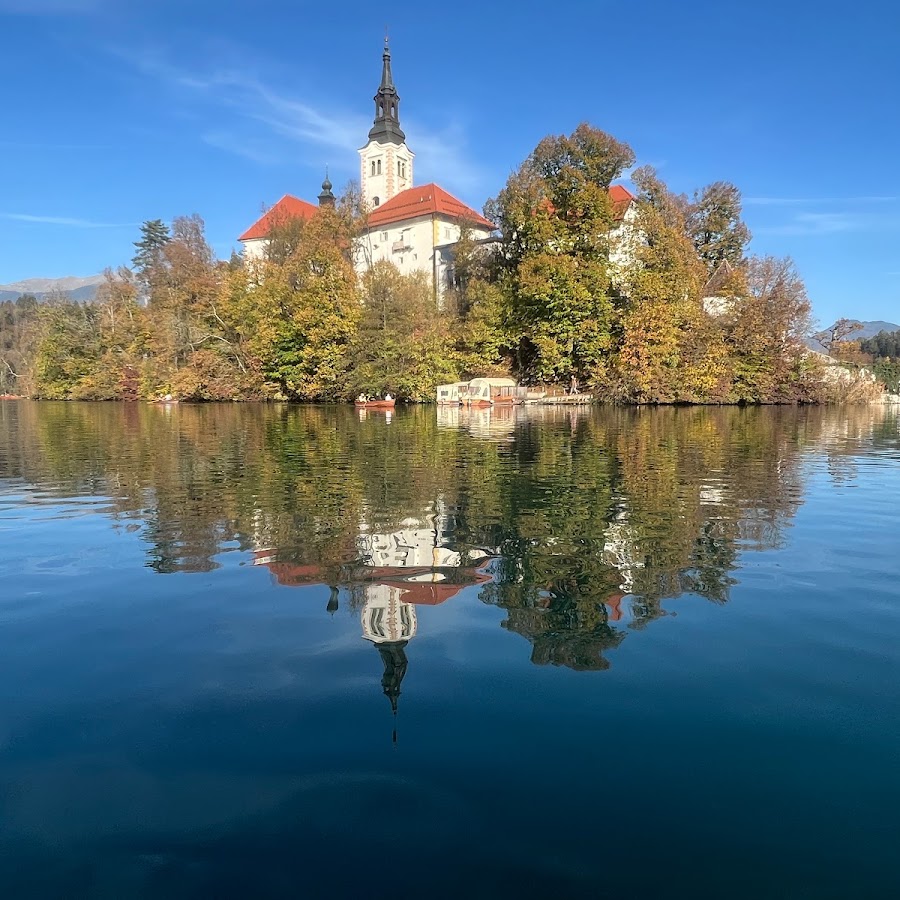
Lake Bled
A picturesque lake famous for its island church and castle, offering opportunities for boating, swimming, and hiking around the lake.
Piran
Piran (Slovene pronunciation: [piˈɾáːn] ; Italian: Pirano [piˈraːno]) is a town in southwestern Slovenia on the Gulf of Piran on the Adriatic Sea. It is one of the three major towns of Slovenian Istria. A bilingual city, with population speaking both Slovene and Italian, Piran is known for its medieval architecture, with narrow streets and compact houses. Piran is the administrative seat of the Municipality of Piran and one of Slovenia's major tourist attractions.A charming coastal town known for its Venetian architecture, narrow streets, and beautiful seaside views, perfect for exploring and enjoying local cuisine.

Rogla Ski Resort
Rogla Ski Resort is a Slovenian ski resort opened in 1975 at Rogla, Zreče, located at the top of the Zreče Pohorje range and regularly the most or second most visited Slovenian ski resort, with over 200,000 skiers per season and capacity of 13,500/h. It is the seventh-largest Slovenian ski resort by ski area, with a total 13.5 km (8.4 mi) of ski slopes and 24 km (15 mi) of cross-country tracks. Two outdoor stadiums and a multipurpose indoor sports hall, are one of the highest elevation stadiums/indoor arenas in Europe. Resort offers many activities, such as alpine skiing, cross-country skiing, squash, snowboarding, hiking, climbing wall, soccer, handball, basketball, athletics, mountain bike downhill, horseback riding, swimming, fitness, tennis, dog sledding, a forest canopy trail, and an alpine coaster. The Rogla Olympic Center (Olimpijski športni center Rogla), used as high-elevation training camp, has hosted many prominent sports teams and athletes, such as Monica Seles, Goran Ivanišević, Petra Majdič, Goran Dragić, Paris Saint-Germain, Panathinaikos F.C., the Spain men's national handball team, and the France men's national handball team. They are firmly a part of FIS Snowboard World Cup calendar hosting parallel giant slalom events since 2013; and FIS Cross-Country World Cup (2009, 2011).A popular ski resort in Slovenia, offering winter sports and activities, as well as summer hiking and mountain biking trails.

Slovenian Alpine Museum
The Slovenian Alpine Museum (Slovene: Slovenski planinski muzej) is a mountaineering museum in Mojstrana in the vicinity of Triglav National Park (Julian Alps) in northwestern Slovenia. It was opened on 7 August 2010 by the president of Slovenia, Danilo Türk. It is operated by the Jesenice Upper Sava Museum. In June 2016, the Swiss King Albert I Memorial Foundation bestowed it the Albert Mountain Award [de] for its important contribution to the sustainable development of the Alpine space.Located in Mojstrana, this museum is dedicated to the history of mountaineering in Slovenia and the Julian Alps.

Peričnik Falls
Peričnik Falls (pronounced [pɛˈɾiːtʃnik]; Slovene: slap Peričnik) is a waterfall in Triglav National Park, Slovenia. The waterfall consists of two distinct cascades: the 16-metre Upper Peričnik Falls and the more dramatic 52-metre Lower Peričnik Falls, with both heights recently confirmed through precise geodetic measurements. A notable feature is the ability to walk behind the curtain of the lower waterfall, making it one of the most photographed natural attractions in the Julian Alps. The falls were first made accessible to visitors in 1895, when the local priest and mountaineer Jakob Aljaž cleared debris and constructed the initial footpath.A stunning waterfall located in Triglav National Park, known for its unique
