Serbia 500+ Place to Stay and visit
Serbia is a vibrant and culturally rich destination in the heart of the Balkans, where East meets West. Explore the lively streets of Belgrade, known for its historic fortresses and dynamic nightlife, or visit the charming city of Novi Sad and the scenic beauty of the Đerdap Gorge and Tara National Park. With its mix of medieval monasteries, traditional cuisine, and warm hospitality, Serbia offers authentic experiences, deep history, and a strong spirit that welcomes every traveler.

Where to stay in Serbia?
Hotels, B&Bs...
Šumska1
Sobe,, Žeravica" Sremski Karlovci
Villa "RADIGOST" Ilija Kasalovich
Guesthouse Sejn
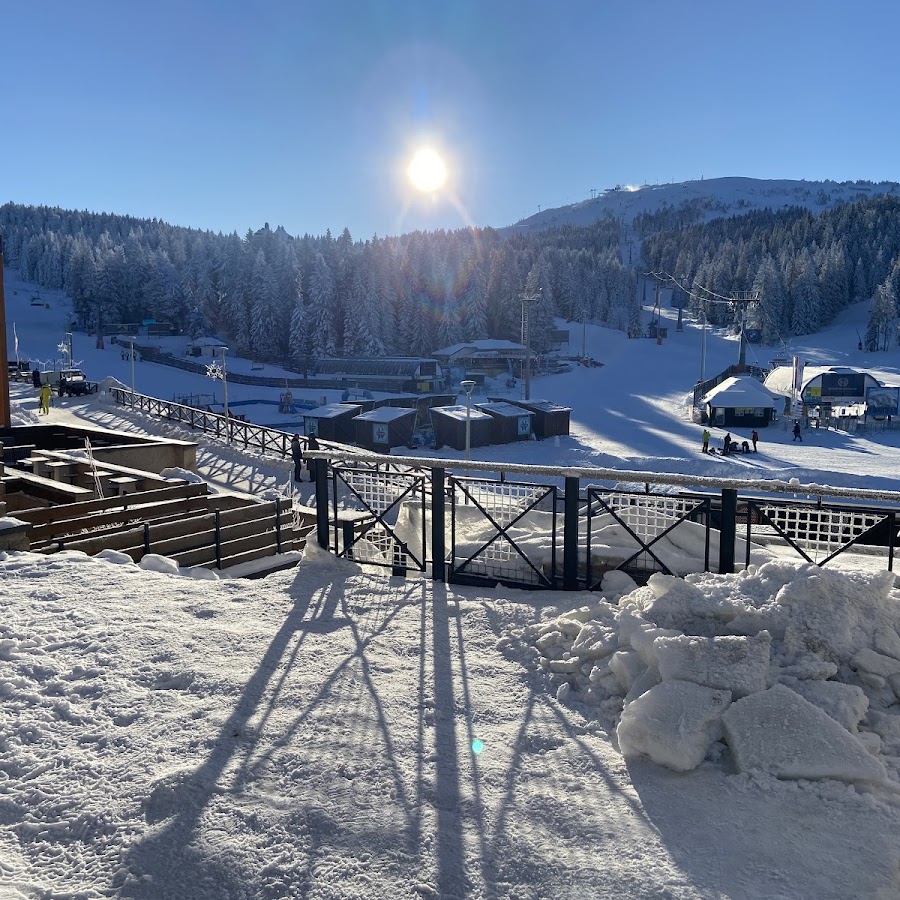
Villa D&M
Villa Nika
Vila Golija Kopaonik
Angella KOP Konaci Kopaonik
Hotel Junior
Ртањ
Grey Hotel Kopaonik
Gorski Hotel & Spa
Restoran Alijansa
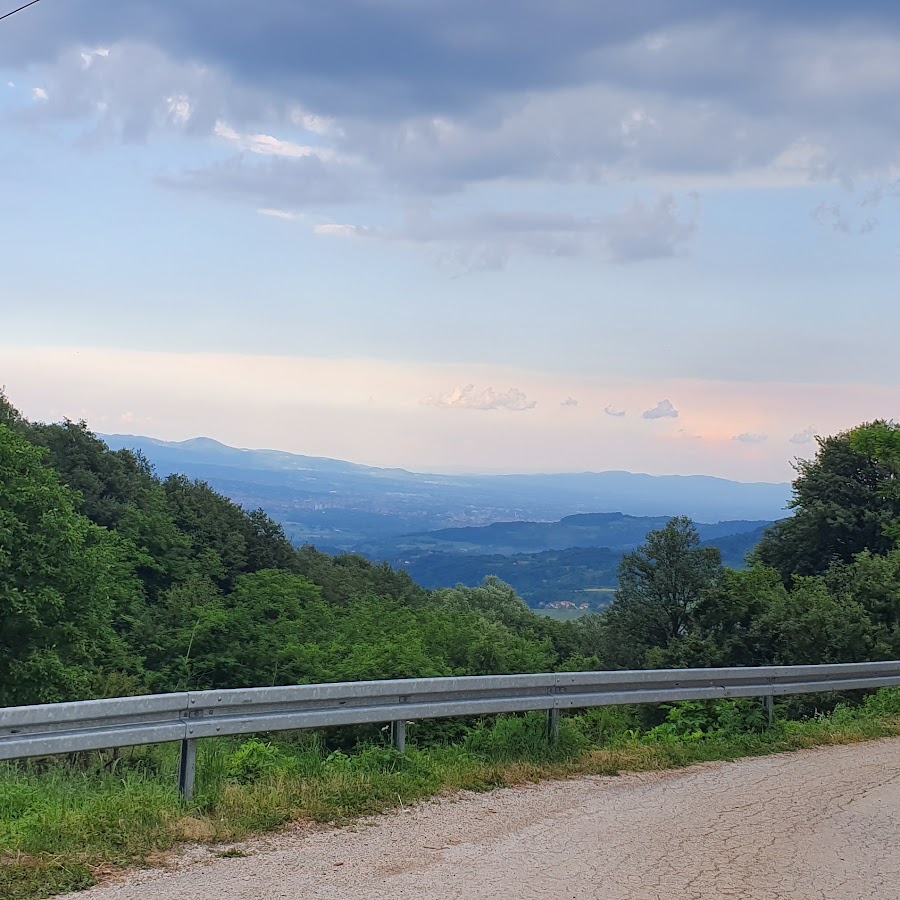
Bleecker Hotels
Aurora Lux Spa
Central Point Hotel
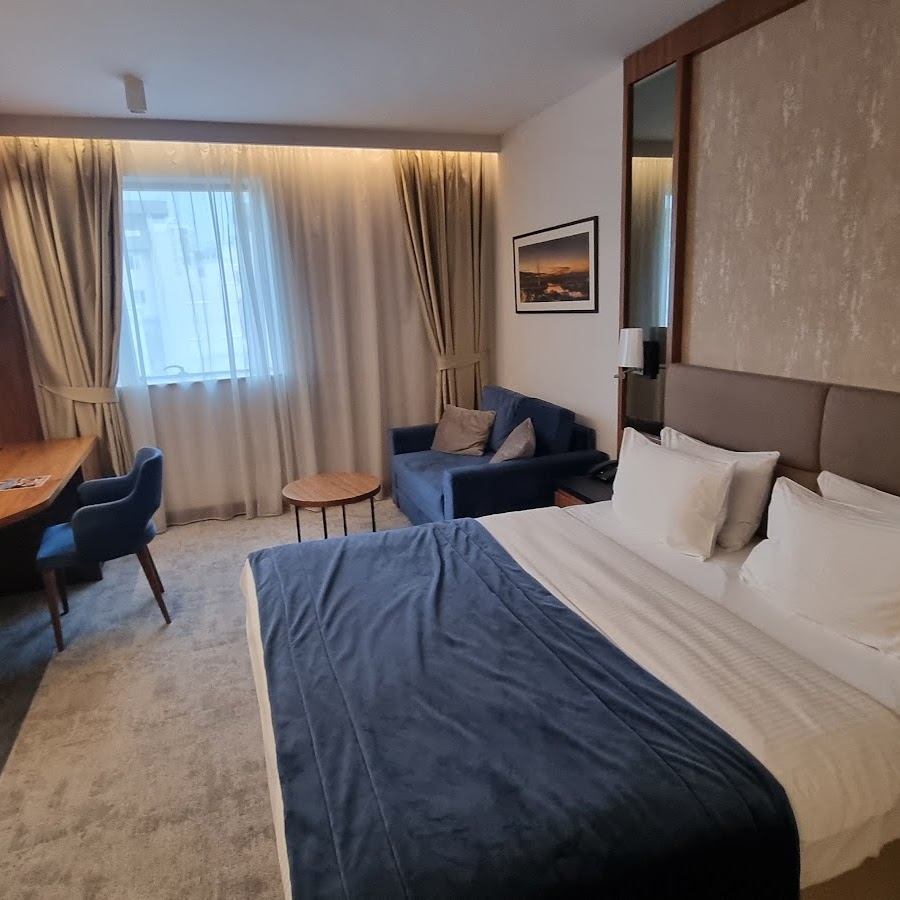
BOOKING EN SUITE
Hotel Orašac
Garni hotel „Sučević“
Privilege Suites
Passpartù Home
Garni Hotel Dum
Villa Forever
Kudin most
Veneti Suites
Vila Dona
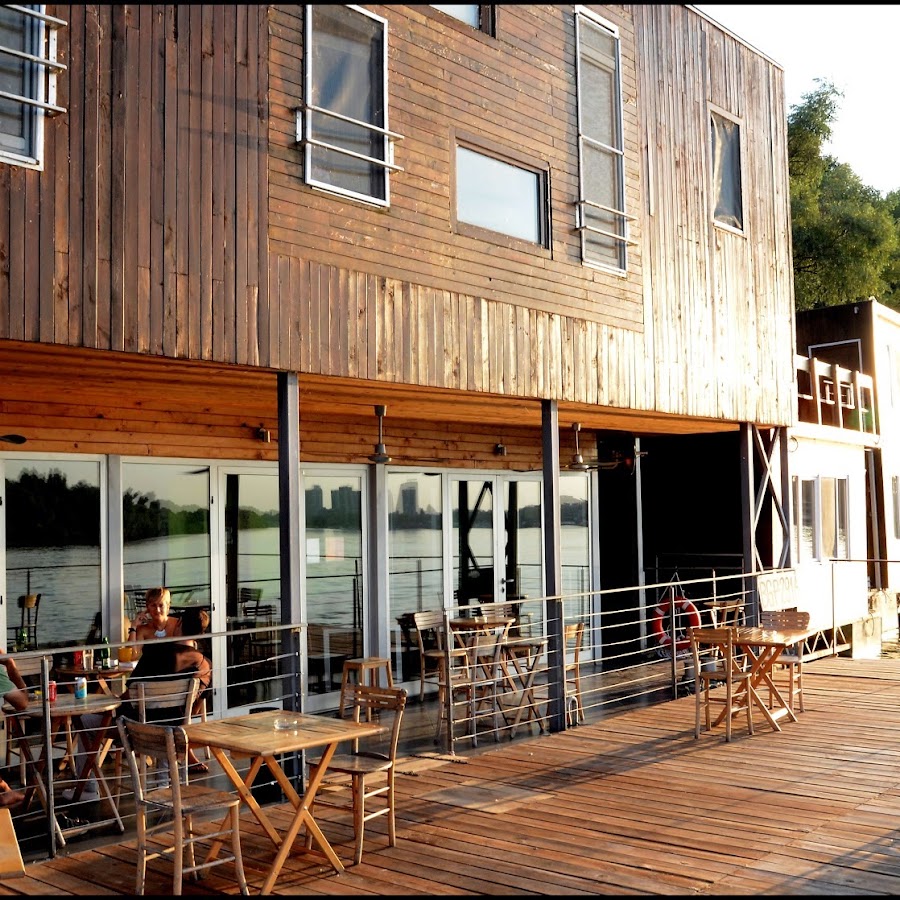
ArkaBarka floating hostel & apartments
Apartments Exclusive, Belgrade
Villa Boho Cherga
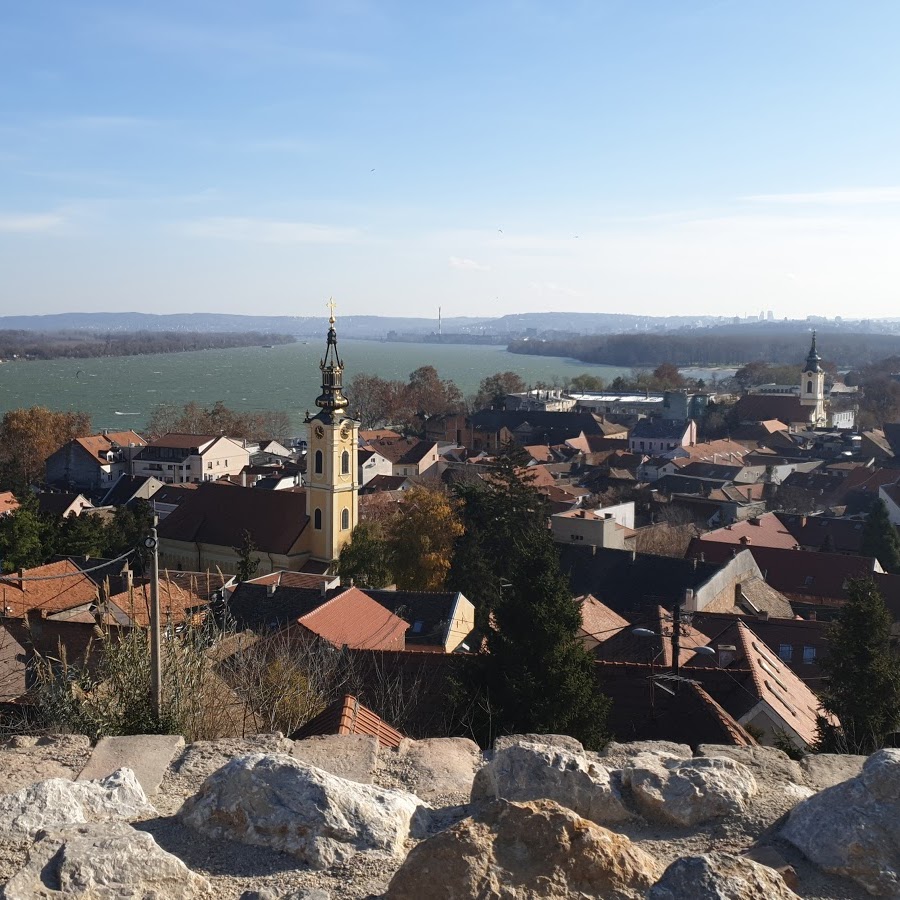
Hotel City Savoy
Boatel Charlie
Villa 1927
Hotel Livnica
Villa Skadarlija
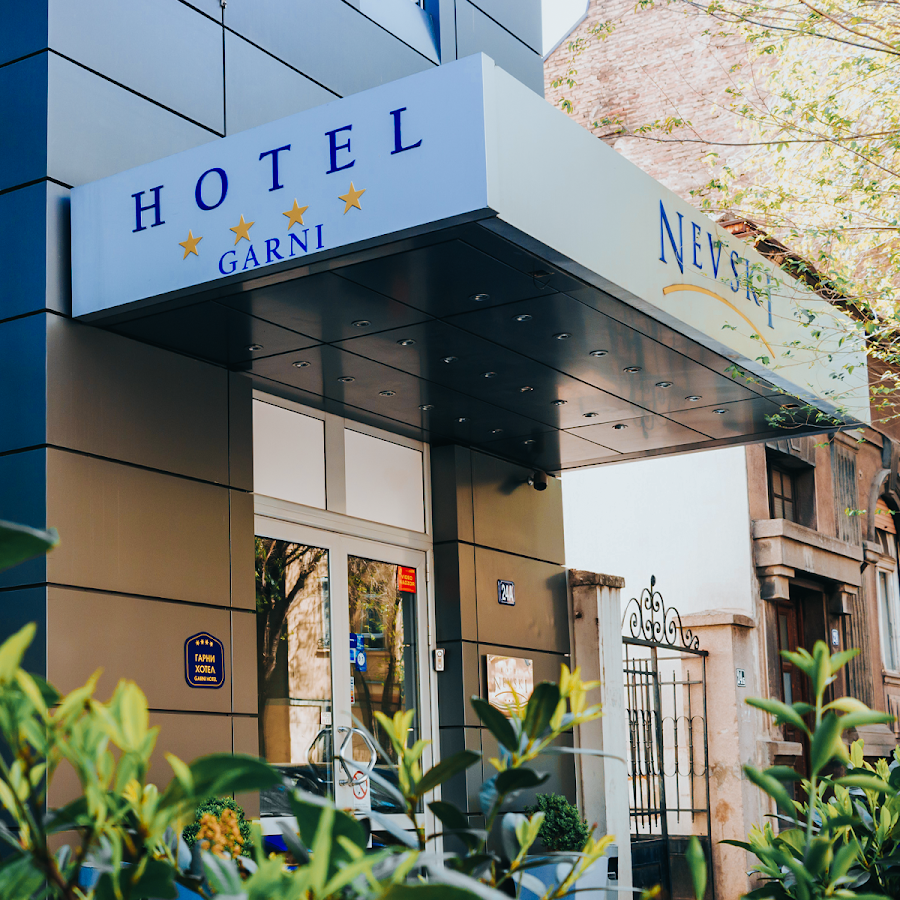
Nevski Hotel
City Code IN Joy
MiniCity
City Nest Modern & Cozy Suites
Karavan Inn
Maison Royale
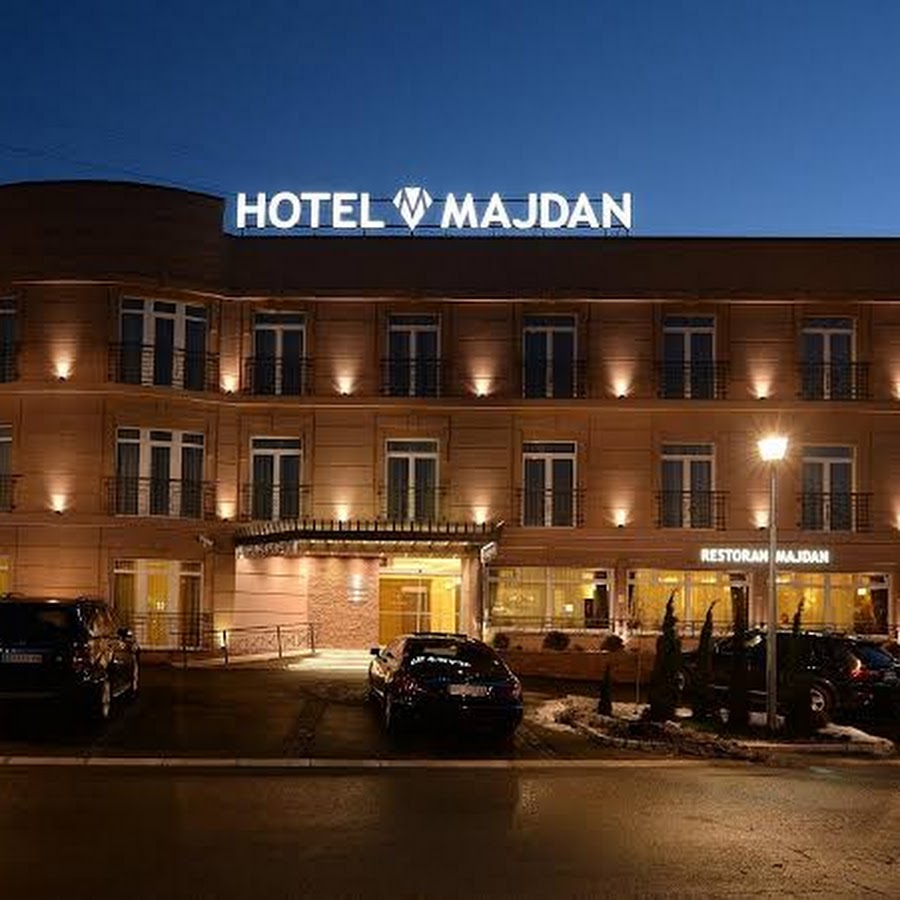
Hotel Majdan
Villa Geppetto
Stella Apartments, Belgrade
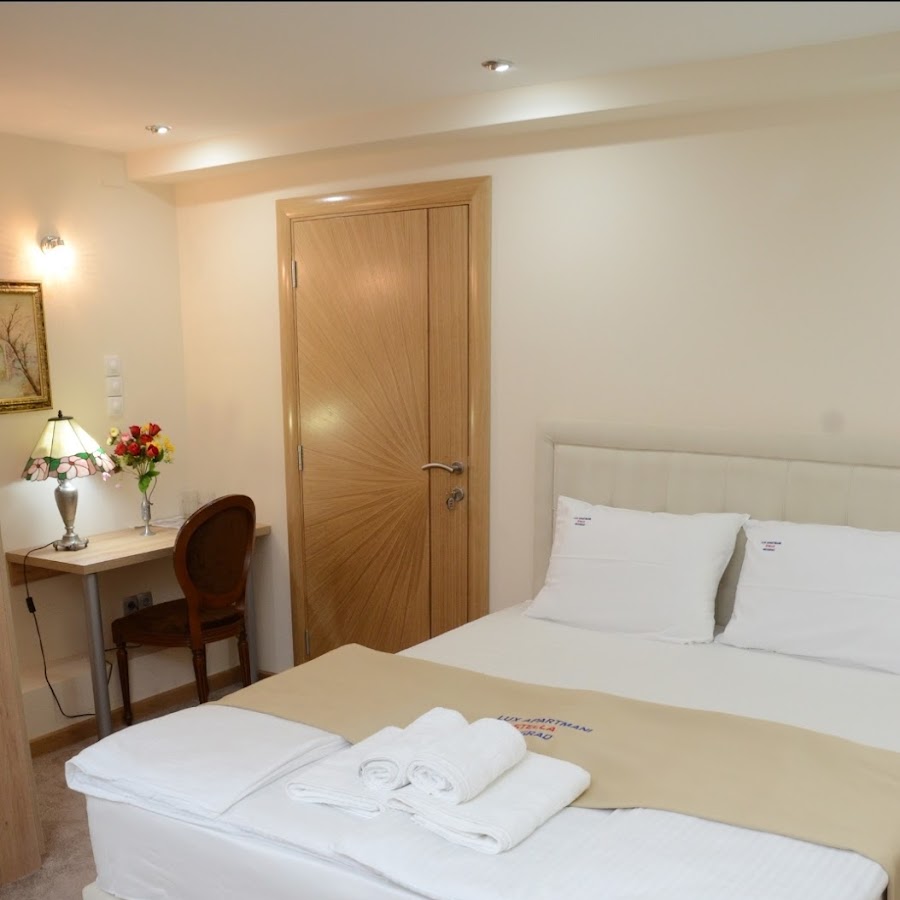
Garni Hotel D10
The Residence 59
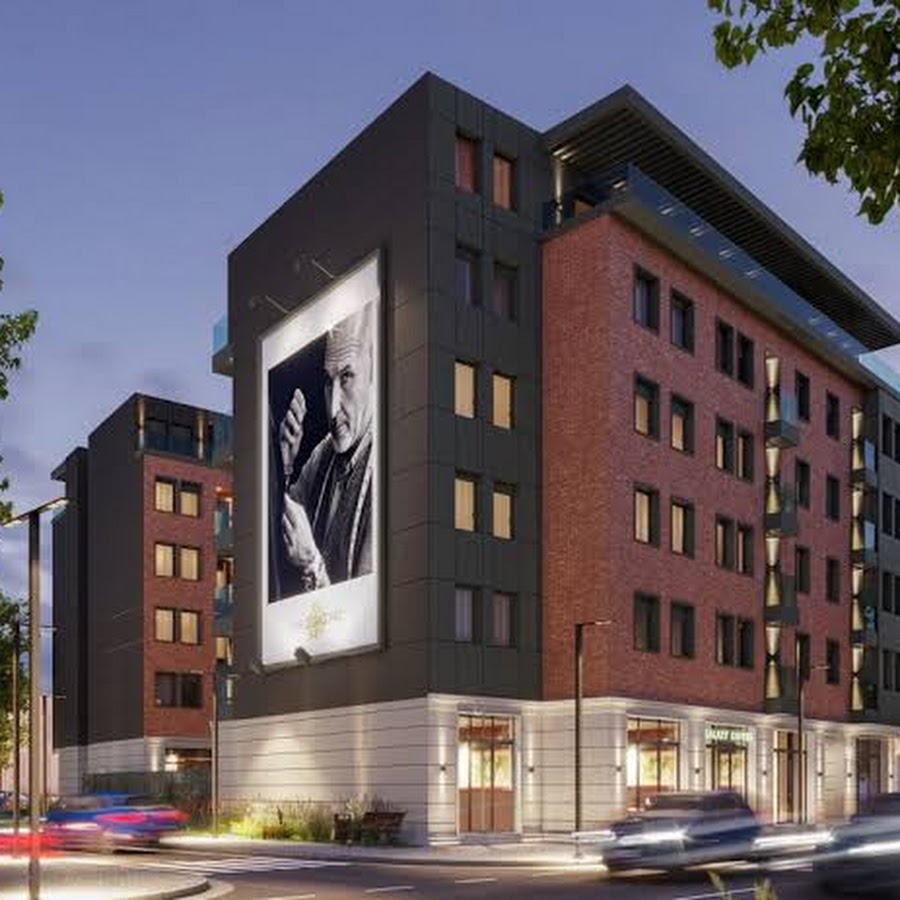
Atera Business Suites
Garni Hotel Le Petit Piaf
Centar No. 1
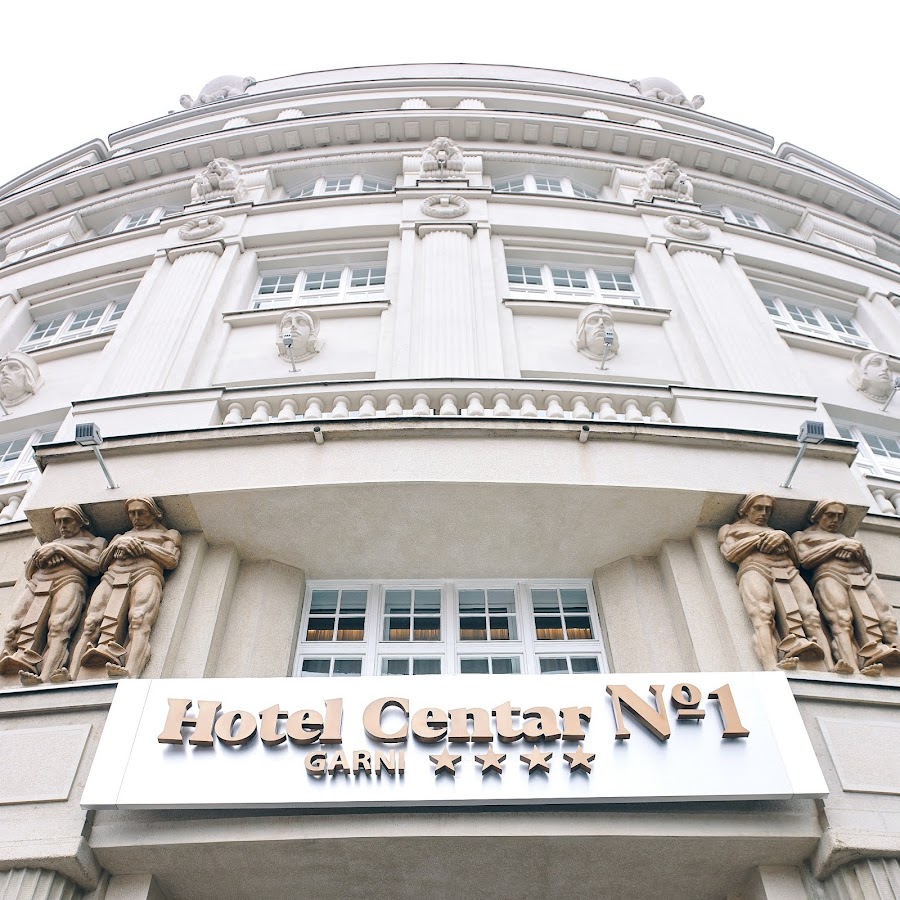
Side One Design Hotel Garni
Hotel Flaneur
Piazza dei Fiori
Olympic Wellness and Spa Hotel
Wimbledon Garni Concept B&B
Ben Akiba Luxury Suites
Heritage Hotel
Hotel Orašac Garni
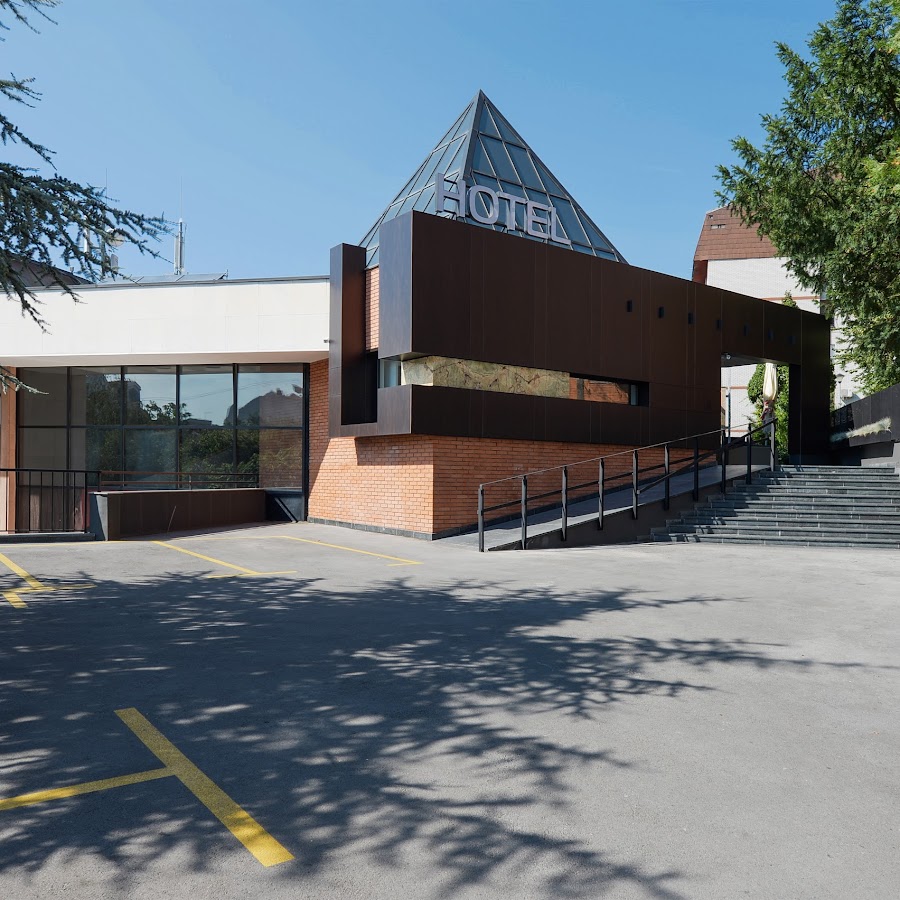
Apartmani Beograd
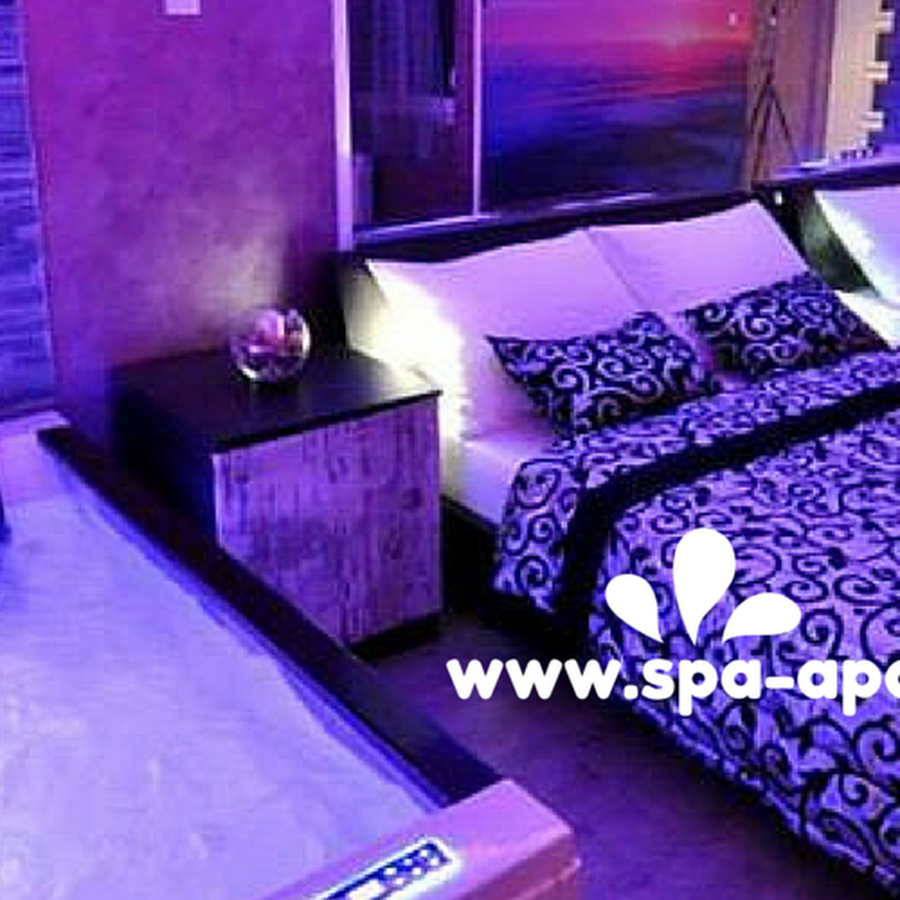
Design Hotel Mr. President Garni
Balkan Garni Hotel
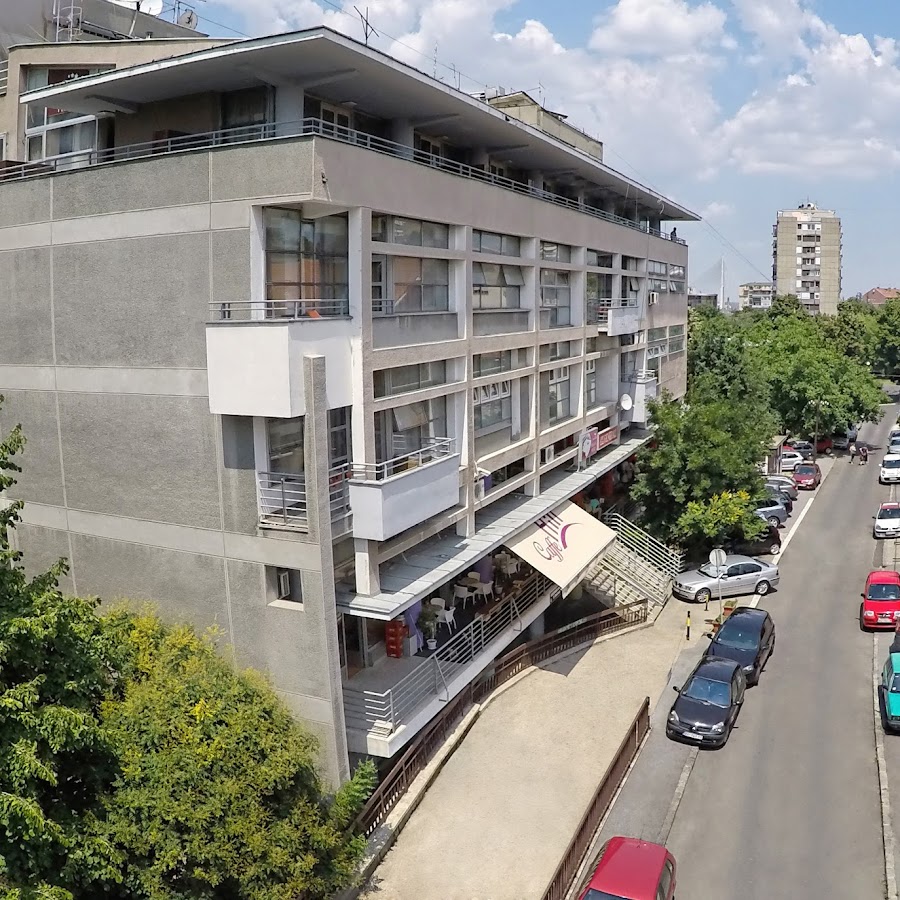
Kings Palace Suites
FLOW Restaurant Bar Rooms
Hotel Bohemian Garni
Hotel Marshal Garni
Boutique Hotel Museum
Hotel Sumadija
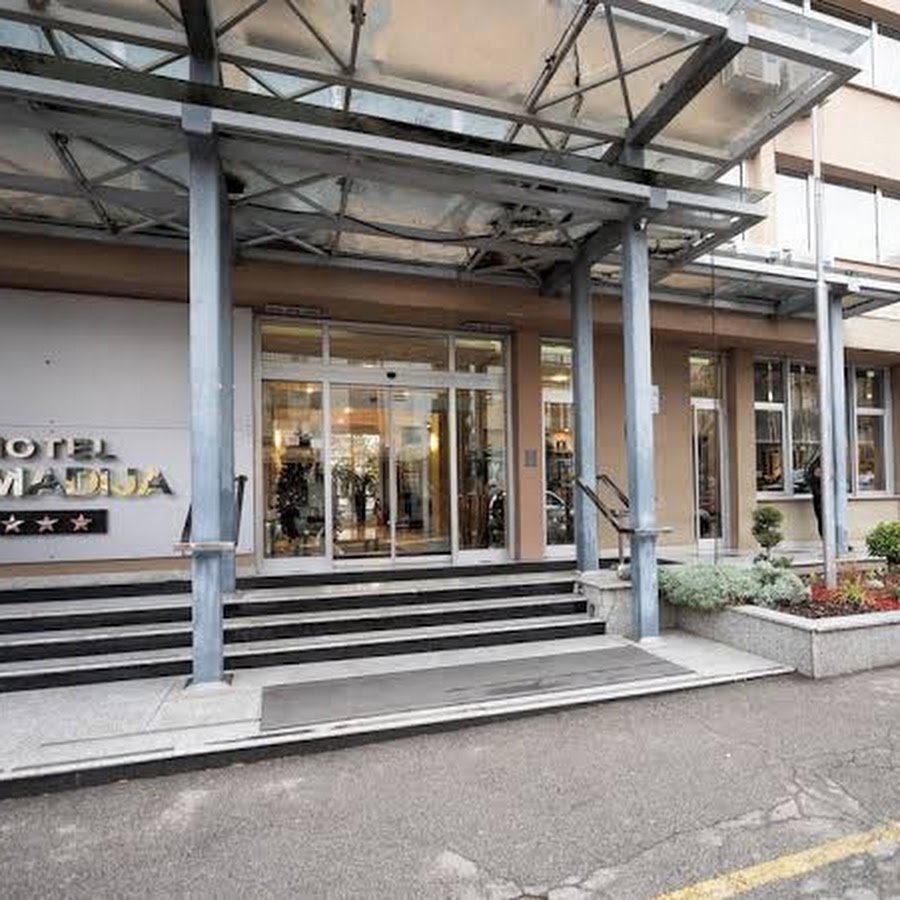
Townhouse 27 Hotel
Boutique Rooms
Nota Hotel & Restaurant
Abba Hotel
Hotel Prince Hall
Magenta apartments, Belgrade
Hotel Bajadera
Fera
Dominic Smart Luxury Suites - Terazije
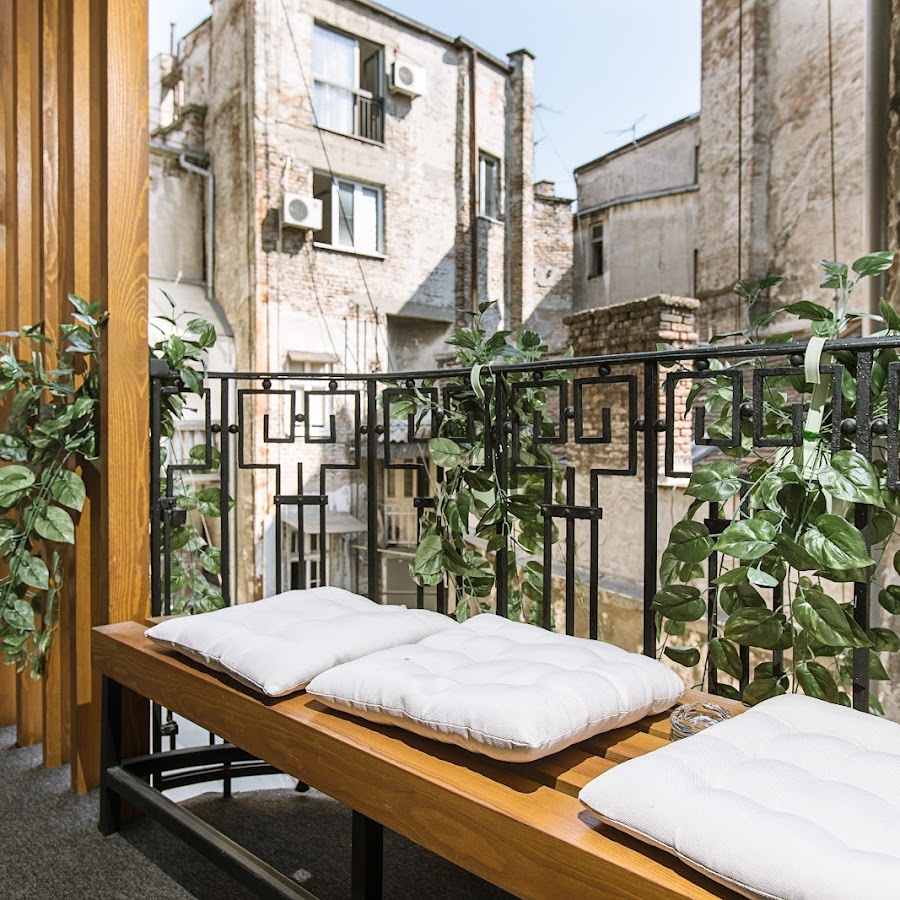
Envoy Hotel
Maccani Luxury Suites
Hotel TESLA Smart Stay
Hotel Rex Belgrade
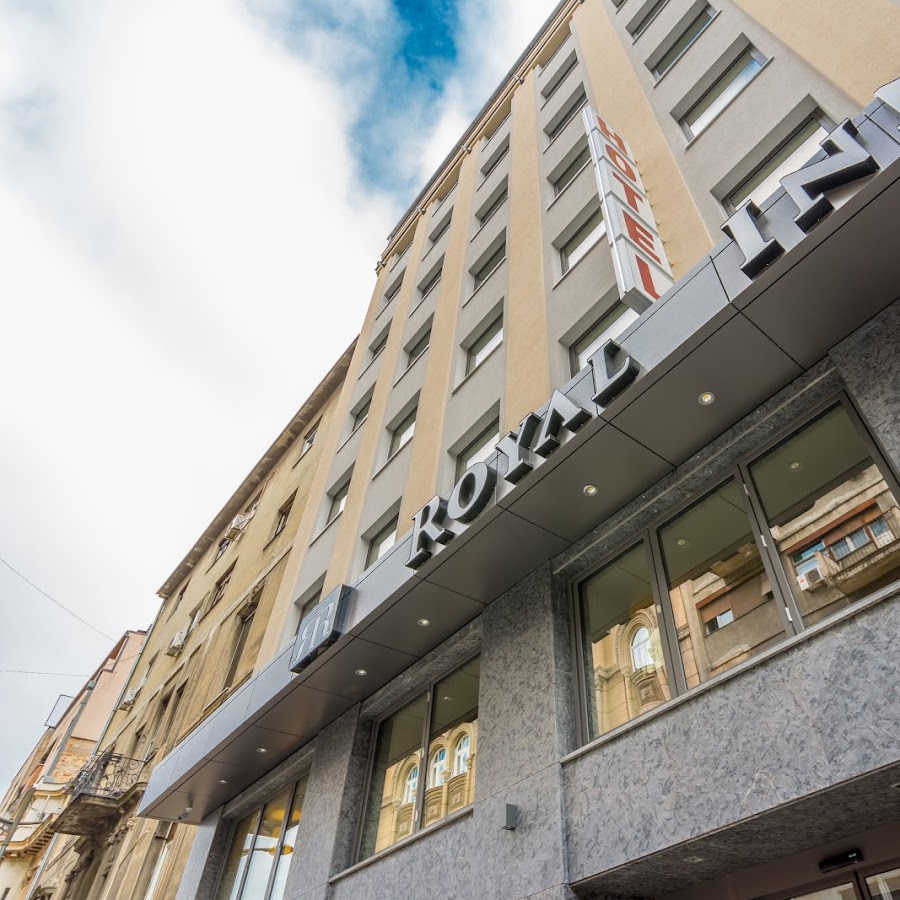
Hotel Royal
Feel Belgrade Apartments
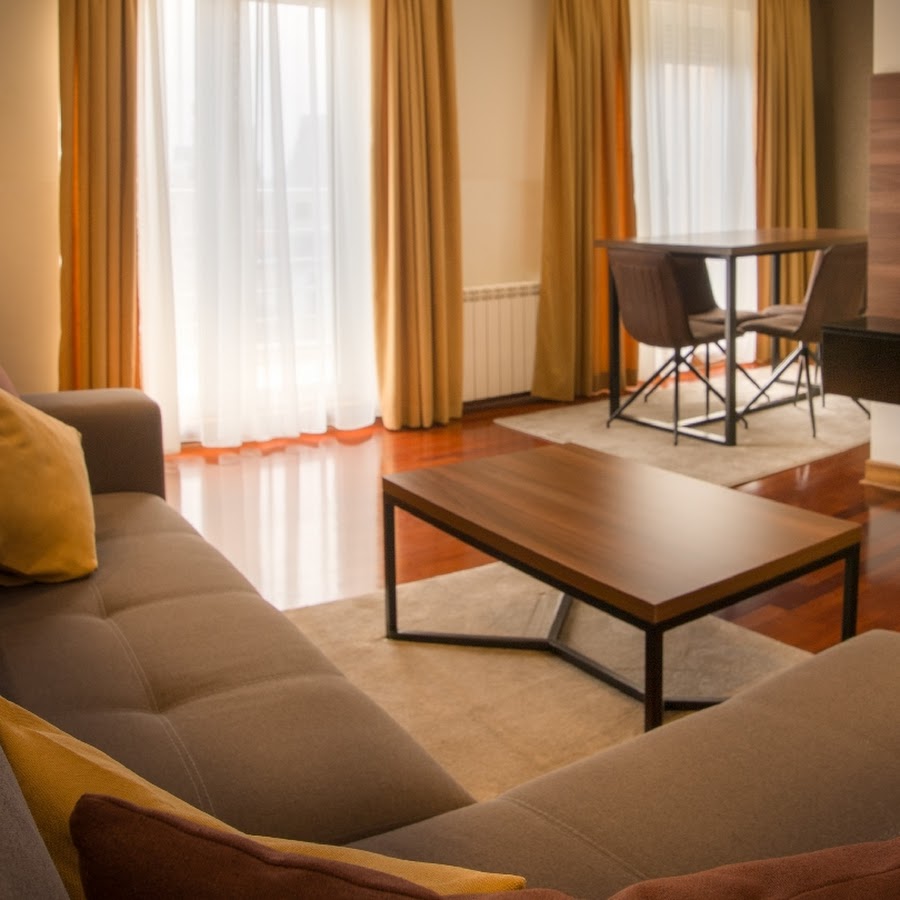
Xenon
Penthouse Lux, Belgrade
Slavija Garni
Hotel M Belgrade
Eclat Luxury Hotel
Hotel Nobel
Hotel N
Sterling Hotel
Hotel Balkan Beograd
LDS Hotel Belgrade
Srpsko Andrejevo Selo
Savamala Hotel
The Babe Boutique Hotel Belgrade
Urban Lodge Belgrade
Mint
Mark Hotel Belgrade
Square Nine Hotel Belgrade
Belgrade Art Hotel, a member of Radisson Individuals
Hotel Indigo Belgrade by IHG
Hotel Passport
City Joy Hotel - Tašmajdan
Dominic Smart Luxury Suites - Republic Square
Hotel Prag
360 Apartments Belgrade
Green Set
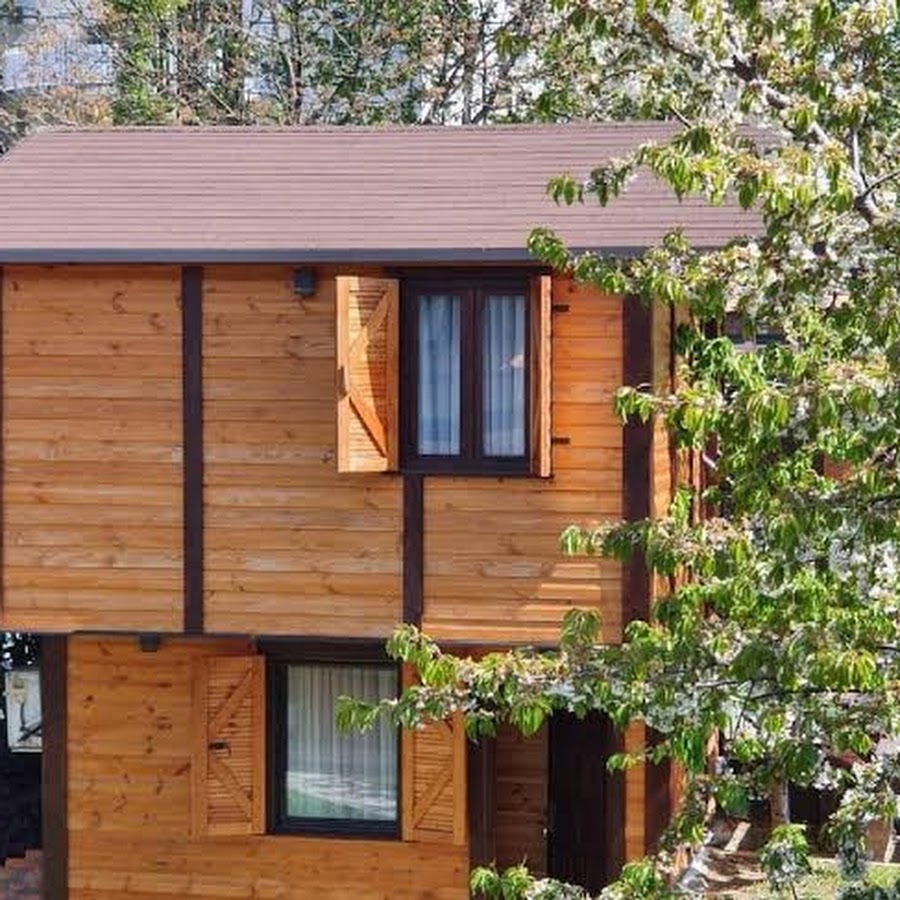
Premium Crown Suites
Hotel centar „Balašević”
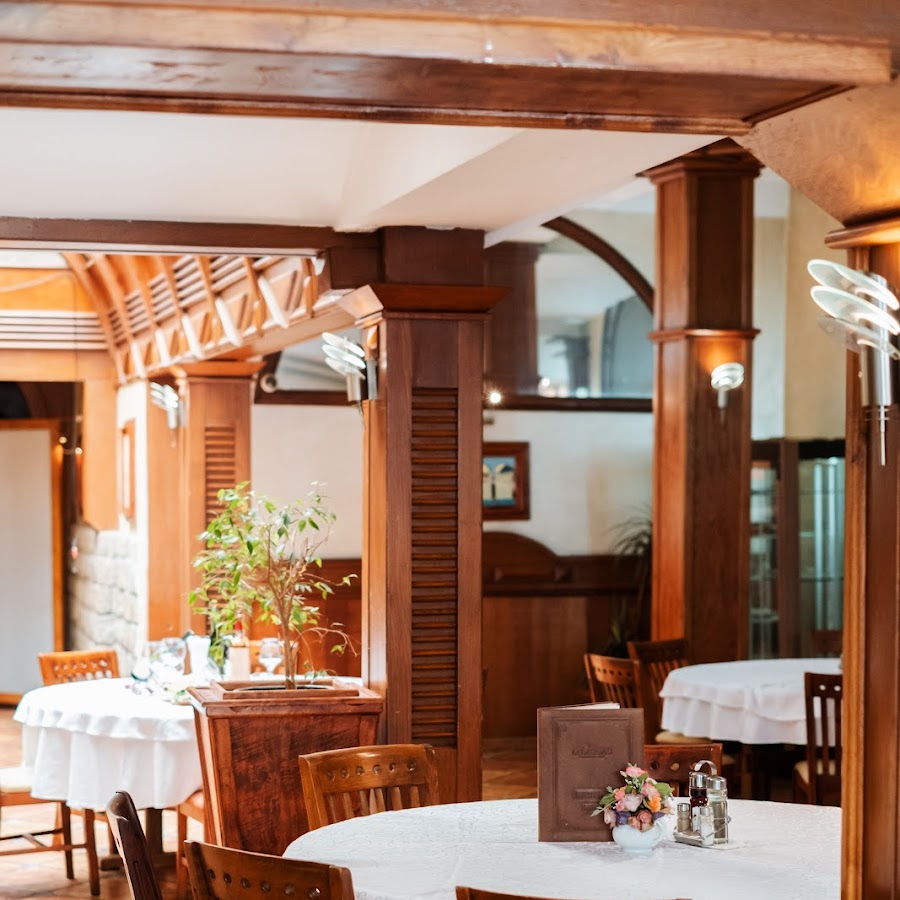
Boutique Hotel Madison
Luxury Rooms Velika Skadarlija
Temple apartments
Black Pearl Luxury Suites
Hotel Constantine The Great
Hotel 1000 Ruža
Hotel Palace
Kame Hotel Belgrade
Vila Kruna, Belgrade
Hotel Capital
Hotel Majestic
IN Hotel Belgrade
The Location Hotel
Marquise Hotel
Garni Hotel Mar Belgrade
Putnik Inn Belgrade
Hanami Belgrade
Hotel Serbia
Belgrade Inn
Pavilion Hotel & Social Club Belgrade
Belgrade City Hotel
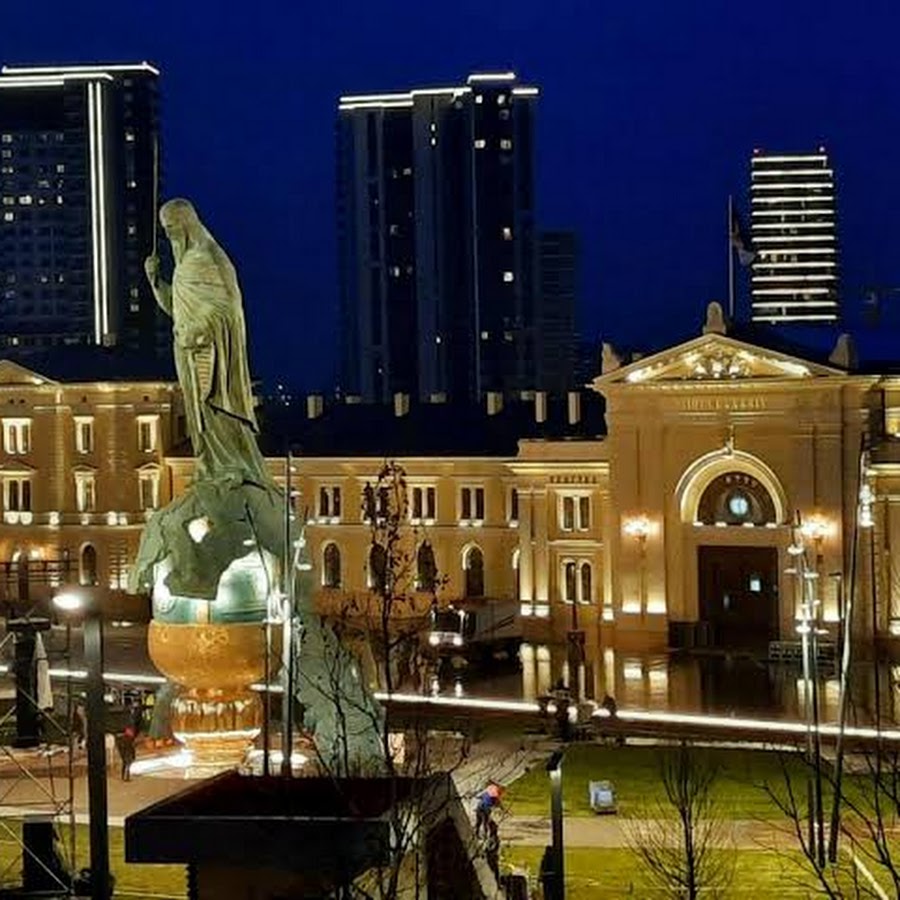
Sky hotel Belgrade
Queen's Astoria Design Hotel
Falkensteiner Hotel Belgrade
Saint Ten Hotel (an SLH Hotel)
Mercure Belgrade Excelsior
Hotel Moskva
Radisson Collection Hotel, Old Mill Belgrade
Moxy Belgrade
Radisson RED Belgrade
Hilton Belgrade
Crystal Hotel Belgrade
H41 Luxury Suites
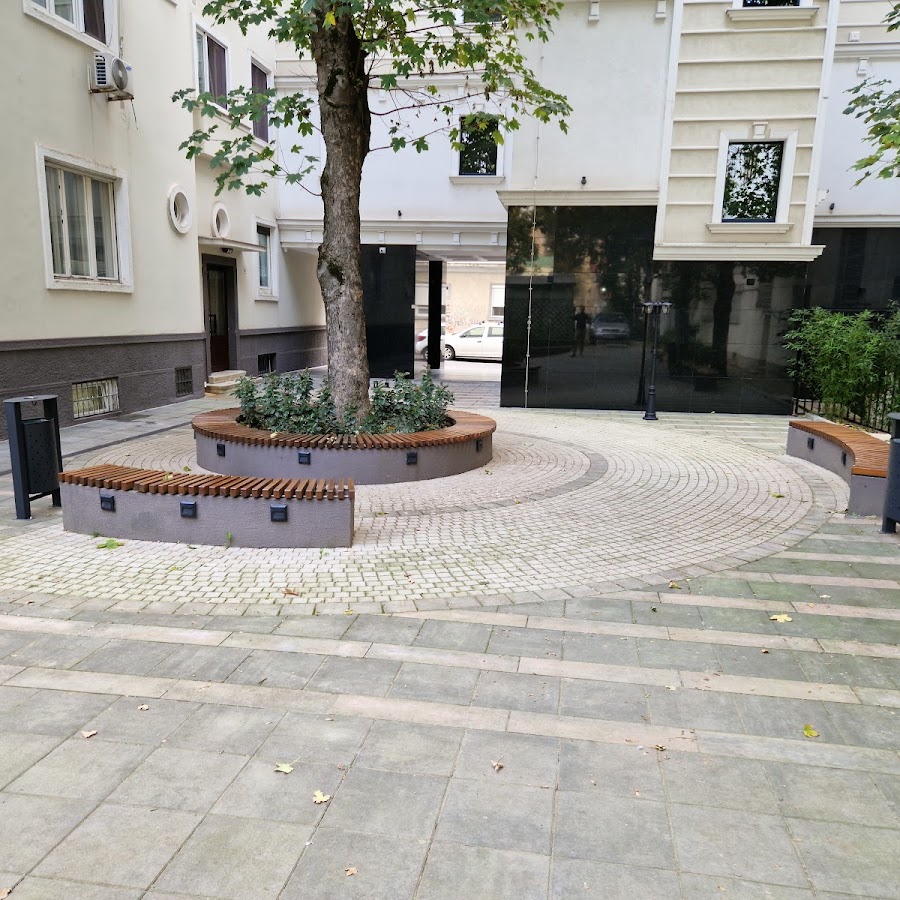
ForS Resort & Spa
Apartman Boska
Guest House & Fast Food The Best
Rooms Gat - Kod Šaje
Vila Mila
MyHome2
Basch House 1887
URBAN HAVEN
Rooms Stefan
Patria Hotel
Guest House Mali Hotel
AVIOR Garni Hotel
Garni Hotel Imperium
PBG Hotel Subotica
Hotel Forum Garni
TESLA Residence Subotica
Garni Hotel Royal Crown
Artist Hotel
Niš Smeštaj
Vila Storia
Antonio Suite
Hostel Kosmopolit
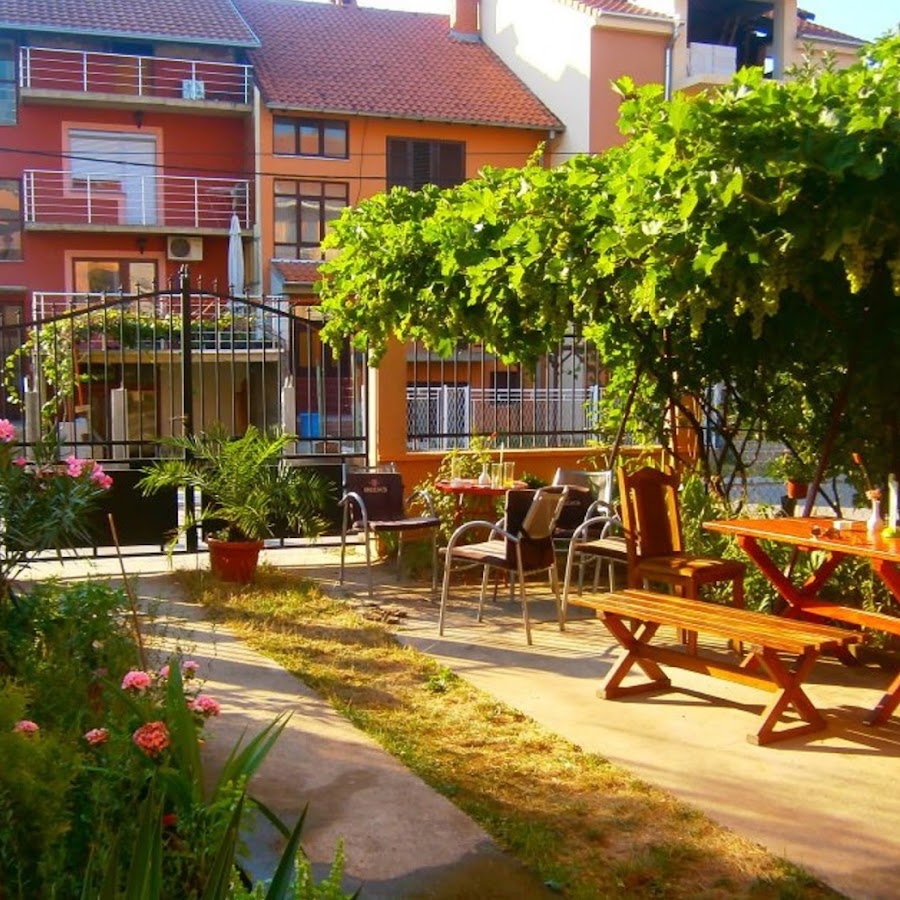
Guest House Stanković
Easy Travel & Events
Apelov
SpaNISH apartman 3.
Hotel Vidikovac
"Handmade" Apartment
Guest Accommodation Todor
Sweet Apartments and Rooms
Apartment Wonderland
Трамвај
Guest Accommodation Majesty
Lux Villa Mitimago
Veneda
Happy Star
J&S Apartments
Вила Нова
NAR Royalton Accommodation
Mon Accommodation
The Only One Suites
Akvarius
Prima Lux doo Nis
Rile Men Hotel
Good Night Accommodation
Hotel 018 In
Salute
Garni Hotel Panorama Lux
New City Hotel
Konstantin 2008
ArtLoft Hotel 4 stars hotel
Laguna Lux Guest House
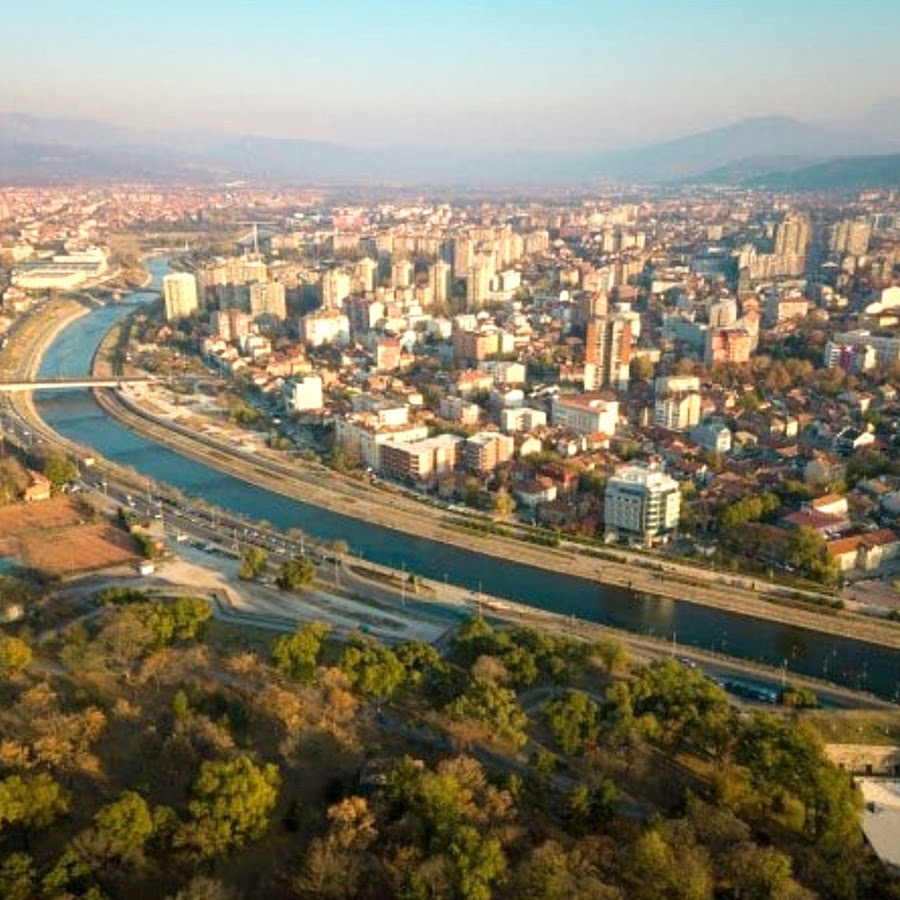
B&B Alex
Bloom Inn Hotel & Hostel
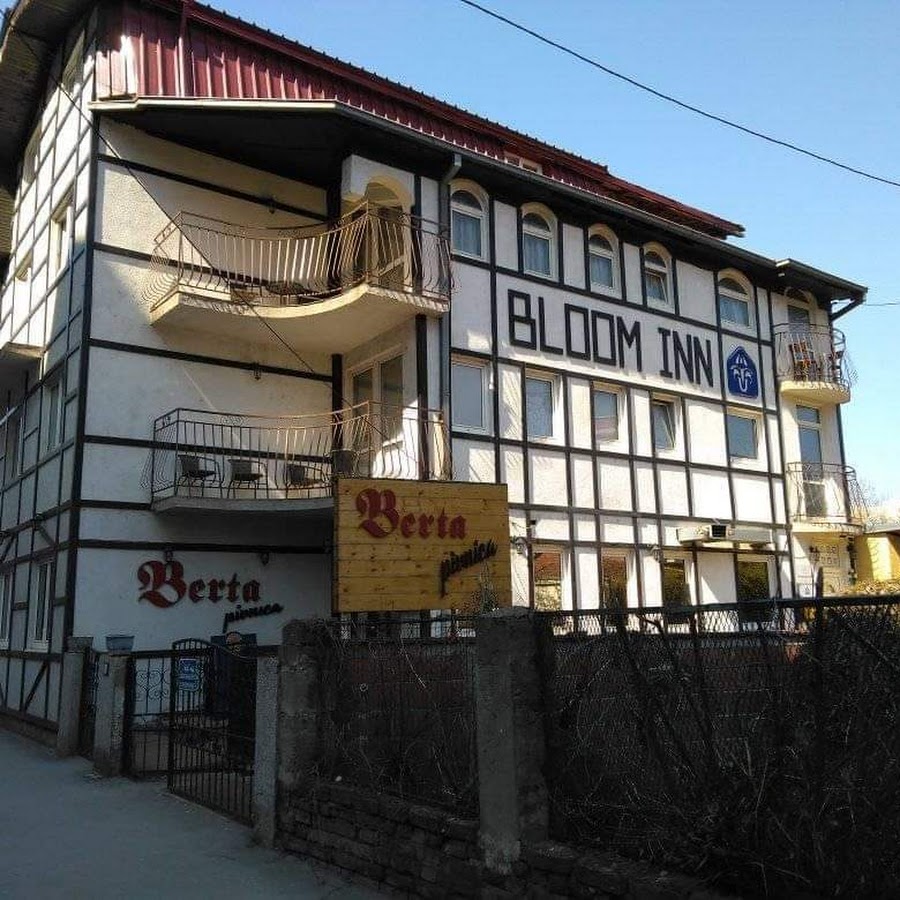
Royal Apartments
Hotel & Spa VILIN
Freya SPA and Apartments
Apartmani Niš - Stan na dan - Smeštaj
Apel apartments
Hotel Marica
Tami Residence
Radisson Hotel Park, Niš
Hotel IDEO LUX
Ambasador Hotel
Хотел ЗЕН
Princ restoran i apartmani sobe prenoćište Niš
Boutique 25h by Eva stay 018
Hotel Crystal Light
Tal Centar
Hostel Novi Sad
Villa Sweet Dreams
DC Executive Homes
Apartments Kamenjar, Novi Sad
Guest House Maja
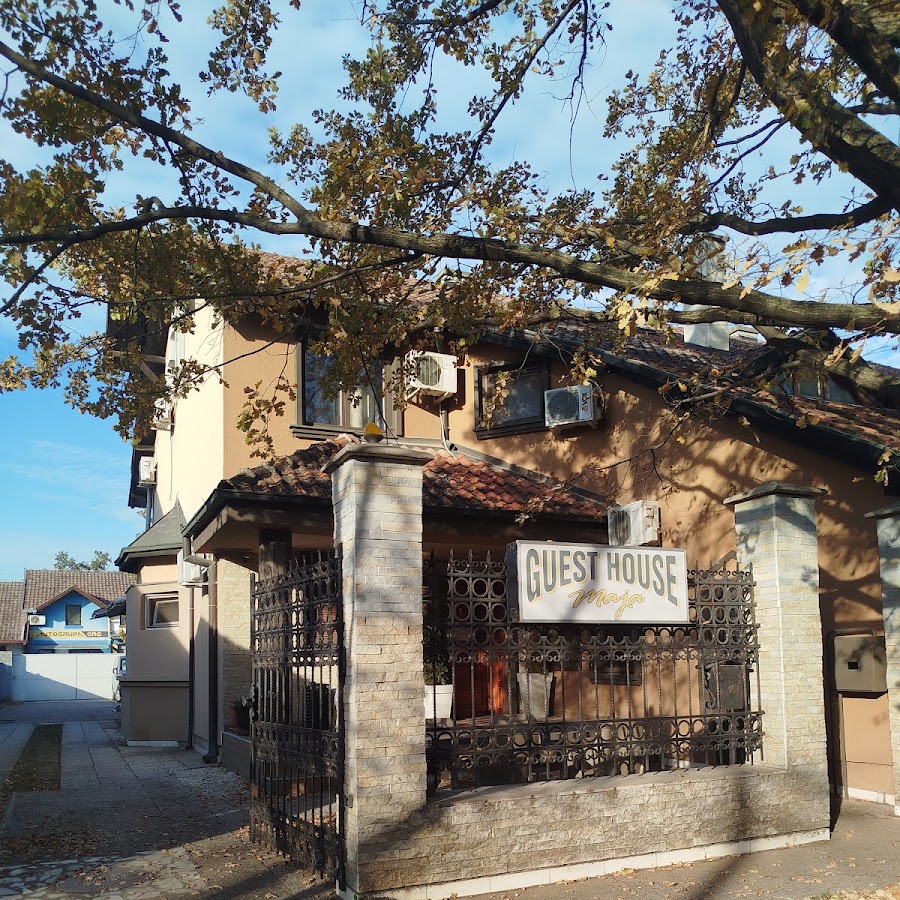
Stari Krovovi Hotel
Dream apartments
meebo apartments
Гостинска кућа "Вила Бор"
Hotel Garden
Prenociste i Apartmani Novi Sad
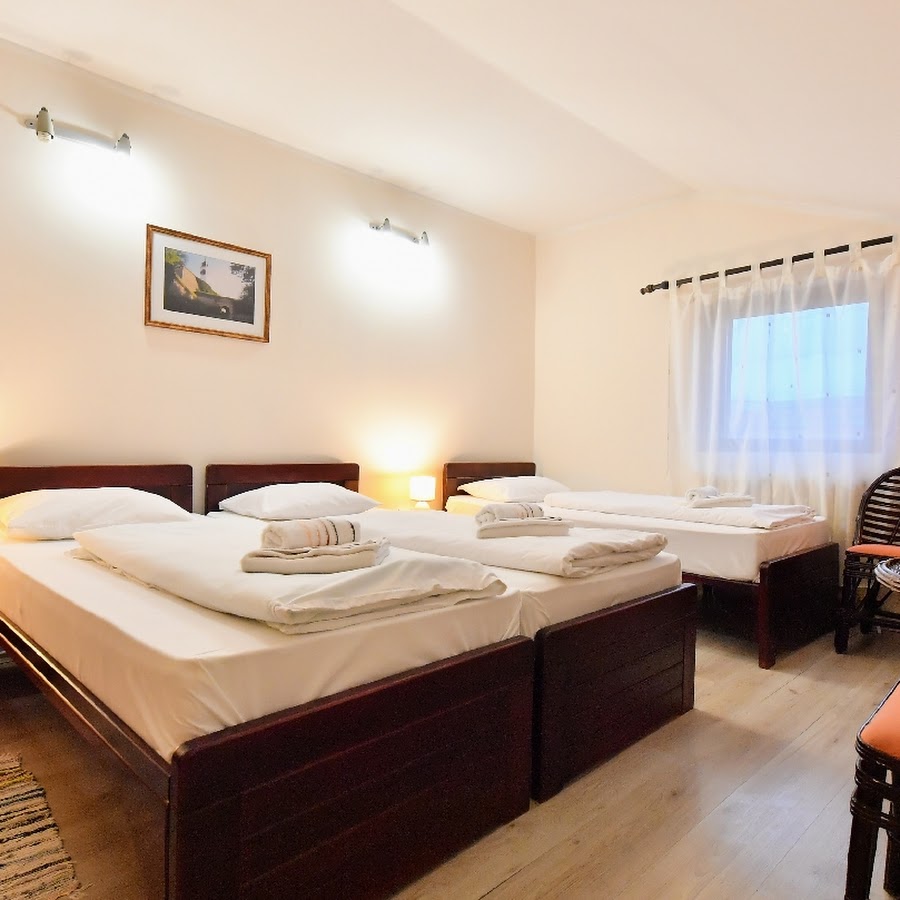
Hotel Vigor
Daisy Resort
Prezident Hotel
Hotel ELEMENT Novi Sad
Hotel „Sole mio“
Exit Labirint Centar
Hotel Novi Sad
HOTEL DASH
Sheraton Novi Sad
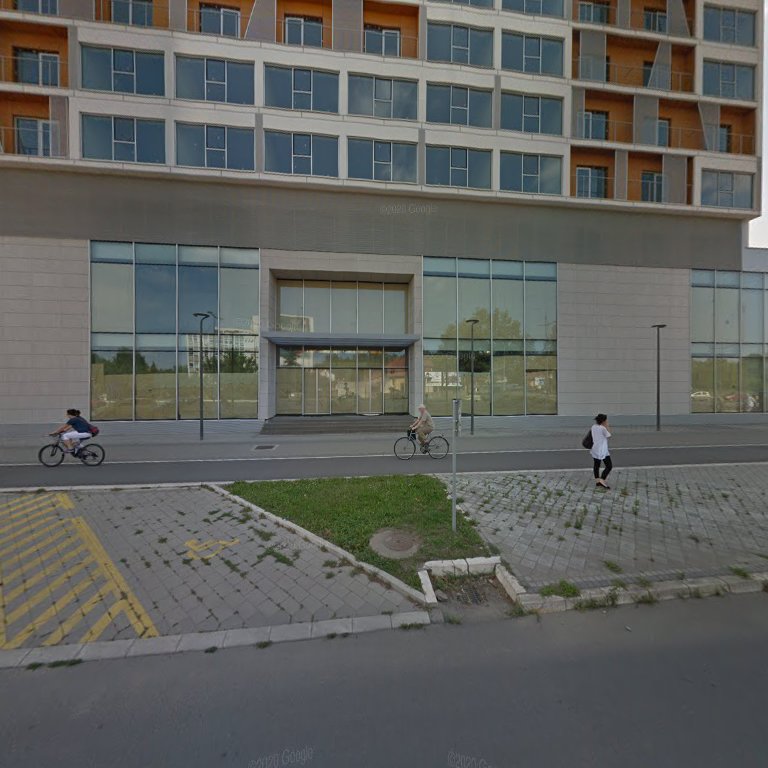
Horse farm Glogovac
OOTA Soko
Garni Hotel Tri "O" Kragujevac
Vila Kety, sobe i apartmani
Memorial Park October in Kragujevac
Villa Mir
Hotel Ravni Gaj
My Soul Resort
GARNI HOTEL KING
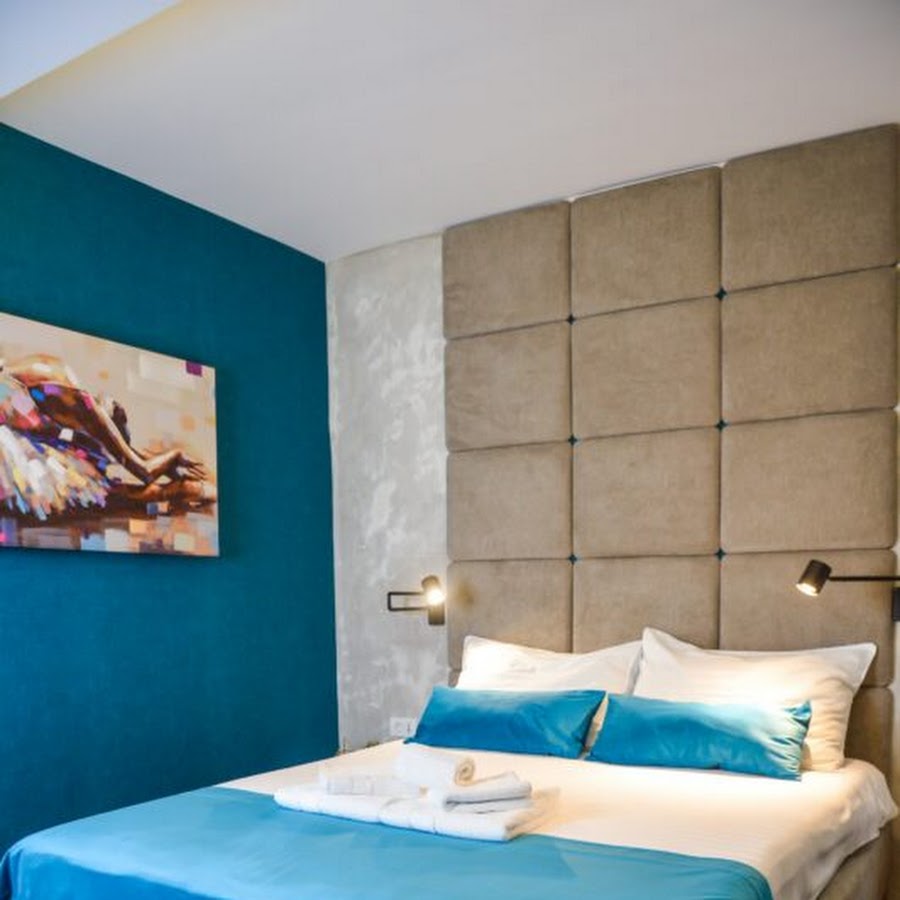
Хотел ЖЕНЕВА
Filips Sleep
Hotel Lama
Garni hotel Ema
Hotel Šumarice
Woodland Resort
Hotel Viva
F Apartmani Kragujevac - Luxuary Business Suites
Rubicon Hotel
Hotel President De Luxe
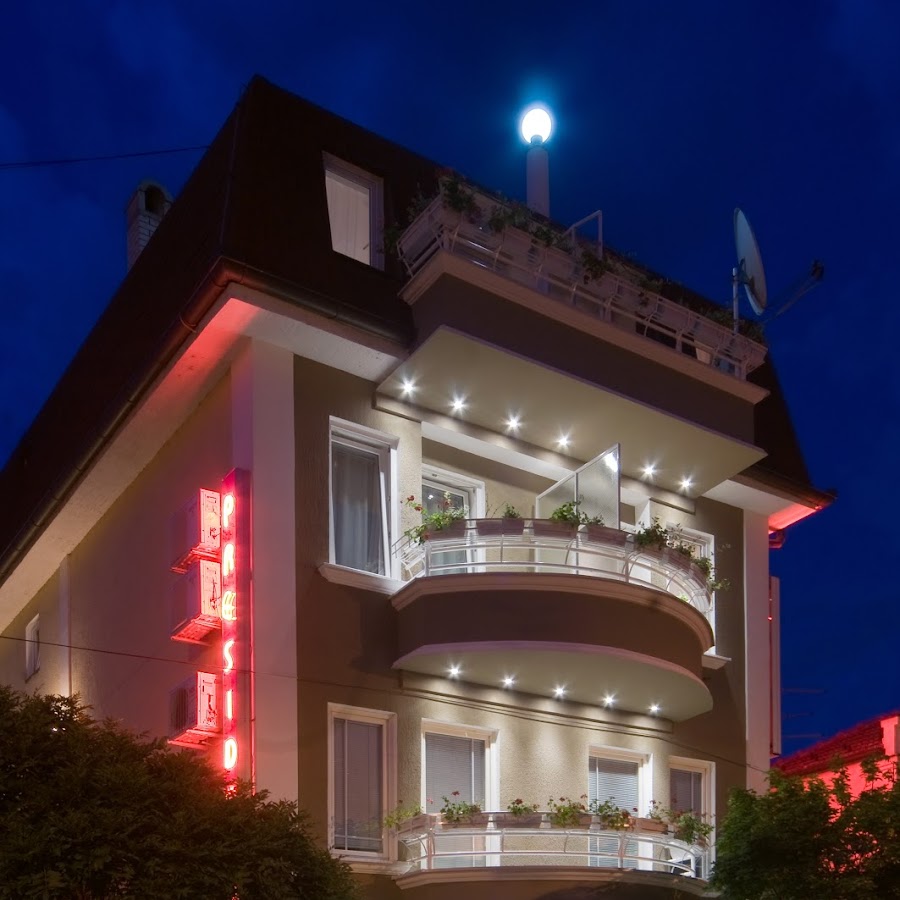
Хотел „Зеленгора“ Крагујевац
Hotel Ženeva Lux
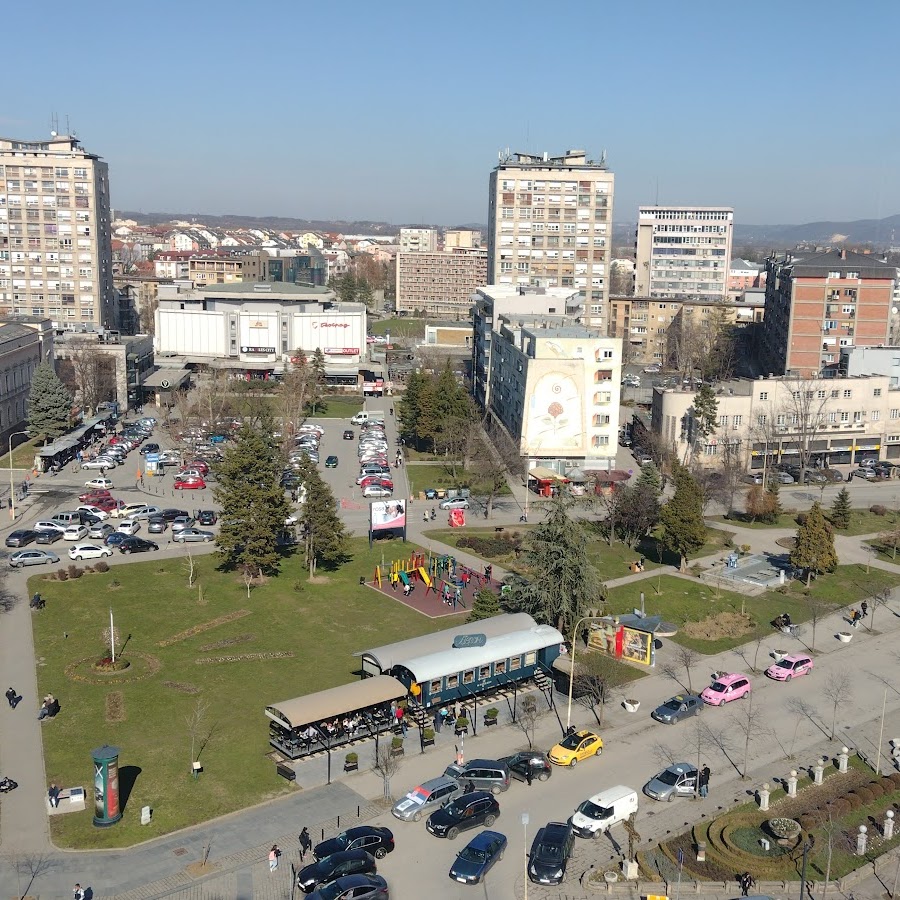
Hotel Kragujevac
Hotel Industrial
Apartmani Dugi Breg
Apartmani Stankovic Zlatibor
Kablar Apartmani Zlatibor
Vila Stakic
B&B Jankovic
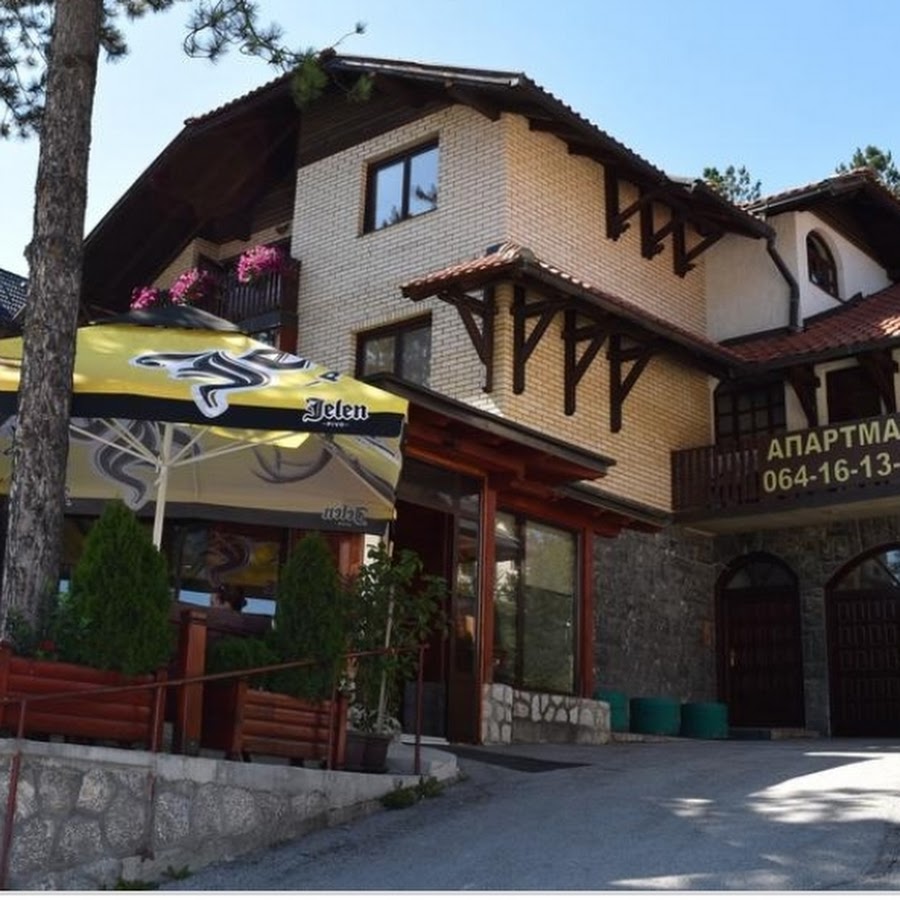
Apartmani VIP Nole
Apartmani Sofrenic Zlatibor
Sunce AP
Apartman Gledovic
Apartmani Monix village
Vila Stojković
Hotel Čigota
Kamp Zlatibor
Junior Apartmani
Jana
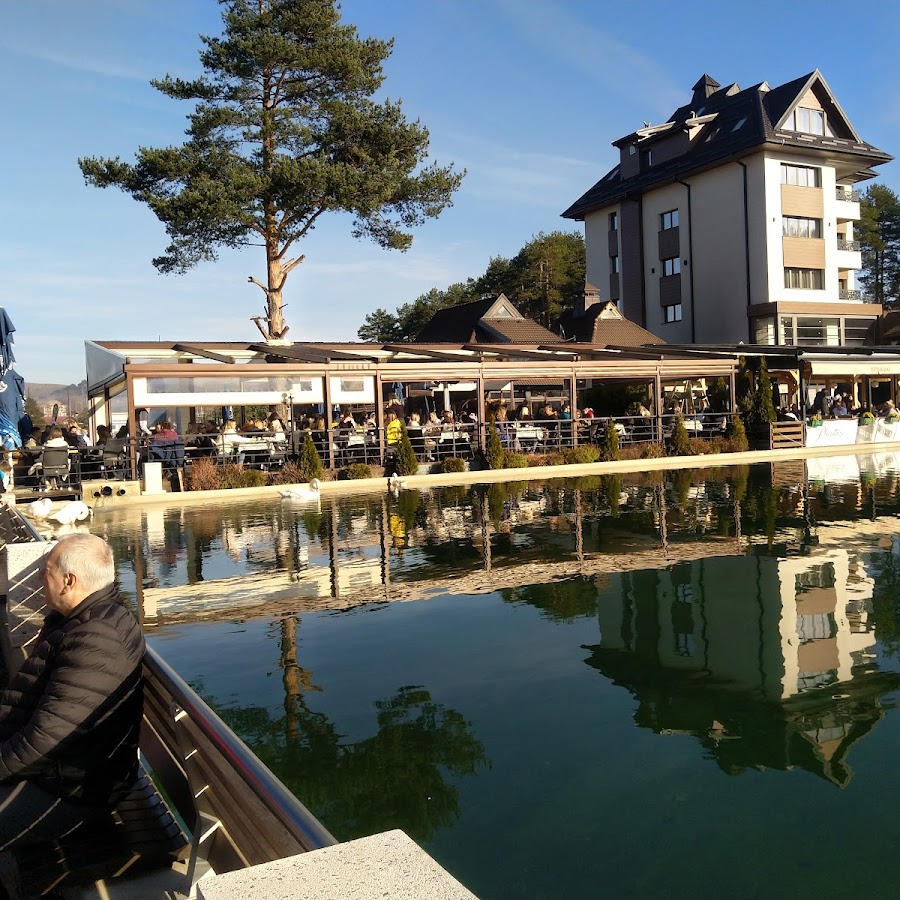
Apartment de La Falez Zlatibor
Alpska vila
Vila Zlatiborski biser
Sportsko rekreativni centar SPORT TRIM
apartmani NIKA
Omiljeni Apartmani Zlatibor
Rustic dream MIA Zlatibor
Bella vita Apartman
Carevo Polje Zlatibor - apartments
Vila Matija
Vila Breg
Mipet apartmani
Vila Barovic
Brvnare Mir
Zlatiborski Konaci K14 A15
Zlatibor Lux Apartmani, Zlatibor
Krcma Gaj
Protekal Wellness
Vila Dvorac
TRK Zlatibor (Turističko rekreativni kompleks Zlatibor)
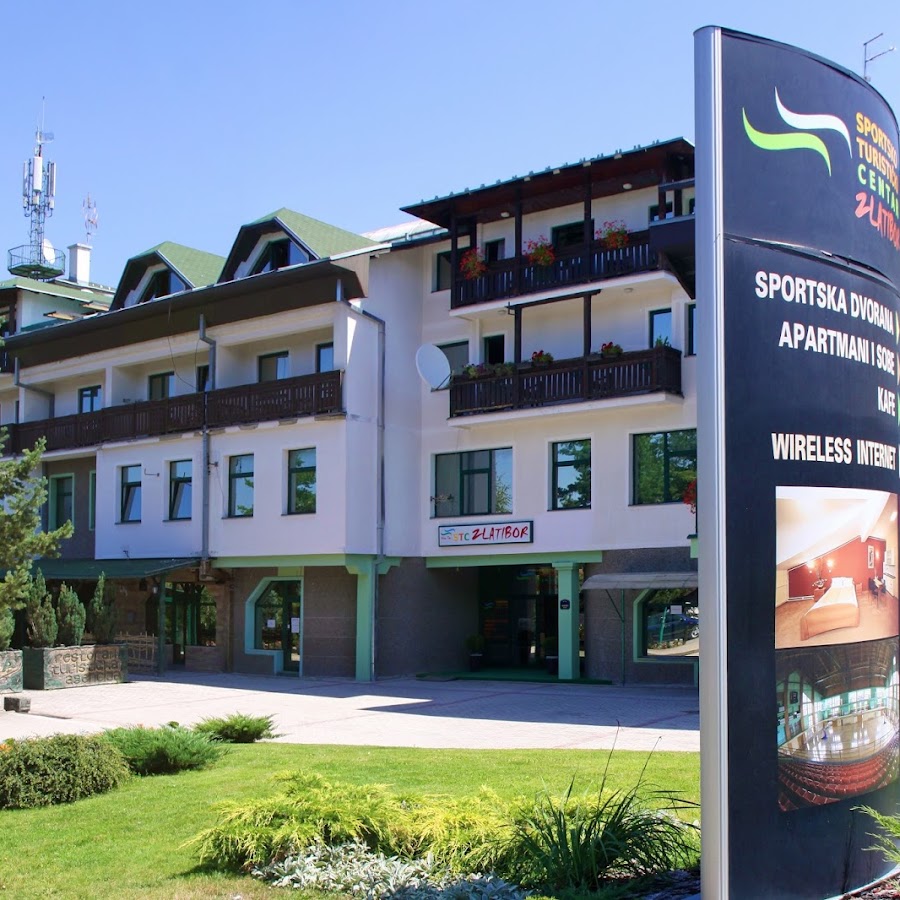
Beli Bor Apartmani
Lakeside Residence
Dobrila Apartmani Zlatibor, Zlatibor
Hotel Iris
Vila Bajka
Vila Maric
Club Satellite Zlatibor
Vila Zlatiborska Jezera
Panorama LUX Apartman u Vila Pekovic
Šafran apartmani Zlatibor
The Crown Lodge
Vila Milena i sedam patuljaka
Zlatibor Highland
Velika Recepcija
Apartmani Šišarka Zlatibor
Zlatibor Hills Afrodita & Spa, Zlatibor
All Seasons Residence
Hotel Adonis, Zlatibor
Green Hill
Zlatibor Apartments
Златиборски Бисер
Villa Borova Wellness & Spa Resort
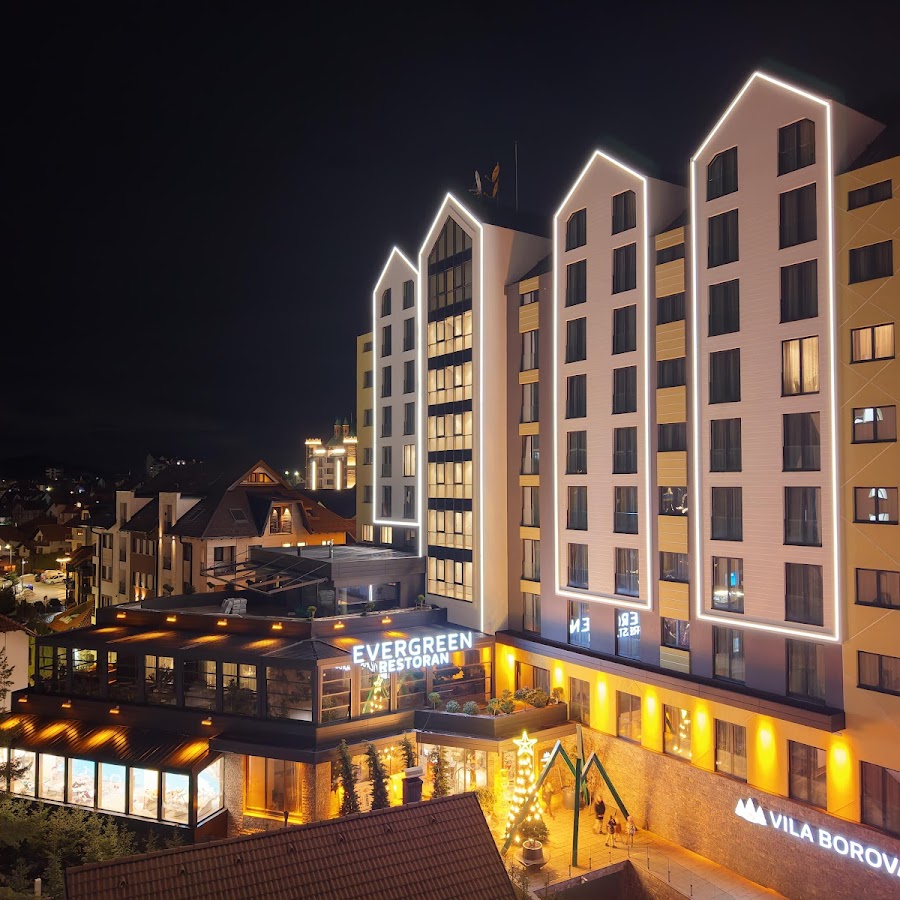
Villa Miris Dunja, Zlatibor
Hotel Konačište Akustik, Zlatibor
Villa Bozovic, Zlatibor
Hotel Montanova, Zlatibor
Alibi
Hotel Buket
The Forest Zlatibor
Mona Plaza Zlatibor
Satelit Lux
Hotel Mir Zlatibor
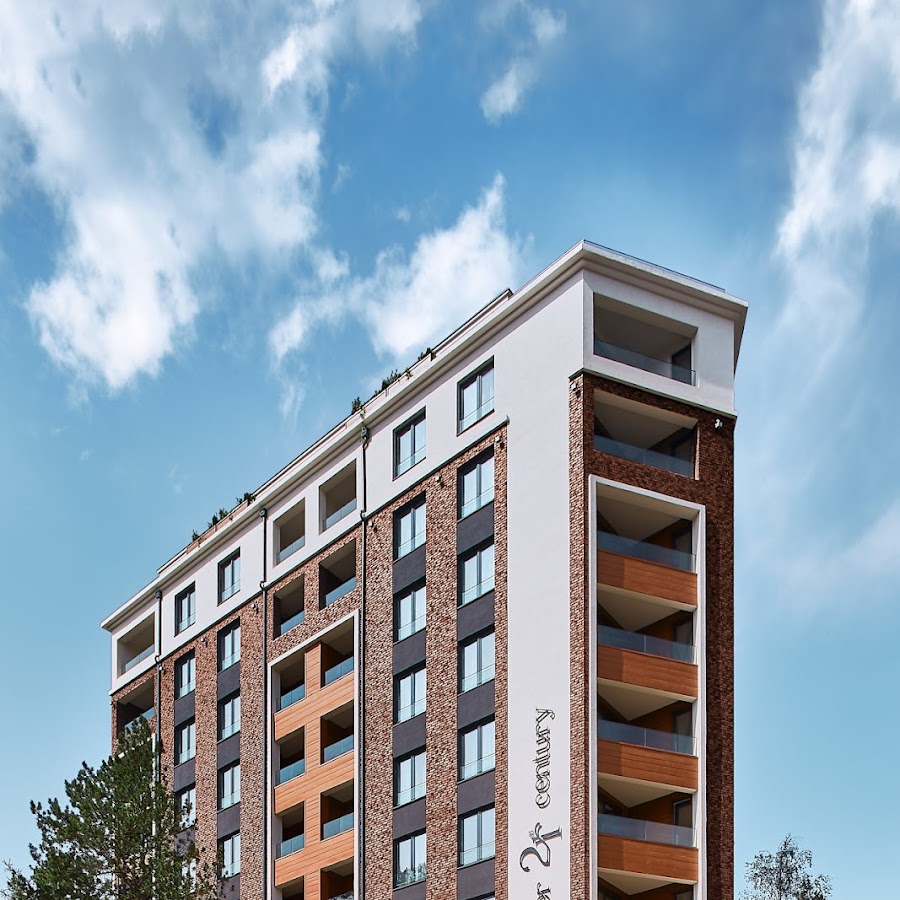
21st Century Zlatibor Residence, Spa & Wellness by Adora
Hotel Palisad
Aria Club Zlatibor
Queen of Zlatibor apart hotel & SPA
Mons Zlatibor Hotel & Apartments
Hotel Olimp Zlatibor
BOR Hotel by Karisma
President
Grand&Sky Hotel Tornik
Agape Zlatibor
Hotel Zlatibor
Hotel Botika
Royal S Apartmani
Energetra doo Beograd Ogaranak Hotel Crystal Kraljevo
Villa Paradi
Vision apartmani Goč
Ethno village Slatkovac
Horizont
V house
Hotel Tourist
Apartmani Beli bor
Апартмани Мавеса
Apartment B3 Snežnik
Konačište "Napredak"
Gočko
Vrnjci House
Vila Ljubica
Kedar selo Goč
Hotel Lider S
King
Villa Splendor
Hotel Crystal
Banbus
Terme Merkur
Spa Resort & Hotel "Vrnjačke Terme"
Villa As
Pegaz Holiday Resort
Apartmani Porta Infinitas
Villa Raj
Hotel Slatina
Apartmani Banja SPA Vrnjačka Banja
Hotel Vrnjačke Terme
Hotel Danica
Hotel Kocka - Vrnjačka Banja
Hotel Fontana
Hotel Park Vrnjačka Banja
Hotel Tonanti
Zepter Hotel Vrnjačka Banja
Corner Hostel
Apartmani Novi Sad
Vege Vegan
Apartments Nest
Petar`s Villa
KONAK SENS
Pansion Sidro
b and b girasole, Novi Sad
Smestaj Centar Novi Sad
Hotel Duga, Novi Sad
Camping Campuccino
Хотел „Војводина“
Vajda Apartmani
11Tica DM
Dvorište prenoćište
Hostel "S"
Amaro
A&A Hostel
Hotel Putnik
Indigo Forest Rooms
VARAD INN Hostel and Cafe
Kombinat Rooms City Center
CORSO ROOMS
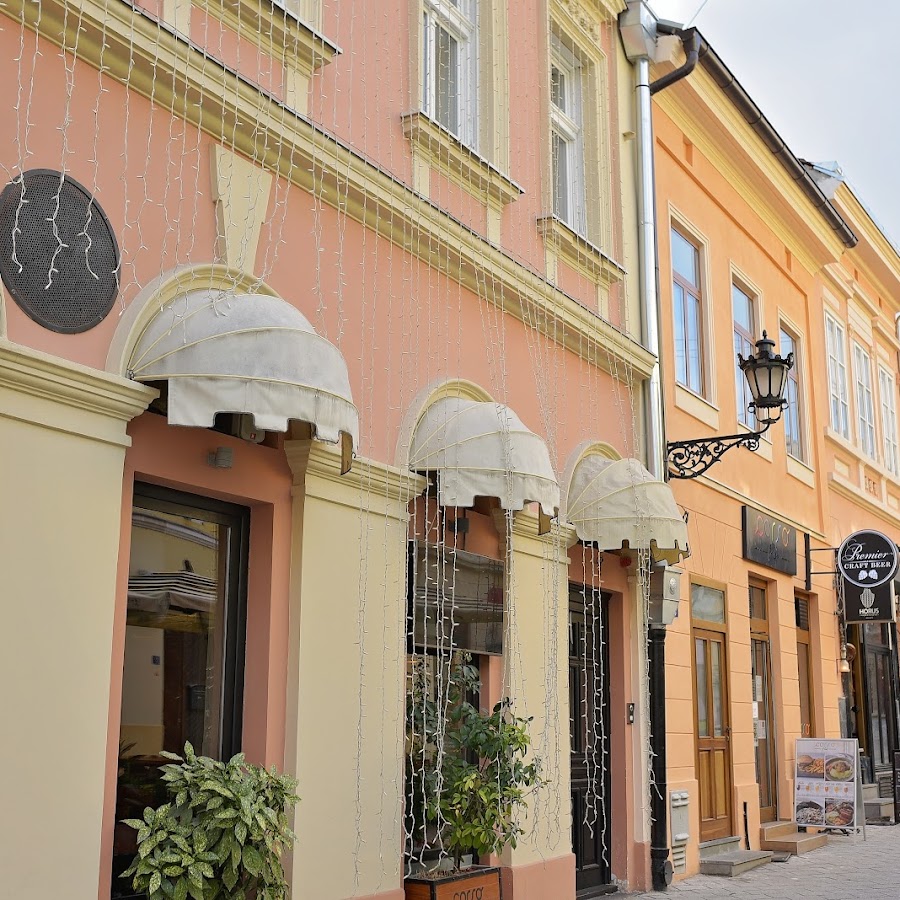
X spa
Vila Evandjelina
Car Royal Apartments
Hotel Centar
Mia Casa Guest house
Maradik
Hotel Arhiv
Хостел „Сова”
Garni Hotel AMI
Hotel Veliki Novi Sad
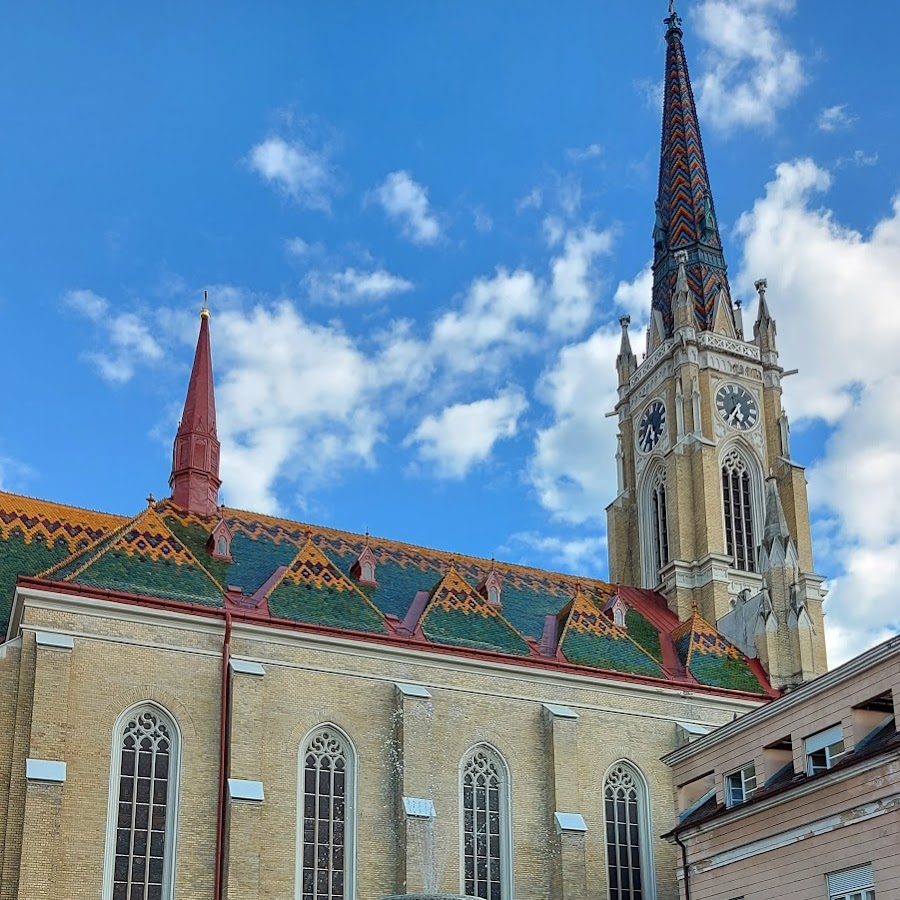
Garni Hotel Planeta Inn
Hotel Gymnas
Brodsky's Cat Art Hostel
Fruška Gora Guesthouse
Hotel and restaurant Fountain
Aleksandar
Tvrdjava Rooms
Macchiato Kuća
Hotel Mediteraneo
NicaWood
Boutique Hotel Arta
Restoran Sunce
Lanterna
Domaćinstvo Bakić
Tourist resort Ribarsko ostrvo
MV Monogram
Queen Palace Hotel
Hotel Pupin
Šomin Lagum Vila
Hotel Garson Lux
Agape Villa
Vila Sinfonia
Fruškogorska terasa
Nordic Resort
Etno Selo "MARKOVI KONACI"
Pećina Stroga
Lala Vineyard Glamping Resort
Artisan Sremski Karlovci
Vila Prezident
President Kop S9
Kod Dede
Cozy design apartment A5 - Glečer Kop, FREE Parking Garage
Holiday Home Relax
Junior Guest House
Villa Savić
Vila Suri
Vila Mina
Villa Runolist
Mećava
Čajetinska česma bb
Villa Stars Kopaonik
Konaci Jelac
Villa Nikola
Vila San
Apartments Sunčani Vrhovi Konaci
Foka Spa
Villa Plan
Restoran-Bar Maglič
Dream Konaci Apartman
Nebeska stolica II
KOSTOVAC Boutique Apartments - House
Apartments Vanja i Vrh
Apartments Kop Konaci Kopaonik
Viktorija Chalet Kopaonik
Apartmani Nikola u vili Semeteš
Casa di Pietra
Chalet Vrhovi Kopaonika
Brzeće Centar Apartmani
Lake
Apart & Spa Zoned
Angella Hotel & Residence
Hotel Club A
Jat Apartments
SUNČANI BREG RESORT & SPA, Kopaonik
Aparthotel & SPA Woodside by Anaya, Kopaonik
Hotel Putnik Kopaonik
Viceroy Kopaonik Serbia
Hotel Grand Kopaonik
Gorska Vila Kopaonik
Villa Trag - Kopaonik
Hotel Srebrna Lisica Kopaonik
Takovski konak
Camp Panorama Andrija
Vodeničko brdo, domaćinstvo Marušić
Brvnara Glišović
Vikendica Ovcar Banja
Vila Lux Nedeljkovic
Hotel Donna Gornji Milanovac
Hostel Grof
Utopia Climbing Community
Hotel Vujan
Hostel Tema Nova Centar
Atomski Cvet smestaj, Atomska banja Gornja Trepča
Natalija
Етно село „РАЈСКИ КОНАЦИ“
IG Hotel
Stan na dan - JM Apartman Čačak
Favorit smeštaj
Etno Selo Koštunići
Hotel Livade
Apartments Spring
Teleće pečenje Čačak - Restoran Kneginja
Sala za veselja "Omega Luxury"
Rio - Lux Apartments
Hotel Kole
Garni Hotel Lake
Центрум
Hotel & event center Beli Dvor
Hotel Beograd
Royal Residence
Major Cities in Serbia
The largest and most significant cities in Serbia.
Belgrade
Capital city of Serbia, known for its vibrant nightlife, historical architecture, and cultural diversity. It sits at the confluence of the River Sava and Danube, offering scenic views and numerous parks.Capital city of Serbia, known for its vibrant nightlife, historical architecture, and cultural diversity. It sits at the confluence of the River Sava and Danube, offering scenic views and numerous parks.
 en.wikipedia.org
Attractions and Museums in Serbia
Explore the rich cultural heritage and natural beauty of Serbia through its attractions, museums, and touristic hotspots.
Спомен-музеј Иве Андрића
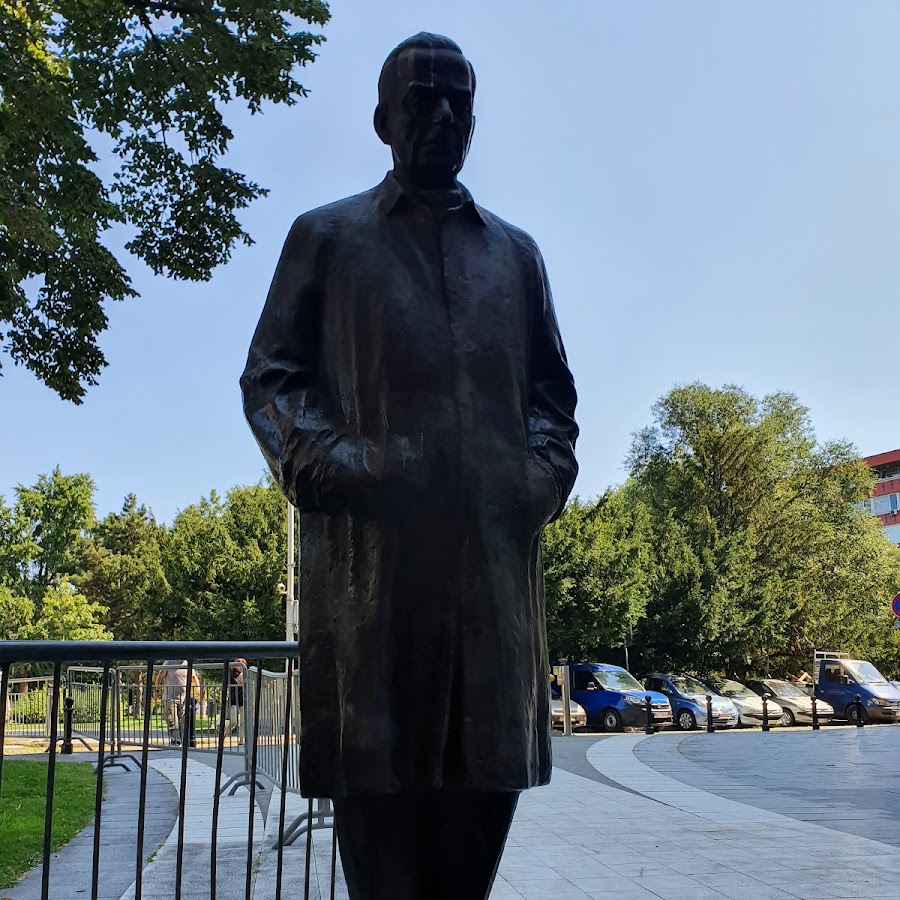
Muzej Istorije Jugoslavije
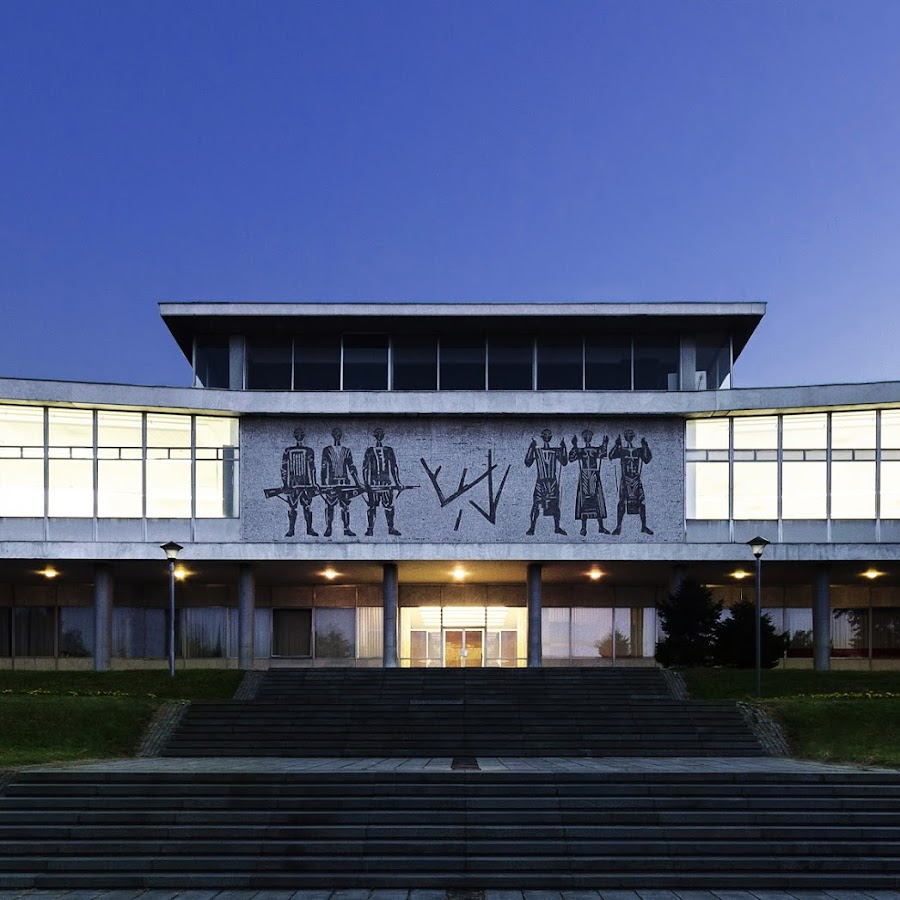
City Museum of Novi Sad
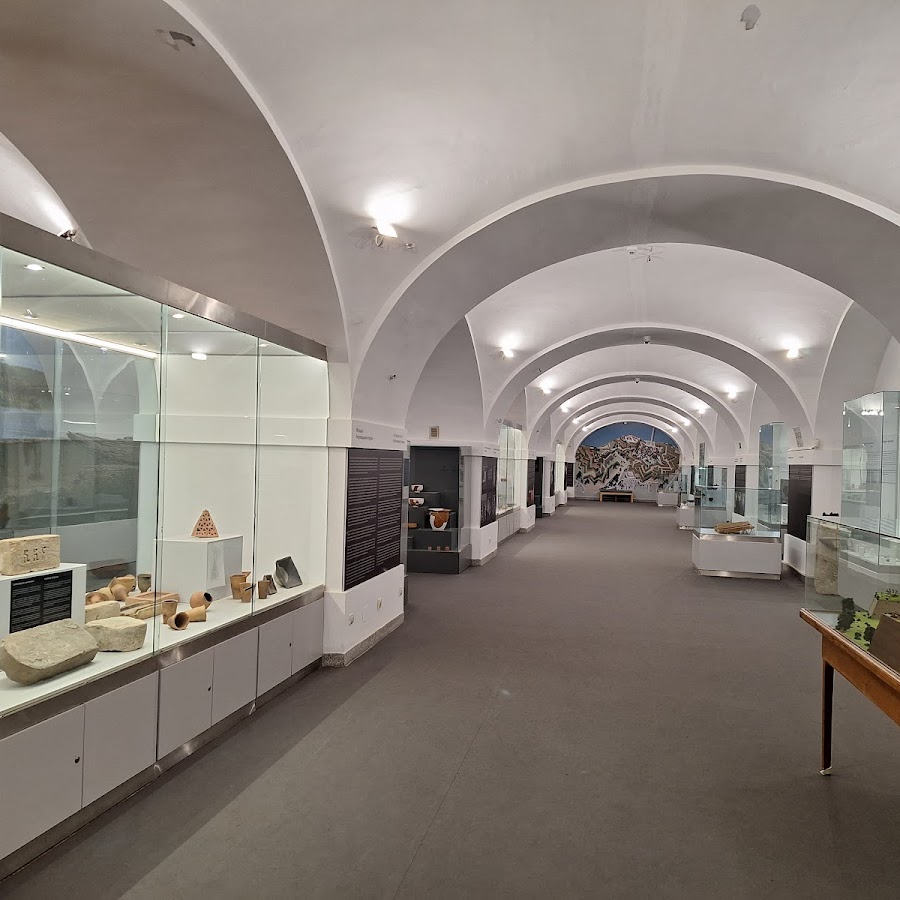
Novi Sad
Famous for the Petrovaradin Fortress and the EXIT music festival, Novi Sad is a cultural hub located on the banks of the Danube River. It boasts a rich history and beautiful architecture.Famous for the Petrovaradin Fortress and the EXIT music a cultural hub located on the banks of the Danube River. It boasts a rich history and beautiful architecture.

Kragujevac
Historically significant as the first capital of modern Serbia, Kragujevac is known for its industrial heritage and the Šumarice Memorial Park, commemorating victims of World War II.Historically significant as the first capital of modern Serbia, Kragujevac is known for its industrial heritage and the Šumarice Memorial Park, commemorating victims of World War II.

Subotica
Famous for its Art Nouveau architecture, Subotica is located near the Hungarian border and is known for its multicultural atmosphere and vibrant festivals.Famous for its Art Nouveau architecture, Subotica is located near the Hungarian border and is known for its multicultural atmosphere and vibrant festivals.

Zrenjanin
Known for its beautiful lakes and parks, Zrenjanin is an important economic center in Vojvodina, with a rich history and a variety of cultural events throughout the year.Known for its beautiful lakes and parks, Zrenjanin is an important economic center in Vojvodina, with a rich history and a variety of cultural events throughout the year.
 en.wikipedia.org
Senta
A small town with a rich agricultural background, Senta is known for its traditional Serbian culture and the annual Senta Carnival, celebrating local heritage.A small town with a rich agricultural background, Senta is known for its traditional Serbian culture and the annual Senta Carnival, celebrating local heritage.
 en.wikipedia.org
Leskovac
Famous for its grilled meat dishes, Leskovac is a culinary hotspot in Serbia, hosting the annual Leskovac Grill Festival, attracting food lovers from all over the region.Famous for its grilled meat dishes, Leskovac is a culinary hotspot in Serbia, hosting the annual Leskovac Grill Festival, attracting food lovers from all over the region.

Valjevo
Nestled in the mountains, Valjevo is known for its natural beauty, historical sites, and the nearby Lelić Monastery, making it a popular destination for nature lovers and history enthusiasts.Nestled in the mountains, Valjevo is known for its natural beauty, historical sites, and the nearby Lelić Monastery, making it a popular destination for nature lovers and history enthusiasts.

Čačak
A city with a rich cultural heritage, Čačak is known for its historical landmarks, including the Church of the Holy Trinity and the nearby Ovčar-Kablar Gorge, a stunning natural area.A city with a rich cultural heritage, Čačak is known for its historical landmarks, including the Church of

Istorijski muzej Srbije
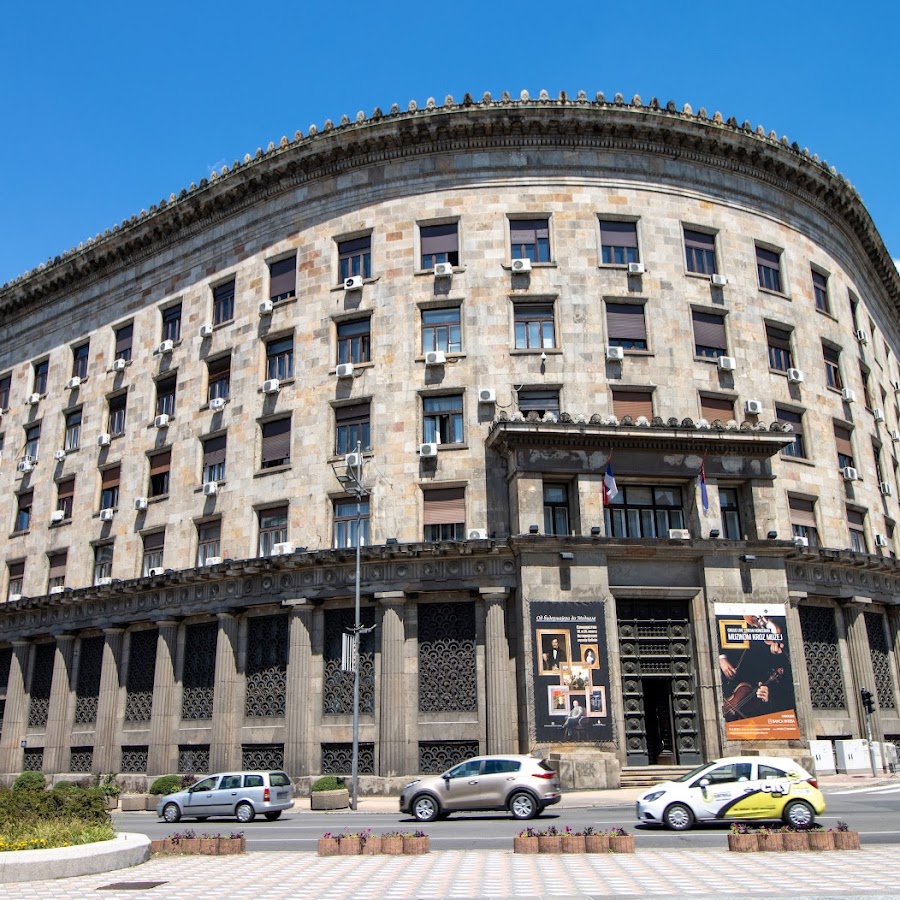
Narodni muzej u Beogradu
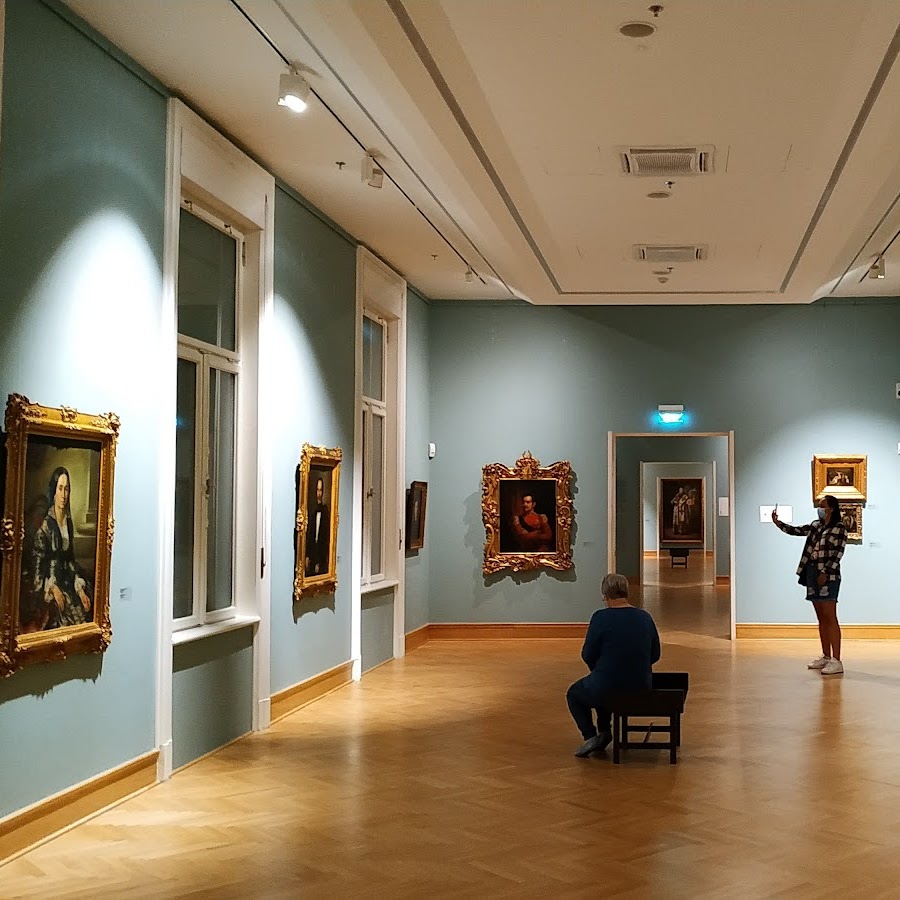
Tvrđava Monastery, Senta
This lesser-known monastery is situated in the northern part of Serbia and is recognized for its unique architecture and tranquil environment. It serves as a peaceful retreat for those seeking solitude and spiritual connection.This situated in the northern part of Serbia and is recognized for its unique architecture and tranquil environment. It serves as a peaceful retreat for those seeking solitude and spiritual connection.
Lelić
Founded in the 19th century, Lelić is known for its beautiful architecture and as the birthplace of Saint Nikolaj Velimirović, a prominent Serbian saint. The monastery is a center for spiritual education and pilgrimage.Founded in the 19th century, Lelić is known for its beautiful architecture and as the birthplace of Saint Nikolaj Velimirović, a prominent Serbian saint. The monastery is a center for spiritual education and pilgrimage.
Kopaonik
Nestled in the Kopaonik mountain range, this monastery is known for its stunning natural surroundings and historical significance. It dates back to the 14th century and is a serene place for reflection and spiritual growth.Nestled in the Kopaonik mountain range, this monastery is known for its stunning natural surroundings and historical significance. It dates back to the 14th century and is a serene place for reflection and spiritual growth.

Manasija
Founded in the early 15th century, Manasija is famous for its fortress-like structure and beautiful frescoes. It was built by Despot Stefan Lazarević and is a symbol of medieval Serbian culture and spirituality.Founded in the early 15th century, Manasija is famous for its fortress-like structure and beautiful frescoes. It was built by Despot Stefan Lazarević and is a symbol of medieval Serbian culture and spirituality.

Žiča
Built in the early 13th century, Žiča is known for its red brick architecture and was the seat of the Serbian Orthodox Church. It played a crucial role in the coronation of Serbian kings and is a symbol of the Serbian medieval state.Built in the early 13th century, Žiča is known for its red brick architecture and was the seat of the Serbian Orthodox Church. It played a crucial role in the coronation of Serbian kings and is a symbol of the Serbian medieval state.
 en.wikipedia.org
Sopoćani
Another UNESCO World Heritage site, Sopoćani was established in the 13th century and is famous for its remarkable frescoes that depict scenes from the life of Christ. The monastery is a prime example of medieval Serbian architecture and is surrounded by lush nature.Another UNESCO World Heritage site, Sopoćani was established in the 13th century and is famous for its remarkable frescoes that depict scenes from the life of Christ. The monastery is a prime example of medieval Serbian architecture and is surrounded by lush nature.

Studenica Monastery
Founded in the 12th century, this UNESCO World Heritage site is known for its stunning white marble architecture and beautiful frescoes. It is the burial site of the first Serbian king, Stefan the First-Crowned, and represents a significant cultural and historical landmark in Serbia.Founded in the 12th century, this UNESCO World Heritage site is known for its stunning white marble architecture and beautiful frescoes. It is the burial site of the first Serbian king, Stefan the First-Crowned, and represents a significant cultural and historical landmark in Serbia.

Golubac Fortress
A picturesque fortress located at the entrance of the Iron Gate gorge, known for its dramatic setting and well-preserved towers, offering insights into medieval military architecture.A picturesque fortress located at the entrance of the Iron Gate gorge, known for its dramatic setting and well-preserved towers, offering insights into medieval military architecture.

Petrovaradin Fortress
Often referred to as the "Gibraltar on the Danube," this fortress is famous for its massive size, intricate underground tunnels, and panoramic views of Novi Sad and the river.Often referred to as the "Gibraltar on the Danube," this fortress is famous for its massive size, intricate underground tunnels, and panoramic views of Novi Sad and the river.

Lazarevac Fortress, Lazarevac
A lesser-known fortress with remnants of medieval architecture, important for its strategic location and historical context in the region.A lesser-known fortress with remnants of medieval architecture, important for its strategic location and historical context in the region.
Ravanica
While primarily a monastery, it features fortress-like walls and is significant for its historical and cultural importance, housing the tomb of Prince Lazar, a key figure in Serbian history.While primarily a monastery, it features fortress-like walls and is significant for its historical and cultural importance, housing the tomb of Prince Lazar, a key figure in Serbian history.

Smederevo Fortress
A large medieval fortress on the banks of the Danube River, notable for its impressive walls and towers, and its historical significance as a royal residence during the Serbian Despotate.A large medieval fortress on the banks of the Danube River, notable for its impressive walls and towers, and its historical significance as a royal residence during the Serbian Despotate.

Kopaonik Fortress, Kopaonik
An ancient fortress situated in the Kopaonik mountain range, known for its strategic location and stunning natural surroundings, often associated with medieval Serbian kings.An ancient fortress situated in the Kopaonik mountain range, known for its strategic location and stunning natural surroundings, often associated with medieval Serbian kings.
Niš Fortress
A well-preserved fortress located in the city of Niš, featuring a mix of Ottoman and medieval architecture, significant for its role in various historical battles and as a symbol of resistance.A well-preserved fortress located in the city of Niš, featuring a mix of Ottoman and medieval architecture, significant for its role in various historical battles and as a symbol of resistance.

Museum of Science and Technology
This museum in Belgrade showcases the history of science and technology in Serbia. It features interactive exhibits and displays on various scientific disciplines, making it an engaging destination for visitors of all ages interested in innovation and discovery.This museum in Belgrade showcases the history of science and technology in Serbia. It features interactive exhibits and displays on various scientific disciplines, making it an engaging destination for visitors of all ages interested in innovation and discovery.
Gallery of Matica Srpska
Located in Novi Sad, this gallery is one of the oldest art institutions in Serbia, featuring a rich collection of Serbian art from the Middle Ages to the present. It plays a crucial role in promoting Serbian culture and art, hosting various exhibitions and cultural events.Located in Novi Sad,Located in Novi Sad,Located in Novi Sad,

Ethnographic Museum
This museum in Belgrade is dedicated to the ethnography of Serbia and the Balkans. It features a vast collection of traditional costumes, tools, and household items, providing insight into the daily lives and customs of various ethnic groups in the region.This museum in Belgrade is dedicated to the ethnography of Serbia and the Balkans. It features a vast collection of traditional costumes, tools, and household items, providing insight into the daily lives and customs of various ethnic groups in the region.
Museum of Applied Art
Located in Belgrade, this museum focuses on decorative arts and design. It houses a rich collection of applied art, including textiles, ceramics, and furniture, showcasing the evolution of design in Serbia and beyond.Located in Belgrade, this museum focuses on decorative arts and design. It houses a rich collection of applied art, including textiles, ceramics, and furniture, showcasing the evolution of design in Serbia and beyond.
Historical Museum of Serbia
This museum is dedicated to the history of Serbia from prehistoric times to the present. It features a wide range of exhibits, including artifacts from various historical periods, making it an essential stop for anyone interested in Serbian history.This museum is dedicated to the history of Serbia from prehistoric times to the present. It features a wide range of exhibits, including artifacts from various historical periods, making it an essential stop for anyone interested in Serbian history.This museum is dedicated to the history of Serbia from prehistoric times to the present. It features a wide range of exhibits, including artifacts from various historical periods, making it an essential stop for anyone interested in Serbian history.This museum is dedicated to the history of Serbia from prehistoric times to the present. It features a wide range of exhibits, including artifacts from various historical periods, making it an essential stop for anyone interested in Serbian history.

Museum of Vojvodina
Also in Novi Sad, this museum focuses on the history and culture of Vojvodina. It offers exhibitions on local history, ethnology, and art, making it a vital resource for understanding the region's diverse cultural landscape.Also in Novi Sad, this museum focuses on the history and culture of Vojvodina. It offers exhibitions on local history, ethnology, and art, making it a vital resource for understanding the region's diverse cultural landscape.Also in Novi Sad, this museum focuses on the history and culture of Vojvodina. It offers exhibitions on local history, ethnology, and art, making it a vital resource for understanding the region's diverse cultural landscape.Also in Novi Sad, this museum focuses on the history and culture of Vojvodina. It offers exhibitions on local history, ethnology, and art, making it a vital resource for understanding the region's diverse cultural landscape.

Vojvodina Museum
Located in Novi Sad, this museum showcases the cultural and historical heritage of the Vojvodina region. It features a diverse collection of artifacts, including archaeological finds, ethnographic exhibits, and fine arts, reflecting the multicultural history of the area.Located in Novi Sad, this museum showcases the cultural and historical heritage of the Vojvodina region. It features a diverse collection of artifacts, including archaeological finds, ethnographic exhibits, and fine arts, reflecting the multicultural history of the area.Located in Novi Sad, this museum showcases the cultural and historical heritage of the Vojvodina region. It features a diverse collection of artifacts, including archaeological finds, ethnographic exhibits, and fine arts, reflecting the multicultural history of the area.
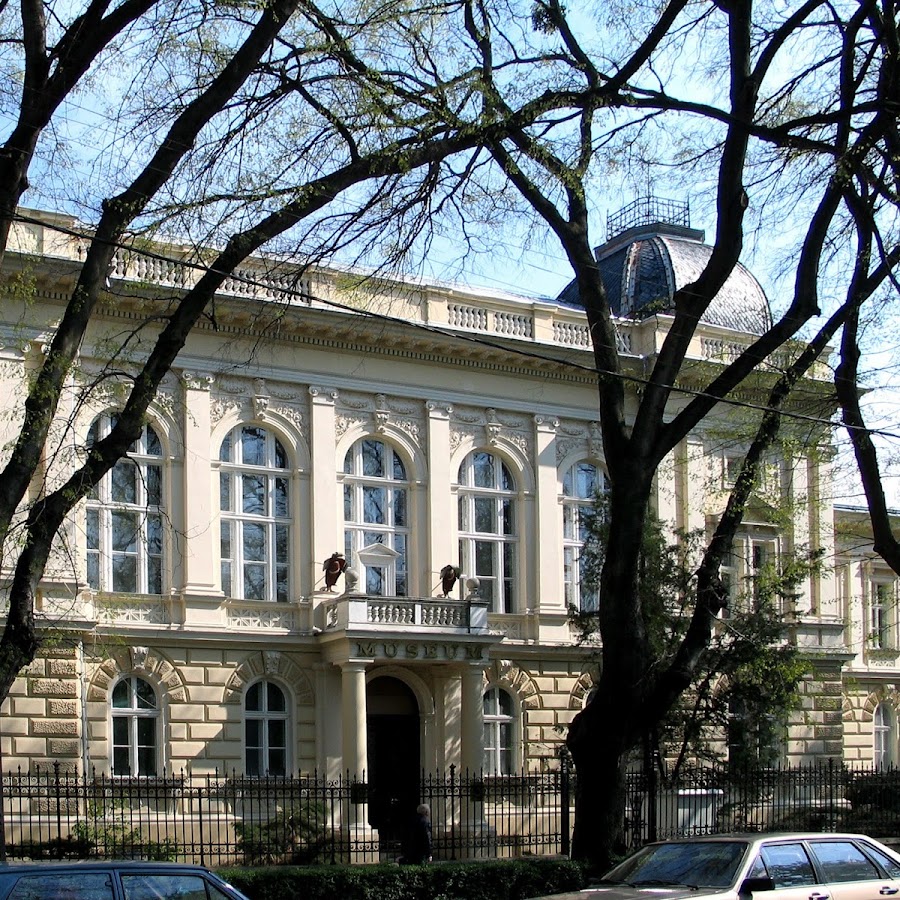
Nikola Tesla Museum
Dedicated to the life and inventions of Nikola Tesla, features interactive exhibits and original artifacts, provides insight into Tesla's contributions to science and technology, a fascinating stop for history buffs.Dedicated to the life and inventions of Nikola Tesla, features interactive exhibits and original artifacts, provides insight into Tesla's contributions to science and technology, a fascinating stop for history buffs.This museum is dedicated to the life and inventions of Nikola Tesla, one of the most influential scientists in history. Located in Belgrade, it houses a collection of original documents, photographs, and Tesla's inventions, providing insight into his groundbreaking work in electricity and magnetism.
 en.wikipedia.org
Museum of Contemporary Art
Situated along the banks of the Sava River in Belgrade, this museum focuses on modern and contemporary art from Serbia and around the world. Its striking architecture and diverse exhibitions make it a key destination for art lovers, featuring works from the 20th century to the present.Situated along the banks of the Sava River in Belgrade, this museum focuses on modern and contemporary art from Serbia and around the world. Its striking architecture and diverse exhibitions make it a key destination for art lovers, featuring works from the 20th century to the present.
National Museum of Serbia
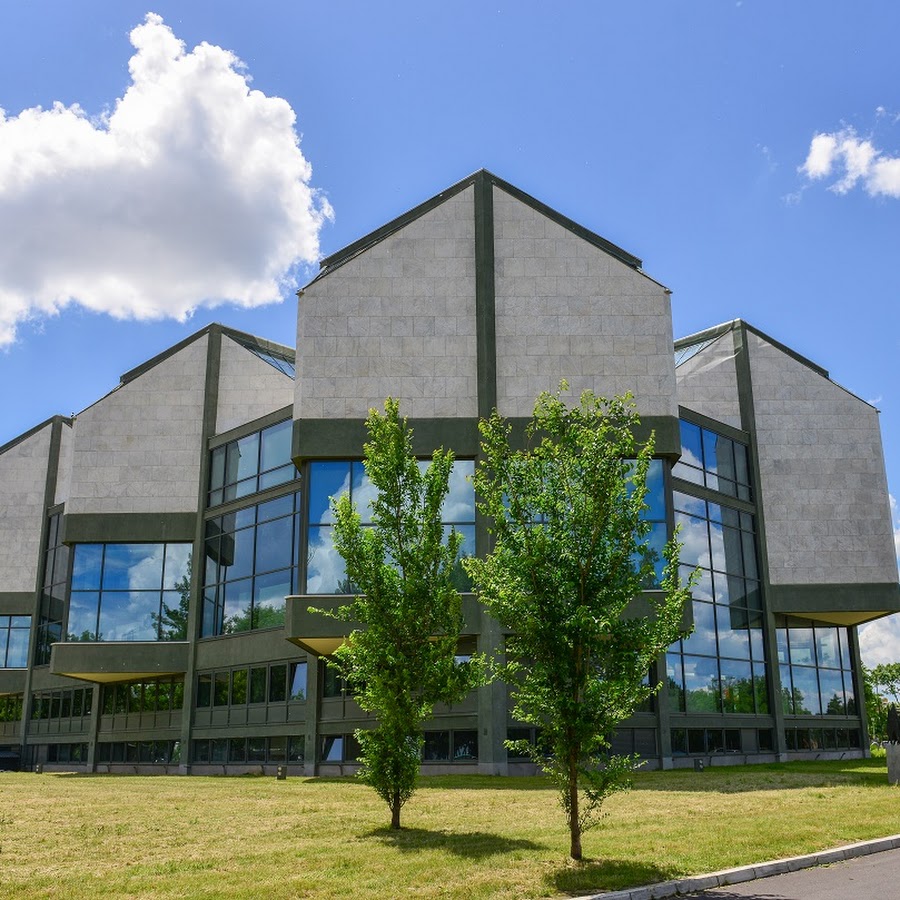
Houses a vast collection of art and historical artifacts, including works by famous Serbian and international artists, recently renovated, serves as a cultural treasure trove for history and art enthusiasts.Houses a vast collection of art and historical artifacts, including works by famous Serbian and international artists, recently renovated, serves as a cultural treasure trove for history and art enthusiasts.Located in the heart of Belgrade, this museum is the oldest and largest in Serbia, housing over 400,000 artifacts. It features a vast collection of art, archaeology, and history, including works by famous Serbian and international artists. It's a cultural hub that showcases the rich heritage of Serbia.
 en.wikipedia.org
Ethnographic Museum, Belgrade
This museum in Belgrade is dedicated to the ethnography of Serbia and the Balkans. It features a vast collection of traditional costumes, tools, and household items, providing insight into the daily lives and customs of various ethnic groups in the region.This museum in Belgrade is dedicated to the ethnography of Serbia and the Balkans. It features a vast collection of traditional costumes, tools, and household items, providing insight into the daily lives and customs of various ethnic groups in the region.
 en.wikipedia.org
Museum of Applied Arts, Belgrade
Located in Belgrade, this museum focuses on decorative arts and design. It houses a rich collection of applied art, including textiles, ceramics, and furniture, showcasing the evolution of design in Serbia and beyond.Located in Belgrade, this museum focuses on decorative arts and design. It houses a rich collection of applied art, including textiles, ceramics, and furniture, showcasing the evolution of design in Serbia and beyond.

Airport City Belgrade
Belgrade Fortress
Historic fortress with panoramic views of the confluence of the River Sava and Danube, rich in history dating back to Roman times, features beautiful parks and walking paths, a popular spot for both locals and tourists.Historic fortress with panoramic views of the confluence of the River Sava and Danube, rich in history dating back to Roman times, features beautiful parks and walking paths, a popular spot for both locals and tourists.
 en.wikipedia.org
Church of Saint Sava
The Church of Saint Sava (Serbian Cyrillic: Храм Светог Саве, romanized: Hram Svetog Save, lit. ''The Temple of Saint Sava'') is a Serbian Orthodox church in the Vračar plateau in Belgrade, Serbia. It is the largest Orthodox church in Serbia, one of the largest Eastern Orthodox churches and it ranks among the largest churches in the world. It is the most recognisable building in Belgrade and a landmark, as its dominating exterior resembles that of the Hagia Sophia, after which it was modelled. The church was initially planned to serve as a cathedral, dedicated to Saint Sava, the first Serbian Archbishop and the nation's patron saint. The location at Vračar was symbolically chosen due to the Ottoman burning of Sava's relics on a pyre in 1594/95 after a Serb uprising. Construction began in 1935 after years and decades of planning, wars and political turmoil. The commission chose to base the design on the Hagia Sophia, an universally acclaimed church building. World War II and the coming Communist leadership put a halt to construction. Permission was finally granted by the Socialist Serbian government in 1984, after which construction resumed with revised construction techniques and the architectural achievement of lifting the 4,000 tonnes dome into place in June 1989. In May 2021, the entire Vračar plateau which surrounds and includes the church was declared a cultural-historical monument and placed under state protection as the Saint Sava's Plateau. The rationale included "symbolical, memorial, cultural-historical, architectural-urban and artistic values of the locality, which represents a memorial spot of two turning points in Serbian history: Burning of Saint Sava's relics and the First Serbian Uprising".The Church of Saint Sava is a Serbian Orthodox church in the Vračar plateau in Belgrade, Serbia. It is the largest Orthodox church in Serbia, one of the largest Eastern Orthodox churches and it ranks among the largest churches in the world. It is the most recognisable building in Belgrade and a landmark, as its dominating exterior resembles that of the Hagia Sophia, after which it was modelled. The church was initially planned to serve as a cathedral, dedicated to Saint Sava, the first Serbian Archbishop and the nation's patron saint. The location at Vračar was symbolically chosen due to the Ottoman burning of Sava's relics on a pyre in 1594/95 after a Serb uprising. Construction began in 1935 after years and decades of planning, wars and political turmoil. The commission chose to base the design on the Hagia Sophia. World War II and the coming Communist leadership put a halt to construction. Permission was finally granted by the Socialist Serbian government in 1984, after which construction resumed with revised construction techniques and the architectural achievement of lifting the 4,000 tonnes dome into place in June 1989. In May 2021, the entire Vračar plateau which surrounds and includes the church was declared a cultural-historical monument and placed under state protection as the Saint Sava's Plateau.

Ada Ciganlija
A popular recreational area and island on the Sava River, known for its beaches, water sports, and outdoor activities, offers a vibrant atmosphere with cafes and restaurants, perfect for relaxation and leisure.A popular recreational area and island on the Sava River, known for its beaches, water sports, and outdoor activities, offers a vibrant atmosphere with cafes and restaurants, perfect for relaxation and leisure.

Belgrade Zoo
Located within Kalemegdan Park, home to a variety of animal species, offers educational programs and family-friendly activities, a great place for children and animal lovers to explore and learn.Located within Kalemegdan Park, home to a variety of animal species, offers educational programs and family-friendly activities, a great place for children and animal lovers to explore and learn.

Royal Palace, Belgrade
Official residence of the Serbian royal family, showcases beautiful architecture and lush gardens, offers guided tours that delve into Serbian history and royal heritage, a significant cultural landmark.Official residence of the Serbian royal family, showcases beautiful architecture and lush gardens, offers guided tours that delve into Serbian history and royal heritage, a significant cultural landmark.
Skadarlija
Famous bohemian street known for its traditional Serbian restaurants, art galleries, and vibrant nightlife, reminiscent of Montmartre in Paris, a cultural hotspot that celebrates local music and cuisine.Famous bohemian street known for its traditional Serbian restaurants, art galleries, and vibrant nightlife, reminiscent of Montmartre in Paris, a cultural hotspot that celebrates local music and cuisine.

Knez Mihailova Street, Belgrade
Main pedestrian zone and shopping street in Belgrade, lined with historic buildings, shops, cafes, and street performers, a vibrant hub of activity and culture, ideal for strolling and people-watching.Main pedestrian zone and shopping street in Belgrade, lined with historic buildings, shops, cafes, and street performers, a vibrant hub of activity and culture, ideal for strolling and people-watching.
Museum of Contemporary Art, Belgrade
Showcases modern and contemporary art from Yugoslav and international artists, located near the confluence of rivers, hosts various exhibitions and cultural events, a must-visit for art enthusiasts.Showcases modern and contemporary art from Yugoslav and international artists, located near the confluence of rivers, hosts various exhibitions and cultural events, a must-visit for art enthusiasts.
