Montenegro 530+ Places to Stay and visit
Montenegro is a small but incredibly diverse country in the Balkans, known for its dramatic landscapes, charming coastal towns, and rich cultural heritage. From the crystal-clear waters of the Adriatic Sea and the historic streets of Kotor and Budva, to the rugged peaks of Durmitor National Park and the serene beauty of Lake Skadar, Montenegro offers something for every traveler. Whether you're into hiking, history, beaches, or local cuisine, this hidden gem delivers unforgettable experiences in a compact and welcoming setting.
Where to Stay in Montenegro?
Hotels, B&'s,...
Durmitorka Luxury Villas
Villa Mountain View Prisoje
Tara Bridge Castle
Green Eye Chalet
Verica Rooms
Vila Elena
Green Forest
B&B Guest House Andjelich
Guesthouse Kalpacina
Apartments Sara
Hostel Highlander
Guest House Nena
PeaksView Chalets
Vista Durmitor - Cabins for rent
Durmitor Glamping
Šćekić Accommodation
Guest House SARA
Guesthouse Escapade
Rezident Hotel - Žabljak
Apartmani RUNOLIST
Hostel Hikers Den
Guest House Dzakovic Stana
Durmitorske Zore
Enigma Hotel
WOOD INN
Cabarkapa Guesthouse
Durmitor Magic
Guest House RG
Durmitor Paradise
MB Hotel & Restaurant
Apartments Dedeic
Family lux Apartments
Villa Krismark Žabljak
Zabljak
Monte Pine Chalets
Lovac
Durmitorski bungalovi
Durmitor
Ski Hotel
Zlatni Bor
Renta Vile CAlimero
NORTH STORY - Luxury Chalet - Apartments & rooms
Casa di Pino EcoLodge Hotel
Hotel SOA
Apartman Lukic
Apartmani Saric
Hotel Hermes
Hôtel Moskva
Hôtel Suzana

Hôtel-boutique Vissi d'Arte
Apartmani Meri
Apartmani Pejović
Apartmani Zoran Milosev
XIO Apartments
Suites Castello
Radosavović
Apartment Vitić
Villa Dana
Apartmani Maja
MonteNino
Bogumila
crni slon
Apartmani Kojic
N&N Lux guesthouse
ApartHotel Stijovic
Apartmani Novković
Hotel Franca
Hotel Pharos
Hotel Agape
Villa Antivari
SOHO SUITES
Kuće Lekovića
Adria
Le Petit Chateau
Villa Jadran
Villa Kovacevic
Hotel Princess
Appartement Adzic
Appartements Peković
Apartments Evropa lux
Apartments Pier
Apartments Radjenovic
Apartment Sofija
Villa DiEden
Maison d'hôtes Smajlaga
Appartements Hidri, Ulcinj
Maison d'hôtes Hhl - Liman ll
Chambres Tina
Maison d'hôtes Vjetreni Mlin
Maison d'hôtes Maritimo
https://illyriahotel.com/
Hôtel et restaurants Illyria
Maison d'hôtes Alea
Backpackers pirates
Prego Lux
Coucher de soleil sur la vieille ville
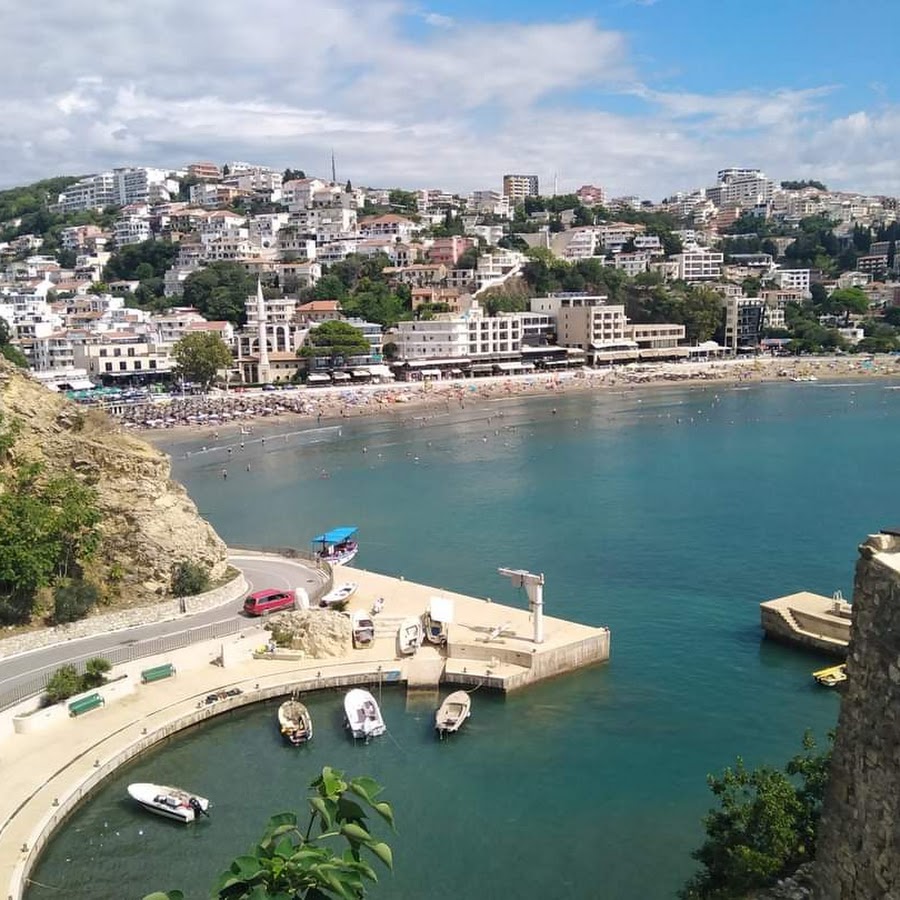
Chambre d'hôtes Bella Vista
Les appartements de Datek
Hôtel Pirate Vieille Ville
Appartements Panorama Alaj
Hôtel-boutique Botanica, Ulcinj
Maison Hena
Appartements Olga
Appartements Eneida
Dolcino
Villa Zurich Ulcinj
Appartements Ambassador & Ambassador Lux
Maison d'hôtes Evropa
Chambres Hoxha
Villa Marmo, Ulcinj
Hôtel et Spa Padam
Zlata Oliva
Hôtel Villa Jolyn
Hôtel Prego à Ulcinj
Appartements L&I, Ulcinj
Appartements Cejovic
Villa Delux
Hôtel Lux
Hôtel Haus Freiburg
Hôtel Pino
Hôtel The Garden Villa à Ulcinj - Ulqin
Hôtel Mediterraneo Liman
Vila Guci, Ulcinj
Hotel Edita
Le nouvel hôtel Mediteran Ulcinj - Ulqin "Villa Edition"
Apartments Marinic
Anita Guest House
Tamara
D&D Apartments Tivat
Apartments Djukic
ZEBRA serviced apartment & rooms
Hotel Magnolia Place
Apartments Bojić
Villa Ilijana
Kosher Franca Hotel
Obala
Hotel Pine
Sea Point Apart Hotel Tivat
Casa Manor Hotel
Hotel Splendido MB
Hotel & Restaurant Montenegrino
Tondo Tivat
Carrubba
Rosic Apartments Tivat
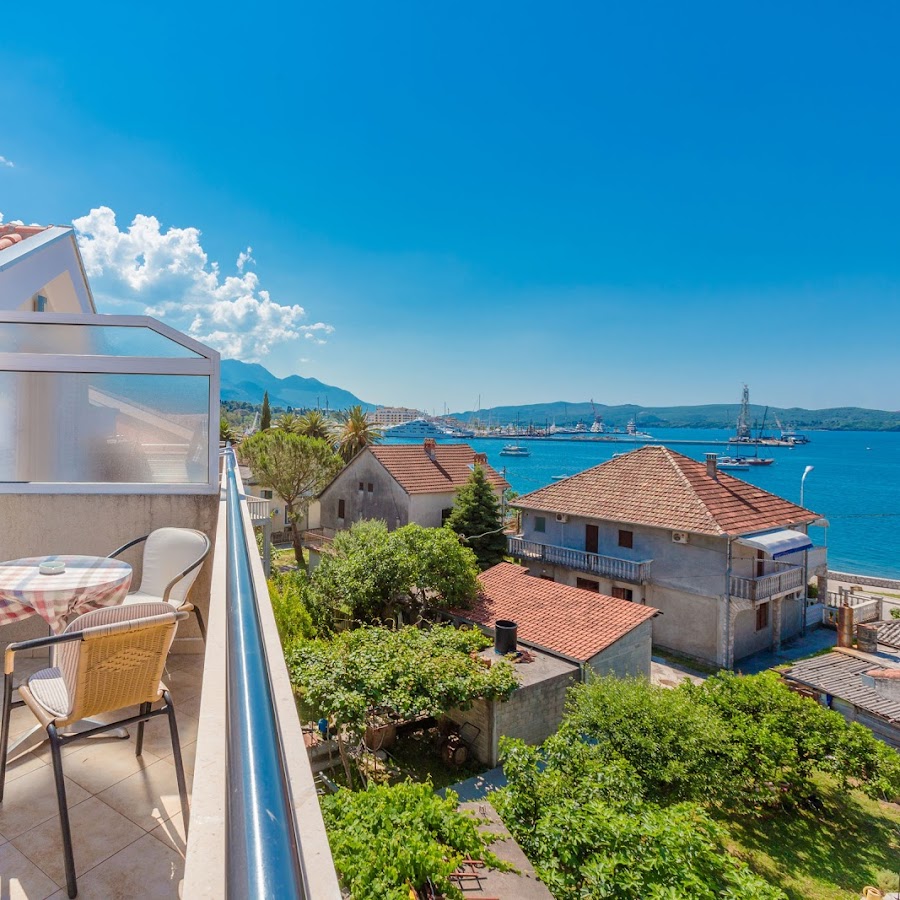
Hotel Astoria
Villa Lastva
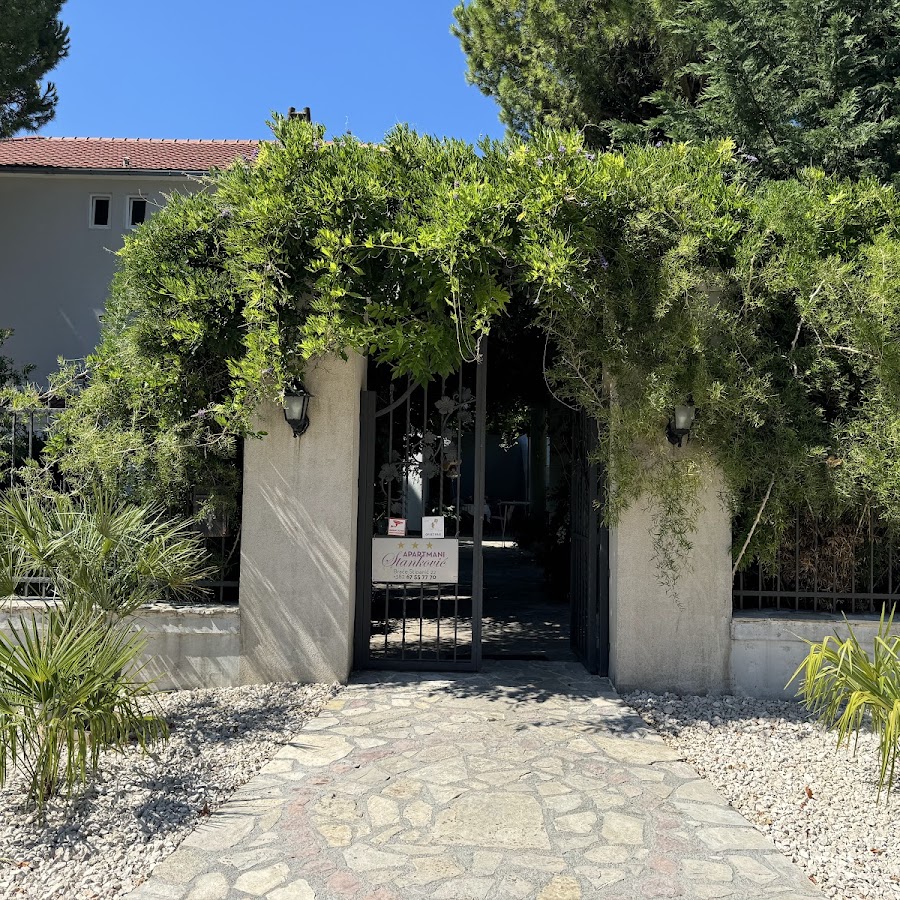
Villa Stankovic
Porto Montenegro Residences
Waikiki Beach Resort
Tivat Beach Apartments
La Fleur Boutique Hotel
Hotel Palma
Hotel La Roche
SIRO Boka Place
Regent Porto Montenegro
Porto Palace
Guest House Vukovic
Podgorica Center - rent a flat
Vila apartment Astorija 2
Philia Hotel • Restaurant
Vila Patria
Hotel Resurs
Carine
7 Hills Rooms
Stars Aspava Hostel
Hotel Aurel
Hostel IZVOR
Hotel Lazaro
Hotel New Star
Hotel Marienplatz
Hotel Bojatours
Hotel Alexandar Lux
Bristol Hotel
Perla Residence Hotel & Spa
White Homes Real Estate
Apartments Athos
Kerber
ZIYA
Hotel Septembar
Evropa
Hotel Garni Ideal, Podgorica
Imanje Knjaz
Hotel Holiday
Crnogorska-Kuća
Hotel Hemera
HOTEL FOBRA
Hotel Union
Hotel & Restaurant LAGUNA
voco Podgorica by IHG
Hotel Podgorica
Signum Hotel
Crowne Plaza Podgorica by IHG
Keto Hotel
Hilton Podgorica Crna Gora
Boscovich Boutique Hotel
Kings Park Hotel
Mövenpick Hotel Teuta Baie de Kotor
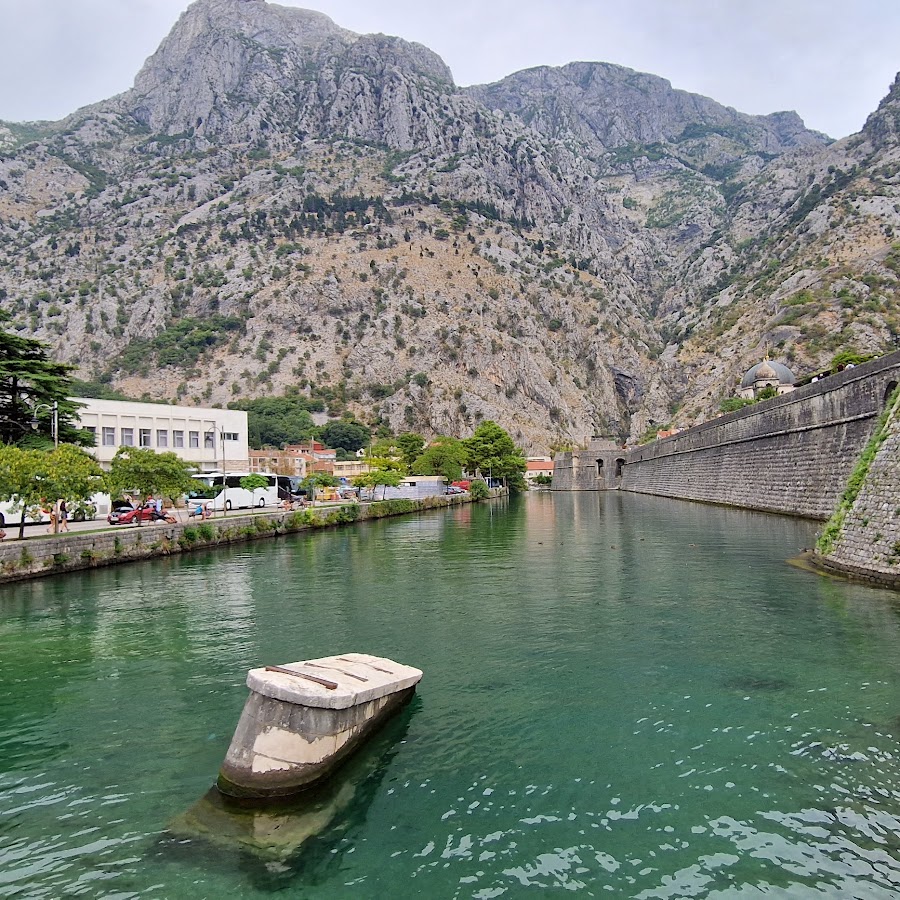
Villa Hollick
Maison d'hôtes ADRIATICA
Villa Shah
Location Maison en pierre 264
Santa Boka
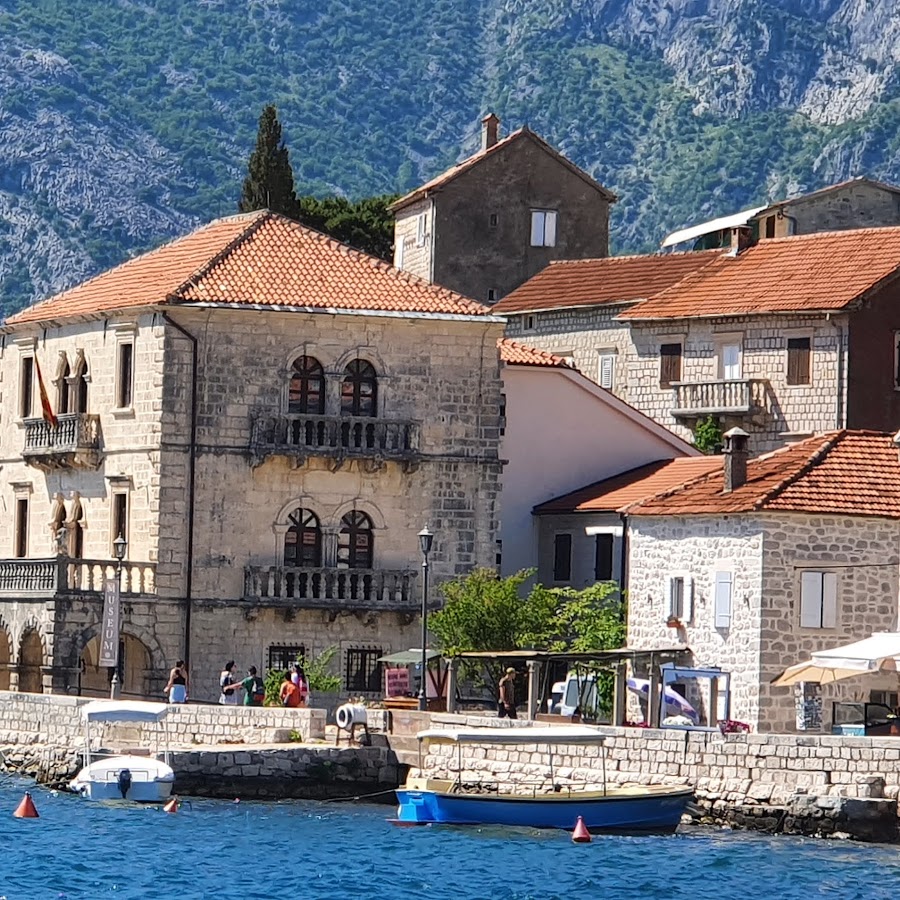
Hôtel Conte
Appartement et chambres Novka
Hyatt Regency Kotor Bay Resort
Front de mer Orahovac
Villa Feliz
Appartement Aleksandar Lepetani
Appartements Seaside Village
Appartements Risan Center
Appartements de mode Risan
Appartements Simic
Boutique Hôtel Casa del Mare - Amfora
Annexe de l'hôtel Casa del Mare
Maison d'hôtes Alex
Maison d'hôtes Pajovic
Chambre d'hôtes Casa del Sol Rozalija
Maison de vacances Cattaro
Hôtel Amiral
Palazzo Del Mare Essenza
Appartements Gudco
Appartements Ćosović
Chambres Lorena
Appartement MiraMare
Hôtel Sara
Hôtel Capitano
Appartements MaXhit
Villa Nikcevic
Maison d'hôtes Dragutinovic
Maison d'hôtes Mrshe Palace
Appartements Amiral
Chambres du Palais Jelena
Appartements DaNi Prcanj
Vila Perast
Maison d'hôtes Bella Vista Zmukic
Boutique Hôtel Casa del Mare - Méditerranée
Appartements Stella Del Mare
Heritage Grand Perast par Rixos
Restaurant Conte, Perast
Villa de retraite Monte Bay
Hôtel Nauta Perast
Appartements Maja
Chambres et appartements Bluemarine Perast
Hôtel Leon Coronato
Appartements Hun
Appartements D & Sons
Maison d'hôtes Lovćen
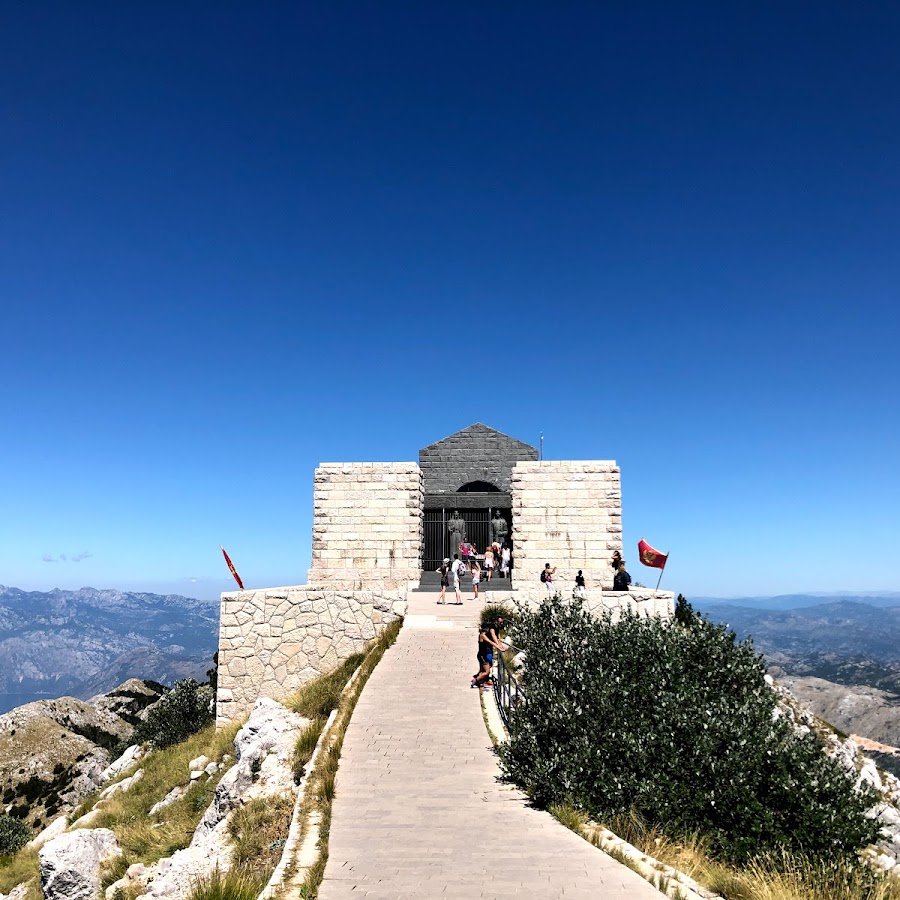
Appartements Đukić
Appartement Marko
Appartements Goxy
Appartements Škaljari
Hôtel Villa Duomo
Maison d'hôtes Step
Appartements Wine House Old Town
Hôtel Vita Mundo KOTOR
Vieille ville Petite baie
Hôtel Marija
Hôtel Hippocampe
Appartements Darija
Appartements M&T
Maison d'hôtes Antika
Appartements Maison 44
Auberge de jeunesse Monténégro 4U
Hôtel Porto In
Hôtel Monte Cristo
Auberge Centrum Kotor
Hôtel-boutique Astoria
Hôtel Vardar
Auberge de jeunesse Old Town Kotor
Hôtel-boutique historique Cattaro
Nid de Kotor
Vila Pašić
Appartement MIA
Hébergement Vujicic
Appartements "Vera"
Appartements Tabakovic
adriatique
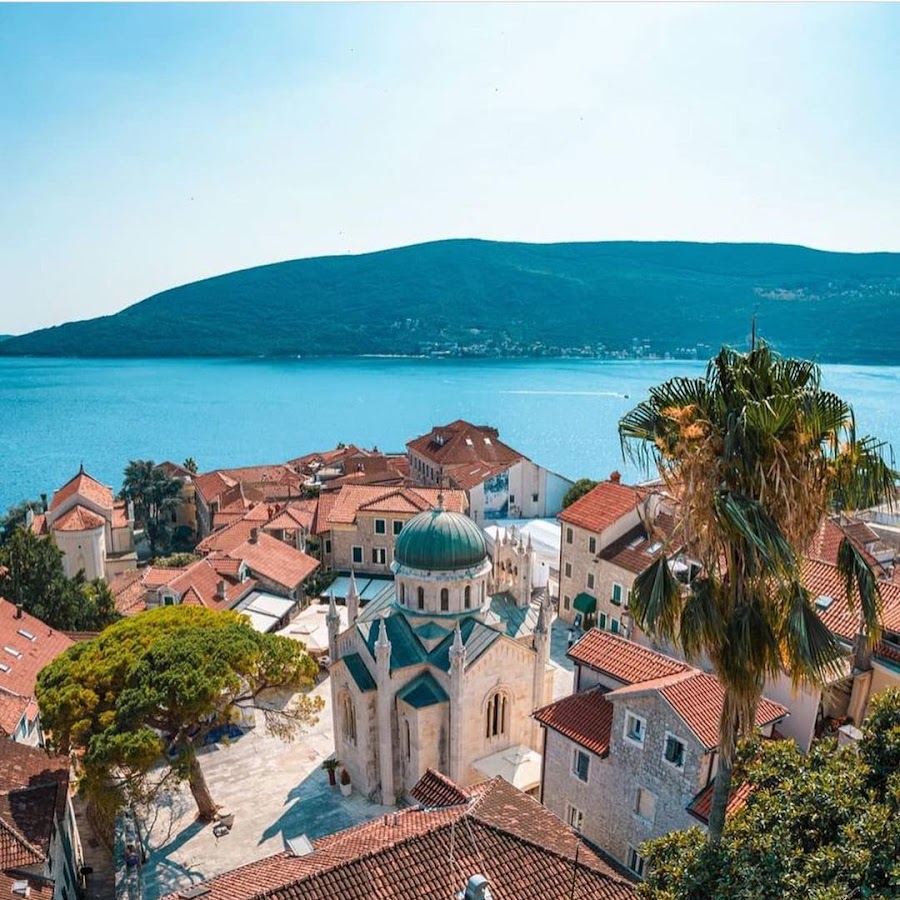
Appartements Hanna
Villa Tamara
Vila Midami
Saga de la maison d'hôtes
Appartements Fortunella
Maison d'hôtes Nataliya
Appartements Grifone Lux
ApartBrajovic67
Hôtel Krušo
Hôtel M
Villa Anna Apartments
Igalo Spa - Complexe 1
Résidence Montesun
Konoba Škver
Appartements Bellevue
Hotel Talia
Villa Vele
Vila Margot
Phare
Appartements « Villa Tenzera »
Hôtel Maksim
Appartements Beleni
Place Kopas
Appartements Laros
Hôtel RR
Appartements Mianiko
Kuća Anka
Appartements Palma
Hôtel-boutique Kredo
Résidences Boka Bay
Taverne Galija
Hunguest Hotel Sun Resort
Aria
Hôtel Vila Hedonija
Maison d'hôtes Savina
Appartements Master 5
Centar Novi
Hôtel et spa Palmon Bay
Hôtel Perla
Hôtel et Marina Lazure
Appartements Pržun
Appartements Angela
Appartements Montréal
Salle Georgijevic
Villa Nikola
Camping Mrtvica
Appartement Ozana
Appartements Alexandra
Appartements Mont
Villa Katarina
Maison 561
Appartement luxueux à Budva
Appartements Maša
Appartements Parteli
Lux Apartmani M
Goxy Apartments
Apartmani Novaković
Art GuestHouse
Apartmani Dif Jaz
Asanovic Apartments
Apartment Vukasović
Apartments Svorcan
Apartments Villa Andjela
Studios Merdović
Villa Vistamar
Rajska Dolina
Apartment Marko
Auto Camp Rijeka Crnojevića - Montenegro
Apartments Hun
MOJO Budva
Motel Lovchen
Apartments Škaljari
Sunset & Sunrise Villas Stanisici
Villa Dub
Villa Vesna
Kondo Hotel Allure
Aruba
Guest House Lovcen
Villa Lutovac
D & Sons Apartments
Villa Mediteraneo 1902
Marinero Apartments Budva
Marco Polo Villa Budva
Apartments Đukić
Hotel Fagus by Aycon
Guesthouse Step
Guesthouse Mixe
JAZ Garden residence
Villa Budvanka
Hotel Idila Budva
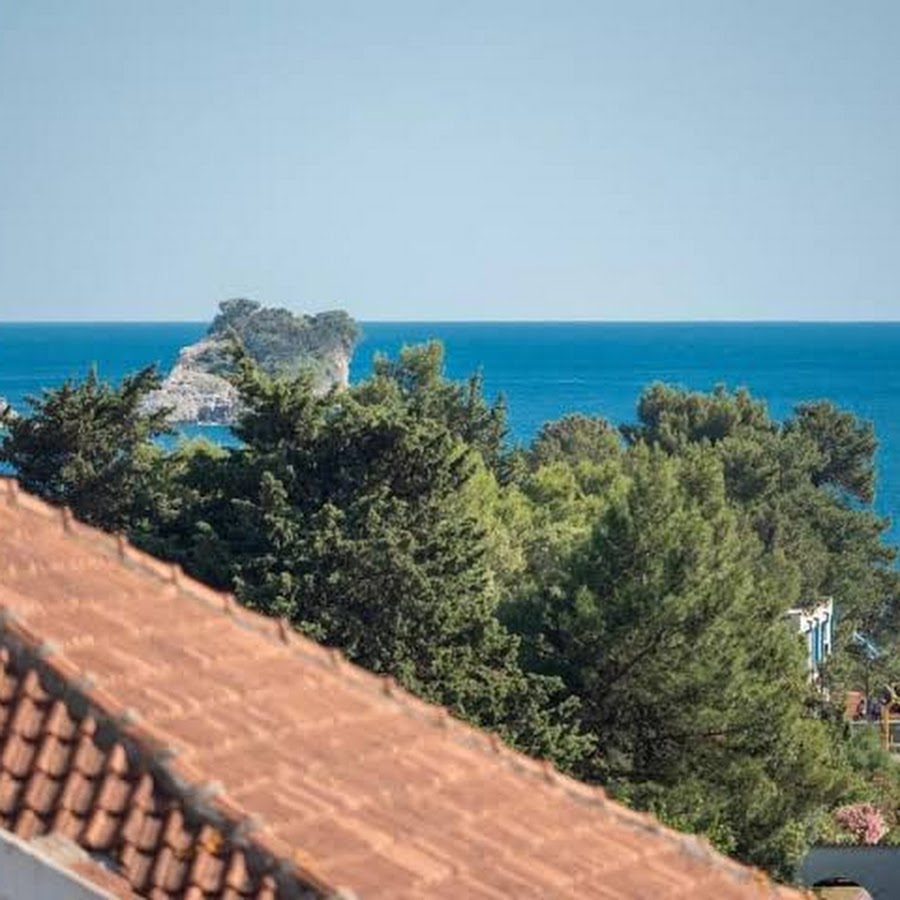
Memidz Apartments
Hotel Admiral
Vila Anastasia
Old Town Little bay
Guest House Sandra
Guesthouse Lovćen
Apartmants Bjelanovic
Guest House Andrea
Hotel Ruzmarin Spa & Garden
Hotel Mimoza
Saki
Hostel Budva
ZEN Relaxing Village
Hostel Old Town Kotor
Accommodation Marija 2
Hotel Suzana
Villa Milena
Hotel Blue Star
Hotel Villa Duomo
Eagle Eye Villa & Resort
Hotel Park
Hotel Tate
Apartments Wine House Old Town
M-Club Hotel
Centrum Hostel Kotor
Villa Bojana Budva
Reset Hotel & Restaurant
Garni Hotel Koral
Hotel Monte Cristo
Hotel Pozzo
Boutique Hotel Vela
Hotel Momentum
Antika Guesthouse
Pansion 22
Restoran Vistamar
Historic Boutique Hotel Cattaro
Villa Merci Budva
Hotel Hippocampus
Hotel TQ Plaza
Kotor Nest
Montenegro Backpackers Home Kotor
Avanti Hotel & Spa
Hotel Twelve
Hotel Bracera
Hotel Villa Gracia
Hotel Diplomat
Villa Maxima Budva
Hotel Vardar
Etno Selo Sveti Georgije
Boutique Hotel Astoria
Hotel 219 Budva
Fineso
Hotel Porto In
Montenegro Hostel 4U
Fantasia
Villa Perla Di Mare Hotel Budva
Hotel Marija
Skadar Lake Family Resort - Family restaurant-boat tours-rent room and boutique autocamp
Hotel SPORT IN
Hostel Holiday Cetinje
Hotel Slovenska Plaža
Camp Oaza Lipa
Markovic Winery & Estate
Apartments Aleksandra
Hotel Dapcevic
Hotel Monte Rosa
Gradska Cetinje
Hotel Kadmo
BALKAN BUDVA
Hotel Opera Jaz
Apartments LORA 13.Jula, 15
Luminoso Hotel
Hotel California
Georgijevic Room
Hotel Lobo
Ada Zerk Lux Rooms
El Mar Apartments
Luxurious Apartment in Budva
Apartments Mont
Apartment Nikolic
Oregon
Le Marc Guesthouse
Rio Budva
Barbeta Accommodation
Apartments Montreal
Apartment Adzic
M Palace
Apartmani White Hills
Apartments Maša
Olimp Lux
Apartments Buba
DS Club Apartments
Hotel Princ
Villa Lazovic
Kala Rooms & Suites
Monte Royal
Astakos Apartments
Hotel Blue Star
appartments Ljumovich
High Hostel
Apartments Raičević
Spin Apartments
Apartments Krapina
Hotel Grbalj
Twister Apartments
Dukley Residences
Central Hotel&Restaurant - Budva
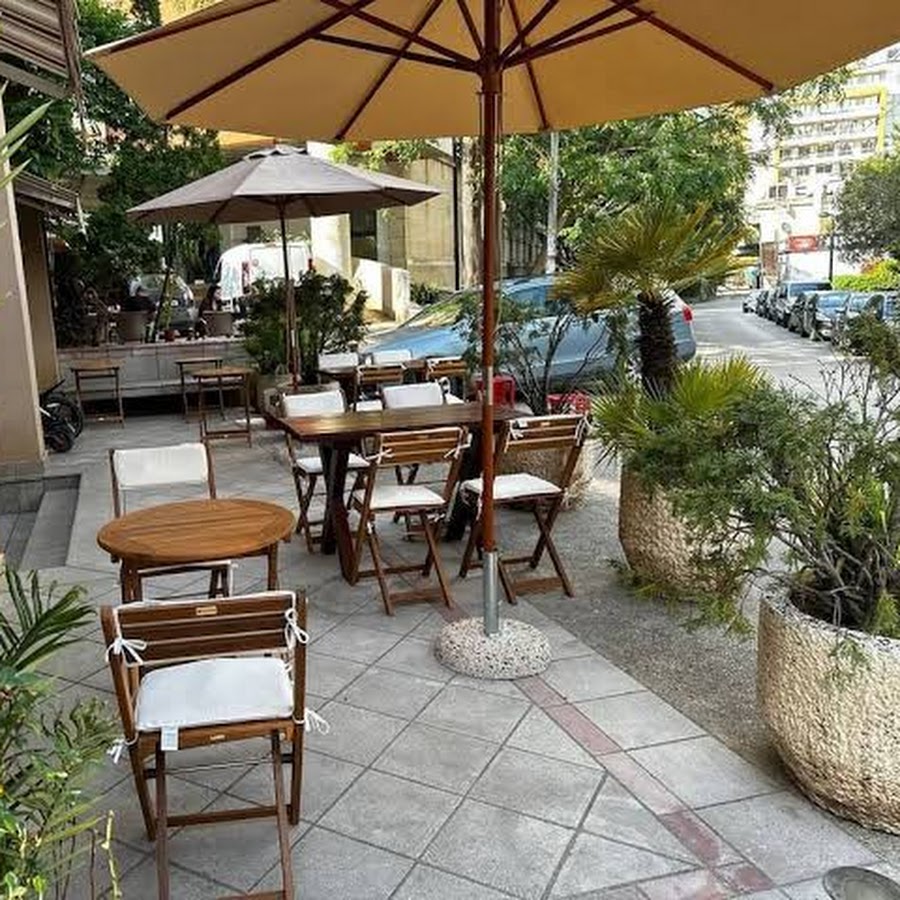
Villa Kosta
Apartments Butua
Apartments Salus
Villa Kralj
Blue Moon Apartments
Boutique Apartments
Apartments Mary
Apartments Mara Budva
villa grand
Primus Apartments Impera
Hotel Tre Canne
Apartments Angela
Vila D&B
Hotel Aquarius
Budva Bay Breeze Apartments
Boutique Hotel Imperial
Apartmani Ivona
WOW Hotel
Villas Park
Vila Lux
Adriatik lux apartments
Hotel Millennium by Aycon
Guesthouse Djacic
Hotel Moskva
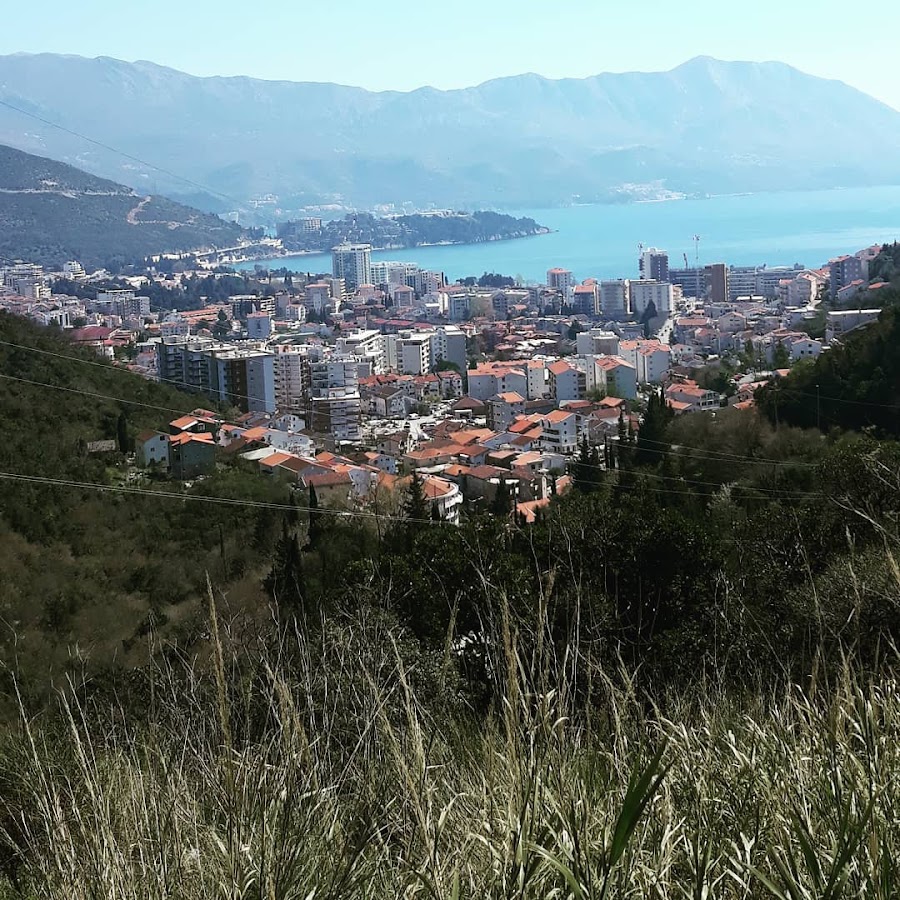
Bonus Apartments
Royal Holidays Palace
Hotel Oaza
Majestic Hotel Budva
Lolo Luxury Rooms & Suites Budva
Hotel Eden Budva
Chiron Apartments
Infinity Hotel & More
Villa Skyprime
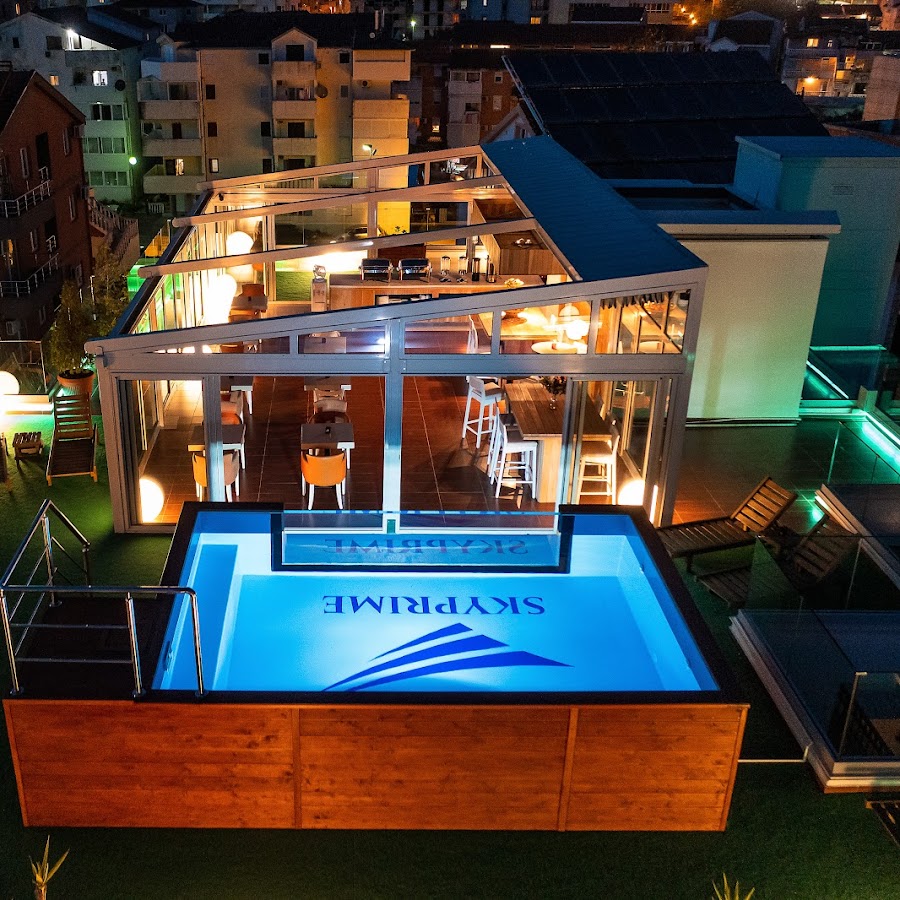
Max Prestige
Lux Sunrior
Hôtel 219 Budva
Aquaresort
Hôtel-boutique Vela
Hôtel Tate
Appartements Trifunovic Vieille Ville
Hôtel Villa Gracia
Restaurant Vistamar
Hôtel Villa Perla Di Mare à Budva
Villa Kalina
Hôtel Pima
Astoria
La Villa Boutique Hôtel & Restaurant Budva
Alexandra Montenegro Luxury Suites & Spa
Hôtel Diplomate
Chambres et appartements Madra
Montenegro Backpackers Home Budva
Hôtel Park
Avala Resort & Villas
Iberostar Waves Slavija
Hôtel Slovenska Plaža
Hôtel et complexe Dukley
Hôtel et résidence Merit Starlit
Iberostar Waves Bellevue
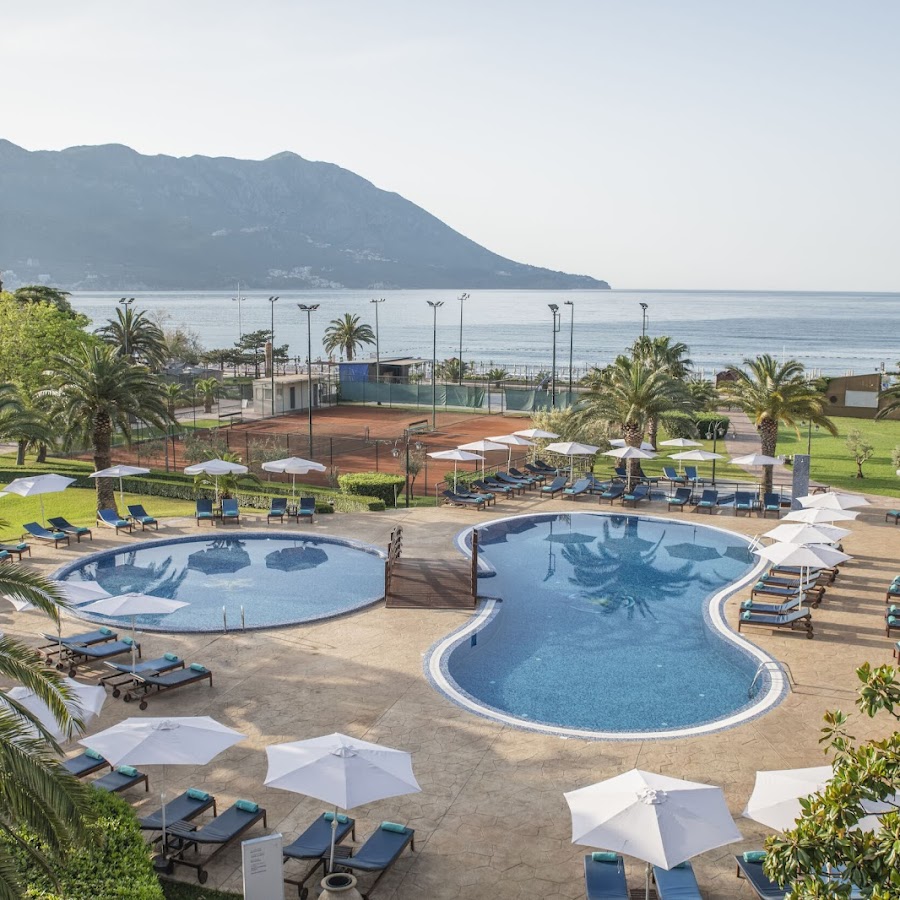
Hôtel Budva
Hôtel Kadmo
BUDVA BALKAN
Things to see or do in Montenegro
Explore the rich cultural heritage and natural beauty of Montenegro.
Marubi National Museum of Photography
Marubi National Museum of Photography (Albanian: Muzeu Kombëtar i Fotografisë Marubi), also known as Marubi Museum, is a museum in Shkodër, Albania. At the center of the museum project is the legacy of the 'Photo-Studio Marubbi', founded in 1856 by Pietro Marubbi, an Italian painter and photographer who came and settled in Shkodër at the time. The activity of the studio over the years, was directed and enriched by three generations of photographers, until the early 1950s, time when Geg Marubi was forced to give oneself up to the communist collective anonymity, by joining other photographers in the photography unit of the former Repair-Services Cooperative. In 1970 was founded the Marubi Photo-Studio with around 500,000 negatives in various techniques and formats. Later on, historical images from the archive were (in many cases) used to feed the communist propaganda machine. It was during this period that many of them appeared in the editions of the time manipulated and alienated. The new museum, projected by the architectural studio Casanova + Hernandez, has been designed as a space which promote the dialogue between tradition and modernity, past and present. The heritage and tradition are emphasized by means of the restoration project of the historic building designed by Kole Idromeno – Albanian artist and architect, former student of Pietro Marubbi – while preserving its structural features.A museum in Shkodër, Albania, showcasing the legacy of the 'Photo-Studio Marubbi', founded in 1856.
 en.wikipedia.org
Our Lady of the Rocks
Our Lady of the Rocks is one of the two islets off the coast of Perast in the Bay of Kotor, Montenegro (the other being Sveti Juraj island). It is an artificial island created by bulwark of rocks and by sinking old and seized ships loaded with rocks. The Catholic Church of Our Lady of the Rocks (Montenegrin: Госпа од Шкрпјела, romanized: Gospa od Škrpjela) is the largest building on the islet, and has a museum attached to it. There is also a small gift shop close to the church and a navigation light at the northern end of the islet. According to legend, the islet was made over the centuries by local seamen who kept an ancient oath after finding the icon of Madonna and Child on the rock in the sea on 22 July 1452. Upon returning from each successful voyage, they laid a rock in the Bay. Over time, the islet gradually emerged from the sea. The custom of throwing rocks into the sea is alive even nowadays. Every year on the sunset of 22 July, an event called fašinada in the local dialect, when local residents take their boats and throw rocks into the sea, widening the surface of the island, takes place. The church was renovated in 1722.An artificial island in the Bay of Kotor, known for its picturesque church and stunning views.

Cetinje Royal Palace
The Cetinje Royal Palace (Serbian: Краљевски двор Цетиње) is located in Cetinje, Montenegro, and for more than 50 years served as the seat of the Montenegrin Royal family. In 1926, it became a museum and from 1980, it was one of the departments in the National Museum of Montenegro.The Cetinje Royal Palace served as the seat of the Montenegrin Royal family and is now a museum.

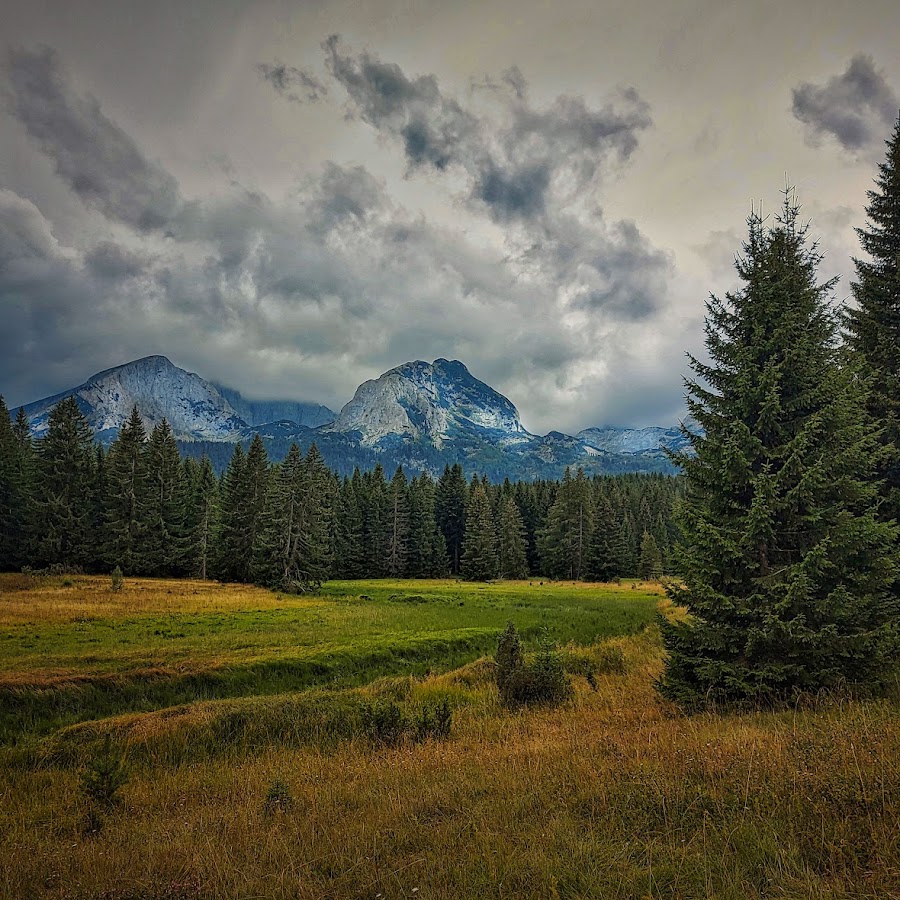
Durmitor National Park
A UNESCO World Heritage site known for its stunning landscapes, hiking trails, and outdoor activities.
Piva Monastery
The Piva Monastery (Serbian: Манaстир Пивa, romanized: Manastir Piva), also known as the Church of Sv. Bogorodica or the Church of the Assumption of the Holy Mother of God, is located in Piva, Montenegro near the source of the Piva River in northern Montenegro. Built between 1573 and 1586, it was rebuilt in another location in 1982. It is the largest Serbian Orthodox church constructed during the Ottoman occupation in the 16th and 17th centuries. Noted for its frescoes, the monastery's treasures also include ritual objects, rare liturgical books, art, objects of precious metals and a psalm from the Crnojevići printing press (1493–96), which was the first in the Balkans. These are displayed in the monastery's museum.A beautiful monastery located near the source of the Piva River, known for its stunning architecture.

Sutjeska National Park
The Sutjeska National Park (Serbo-Croatian: Nacionalni park Sutjeska, Национални парк Сутјеска, pronounced [sûtjɛska]) is a national park located in Bosnia and Herzegovina. Established in 1962, it is Bosnia and Herzegovina's oldest national park. It includes the country's highest peak of Maglić, at over 2,386 metres (7,828 ft), on the border with Montenegro. The Montenegrin part of Maglić massif in the park has also formed the Trnovačko Jezero (Trnovačko Lake). The Strict Nature Reserve "Perućica", one of the last two remaining primeval forests in Europe, is part of the park. The park is also famous as being the location of the Battle of the Sutjeska in 1943 during World War II. It is an affiliated member of EUROPARC Federation.The oldest national park in Bosnia and Herzegovina, known for its natural beauty and outdoor activities.

Bay of Kotor
The Bay of Kotor (Serbo-Croatian: Boka kotorska / Бока которска, Italian: Bocche di Cattaro), also known as the Boka (Serbo-Croatian Cyrillic: Бока), is a winding bay of the Adriatic Sea in southwestern Montenegro and the region of Montenegro concentrated around the bay. It is also the southernmost part of the historical region of Dalmatia. At the entrance to the Bay there is Prevlaka, a small peninsula in southern Croatia. The bay has been inhabited since antiquity. Its well-preserved medieval towns of Kotor, Risan, Tivat, Perast, Prčanj and Herceg Novi, along with their natural surroundings, are major tourist attractions. The Natural and Culturo-Historical Region of Kotor was designated a UNESCO World Heritage Site in 1979. Its numerous Orthodox and Catholic churches and monasteries attract numerous religious pilgrims and other visitors.A stunning bay known for its dramatic scenery, charming towns, and outdoor activities like kayaking and hiking.

Skadar Lake
A national park famous for its diverse wildlife, beautiful landscapes, and opportunities for boating and birdwatching.
Tara River Canyon
One of the deepest can
Lipa Cave
Lipa Cave (Serbian: Липска пећина, romanized: Lipska pećina) is a karst cave situated close to Cetinje, Montenegro. It has a system of about 2.5 kilometres (1.6 mi) of passages and halls, which makes it one of the largest caves in Montenegro. It's the first cave in Montenegro which opened for tourists, after the cave's valorisation projected finished thanks to the help of the Municipality of Cetinje and the Lipa Cave company.A karst cave near Cetinje, Montenegro, featuring impressive stalactites and stalagmites.

Museum of Old Herzegovina
Museum of Old Herzegovina is a museum in Foča, Republika Srpska, Bosnia and Herzegovina.A museum in Foča, Republika Srpska, Bosnia and Herzegovina, dedicated to the cultural heritage of the region.
 en.wikipedia.org
Morača River
A major river in Montenegro, originating in the northern region and meandering southwards.
Mokra Gora
Mokra Gora (Serbian Cyrillic: Мокра Гора, lit. 'Wet Mountain', pronounced [mɔ̝̂kraː ɡɔ̝̌ra]) is a village located in the city of Užice, southwestern Serbia. It is situated on the northern slopes of the Zlatibor Mountains. Emphasis on historical reconstruction has made it into a popular tourist center with unique attractions. Mokra Gora has become popular after 2003 reconstruction of a narrow gauge railway called Šargan Eight which is unique in the world. Its route viewed from the sky, looks like the number eight.A village located in Serbia, known for its historical significance and beautiful landscapes.

Dajbabska Gora Tower
The Dajbabska Gora Tower (Montenegrin: Торањ на Дајбабској Гори, romanized: Toranj na Dajbabskoj Gori) is a radio frequency spectrum control tower located on Dajbabska Gora, a hill in the south of Podgorica, Montenegro. It is 55 meters tall, and soon after its opening it became one of the most popular landmarks and visitor attractions of the city.A radio frequency spectrum control tower located on Dajbabska Gora, a hill in Podgorica, Montenegro.

Gradište Monastery
Gradište Monastery is in Buljarica, Montenegro, not far from Petrovac na Moru. Gradište was originally a medieval inn of the old Serbian Empire. It also was affiliated with Kosovo's Visoki Dečani Monastery. Founded in 1116, the monastery consists of three churches and a dormitory. The three churches are St. Nicholas', built in 1610; the Assumption of the Holy Mother of God, whose frescoes date from 1620s; and Saint Sava's, both the former built in 1855 and the latter built in the early 1500s.A monastery in Buljarica, Montenegro, originally a medieval inn of the old Serbian Empire.

Rijeka Crnojevića Bridge
Rijeka Crnojevića Bridge (Montenegrin: Most na Rijeci Crnojevića / Мост на Ријеци Црнојевића), also known as Danilo's Bridge (Montenegrin: Danilov most / Данилов мост), is a bridge in Rijeka Crnojevića, Montenegro. The bridge spans the Rijeka Crnojevića River and is one of the most important historical monuments and tourist attractions in Cetinje Municipality. The bridge connected Rijeka Crnojevića with the medieval town of Obod, located on a hilltop across the river, which was the location of the first South Slavic printing house.A bridge in Rijeka Crnojevića, Montenegro, known for its scenic views and historical significance.

Tara River
A river in Montenegro and Bosnia and Herzegovina, known for its stunning canyon and outdoor activities.
National Museum of Montenegro
The National Museum of Montenegro (Montenegrin: Народни музеј Црне Горе, romanized: Narodni muzej Crne Gore) is the largest museum in Montenegro. The museum was established in 1896 and is located in Cetinje, Montenegro.The National Museum of Montenegro is the largest museum in Montenegro, established in 1896 and located in Cetinje.
