Monaco Places to Stay and visit
Monaco is a glamorous Mediterranean microstate known for its luxury lifestyle, stunning coastline, and royal heritage. Nestled on the French Riviera, it offers elegant casinos, upscale shopping, and iconic sights like the Prince’s Palace and Monte Carlo. Despite its small size, Monaco dazzles with its yacht-filled harbor, the world-famous Grand Prix, and a mix of French charm and cosmopolitan flair—perfect for a stylish and sophisticated escape.
Where to Stay in Monaco?
Hotels in Monaco
Monte-Carlo Bay Hotel & Resort
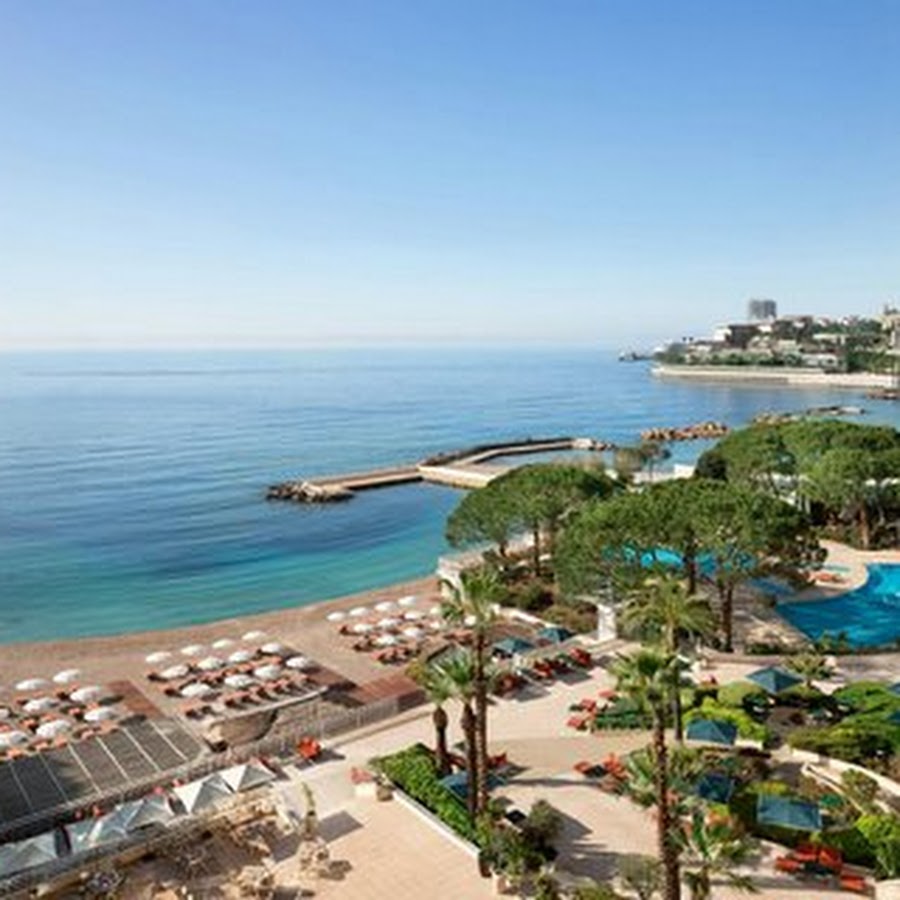
he Monte-Carlo Bay Hotel & Resort is a resort hotel located in the Larvotto ward on the eastern edge of Monaco. It is owned by the Société des Bains de Mer. Features a private beach and a beach club with various water sports and dining options.

Hôtel de France
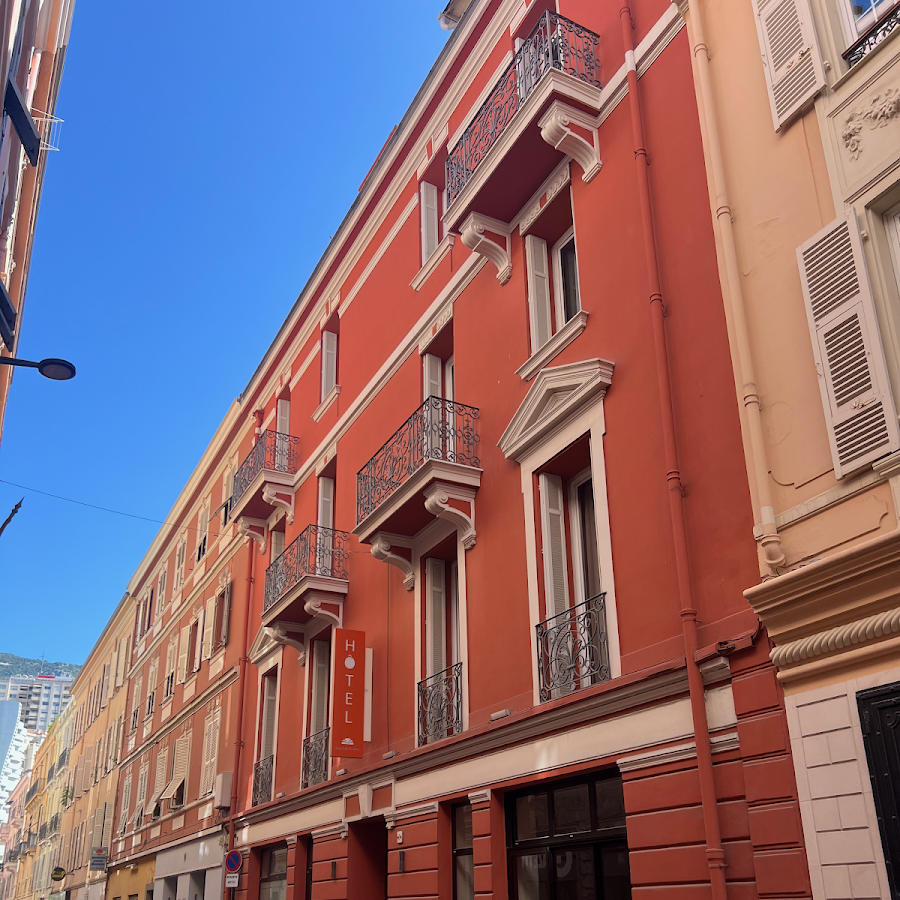
Quality Hotel Menton Mediterranée
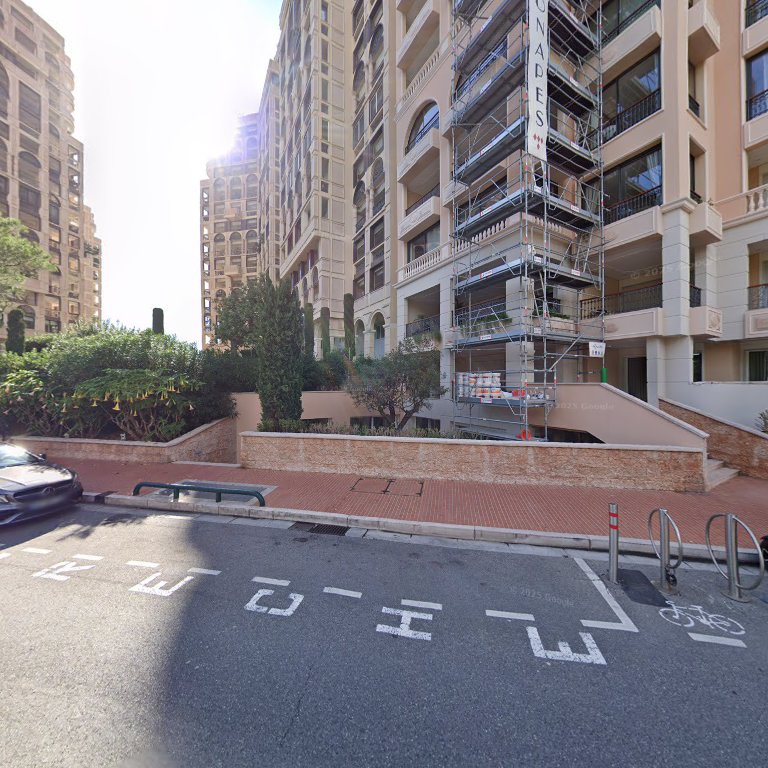
Port Palace Hôtel
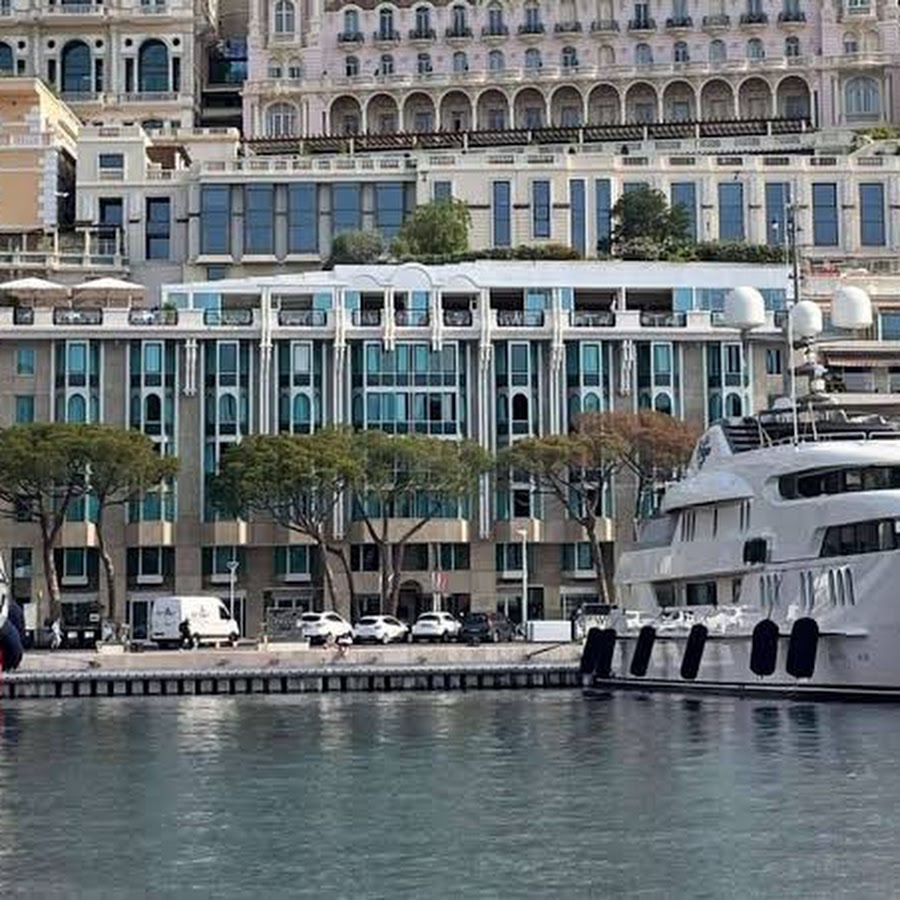
Thermes Marins Monte-Carlo
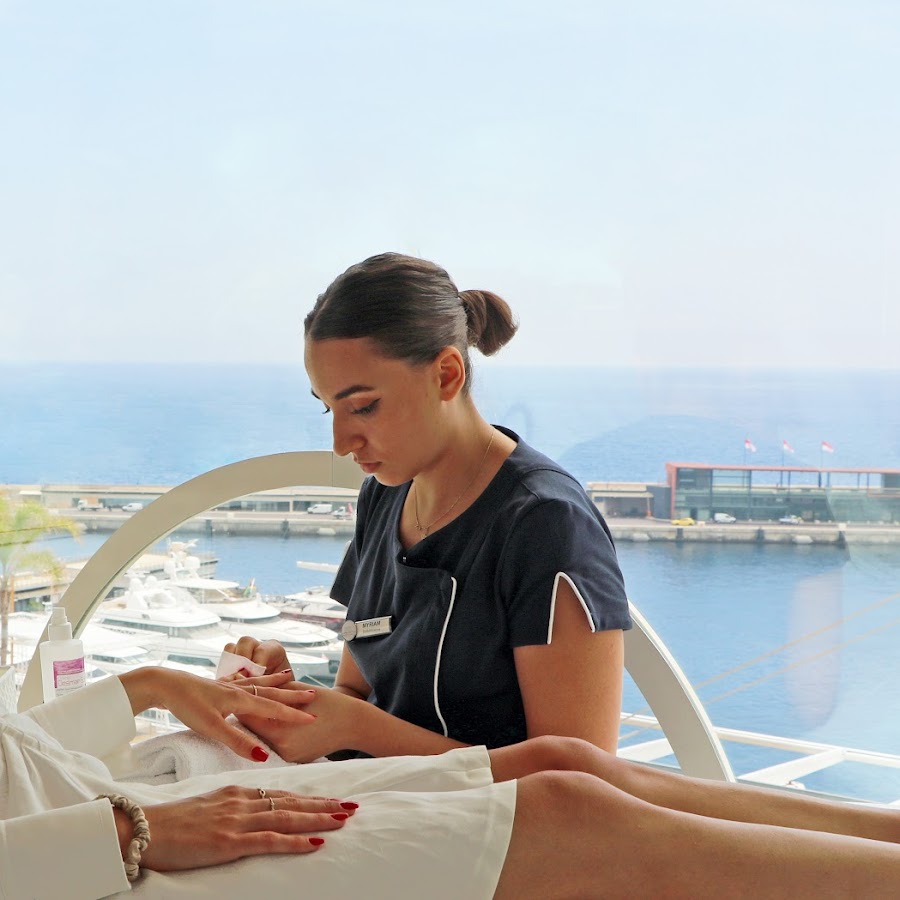
Novotel Monte Carlo
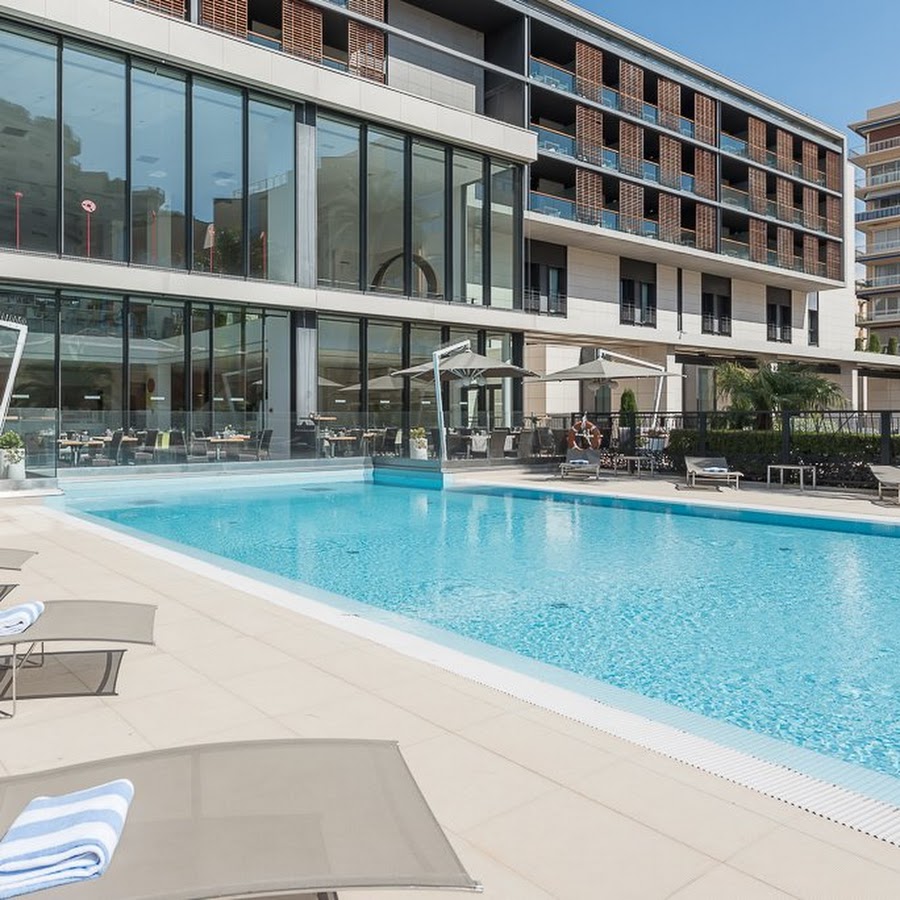
Boutique Hotel Miramar - MonteCarlo
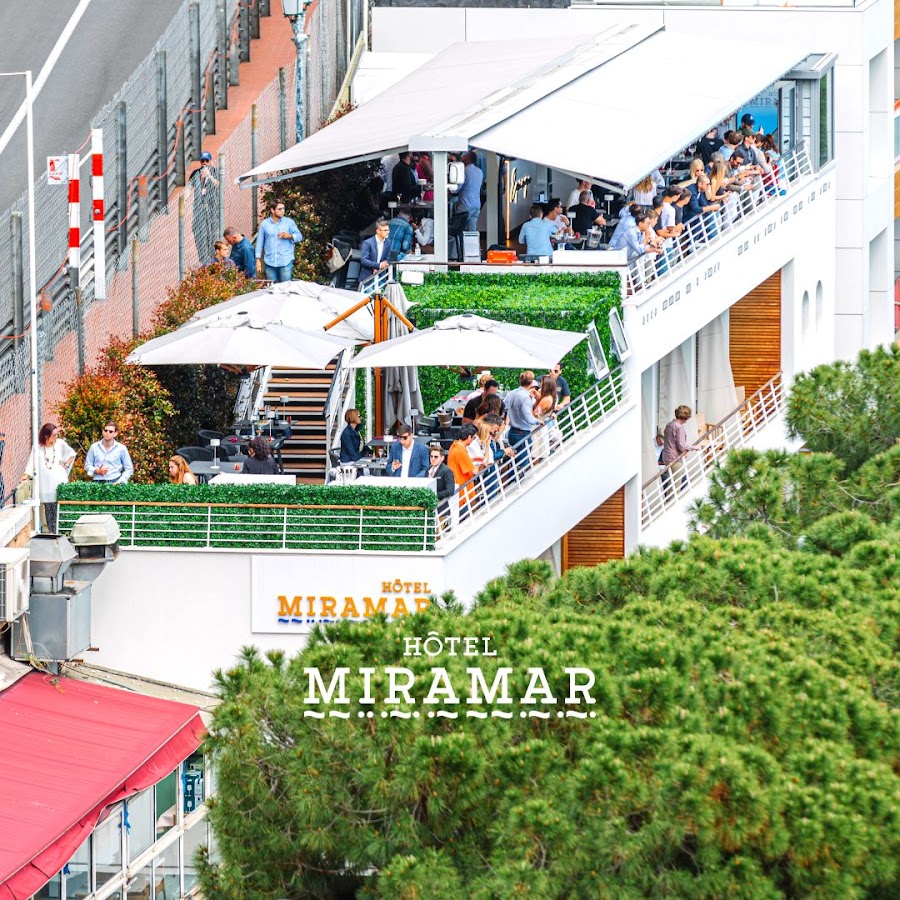
Hotel de Paris Monte-Carlo
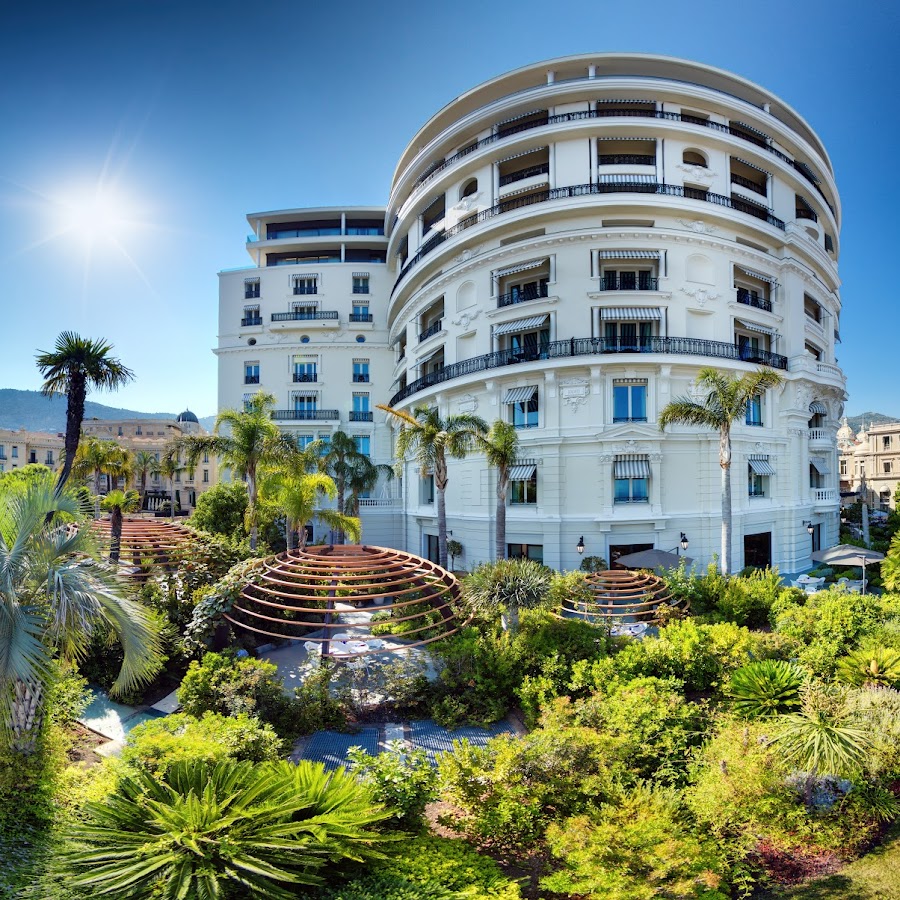
Hôtel Hermitage Monte-Carlo
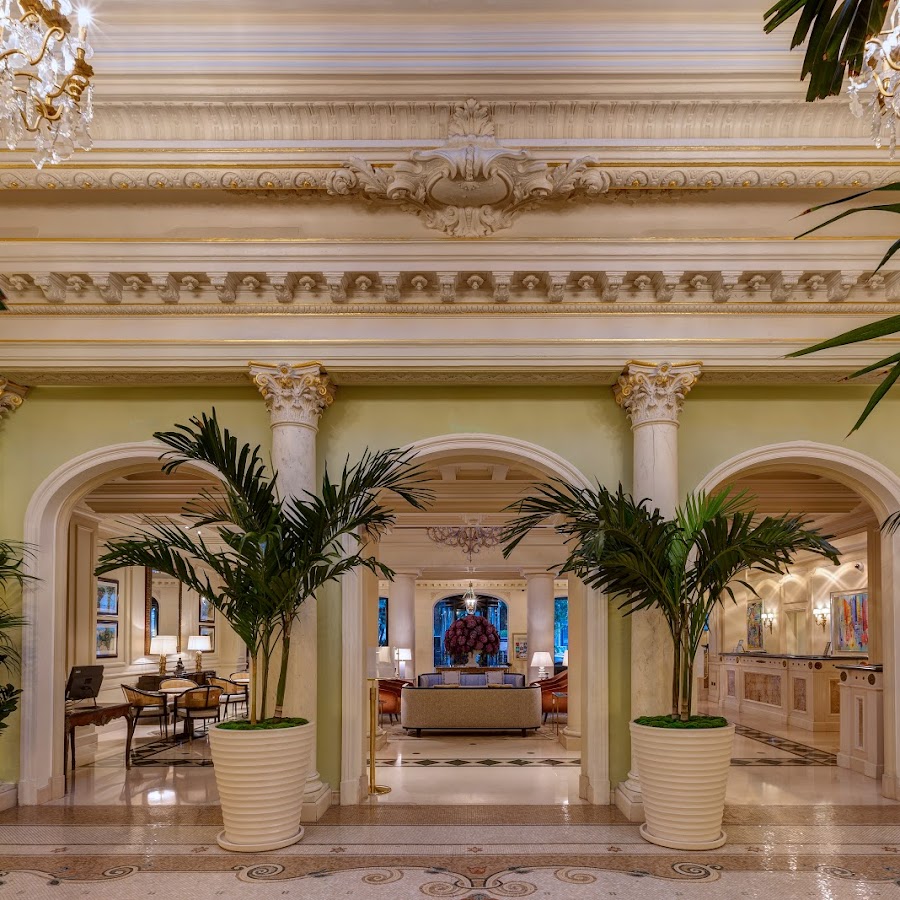
Columbus Hotel Monte-Carlo, Curio Collection by Hilton
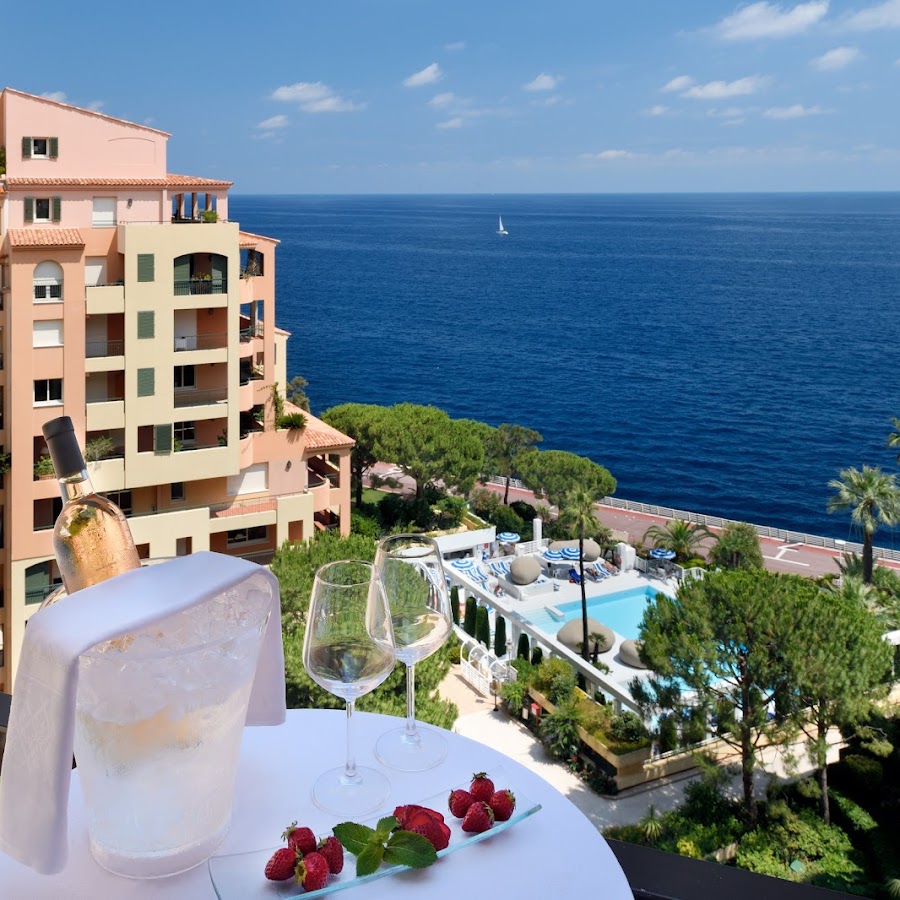
Fairmont Monte Carlo
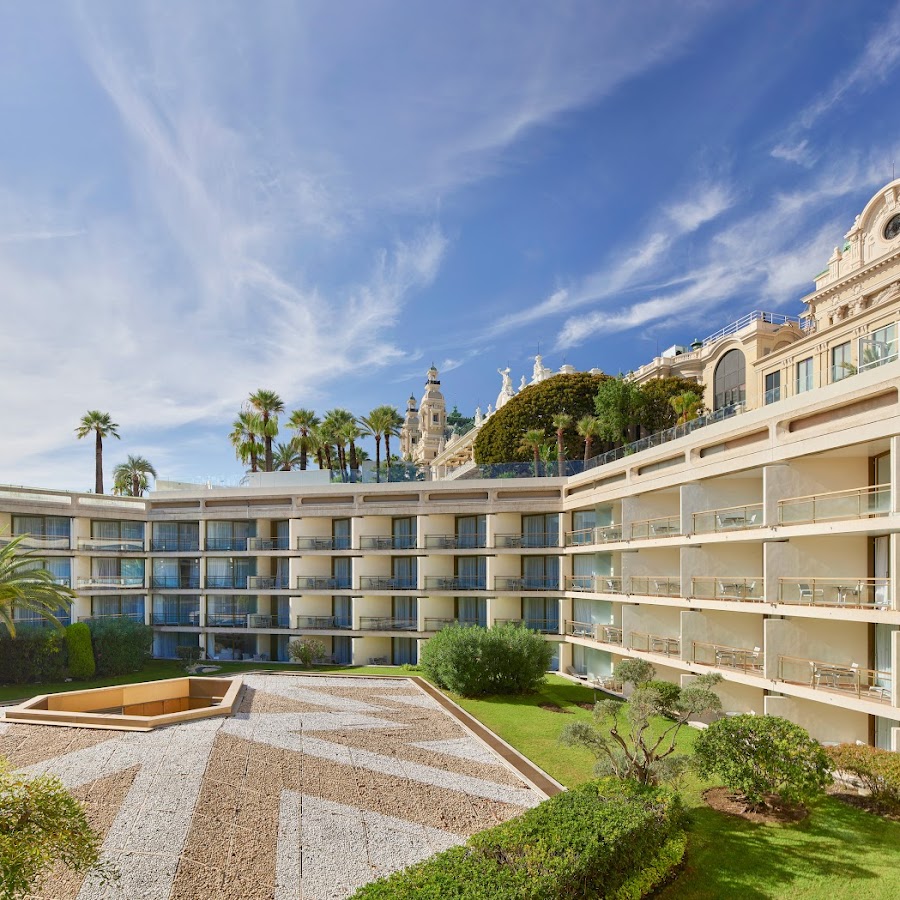
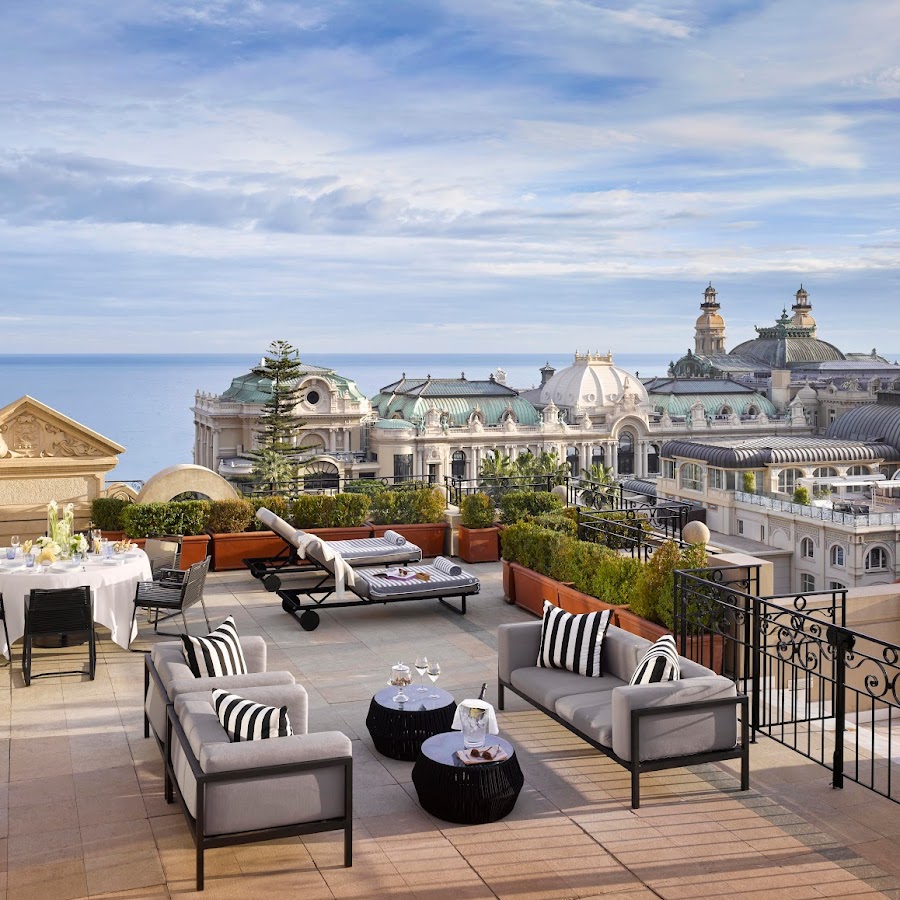
Hotel Metropole, Monte Carlo
Things to see or do in Monaco
Museums, attractions, and outdoor activities in Monaco.
Monte Carlo
Monte Carlo (/ˌmɒnti ˈkɑːrloʊ/ MON-tee KAR-loh; Italian: [ˈmonte ˈkarlo]; French: Monte-Carlo [mɔ̃te kaʁlo] or colloquially Monte-Carl [mɔ̃te kaʁl]; Monégasque: Munte Carlu, Ligurian: [ˈmuŋte ˈkaɾlu]; lit. 'Mount Charles') is an official administrative area of Monaco, specifically the ward of Monte Carlo/Spélugues, where the Monte Carlo Casino is located. Informally, the name also refers to a larger district, the Monte Carlo Quarter (corresponding to the former municipality of Monte Carlo), which besides Monte Carlo/Spélugues also includes the wards of La Rousse/Saint Roman, Larvotto/Bas Moulins and Saint Michel. The permanent population of the ward of Monte Carlo is about 3,500, while that of the quarter is about 15,000. Monaco has four traditional quarters, from west to east they are: Fontvieille (the newest), Monaco-Ville (the oldest), La Condamine, and Monte Carlo. Monte Carlo is situated on a prominent escarpment at the base of the Maritime Alps along the French Riviera. Near the quarter's western end is the "world-famous Place du Casino, the gambling center ... that has made Monte Carlo an international byword for the extravagant display and reckless dispersal of wealth". It is also the location of the Hôtel de Paris, Café de Paris and Salle Garnier (the casino theatre which is the home of the Opéra de Monte-Carlo). The quarter's eastern part includes the community of Larvotto with Monaco's only public beach, as well as its new convention center (the Grimaldi Forum), and the Monte-Carlo Bay Hotel & Resort. At the quarter's eastern border, one crosses into the French town of Beausoleil (sometimes referred to as Monte-Carlo-Supérieur), and 8 kilometres (5 mi) to its east is the western border of Italy.An official district of Monaco, famous for its luxury and

Monte Carlo Masters
An annual tennis tournament held in Monte Carlo, attracting professional players from around the world.
Rock of Monaco
The Rock of Monaco (French: Rocher de Monaco; Monégasque: Roca de Mùnegu) is a 62-metre (203 ft) tall monolith on the Mediterranean coast of the Principality of Monaco. It overlooks the Mediterranean Sea and the Port Hercules.A prominent monolith overlooking the Mediterranean Sea, offering scenic views and historical significance.

Jardin Exotique de Monaco
The Jardin Exotique de Monaco (French for "exotic garden of Monaco") is a botanical garden located on a cliffside in Monaco. The garden, which first opened in 1933, primarily features exotic succulent plants. The garden is the home to the Museum of Prehistoric Anthropology, who's exhibits include pre-historic artifacts that were excavated from the garden's grotto. The garden closed in 2020 due to the COVID-19 pandemic, and has remained closed since for renovations. The garden currently plans to open again during the summer of 2025.A botanical garden featuring exotic plants, located on a cliffside with beautiful views of the Mediterranean.

Prince's Palace of Monaco
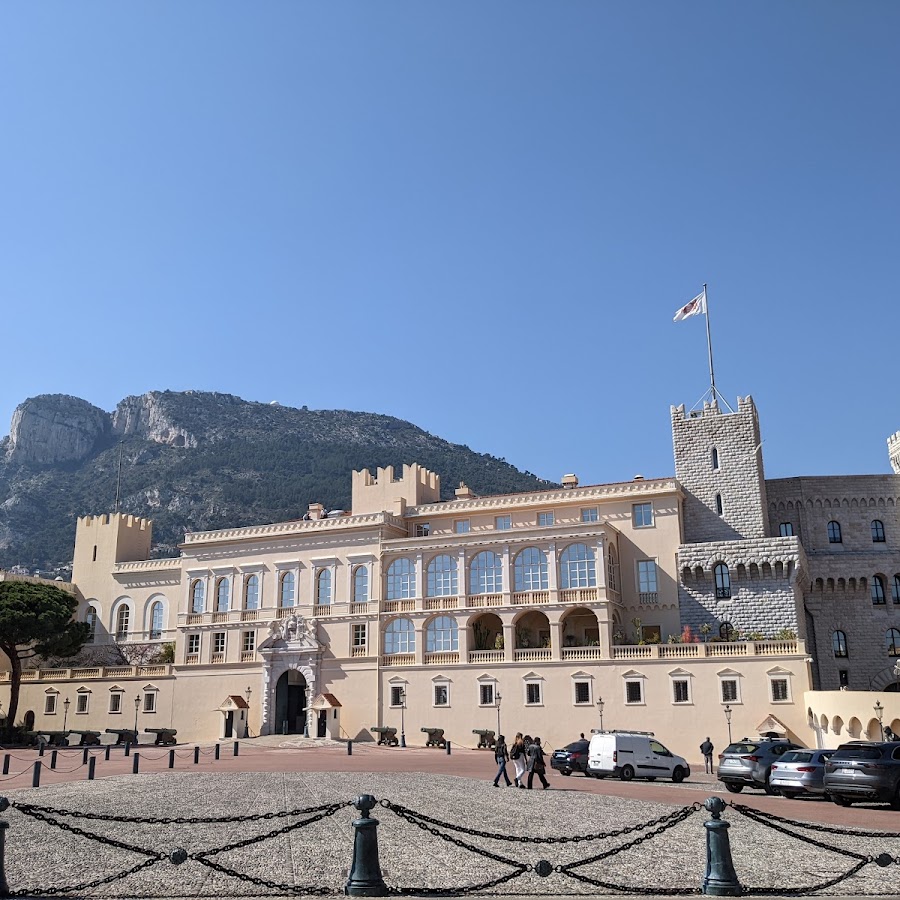
The Prince's Palace of Monaco (French: Palais princier de Monaco; Monégasque: Palaçi principescu) is the official residence of the Sovereign Prince of Monaco. Built in 1191 as a Genoese fortress, during its long and often dramatic history it has been bombarded and besieged by many foreign powers. Since the end of the 13th century, it has been the stronghold and home of the Grimaldi family who first captured it in 1297. The Grimaldi ruled the area first as feudal lords, and from the 17th century as sovereign princes, but their power was often derived from fragile agreements with their larger and stronger neighbours. Thus while other European sovereigns were building luxurious, modern Renaissance and Baroque palaces, politics and common sense demanded that the palace of the Monegasque rulers be fortified. This unique requirement, at such a late stage in history, has made the palace at Monaco one of the most unusual in Europe. Indeed, when its fortifications were finally relaxed during the late 18th century, it was seized by the French and stripped of its treasures, and fell into decline, while the Grimaldi were exiled for over 20 years. The Grimaldis' occupation of their palace is also unusual because, unlike other European ruling families, the absence of alternative palaces and land shortages have resulted in their use of the same residence for more than seven centuries. Thus, their fortunes and politics are directly reflected in the evolution of the palace. Whereas the Romanovs, Bourbons, and Habsburgs could, and frequently did, build completely new palaces, the most the Grimaldi could achieve when enjoying good fortune, or desirous of change, was to build a new tower or wing, or, as they did more frequently, rebuild an existing part of the palace. Thus, the Prince's Palace reflects the history not only of Monaco, but of the family which in 1997 celebrated 700 years of rule from the same palace. During the 19th and early 20th centuries, the palace and its owners became symbols of the slightly risqué glamour and decadence that were associated with Monte Carlo and the French Riviera. Glamour and theatricality became reality when the American film star Grace Kelly became the chatelaine of the palace in 1956. In the 21st century, the palace remains the residence of the current Prince of Monaco.The official residence of the Sovereign Prince, built in 1191, offering stunning views and historical significance.

Monte Carlo Casino
The Monte Carlo Casino, officially named Casino de Monte-Carlo, is a gambling and entertainment complex located in Monaco. It includes a casino, the Opéra de Monte-Carlo, and the office of Les Ballets de Monte-Carlo. The Casino de Monte-Carlo is owned and operated by the Société des Bains de Mer (SBM), a public company in which the government of Monaco and the ruling princely family have a majority interest. The company also owns the principal hotels, sports clubs, foodservice establishments, and nightclubs throughout the Principality. Citizens of Monaco are forbidden to enter the gaming rooms of the casino. The rule banning all Monégasques from gambling or working at the casino was an initiative of Princess Caroline, the de facto regent of Monaco, who amended the rules on moral grounds. The idea that the casino was intended only for foreigners was even emphasized in the name of the company that was formed to operate the gambling business, the Société des Bains de Mer et du Cercle des Etrangers (English: Company of Sea Baths and of the Circle of Foreigners).A famous gambling and entertainment complex that includes a casino and the Opéra de Monte-Carlo.

Car Collection of Rainier III, Prince of Monaco
The Exhibition of HSH The Prince of Monaco's Car Collection is an automobile museum in the La Condamine district of Monaco. The museum exhibits the personal car collection of Prince Rainier III of Monaco, which he assembled of a period of thirty years.An automobile museum exhibiting the personal car collection of Prince Rainier III.

Museum of Prehistoric Anthropology
The Museum of Prehistoric Anthropology (French: Musée d'anthropologie préhistorique de Monaco; Monegasque: Müseu d’Antrupulugia Preisto̍rica de Mu̍negu) is located within the Jardin Exotique de Monaco. It was opened in 1902 and contains a collection of fossils and other excavated artifacts relating to the prehistory of Monaco and areas nearby. The museum is home to the mummy of an Egyptian woman named Merit who died around 300BC.Located within the Jardin Exotique, this museum contains a collection of prehistoric artifacts.

New National Museum of Monaco
The New National Museum of Monaco (NMNM), formerly Musée National de Monaco (French: Nouveau Musée National de Monaco (NMNM), Musée National de Monaco), is a museum of contemporary visual art in Monaco. It is situated in two locations, the Villa Sauber and the Villa Paloma. The museum began organizing temporary exhibitions at Villa Paloma in 2010. The venues display two exhibitions annually. Exhibitions at the museum have included retrospectives of Erik Bulatov and Yinka Shonibare; "Monacopolis" – depictions of architecture, town planning and urbanisation in Monaco; "Artifices instables – stories of ceramics", from September 2020 through January 2021; and, in 2022, "Newton, Riviera", a photo exhibition in homage to Helmut Newton was followed by an installation to spotlight artist and designer Christian Bérard. NMNM holds an extensive collection of works relating to painter Kees van Dongen.A museum of contemporary visual art situated in two locations, showcasing modern artistic expressions.

Museum of Stamps and Coins
The Museum of Stamps and Coins is located in the Fontvieille section of Monaco. It tells the postal history of the principality, and contains a display of Monegasque money dating to 1640.Located in Fontvieille, this museum tells the postal history of the principality and displays Monegasque money dating back to 1640.
 en.wikipedia.org
Beausoleil, Alpes-Maritimes
Beausoleil (French: [bosɔlɛj]; Occitan: Bèusoleu [ˌbɛwsuˈlew]; lit. 'Beautiful Sun') is a commune in the Alpes-Maritimes department in the Provence-Alpes-Côte d'Azur region in Southeastern France. It adjoins the Principality of Monaco to its south. The commune of Beausoleil was established in 1904; it was supposed to be named Monte-Carlo Supérieur (French: [mɔ̃t kaʁlɔ sypeʁjœʁ]; lit. 'Upper Monte Carlo') for a time but the idea was abandoned after protests from Monégasque authorities.A commune in the Alpes-Maritimes department, adjacent to Monaco, known for its beautiful views and proximity to the city-state.

Oceanographic Museum of Monaco
The Oceanographic Museum (French: Musée océanographique), is a museum of marine sciences in Monaco City, Monaco. This building is part of the Institut océanographique, which is committed to sharing its knowledge of the oceans.The Oceanographic Museum is a museum of marine sciences in Monaco City, committed to sharing knowledge of the oceans.
 en.wikipedia.org
Royal Palace of Monaco
The Royal Palace, also known as the Prince's Palace, is the official residence of the Sovereign Prince of Monaco. It is located in Monaco-Ville and offers stunning views of the city and the Mediterranean Sea.
Restaurants in Monaco
Top dining options in Monaco.
Monte-Carlo Beach
43°45′06″N 7°26′38″E / 43.751683°N 7.443847°E / 43.751683; 7.443847 The Monte-Carlo Beach is a resort hotel located in Roquebrune-Cap-Martin, a commune in the Alpes-Maritimes department of southeastern France. Situated on the Côte d'Azur, just east of Monaco, the hotel belongs to the Société des Bains de Mer (SBM). It was built in 1929 by the architect Roger Seassal and was redesigned in 2009 by India Mahdavi.A resort hotel with a restaurant located on the Côte d'Azur, offering a beautiful seaside

Café de Paris (Monaco)
Café de Paris is a coffeehouse and restaurant in the Belle Époque style of the early 20th century, located in Monte Carlo next to the Casino de Monte-Carlo, on the Place du Casino, Hôtel de Paris. It is owned and managed by the Société des bains de mer de Monaco.A coffeehouse and restaurant in Belle Époque style, located next to the Casino de Monte-Carlo, known for its vibrant atmosphere.

Le Louis XV (restaurant)
Le Louis XV - Alain Ducasse à l'Hôtel de Paris is a French restaurant in Monte Carlo, Monaco. Run by the chef Alain Ducasse, it holds three Michelin stars. It has appeared in lists of the world's top restaurants.A three Michelin-starred French restaurant in Monte Carlo, run by chef Alain Ducasse, known for its exquisite cuisine.
 en.wikipedia.org
Beach Clubs in Monaco
Popular beach clubs in Monaco.
Le Méridien Beach Plaza
A beach club offering a private beach, pool, and dining options, located in the heart of Monaco.