Luxembourg 270+ Places to Stay and Adventures
Luxembourg is a country in the heart of Europe where the distances are short, and the impressions are great. Luxembourg City is a cosmopolitan, laid-back capital ideal for experiencing culture, history, and a quality way of life in beautiful surroundings. Once one of Europe’s mightiest fortresses, the ruins around which the modern capital is built offer a fascinating glimpse into its past: stroll around the UNESCO old town and delve into the Casemates, a maze of crisscrossing underground galleries carved into the enormous rock. The free nationwide public transport network invites visitors to easily discover the country’s capital and its five regions beyond. From Guttland, the garden of the capital to the red landscapes of the industrial south, to the peaceful, tree-lined Upper-Sûre Lake in the north. Going east, to the rocky cliffs and waterfalls of the Mullerthal lead down to the rows of vineyards stretching along the Moselle River along to the iconic wine village Schengen. Discover the only Grand Duchy in the world for yourself!
Where to Stay in Luxembourg?
Hotels, B&B's...
Konsdreffer Millen
Hostellerie Val Fleuri
Airfield Living
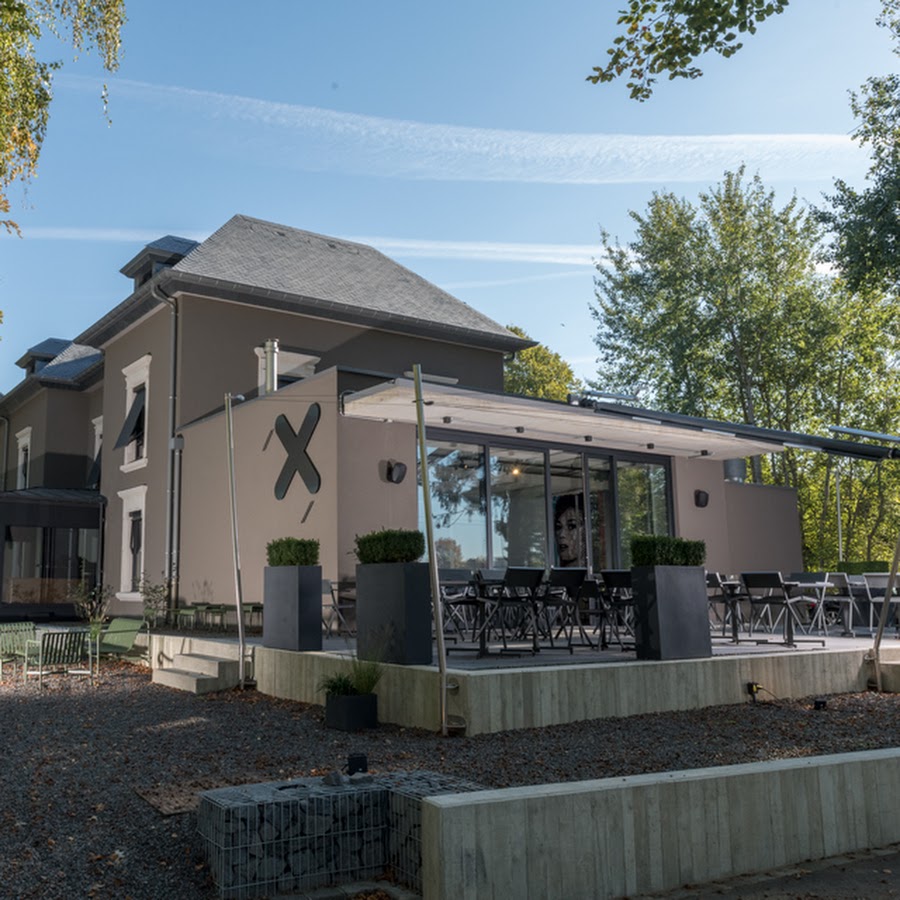
Windsor SCI Hotel
Hôtel Dolce Vita
Camping Kautenbach
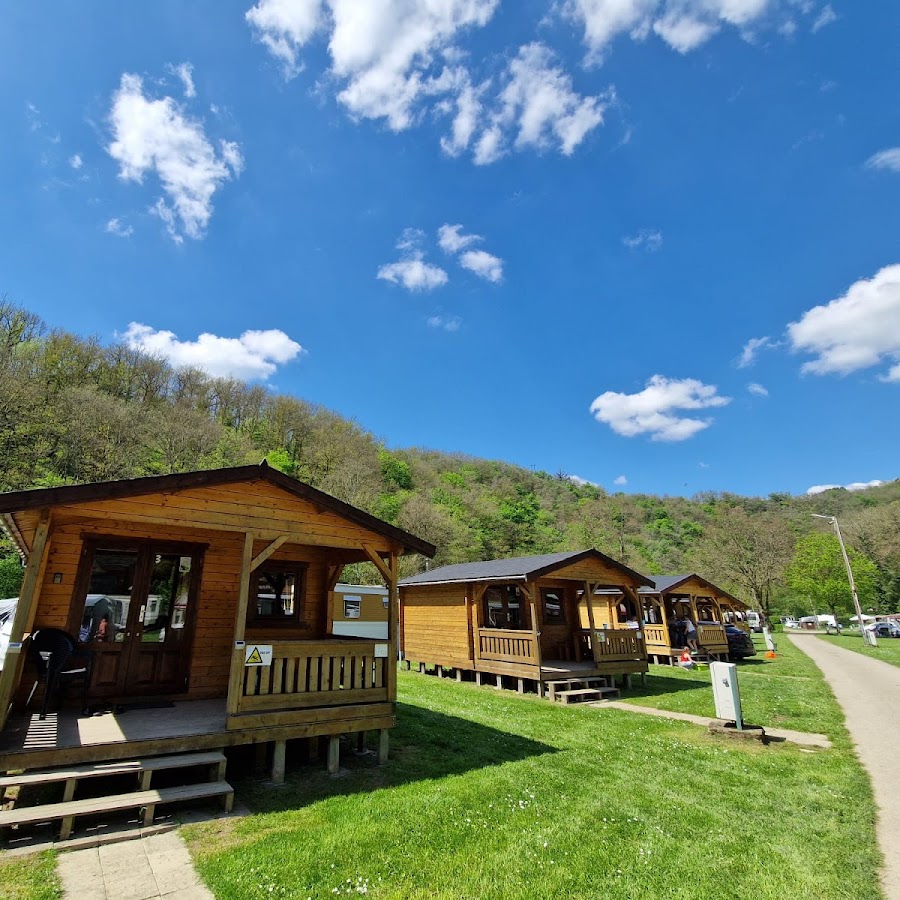
Camping Wies-Neu Luxembourg
FKK Camping de Reenert
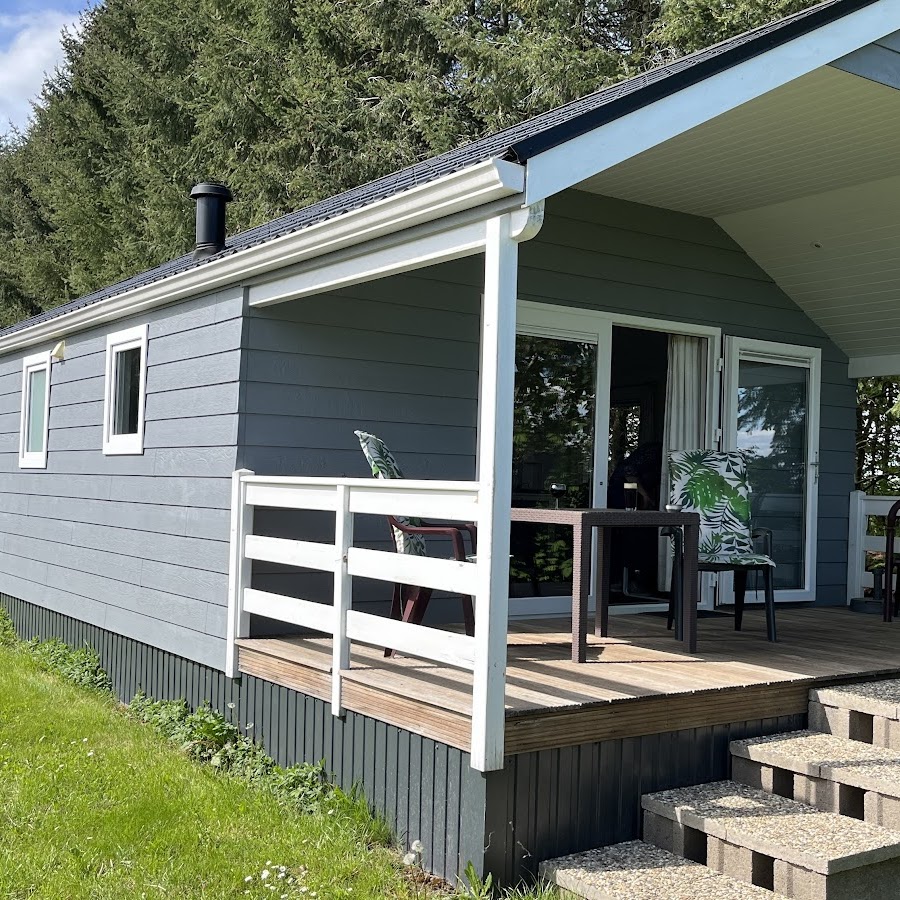
Bourscheid
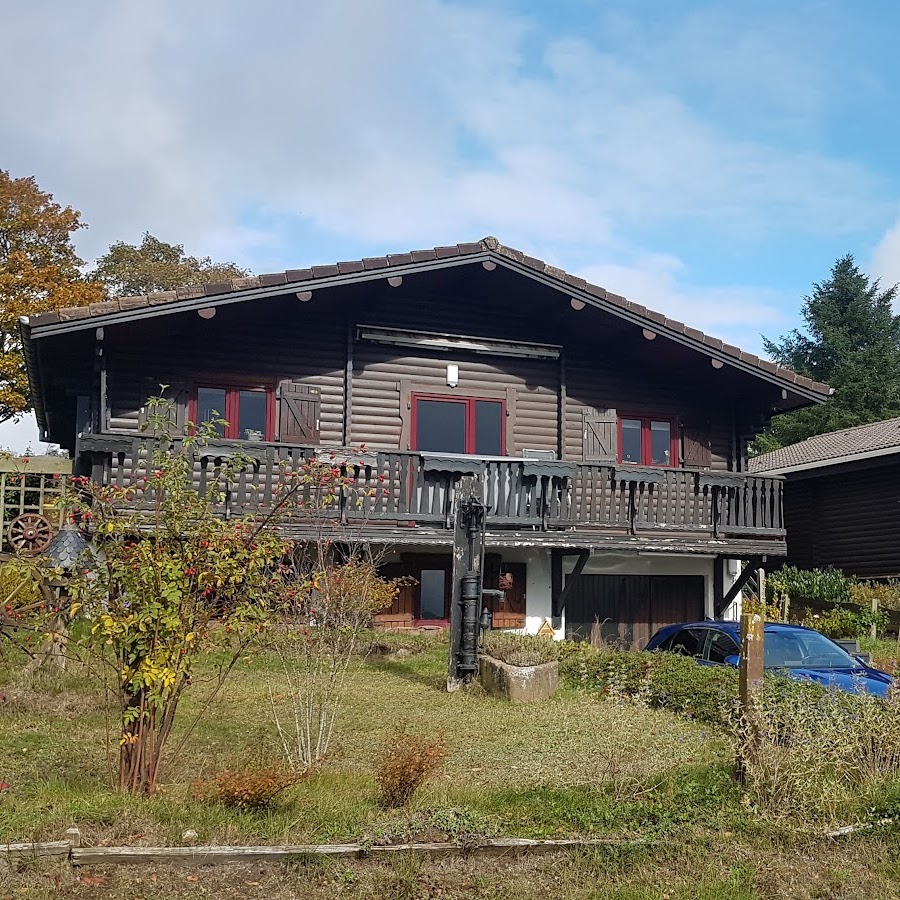
Hôtel-Restaurant Camille Leweck
Camping Kohnenhof
Chalets Petry
Campground 19 Fox
Camp 21 Marmotte
Hotel KEUP
Camping Trois Frontières
Camping Um Bierg
Logis Hotel Gourmet & Relax de la Sure Rest. Comte Godefroy
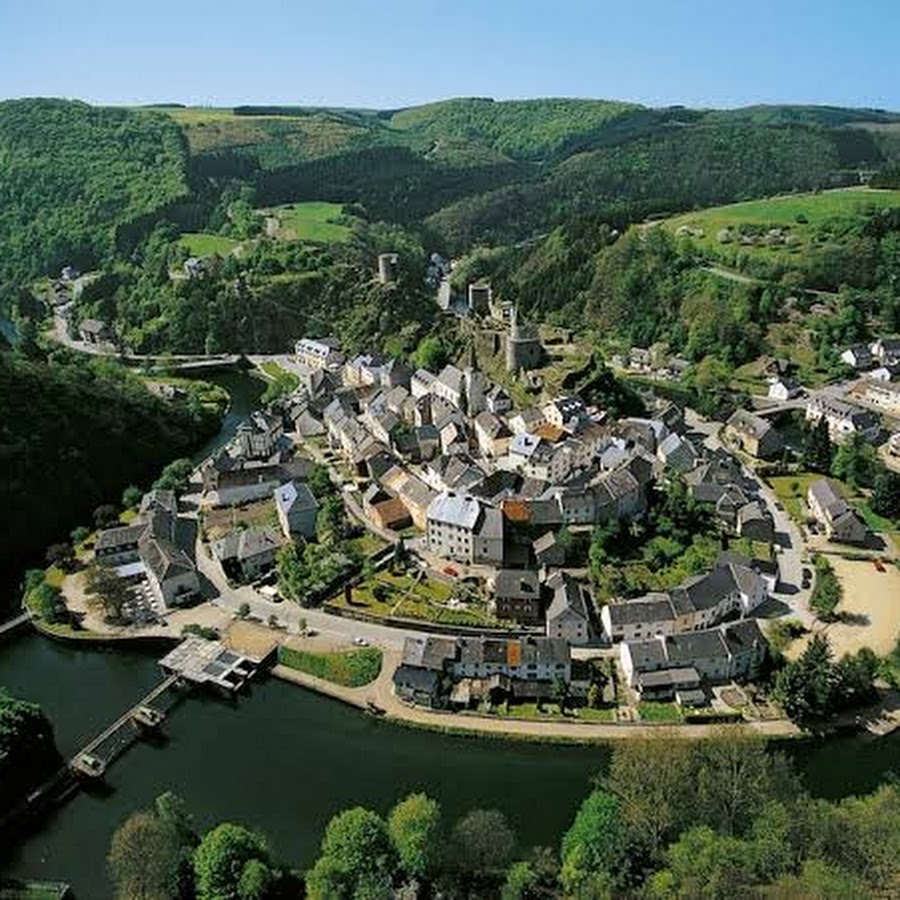
Camping Léifreg
Hotel Wemperhardt
Anatura Hotel Luxembourg
Camping Kaul
Domaine du Moulin d'Asselborn Sàrl
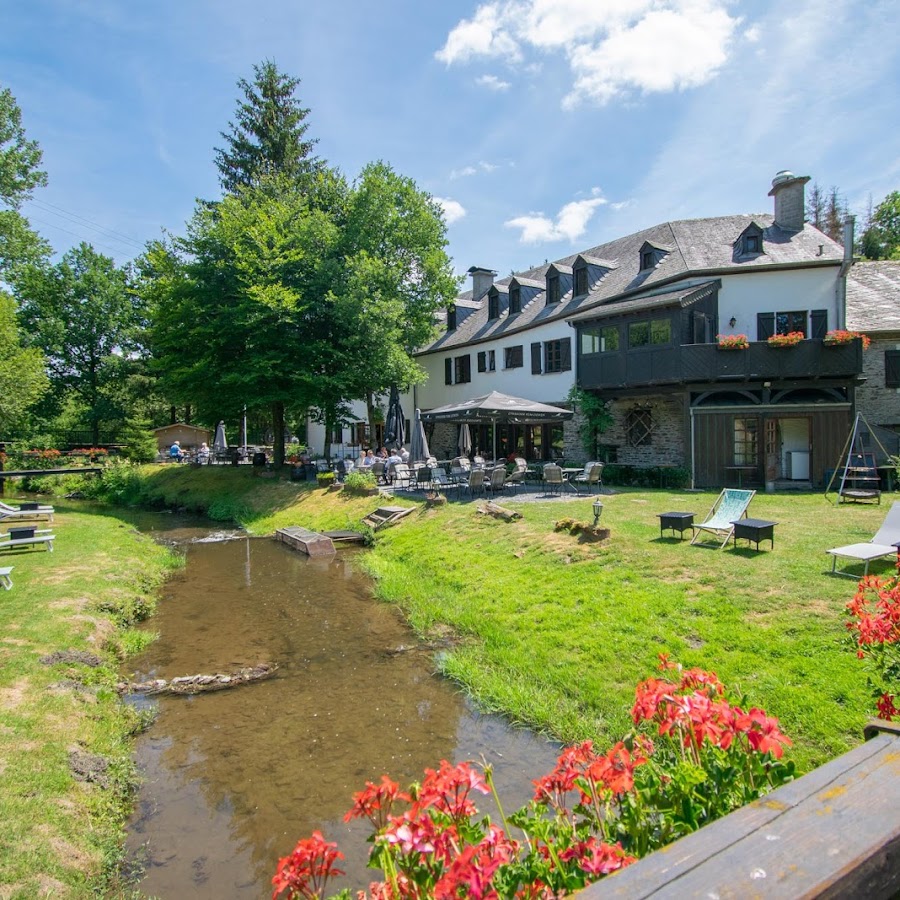
Camping du Barrage, Rosport
Camp Scout FNEL Echternach
Le petit Poete
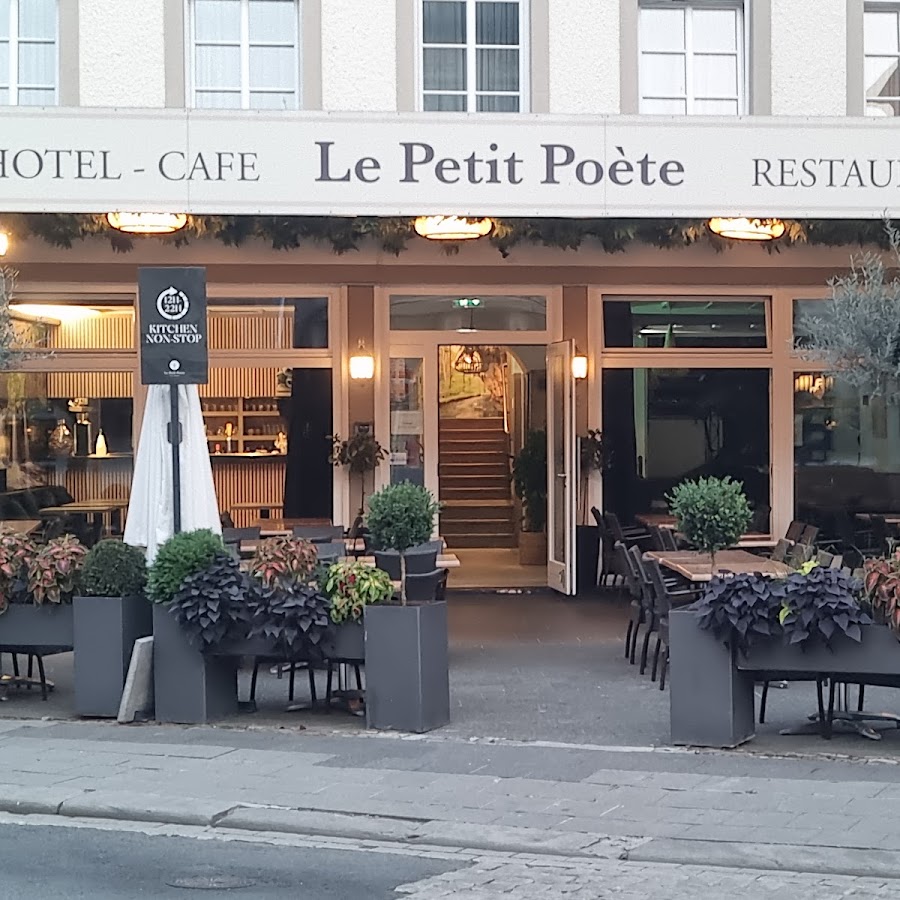
Le Pavillon
Youth Hostel Echternach
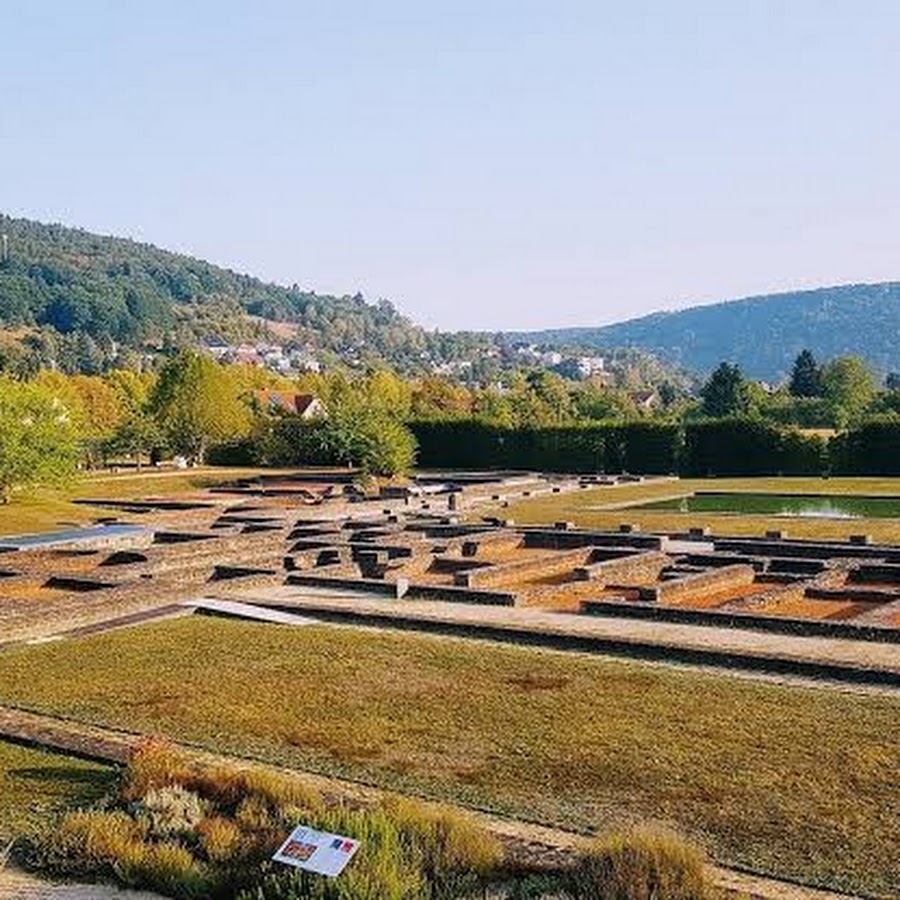
Hôtel - Restaurant Miazia
Trail-Inn Natur & Sporthotel
Hôtel-Restaurant Gruber
Voya Residences - Zenit Royal Hotel Luxembourg
Camping Woltzdal
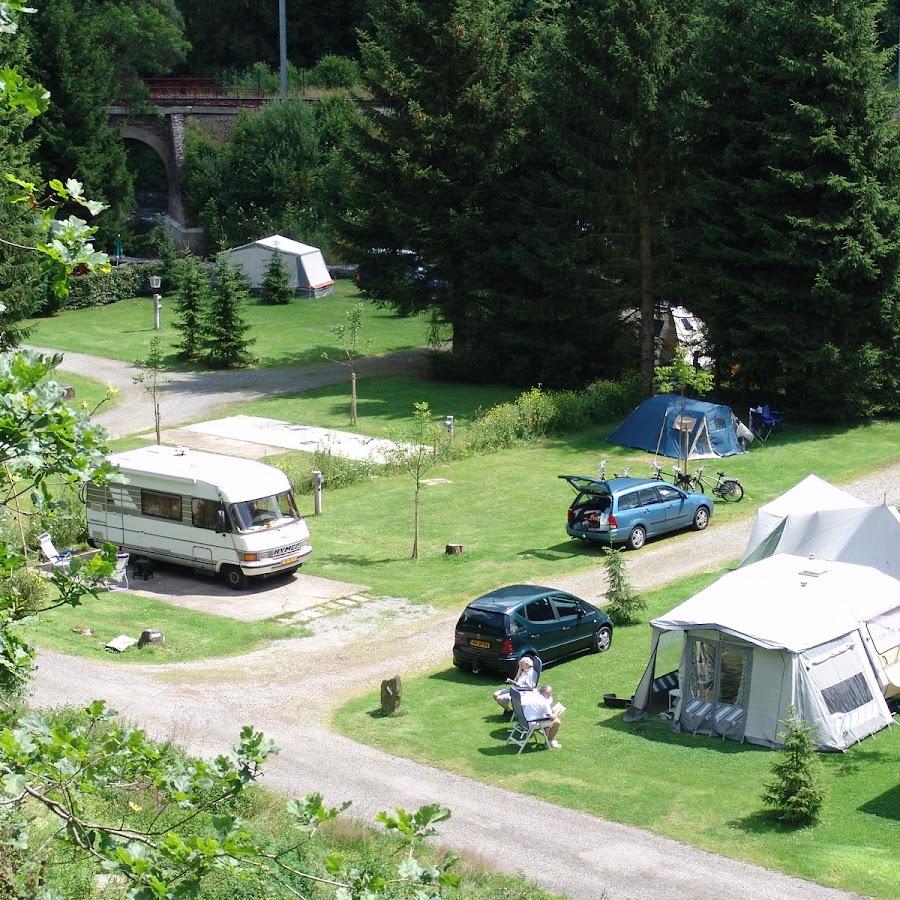
Hôtel - Restaurant Kinnen Sàrl
Camp Aigle
Camping Simmerschmelz
Camping Belle-Vue 2000
Camping An der Hô
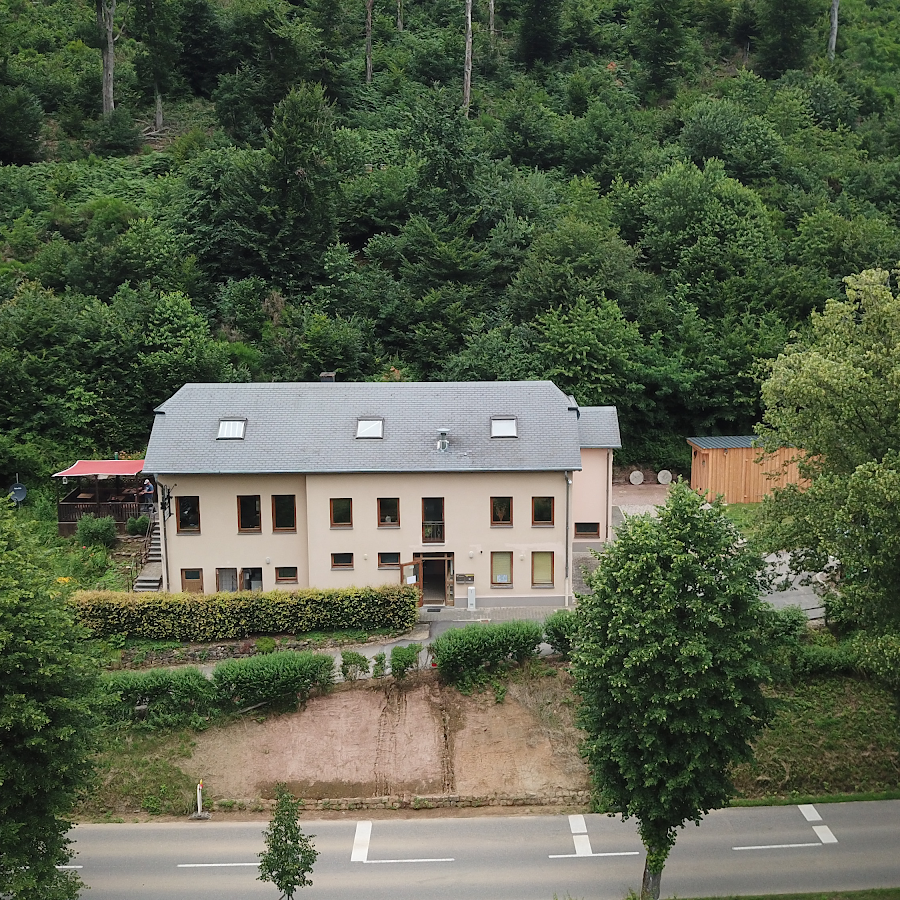
Relais Louvigny
Hôtel-Restaurant Lamy
L'escale Grecque (du bon accueil)
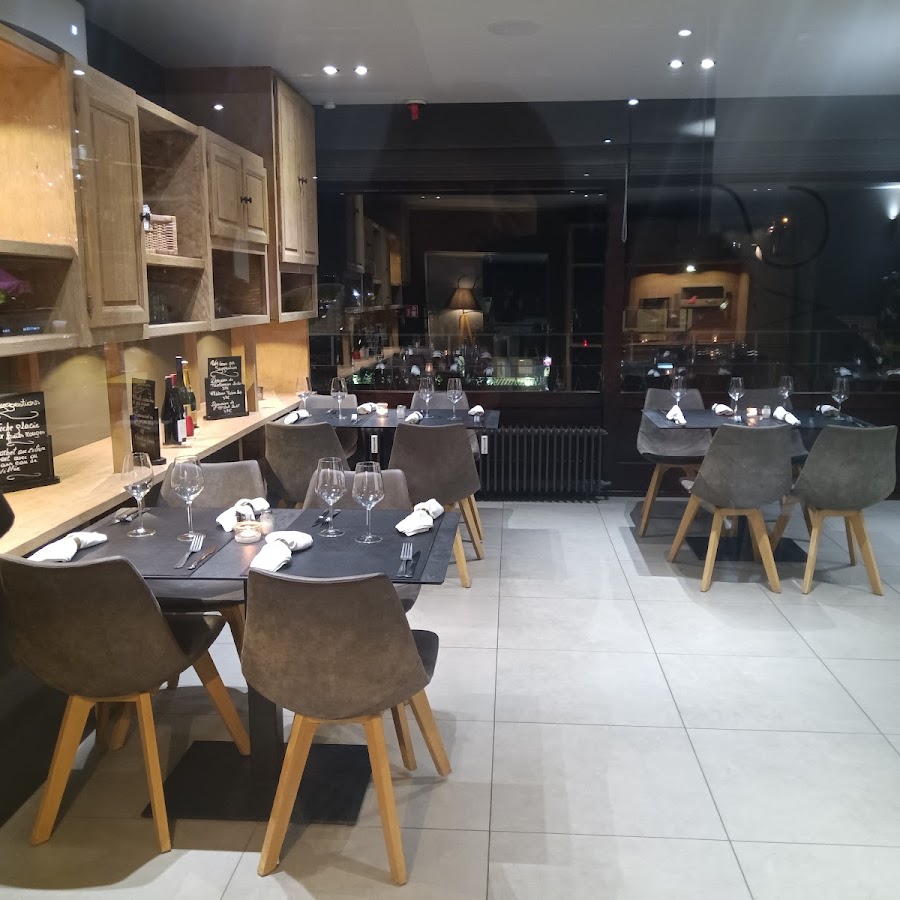
Restaurant-Hôtel Au Vieux Moulin
GRAACE HOTEL
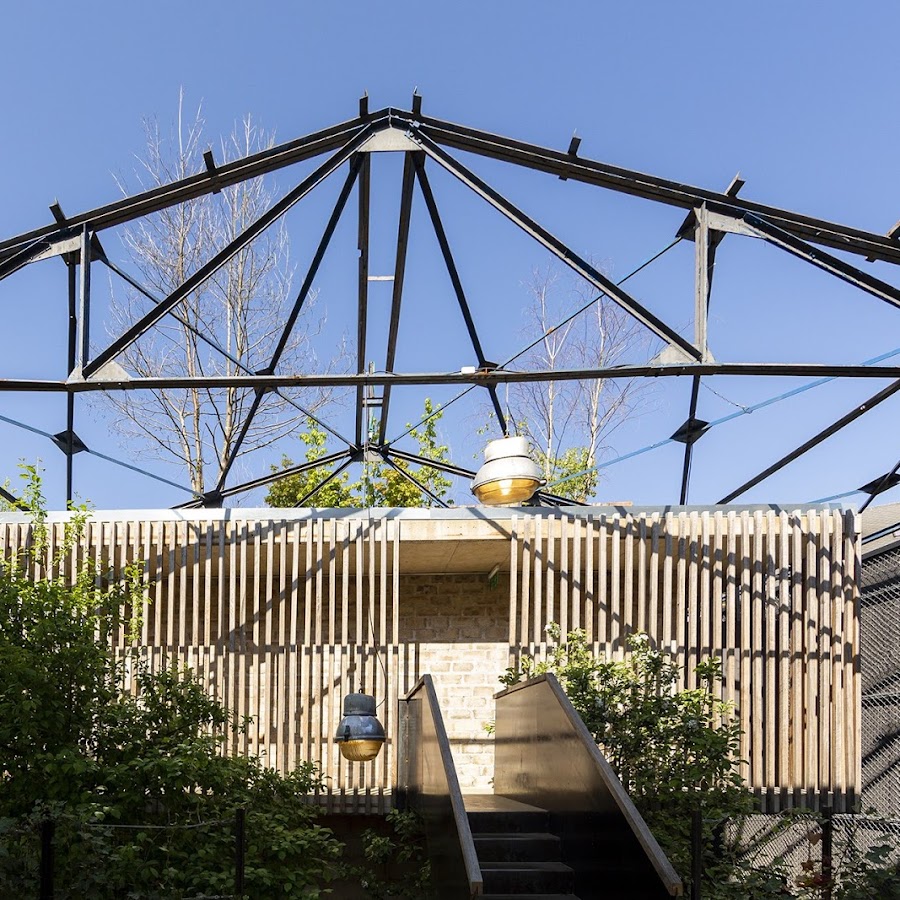
Luxuriöses Familienferienhaus mit Wellness - Belvilla by Oyo
Scouts St Sébastien Wiltz
Restaurant Gulliver
Hôtel des Ducs
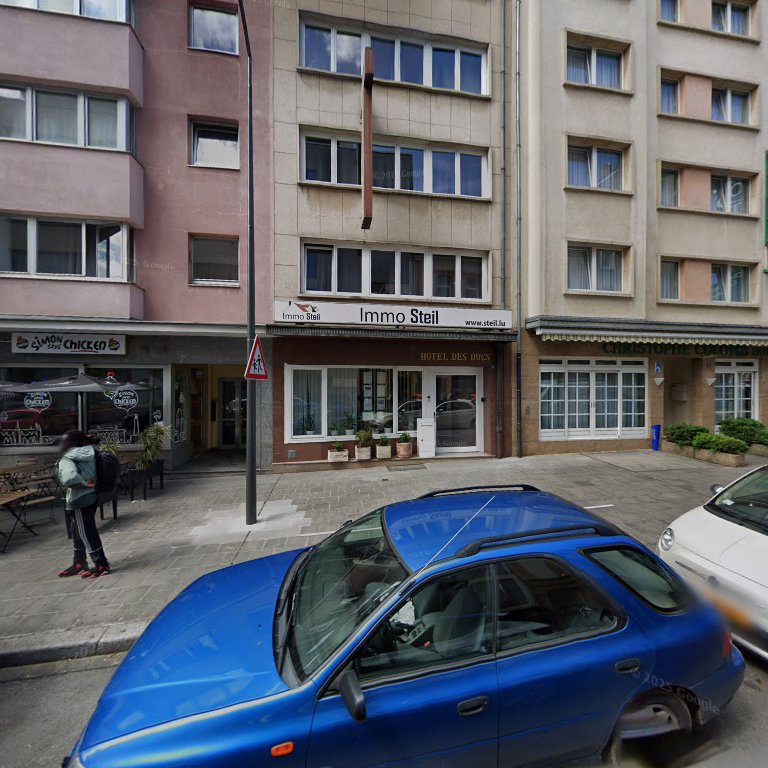
Le Rodbar
Auberge - Restaurant Weidendall
Restaurant-Pizzeria-Auberge La Véranda
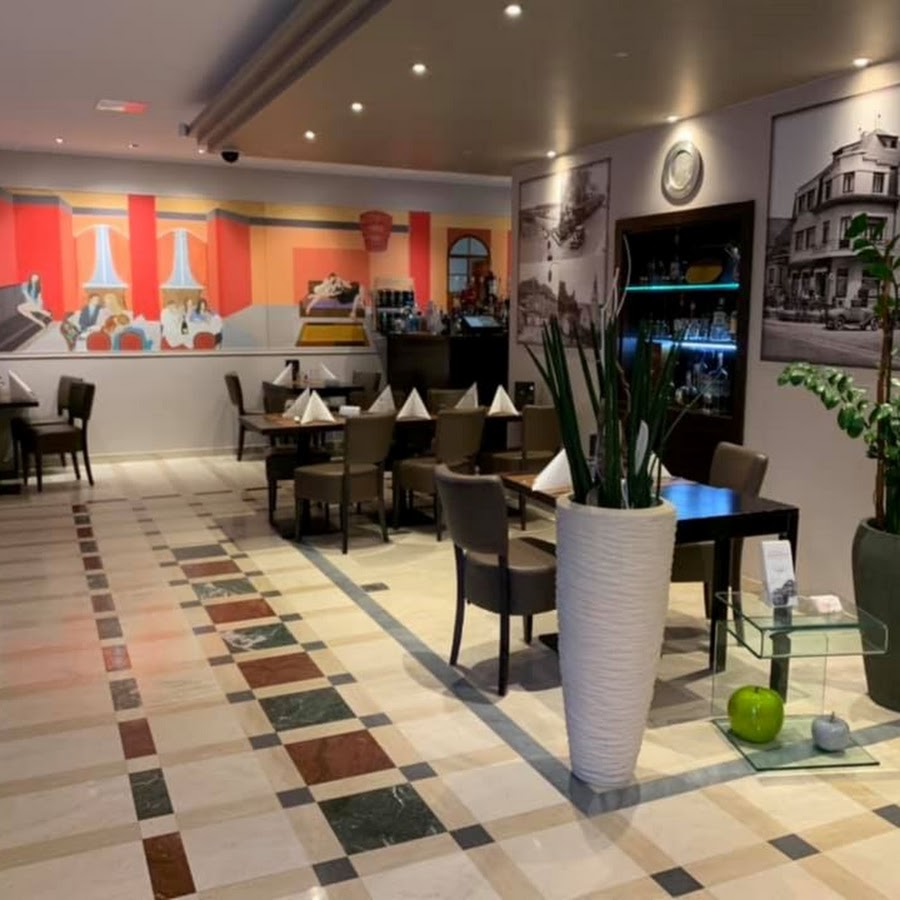
Hotel L'Empire
Hôtel Topaz Sàrl
Hôtel Cornelyshaff
Hotel Jacoby
Camp 20 Castor
Hôtel Stand'Inn
Olivier Hôtel Restaurant
Le Postillon Hôtel-Restaurant - Esch-sur-Sûre
Camping Bissen
REIFF Hôtel-Restaurant
Berdorfer Eck
Camping "Im Aal"
Le Presbytere
FOUR STARS - MG Hotels
Aux Tanneries de Wiltz - Hotel & Restaurant
CityStudios
BIVIUS Restaurant Hotel*** WineShop
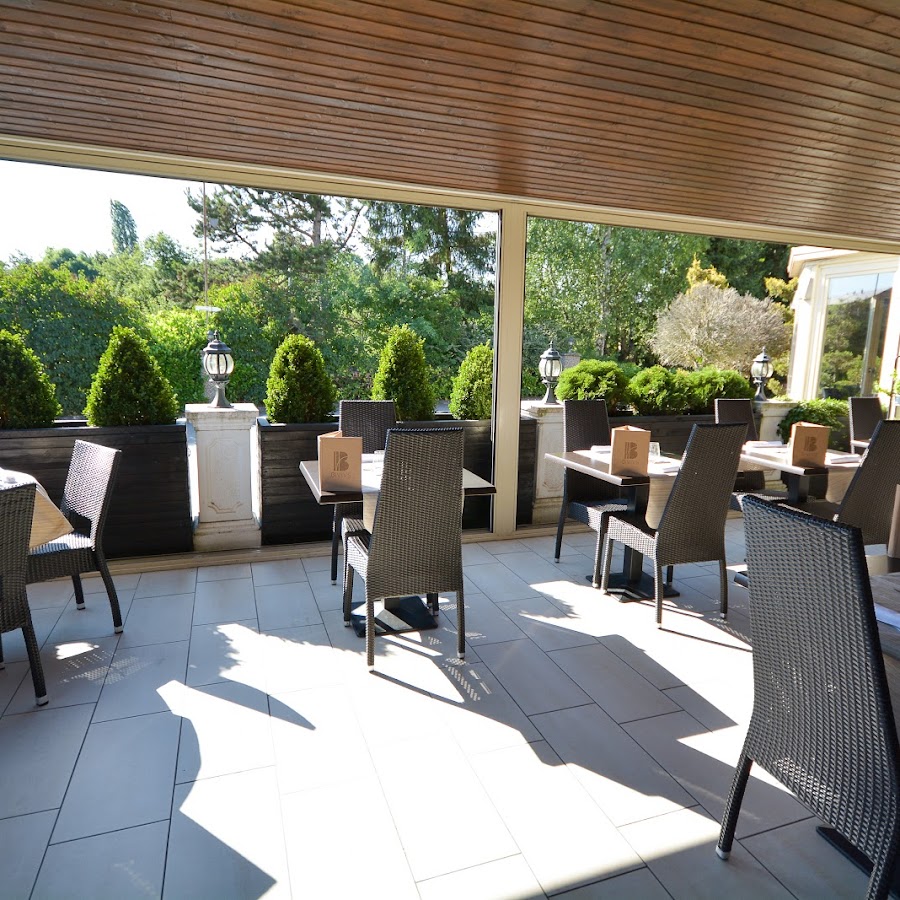
Hostellerie Stafelter S.A.
Hotel Pérékop
Auberge Gaglioti
Camping Kockelscheuer
Hôtel Restaurant Beim Schlass
Camping Troisvierges
The Fënnef Homestay
Auberge du Lac
Archibald De Prince - Table & Chambres
Camping Gaalgebierg
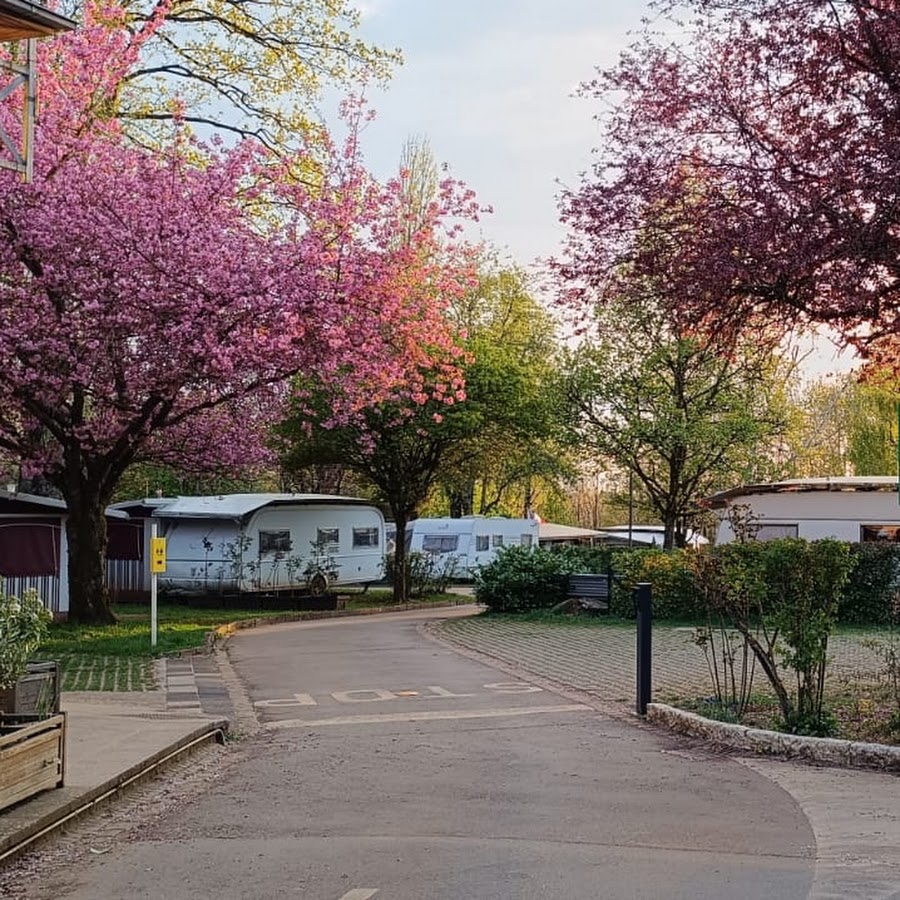
Vistay apartments
Le Postillon - Echternach
De Klenge Casino
Key Inn Apart-Hôtels - Parc de Merl
City Hôtel
Motel Drive-In
Skol - L'Original
Hôtel le Châtelet
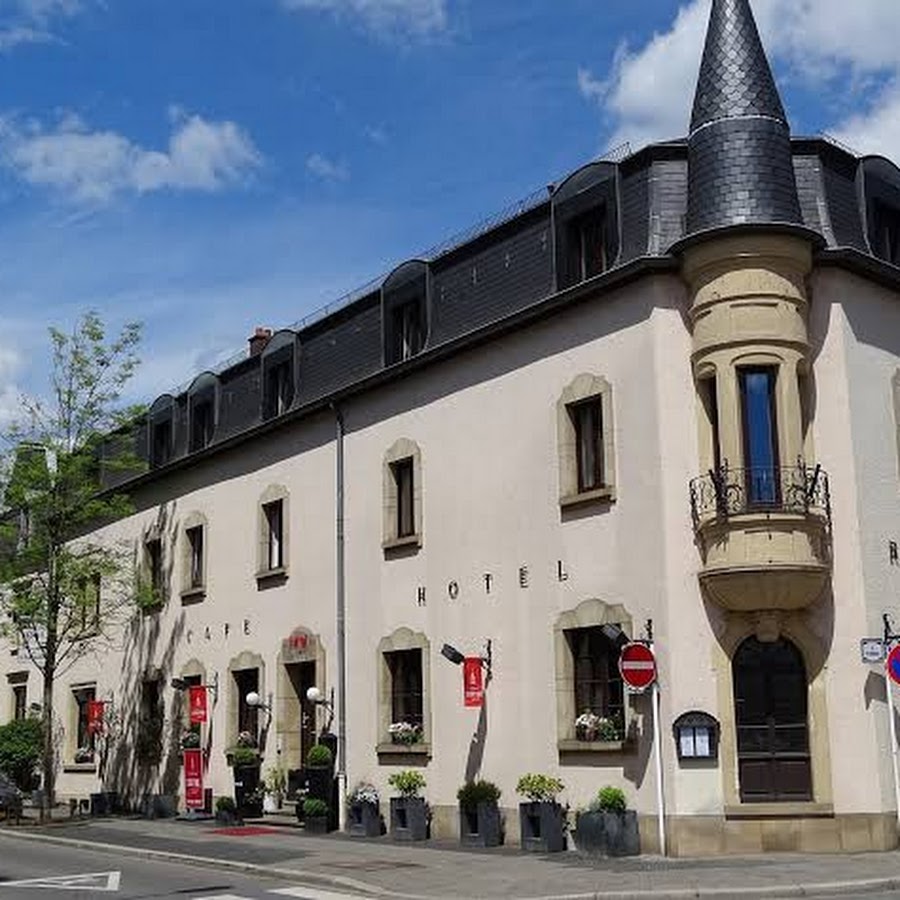
APPART-HÔTEL MARCO POLO
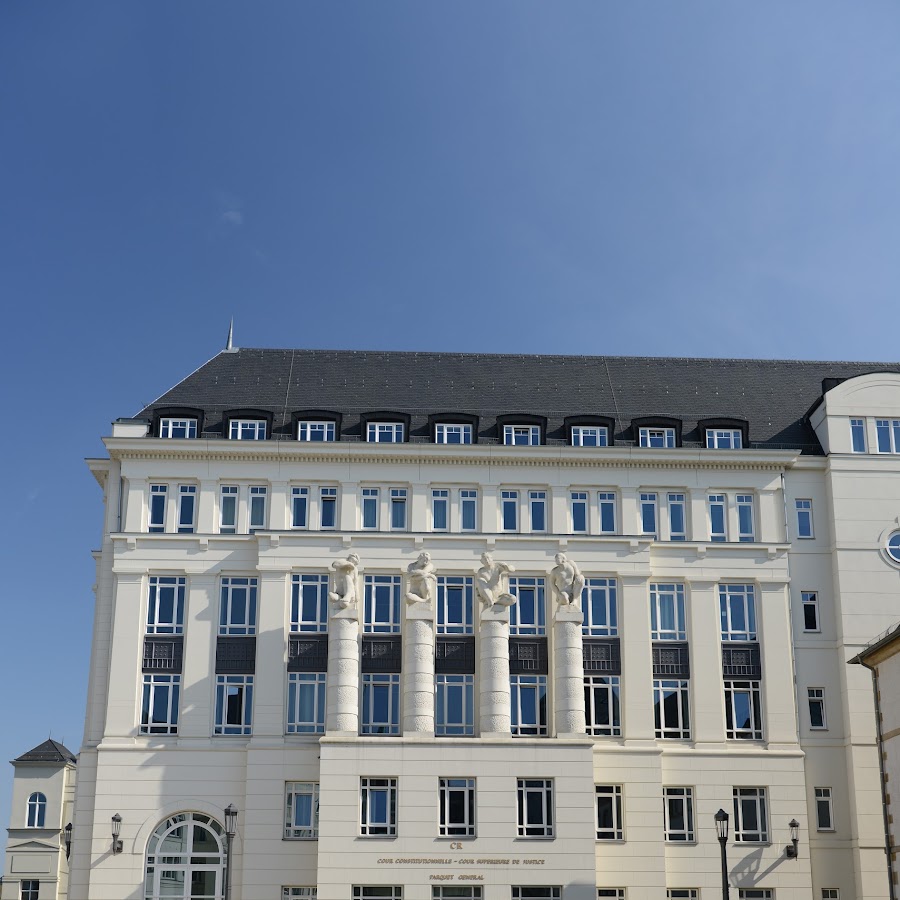
Yasha Hotel
Villa Carlotta
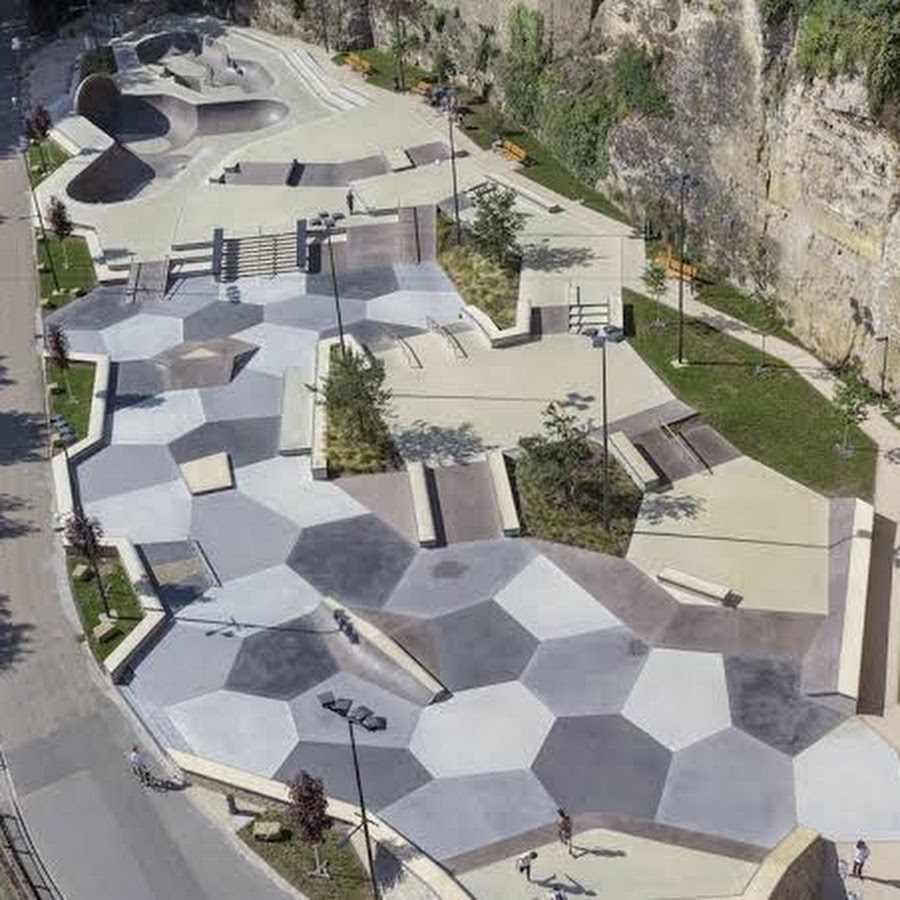
Hotel Vauban
Green & Breakfast
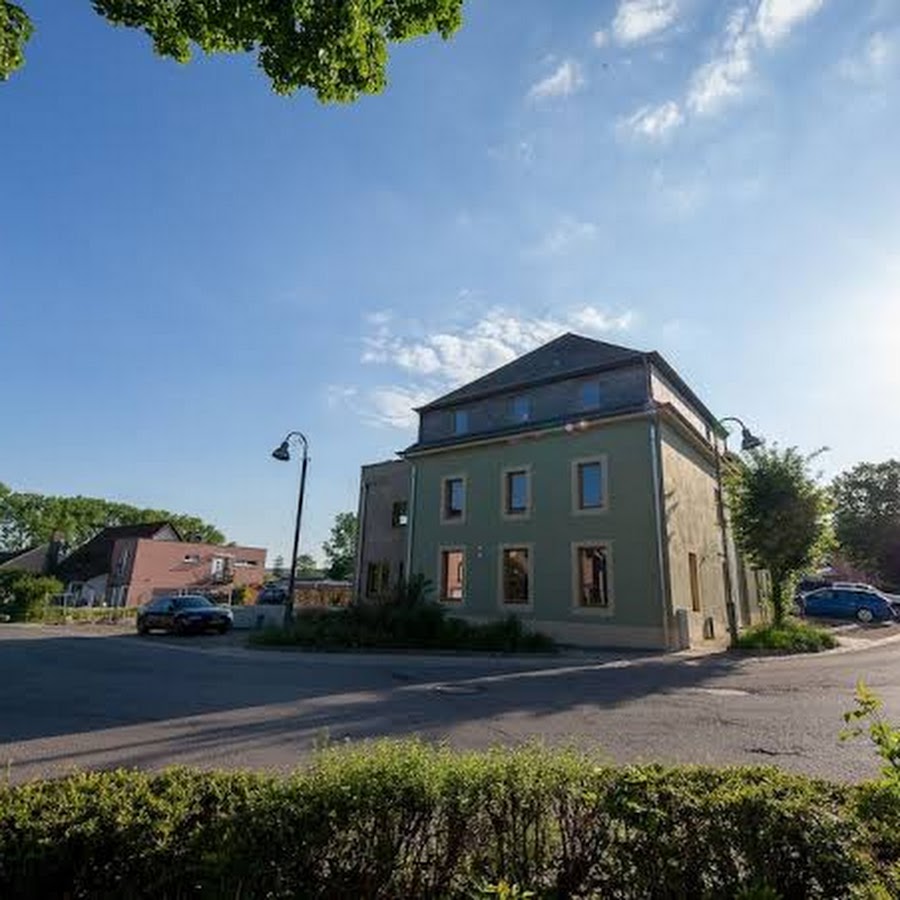
Hotel Christophe Colomb
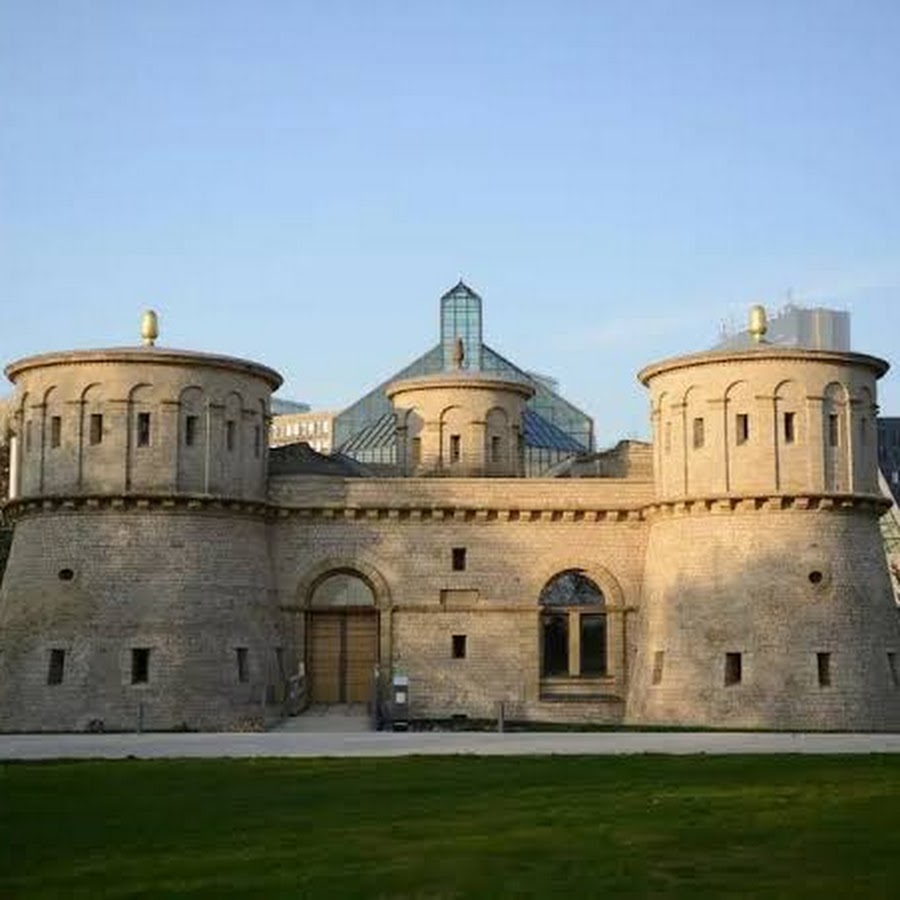
Youth Hostel Lultzhausen
Isabelle's Rosegarden
Hôtel-Restaurant Dao
Roomeo Nights
Eden Au Lac
Villa Pétrusse
AU P'TIT MAX - KIRCHBERG
Bed & Breakfast Pommerloch
Youth Hostel
Hotel Simoncini
Camping Officiel Wollefsschlucht
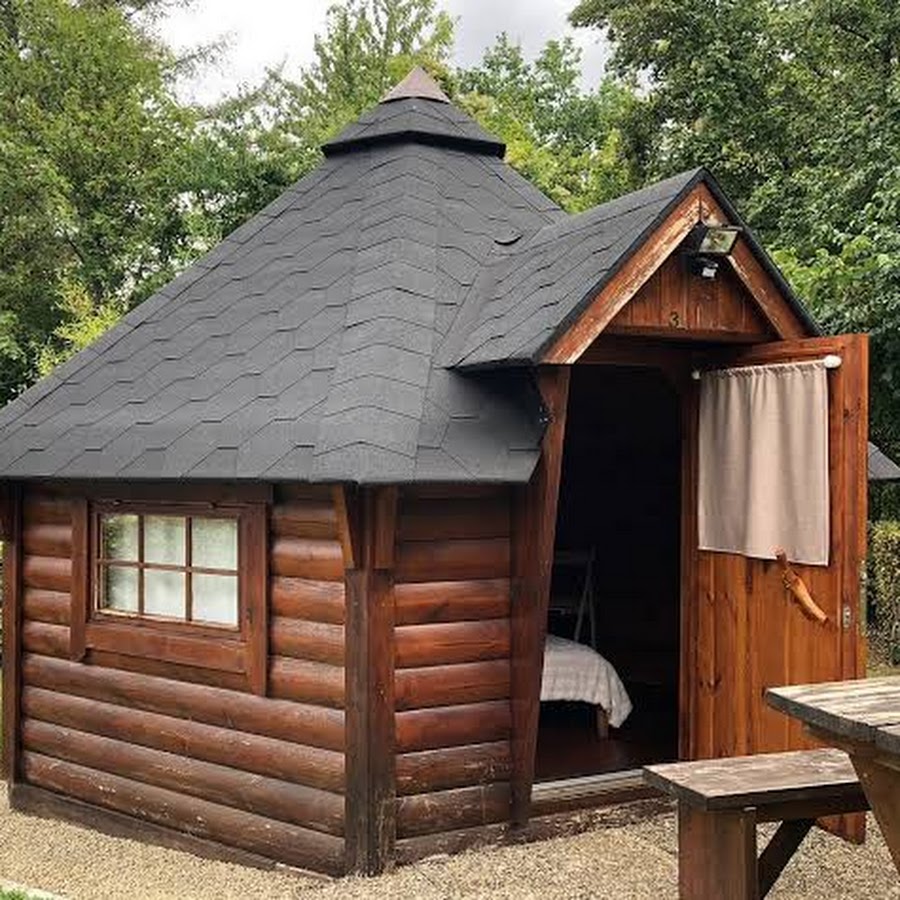
Hotel Zurich
Hazelnut House
Hôtel Pommerloch Sàrl
KEY INN Appart'Hôtel Limpertsberg
HÔTEL JJ32
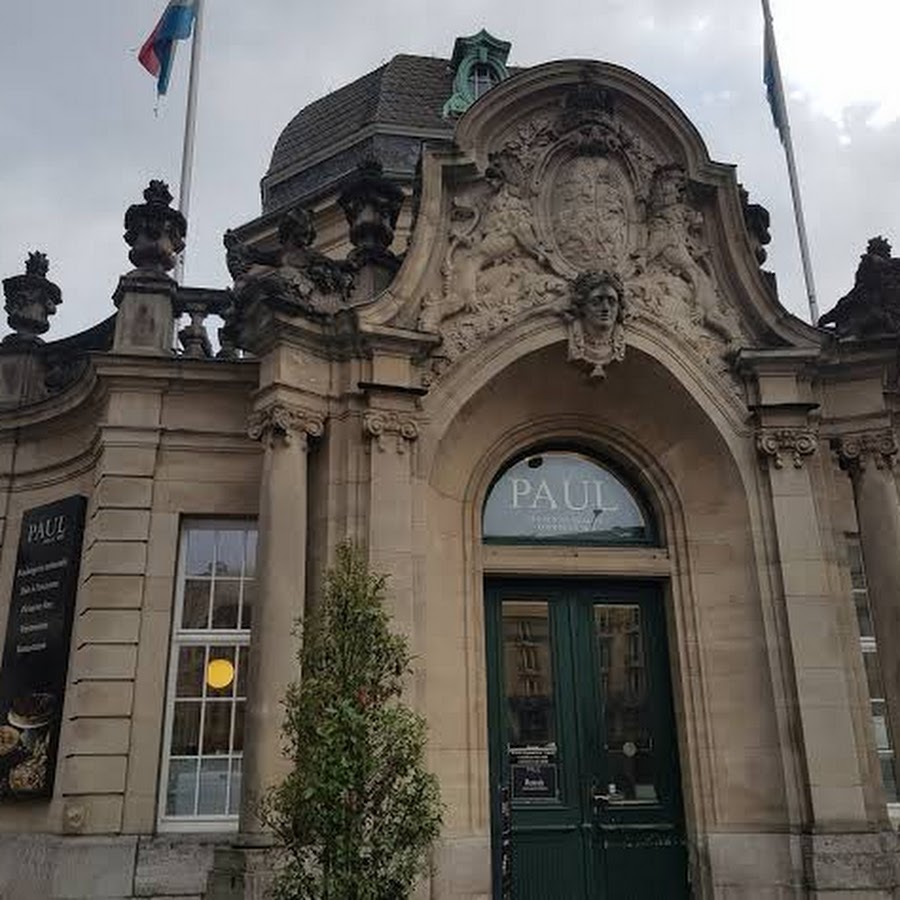
Apart2Stay
Domus Hotel
Hôtel Sieweburen
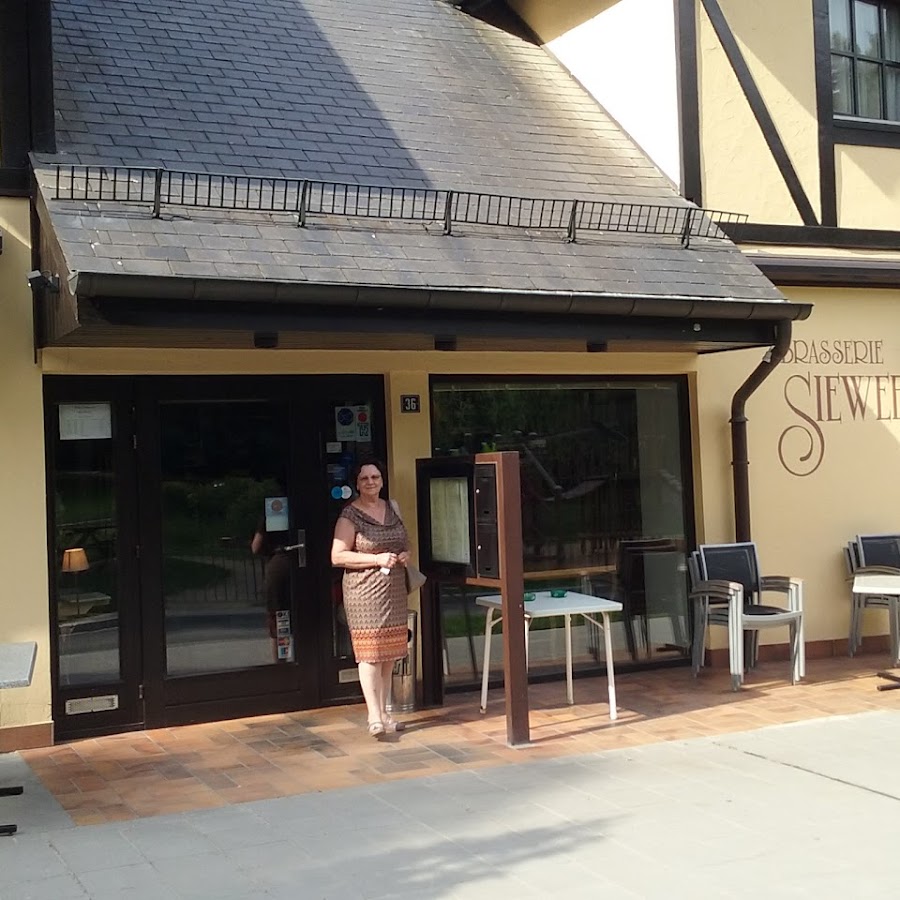
Threeland Hotel
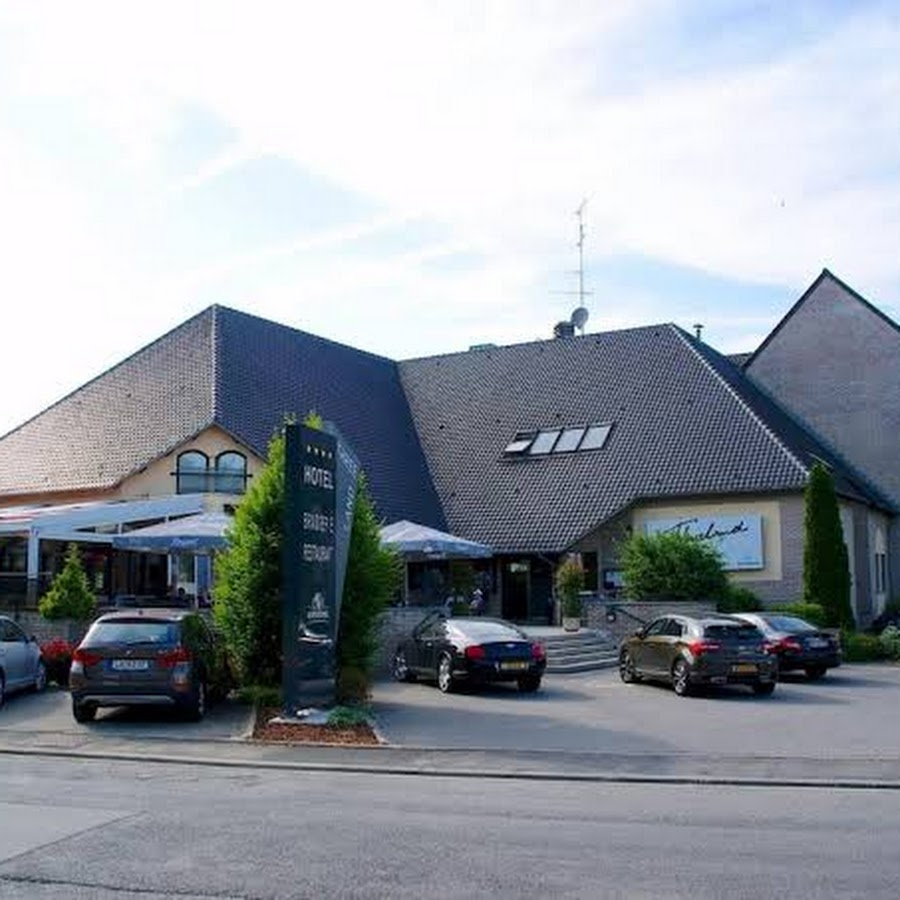
Clémency Castle
Empire
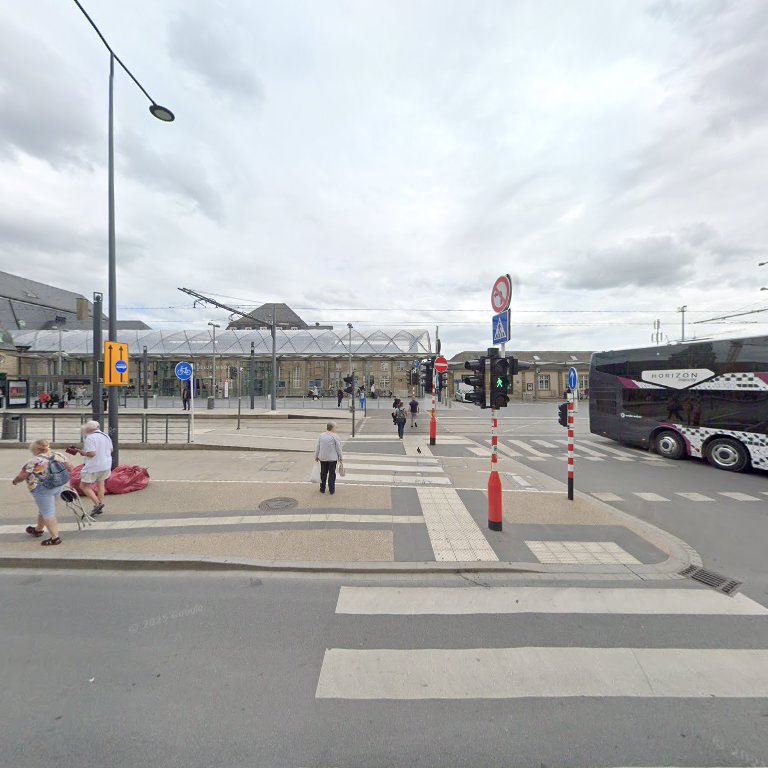
Hotel Bristol
Au P'tit Max - Studios hotel
Hotel Parc Belle-Vue
Hotel Carpini
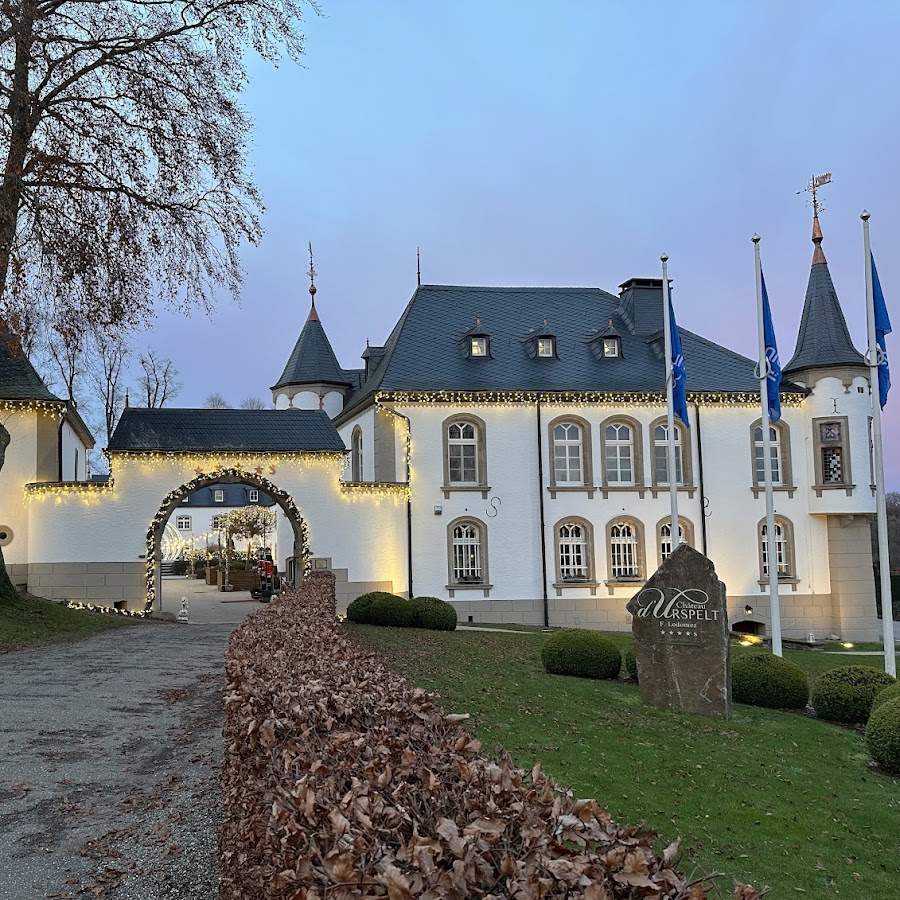
Urspelt Castle
Hotel Parc Plaza
Hotel de la Poste
Hotel Parc Beaux Arts Luxembourg
Hôtel Grey
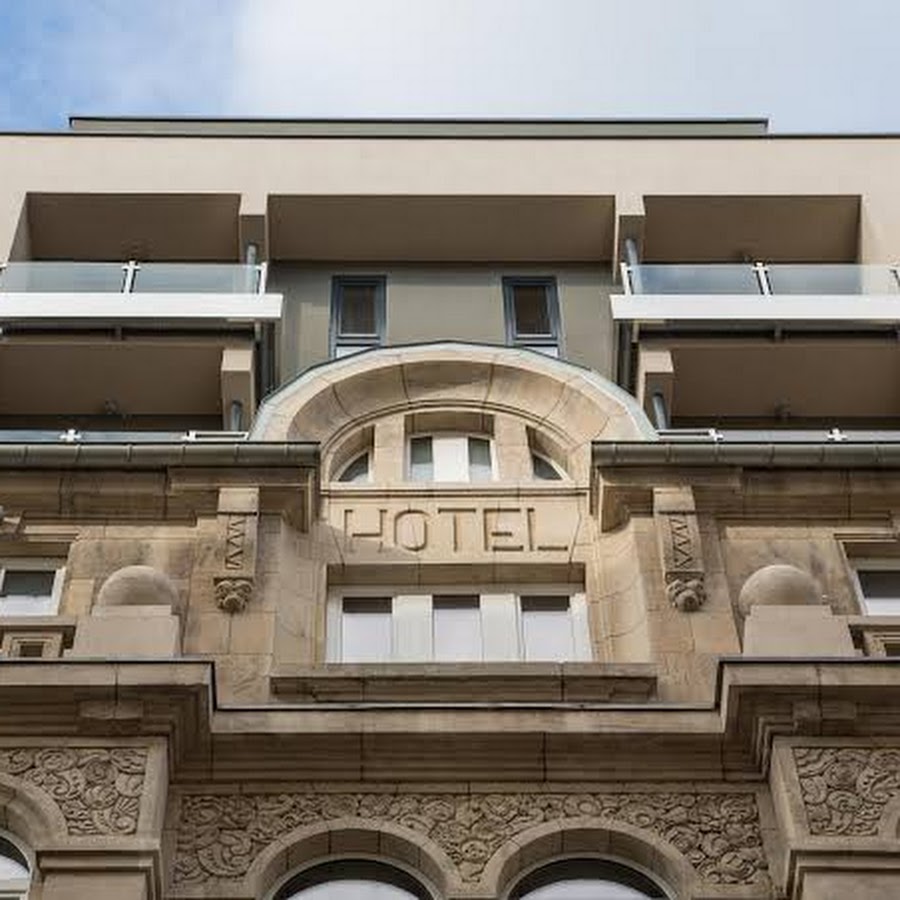
Auberge De La Gaichel
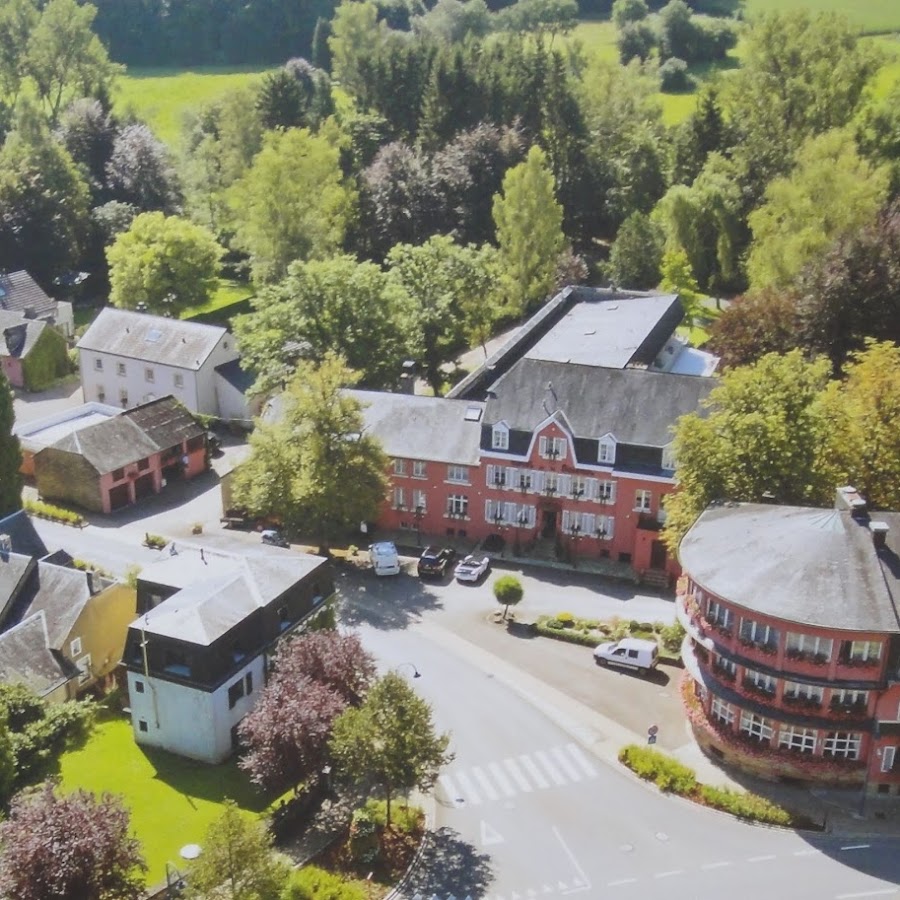
Hostellerie Du Grunewald
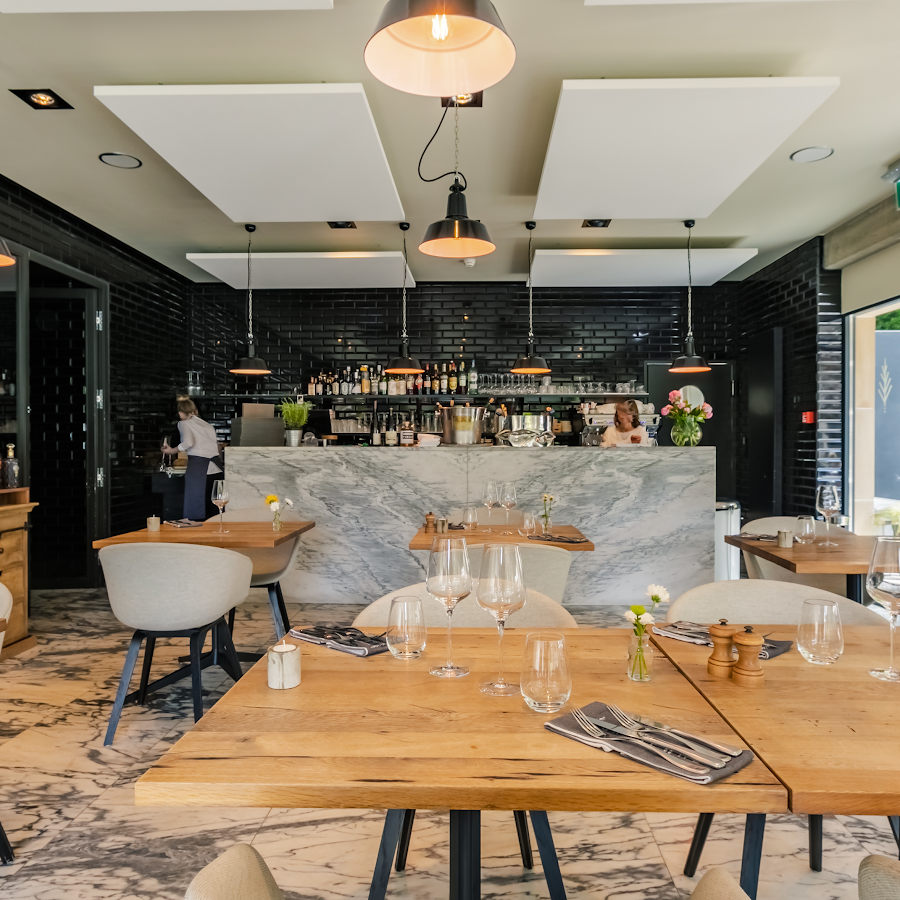
Youth Hostel Esch
Temps d'Or Hotel
The Seven Hotel
Hôtel kazakiwi Luxembourg
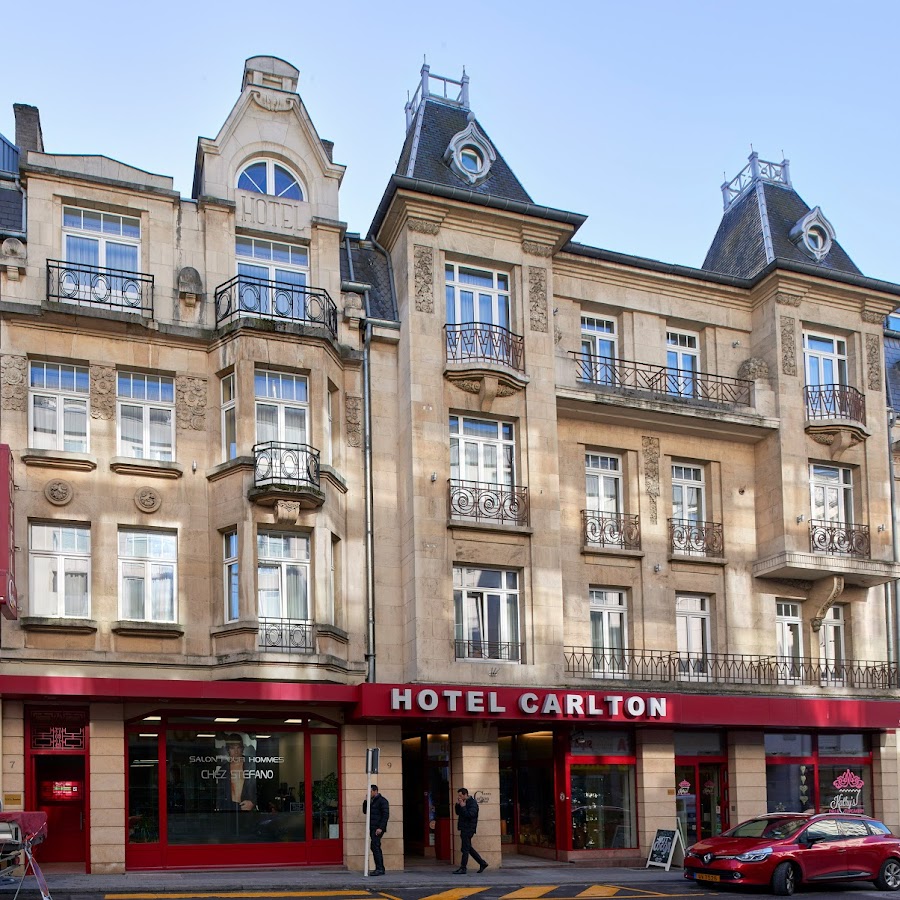
Hôtel Perrin (former Hotel Carlton)
Hôtel Bel-Air, Trail & Wellness
Parc Hotel Alvisse
ibis Styles Luxembourg Centre Gare
Residhome Luxembourg
INNSiDE by Meliá Luxembourg
Hotel Le Place d'Armes
Grand Hotel Cravat
Les Jardins d'Anaïs
MANDARINA HOTEL Luxembourg Strassen
De Brauhotel Bascharage
ibis Esch Belval
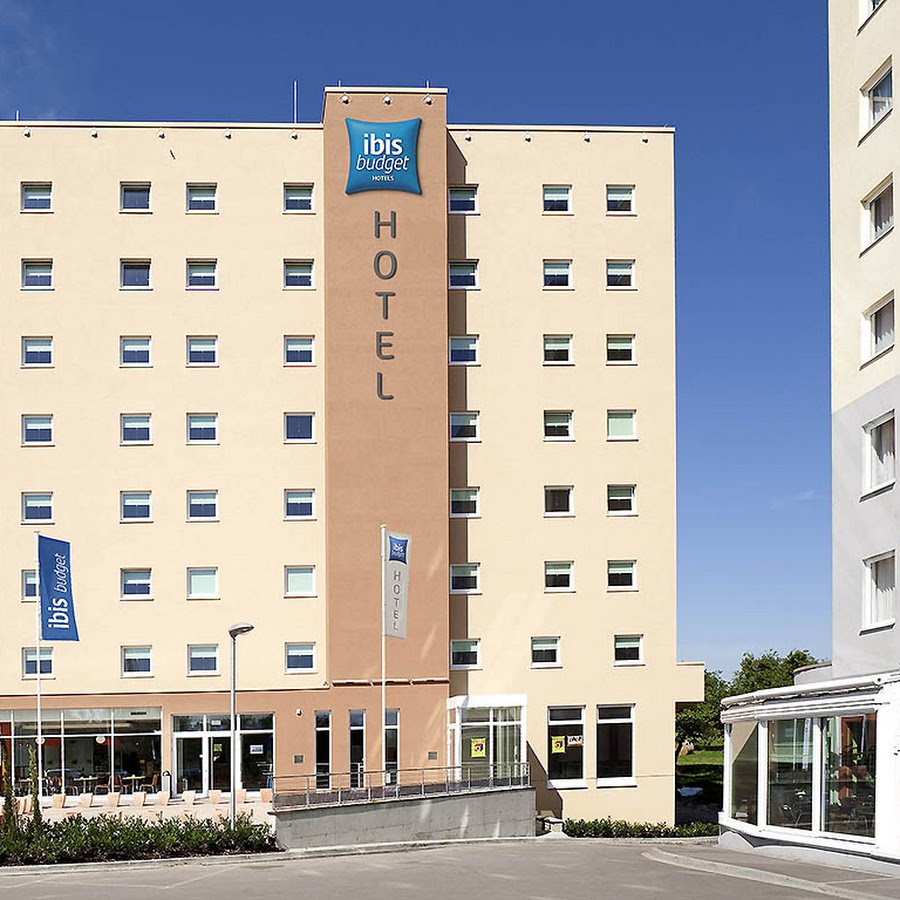
ibis budget Luxembourg Sud
Novotel Suites Luxembourg
Hotel Sofitel Luxembourg Europe
Luxembourg Marriott Hotel Alfa
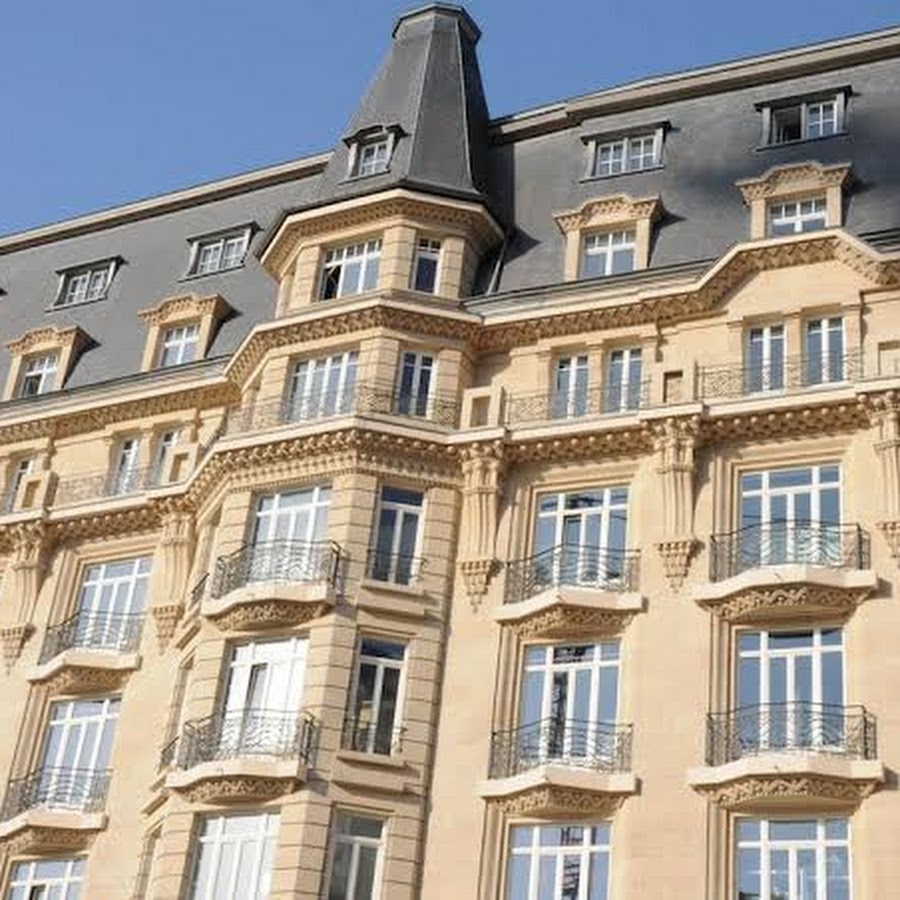
Sofitel Luxembourg Le Grand Ducal
DoubleTree by Hilton Luxembourg
Meliá Luxembourg
Restaurant et Hôtel Re'Serstuff
Camping Cascade Luxemburg
hu Birkelt village
Camping Krounebierg
Camping Auf Kengert
A Guddesch Restaurant
Youth Hostel Larochette
Sanhe
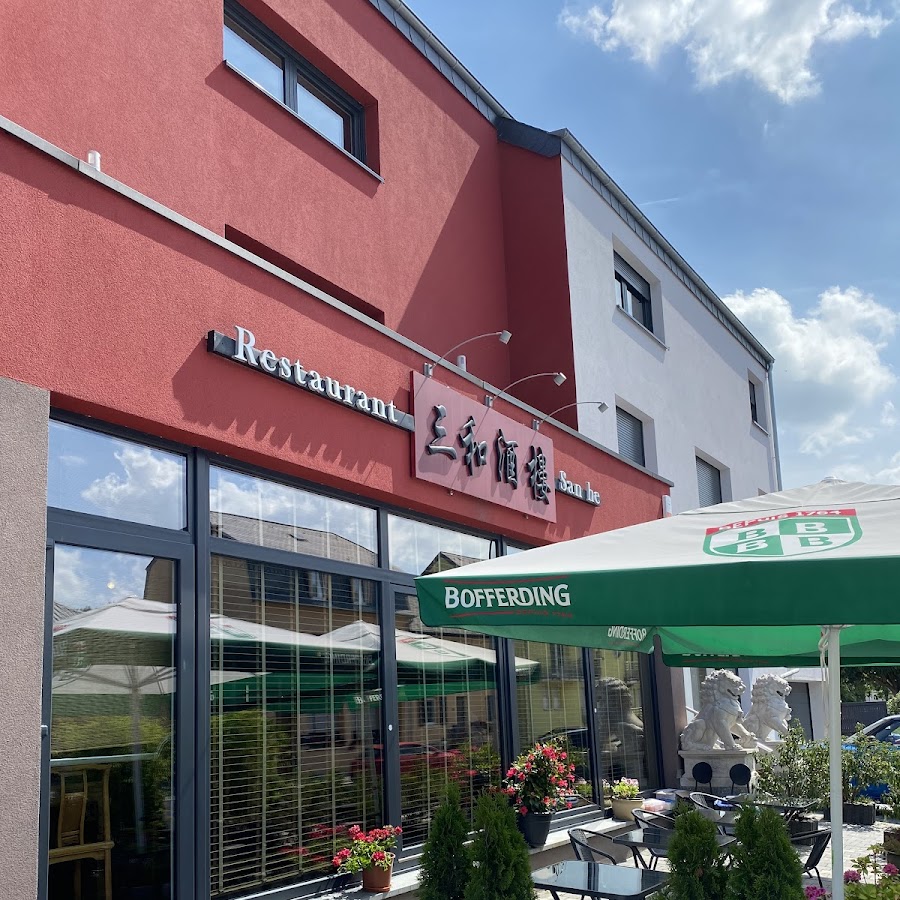
Camping Le Moulin
Epicerie am Duerf
Hotel Bon Repos & Restaurant Le Grill
Camping Nommerlayen - Europacamping
Camping Relax
Daisy Scheidgen
Camping La Pinède Consdorf
Appart Hôtel Ernz Noire
La Différence
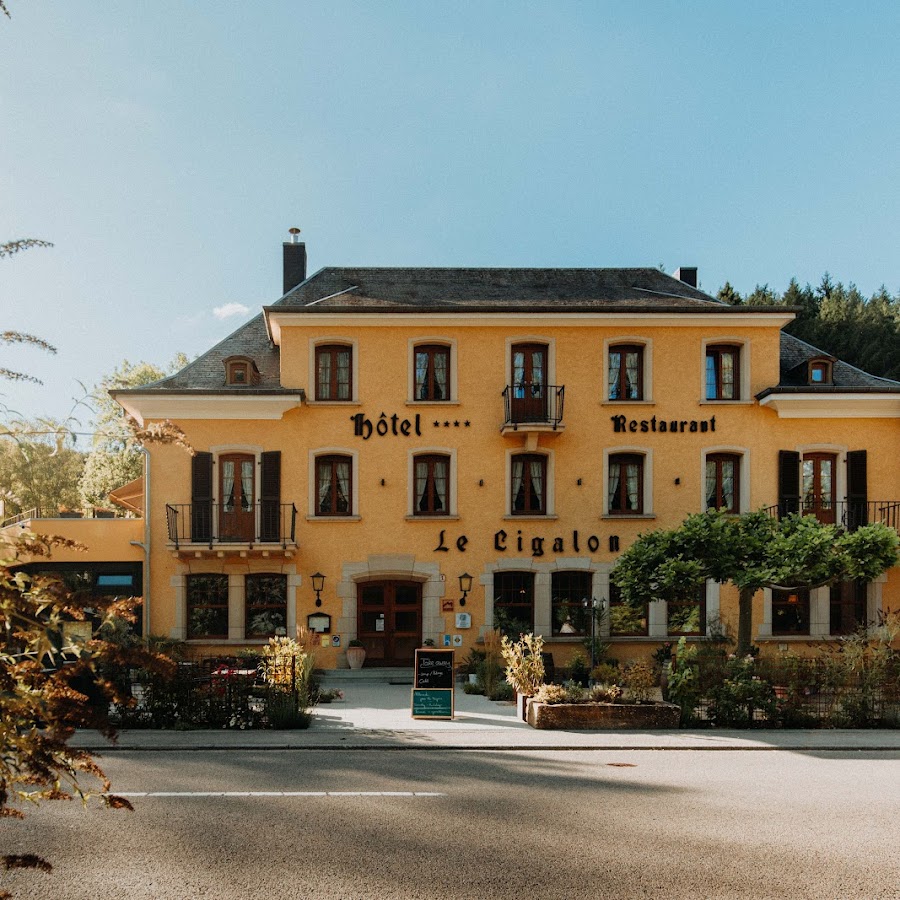
Hôtel-Restaurant Le Cigalon
B&B De Boerderij
Hôtel Martha Mersch Luxembourg
Hotel-Ecolodges Péitche Lauer
Villa Des Dames
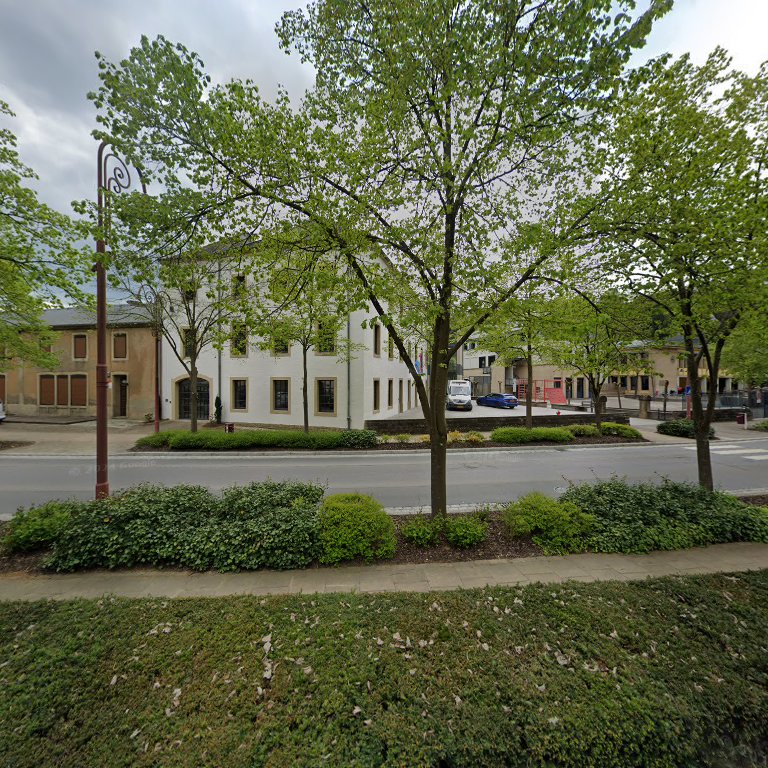
Um Freedebierg Bed and Breakfast
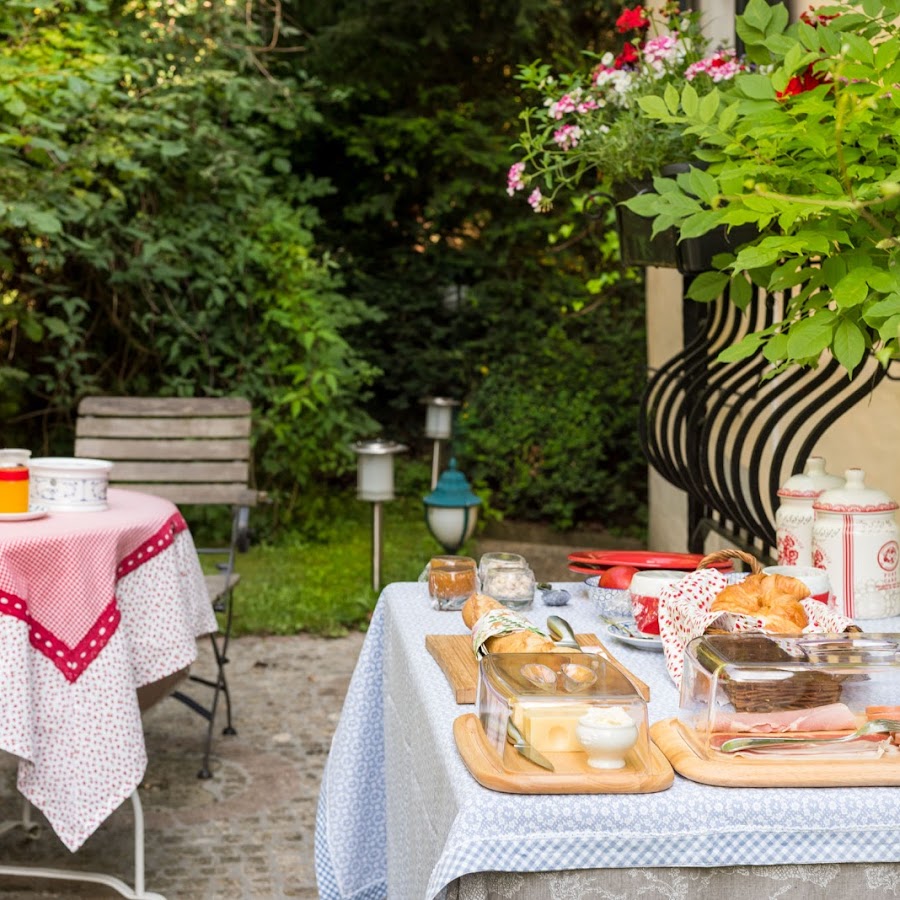
Coque National Sports and Culture Centre
Camping Bon Accueil
Belle Fontaine
Beau Sejour
Hotel Simon's Plaza
Coque Hôtel
Villa Welcome
Le Paris
Camping de la Route Du Vin
Restaurant Péitry
Thermalbad Bad Mondorf
Camping et Port de plaisance
Hotel - Restaurant Il Piccolo Mondo
Charly's Gare
Hotel Alzinn
Youth Hostel Remerschen
The Central Luxembourg Kirchberg - Smart Aparthotel
Hotel il Castello Borghese
Hotel & Restaurant The Nest
Chateau de Schengen
White Swan Hôtel
Hotel de l' Esplanade
Hostellerie des Pêcheurs - Auberge
Hôtel Casa 49
Domaine La Forêt
Hôtel-Restaurant de l'Ecluse
Mandarina Hotel Luxembourg Airport
MOXY LUXEMBOURG AIRPORT
Hotel NH Luxembourg Airport
ibis Luxembourg Aéroport
Mercure Luxembourg Kikuoka Golf and Spa
Mercure Luxembourg off Kirchberg
Mondorf Parc Hôtel & Spa
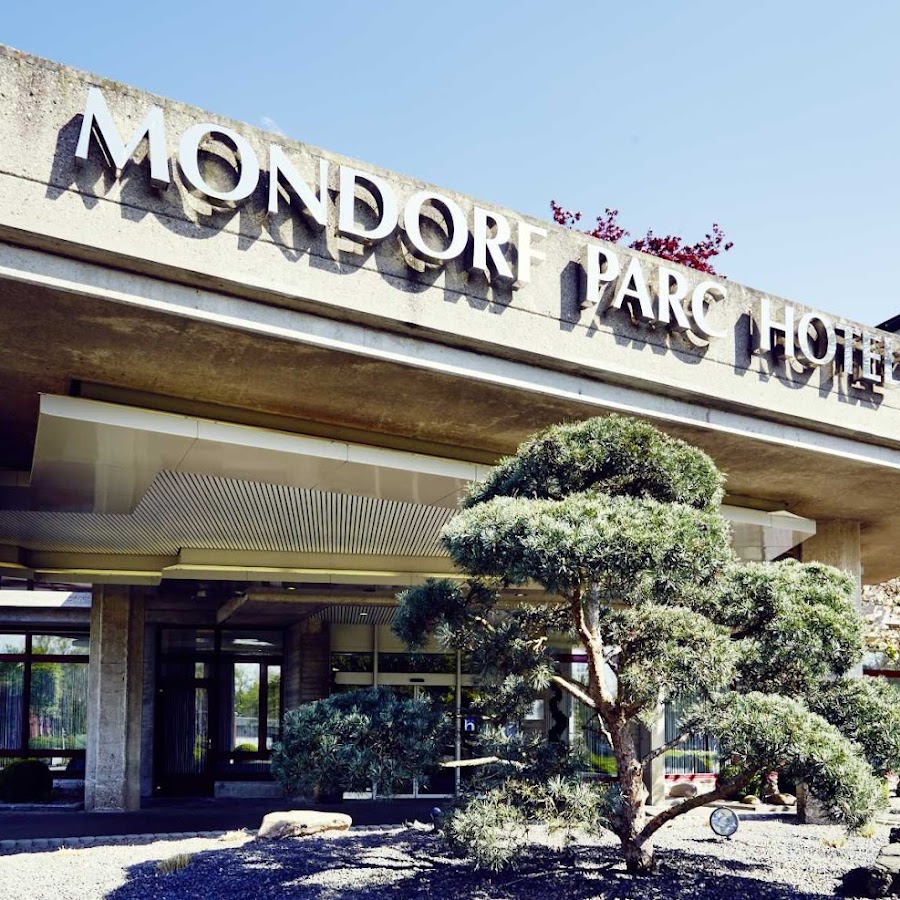
Légère Hotel Luxembourg
ibis budget Luxembourg Aéroport
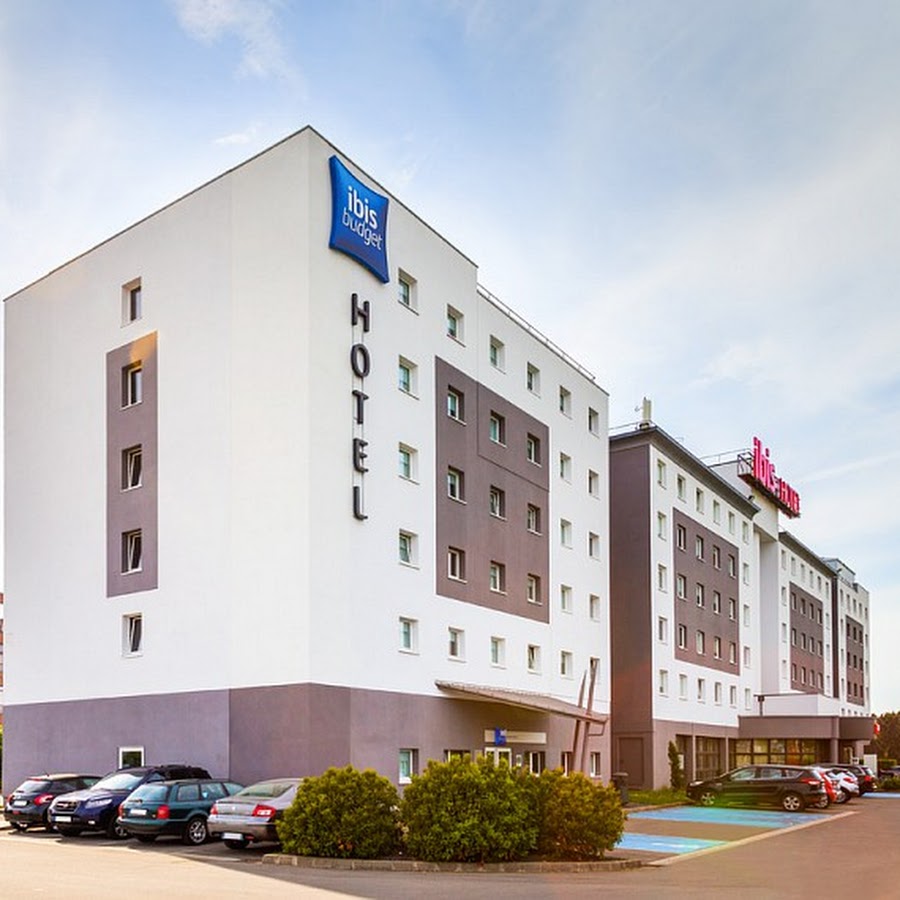
Camping Reisdorf
Camping de la Sûre - Diekirch
Fuussekaul
Camping Ettelbruck
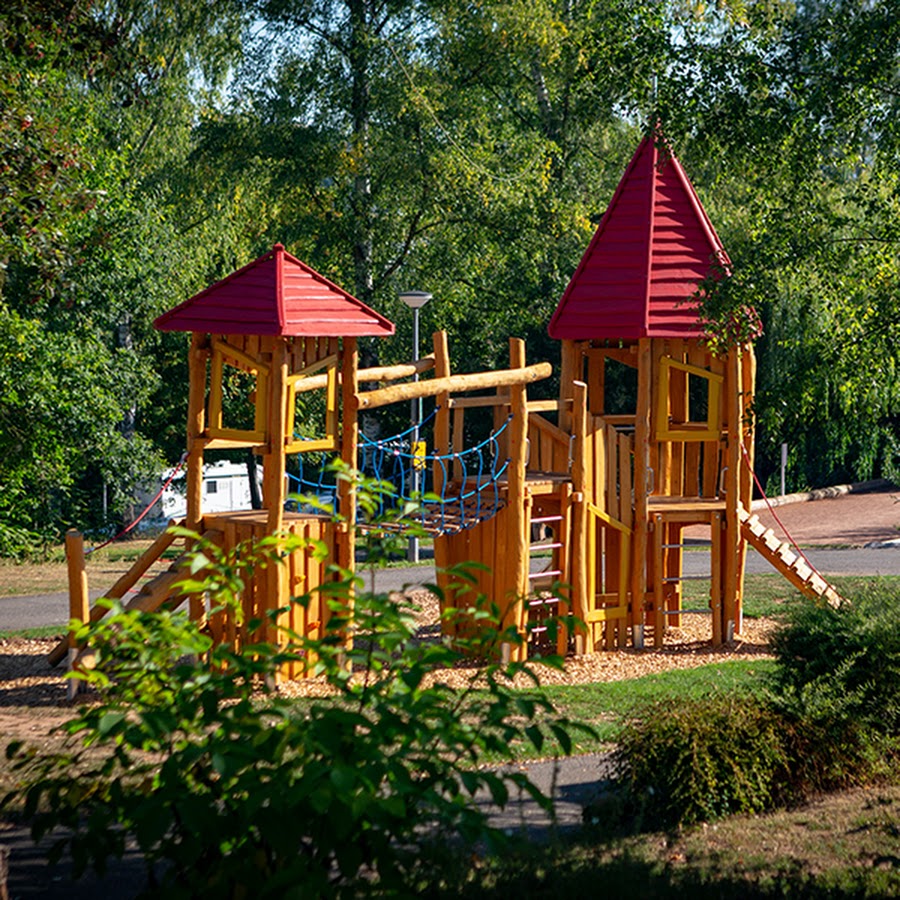
Camping Op der Sauer
Camping de la Sûre
Camping Park Beaufort
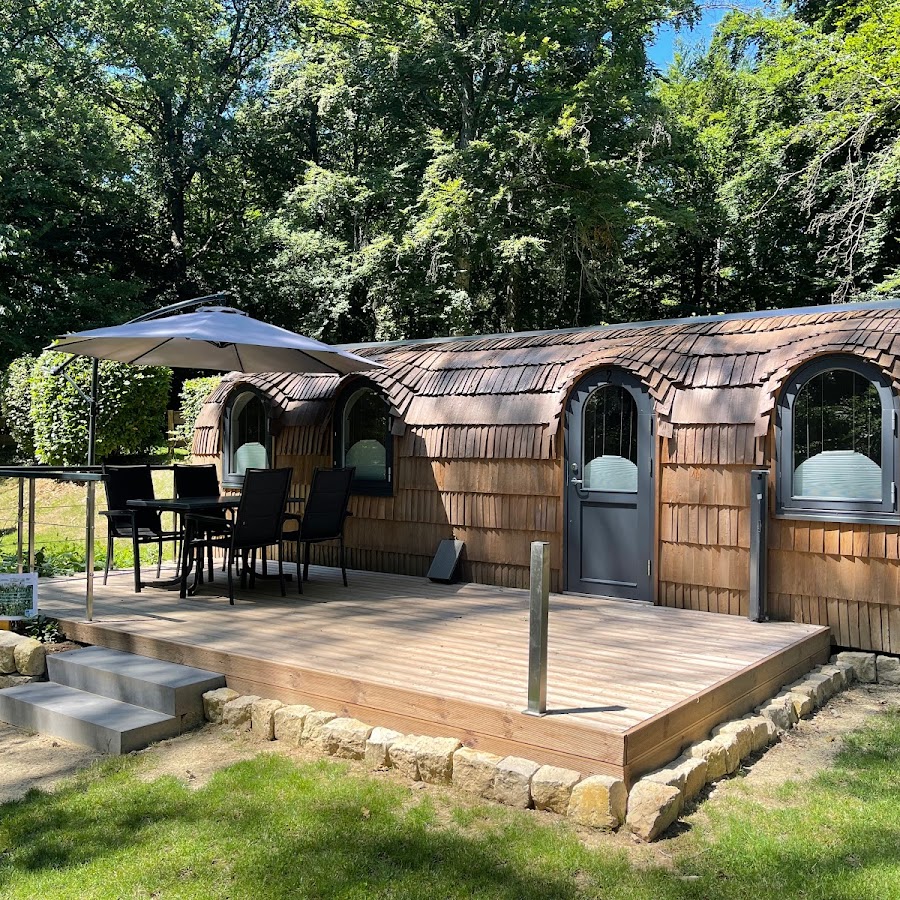
Camping Um Wirt
Camping du Barrage Stolzembourg
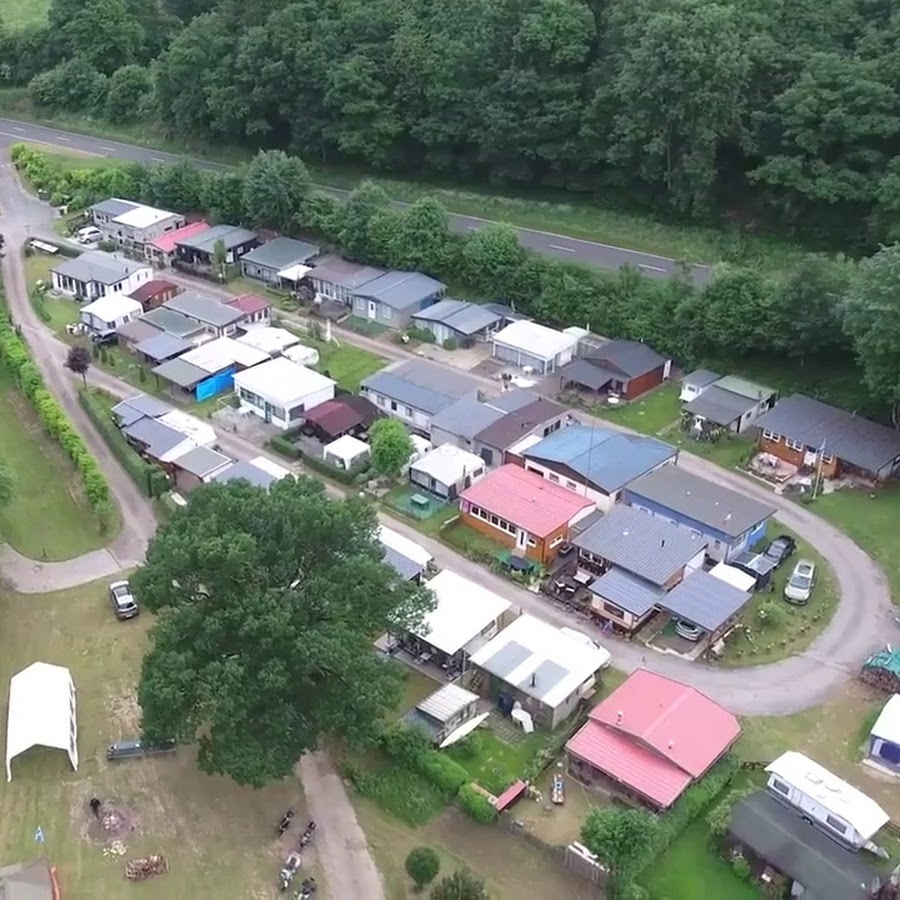
CAMPING GRITT
Camping du Rivage
Camping Reiler
Camping Bleesbruck
Camping Berkel
Camping du Moulin bourscheid
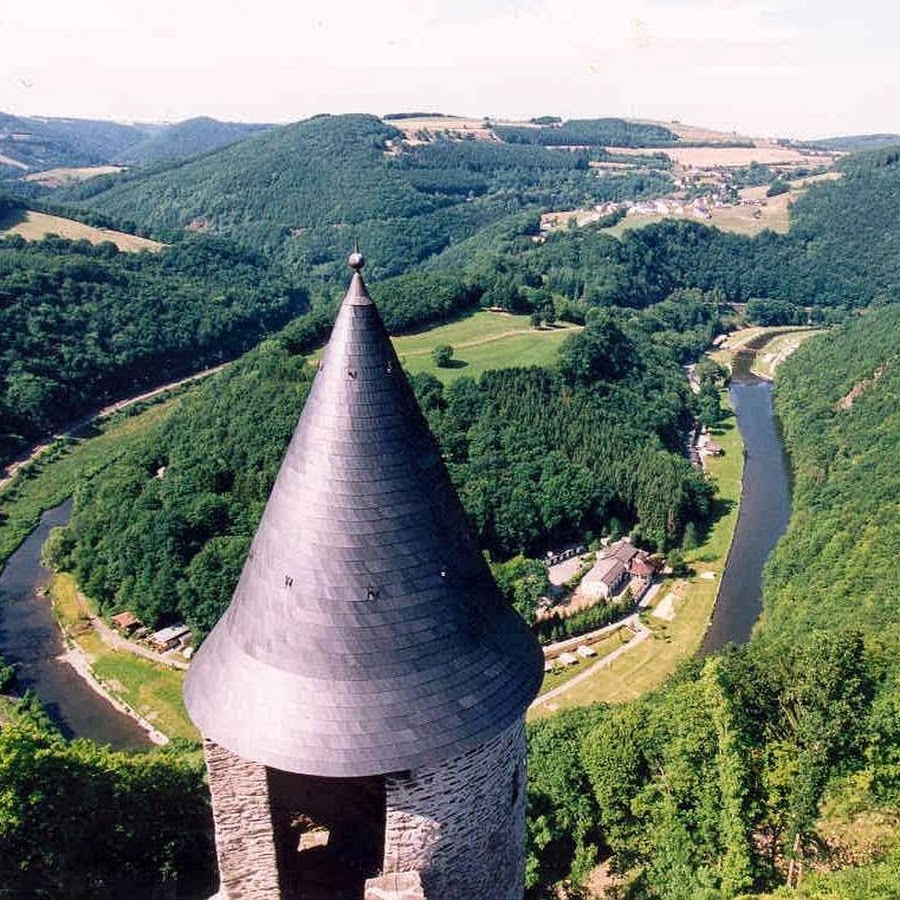
Camping Clervaux
Les pantoufles dans le pré
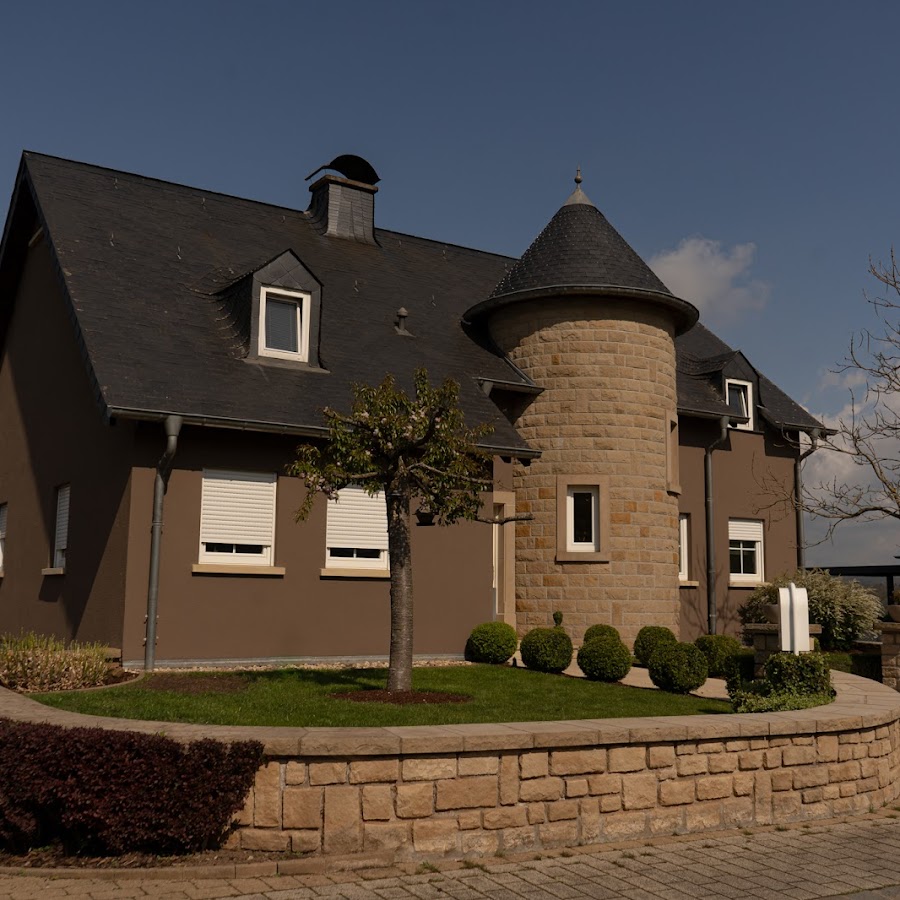
Camp Diekirch
UM WILL'S PULL
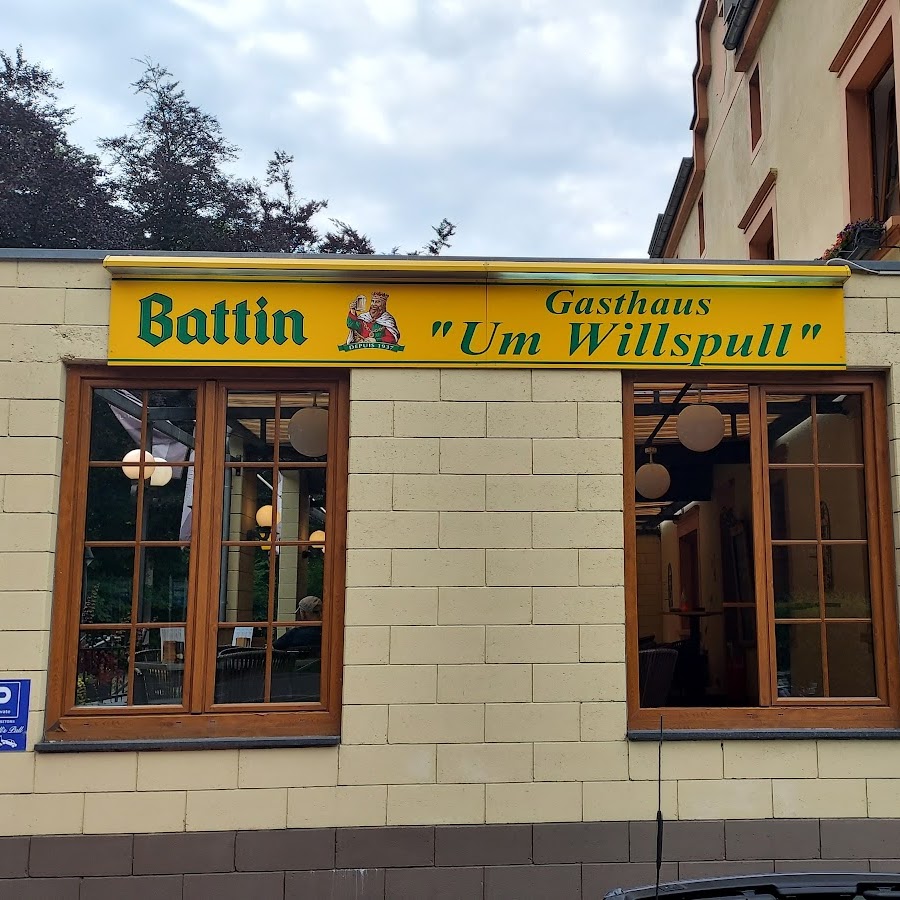
2 Rte de Beaufort, 6360 Grundhof Beaufort, Luxembourg
Youth Hostel Beaufort
Villa Waldeslust
Beter-uit vakantiepark Walsdorf
Dahm
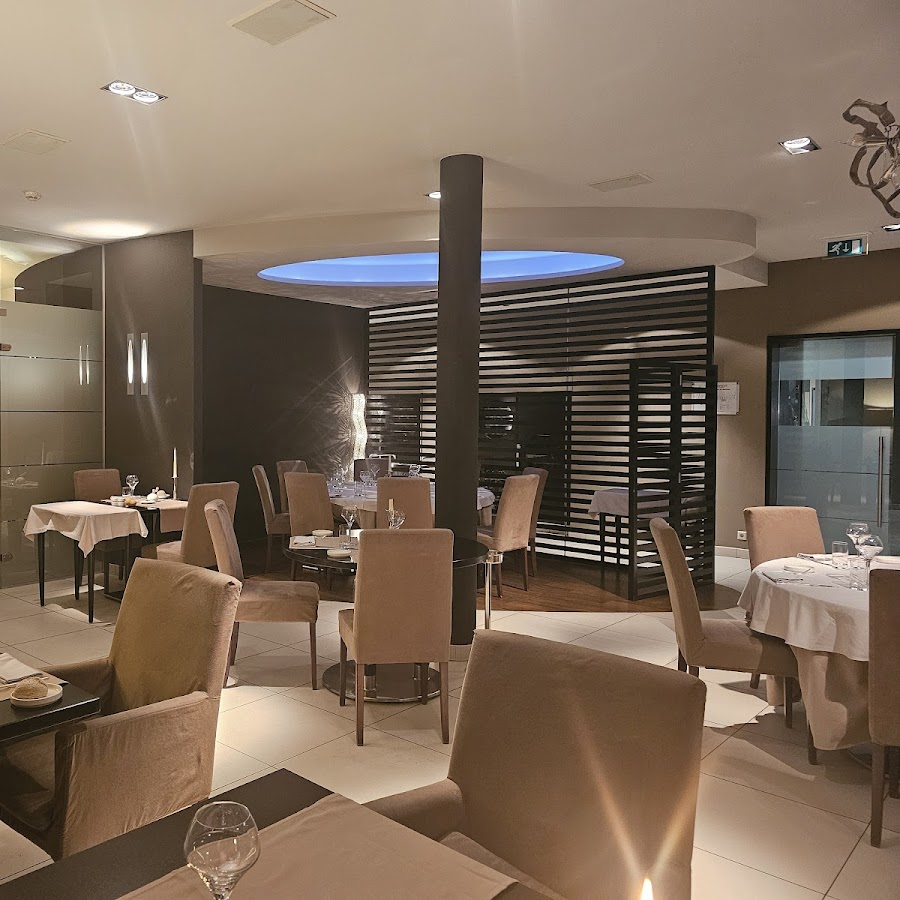
Camping de L'Our
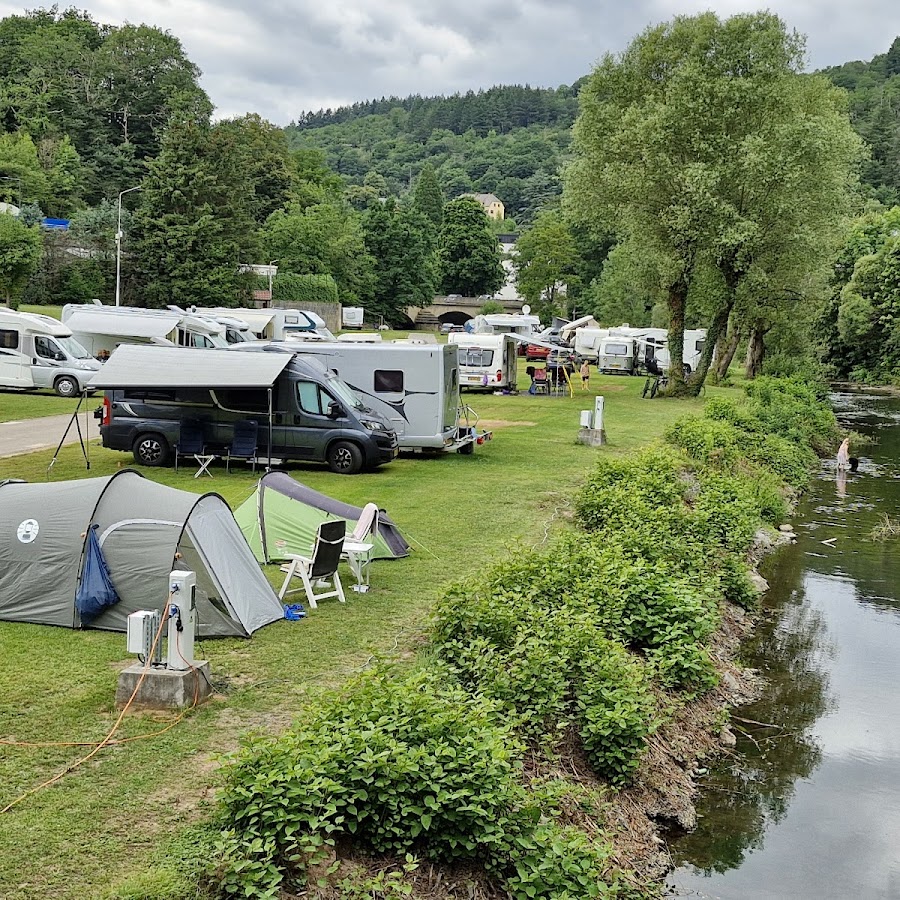
Camping Martbusch
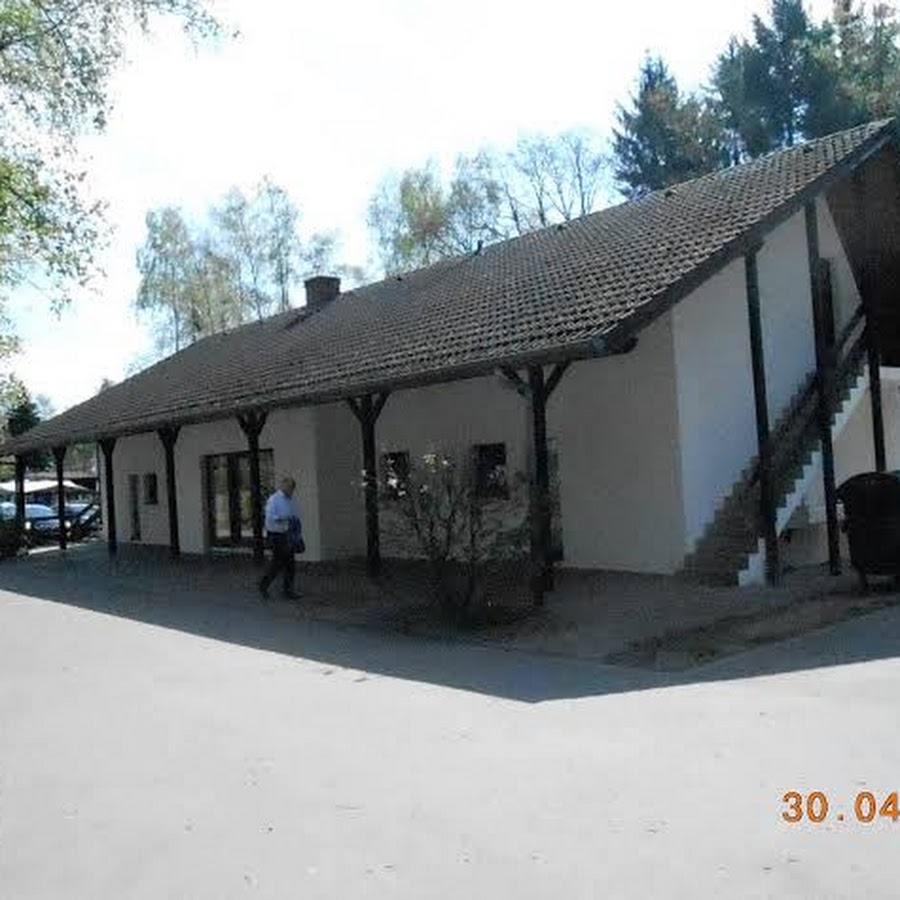
Camping Vallée de l'Our SARL
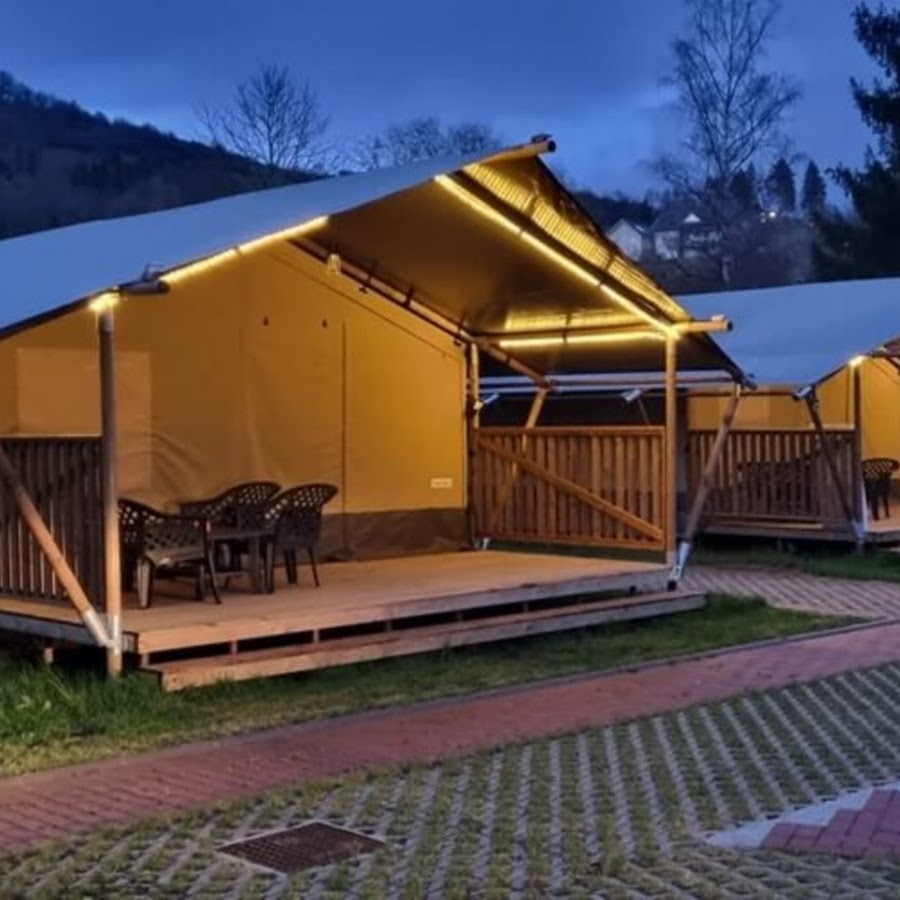
Clerf (Clervaux)
Excellence Group
Camping Val d'Or
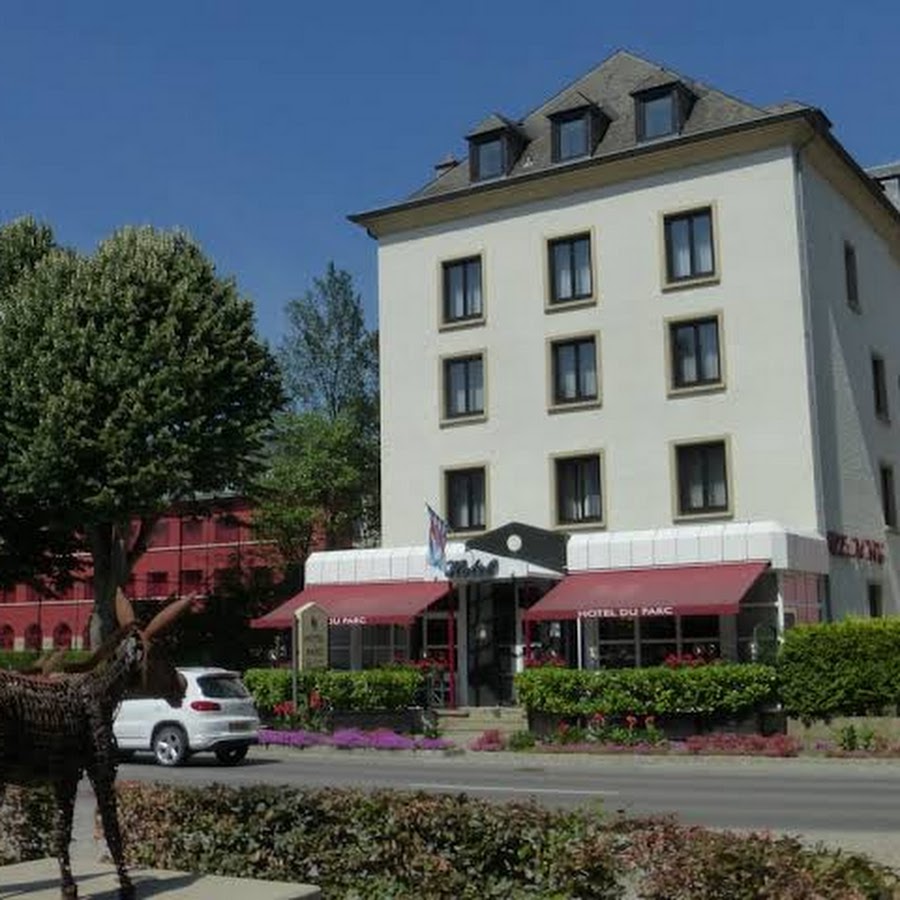
Hotel du Parc
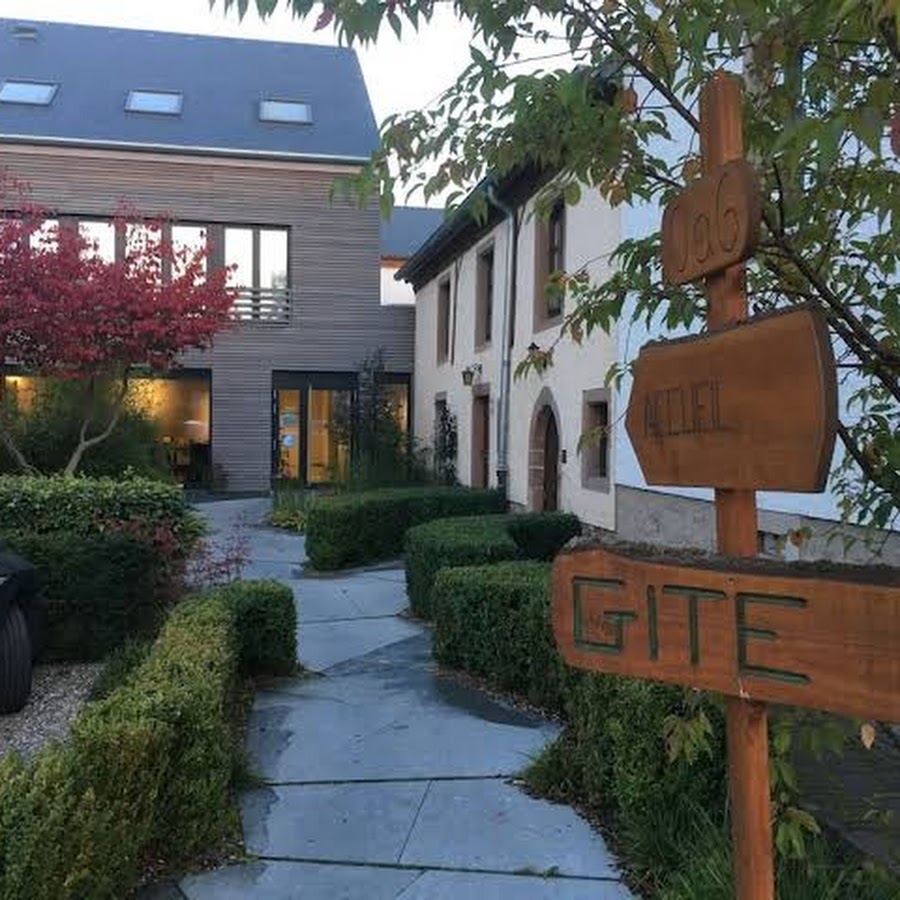
B&B OA6 Casa
Sport Hôtel Leweck
B&B in oude boerderij
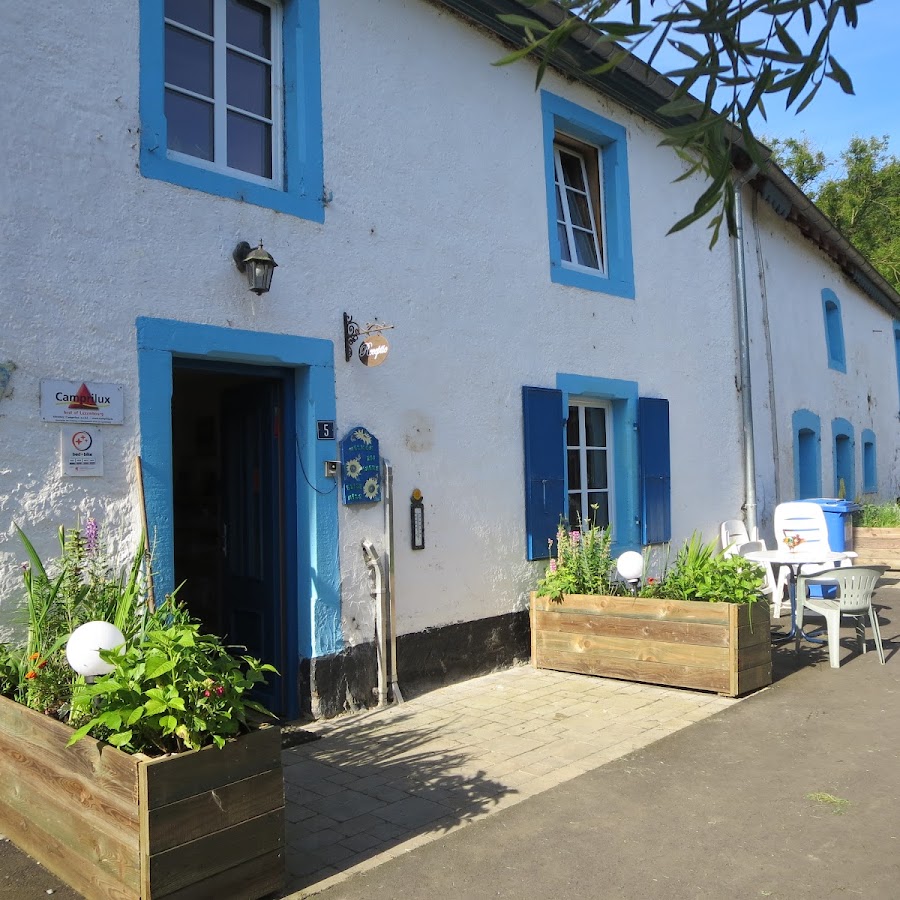
Vianden Castle Camp
Logis Hotel Restaurant Dimmer
Gite Rural Bivels
Domaine "La Sapinière"
Hôtel du Moulin
Hotel St Fiacre
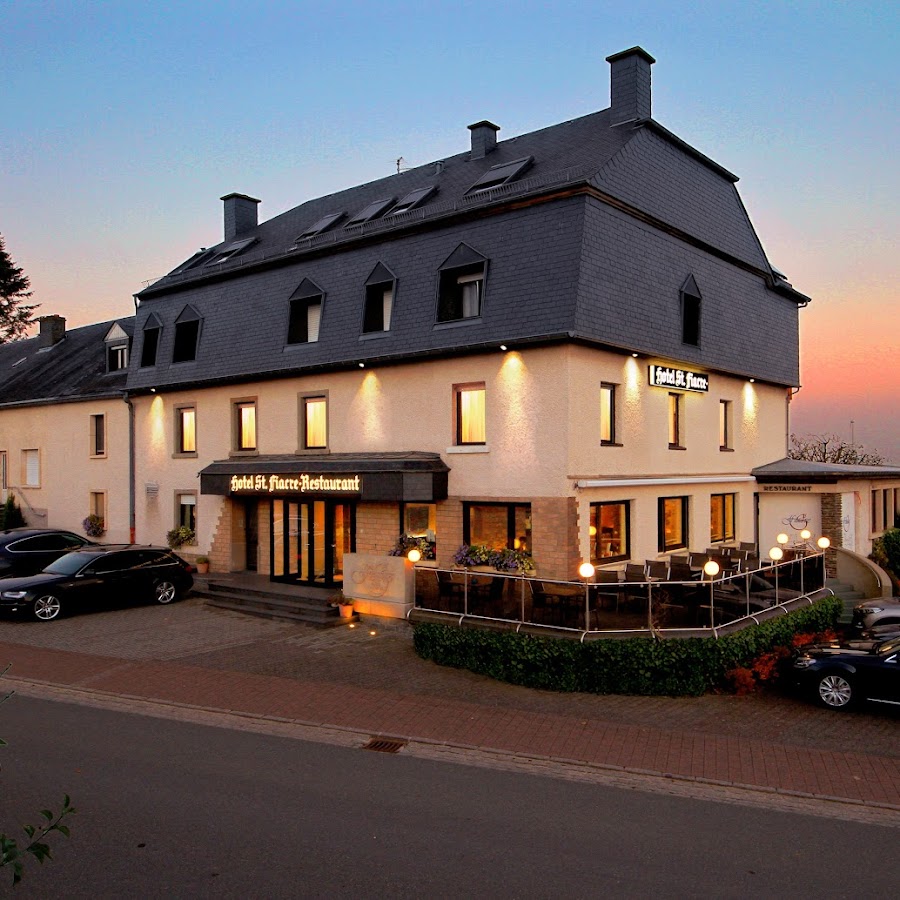
Hotel Brimer
Cocoon Hôtel Belair
Restaurant La Fondue
Camping du Nord
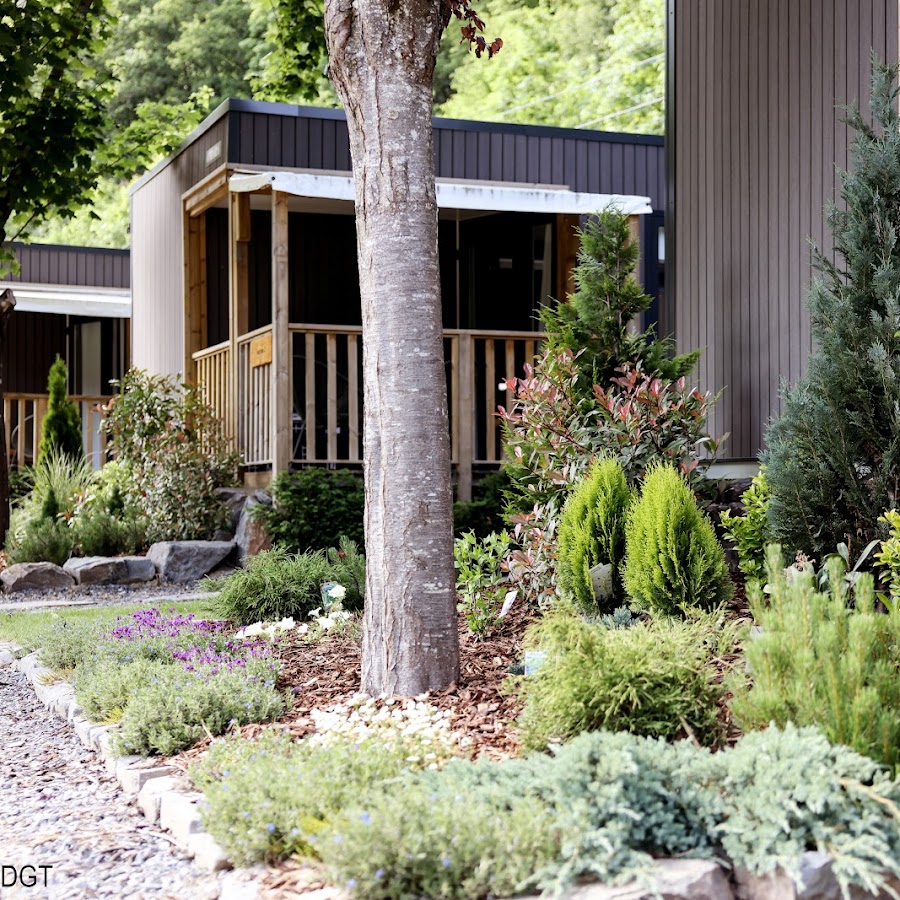
Hôtel Meyer - Beaufort
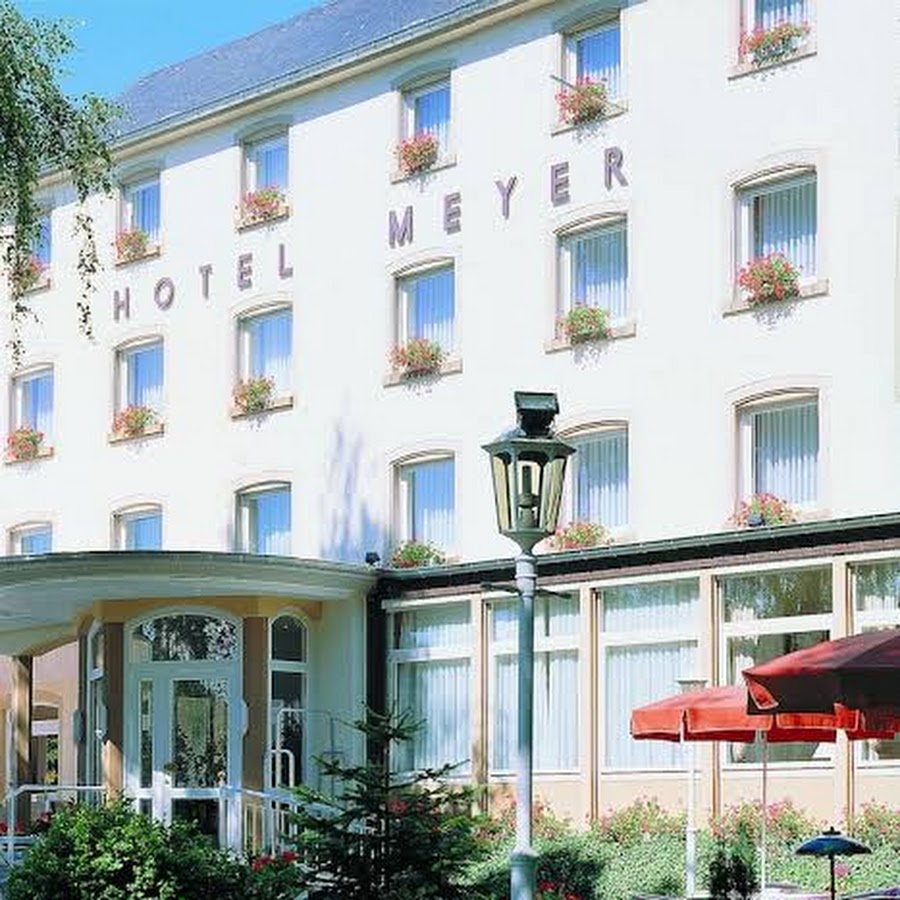
Hotel Restaurant Belvédère
Hotel Du Commerce
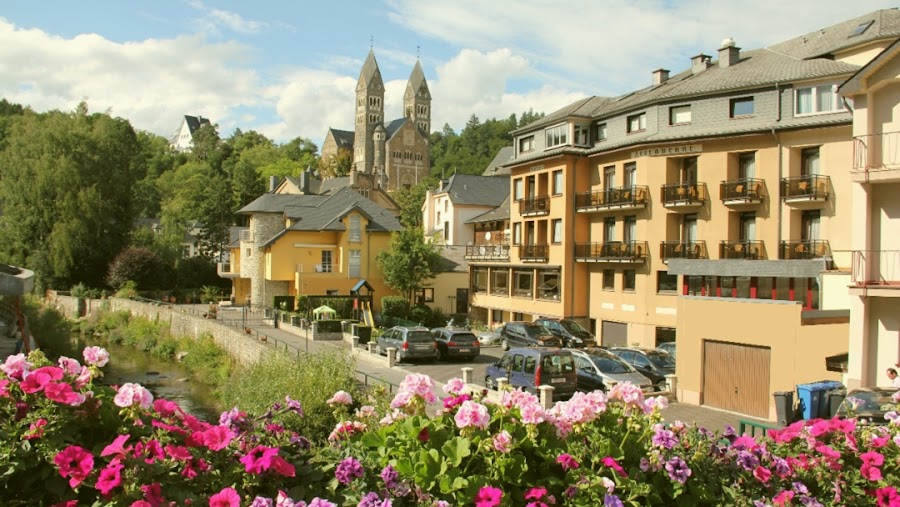
Hotel Belle Vue
Cocoon Hotel La Rive
Café Hotel de ville de Bruxelles
Hôtel Huberty
Logis Hotel-Restaurant Petry
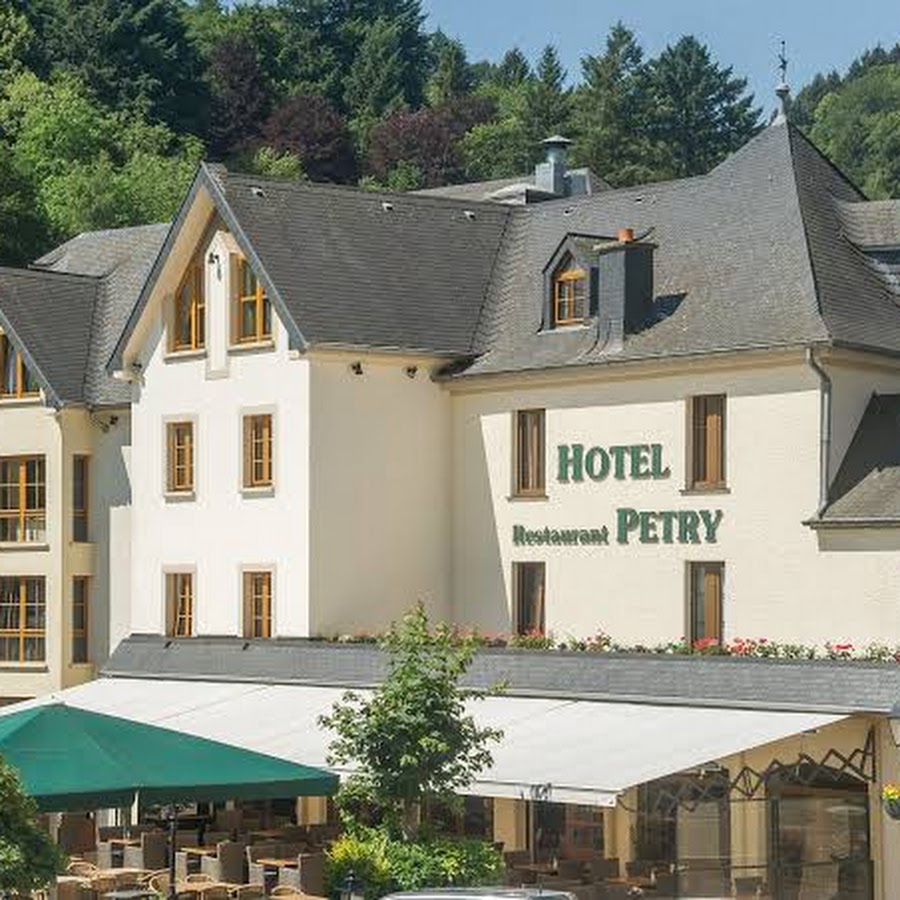
Hotel Auberge de Vianden
Hotel Dirbach Plage
Auberge De L'Our
Hôtel-Restaurant Victor Hugo
B&B Auberge Du Chateau
Auberge Aal Veinen Beim Hunn
Hotel Heintz
Youth Hostel Vianden
Hotel Koener
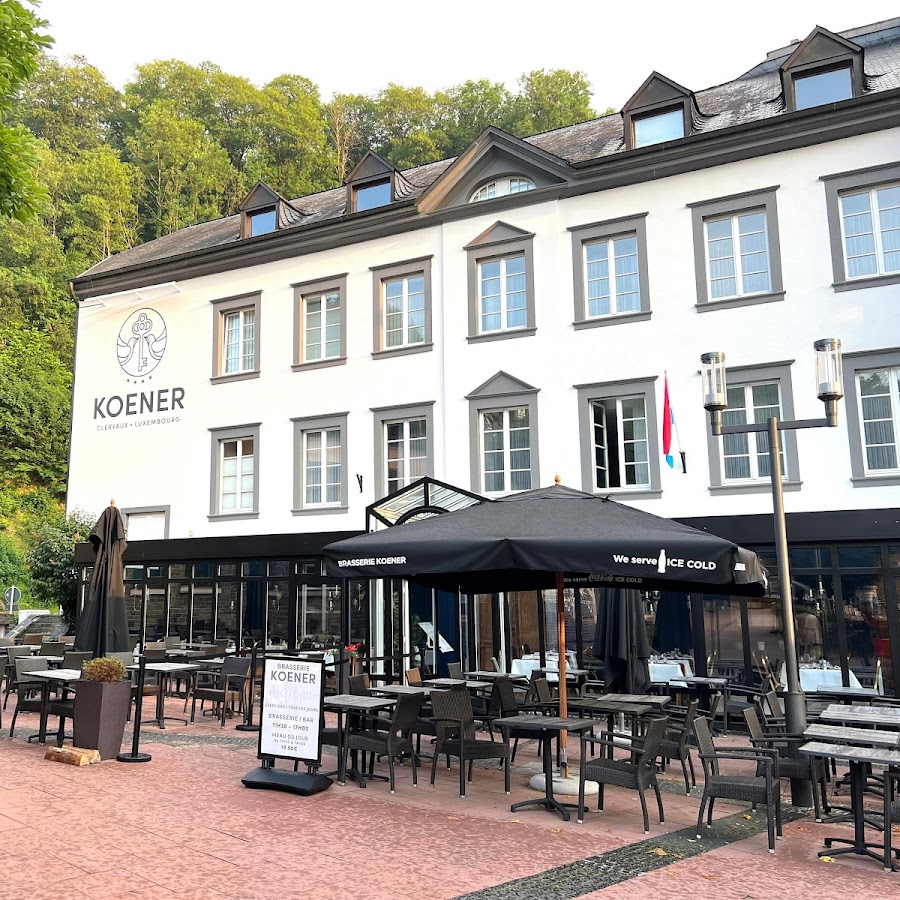
Le Clervaux Boutique Hotel
ESPLANADE HOTEL
Resort Walsdorf
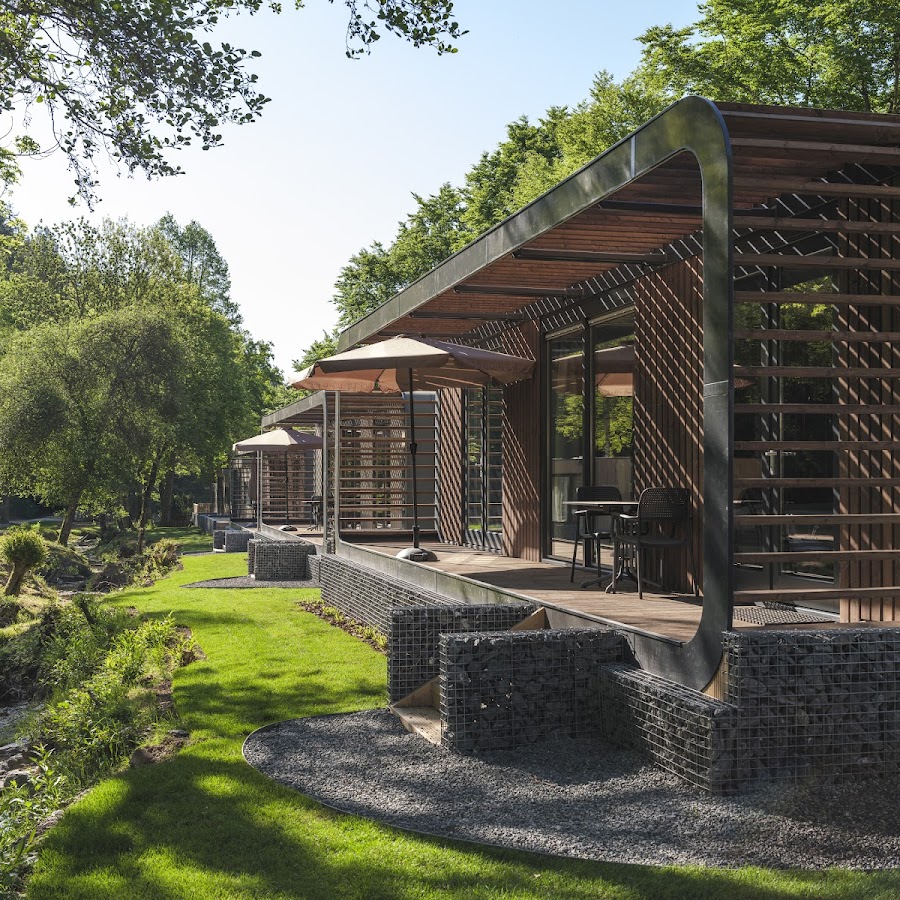
Hôtel Herckmans
Things to see and do in Luxembourg
Bock (Luxembourg)
The Bock (Luxembourgish: Bockfiels) is a promontory in the north-eastern corner of Luxembourg City's old historical district. It was here that Count Siegfried built his Castle of Lucilinburhuc in 963, providing a basis for the development of the town that became Luxembourg. Over the centuries, the Bock and the surrounding defenses were reinforced, attacked, and rebuilt time and time again. as the armies of the Burgundians, Habsburgs, Spaniards, Prussians, and French vied for victory over one of Europe's most strategic strongholds, the Fortress of Luxembourg. Warring did not stop until the Treaty of London was signed in 1867, calling for the demolition of the fortifications. Ruins of the old castle and the vast underground system of passages and galleries known as the casemates continue to be a major tourist attraction.A historic promontory in Luxembourg City, known for its fortifications and stunning views of the city.

Saarschleife
The Saarschleife, also known as the Great Bend in the Saar at Mettlach, is a water gap carved by the Saar River through a quartzite layer and today one of the most well-known tourist attractions of the Saarland.A scenic bend in the Saar River, known for its stunning views and hiking opportunities.

Eifelpark
The Eifelpark is a wildlife and leisure park in Gondorf near Bitburg in the Eifel mountains of Germany.A wildlife and leisure park in Gondorf, Germany, offering various attractions and activities for families.

Industry and Railway Park Fond-de-Gras
Wikimedia Commons has media related to Fond-de-Gras. The Minett Park Fond-de-Gras is an open-air museum that encompasses various historical sites, including Fond-de-Gras, the village of Lasauvage, the former open-pit mine "Giele Botter" and the Celtic oppidum of Titelberg. Due to its wide thematic scope, the Minett Park offers a range of complementary activities, all of which are unified by the common thread of iron ore. It is located in southern Luxembourg.An open-air museum that encompasses various historical sites related to Luxembourg's industrial heritage.

Rheinisches Landesmuseum Trier
The Rheinische Landesmuseum Trier is an archaeological museum in Trier, Germany. The collection stretches from prehistory through the Roman period, the Middle Ages to the Baroque era with a strong emphasis on the Roman past of Augusta Treverorum, Germany's oldest city. Its collections of (local) Roman sculptures, Roman mosaics and frescos are among the best in Germany (along with those of the Römisch-Germanisches Museum in Cologne, the Rheinisches Landesmuseum Bonn and the Römisch-Germanisches Zentralmuseum in Mainz).An archaeological museum in Trier, Germany, focusing on the Roman history of the region.

Karl Marx House
The Karl Marx House museum (German: Karl-Marx-Haus) is a biographical and writer's house museum in Trier (Rhineland-Palatinate, Germany). In 1818, Karl Marx, the father of Marxism, which influenced both modern socialism and communism, was born in the house. It is now a museum about Karl Marx's life and writings as well as the history of communism.A biographical museum in Trier, Germany, dedicated to the life and works of Karl Marx, who was born here.
 en.wikipedia.org
Villa Vauban
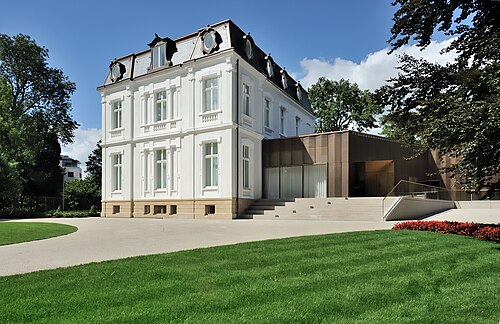
The Villa Vauban is an art museum in Luxembourg City. It exhibits 18th- and 19th-century paintings acquired from private collections.An art museum in Luxembourg City featuring 18th and 19th-century paintings from private collections.
 en.wikipedia.org
Prehistory Museum, Echternach
The Prehistory Museum (Luxembourgish: Musée fir Virgeschicht; French: Musée de la préhistoire) in Echternach, Luxembourg, houses a collection of prehistoric artefacts principally from Luxembourg, northern Europe and France testifying to the history of mankind for more than a million years. It is located in the 15th century Hihof building in the centre of the town.This museum houses a collection of prehistoric artifacts from Luxembourg and northern Europe, showcasing the region's ancient history.

National Mining Museum
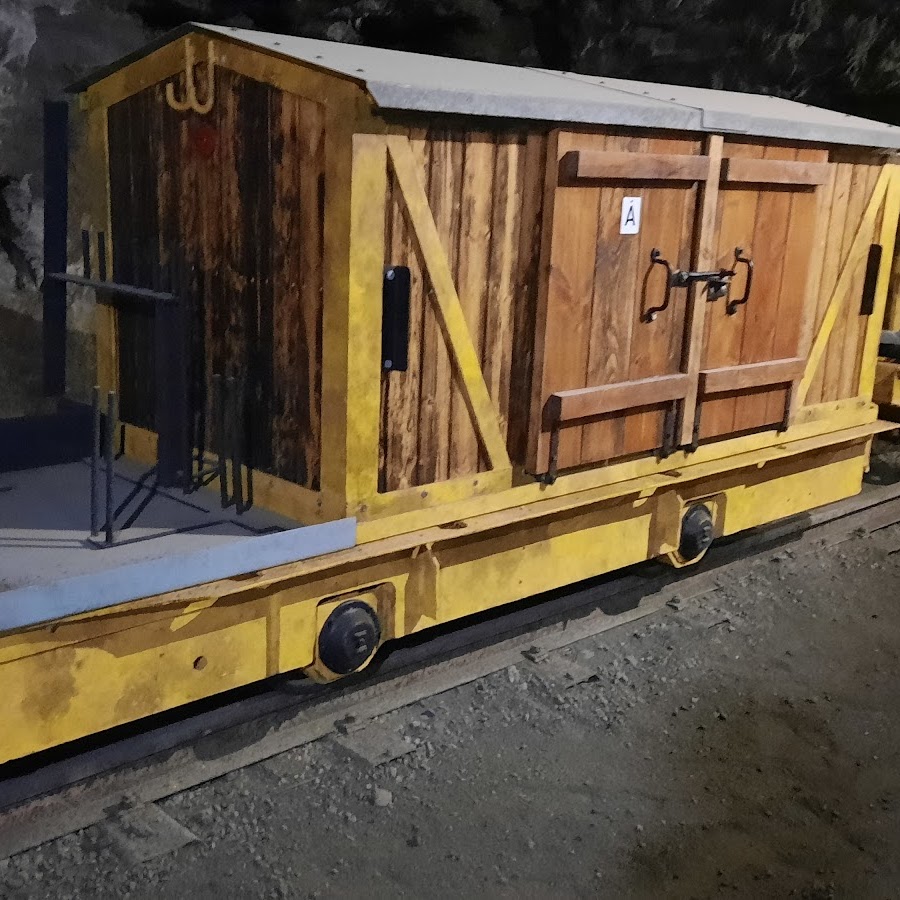
Located in Rumelange, this museum provides insights into Luxembourg's mining history and showcases the mining industry.
Treetop Walk Saarschleife
The Treetop Walk Saarschleife is a 1,250 meter long canopy walkway in the Orscholz area of Mettlach, Germany. Built atop a rocky vantage point known as the "Cloef", it offers visitors views of the Saarschleife. The major Saarland tourist attraction is operated by "Erlebnis Akademie AG."A scenic canopy walkway offering breathtaking views of the Saarschleife, a famous bend in the Saar River.

Schueberfouer
The Schueberfouer is the annual Luxembourg City funfair held on the Glacis square in the city district of Limpertsberg. The 681st edition of the largest amusement park in the wider region beyond national borders started on 23 August 2023 and ended on 11 September 2023. Traditionally, the Schueberfouer starts on Wednesday, Thursday or Friday before Saint Bartholomew's day (24 August) and closes on Monday, Tuesday or Wednesday before 12 September in order to last 20 days every year. In 2010, the fair comprised 184 attractions including 27 major rides, 13 children's rides and 54 restaurants and snacks bars. In 2018, the fair was expected to attract over 2 million visitors.An annual funfair in Luxembourg City, featuring rides, games, and local food, held every August.

German-Luxembourg Nature Park
The German-Luxembourg Nature Park (German: Deutsch-Luxemburgische Naturpark) is a cross-border nature park, which was established on 17 April 1964 by state treaty between the German state of Rhineland-Palatinate and the Grand Duchy of Luxembourg. It thus became the first cross-border nature park in Western Europe. On the German side Naturpark Südeifel is providing services for visitors. The park covers an area of 789 km2 along the northern German-Luxembourg border, of which 432 km2 are on the Rhine side and 357 km2 on the Grand Duchy side. In Germany, the area of the park is identical with the South Eifel Landscape Park (German: Naturpark Südeifel) established in 1958, while the greater part of the Luxembourg side coincides with the Our Landscape Park (German: Naturpark Our, French: Parc naturel de l'Our). The park covers the Our river valley separating the two countries and the low mountains of the Ardennes from the Eifel, in its southern part there is a region known as Little Luxembourg Switzerland (Luxembourgish: Kleng Lëtzebuerger Schwäiz, German: Luxemburger Schweiz, French: Petite Suisse luxembourgeoise). The attractions of the park include numerous monuments (e.g. Vianden Castle, former monastery in Echternach), villages and towns, river valleys with numerous waterfalls, mills and geological formations, forests, cultural heritage (the dancing procession in Echternach is inscribed on the UNESCO Intangible Heritage List). Within the park, 25 nature reserves and numerous other forms of nature protection have been established.A cross-border nature park ideal for hiking, biking, and enjoying the natural beauty of the region.

Upper Sûre Lake
The Upper Sûre Lake (Luxembourgish: Stauséi Uewersauer; French: Lac de la Haute-Sûre [lak də la ot syʁ]; German: Obersauer-Stausee [ˈoːbɐˌzaʊɐ ˈʃtaʊˌzeː]) is a large reservoir in north-western Luxembourg. It is the largest body of water in the country. It gives its name to the commune of Lac de la Haute-Sûre, which was formed in 1979.A large reservoir in north-western Luxembourg, perfect for outdoor activities like hiking, biking, and water sports.

Parc Merveilleux
The Parc Merveilleux is an amusement park just east of Bettembourg in the south of Luxembourg. Designed above all for children, the park has a wide range of attractions including exotic birds, animals in their natural habitats, a pony ranch, a miniature railway, children's self-drive cars, adventure playgrounds, scenes from fairy tales, a restaurant and a cafeteria. The park is open every day from Easter to early October.An amusement park designed for children, featuring animals, playgrounds, and various attractions.

Vianden Castle
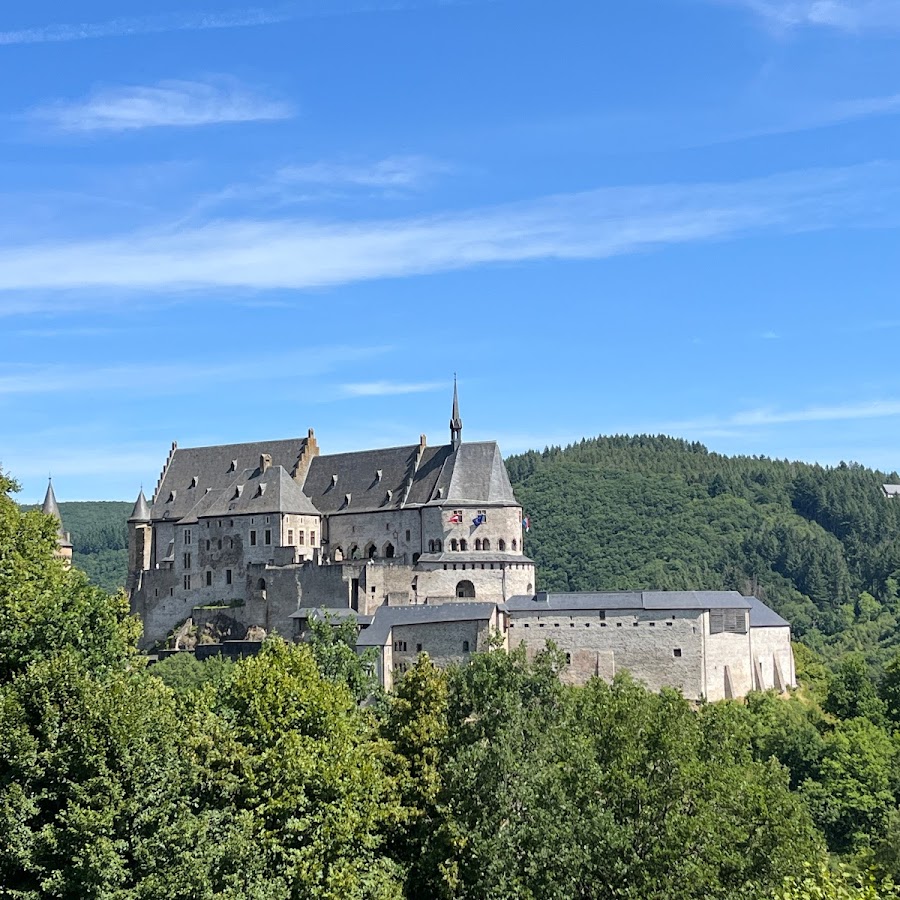
A historic castle located in Vianden, offering stunning views and a glimpse into Luxembourg's medieval past.
MUDAM
The Grand Duke Jean Museum of Modern Art (French: Musée d'art moderne Grand-Duc Jean), abbreviated to Mudam, is a museum of modern art in Luxembourg City, in southern Luxembourg. The museum stands on the site of the old Fort Thüngen, on the southwestern edge of the Kirchberg-plateau, in close proximity to many of the European Union institutions based within the city.The Grand Duke Jean Museum of Modern Art is a contemporary art museum that hosts various exhibitions and events.
 en.wikipedia.org
National Museum of Military History
This museum in Diekirch focuses on the military history of Luxembourg, featuring exhibits from various conflicts.
National Museum of History and Art
49°36′43″N 06°07′59″E / 49.61194°N 6.13306°E / 49.61194; 6.13306 The National Museum of Archaeology, History and Art (Luxembourgish: Nationalmusée fir Archeologie, Geschicht a Konscht, French: Musée national d'archéologie, d'histoire et d'art, German: Nationalmuseum für Archäologie, Geschichte und Kunst), abbreviated to MNAHA, is a museum located in Luxembourg City, in southern Luxembourg. It is dedicated to displaying artworks and artefacts from all epochs of Luxembourg history. The museum is situated in Fishmarket, the historic heart of the city, in the Ville Haute quarter.The National Museum of Archaeology, History and Art artistic heritage.
