Lithuania 225+ Stays and Experiences
Lithuania is a charming Baltic nation where medieval heritage, vibrant cities, and peaceful nature come together. Explore the baroque beauty of Vilnius, a UNESCO-listed Old Town filled with history and culture, or unwind by the Curonian Spit’s sandy dunes and pine forests. With its mix of Gothic castles, lively festivals, and warm, welcoming locals, Lithuania offers a rich cultural experience and a peaceful, off-the-beaten-path escape in Northern Europe.
Where to Stay in Lithuania
Hotels, B&B's,...
Family Hotel
The Monks's Bunk Kaunas
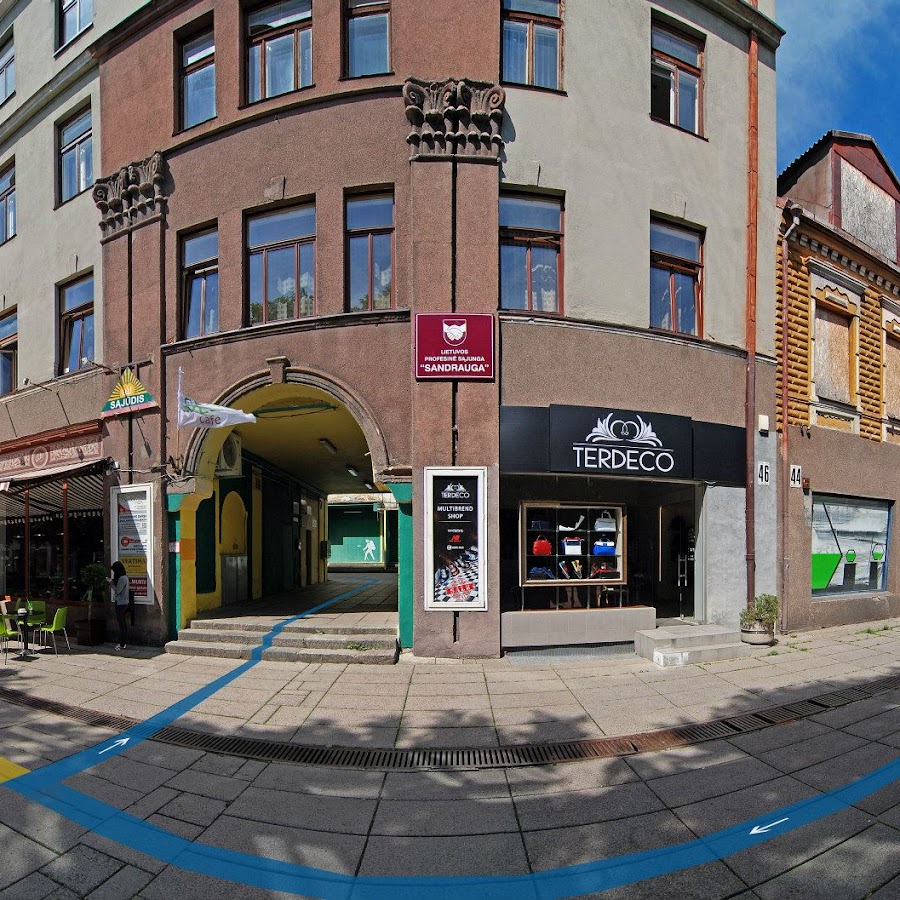
Rivjera Apartments, Kaunas
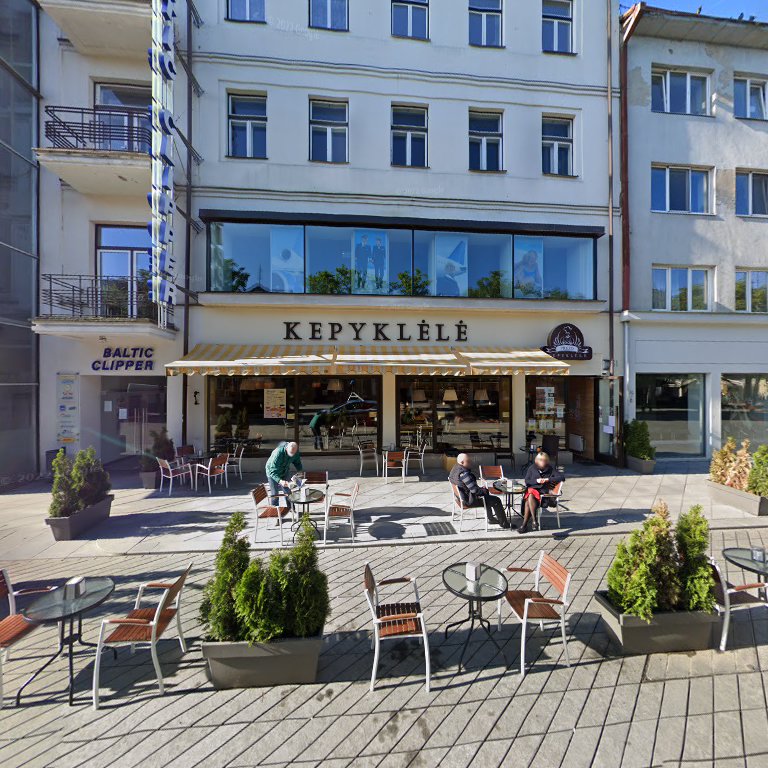
Žemyn upe
Center stay Kaunas - Pelėdynė / Owl's nest apartments
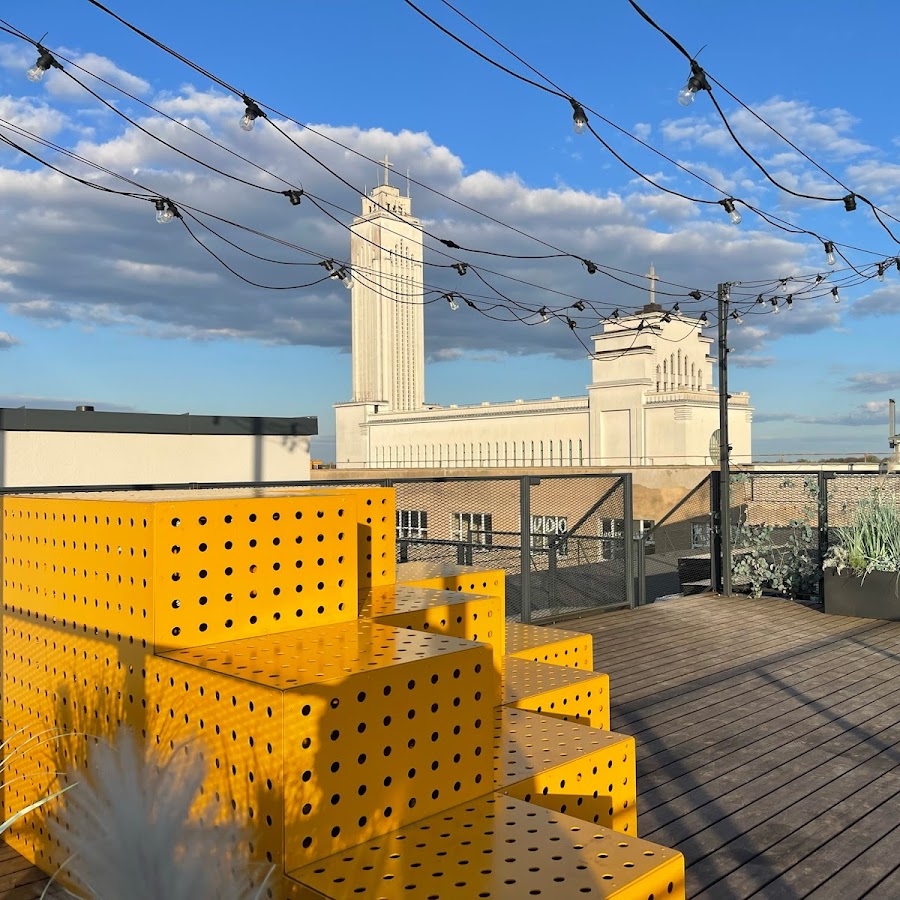
Chocolate hostel
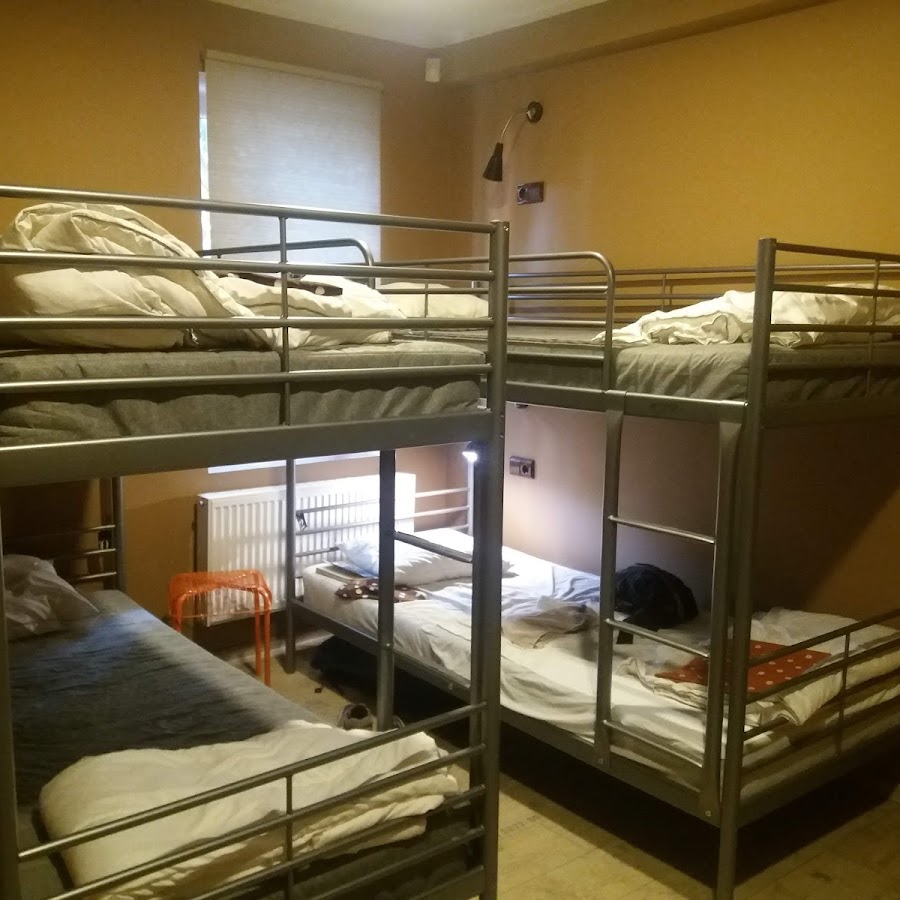
Laisves Avenue hostel Easy Kaunas
Ararat All Suites Hotel & Restaurant
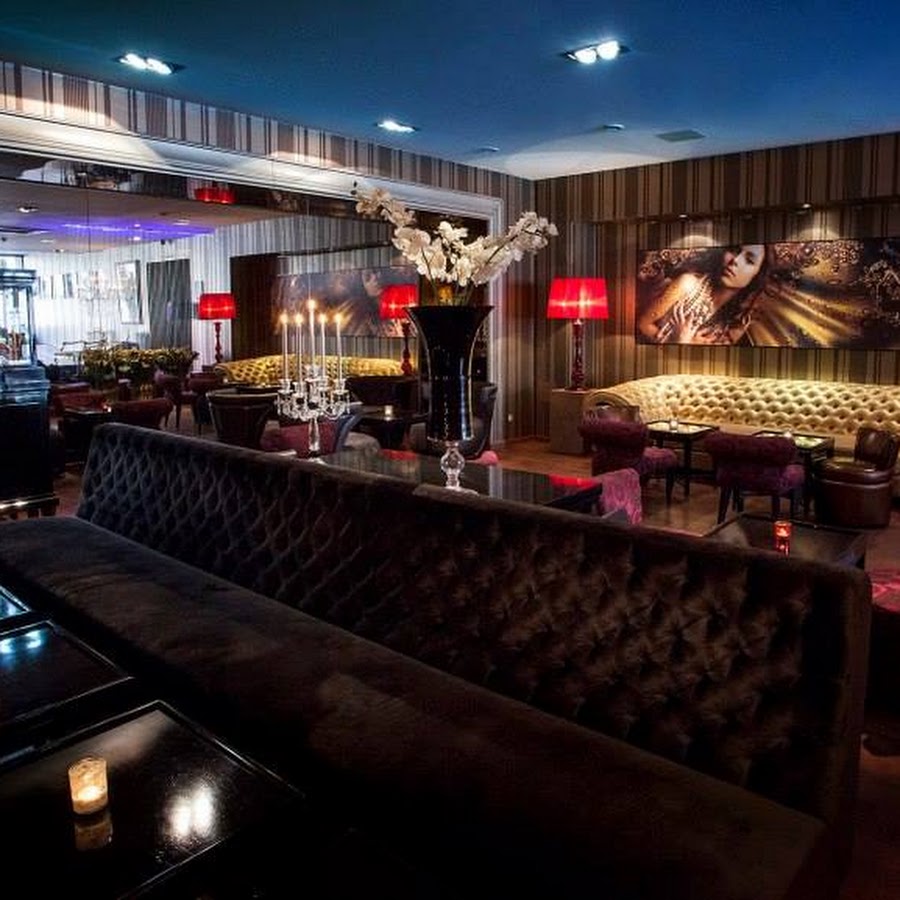
Trumpalaike nuoma Klaipeda
Shakespeare Boutique Hotel Vilnius
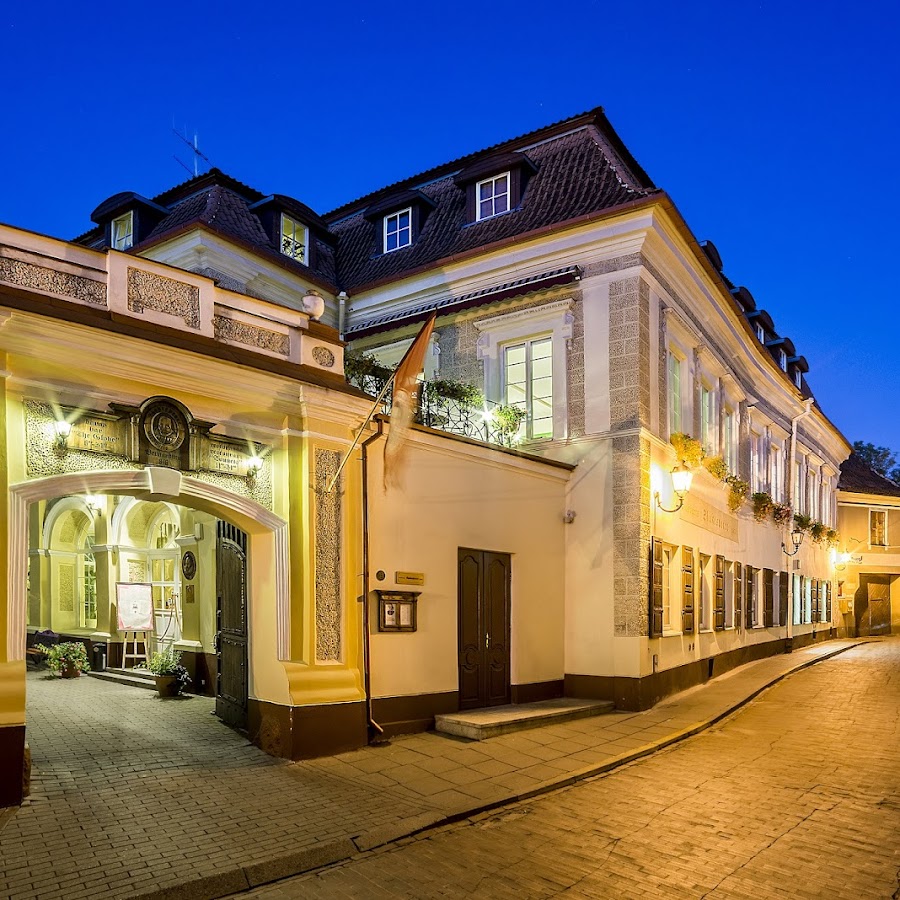
Pixel House
Sostinės apartamentai
ALEXA OLD TOWN
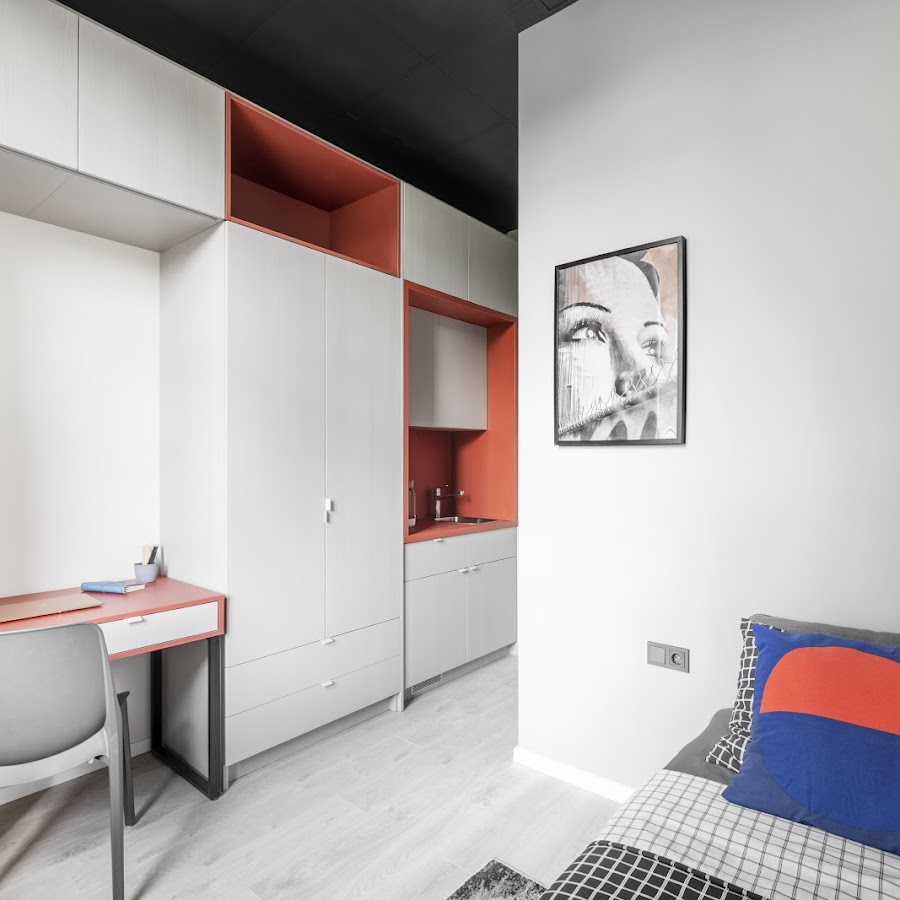
YOUSTON co-living
Guest house "Prie Miesto Vartų"
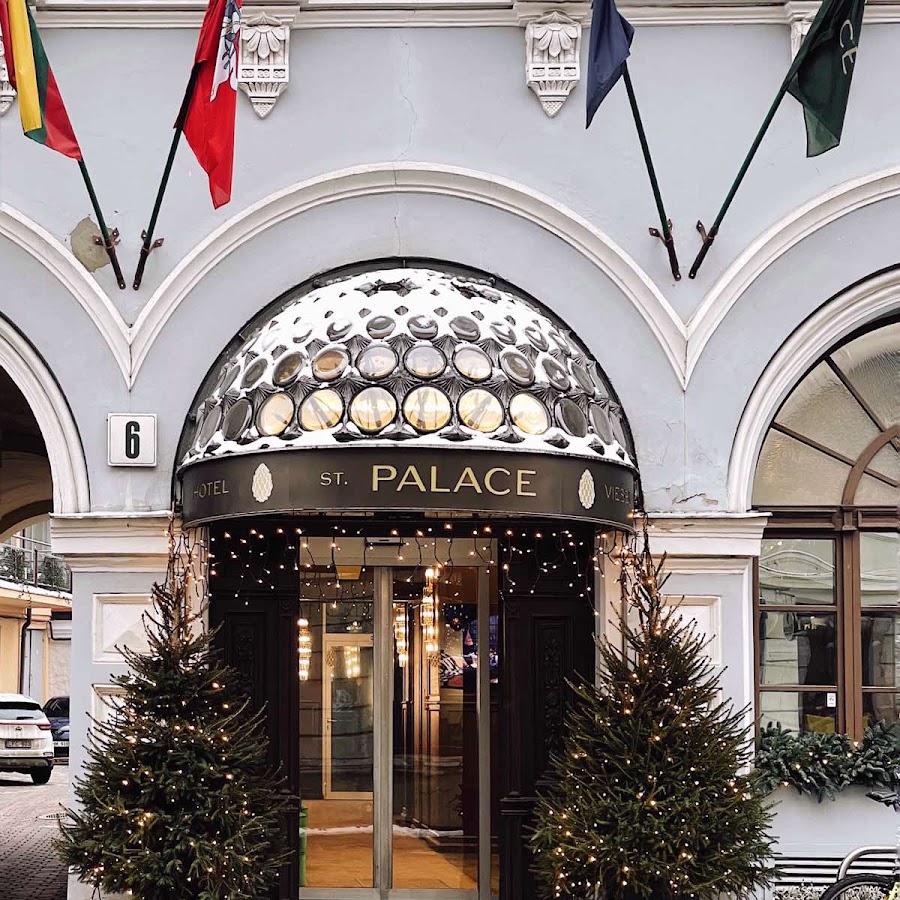
St Palace hotel
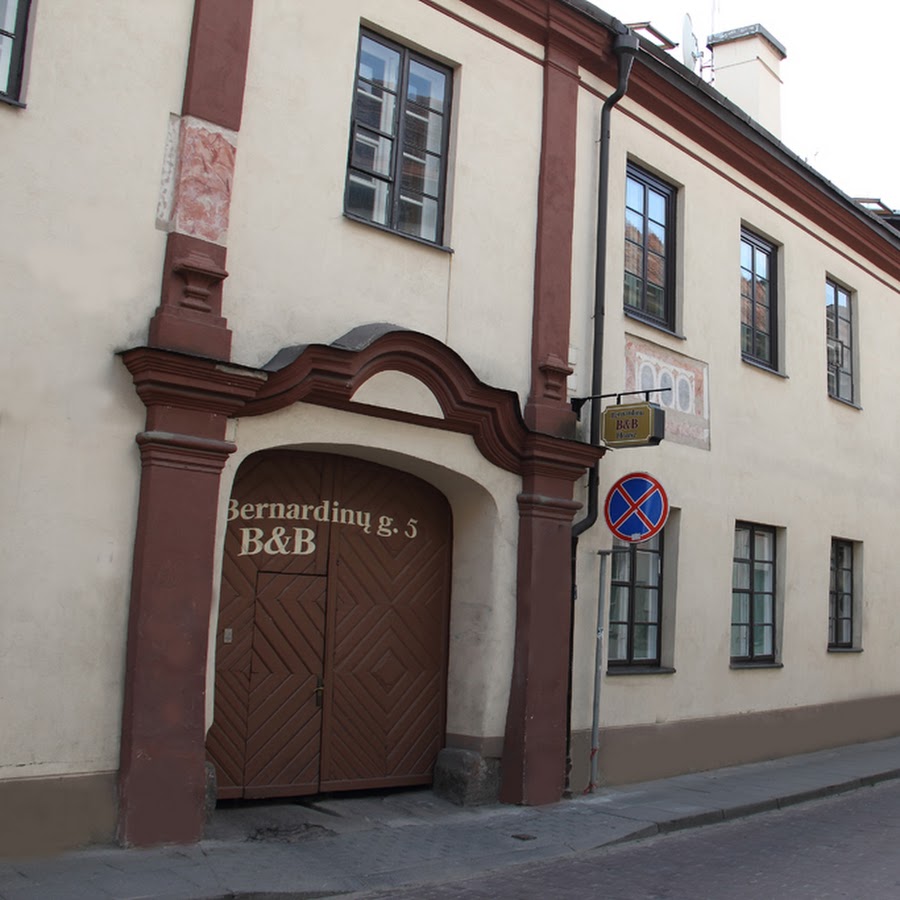
Bernardinu B & B House
Uzupis apartments
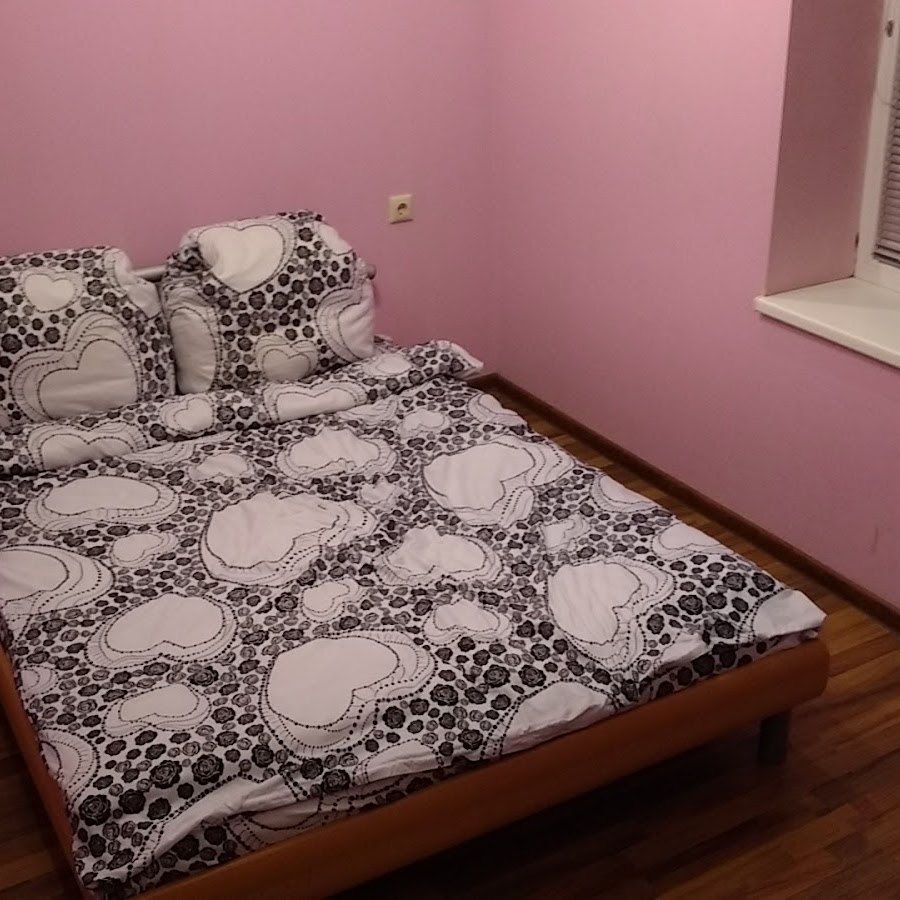
Užupio namai
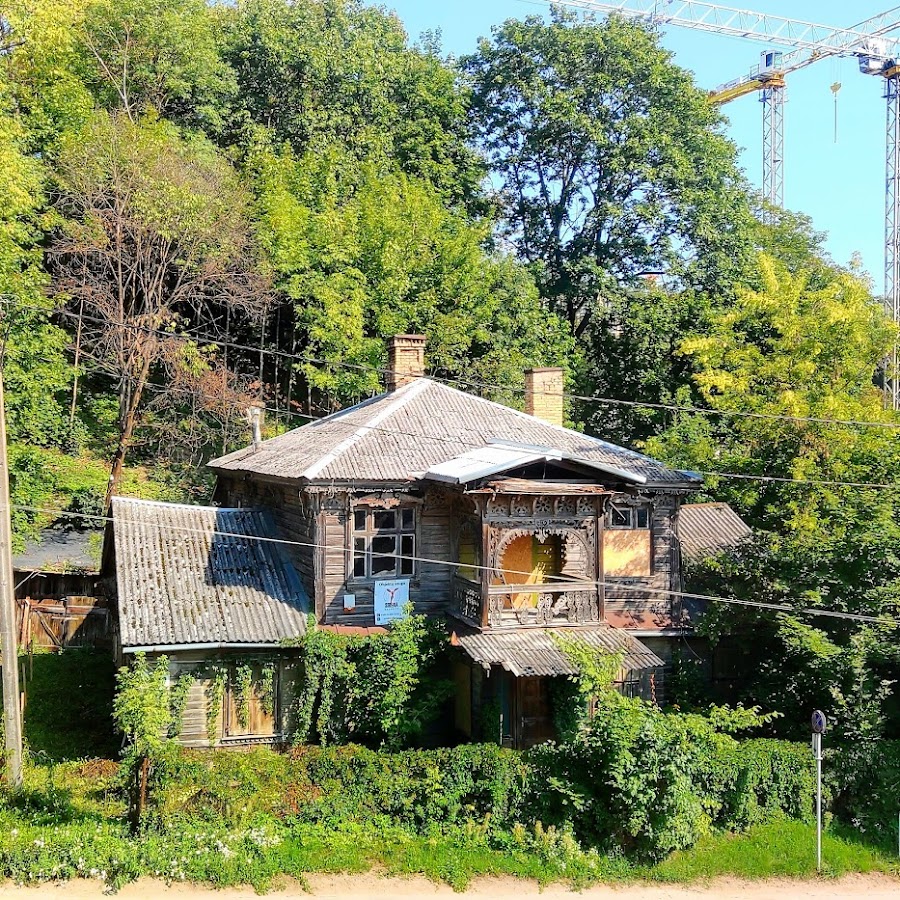
The Jolly Man
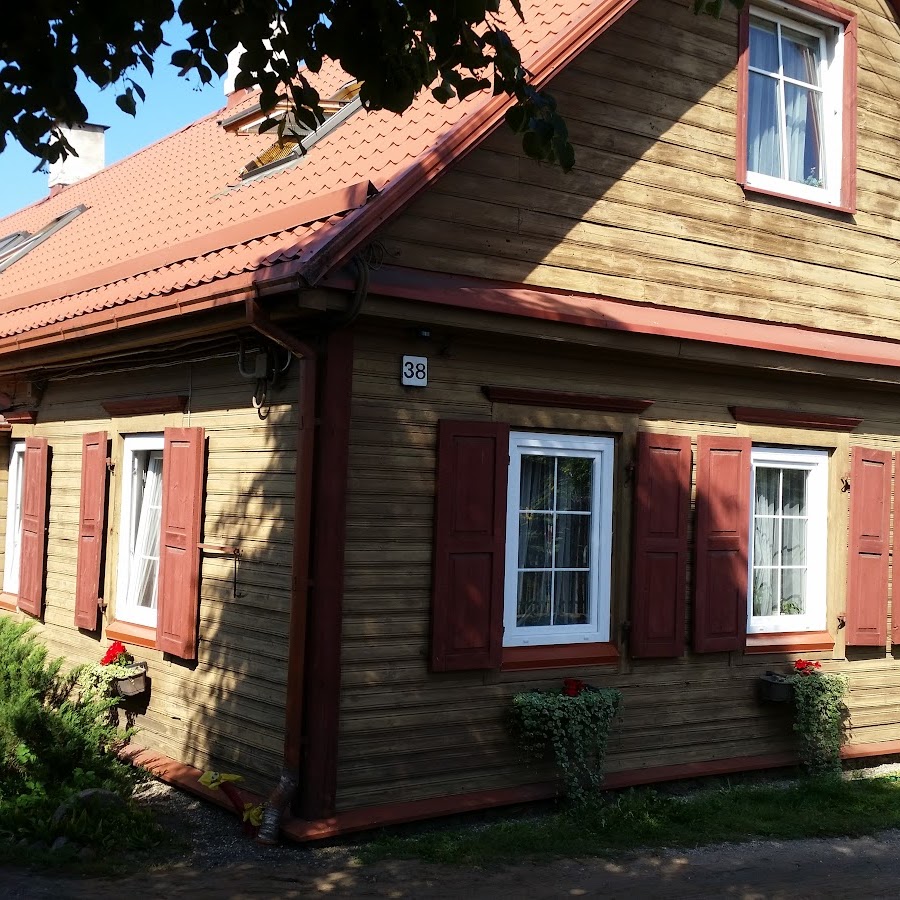
Hortus Vilnius
Guoda Apartments
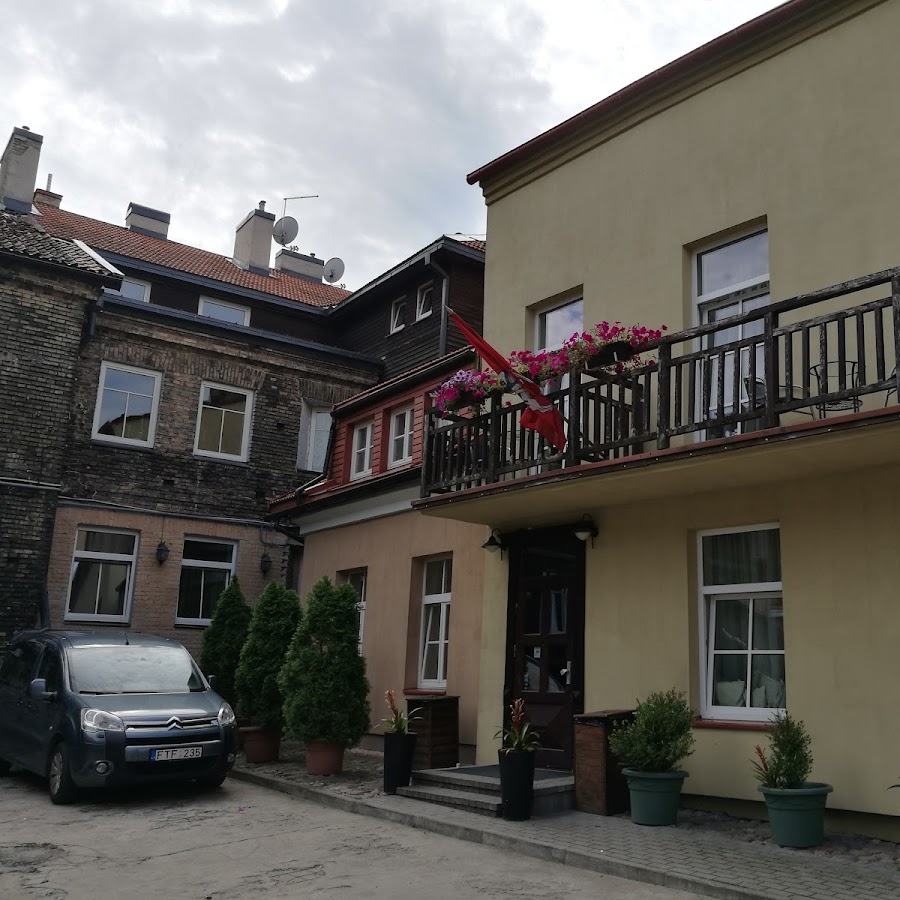
K129 living
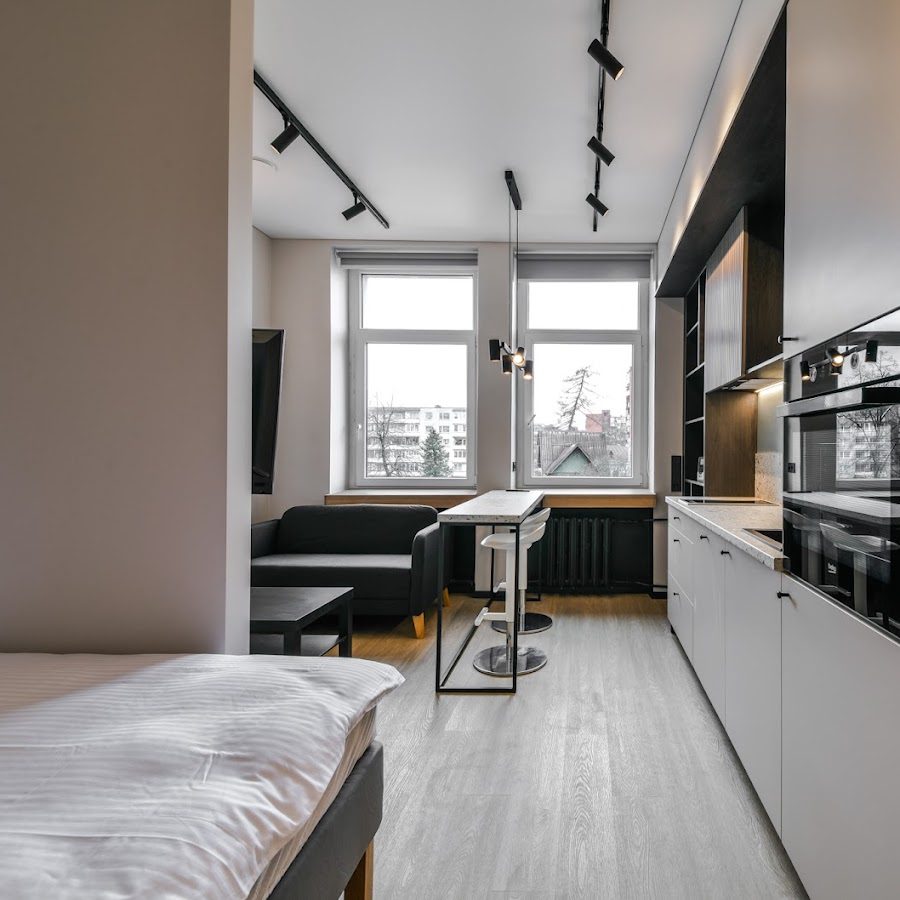
In astra, B&B sveciu namai
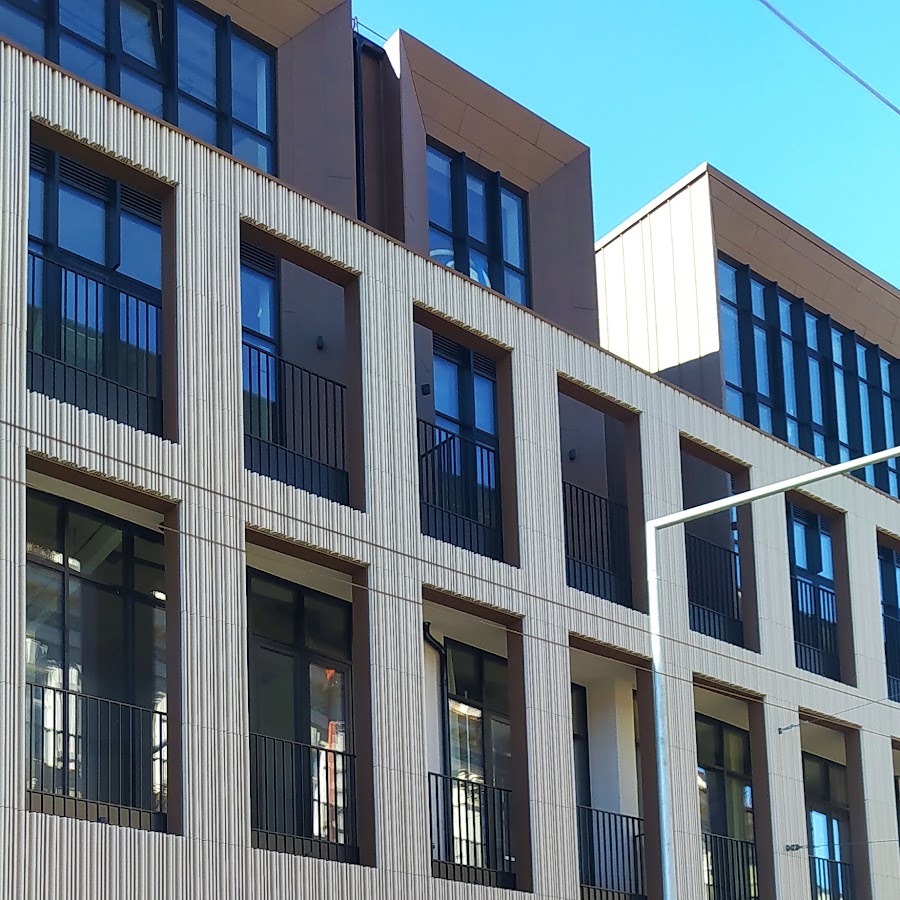
The Joseph
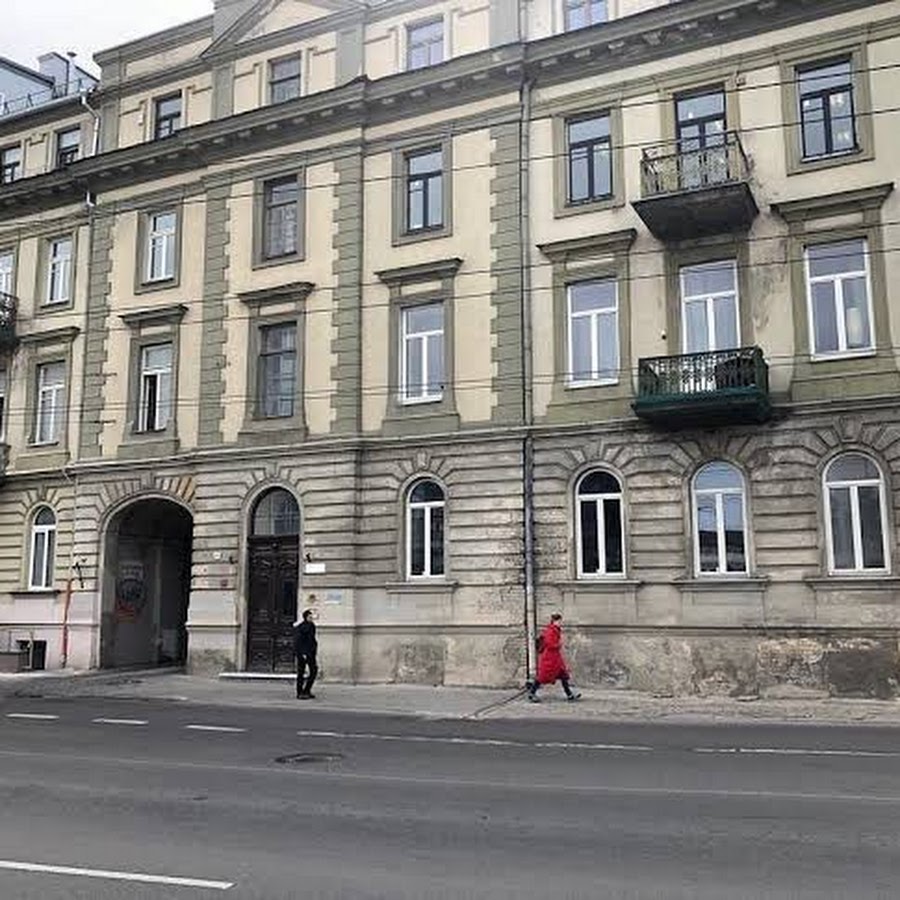
Hotel Silvana
Rd Hostels in the house with black
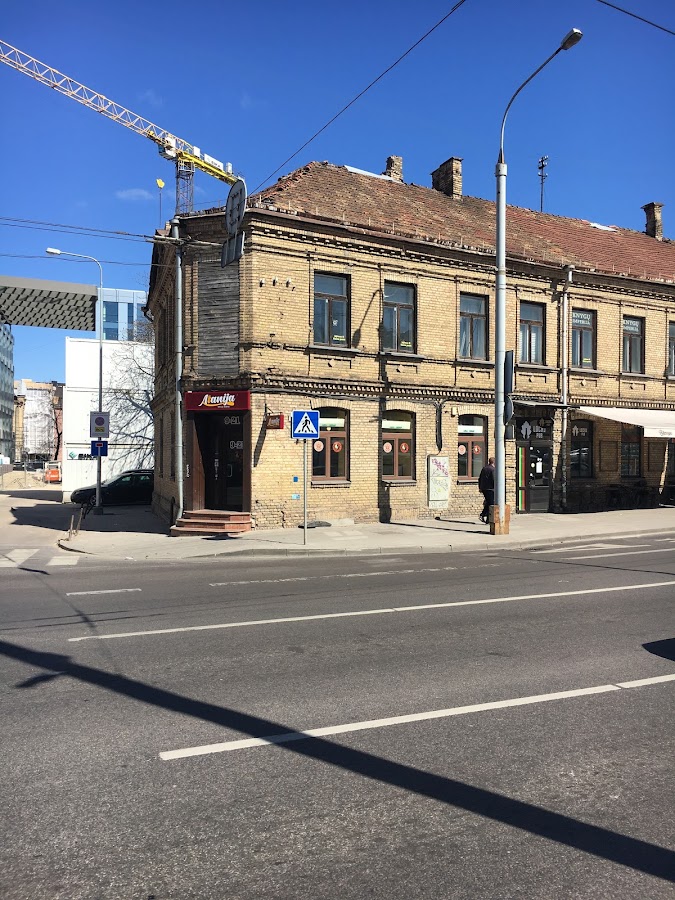
Stebuklas
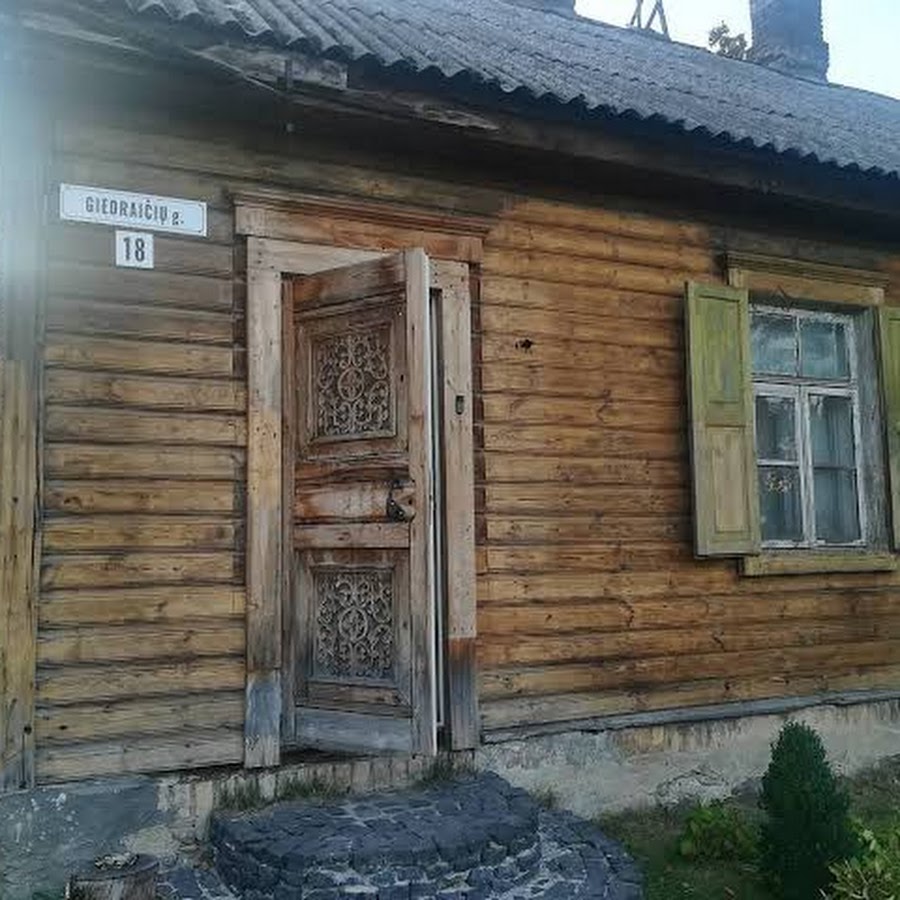
Asimare, O. Puodziulaitienes imone
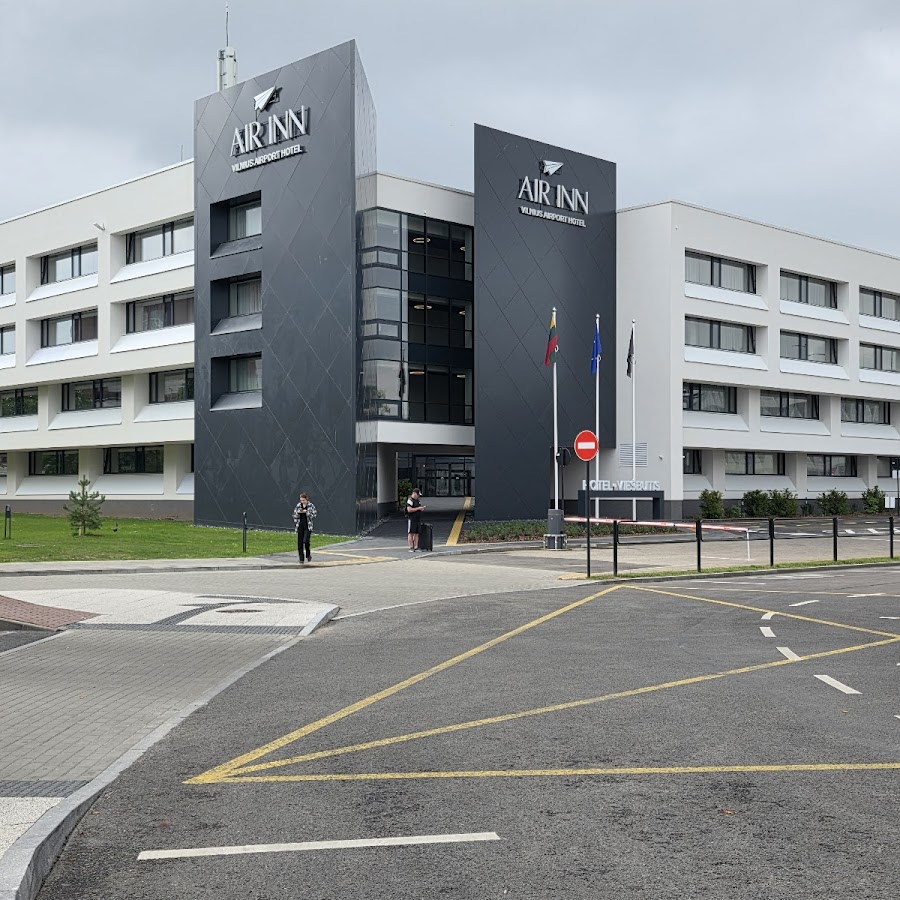
AIRINN Vilnius Airport Hotel
Comfort Hotel LT - Rock 'n' Roll Vilnius
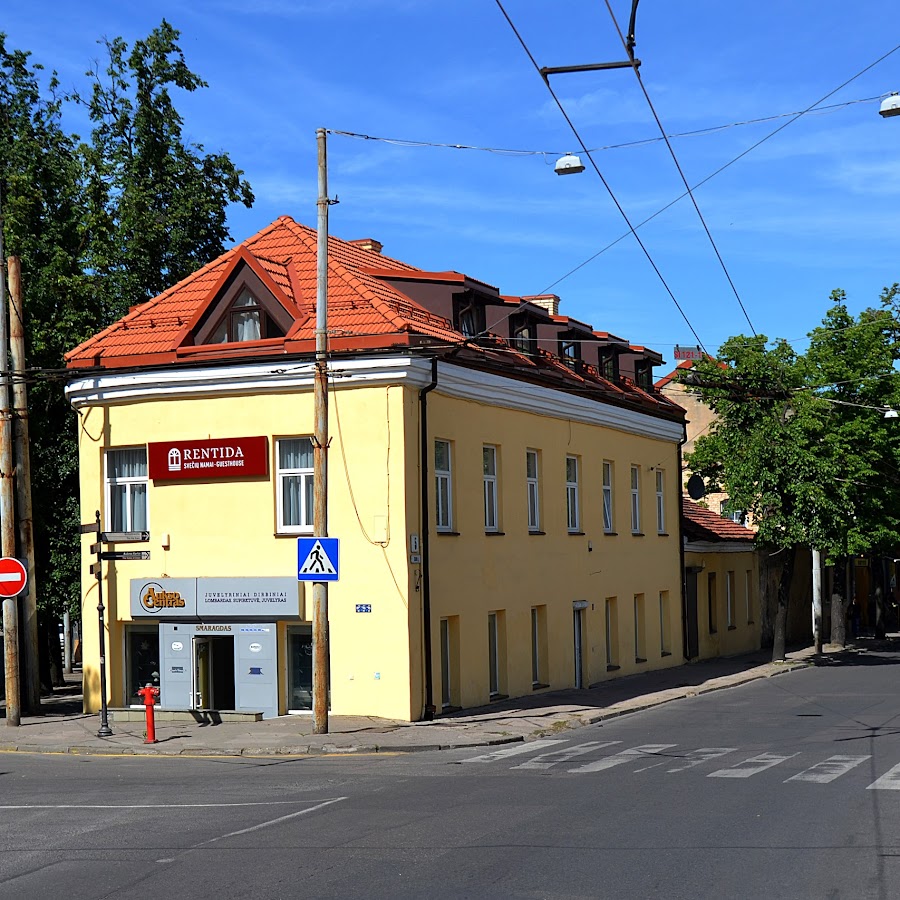
Rentida Guesthouse
Sleep in BnB
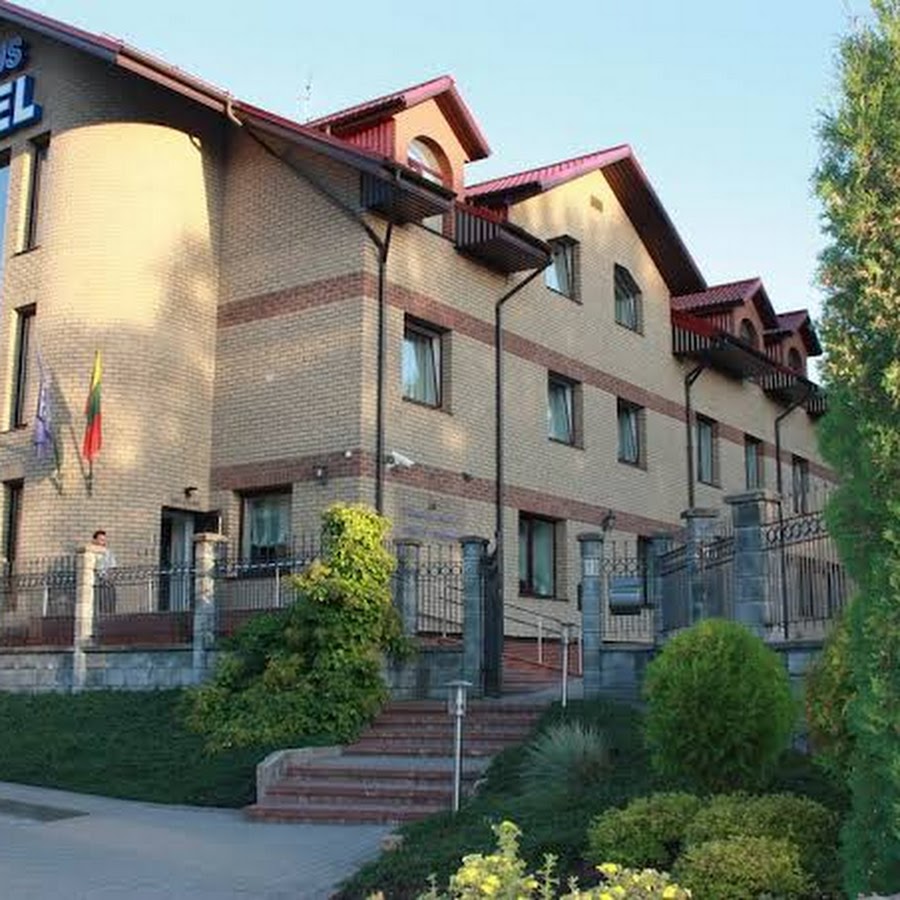
Amicus Hotel
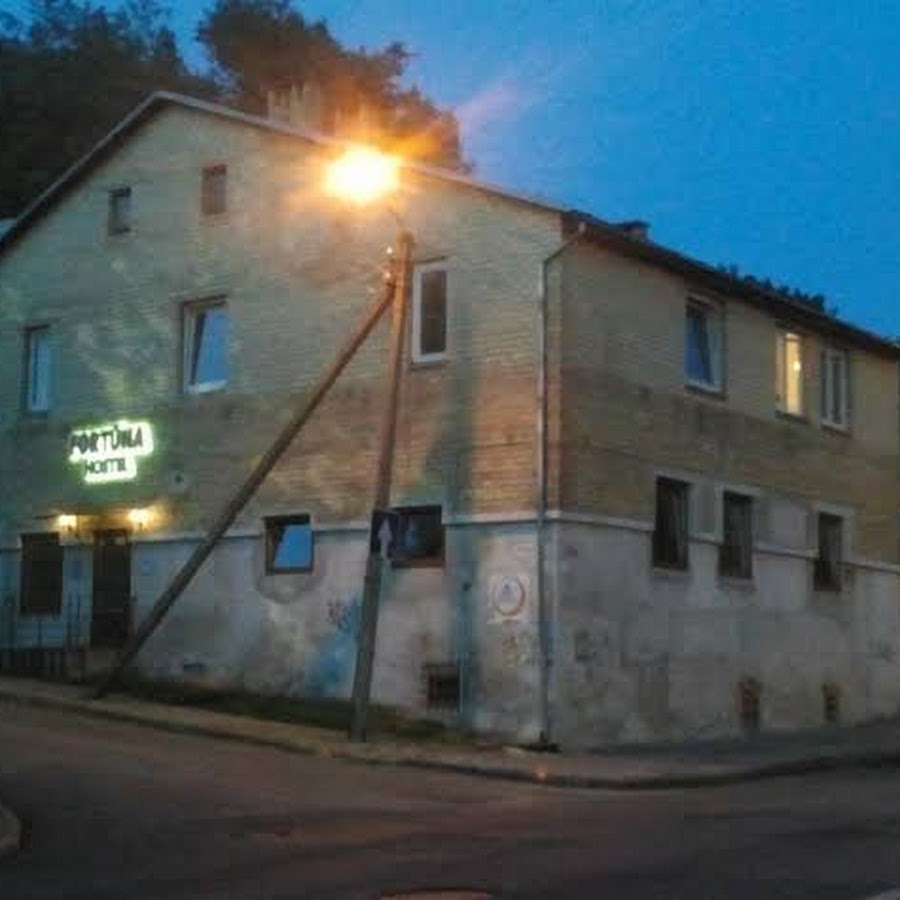
Fortuna Hostel
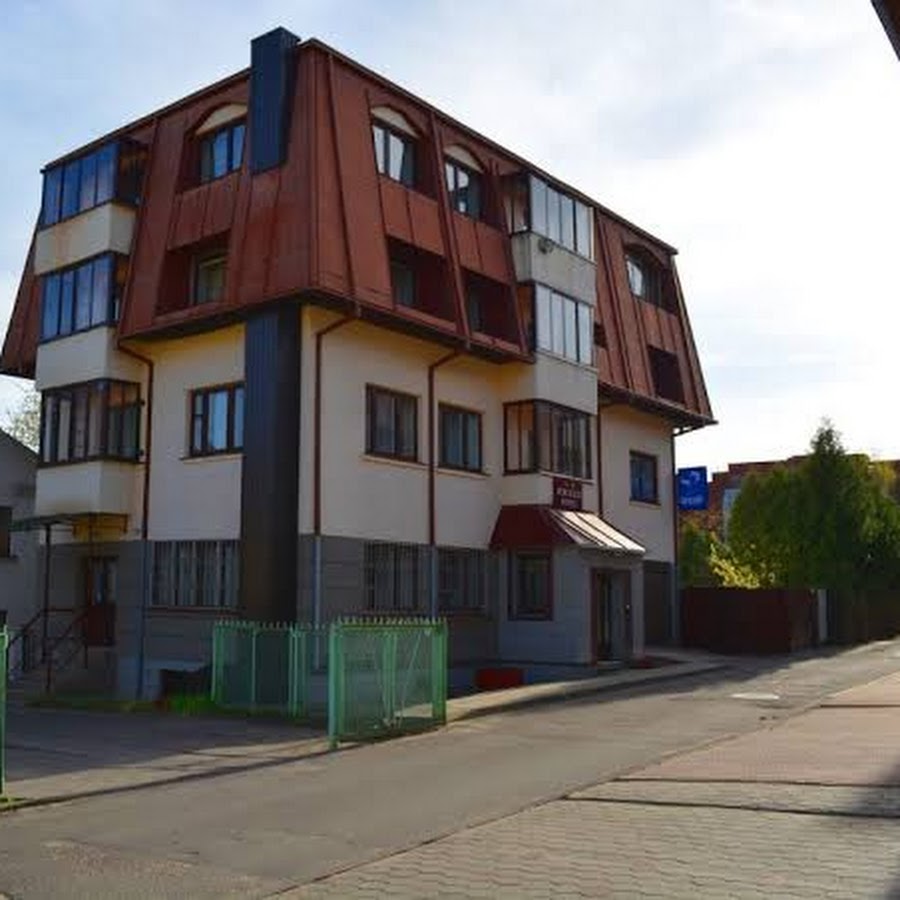
Jeruzalės viešbutis
GABI
Villa Alicante
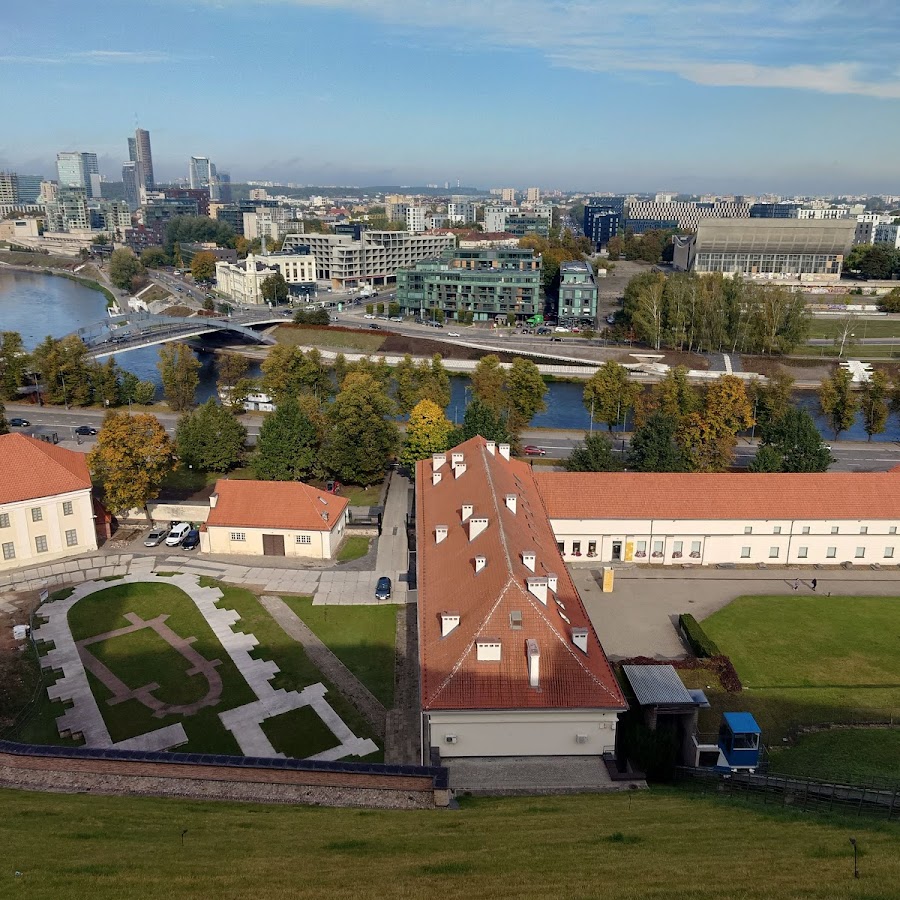
Lollo Residence - Lollo Luxury
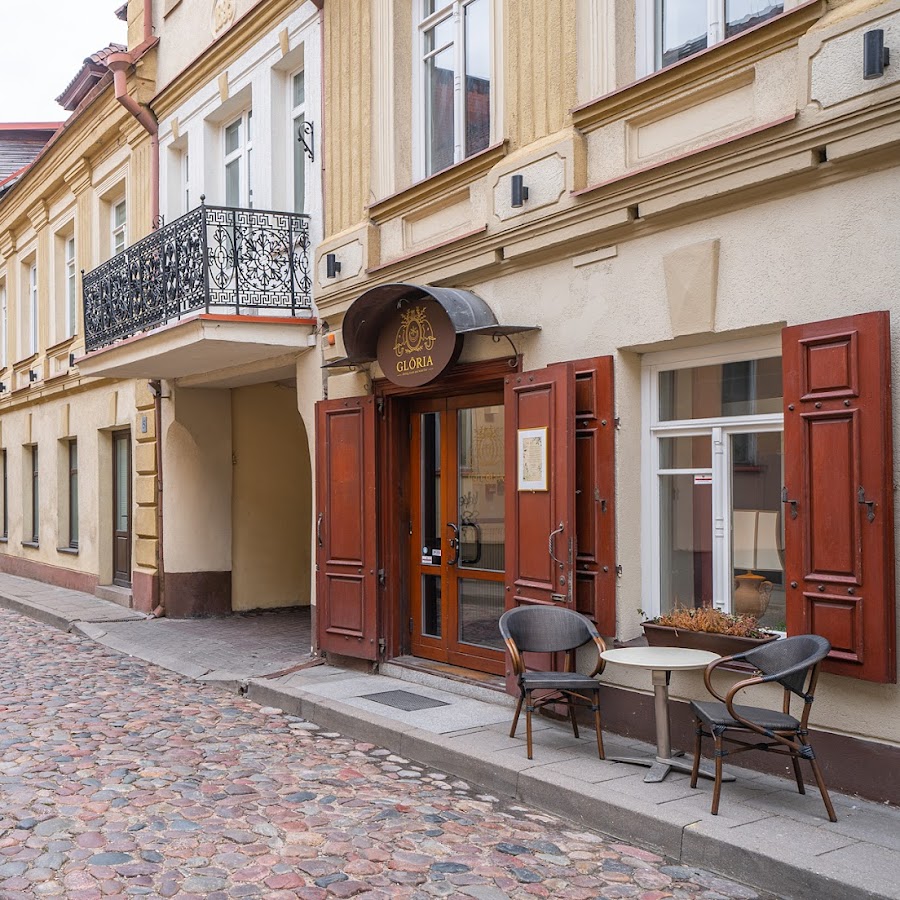
AUKSINĖ AVIS, UAB
citywave Vilnius co-living hotel
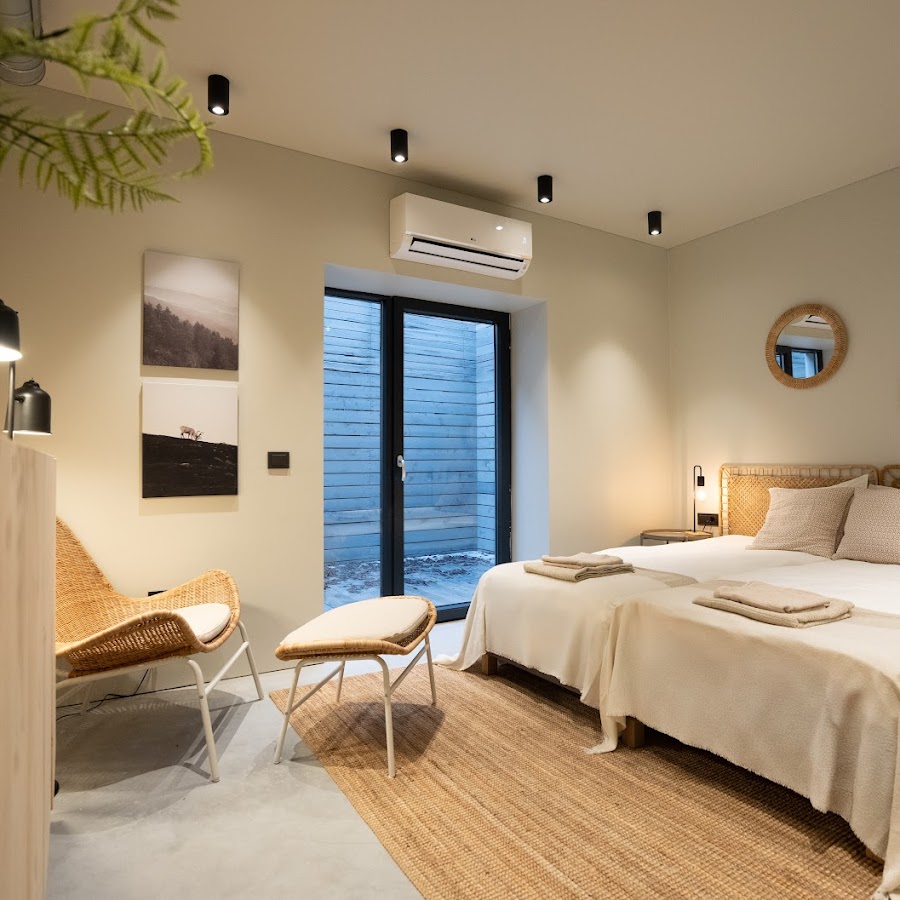
Family House Roja
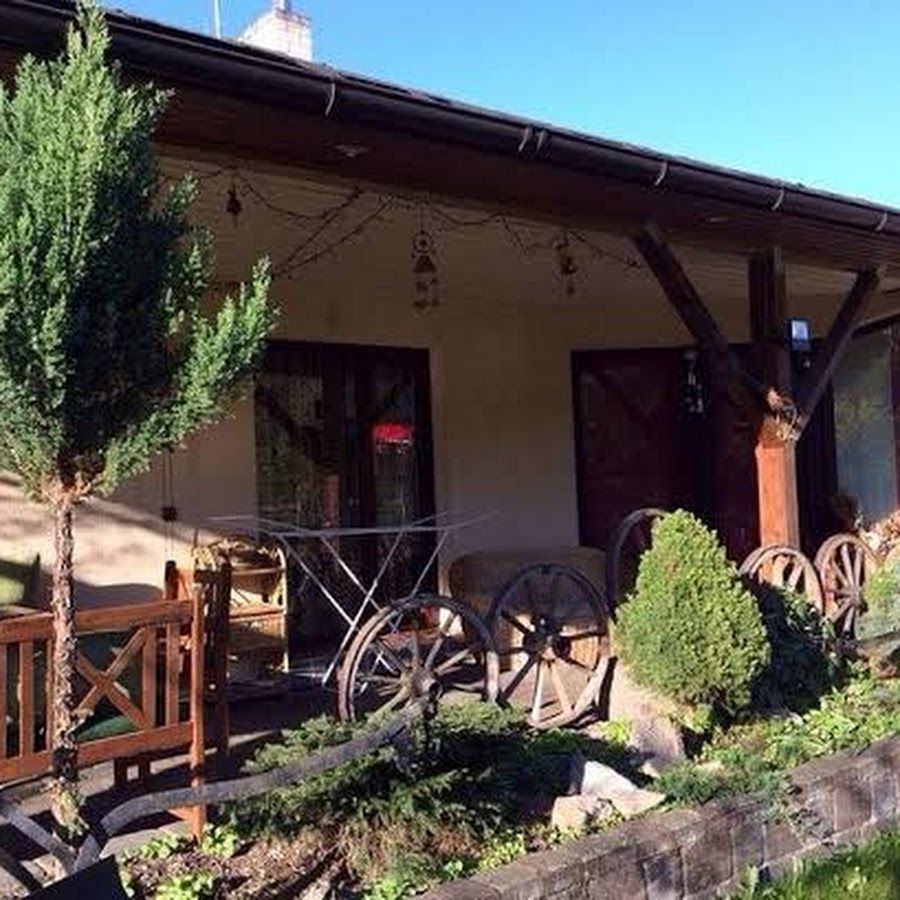
Runmis
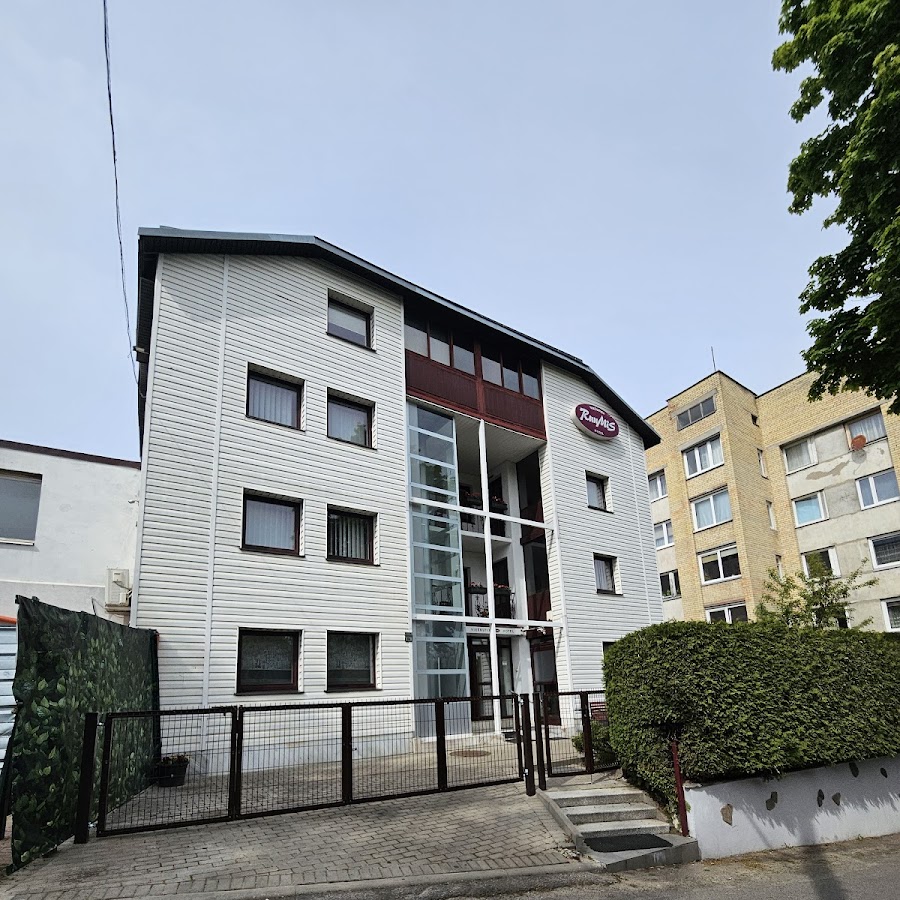
Rinno hotel
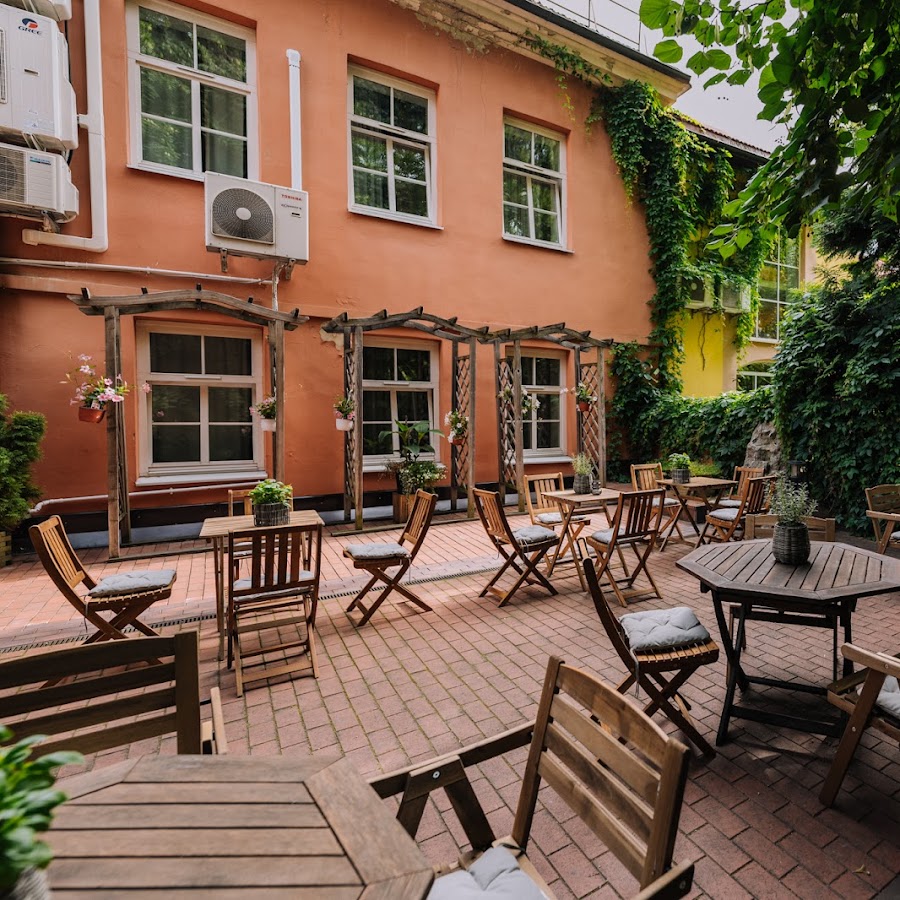
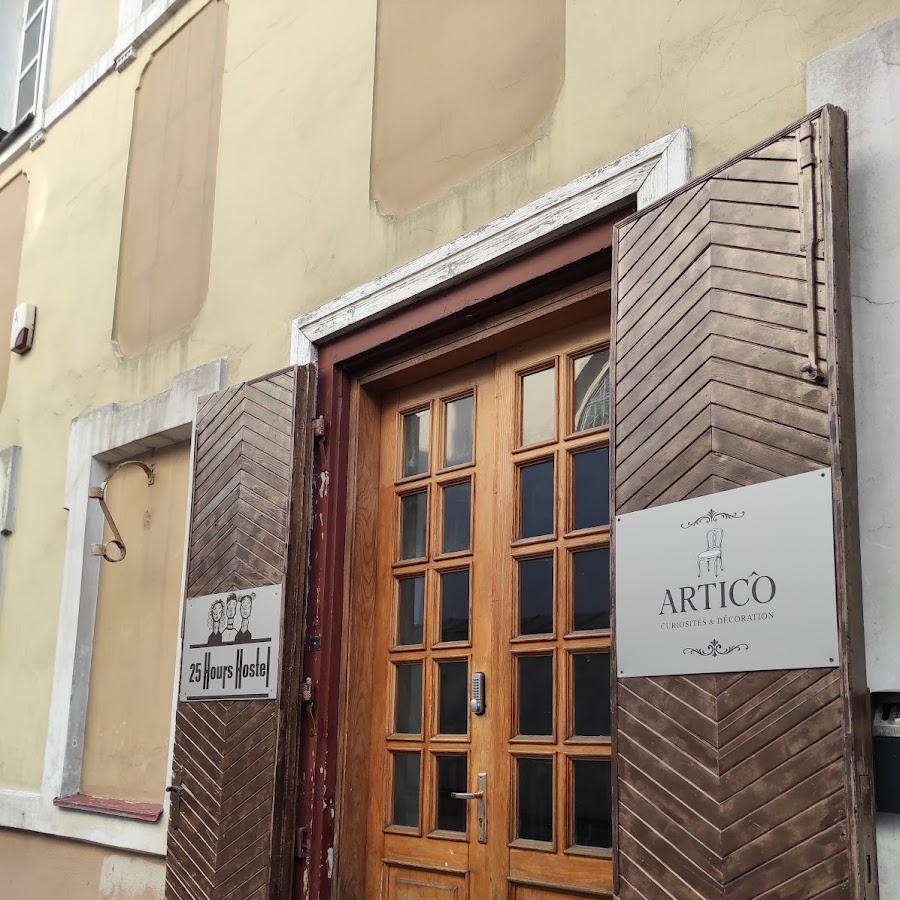
25 Hours Hostel
Emi apartment
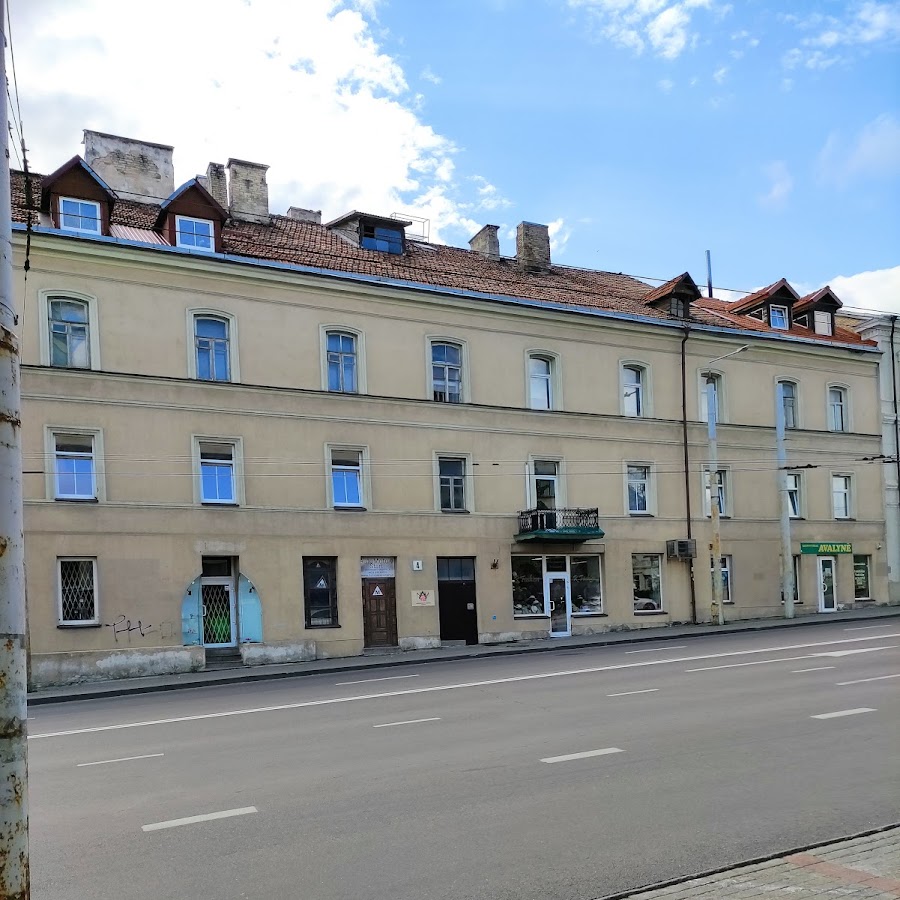
Halès Self Check-in Guest House
Vivulski's Apartments
Vilnius Legends house
Vilnius City Apartments
Tatjanos dvaras
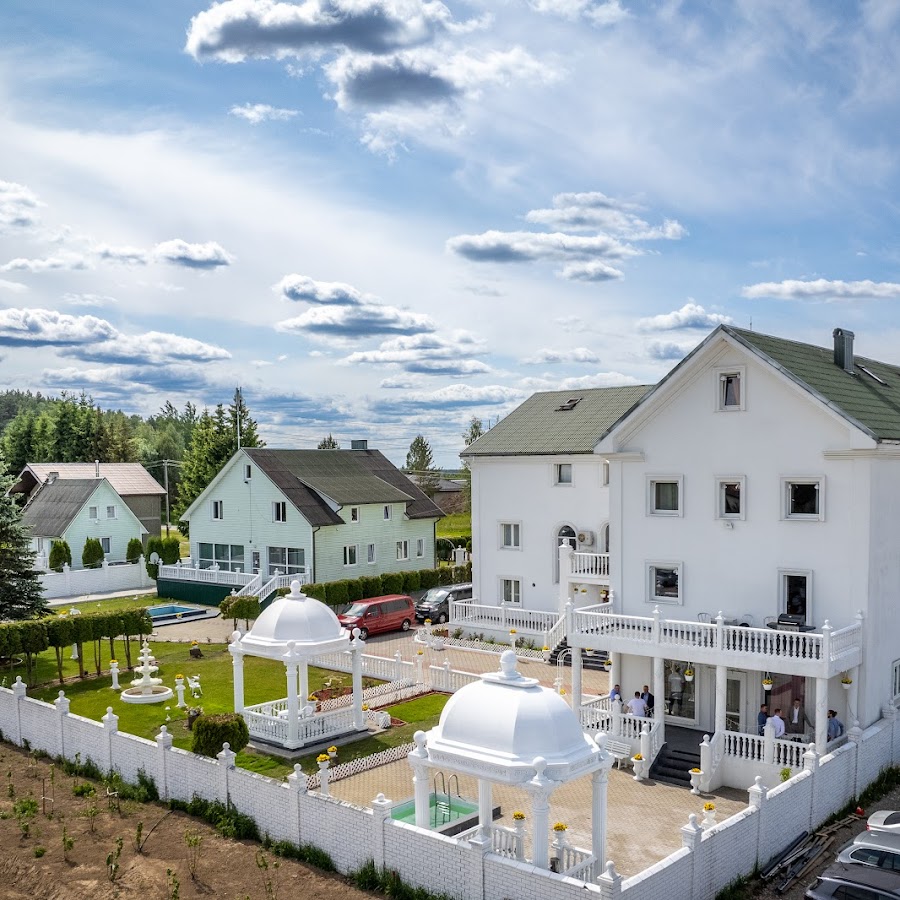
Hotel Moon Garden
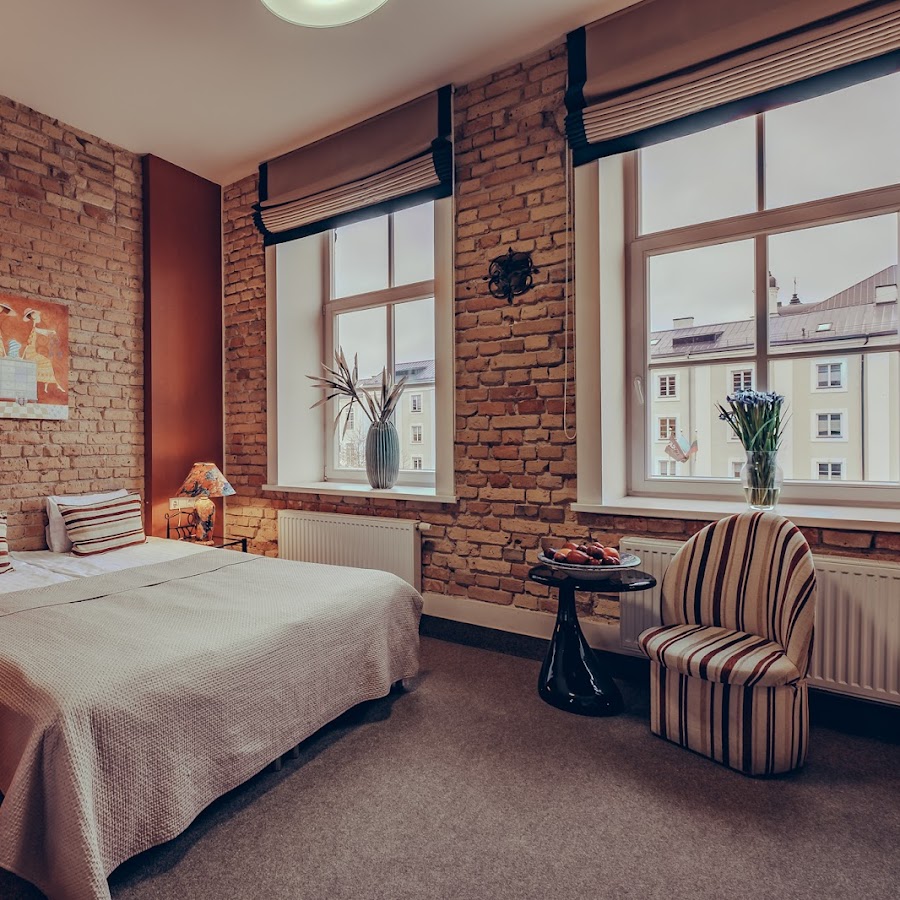
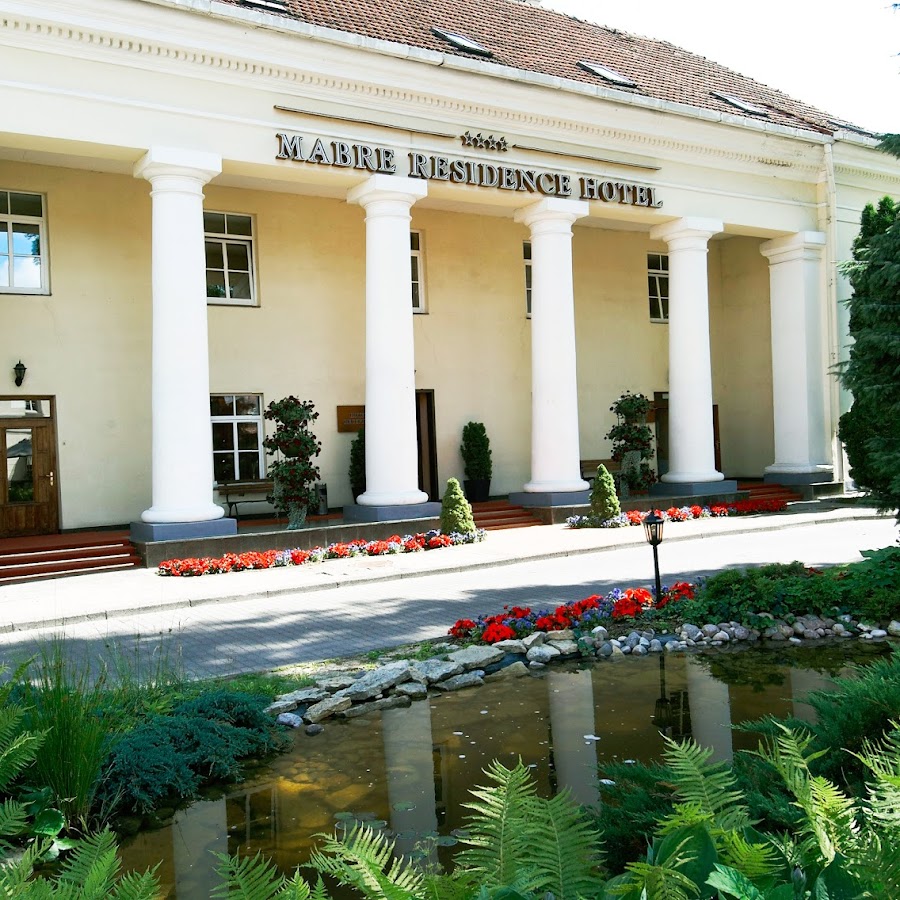
Mabre Residence
Hotel PACAI
Built in 1677 as the most magnificent mansion in the Grand Duchy of Lithuania, owned by a national legend and cultural ambassador of Lithuania Kazimieras Mykolas Pacas, the building's legacy as a hotel begins in 2018 Spring. As the first Design Hotels member in Baltic States, Hotel PACAI is located on the most stunning Vilnius Old Town street, lined by thousands of historical touches. Here, bold cosmopolitan, design-savvy travelers come together to experience the history, local culture, outstanding design and fine food that all celebrates a vibrant life. Hotel PACAI is created by the passionate team of local architects and designers. Rich past elements are masterfully blended into fresh approach to luxury and contemporary design solutions. The hotel captures the spirit of Vilnius itself: historic, passionate, making you feel awaited, vibrant and young in its spirit. As soon as you step into the lobby, the atmosphere pulsing new experiences. The 104 rooms & suites is the perfect synthesis of multiple creative visions coming together in a historical building that is as much a remarkable heritage as it is a place celebrating the present uniqueness of Lithuania and Baltic culture. Selected by Michelin Guide, Restaurant PACAI invites guests to discover Lithuanian nature's hidden gems and present them in a way that showcases their true brilliance on the plate. The newly renovated 17th-century building also has three meeting rooms and an exclusive courtyard, which brings the sense of the informal splendor. Hotel features an award winning SPA PACAI with treatment rooms, sauna, fitness, making this place perfect for a restful getaway. Bringing together the ideas that might seem unrelated, creating a common theme that relates to the singularity of the site's history, Hotel PACAI follows the principal: to be a liberating experience. It is our ambition of hospitality that we wish to make a way of life.
SAINT CASIMIR GUESTHOUSE
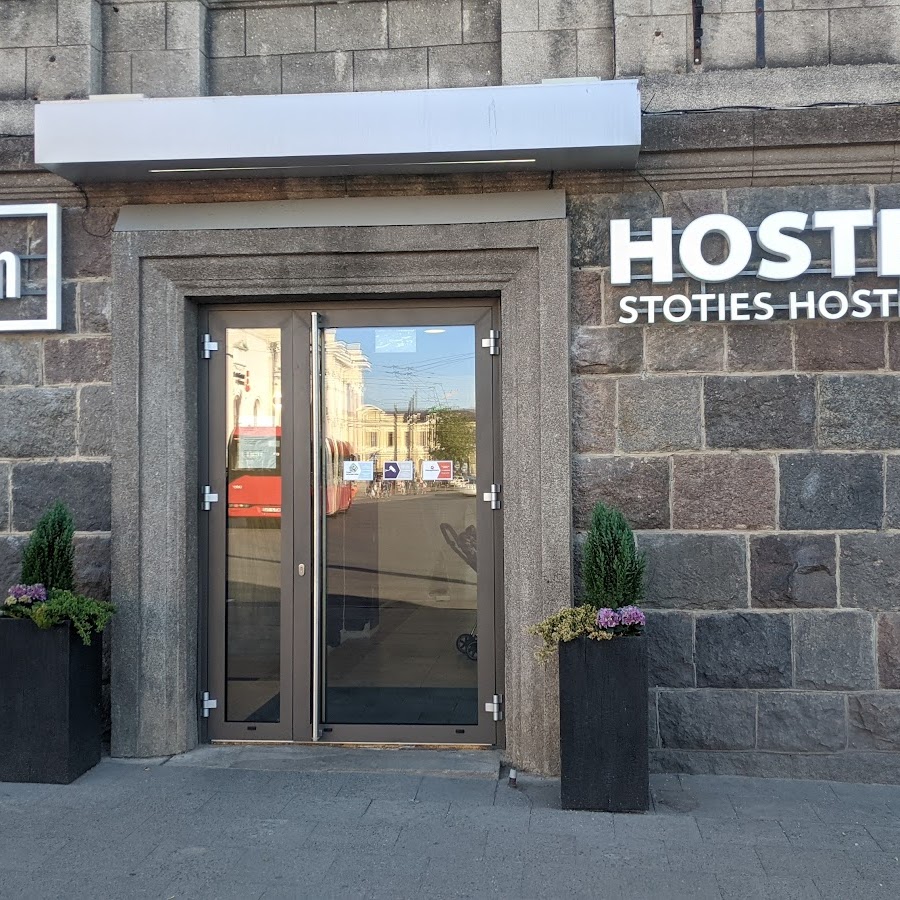
Stoties Hostelis
Florens Boutique
Vilnius Studio Apartments
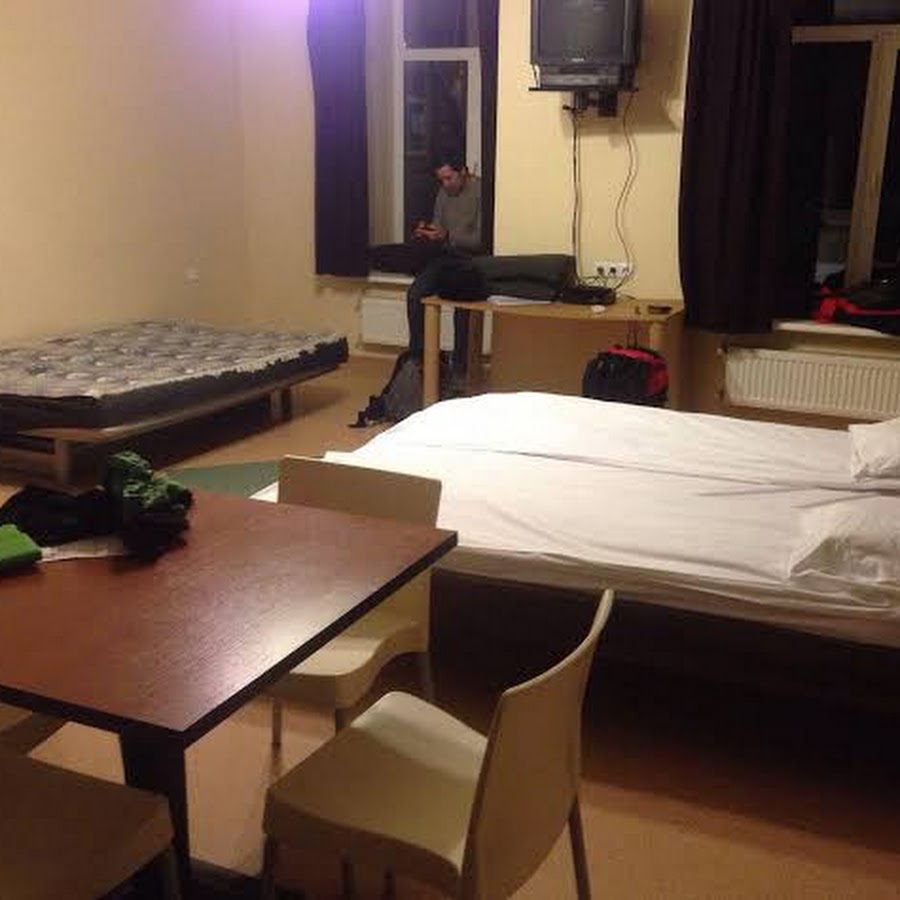
Guest room in Old Town
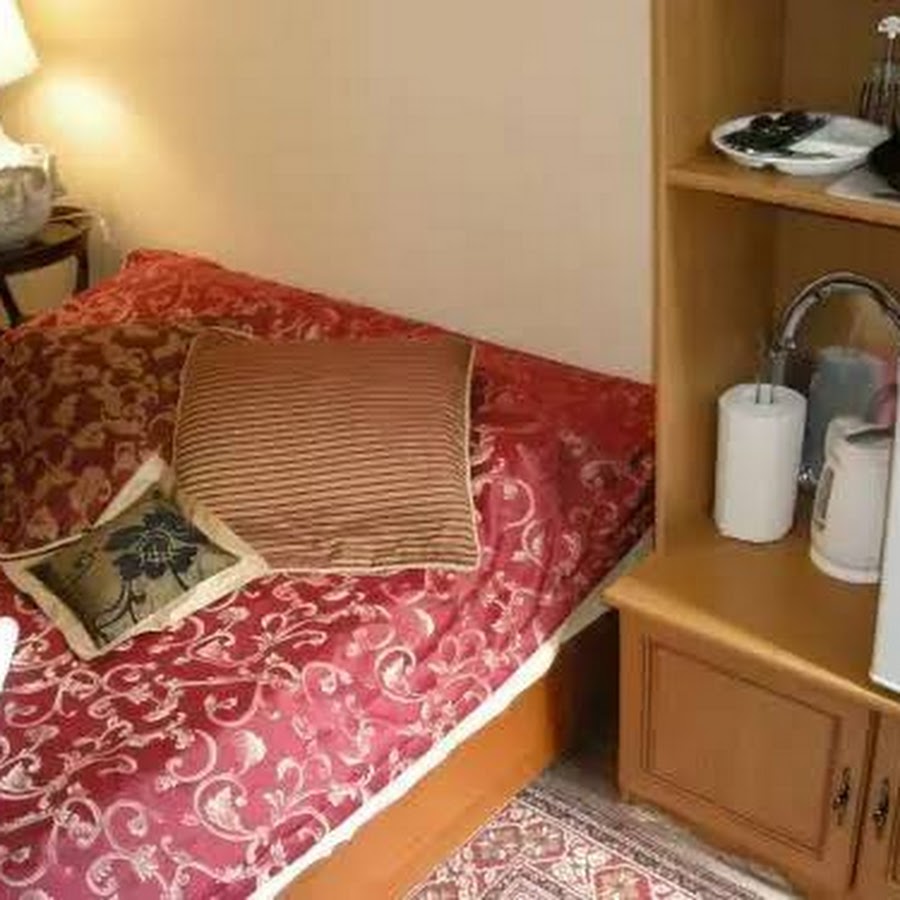
House of Sun B&B
Raugyklos Apartamentai
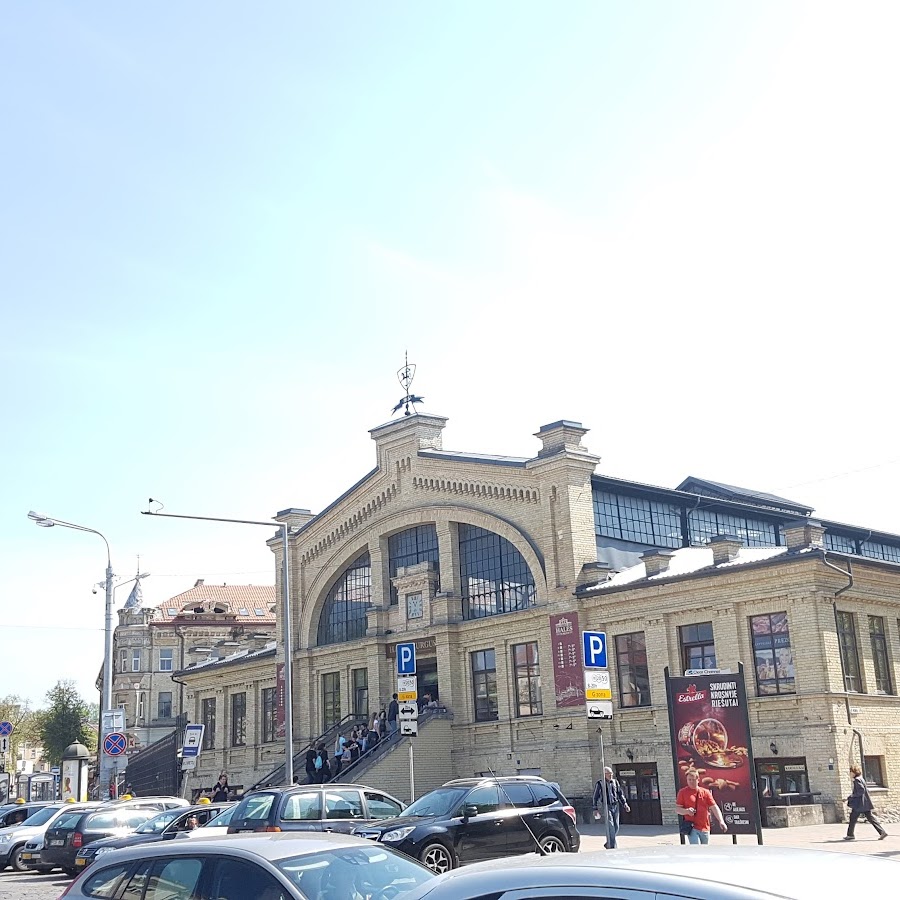
Apartmens "fortress"
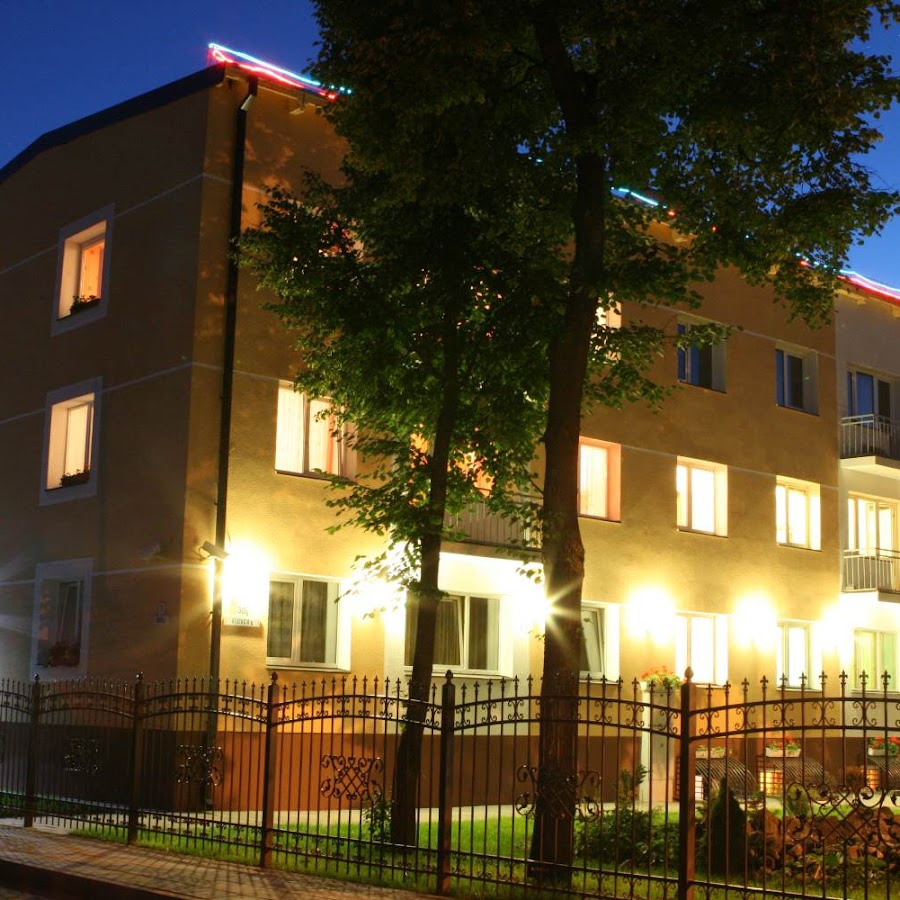
June street apartments, Vilnius
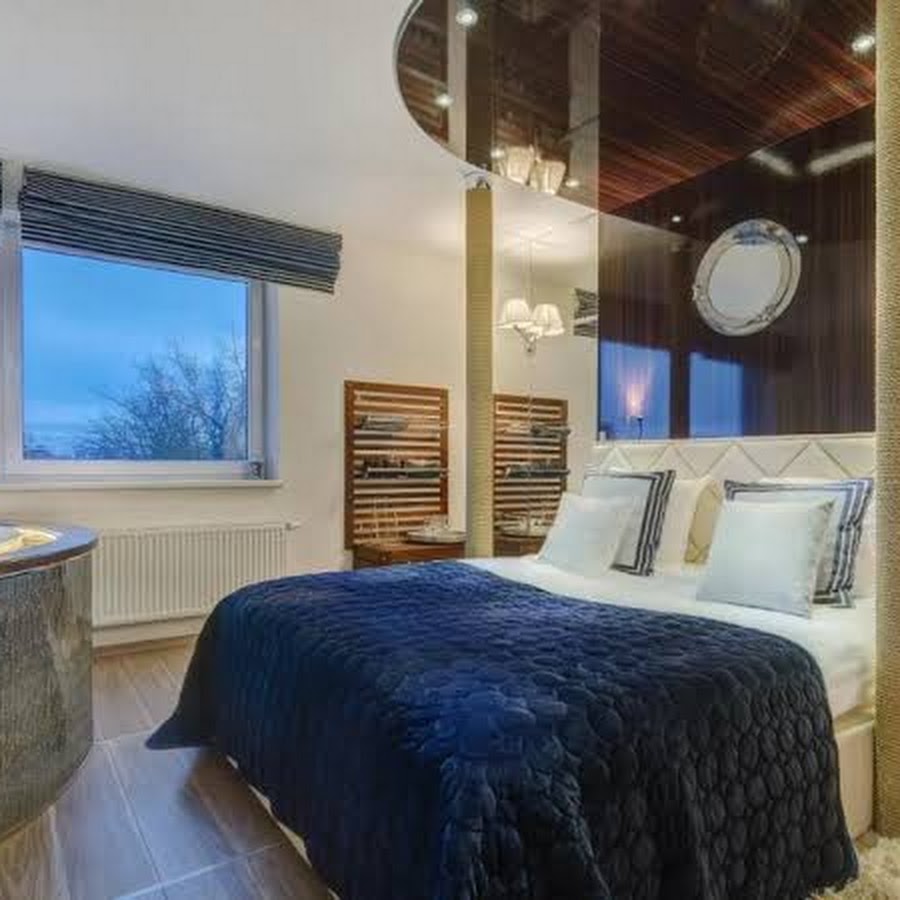
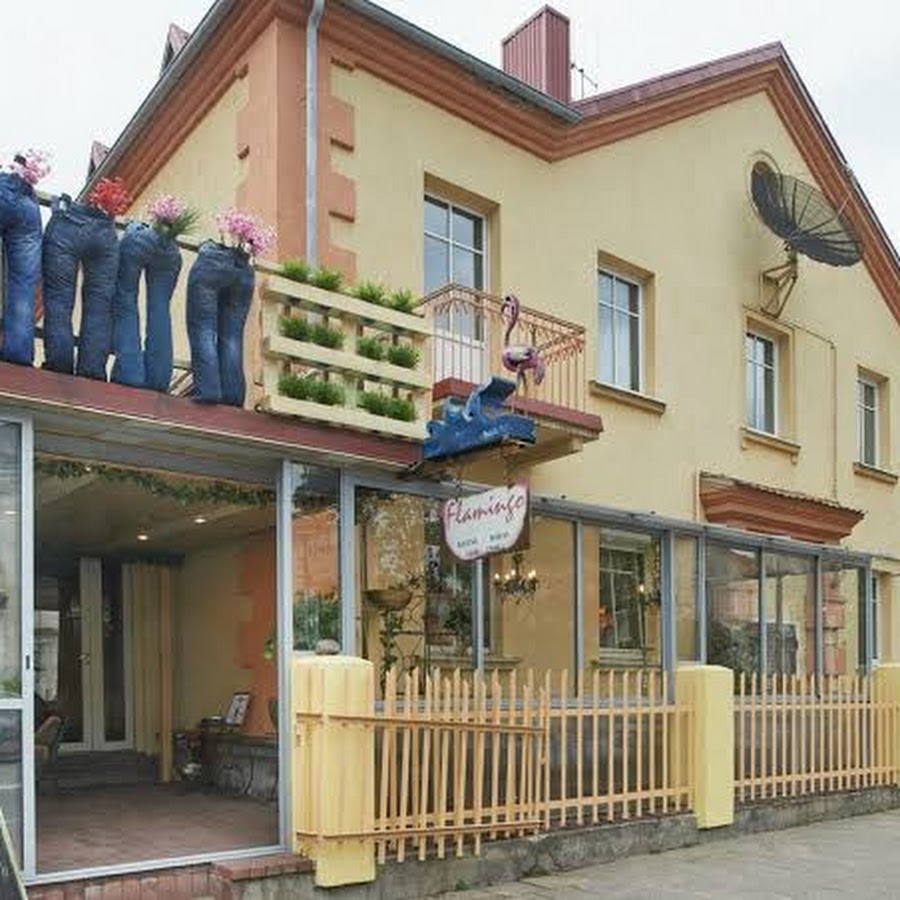
Flamingo, cafe, Femijas
Loft Inn Self-Check In
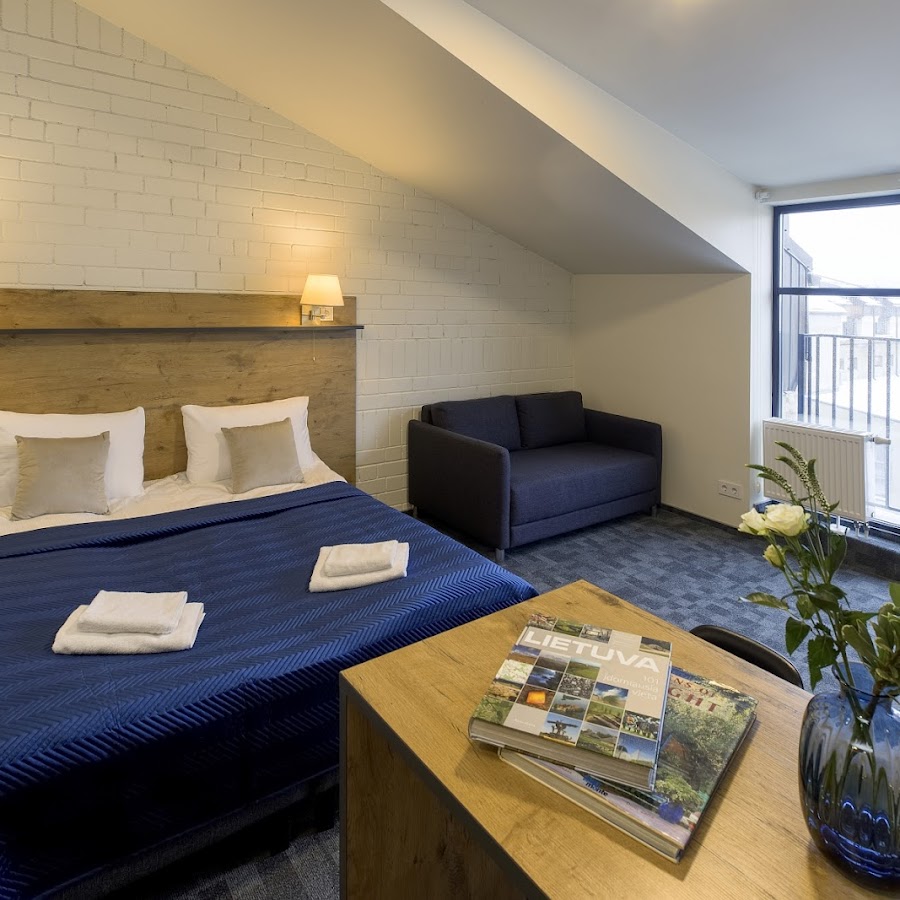
Nese Pramogu Bankas Guest House
Stay Vilnius Hotel
Amberton Cathedral Square Hotel Vilnius
AEROHOTEL
Place No. 2
Pilies Street Apartments
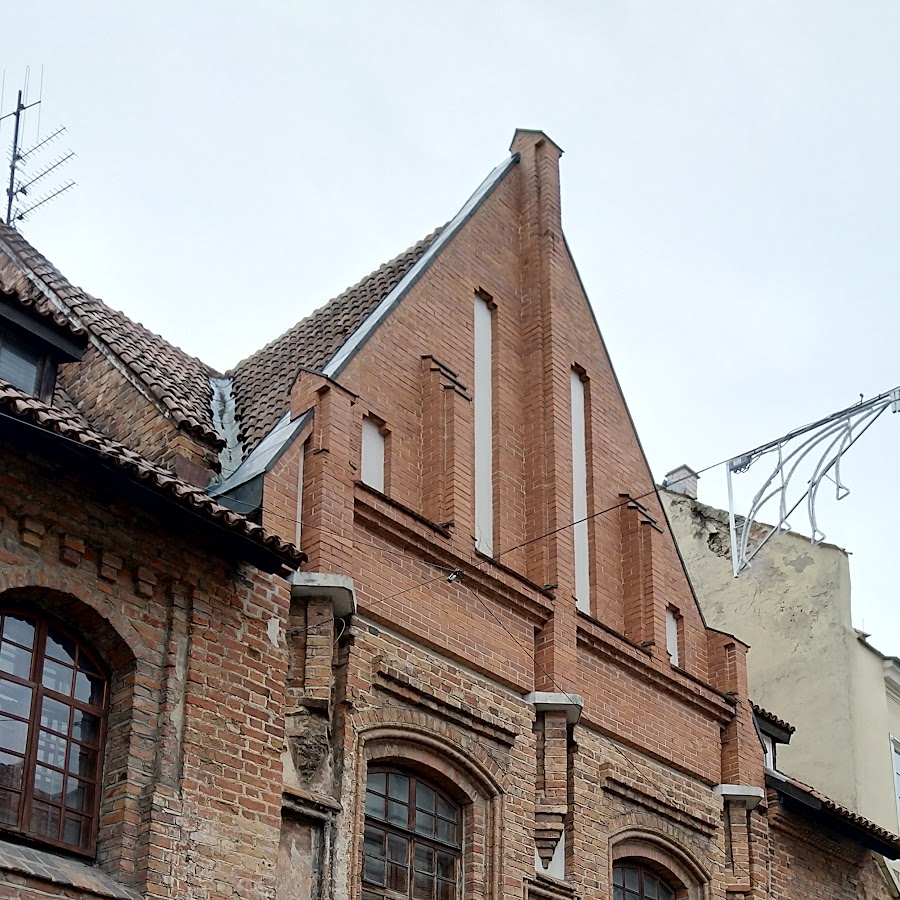
Zappa Square
Pas Bazilijonus
Villa EverGreen
J14A | Rooms & Apartments
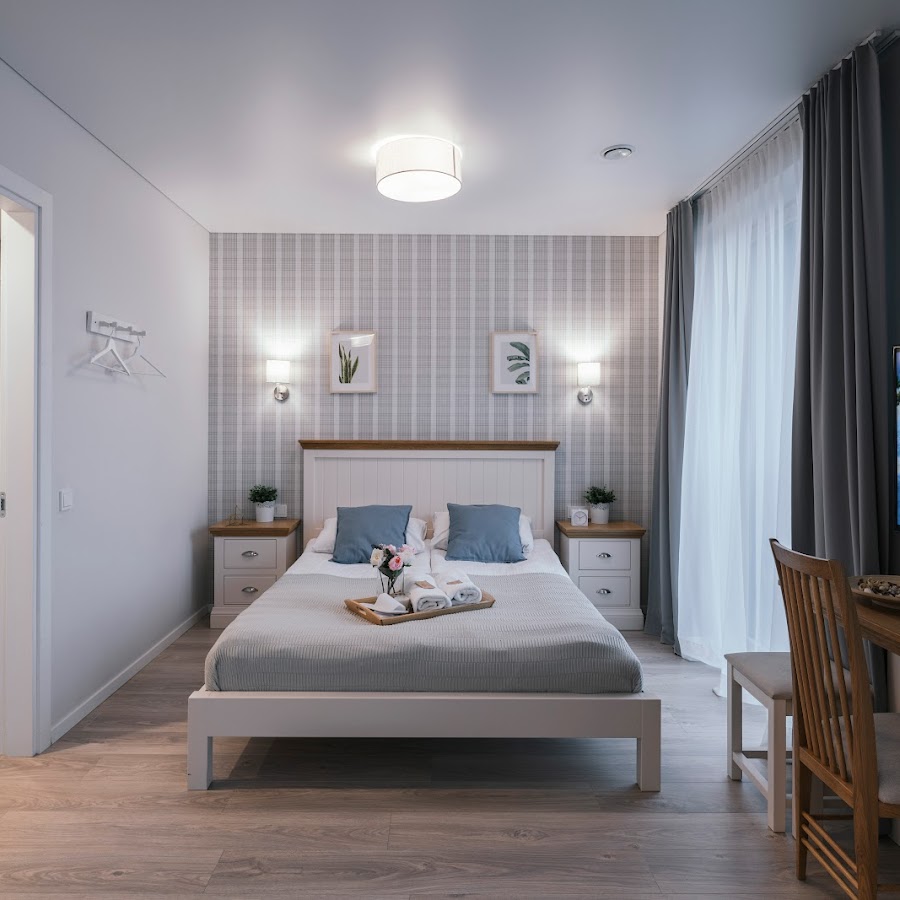
Hot Spot Vilnius Apartments
Bookinn B&B
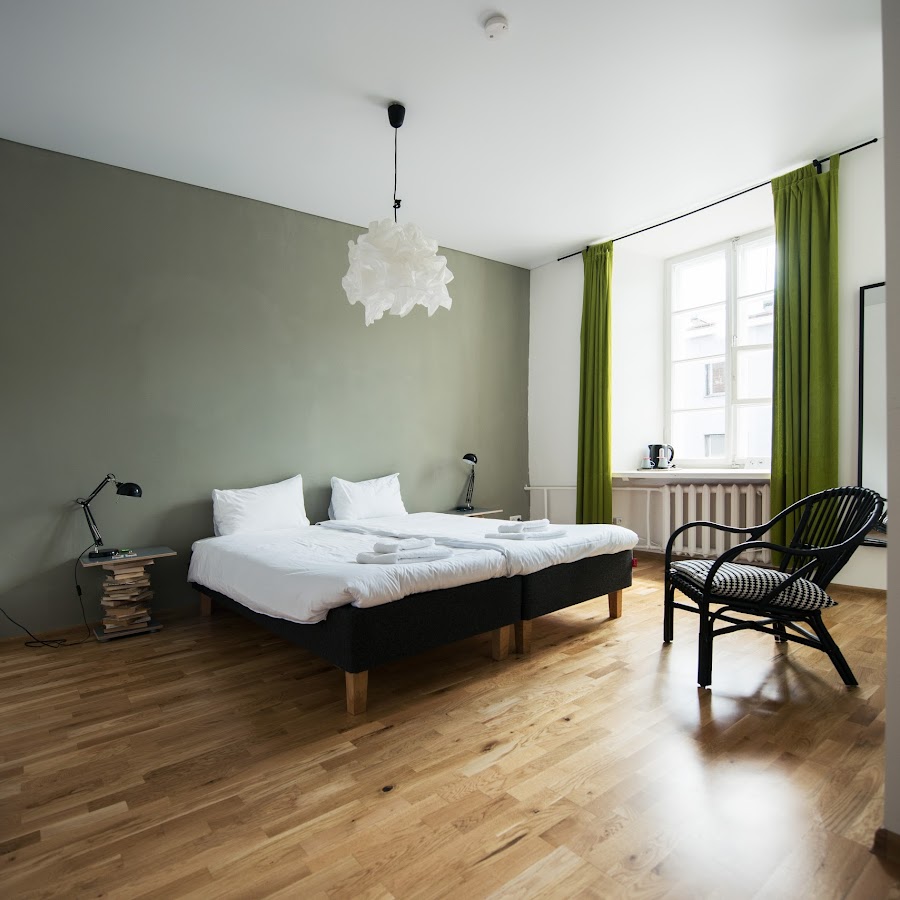
Neringa Hotel
Calvary Hotel & Restaurant Vilnius
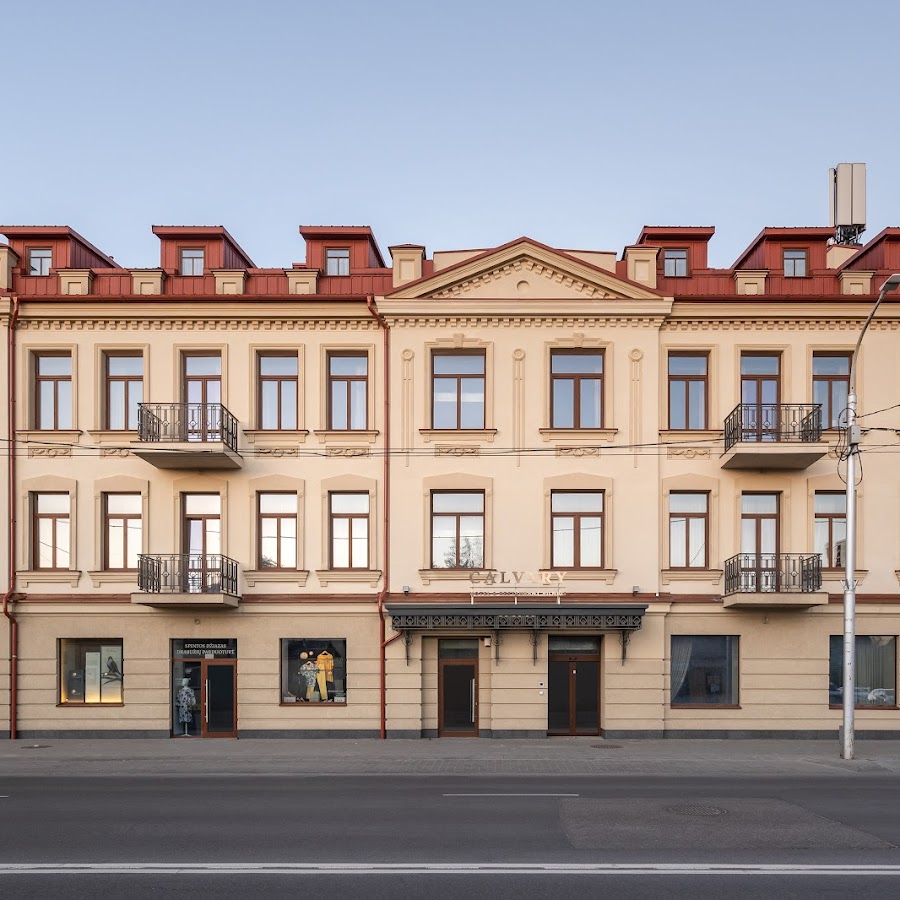
Žemaitė's Hotel
eLoftHOTEL
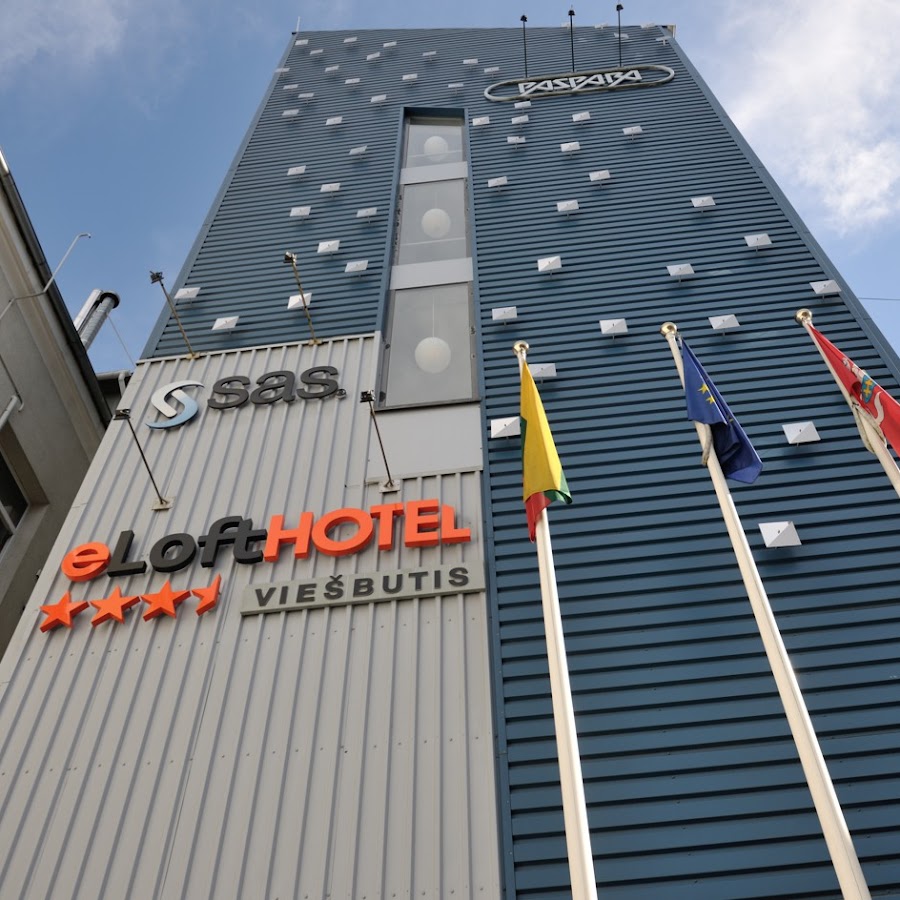
Old Town Trio hotel
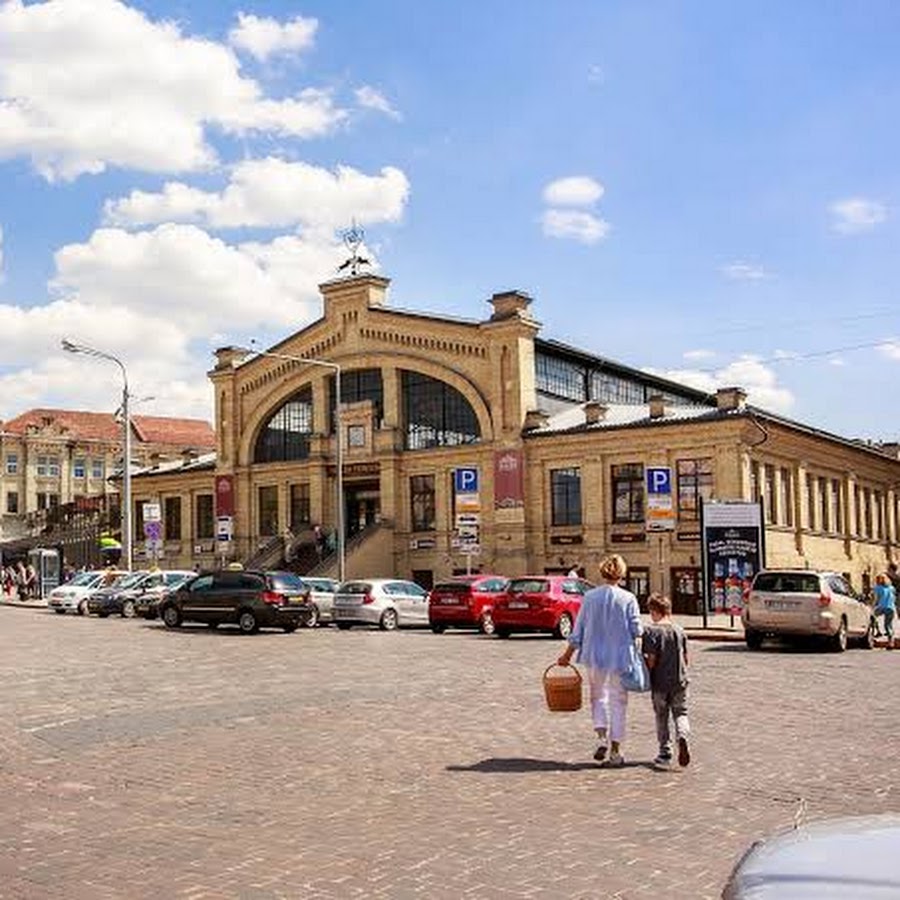
Senatoriai
Downtown Forest Hostel & Camping
Valentina's Rooms
NARUTIS Hotel
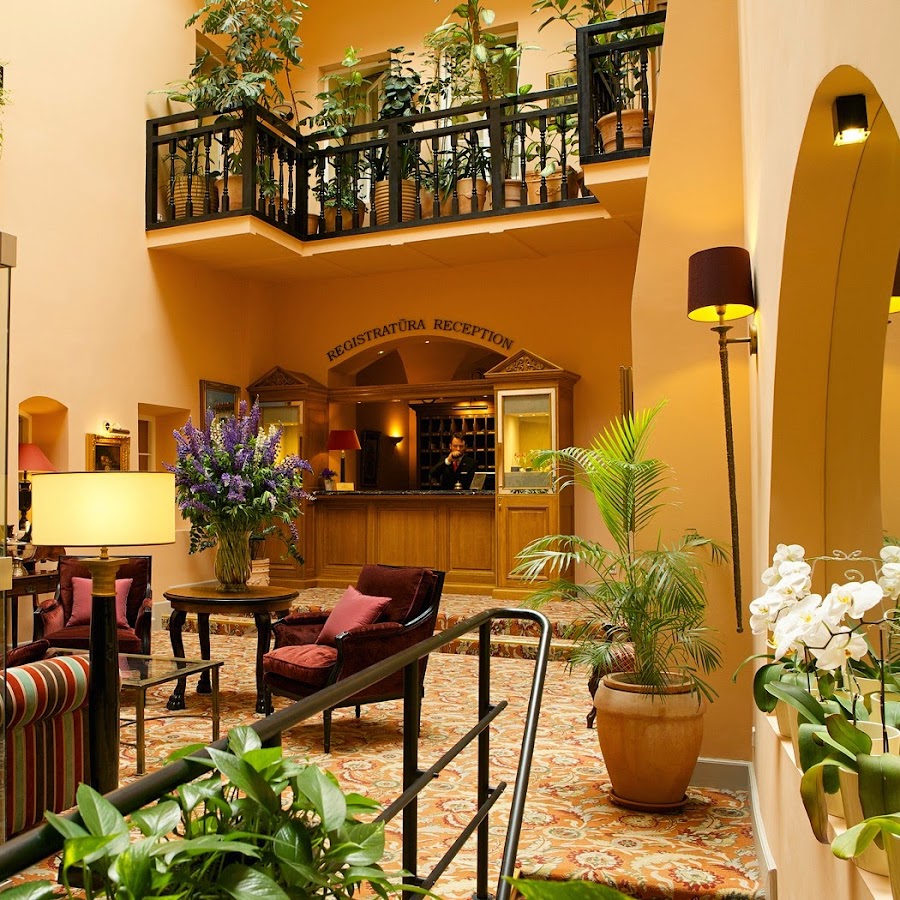
TIKI TAKA Hostel
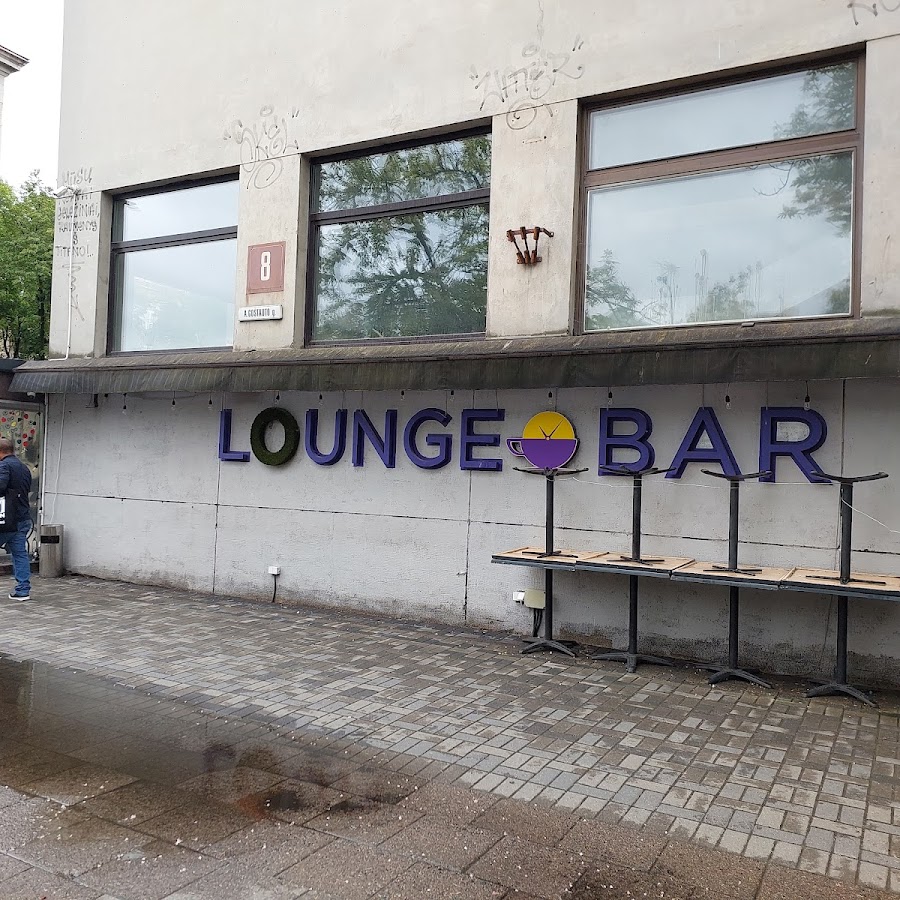
Vilnius Apartments & Suites
Hotel "Centro Kubas"
Congress Avenue
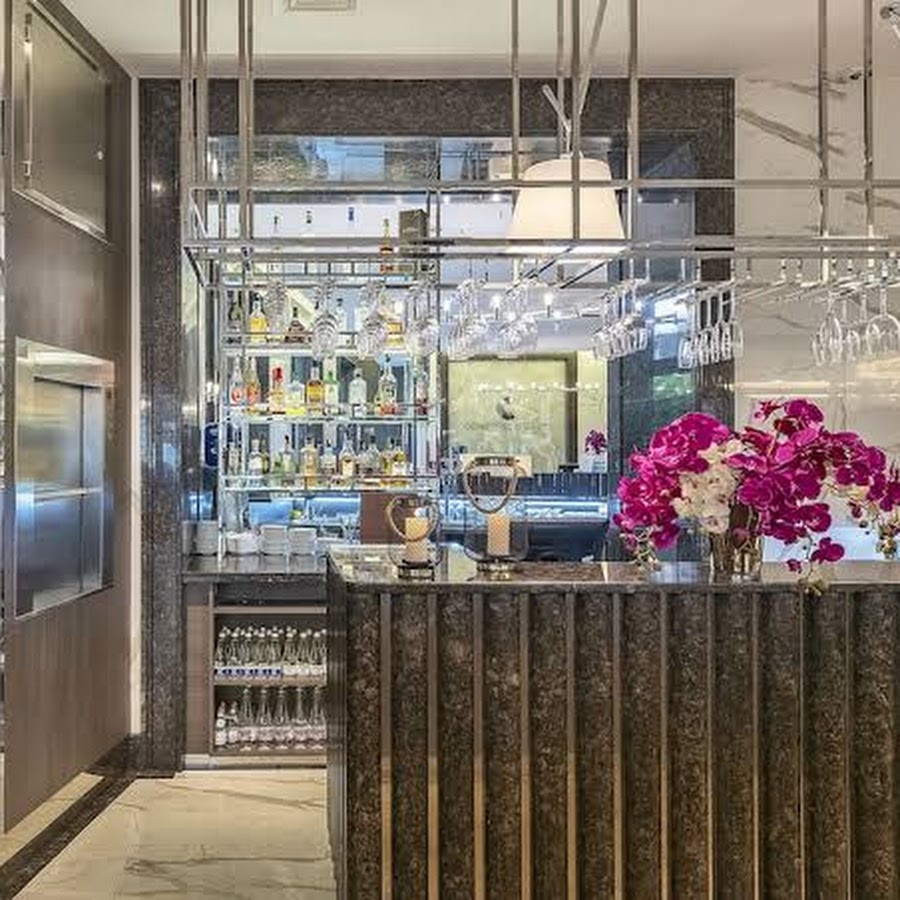
Filaretai hostel
Hotel Pan Tadeus Ponas Tadas
Paradisė
HelloVilniusHostel
Ivolita Vilnius
Green Vilnius Hotel
Park Hotel Vilnius
Vilnius City Hotel
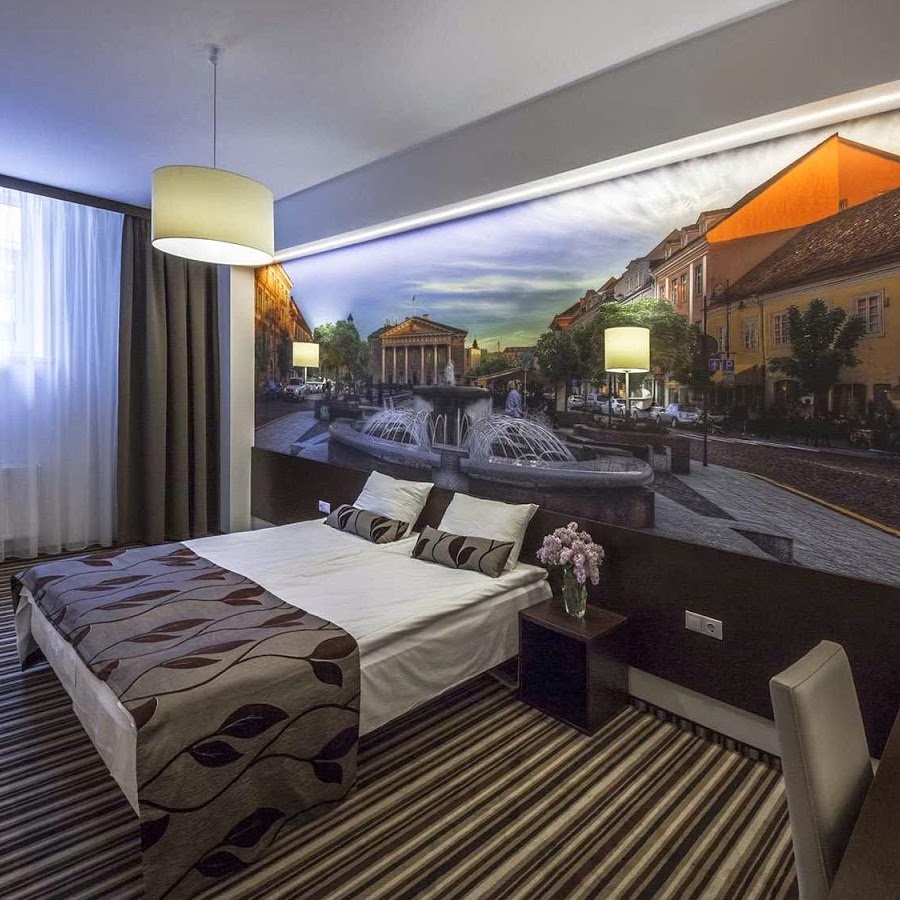
Art City Inn
Hilton Garden Inn Vilnius City Centre
Rock'n'hostel
Vilnius Park Plaza
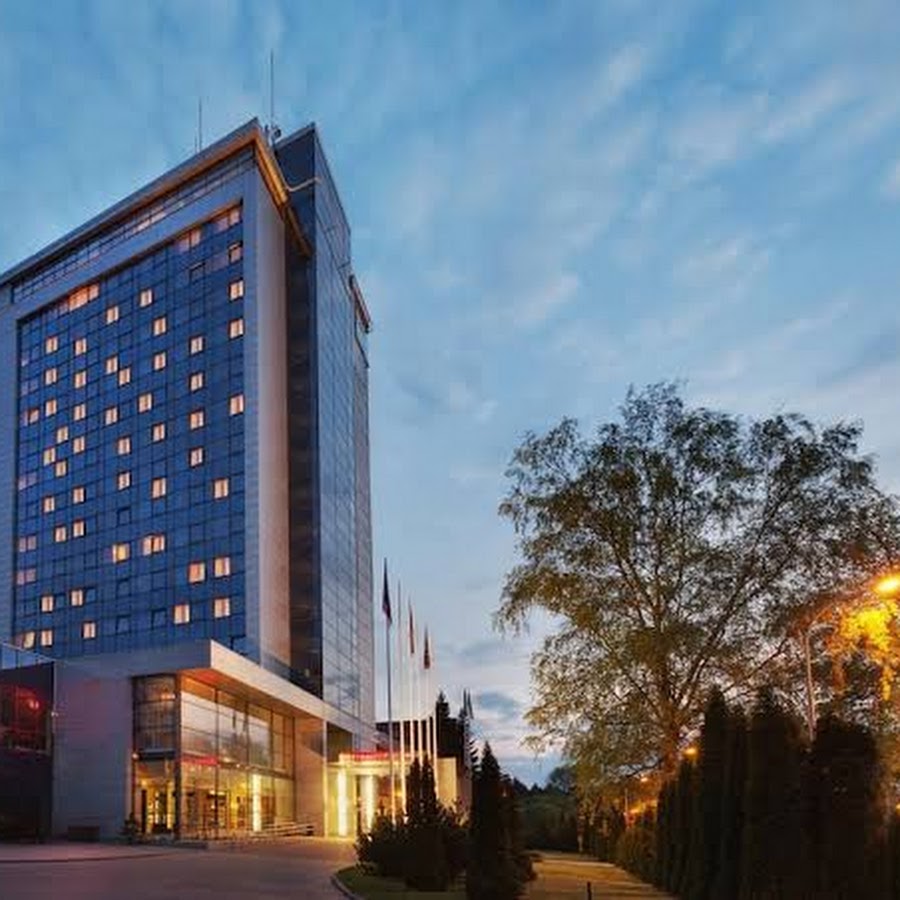
Best Western Vilnius
The Kliefs Vilnius - Virtual Check-In
Panorama Hotel
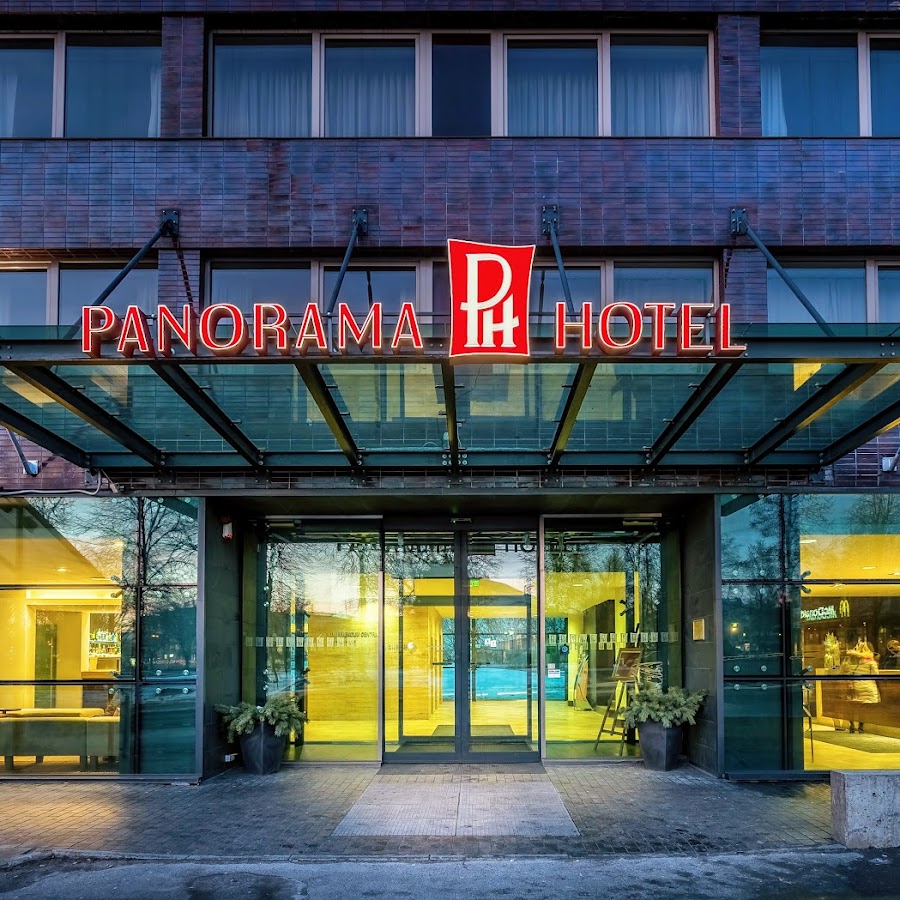
Artis
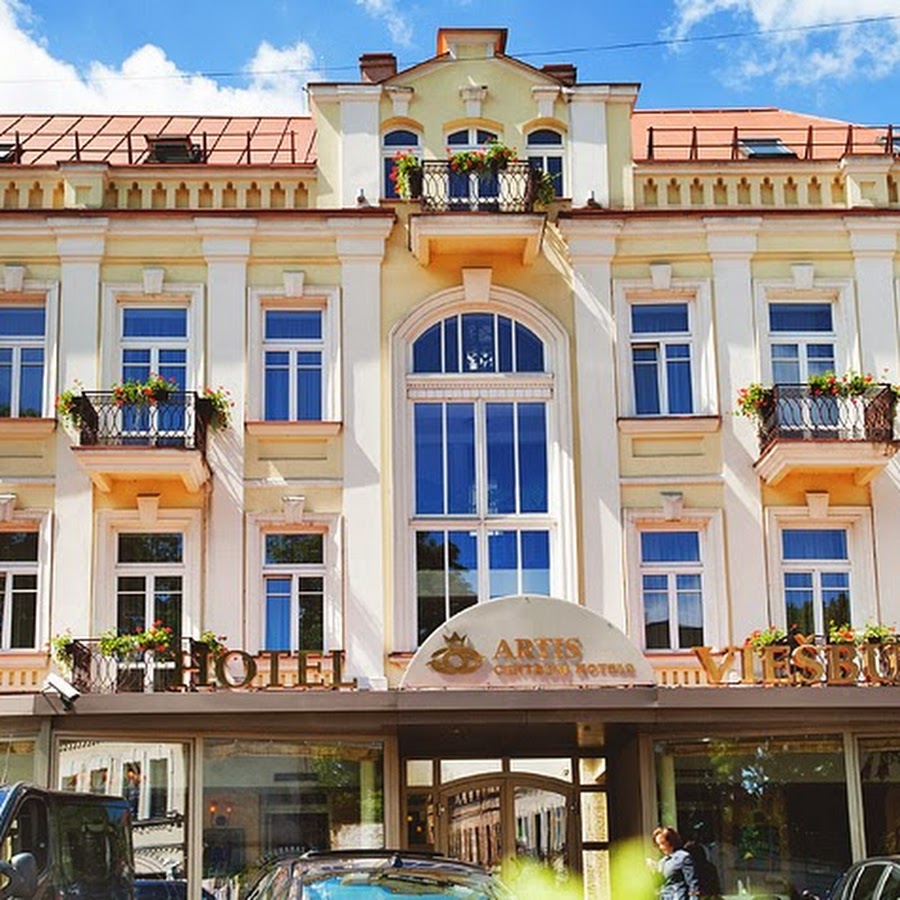
City Gate Hotel
Stikliai Hotel
Artagonist hotel
Restoranas La Pergolas
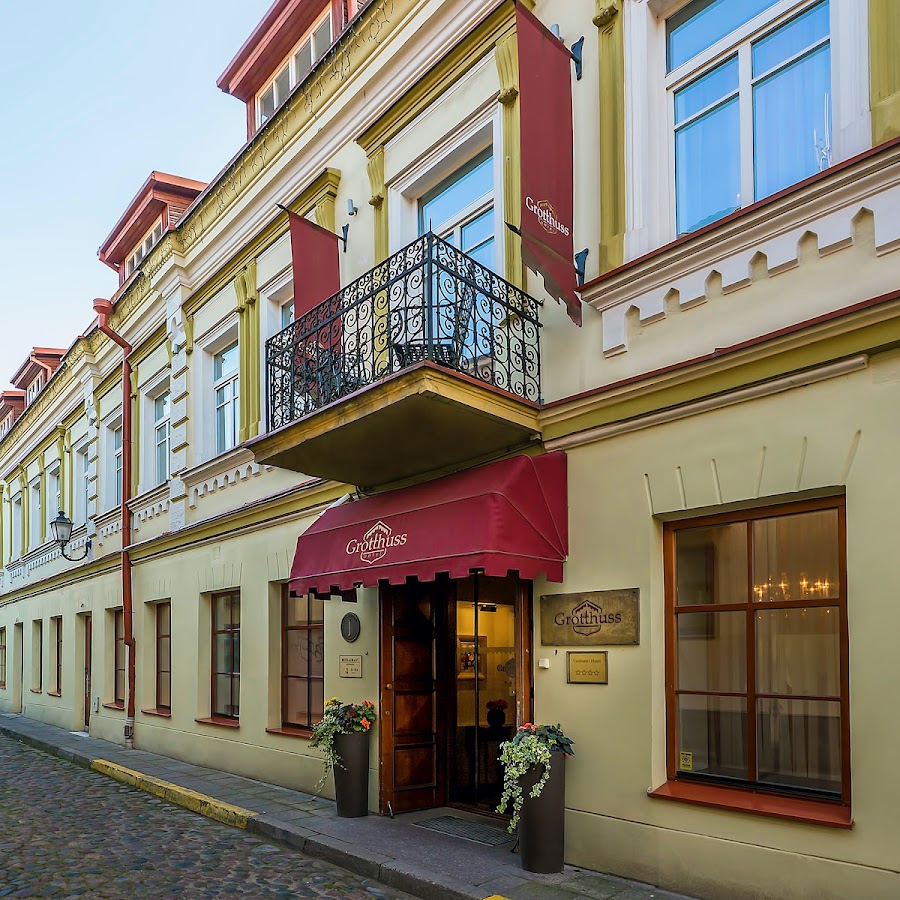
Imperial Hotel & Restaurant
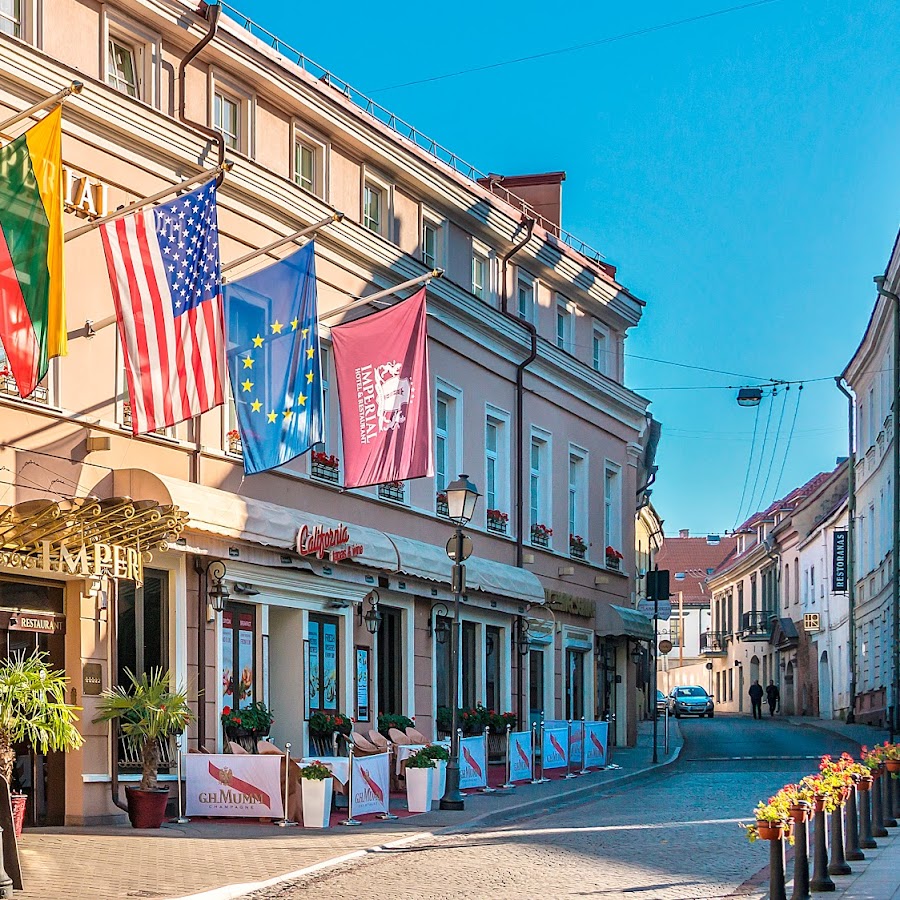
Courtyard Vilnius City Center
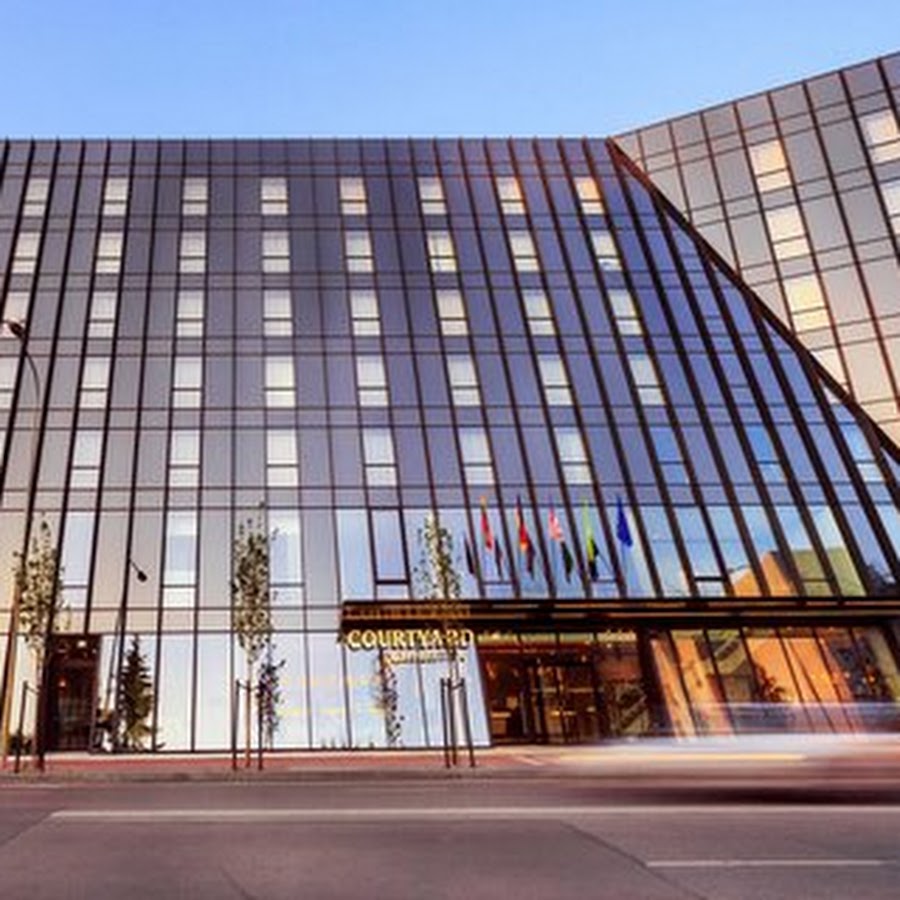
Urbihop Hotel
Park Inn by Radisson Vilnius Airport Hotel & Conference Centre
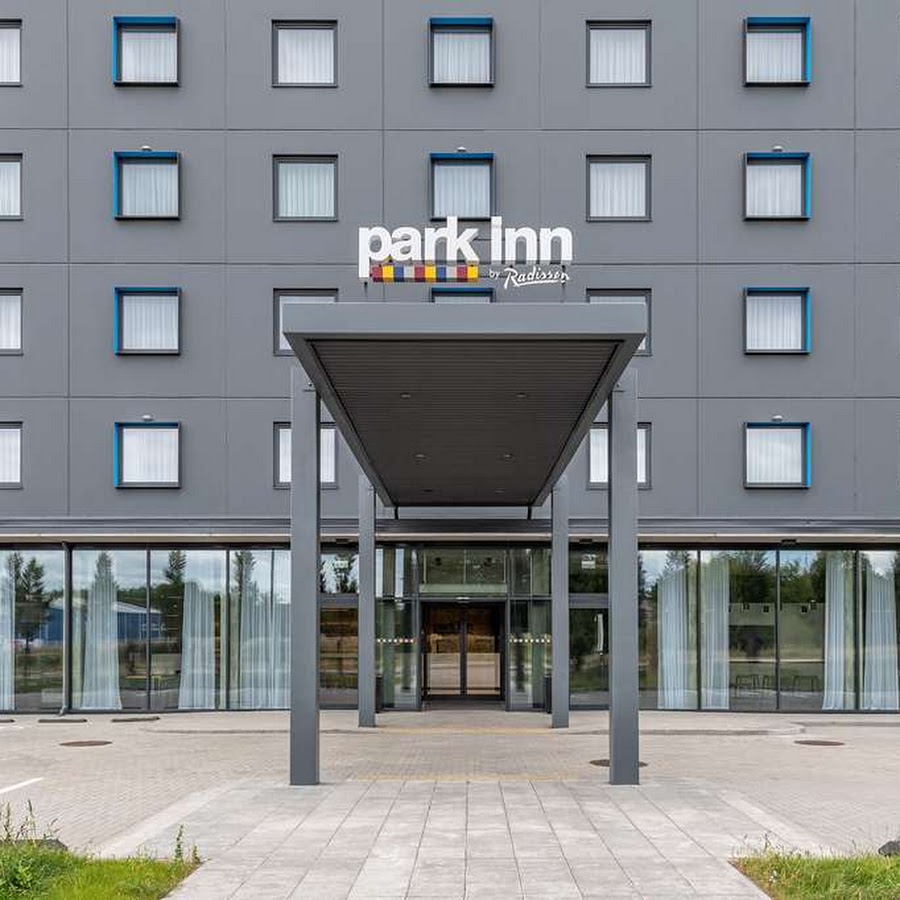
Radisson Blu Hotel Lietuva, Vilnius
Molo uzeiga
Namas Melnragėje Klaipėdoje
Avada, sveciu namai, Amilade
Klaipedos keliautoju namai
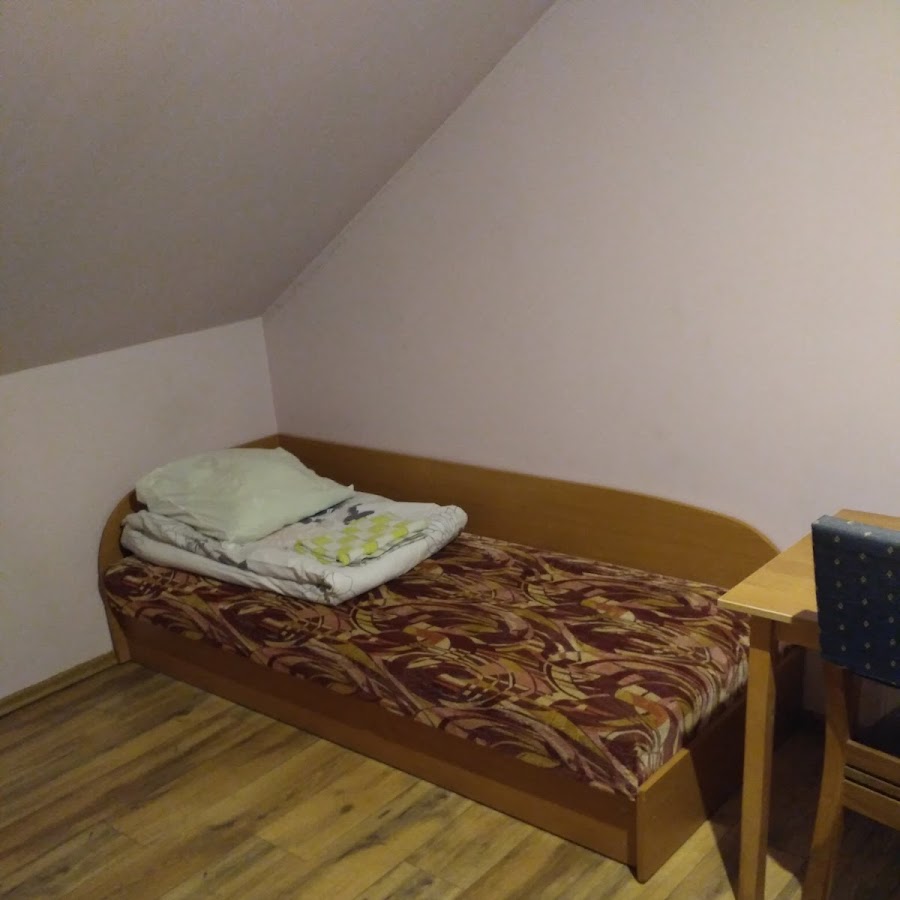
Surf Inn
SunKiss, Klaipėda
Pajuris
Arvydo Svečių Namai
Little Amber Guest House
Surf Camp Hostel
Pranciškonų svečių namai / Franciscan Guest house
guest house viršutinė 9
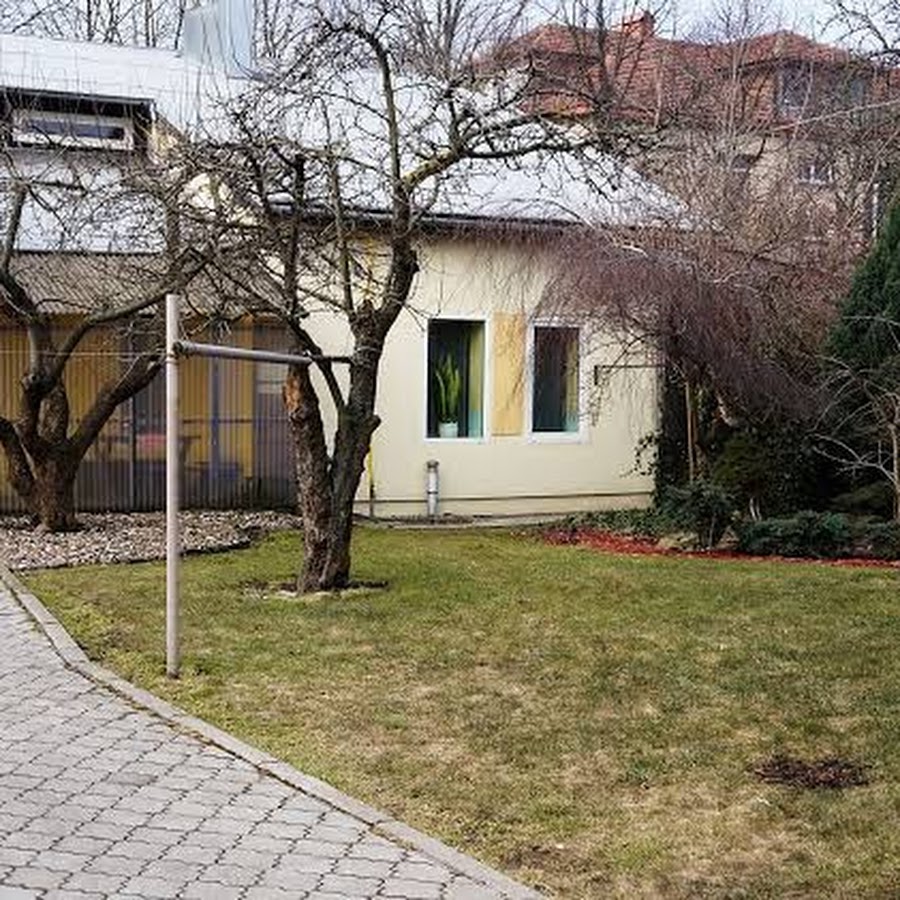
Comfort Stay Old town Apartaments
Pajūrio Kempingas
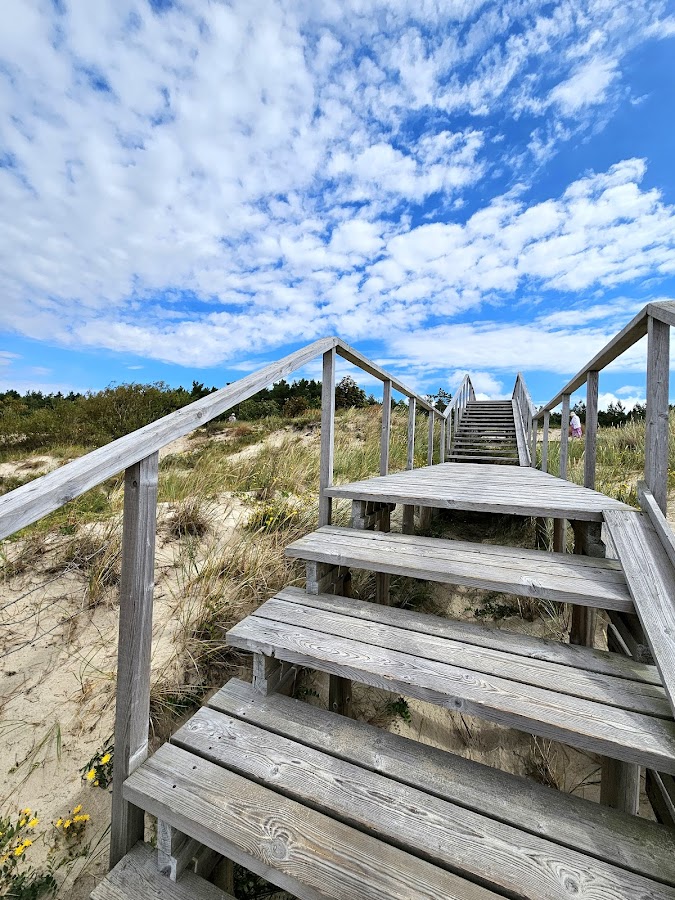
Fortūna Guest House
Red Brick Apartments
Palva
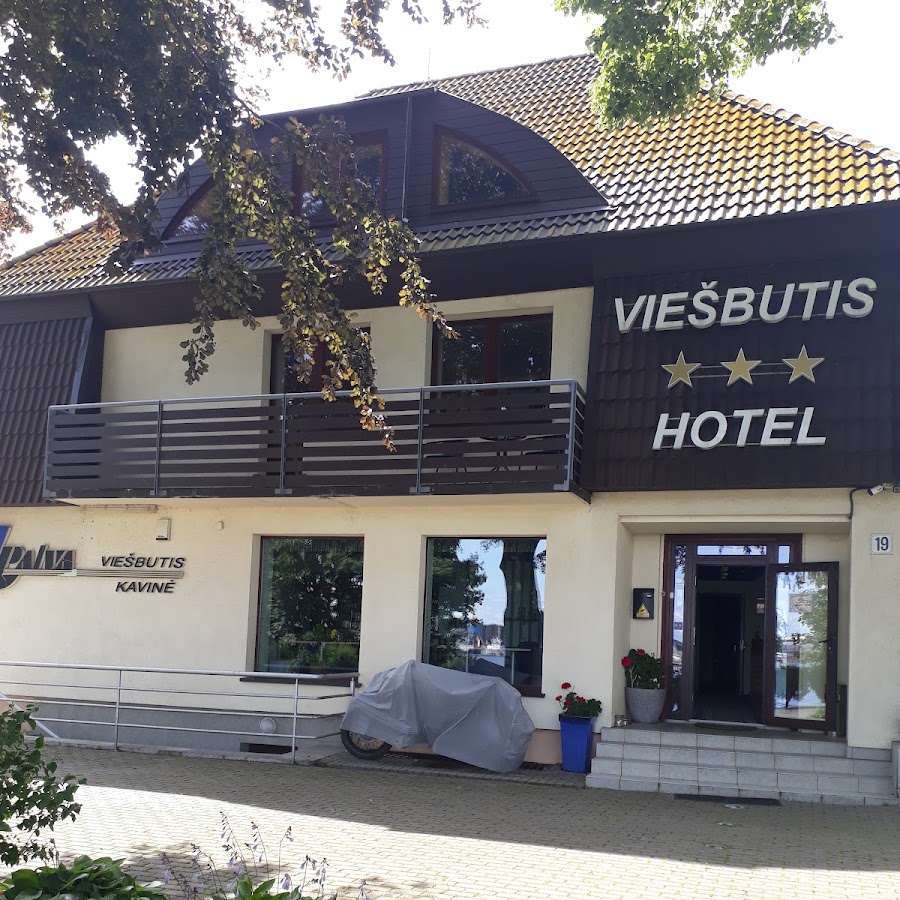
Deluxe apartamentai su Jacuzzi by Liuksai.lt | Klaipėda
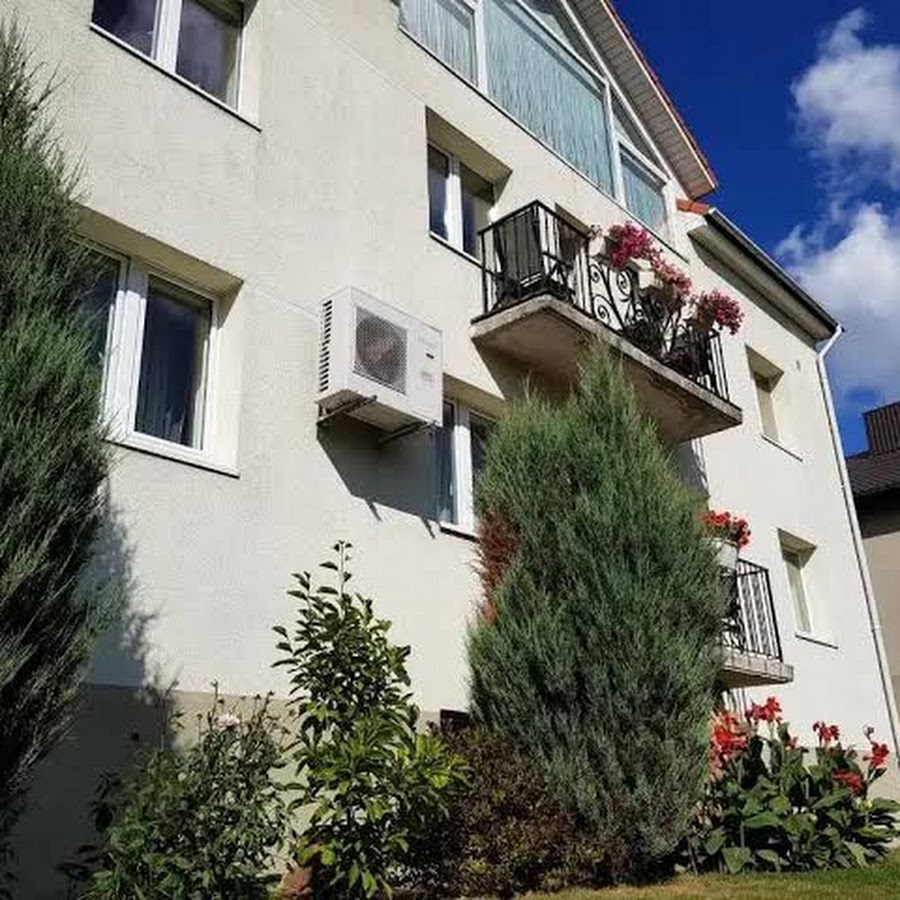
Central Apartament
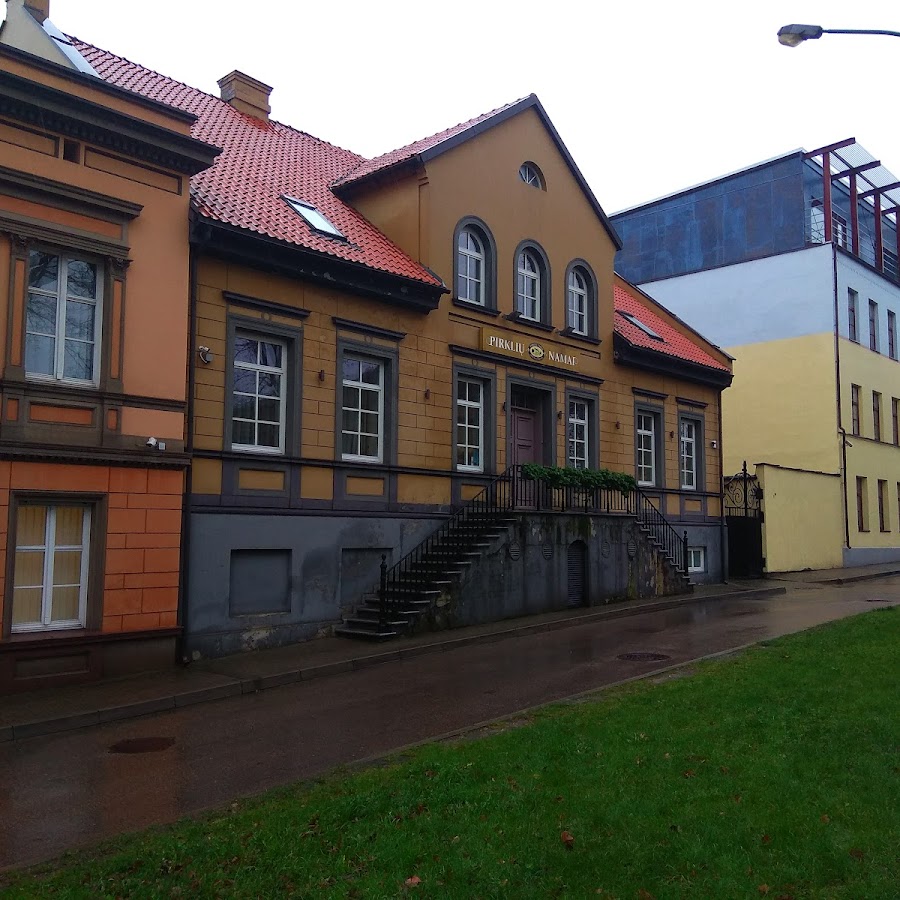
Pirklių namai
Smiltynės Yachtclub Conference Center
Simon-Dach-Haus
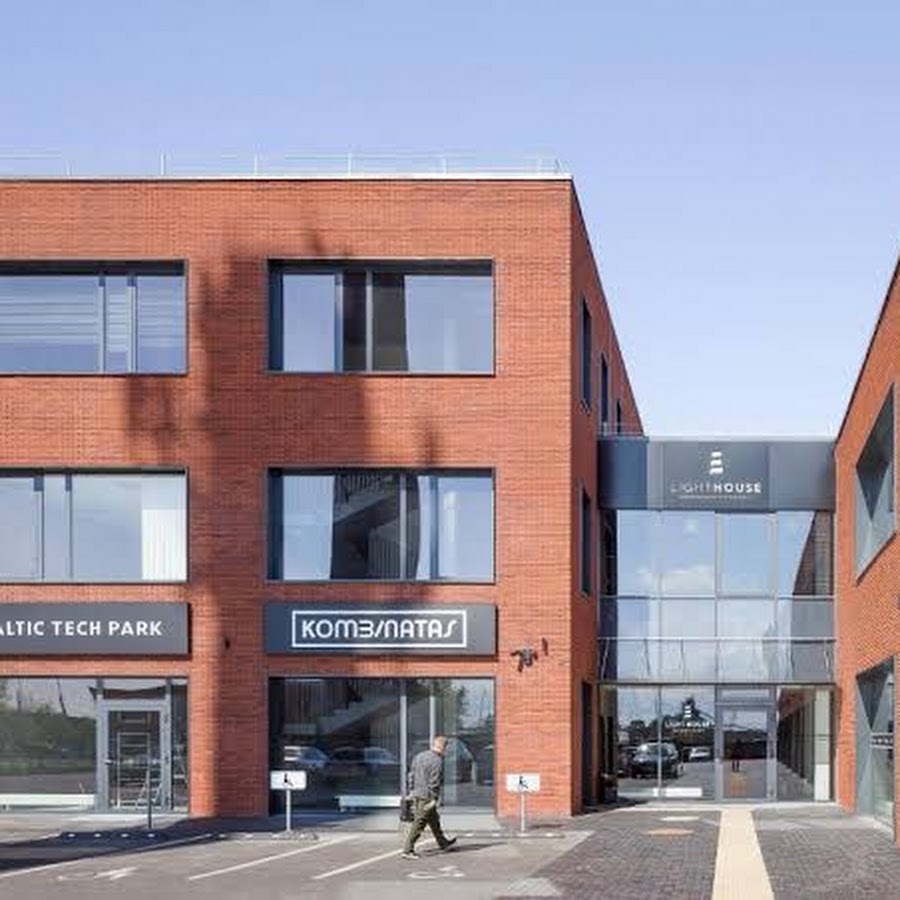
Lighthouse HUB coliving
Stora antis Gastrobar-Museum Tiltų g. 6 and apartments Tiltų g. 1
1912 Bed & Breakfast
Rambyno apartamentai
Tako Baras
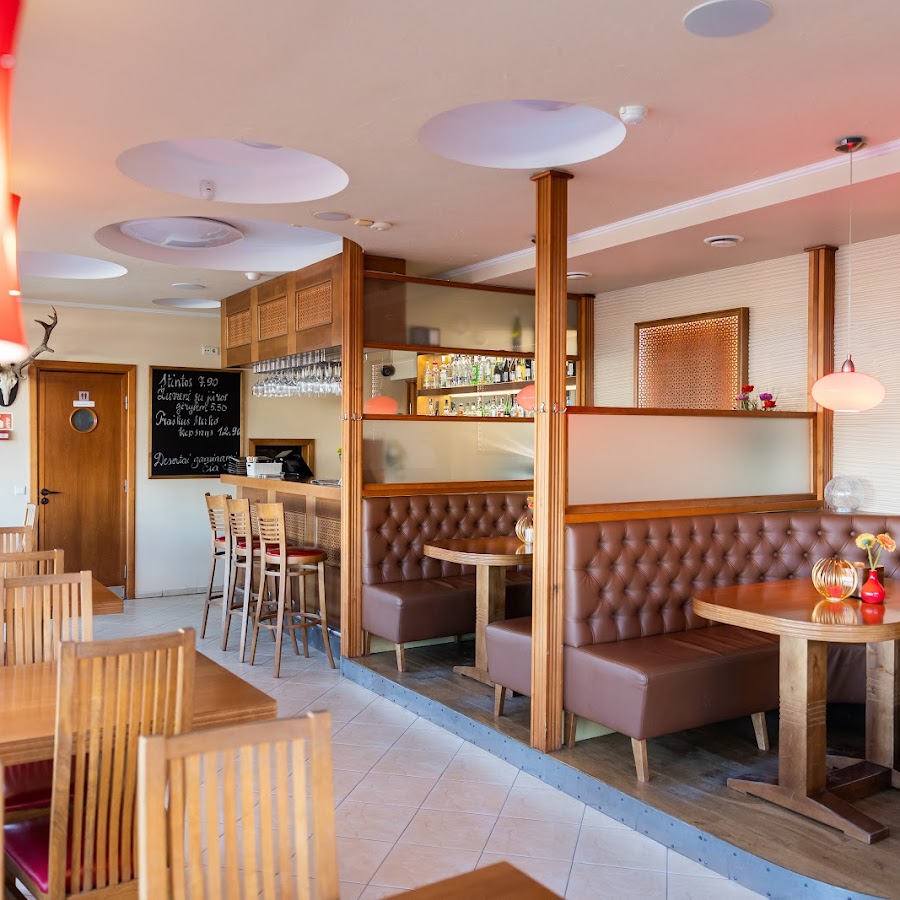
Vyta apartamentai
Panorama-27 apartamentai su Jacuzzi by Liuksai.lt | Klaipėda
BERLIN STUDIOS Self Check-in Studios in Klaipeda
Da Home
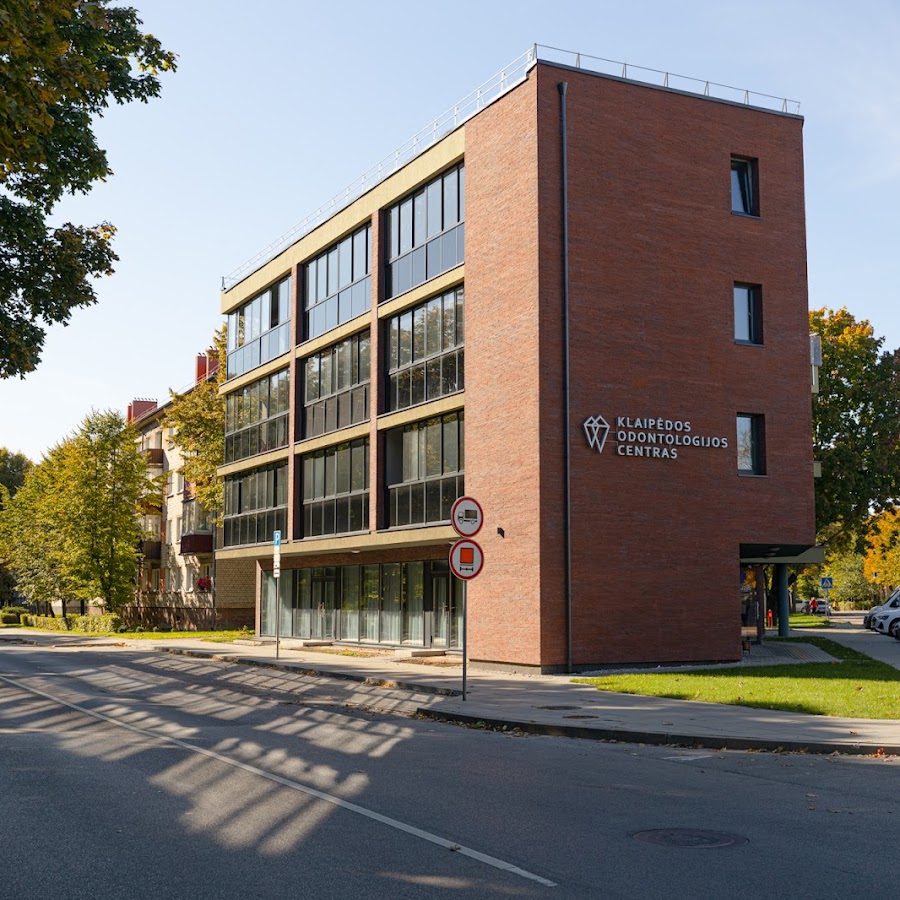
„Aismarės“
Preliudija
Promenada, viesbutis-restoranas, Promenade
Danės apartamentai
BAZZE Hostel
Kurpiai Suites & Spa
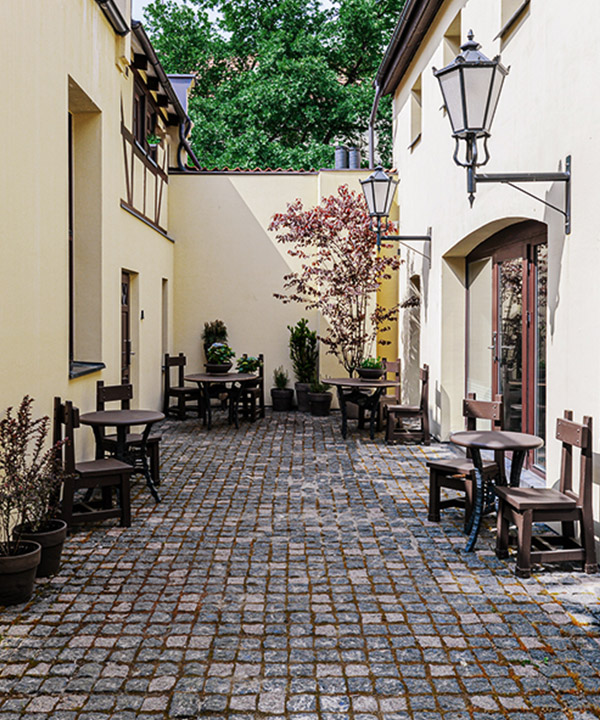
KUBU Guest House
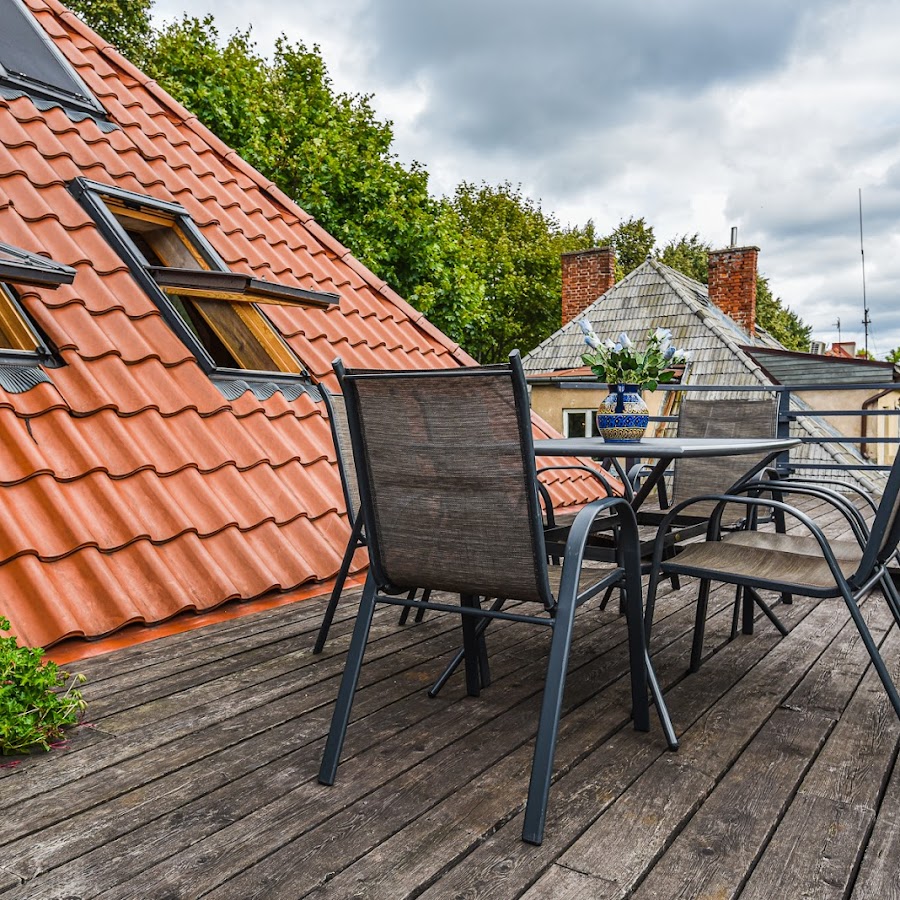
Express Guest House
Jacuzzi apartamentai Relaks
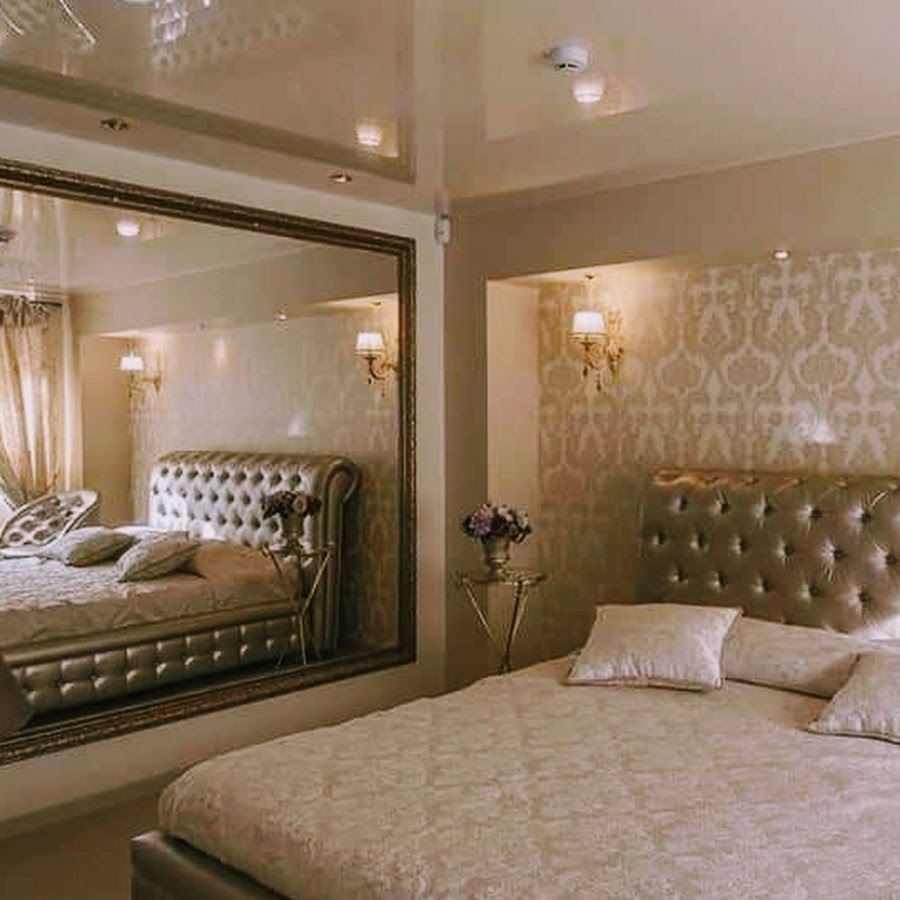
Merchant Signature Suites
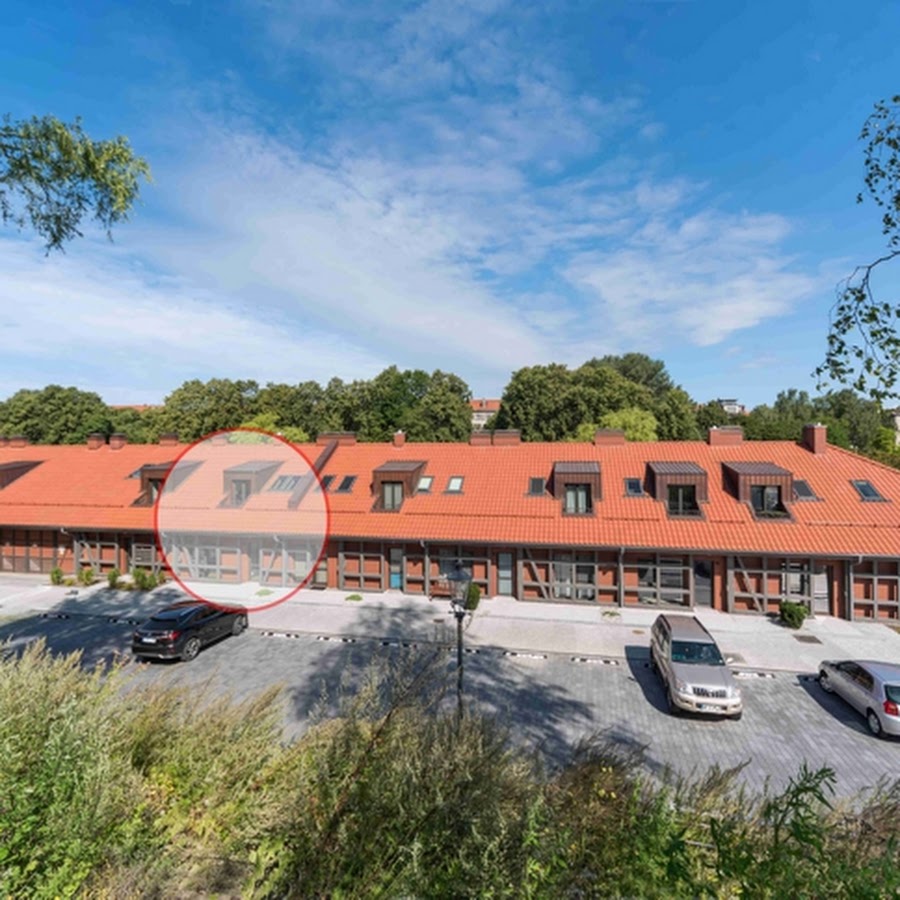
Hotel Euterpe
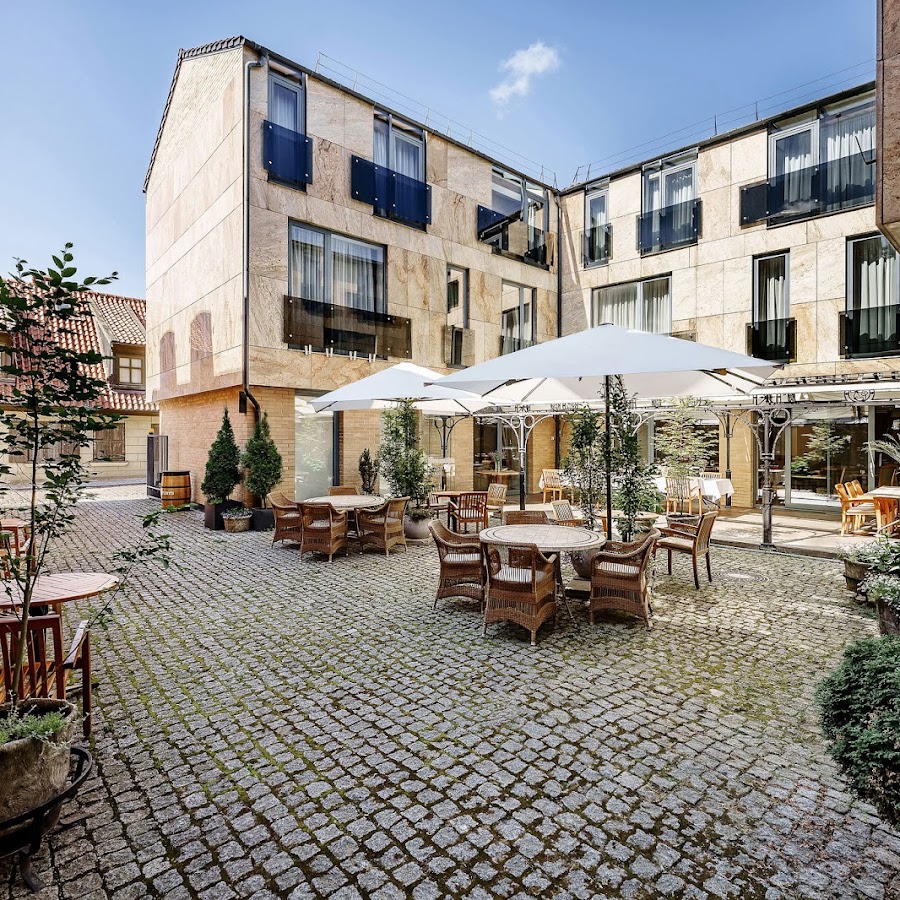
Klaipėda Inn
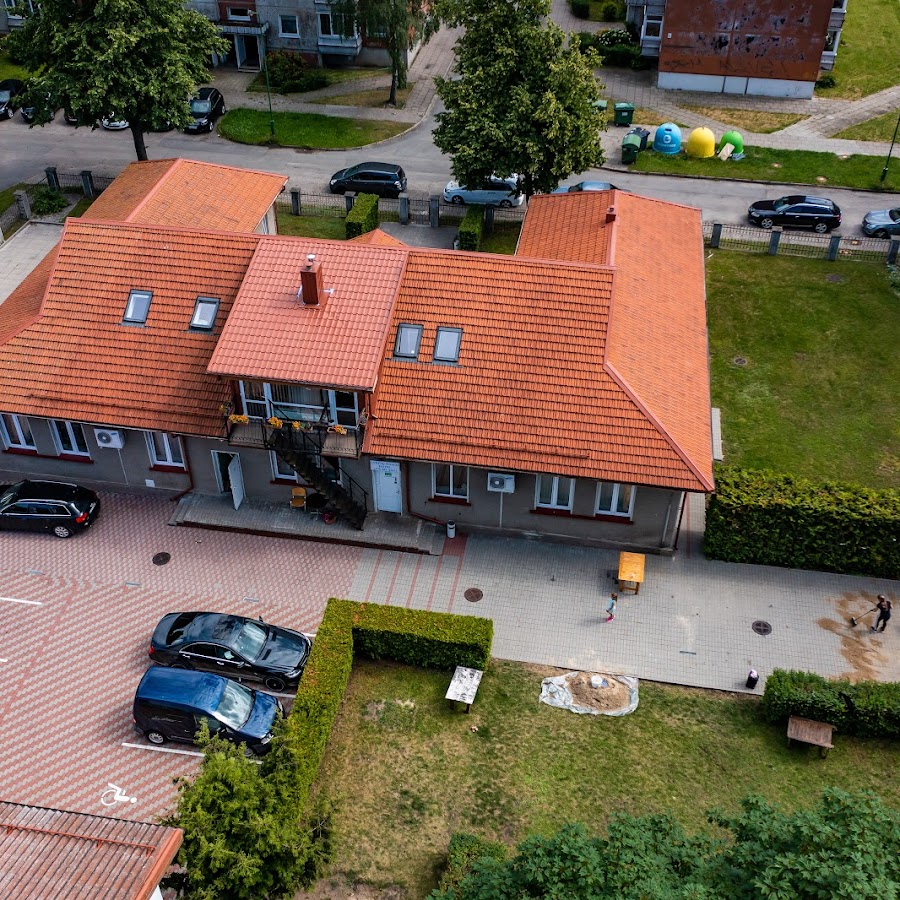
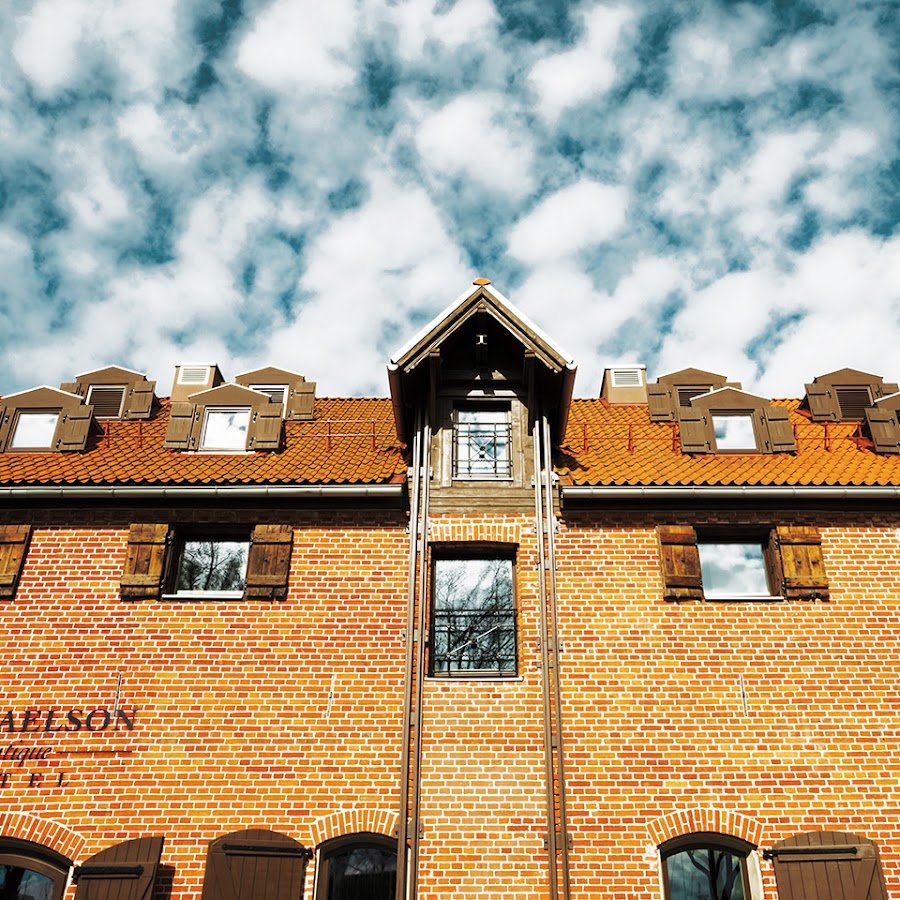
MICHAELSON boutique HOTEL
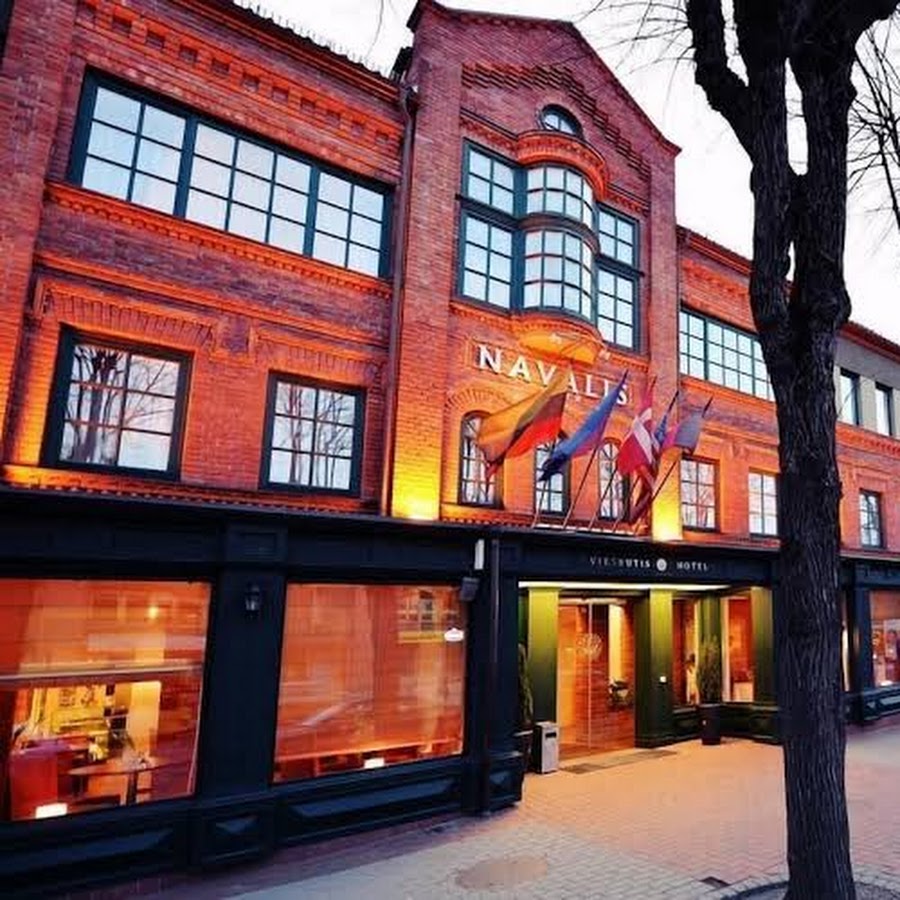
Navalis Hotel
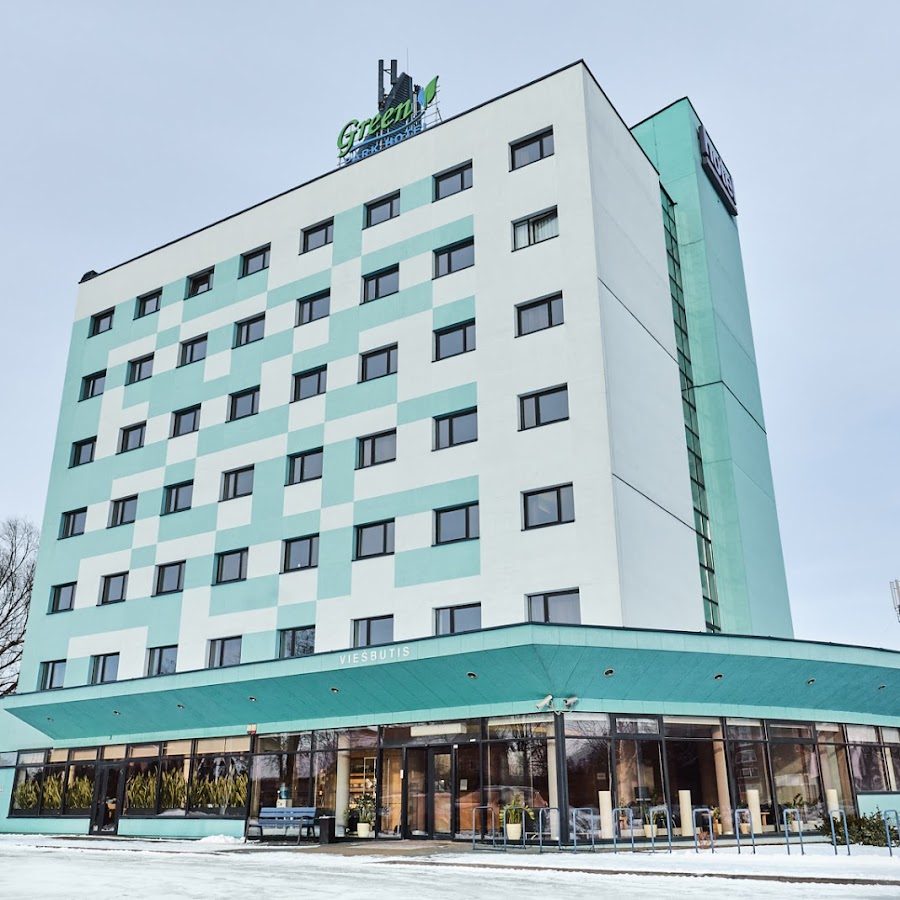
Green Park Hotel Klaipeda
Klaipeda Hostel
Old Mill Hotel
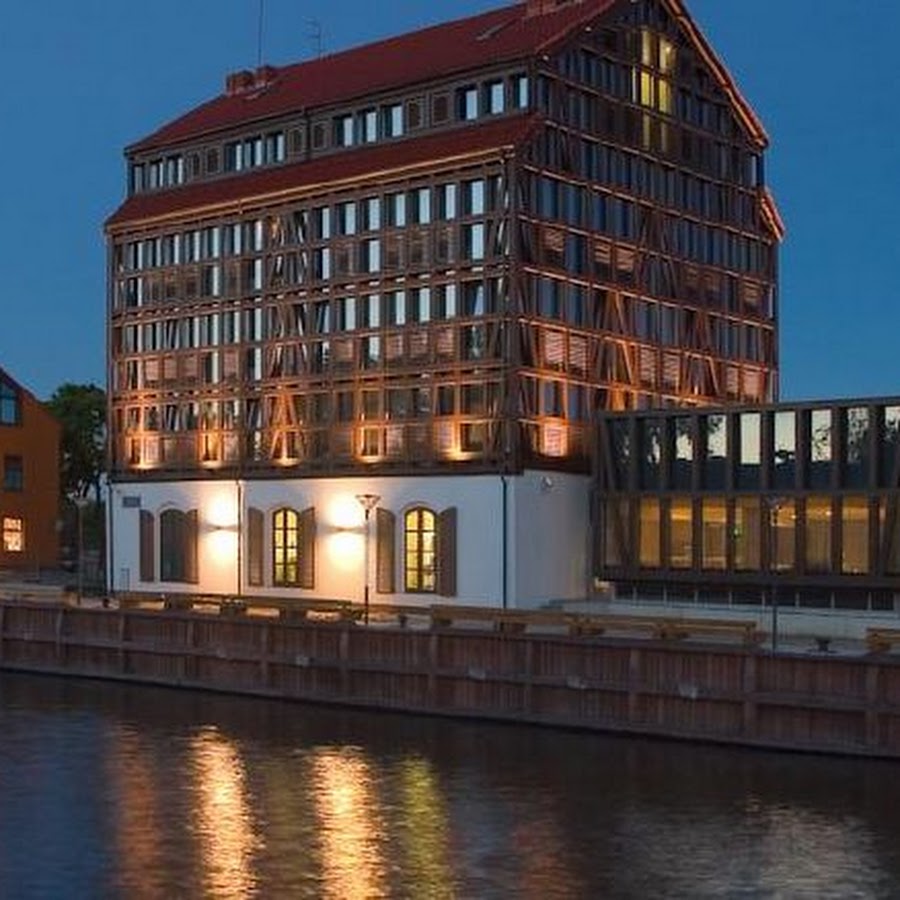
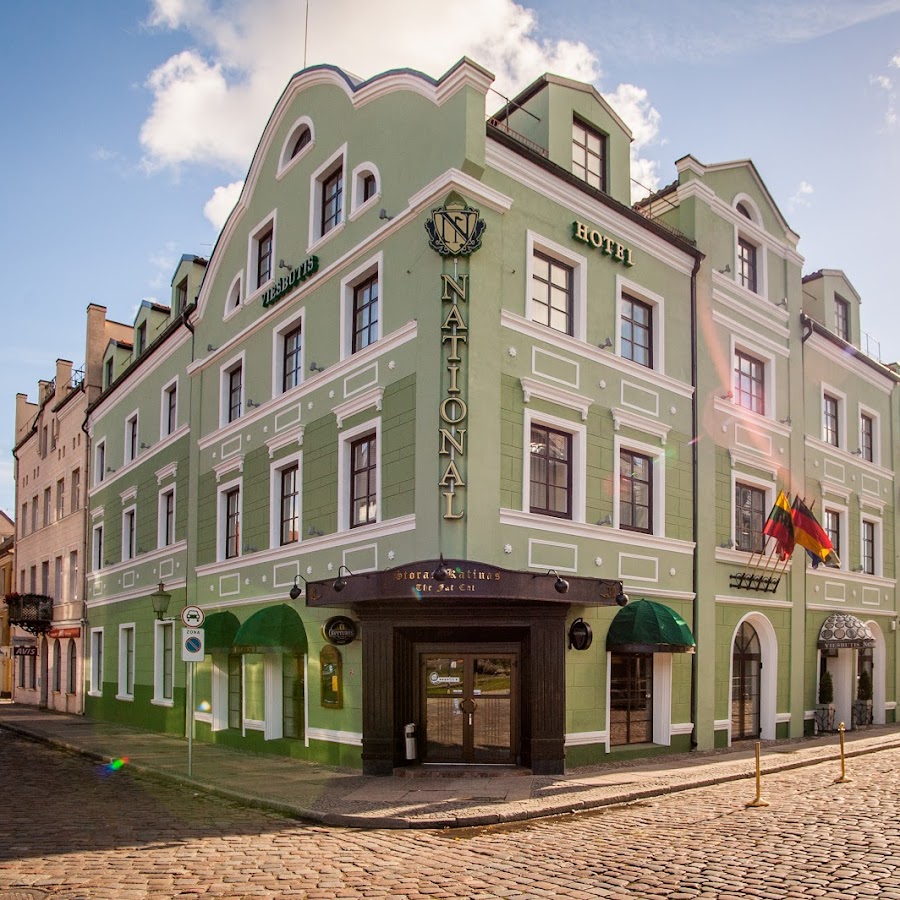
National Hotel
Aurora Hotel Klaipeda
Dunetton
Memel Hotel
Dangė Hotel
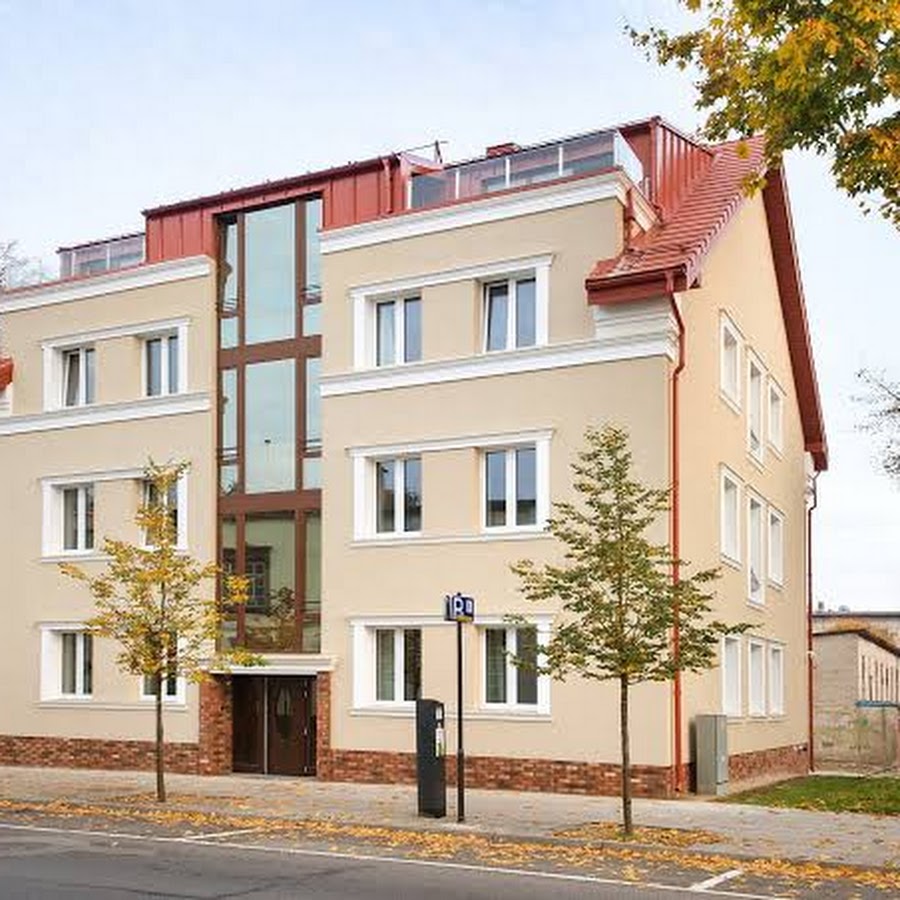
LUNA Self Check-in Hotel Klaipeda
Bohema
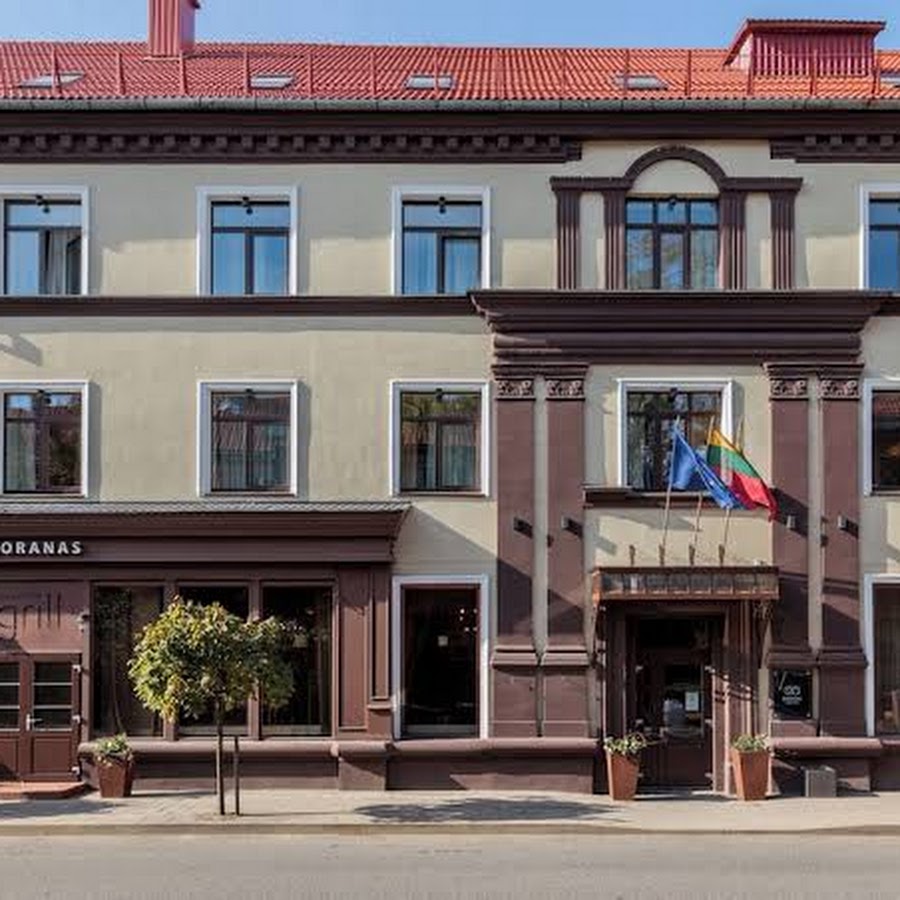
Amberton Hotel Klaipėda
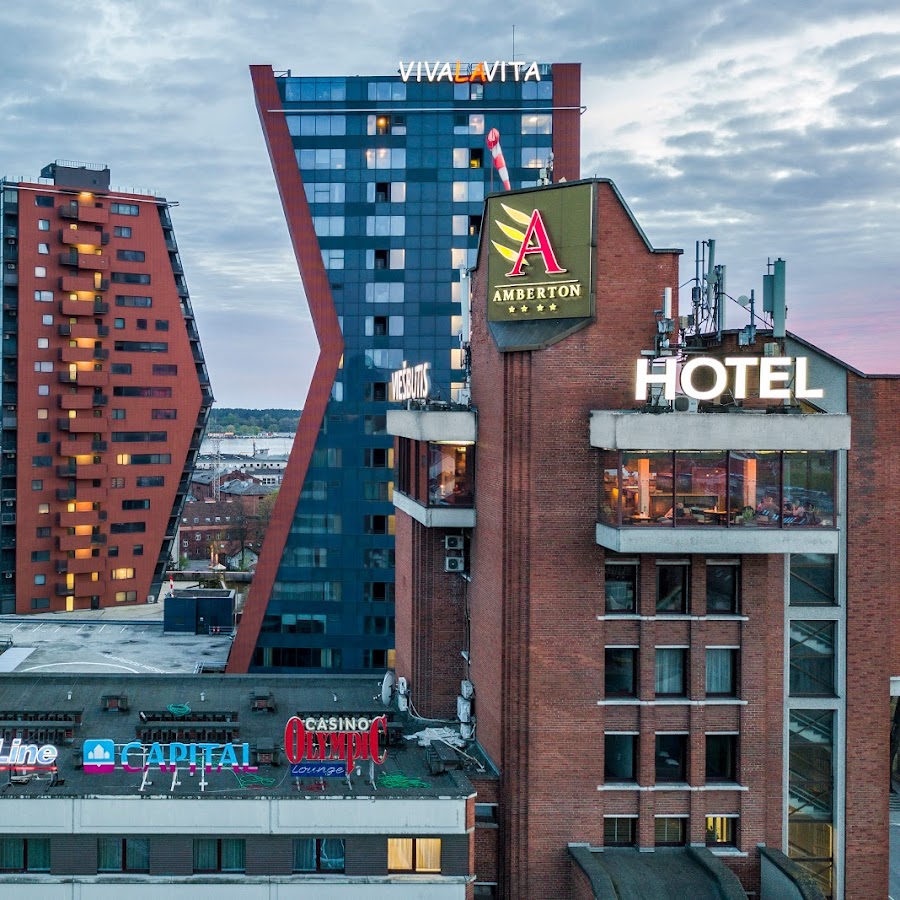
Smiltynės Jachtklubas
VICTORIA Hotel Klaipėda
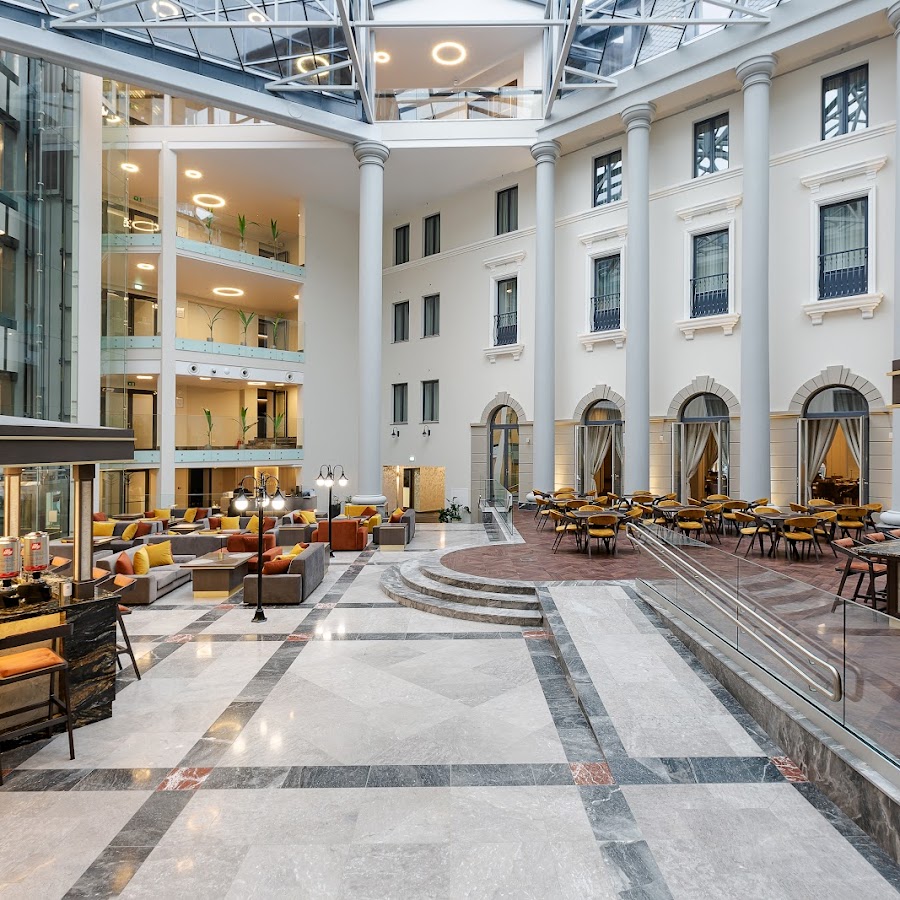
Mercure Klaipeda City
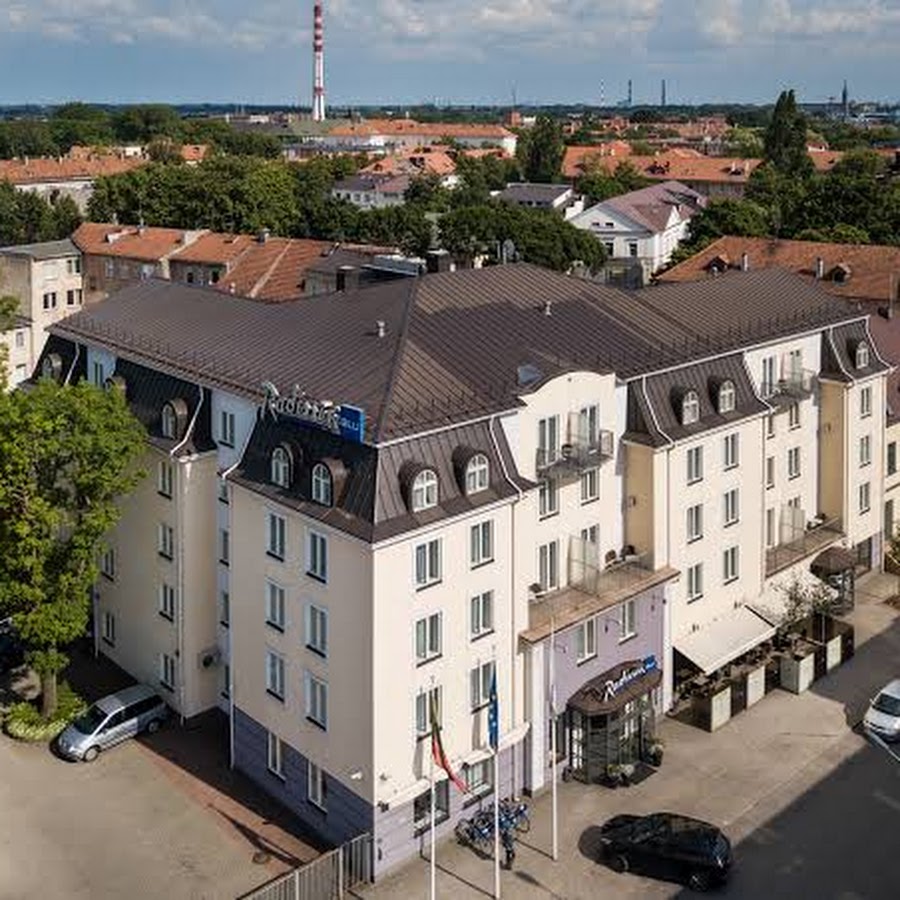
kaunascamping
Musu Dvaras
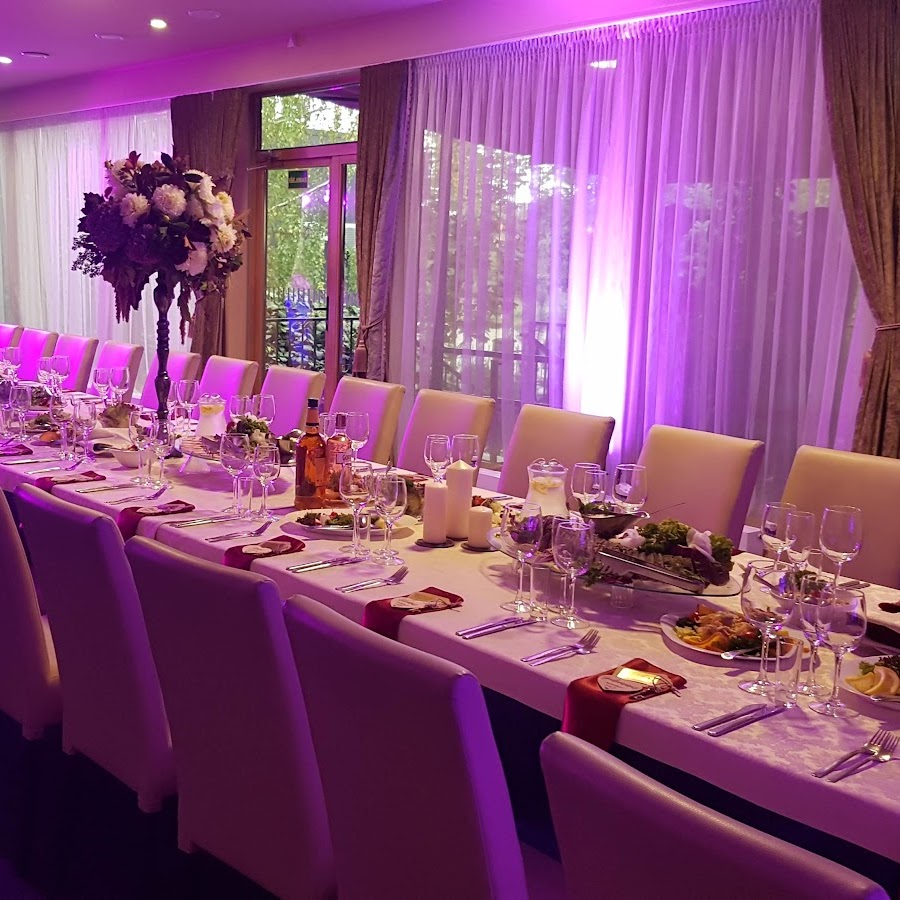
Super Apartment
Apgyvendinimas "Du Buliai"
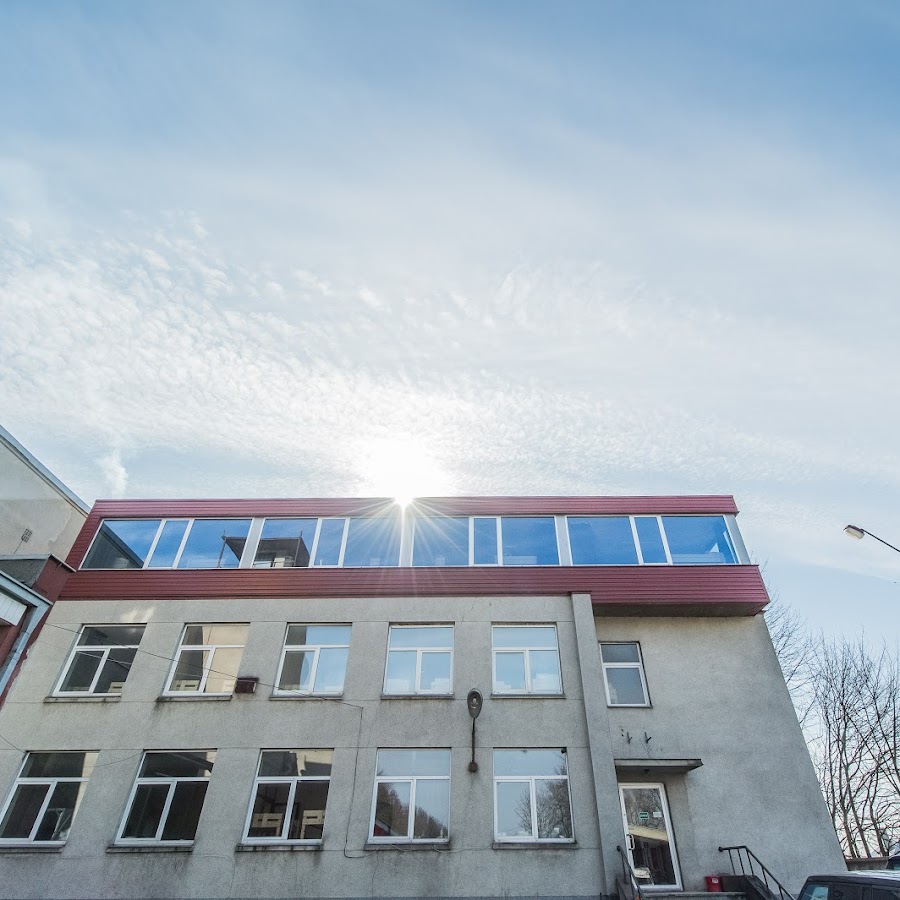
Stopmotel
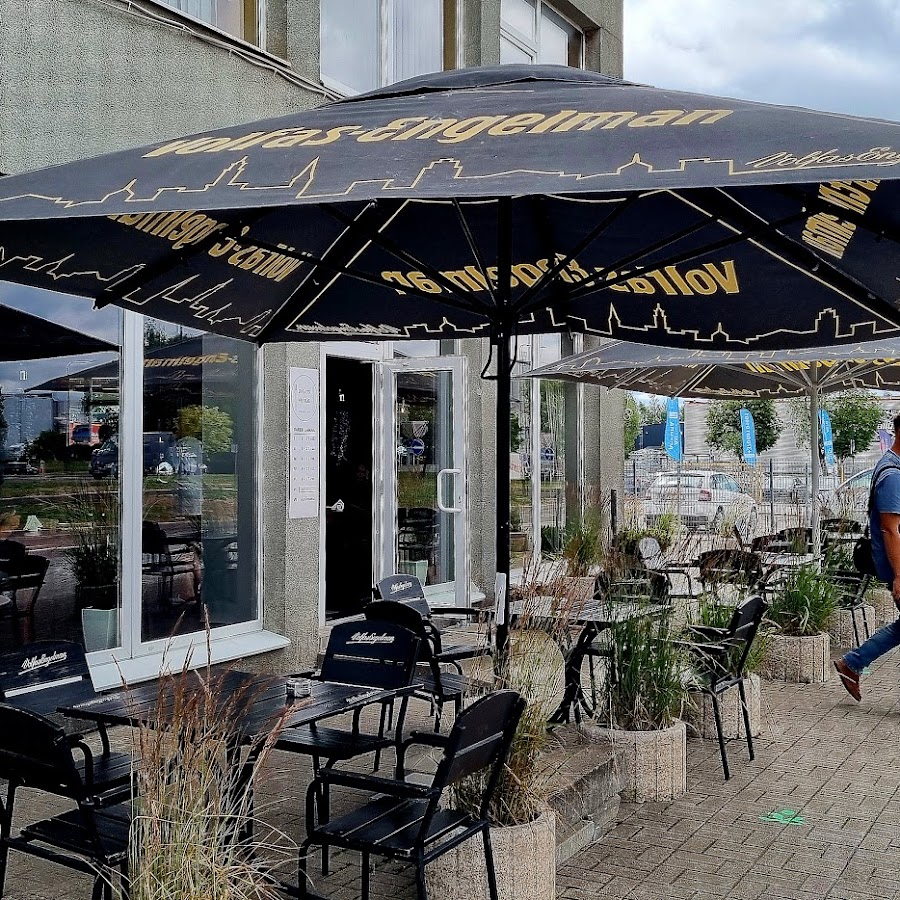
Cozy room in Kaunas
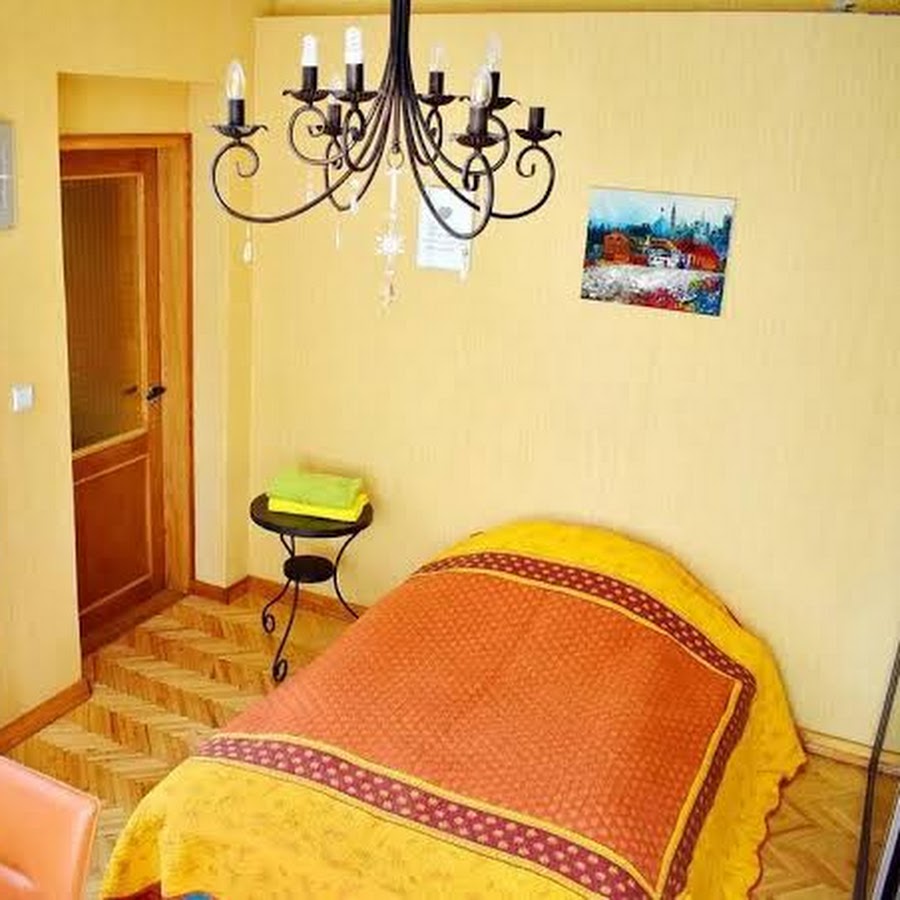
Kaunas Castle Apartments
Motel Tėvynė
Stay in Kaunas & LA51
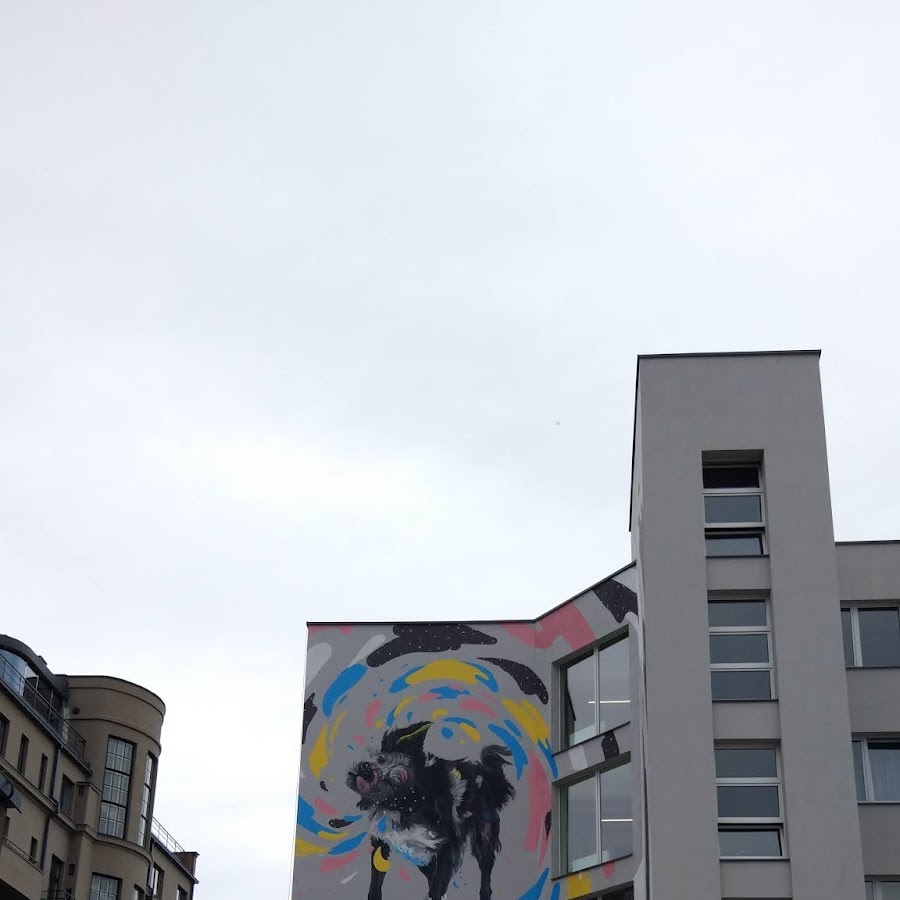
Vila Grabytė
Queen V Apartment
Agnė's Guest House
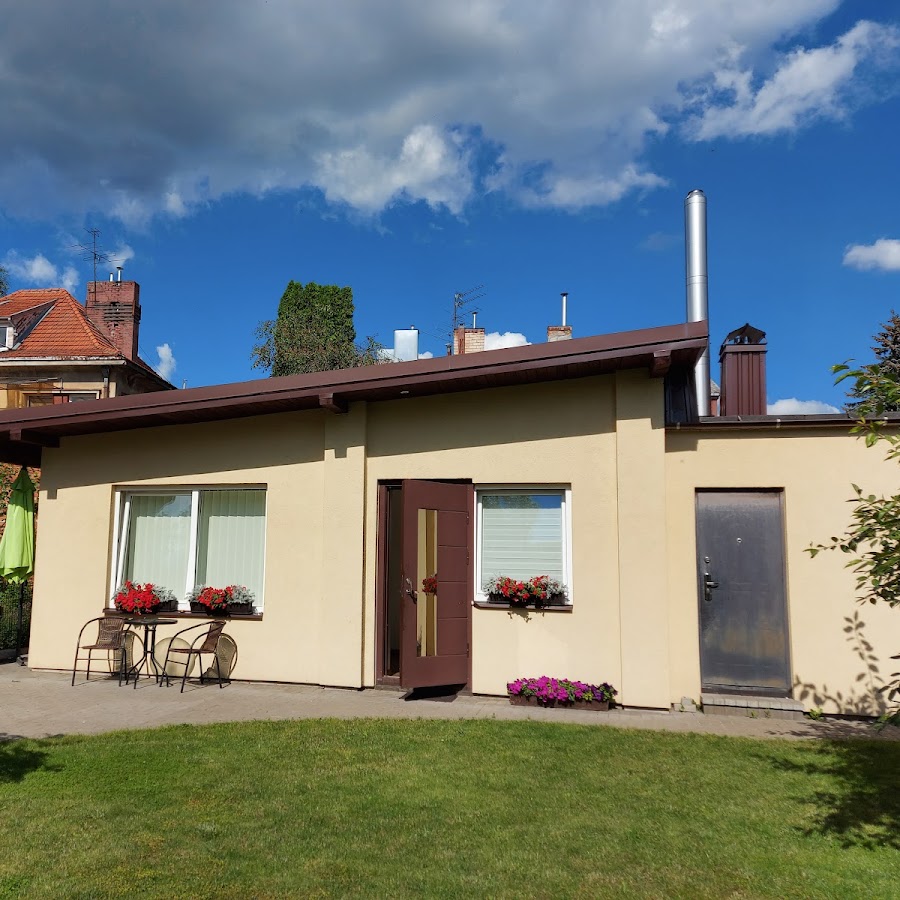
Old-New Apartment in Central Kaunas
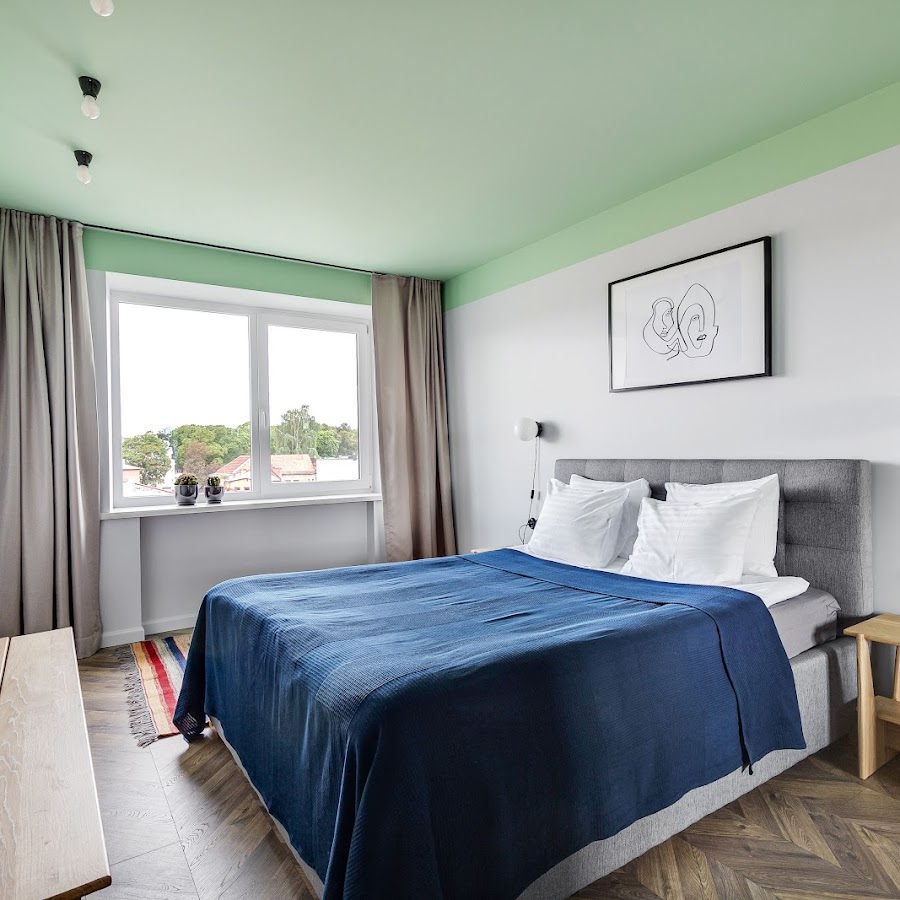
COMFY Patogūs namai
Kaunas Inn - AM
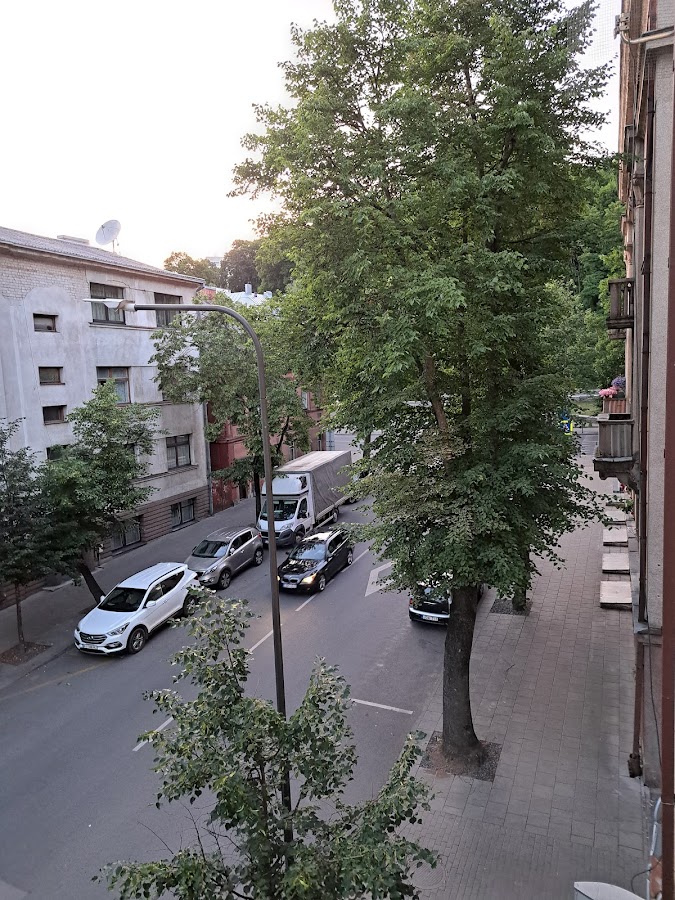
Center Hotel
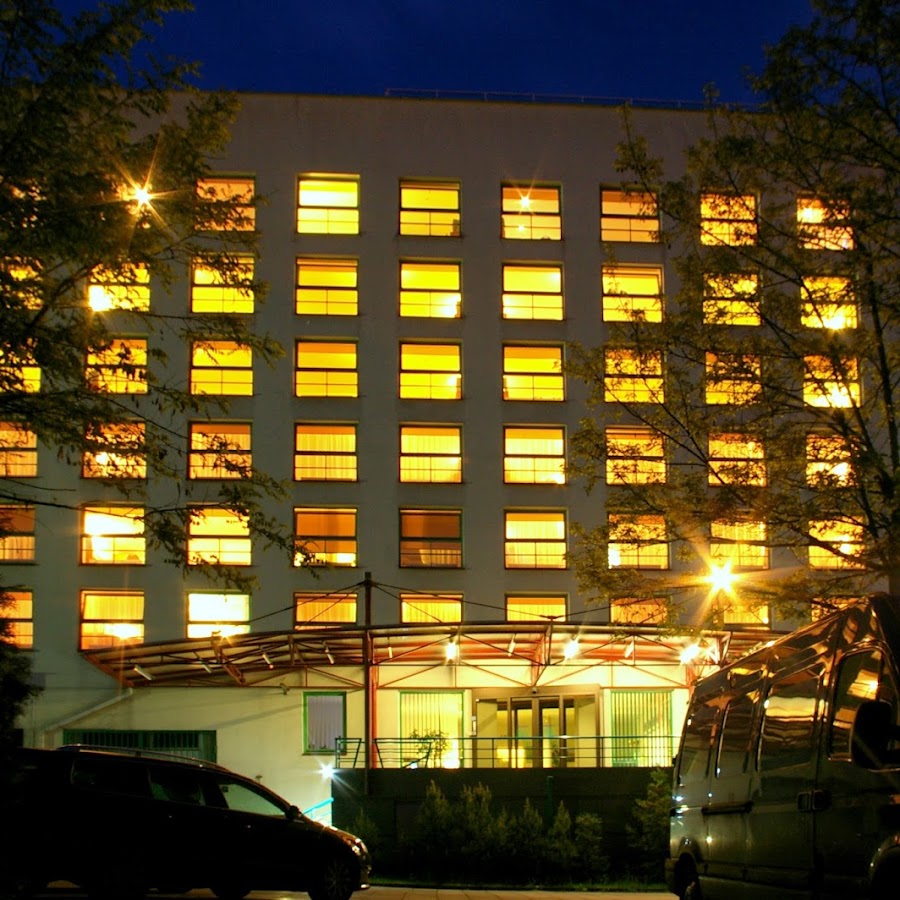
Home B&B

CENTRAL PARK APARTMENTS KAUNAS
Inner Blossom Private Apartment, Kaunas
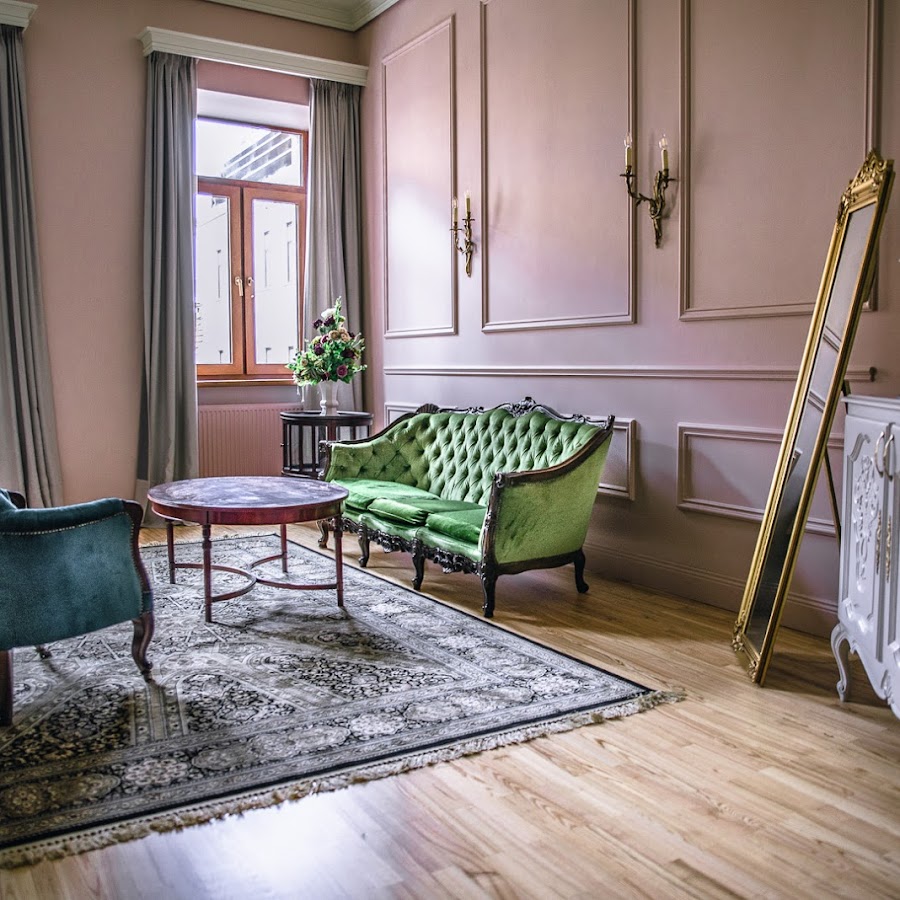
Pažaislis Park Hotel
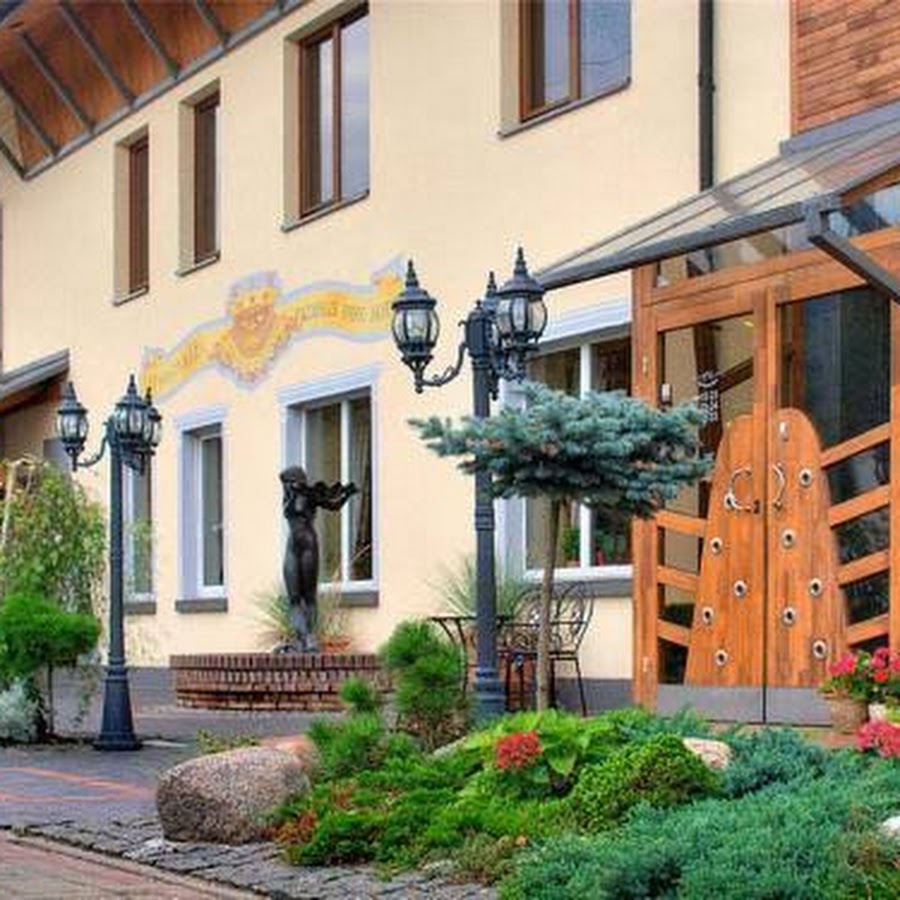
Green Hill Apartments
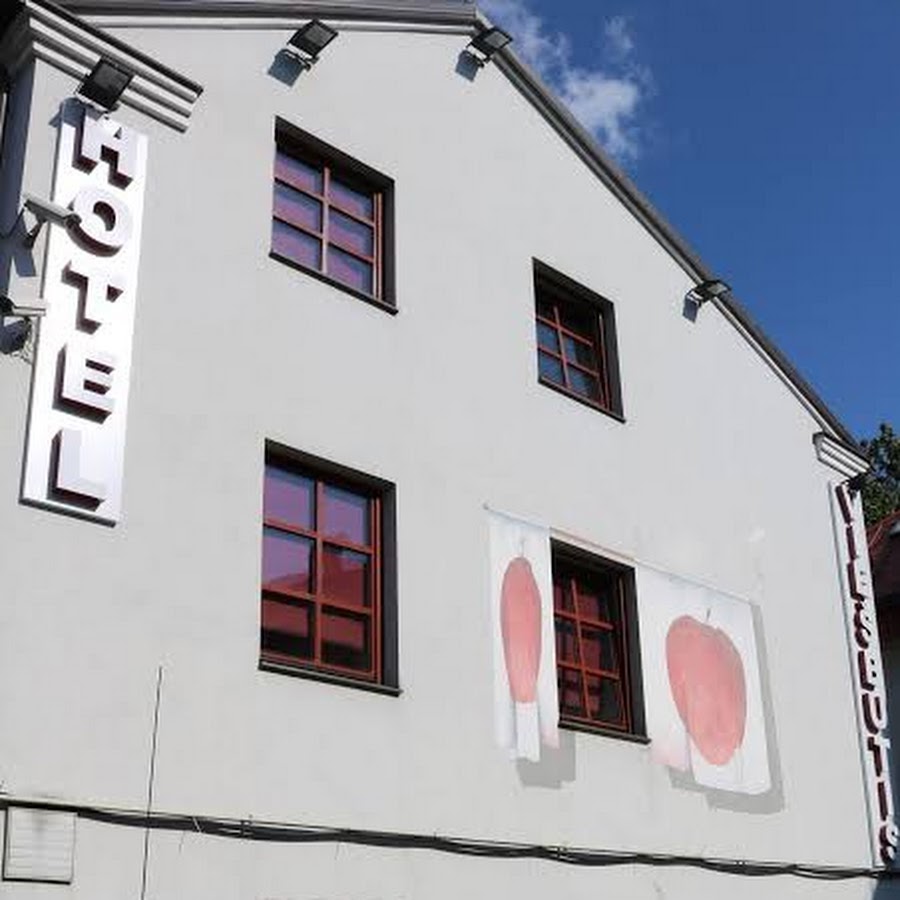
Apple Economy Hotel
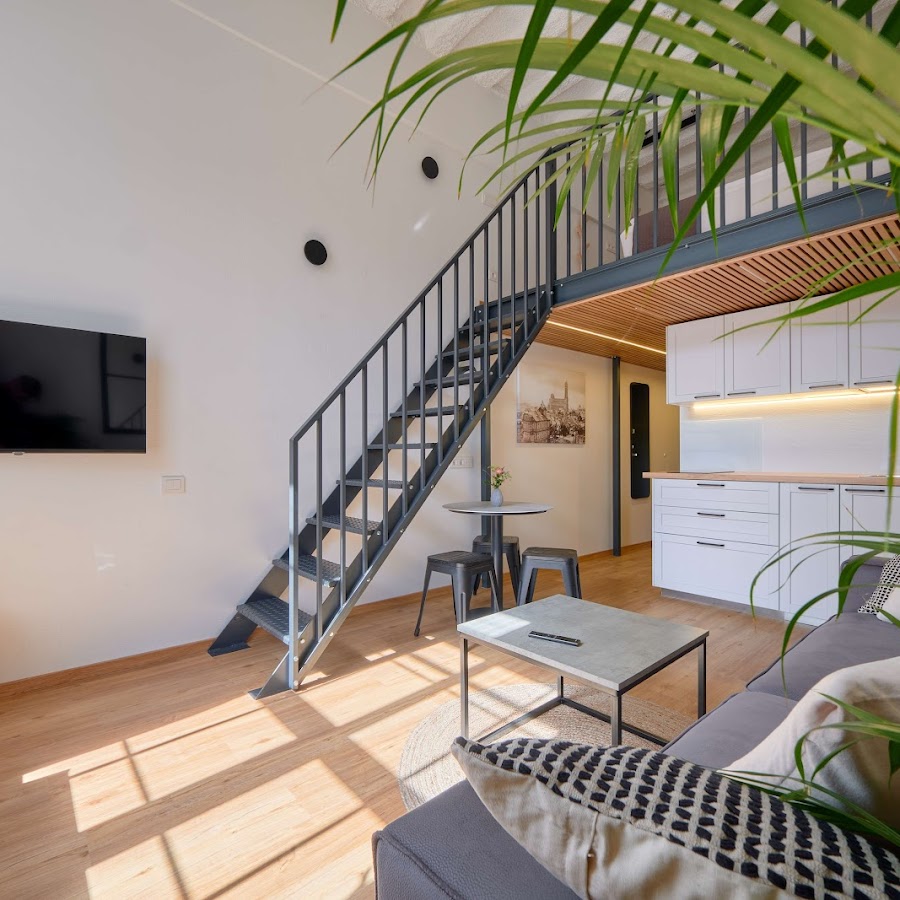
QUEEN BARBORA CENTRAL LOFTS
DIAMOND SVEĈIŲ NAMAI
BōHEME HOUSE
Victoria Hotel Kaunas
Resume apartments
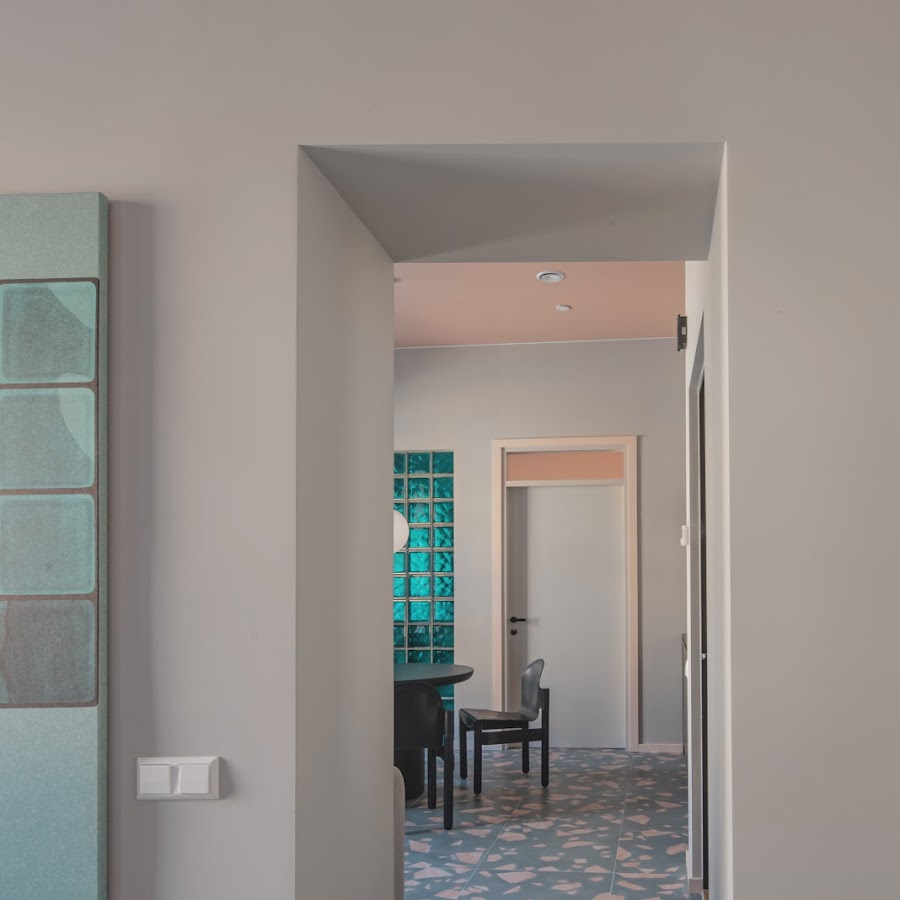
Babilonas Hotel
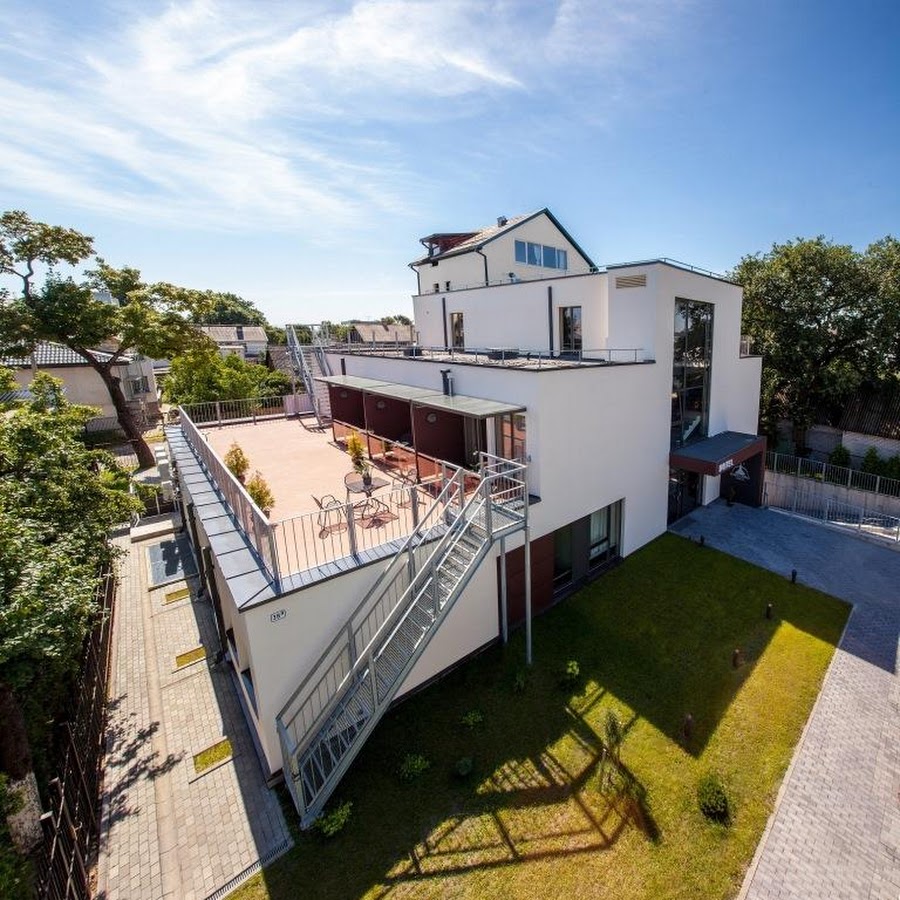
Moja Guest House
Kaunas Archdiocese GUEST HOUSE
Olympus Hotel
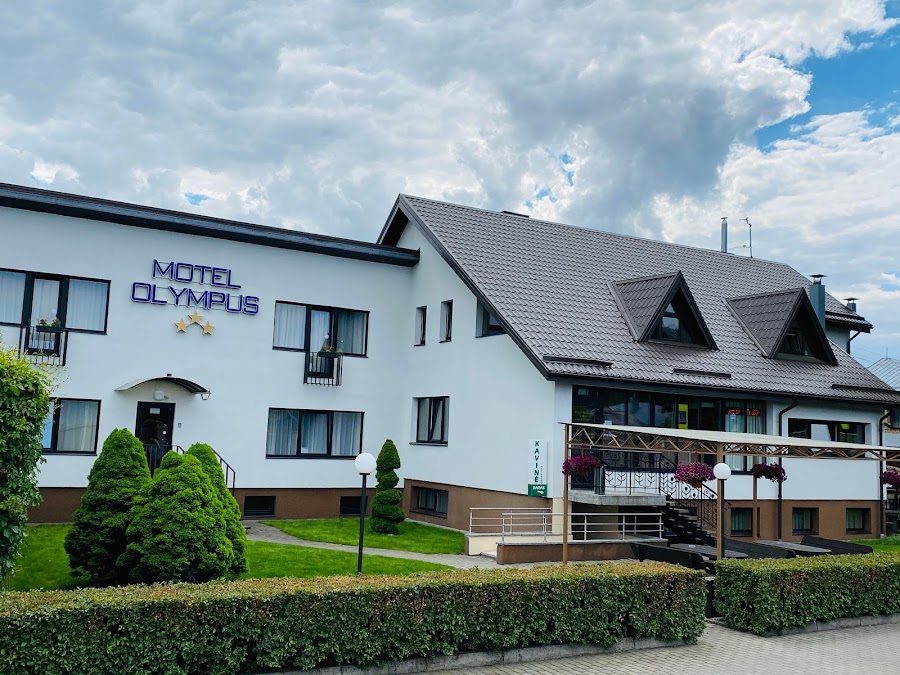
Piano Apartments in Kaunas Old Town
Happy Inn
Amberton Cozy Hotel Kaunas
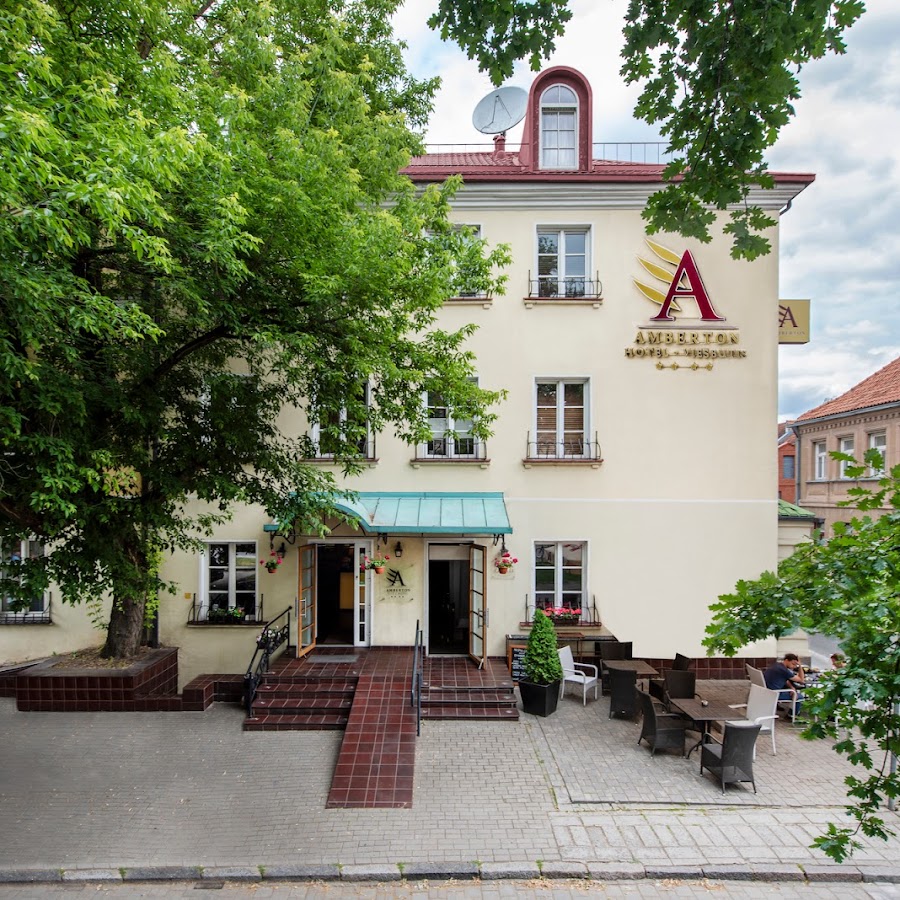
Sports Hostel
"Very Bad Hotel"
Perkuno namai
Kaunas Garden
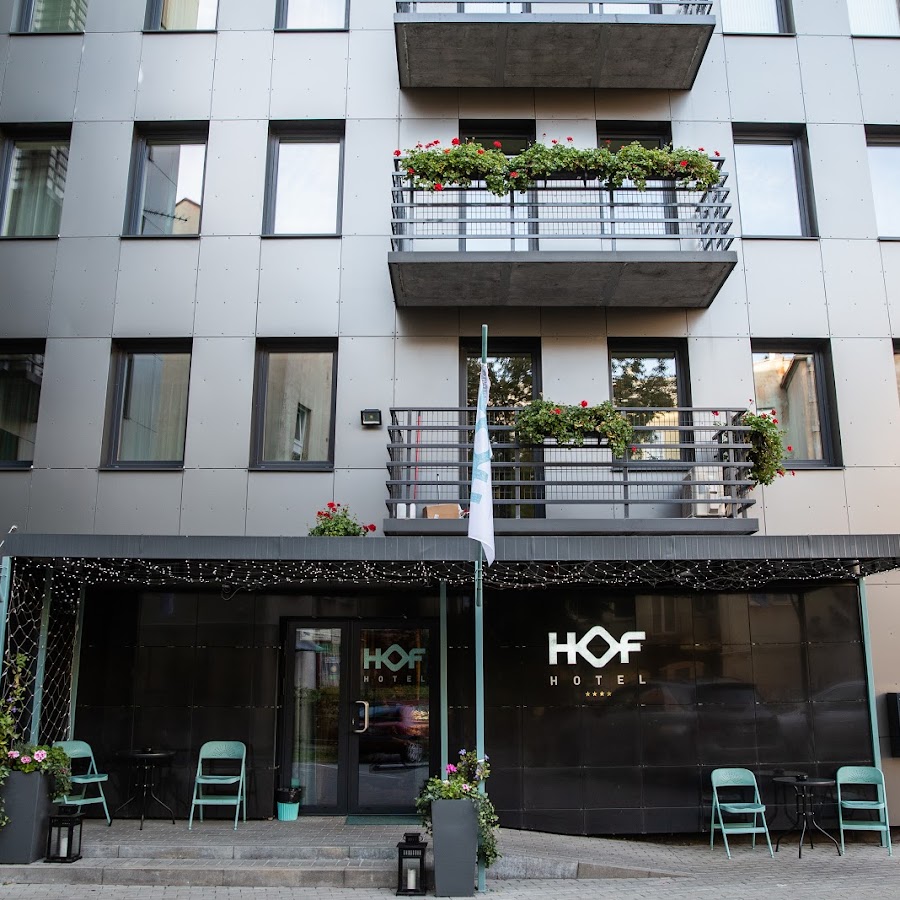
HOF Hotel
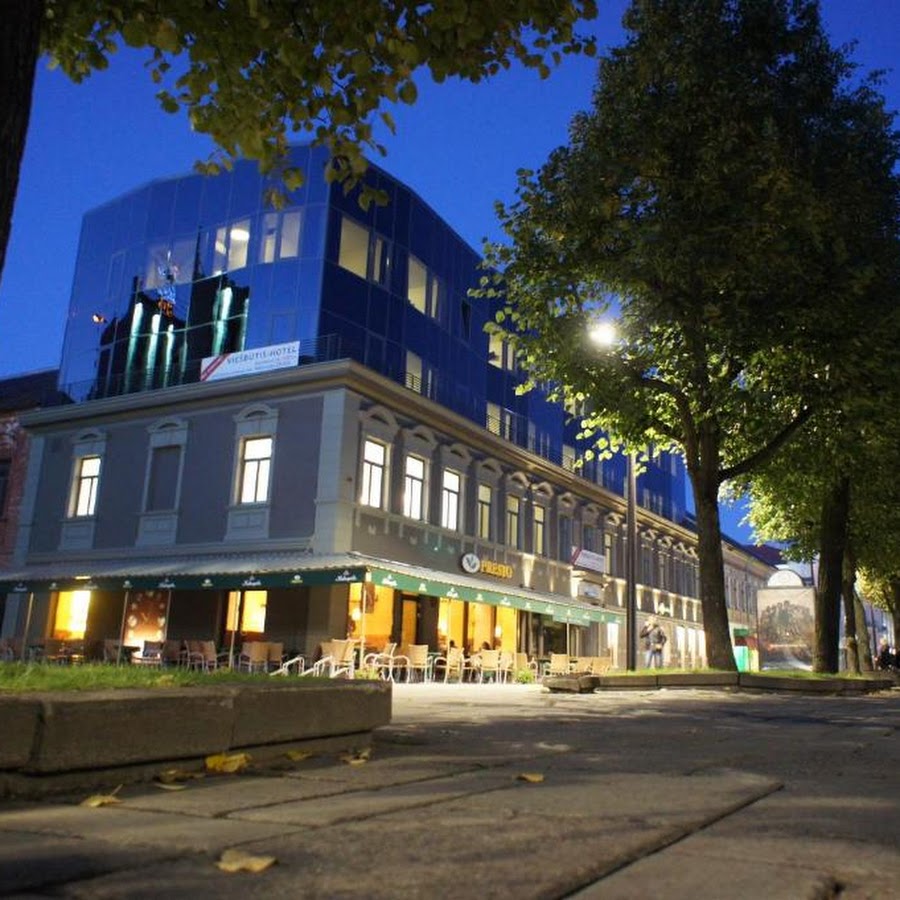
Kaunas City Hotel
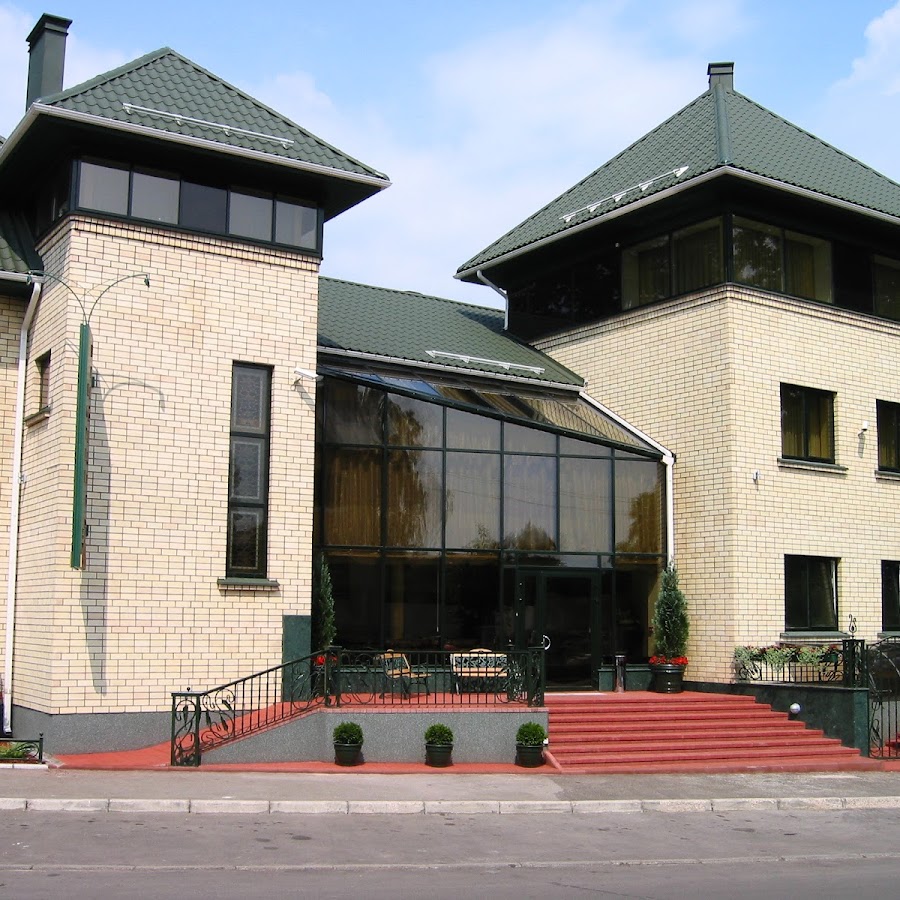
Hotel "Sfinksas", Kaunas
Metropolis
Best Baltic Kaunas
Daugirdas, viešbutis-restoranas, Perkūno namai

Radisson Hotel Kaunas
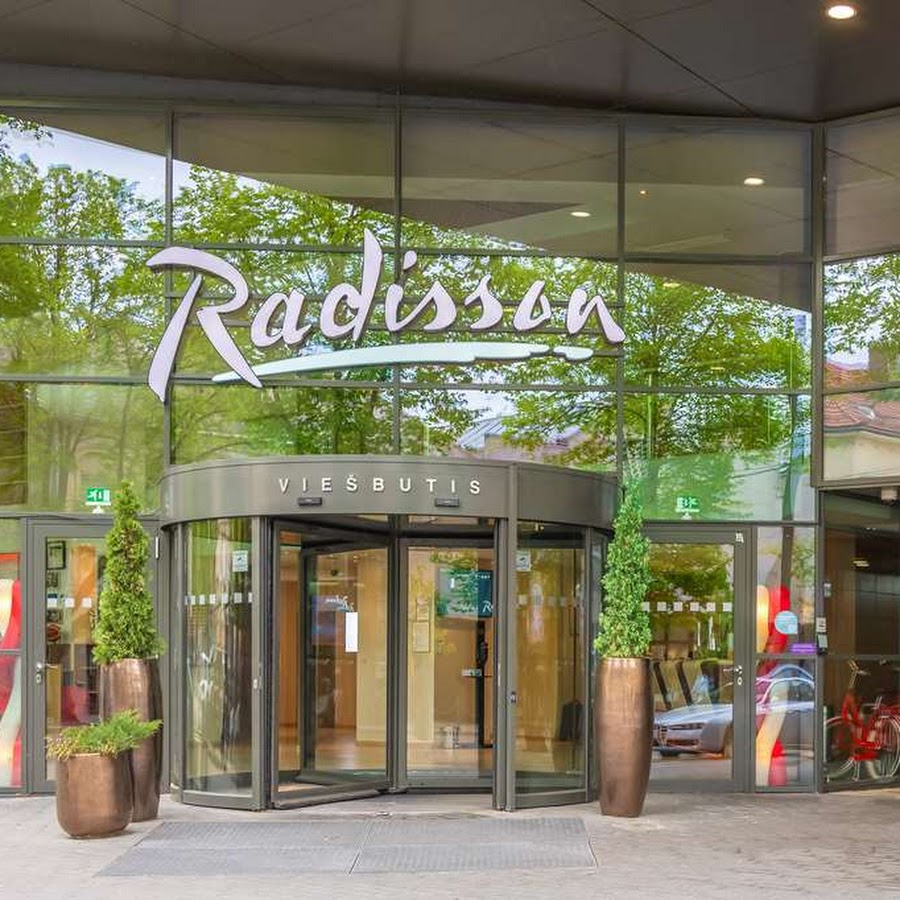
Best Western Santakos Hotel
ibis Kaunas Centre
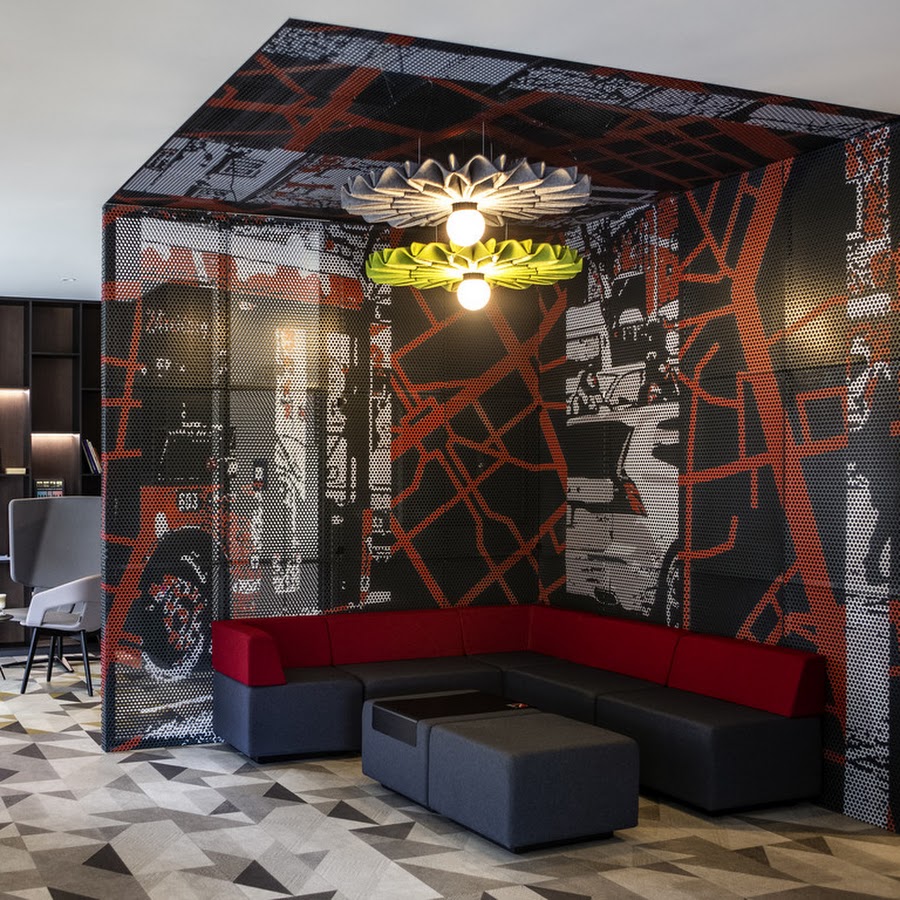
Moxy Kaunas Center
ibis Styles Kaunas Centre
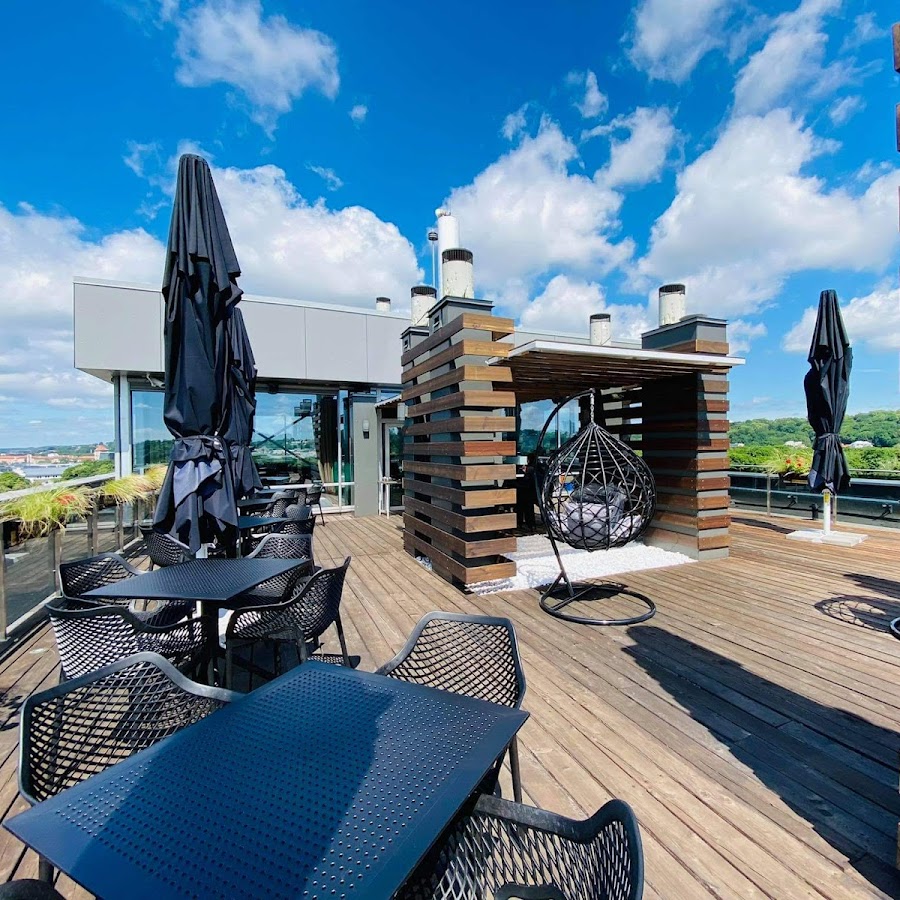
King Mindaugas Apartments
Monte Pacis
Things to see or in Lithuania
Explore the rich cultural heritage of Lithuania through its museums and attractions.
Pakruojis Manor
Pakruojis Manor is a former residential manor 2 kilometers from Pakruojis, Lithuania, on the right bank of the Kruoja river. Built in the 19th century currently it is reconstructed and used as a hotel, restaurant and a tourist attraction.A former residential manor now used as a hotel, restaurant, and tourist attraction.

Norviliškės Castle
Norviliškės Castle (Lithuanian: Norviliškių pilis), also called Norviliškės Manor (Lithuanian: Norviliškių dvaras) is a Renaissance style castle and a former monastery in Norviliškės, Lithuania. The Norviliškės Castle is first mentioned in 1586. In 1617 the owners donated part of the real estate land to Franciscans. Around 1745 they built a monastery and a church in Renaissance style. The monastery was reconstructed at the end of the 18th century by Kazimieras Kaminskis. After the November Uprising of 1831, Russian authorities closed the monastery and turned it into barracks for soldiers, and later to a boarding school for girls. The Church of St. Mary Compassionate Mother was closed at the same time as the monastery. A new wooden church was built in 1929. For a long time the former manor stood abandoned. In 2005, reconstruction was started by an entrepreneur, Giedrius Klimkevičius, from Vilnius. The project is supported by funds from the PHARE program. The hopes are that the Norviliškės Castle will become a tourist attraction. It offers hosting for business conferences or weddings, hunting, shooting practices, and other activities, including music festival Be2gether.A Renaissance style castle and former monastery in Norviliškės, Lithuania.

Kernavė
Kernavė was a medieval capital of the Grand Duchy of Lithuania and today is a tourist attraction and an archeological site (population 238, 2021). It is located in the Širvintos district municipality located in southeast Lithuania. A Lithuanian state cultural reserve was established in Kernavė in 1989. In 2004 Kernavė Archaeological Site was included into UNESCO World Heritage list.A medieval capital of the Grand Duchy of Lithuania and today a tourist attraction and archaeological site.

Lithuanian Road Museum
The Lithuanian Road Museum (Lithuanian: Lietuvos kelių muziejus) is a museum in Vievis, Lithuania, that exhibits the history of road building and road history. It was founded in 1995 to create a space where visitors could learn about the history of roads and the road maintenance exhibits collected over the years. The museum is owned by the state-owned company "Kelių priežiūra" and the Ministry of Transport and Communications of the Republic of Lithuania.A museum in Vievis, Lithuania, that exhibits the history of road building and road history.

Nida
A resort town on the Curonian Spit, perfect for beach activities and nature walks.A resort town on the Curonian Spit, perfect for beach activities and nature walks.
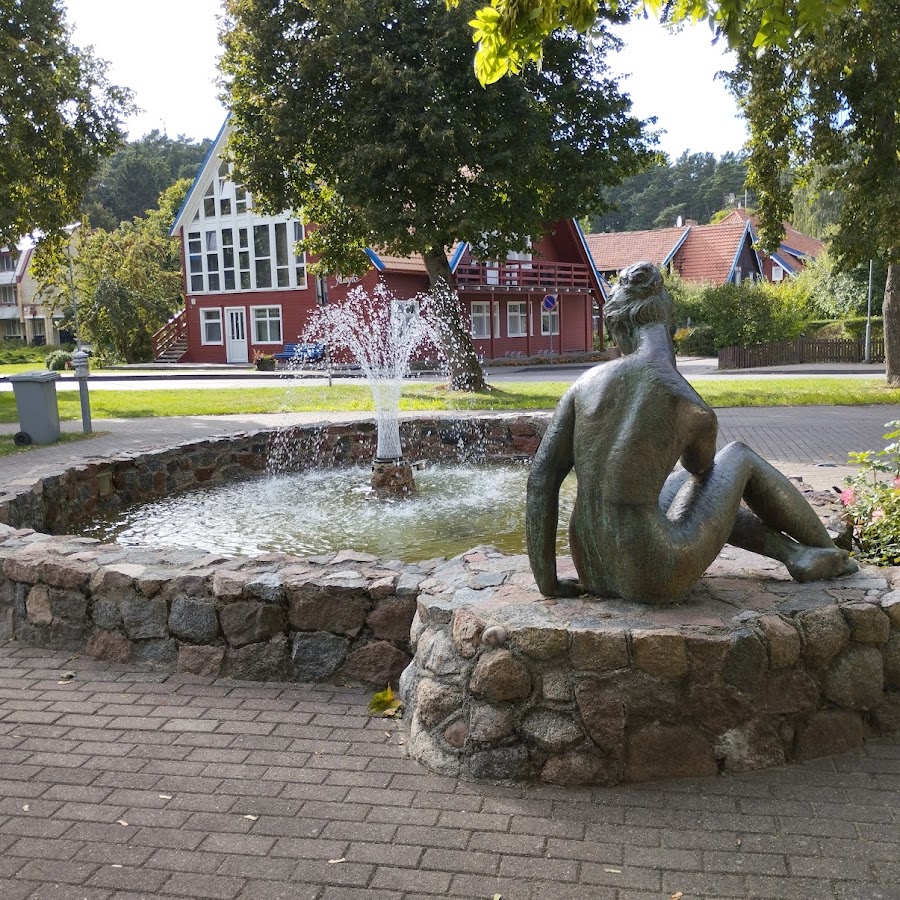
Žemaitija National Park
Offers hiking, cycling, and water activities in a picturesque natural setting.Offers hiking, cycling, and water activities in a picturesque natural setting.
Aukštaitija National Park
A national park known for its beautiful lakes, forests, and hiking trails.A national park known for its beautiful lakes, forests, and hiking trails.
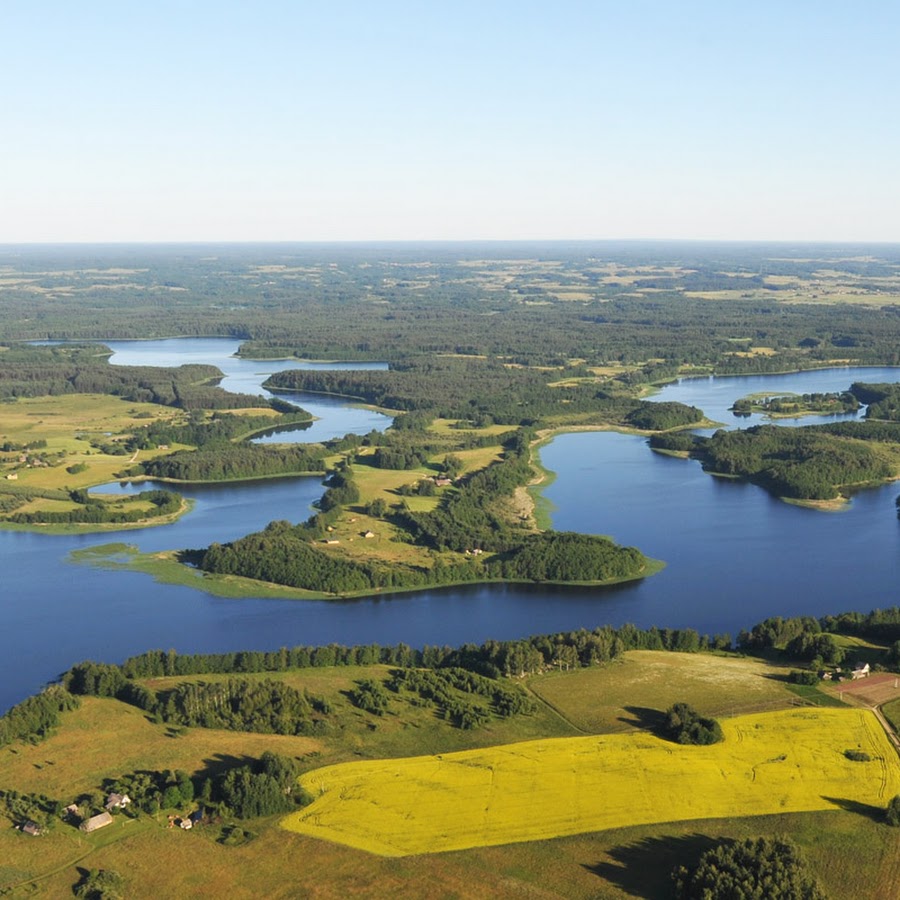
Vytautas the Great War Museum
The Vytautas the Great War Museum (Lithuanian: Vytauto Didžiojo karo muziejus) is a museum in Kaunas, Lithuania. It was built in Art Deco and early functionalism style. Originally it was established in 1921 by Vladas Nagevičius but later it was decided to move to a larger location. A part of the new museum was opened in 1930, at the 500th anniversary of Vytautas the Great, Grand Duke of Lithuania, the namesake of the museum. The finished museum was opened on 16 February 1936. Museum displays historical artefacts pertaining to Lithuania and Kaunas from prehistoric times to the present day, including a large collection of historical weapons. There are expositions dedicated to the military skills of the Grand Duchy of Lithuania, Vytautas the Great Chapel, collections of weapons, firearms, ammunition, army uniforms of various states, defense of the Kaunas Fortress in 1915, and others. The airplane Lituanica, on which Steponas Darius and Stasys Girėnas flew across the Atlantic Ocean in 1933, is on display and remains a popular exhibition. In the great hall of the museum there are copies of 17th century cannons. There is also a comprehensive collection of 18th century pistols. Statues of Lithuanian national renaissance figures, and the Tomb of the Unknown Soldier and eternal flame, are located in the square in front of the museum. During the time of the First Lithuanian Republic (1918–1940), when Kaunas was the temporary capital of Lithuania, national holidays were celebrated in the square. The plaque commemorating book smugglers and distributors Knygnešių sienelė is also situated alongside. The 35-bell Kaunas Carillon (range from as1 to as4) in the tower of the Vytautas the Great War Museum was completed in Belgium in 1935. Bell music from the tower was first played in 1937. Regular carillon concerts began in 1956. The first carillonists of the Kaunas Carillon were Lithuanian composers Viktoras Kuprevičius and his son Giedrius Kuprevičius. The carillon was restored by the Royal Eijsbouts bell foundry in Asten, Netherlands, in 2005–2006. After the restoration, the carillon has 49 bells and a new keyboard. Every day at midday, the Lithuanian war time song Oi, neverk motušėle (Don't Cry, Mother) is played. The crypt to Those Perished for the Freedom of Lithuania was constructed in 1938. The crypt was vandalized and destroyed during the time of Soviet occupation. After the restoration the crypt inside covered with black marble was opened again in 1998. The 90th anniversary of the museum in 2011 was marked by the opening of two new galleries: Warfare in Pre-Historic Times and History of Warfare of the Lithuanian Grand Duchy of the 13th–17th centuries. The museum shares its building with the M. K. Čiurlionis National Art Museum and is located in Vienybė Square [lt]. The museum and its surroundings are depicted on the 20 litas banknote. The museum garden has more than ten statues of Lithuanian military chiefs and cultural characters who influenced Lithuania in 19th and 20th century. In 2015, the building was one of 44 objects in Kaunas to receive the European Heritage Label.A museum in Kaunas that showcases the history of Lithuania's military and wars.
 en.wikipedia.org
Vilna Gaon Museum of Jewish History
Vilna Gaon Museum of Jewish History (Lithuanian: Vilniaus Gaono žydų istorijos muziejus; Yiddish: דער ווילנער גאון מלוכהשער יידישער מוז, romanized: Der Vilner Gaun Mlukhhsher Eydisher Muz) is a Lithuanian museum dedicated to the historical and cultural heritage of Lithuanian Jewry.A museum dedicated to the historical and cultural heritage of the Jewish community in Lithuania.
 en.wikipedia.org
M. K. Čiurlionis National Art Museum
The M. K. Čiurlionis National Art Museum (Lithuanian: Nacionalinis Mikalojaus Konstantino Čiurlionio dailės muziejus) is a group of museums based in Kaunas, Lithuania. It is primarily dedicated to exhibiting and publicizing the works of the painter and musician M.K. Čiurlionis (1875–1911). The museum was founded in 1921, and opened a temporary gallery in 1925. It was renamed Vytautas the Great Museum of Culture in 1936, receiving its current name in 1944. An expansion took place in 1969. The interwar part of the building was built in Art Deco and early functionalism style. The museum sponsors international exhibitions along with lectures, concerts, conferences, and special educational activities for children. The museum shares its building with the Vytautas the Great War Museum and is located in the New Town of Kaunas. The oldest still functioning Žaliakalnis Funicular Railway is situated nearby. It climbs 142 metres (466 ft) up from behind the M. K. Čiurlionis National Art Museum to the Church of the Resurrection. In 2015, the building was one of 44 objects in Kaunas to receive the European Heritage Label.Dedicated to exhibiting the works of the famous Lithuanian painter and composer M. K. Čiurlionis.

National Museum of Lithuania
The National Museum of Lithuania (Lithuanian: Lietuvos nacionalinis muziejus), established in 1952, is a state-sponsored historical museum that encompasses several significant structures and a wide collection of written materials and artifacts. It also organizes archeological digs in Lithuania.A state-sponsored historical museum that encompasses several significant structures and a wide collection of written materials and artifacts.
 en.wikipedia.org
Lithuanian National Museum of Art
Lithuanian National Museum of Art (Lithuanian: Lietuvos nacionalinis dailės muziejus) is the largest national museum in Lithuania collecting, restoring, and conserving art as well as historical objects of cultural value while presenting artefacts of national importance in an astonishing number of exhibition spaces located in the coastal cities and the capital. The Museum is established by Ministry of Culture of the Republic of Lithuania. As of 1995, the Museum belongs to the International Council of Museums (ICOM).The largest national museum in Lithuania, it collects, restores, and conserves art and historical objects of cultural value.

Airports in Lithuania
Kaunas Airport
Kaunas Airport (Lithuanian: Kauno tarptautinis oro uostas) (IATA: KUN, ICAO: EYKA) is the second-busiest civil airport in Lithuania after Vilnius Airport and the fourth-busiest in the Baltic states. The airport is located in the central part of the country, 14 km (8.7 mi) northeast of the Kaunas city centre and 100 km (62 mi) west from the capital Vilnius.Kaunas Airport (IATA: KUN) is the second-busiest civil airport in Lithuania, located in the central part of the country.
 en.wikipedia.org
Vilnius Airport
Vilnius Čiurlionis International Airport (IATA: VNO, ICAO: EYVI) (Lithuanian: Tarptautinis Vilniaus Čiurlionio oro uostas) is the airport of Vilnius, the capital of Lithuania. It is located 5.9 km (3.7 mi) south of the city center. It is the largest of the three commercial airports in Lithuania by passenger traffic, with one runway and 5 million passengers a year. Vilnius International Airport serves as a base for airBaltic, Ryanair, and Wizz Air. The airport is managed by Joint Stock Company Lithuanian Airports under the Ministry of Transport and Communications. It is the 96th busiest airport in Europe. In honor of Mikalojus Konstantinas Čiurlionis, the airport was renamed to Vilnius Čiurlionis International Airport (Lithuanian: Tarptautinis Vilniaus Čiurlionio oro uostas) from 1 January 2025, to 31 December 2029.Vilnius Čiurlionis International Airport (IATA: VNO) is the main airport of Vilnius, located 5.9 km south of the city center.
 en.wikipedia.org
Palanga International Airport
Palanga International Airport ((IATA: PLQ, ICAO: EYPA) Lithuanian: Tarptautinis Palangos oro uostas) is a regional international airport located near the resort town Palanga at the Baltic Sea. It is the third largest airport in Lithuania and focuses on short and mid-range routes to European destinations. It serves the Lithuanian Baltic sea resorts of Palanga and the city of Klaipėda, and parts of Samogitia and western Latvia.Palanga International Airport (IATA: PLQ) is a regional international airport located near the resort town of Palanga at the Baltic Sea.
 en.wikipedia.org
Kedainiai Airport
Kedainiai Airport (ICAO: EYKD) is located 45 km north of Kaunas and is primarily used for general aviation.
Šiauliai International Airport
Šiauliai International Airport (IATA: SQQ) operates within the Šiauliai Air Base and serves as a civilian airport.
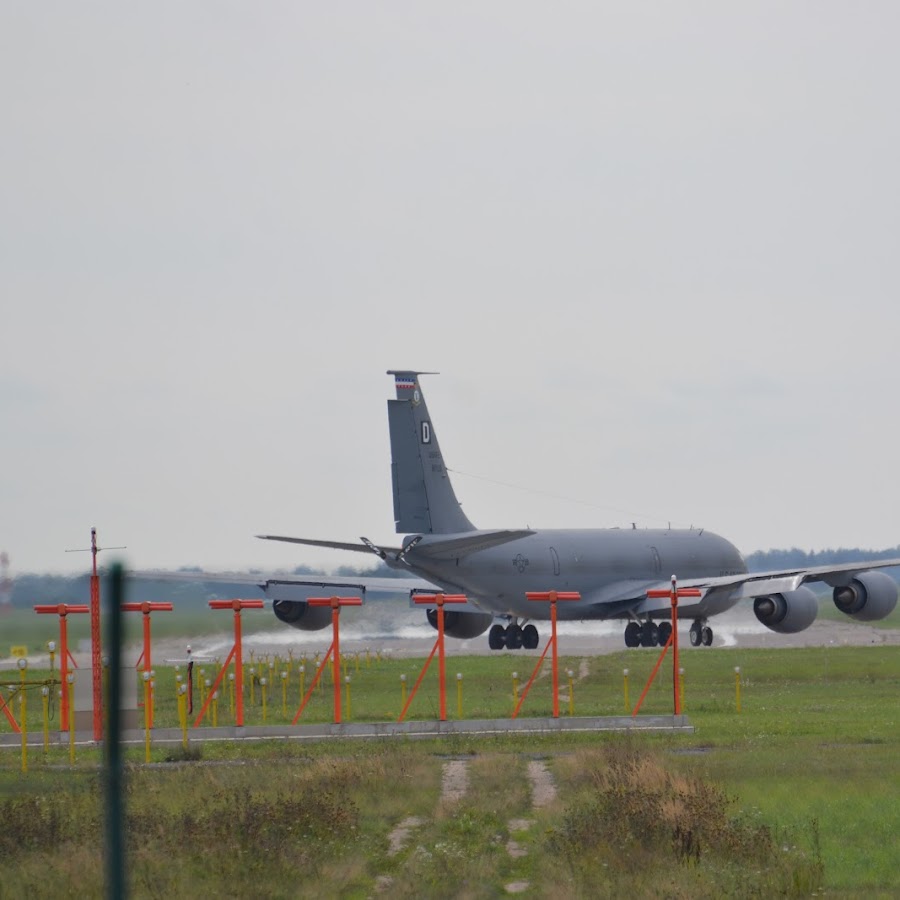
Barysiai Airport
Barysiai Airport (Lithuanian: Barysių aerodromas) (ICAO: EYSB) is an airport in Barysiai, a village in the Joniškis district municipality of Šiauliai County in northern Lithuania. From 1959 to 1992 it was a civil airport serving the city of Šiauliai.Barysiai Airport (ICAO: EYSB) is located in Barysiai, a village in northern Lithuania, and was a civil airport serving the city of Šiaul
