Linz
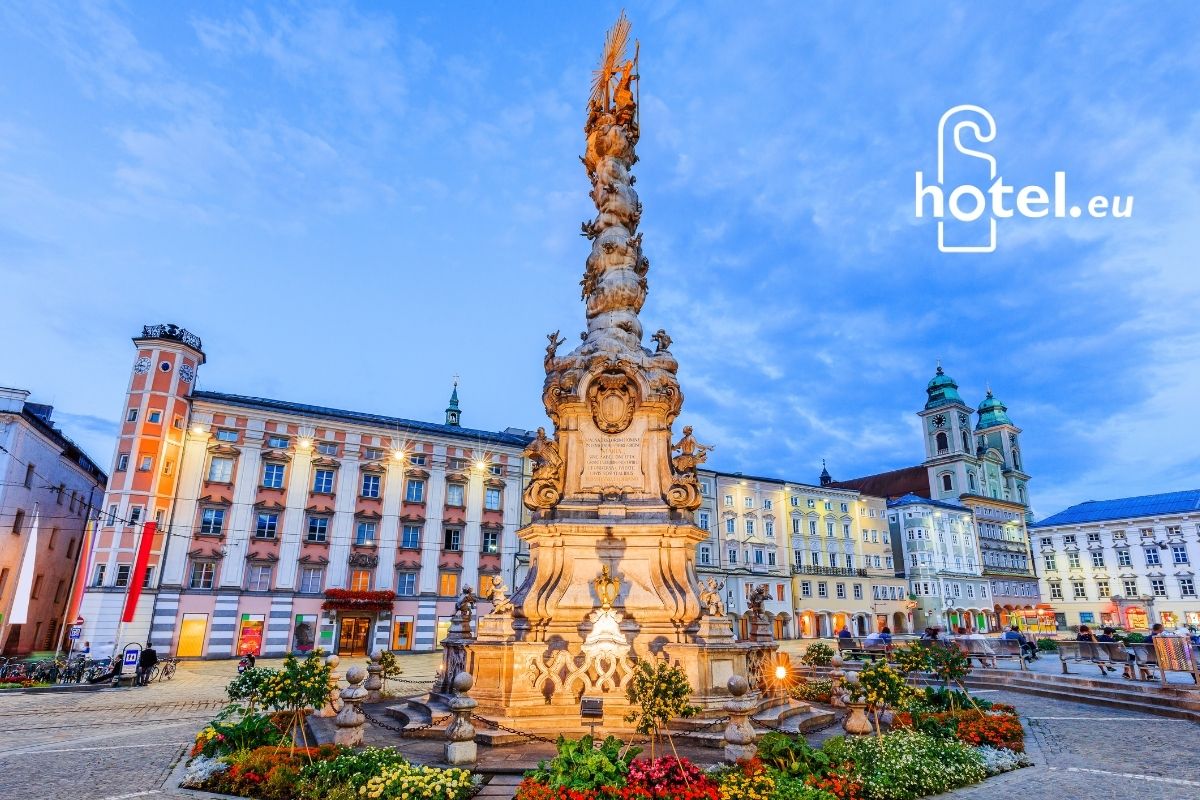
Linz, Austria’s third-largest city, is a vibrant mix of history and innovation along the Danube River. Its charming Old Town features the grand Hauptplatz and the New Cathedral, while the Ars Electronica Center highlights its cutting-edge side. From the panoramic Pöstlingberg hill to relaxing Danube cruises, Linz combines culture and creativity in unique ways. Why visit Linz? To experience Austria’s perfect balance of tradition and forward-thinking innovation.
Things to see or do in Linz
Panoramic views, art and tradition.
TipsArena Linz
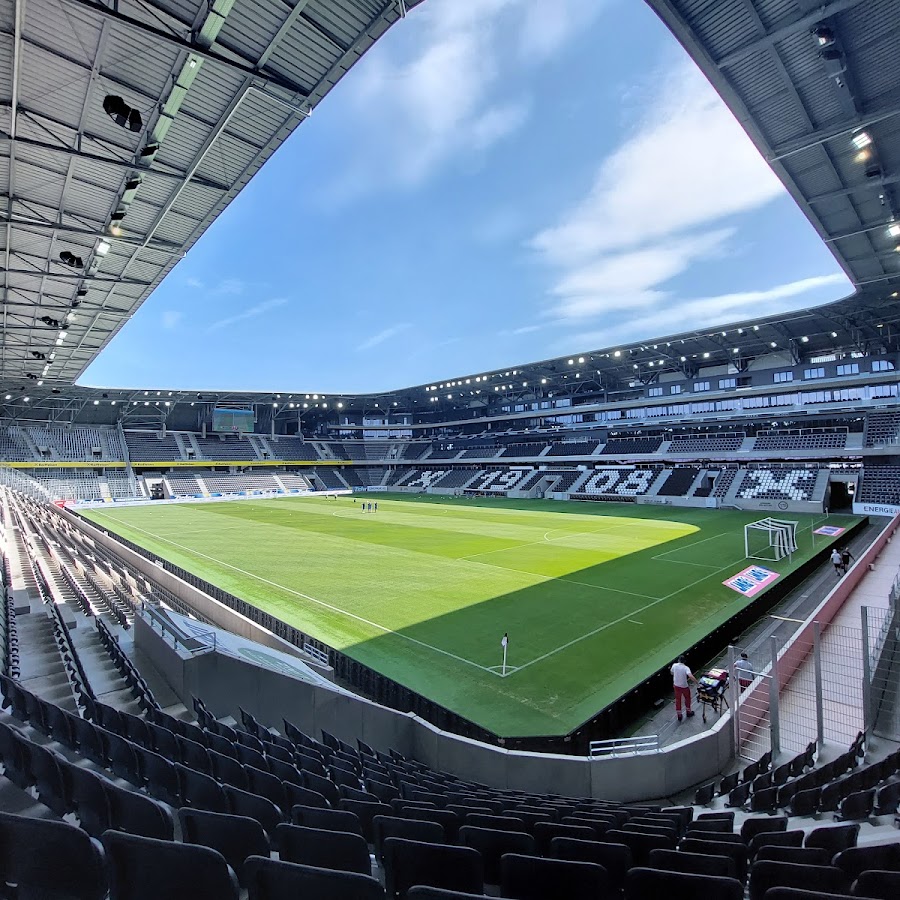
TipsArena Linz is a multi-purpose arena hosting concerts, sports events and other large gatherings in the city.
Atelierhaus Salzamt
The Atelierhaus Salzamt, which translates to "Studio House Salt Authority," is a cultural institution founded in 2009 in Linz, Austria. Its core mission is to promote and enrich international exchange programs in the visual arts field. The facility serves various roles, acting as an art gallery, offering accommodation for artists, and providing studio space to both local and international artists. Atelierhaus Salzamt is a cultural institution promoting international exchange in the visual arts, located in Linz.

Lentos Art Museum
The Lentos Art Museum (German: Kunstmuseum Lentos) is a museum of modern art in Linz, Austria, which opened in May 2003 as the successor to the Neue Galerie der Stadt Linz (New Gallery of the City of Linz). The museum was designed by Zurich-based architectural firm Weber & Hofer. It is 130 m (430 ft) long and has approximately 8,000 m2 (86,000 sq ft) of floor space. The building's transparent glass façade is illuminated at night. It is located directly on the Danube between the Nibelungen Bridge and Brucknerhaus. The Lentos Art Museum is a museum of modern art in Linz, Austria, showcasing contemporary works and exhibitions.

Führermuseum
The Führermuseum or Fuhrer-Museum (English: Leader's Museum), also referred to as the Linz art gallery, was an unrealized art museum within a cultural complex planned by Adolf Hitler for his hometown, the Austrian city of Linz, near his birthplace of Braunau. Its purpose was to display a selection of the art bought, confiscated or stolen by the Nazis from throughout Europe during World War II. The cultural district was to be part of an overall plan to recreate Linz, turning it into a cultural capital of Nazi Germany and one of the greatest art centers of Europe, overshadowing Vienna, for which Hitler had a personal distaste. He wanted to make the city more beautiful than Budapest, so it would be the most beautiful on the Danube River, as well as an industrial powerhouse and a hub of trade; the museum was planned to be one of the greatest in Europe. The expected completion date for the project was 1950, but neither the Führermuseum nor the cultural centre it was to anchor were ever built. The only part of the elaborate plan which was constructed was the Nibelungen Bridge, which is still extant. An unrealized art museum project that was part of a larger cultural complex planned in Linz.

Ursuline Church of St. Michael
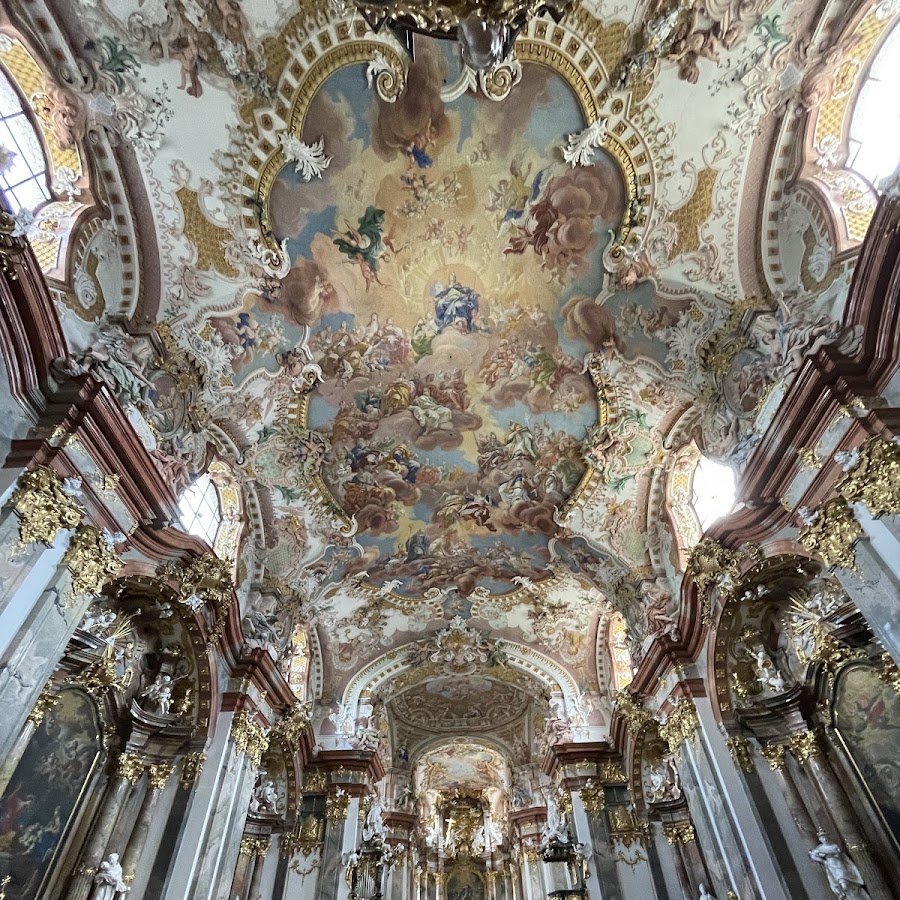
The Ursuline Church in Linz, Austria, dedicated to Archangel Michael, was built between 1736 and 1772 for the local Ursulines. It has two towers and a late baroque facade. The design was done by the architect Johann Haslinger. The church was dedicated in 1757. It is connected to the former Ursuline convent, today a cultural center. The Ursuline Church is a baroque church dedicated to Archangel Michael, featuring stunning architecture and historical significance.

Botanical Garden Linz
Beautifully landscaped gardens featuring a wide variety of plant species, offers a peaceful retreat in the city, and hosts educational programs and events throughout the year. Beautifully landscaped gardens featuring a wide variety of plant species, offers a peaceful retreat in the city, and hosts educational programs and events throughout the year.
Voestalpine Stahlwelt
Interactive museum dedicated to the steel industry, offers insights into the production process and the role of steel in modern life, includes guided tours and exhibitions. Interactive museum dedicated to the steel industry, offers insights into the production process and the role of steel in modern life, includes guided tours and
Linz Festival
Annual cultural festival celebrating music, theater, and art, features performances from local and international artists, promotes community engagement and cultural exchange. Annual cultural festival celebrating music, theater, and art, features performances from local and international artists, promotes community engagement and cultural exchange.
 l.instagram.com
Pöstlingberg
A hill offering stunning views of Linz, features a pilgrimage church, a fairy-tale railway, and a zoo, popular for hiking and outdoor activities. A hill offering stunning views of Linz, features a pilgrimage church, a fairy-tale railway, and a zoo, popular for hiking and outdoor activities.

Brucknerhaus
Concert hall named after composer Anton Bruckner, hosts classical music performances, festivals, and cultural events, known for its excellent acoustics and riverside location. Concert hall named after composer Anton Bruckner, hosts classical music performances, festivals, and cultural events, known for its excellent acoustics and riverside location.
 en.wikipedia.org
Ars Electronica Center
A museum dedicated to art, technology, and society, known for its interactive exhibits and focus on digital culture, hosts the annual Ars Electronica Festival celebrating innovation.A museum dedicated to art, technology, and society, known for its interactive exhibits and focus on digital culture, hosts the annual Ars Electronica Festival celebrating innovation.
Linz Castle
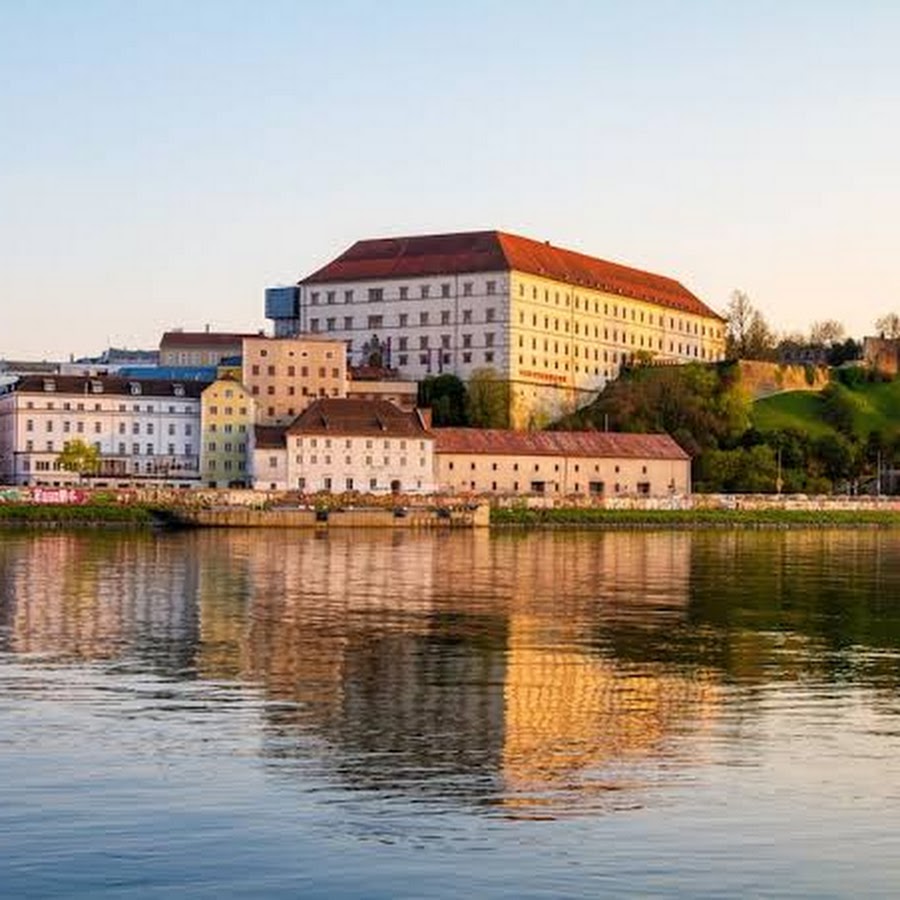
Historic castle overlooking the Danube River, houses the Upper Austrian State Museum, offers panoramic views of the city, and features exhibitions on regional history and culture. Historic castle overlooking the Danube River, houses the Upper Austrian State Museum, offers panoramic views of the city, and features exhibitions on regional history and culture.

Wilhering Abbey
The museum consists of 7 exhibition rooms and therefore 7 themes: and although each of the themes stands on its own, they all ultimately flow into each other. The focus is on Wilhering Abbey and its history, the spirituality of the Cistercians, their motto "ora et labora" and the great personalities of the abbey. Special emphasis has been placed on providing visitors with two levels of information: - Overview information on the theme of each room, and the opportunity to delve deeper into individual topics according to their interests. - In addition, various interactions provide an entertaining tour for younger visitors. (Quote: Lydia Altmann, curator of the exhibition) The collegiate church and cloister, the courtyard and the park are freely accessible. The gate with café, shop and the Benedict Hall are located in the former farm of the abbey, as is the abbey museum. The Abbey Gate is a place of arrival, hospitality and encounter. The abbey café offers self-service cakes, coffee, drinks and abbey snacks (we prefer regional suppliers). The Monastery Store sells products such as wine from our leased vineyards near Krems.
Find hotels in Linz
Book your perfect stay today.
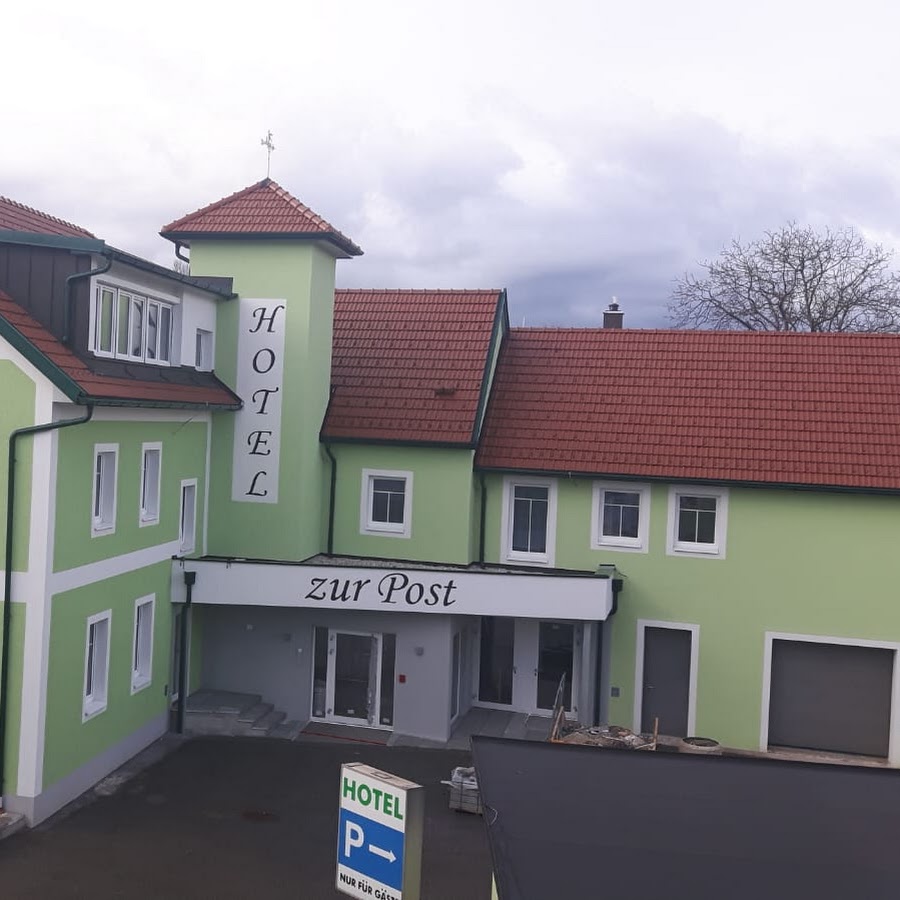
Gasthof zur Post
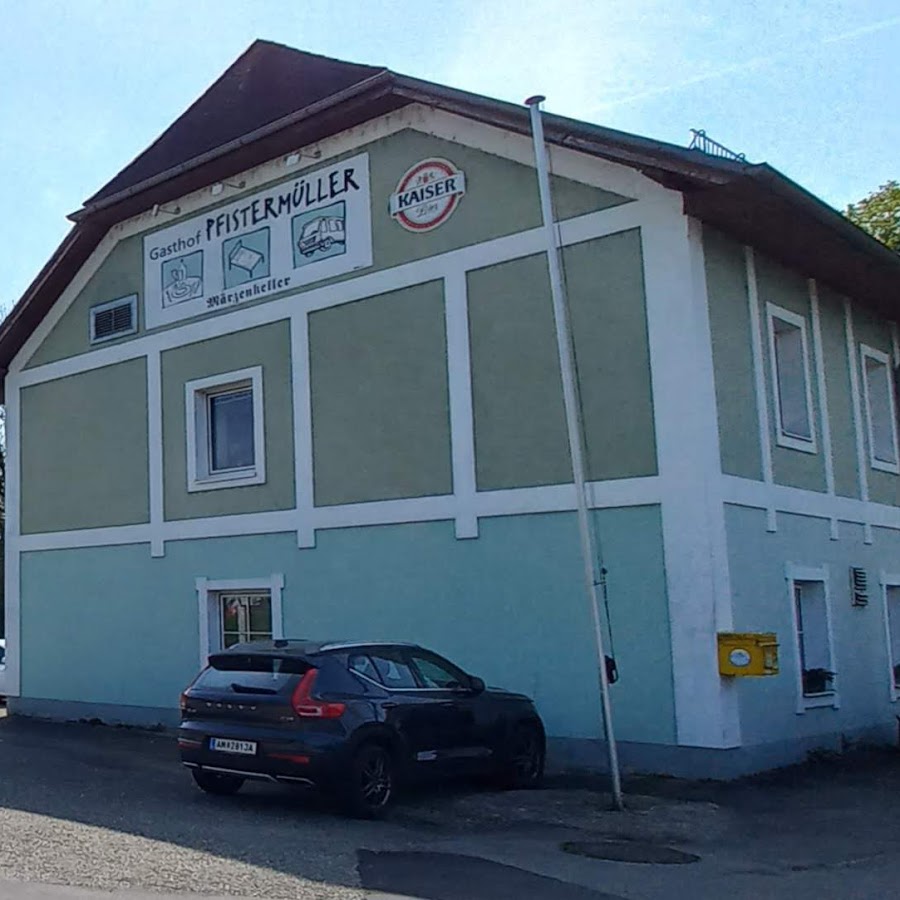
Gasthof Pfistermüller
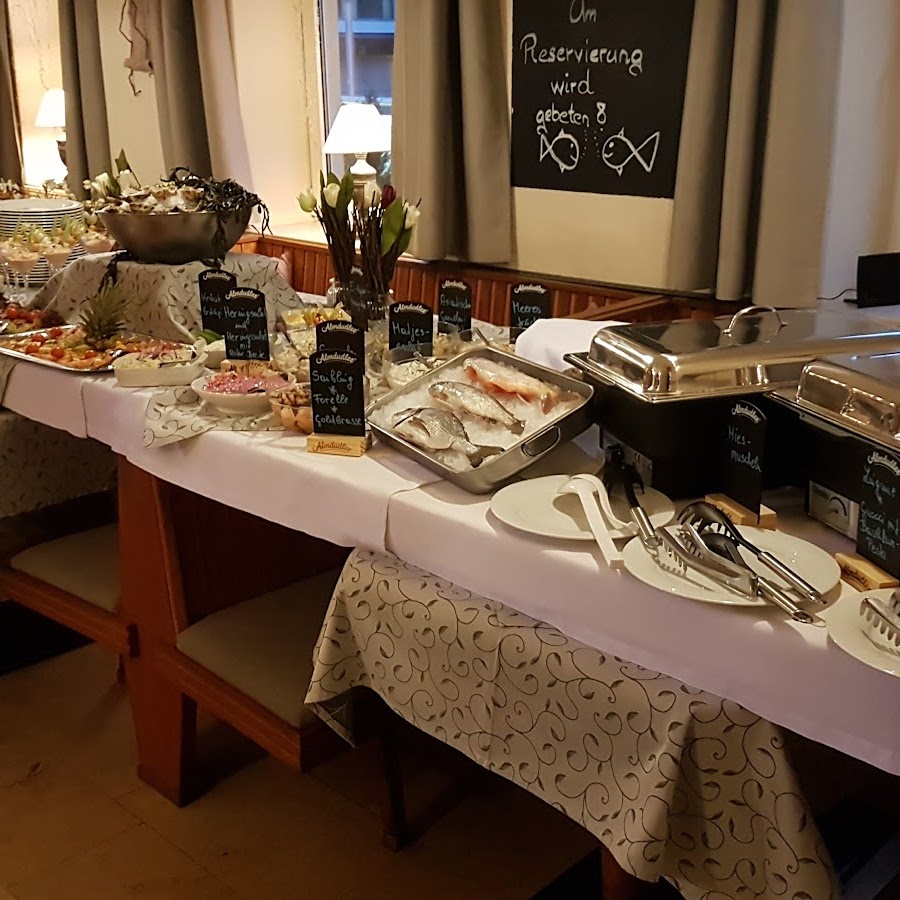
Gasthaus Roithnerhof
Gasthaus-Pension-zum Löwen
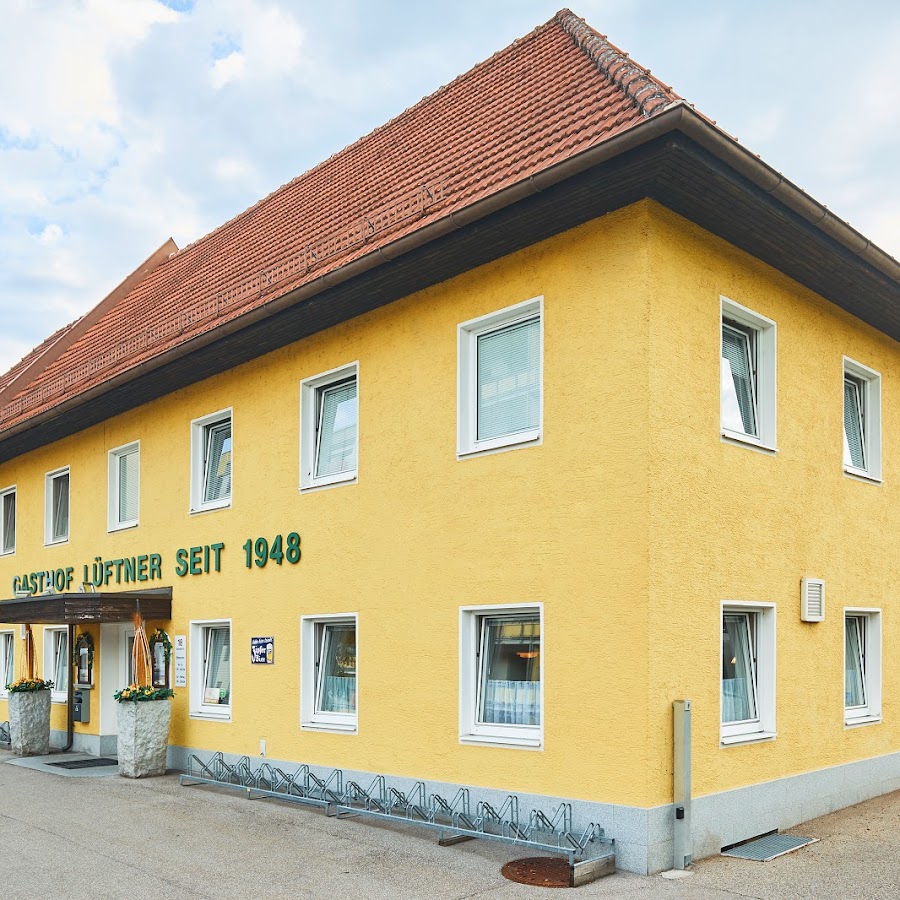
Gasthof Lüftner e.U
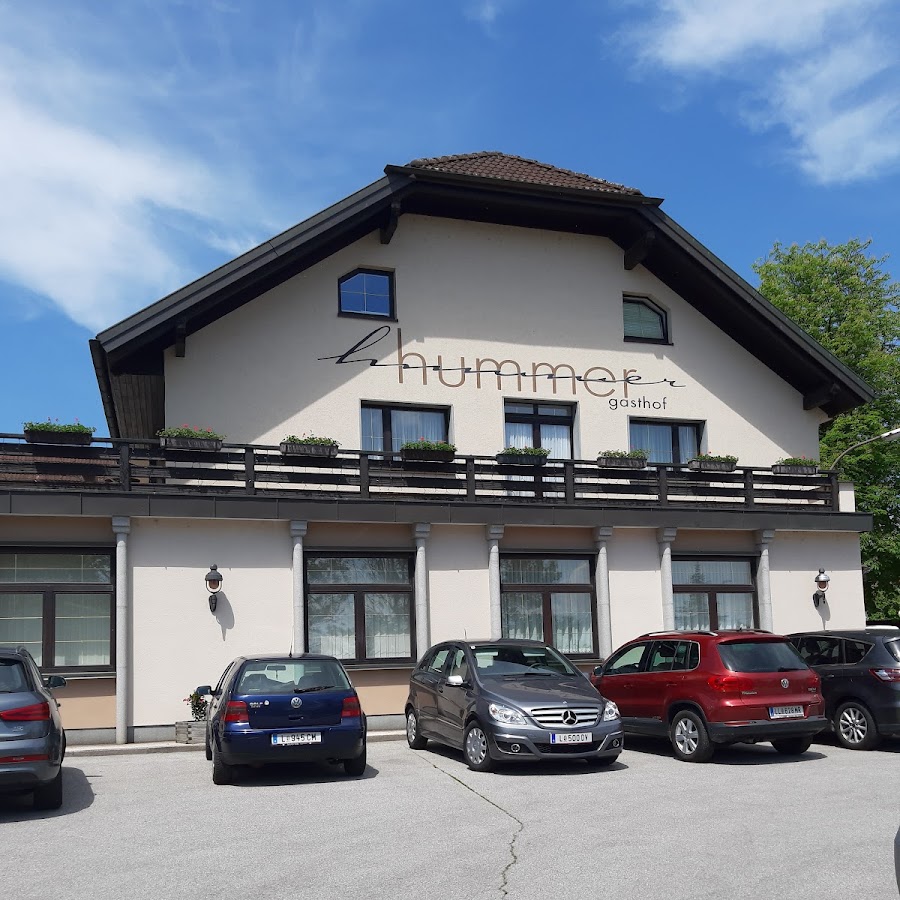
Gasthof Hummer
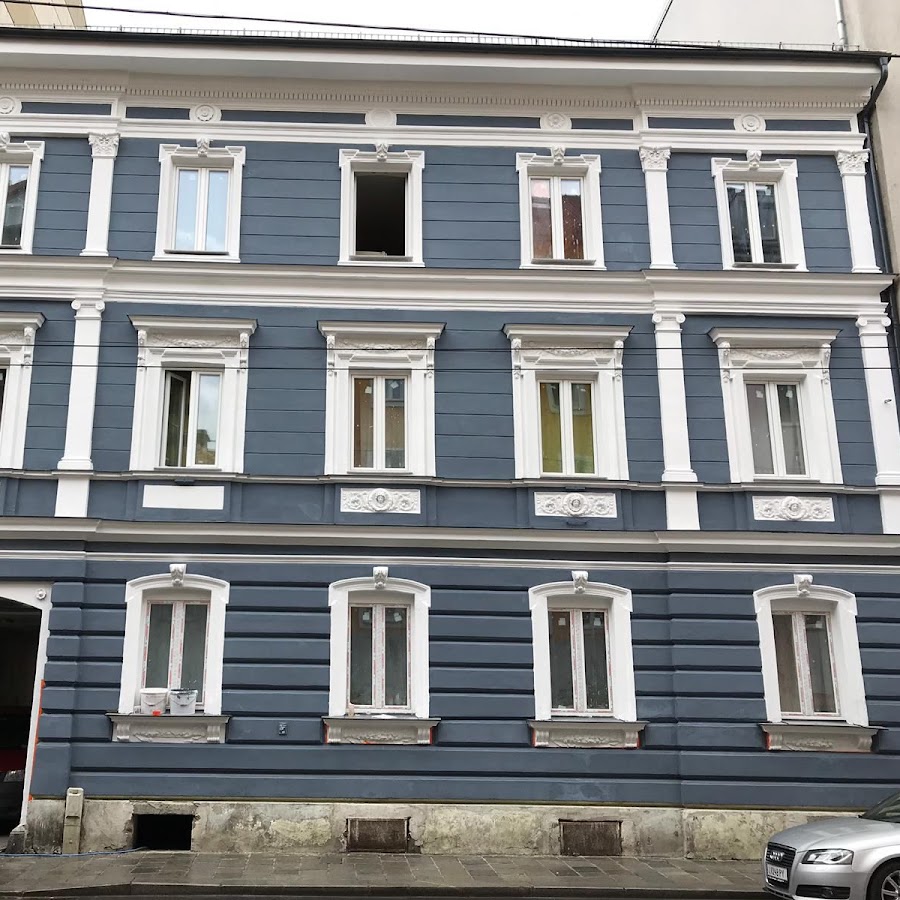
Hotel Linzer City
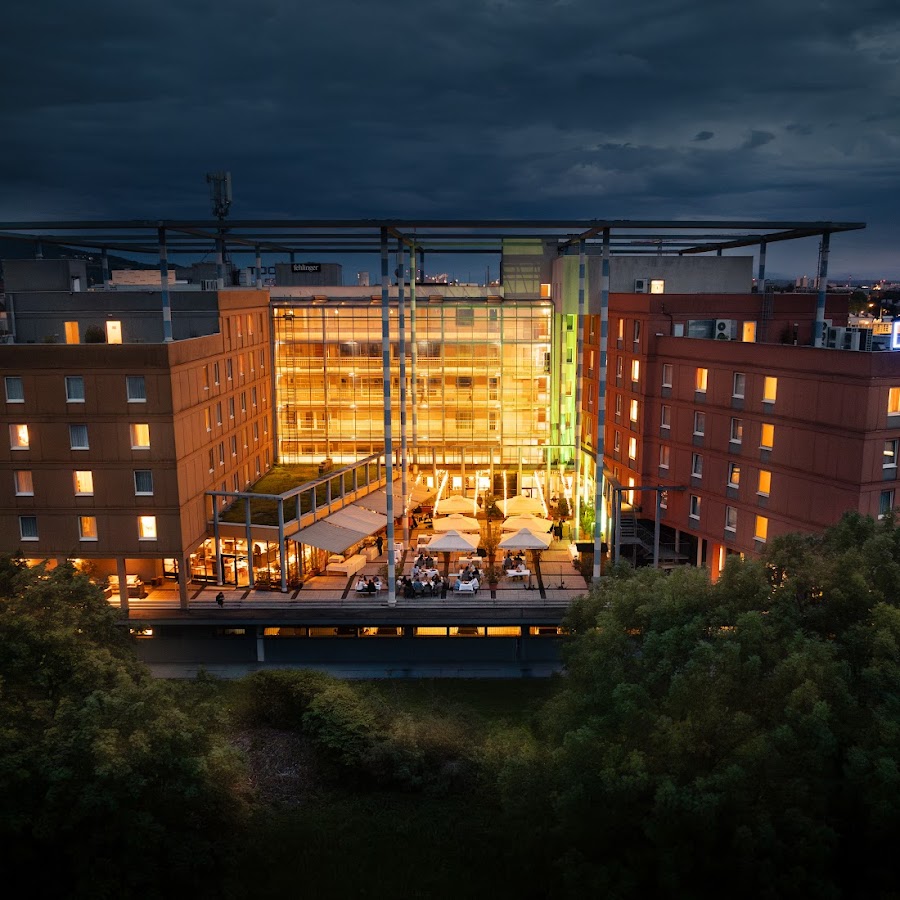
Hotel Donauwelle
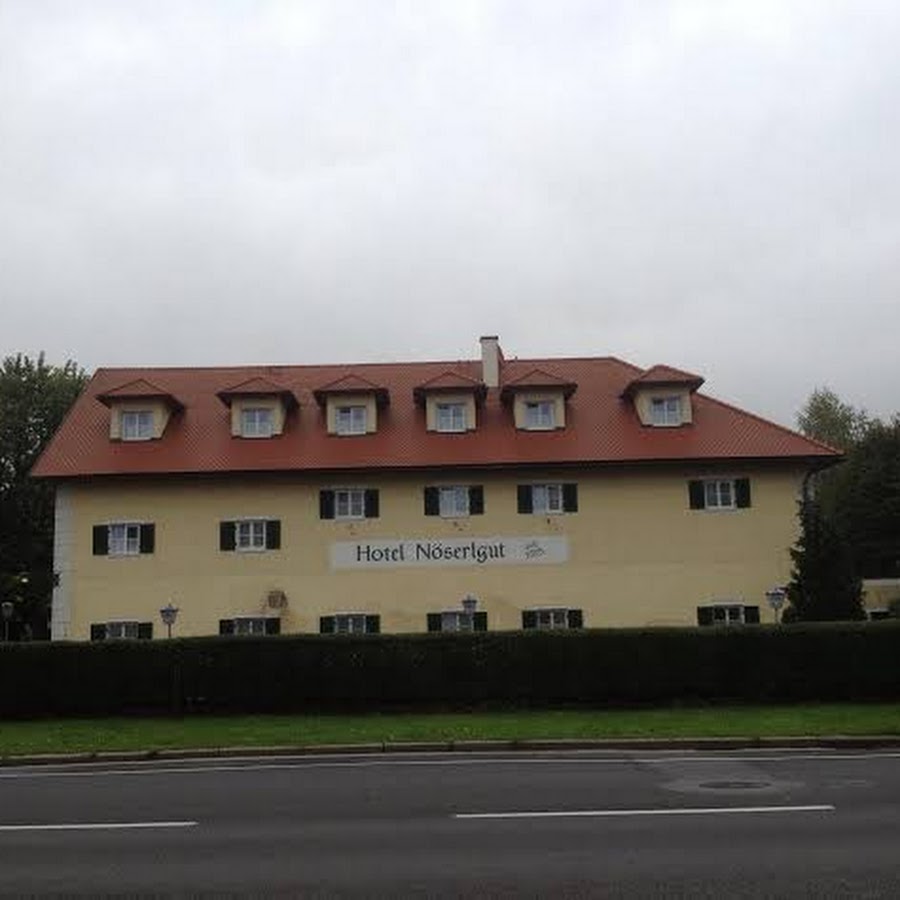
Hotel Garni NÖSERLGUT
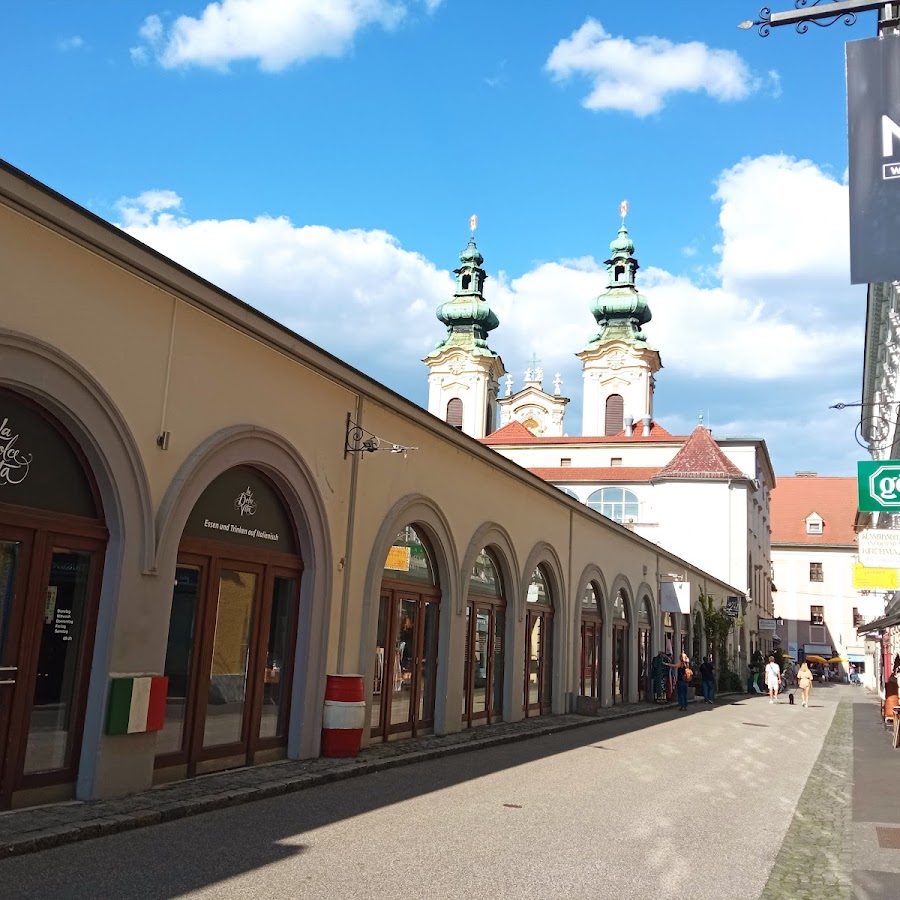
easyapartments Apartment "City"
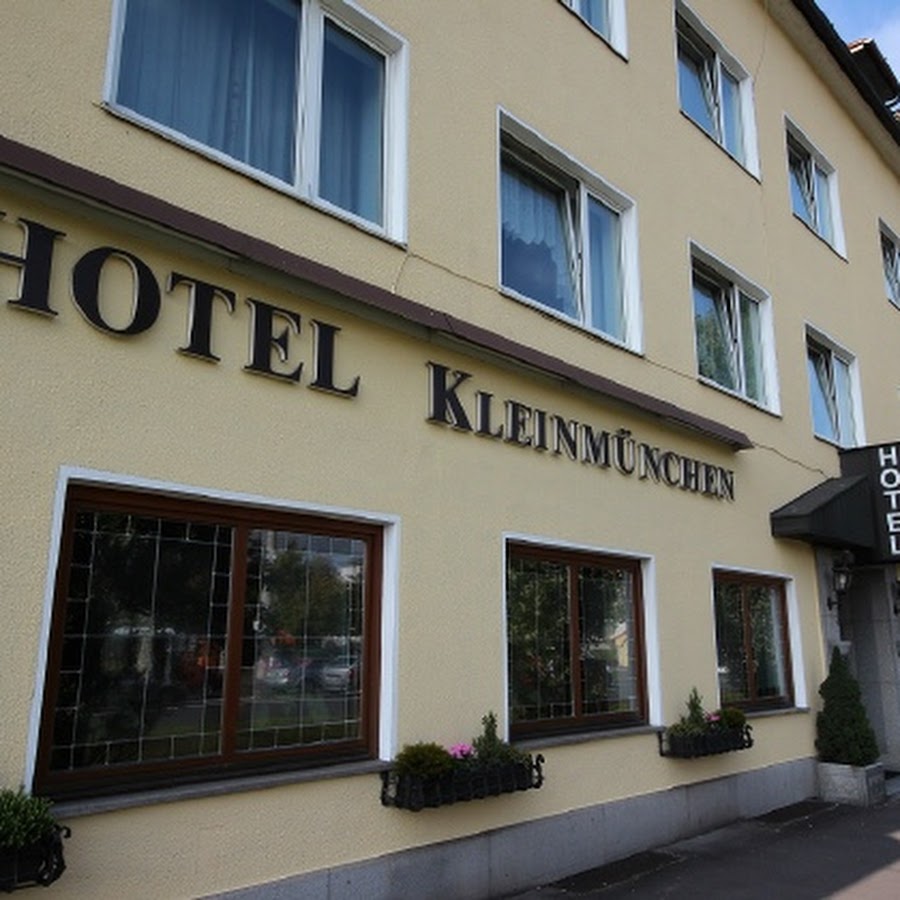
Hotel Kleinmünchen Garni
Apartment Comfort-Size Linz
Easyapartments Sunny
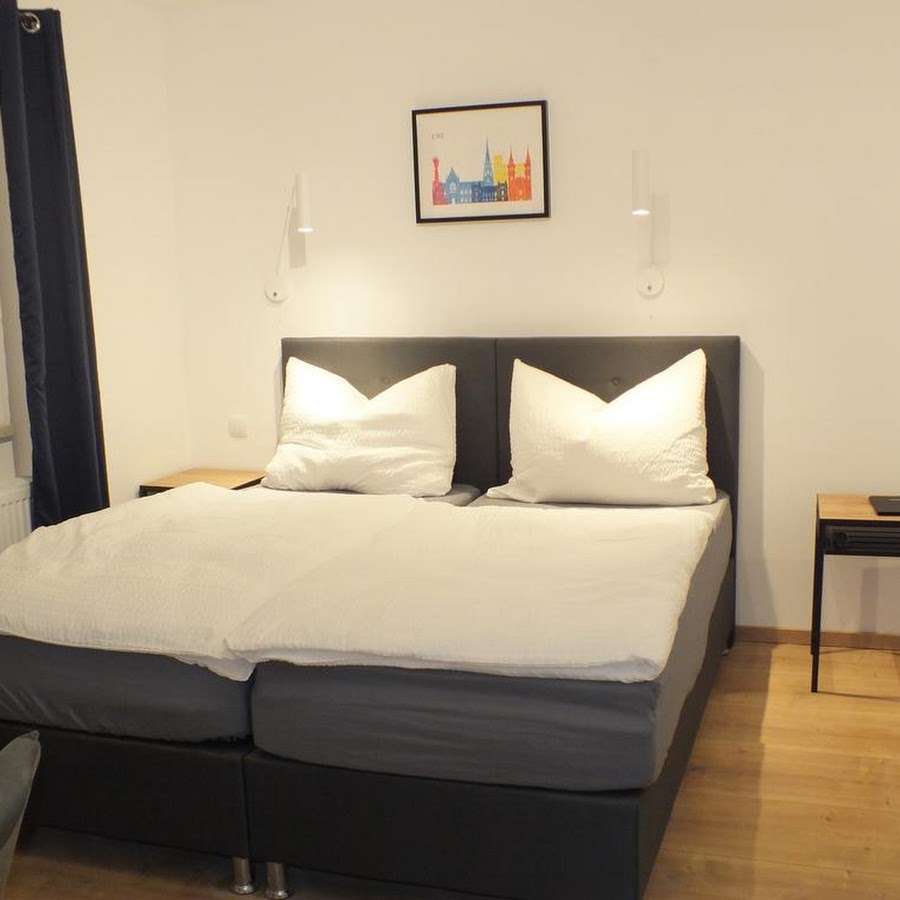
Apartments CITY STADION
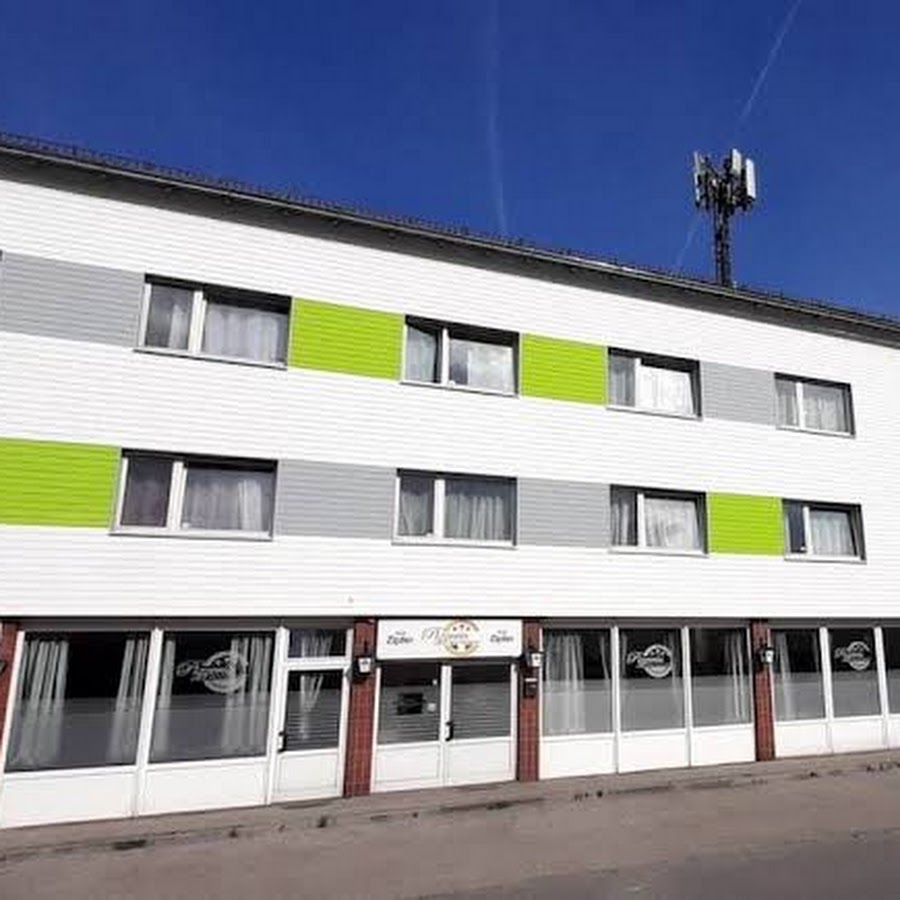
Hotel Kreuzwirt
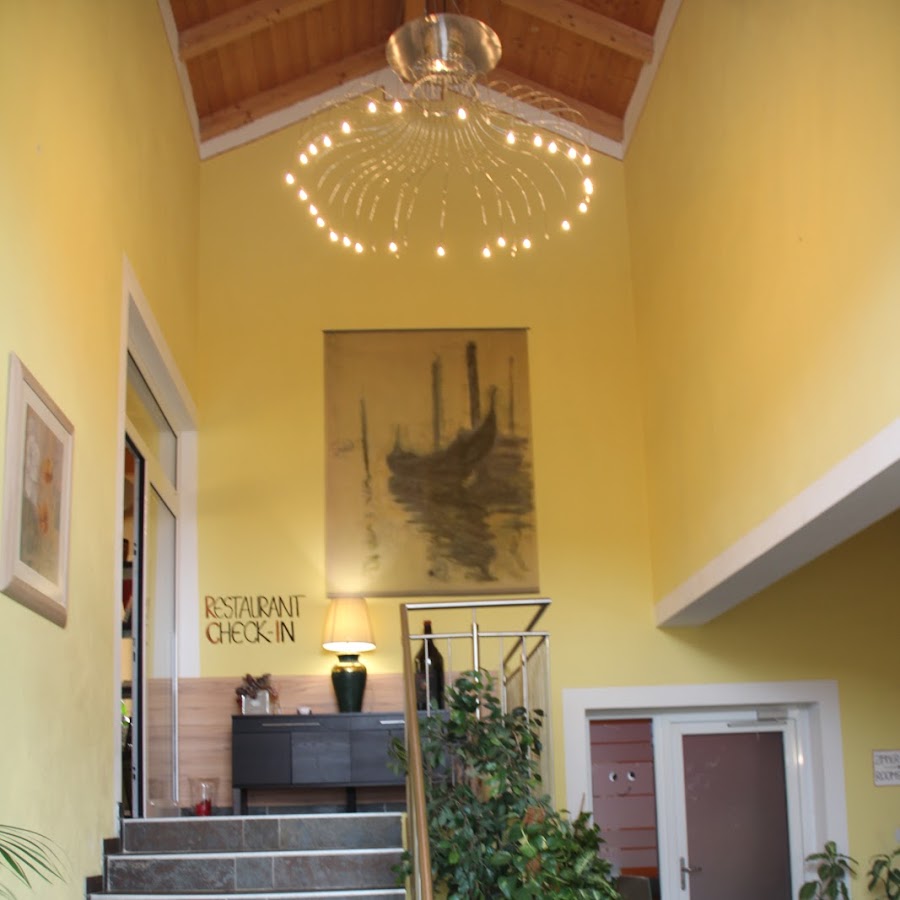
Apartments at Winter Harbor Linz
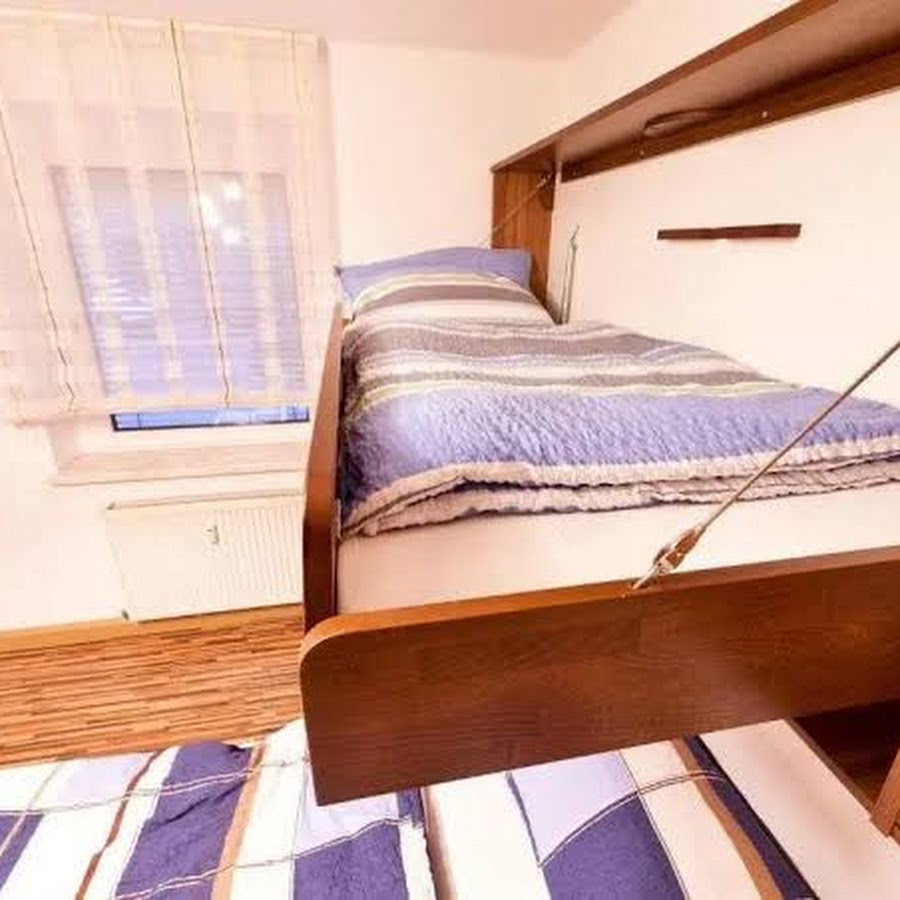
Guesthouse Spallerhof | the hostel
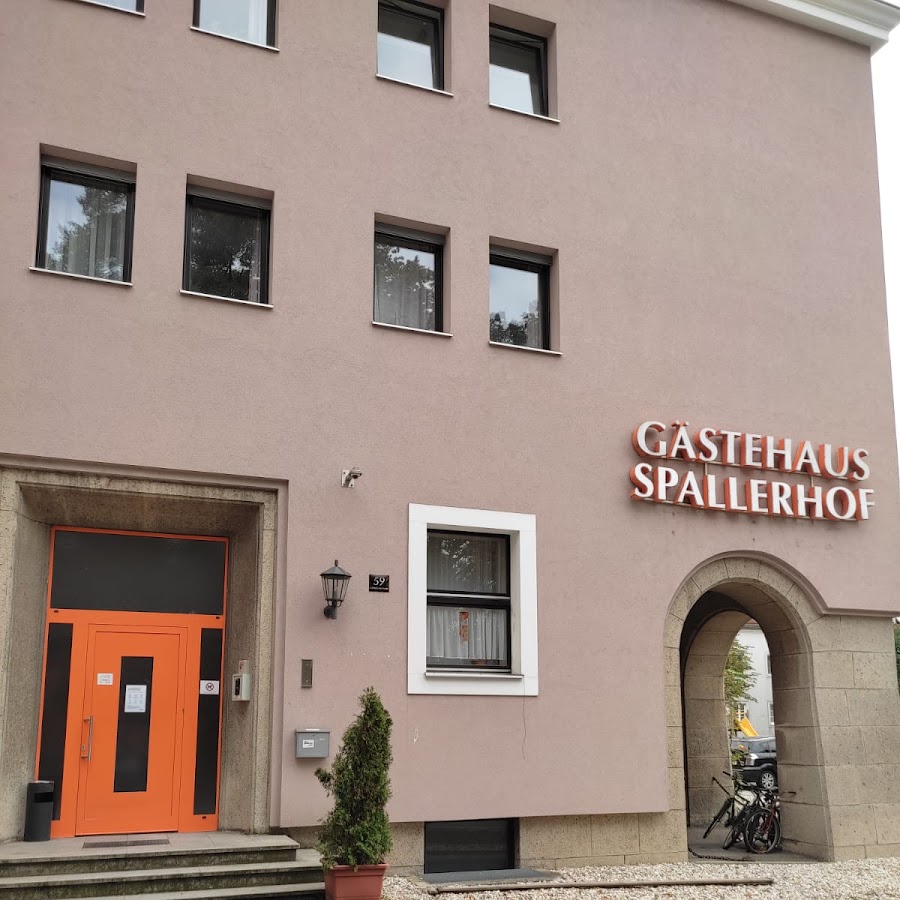
Linz Livia
Baumgartnergut-Napoleonhof
miniLOFT apartments Linz - Leonding
Appartement Donaublick Linz
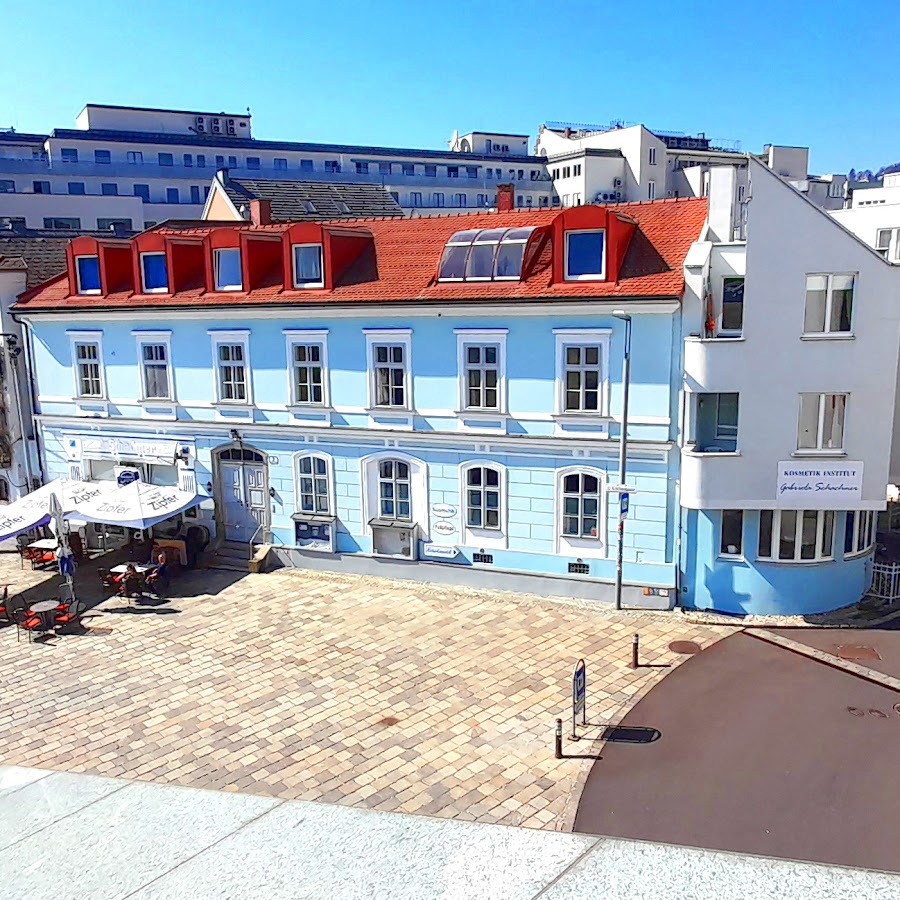
Montagehotel Living @ Linz
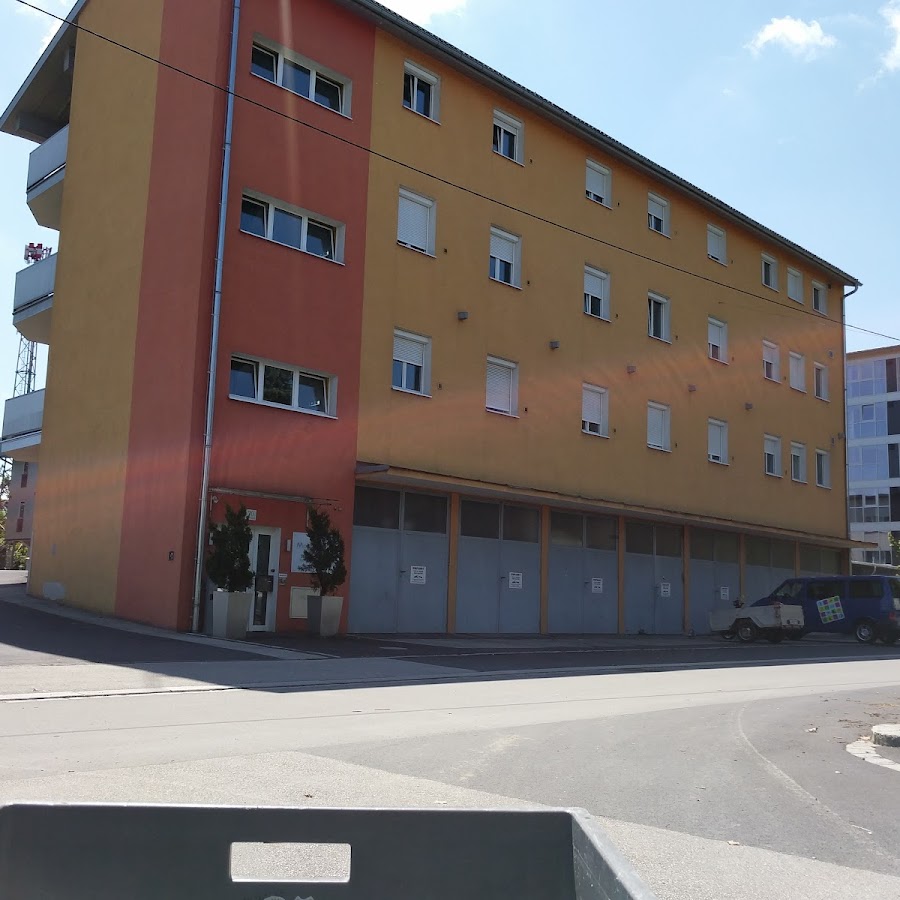
Gasthof Strauß
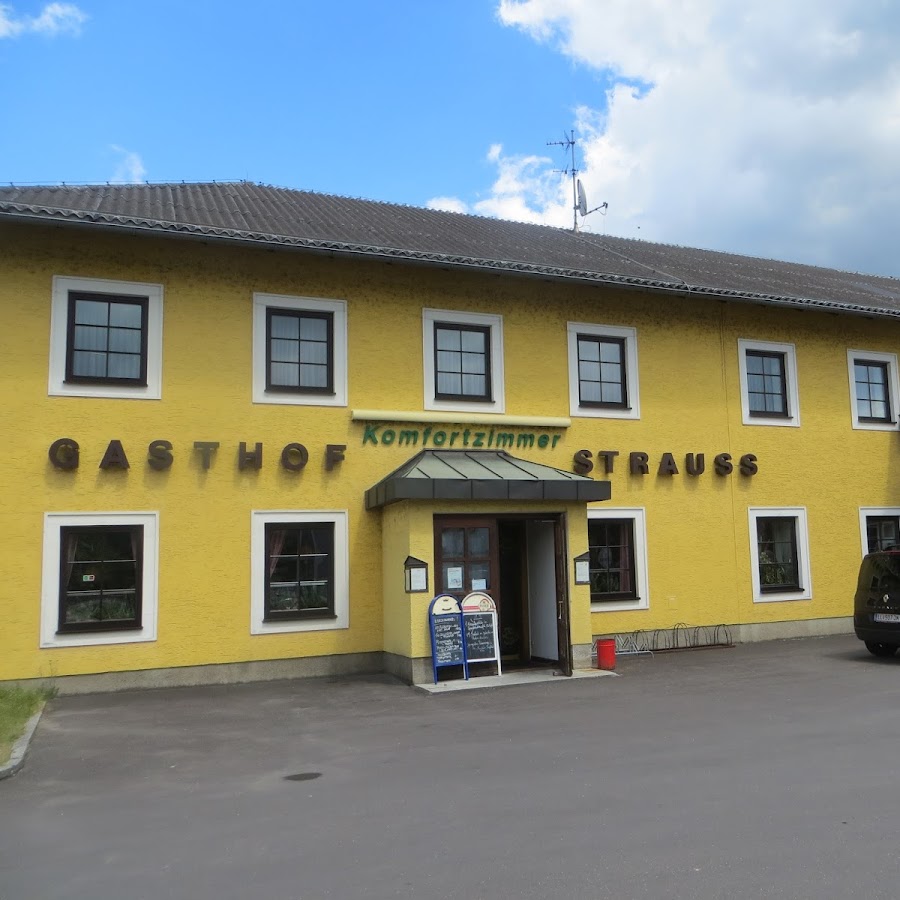
Montagehotel Bed & Steel
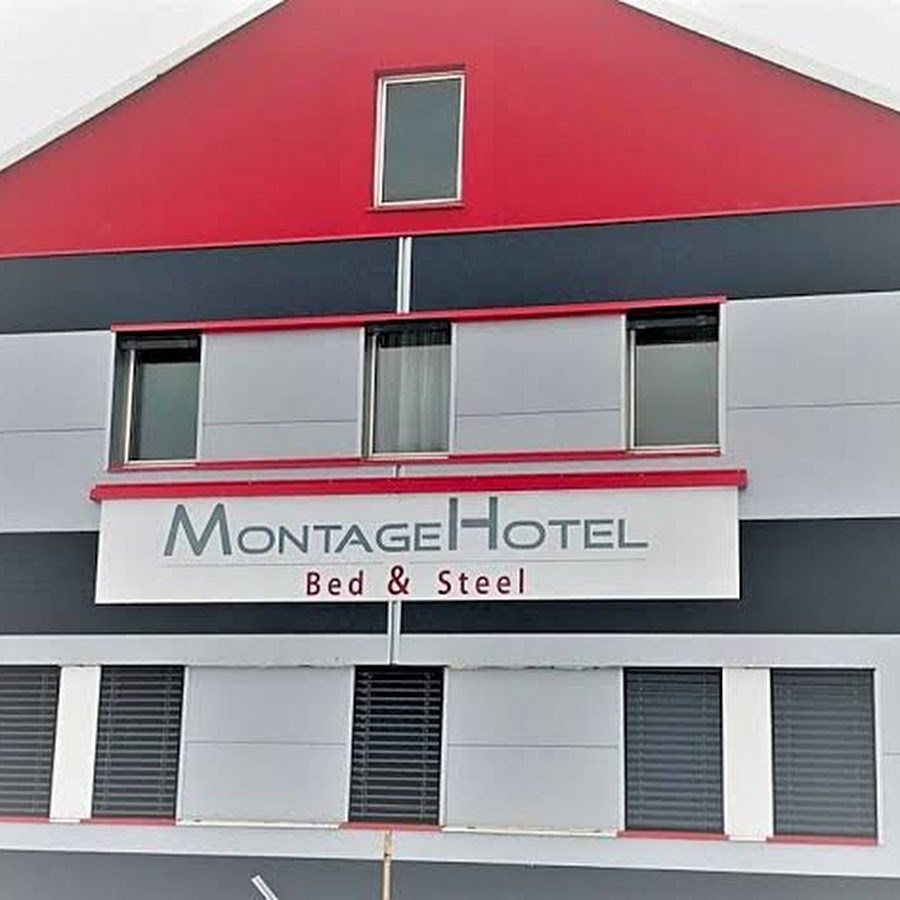
Gastwirtschaft Lehenhof
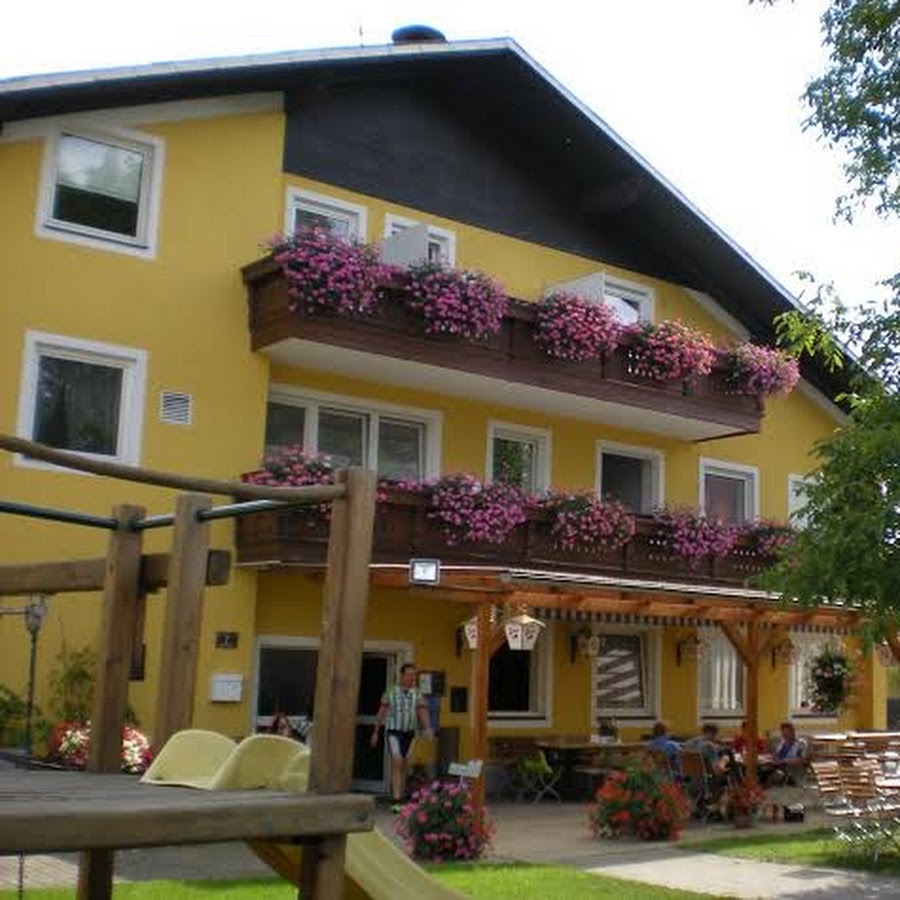
Guesthouse & Hostel Castle Riedegg
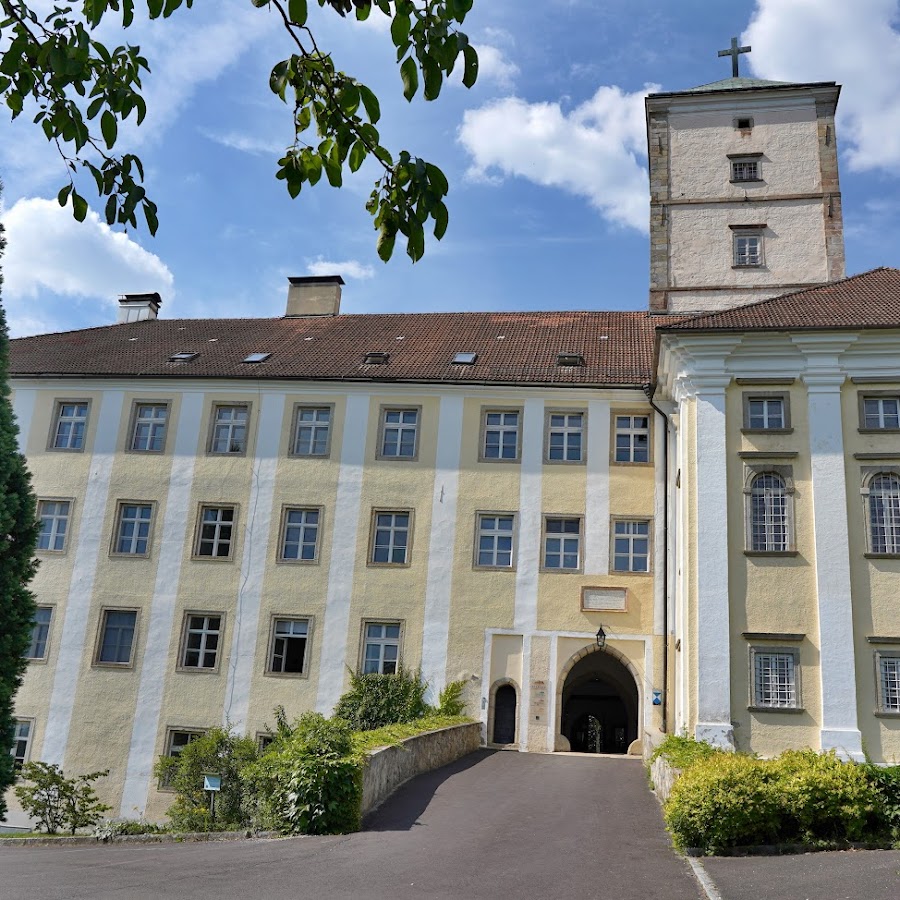
limehome Linz Friedrichstraße

Aparthome L.I.N.Z.
Freindorferhof
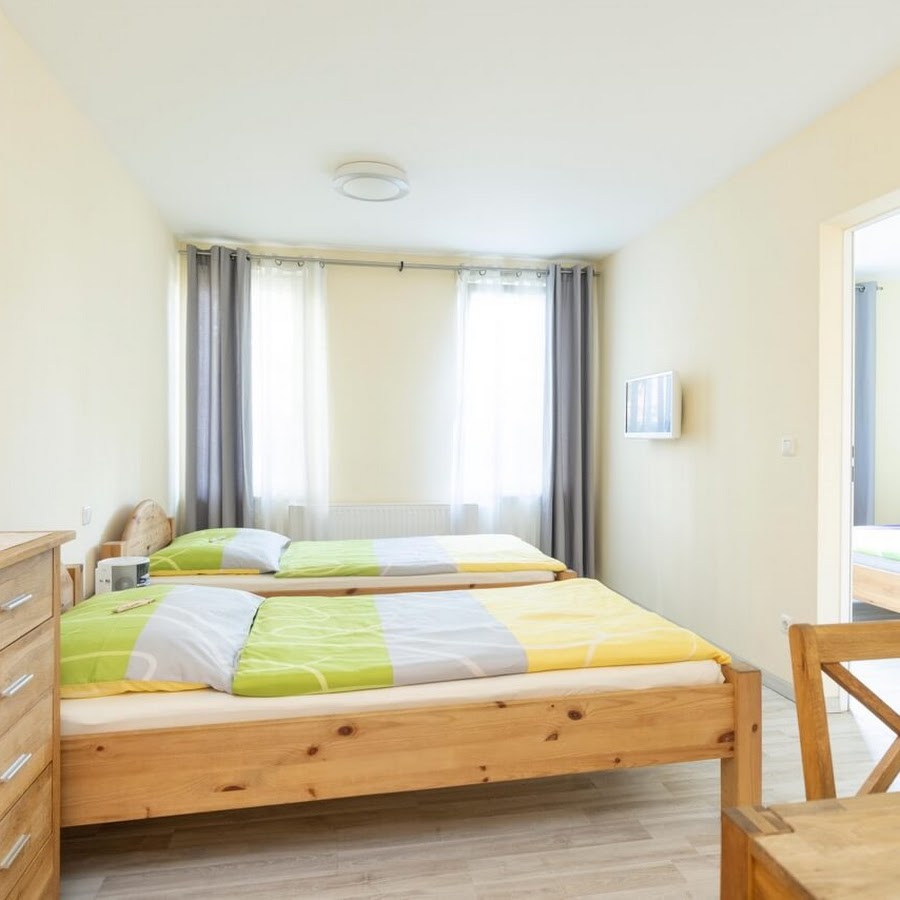
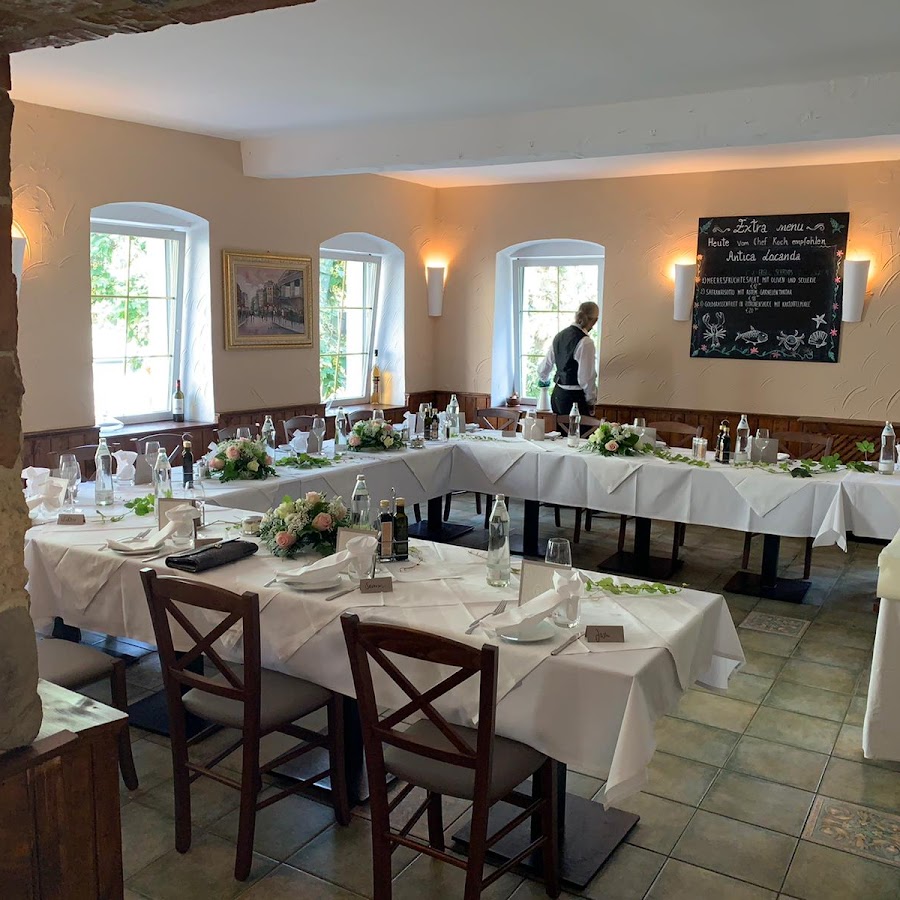
GN Antica Locanda Gastro GmbH
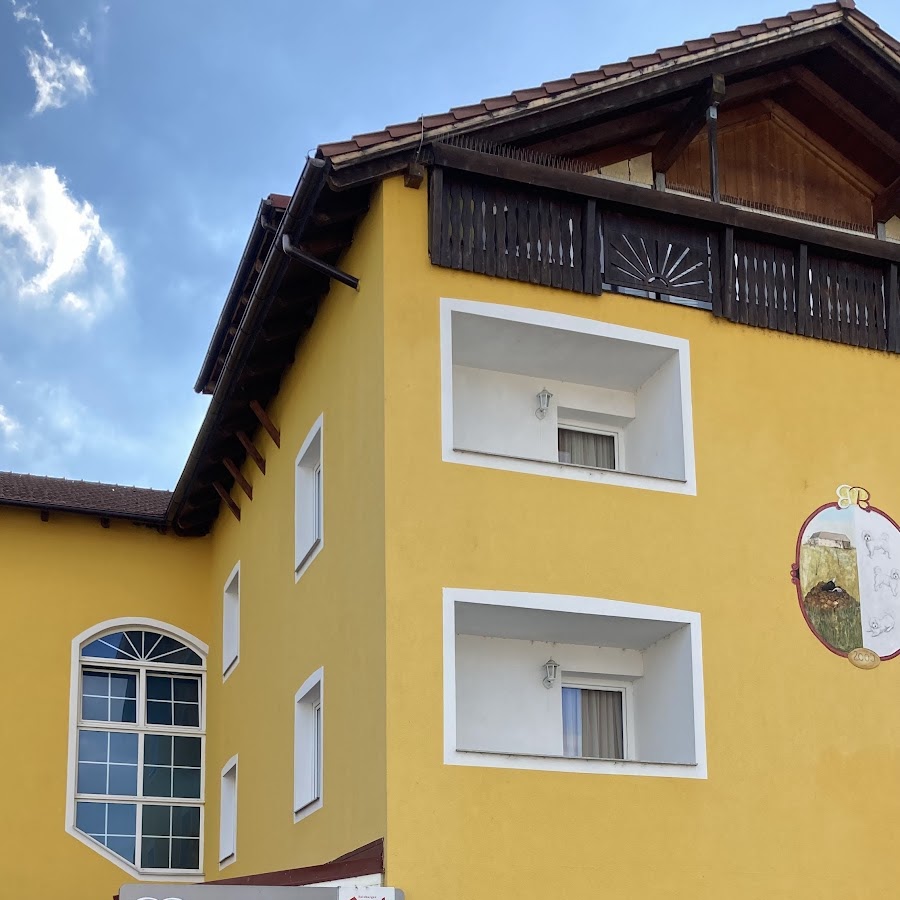
Pension Brandl
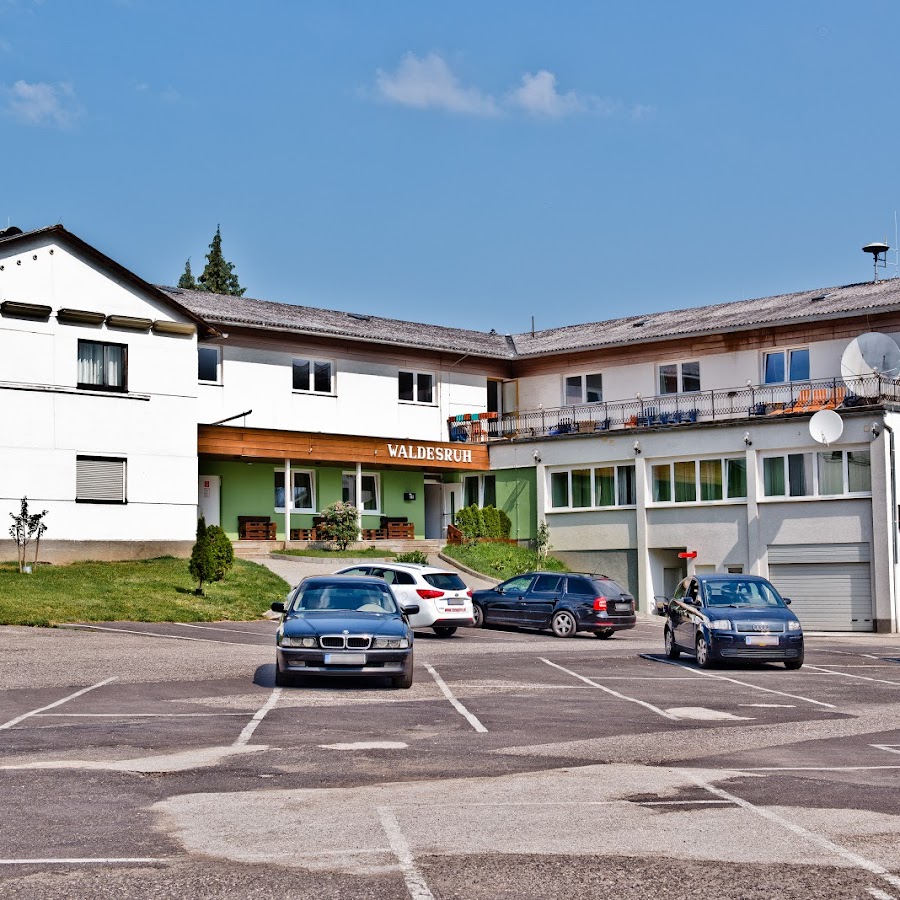
Waldesruh
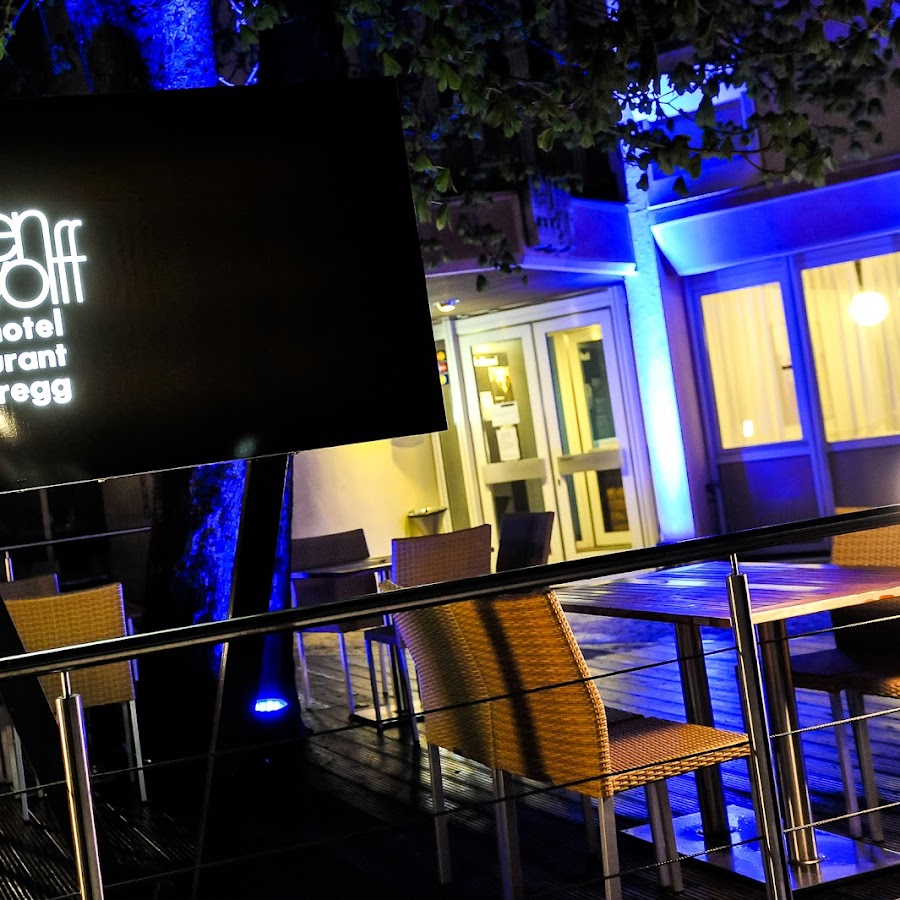
Gasthaus Weissenwolff
Wirt z'Bairing
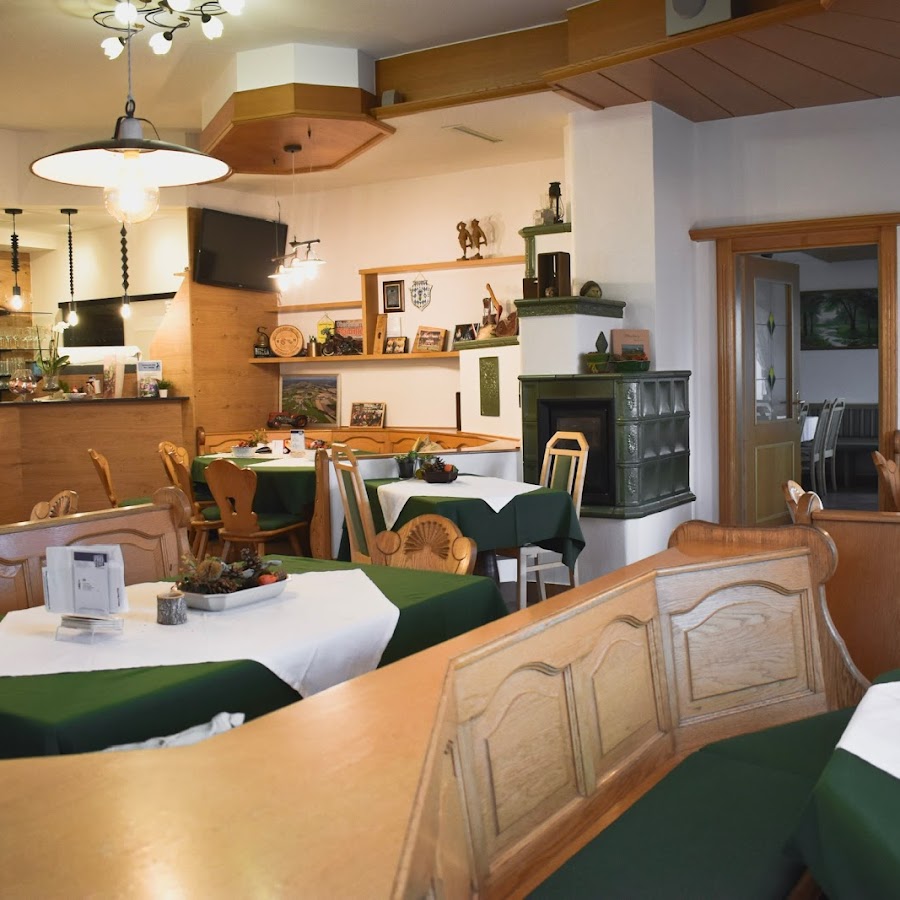
Jugendgästehaus Linz
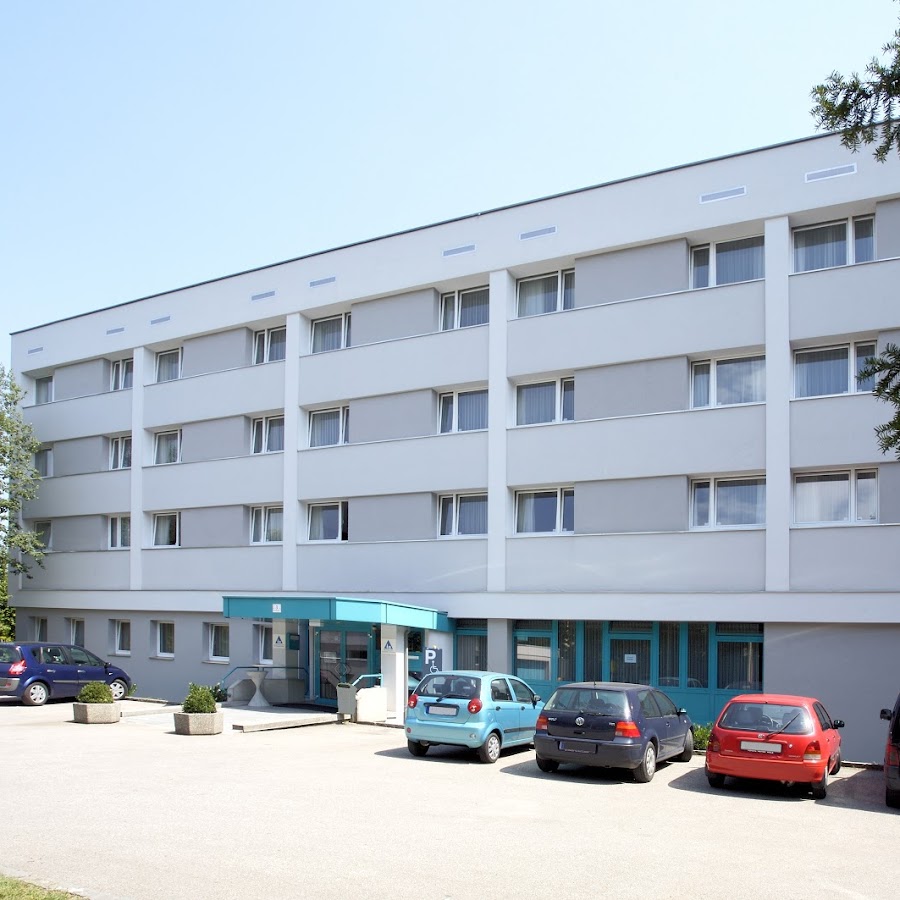
Langholzfelderhof traun
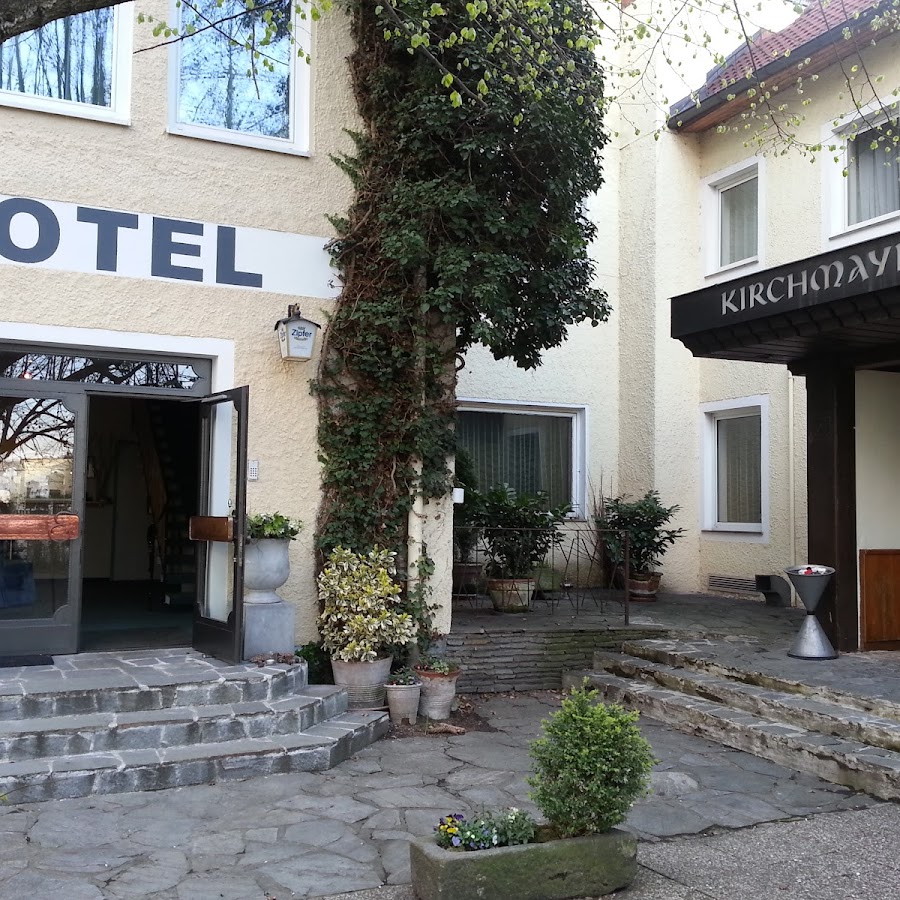
URBANAUTS FLATS Cubierta
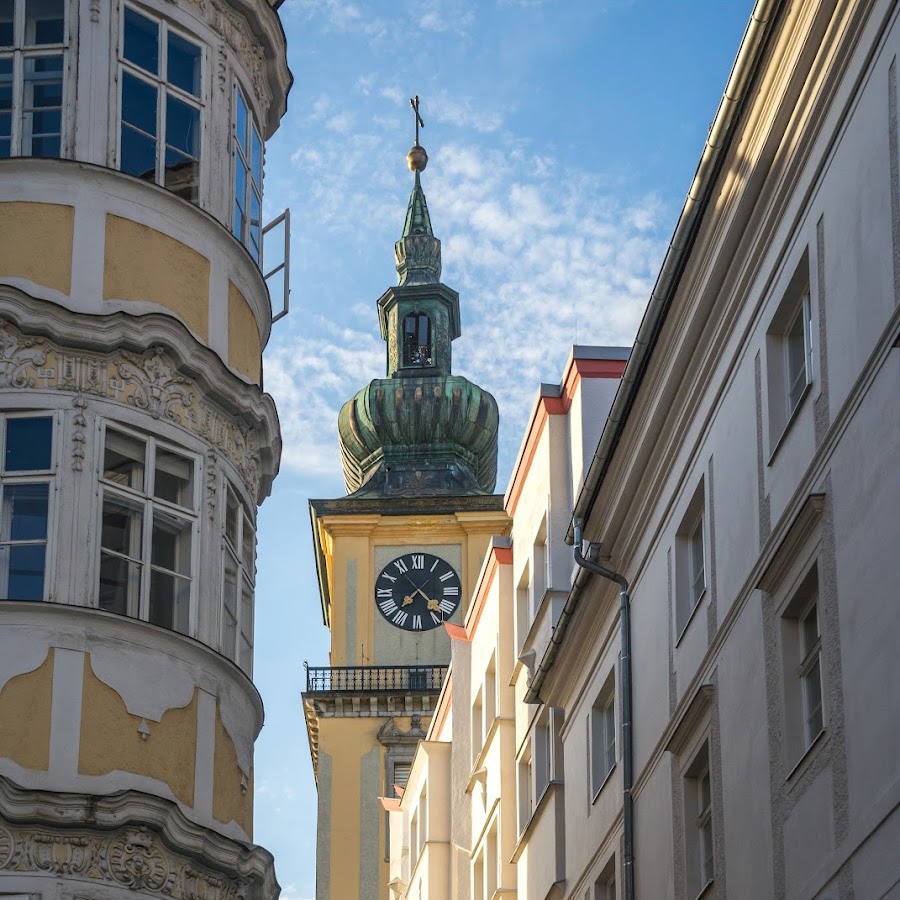
Sommerhaus Hotel

Montagehotel Business & City
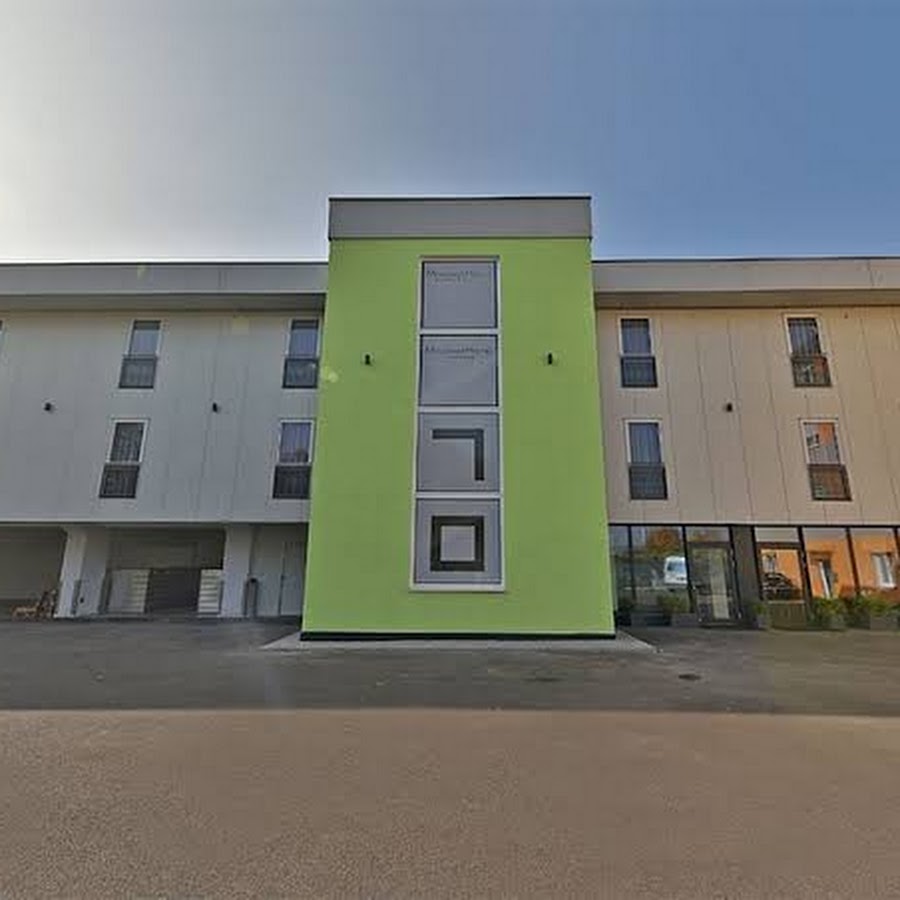
WIFI Hotel
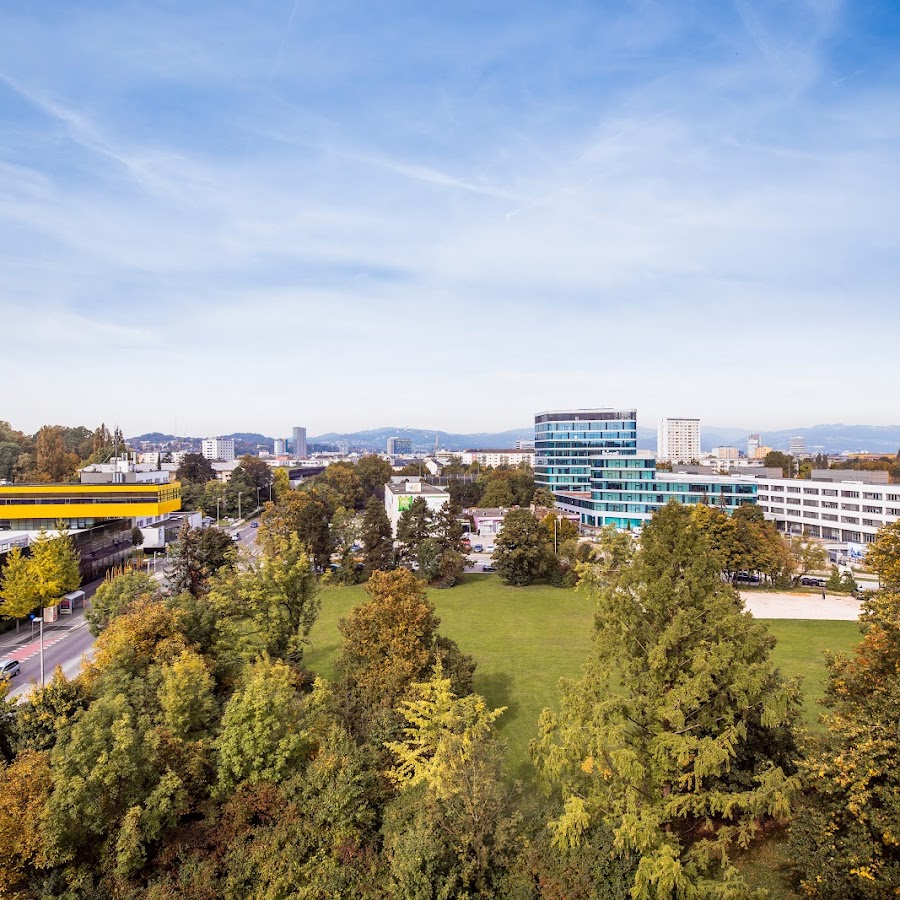
Hotel Lokomotive
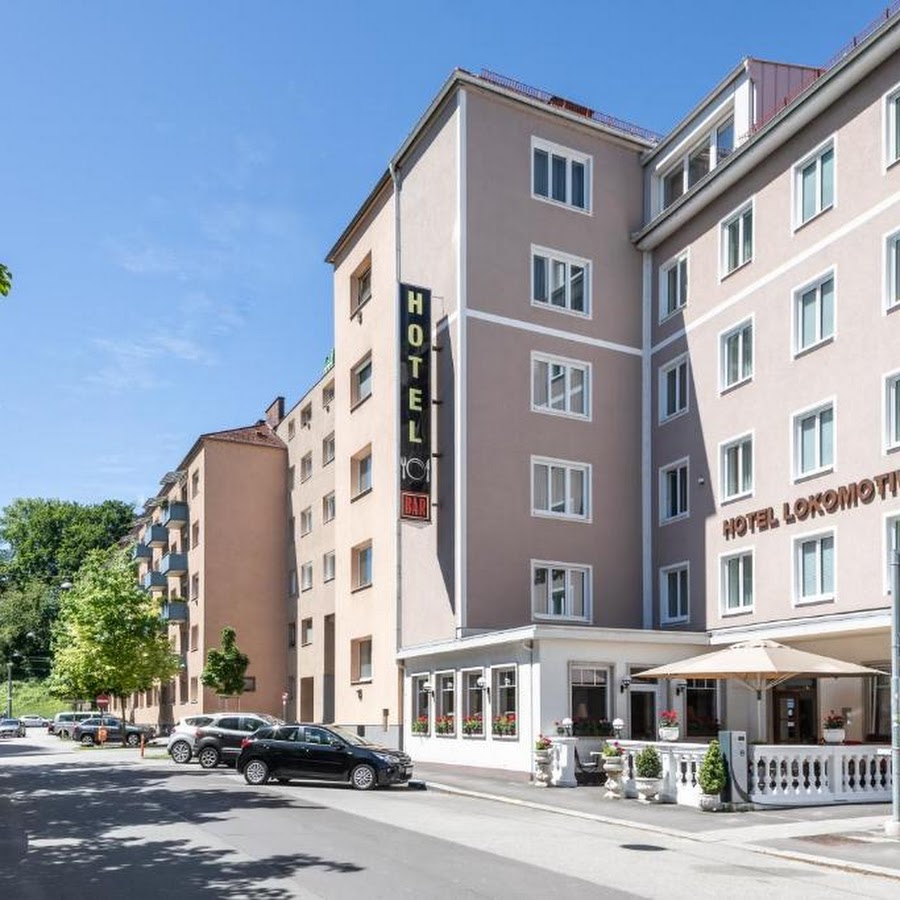
Gasthof & Hotel Zum Grünen Wald Fam. Wolfsegger
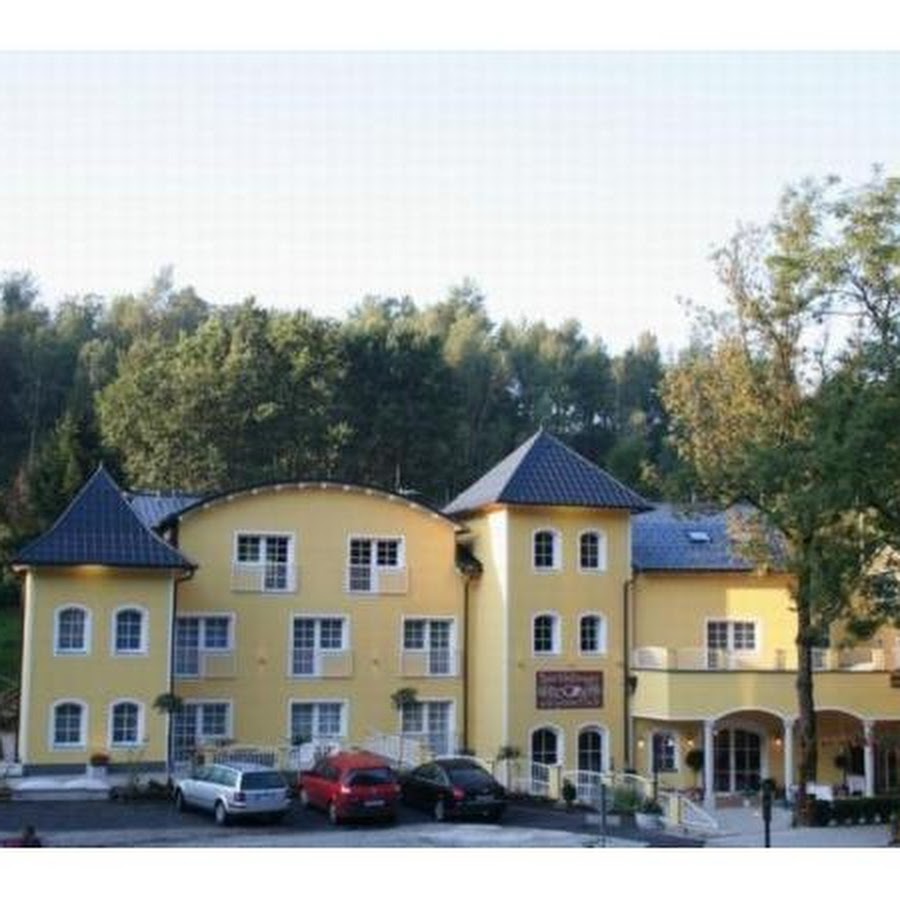
holiday on a farm
24/7 Zimmer Asten
Gasthof zum Hauermandl
Hotel Schmolmüller
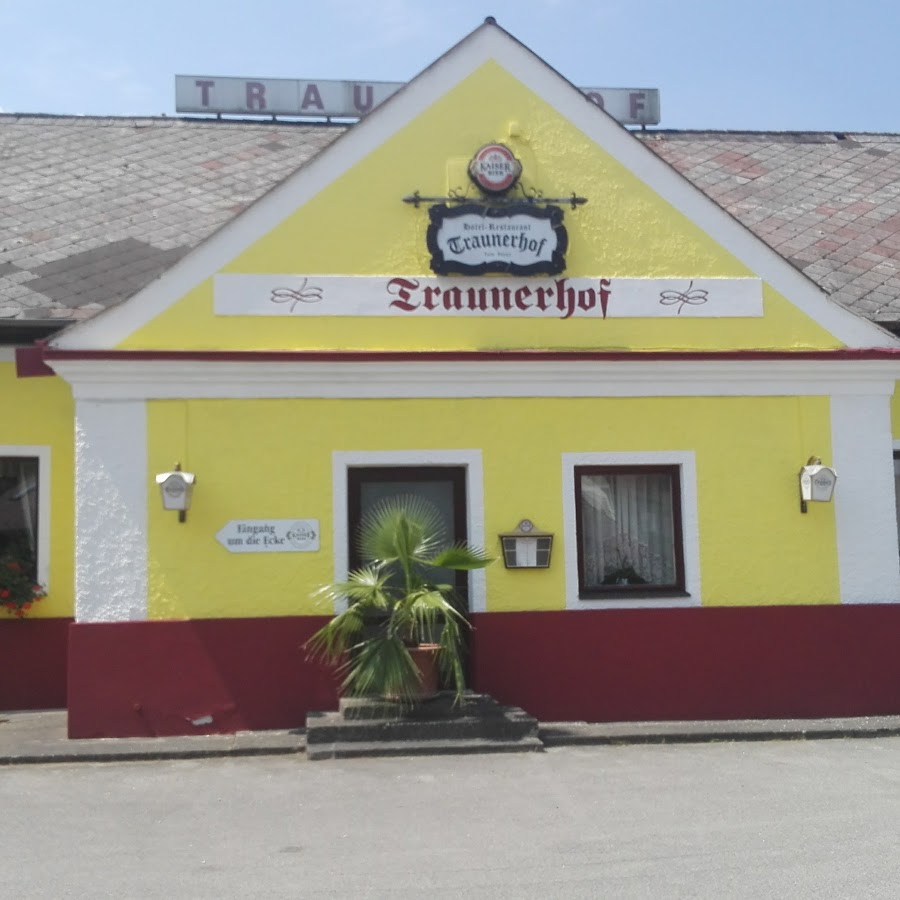
Traunerhof
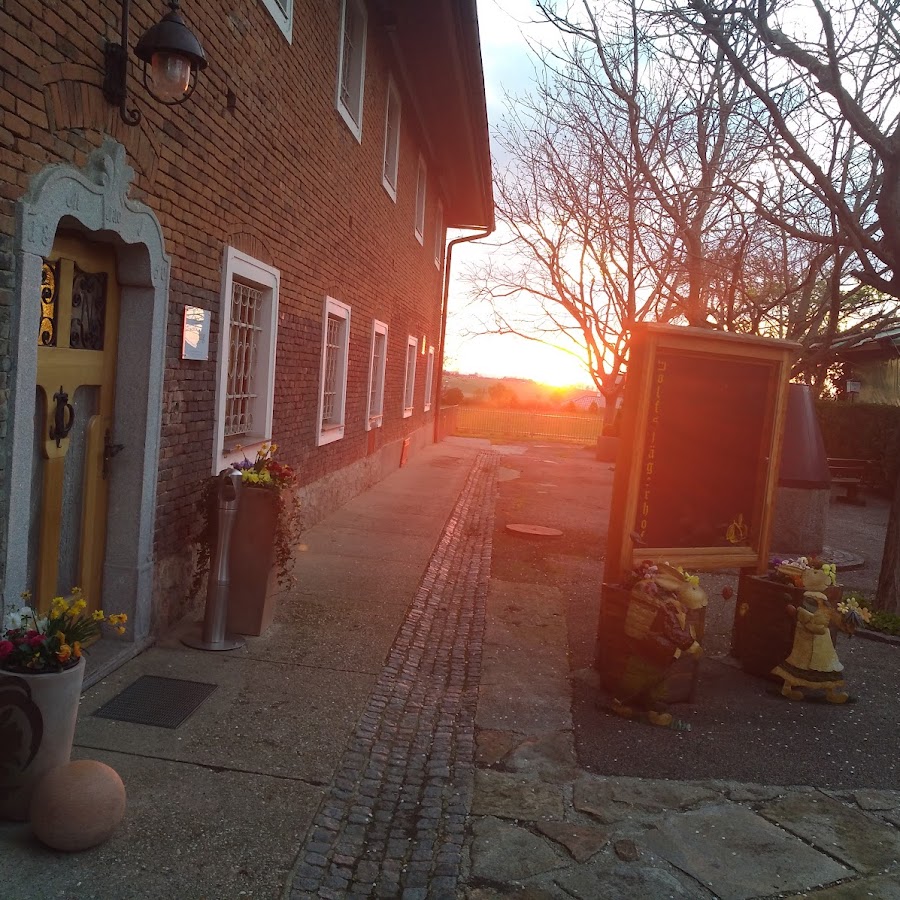
Wolfsjägerhof
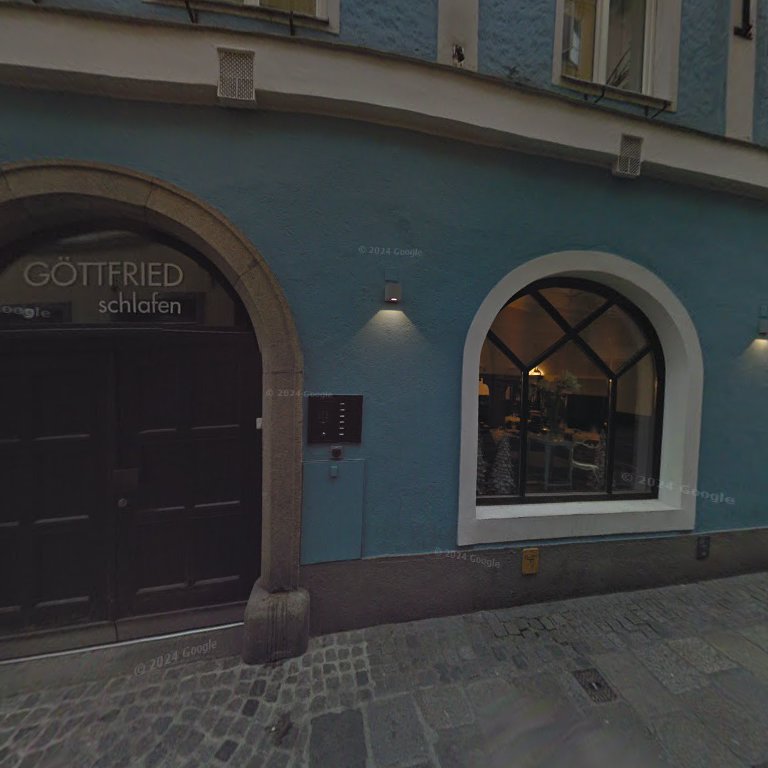
Göttfried
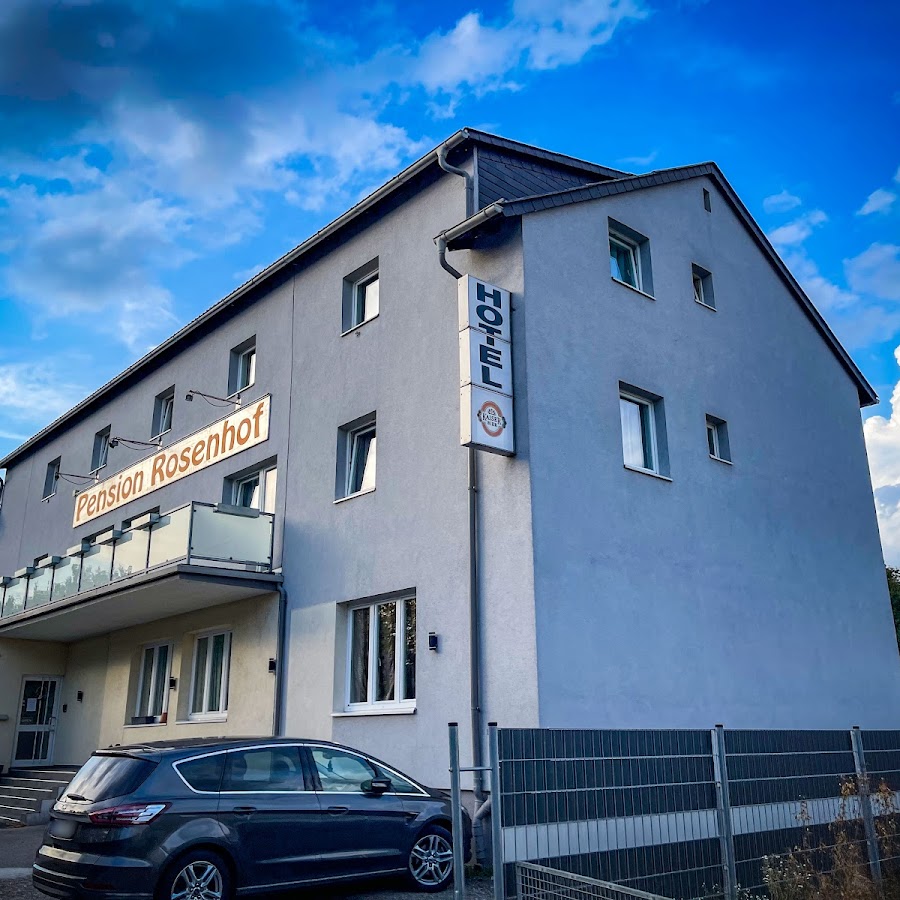
Pension Rosenhof
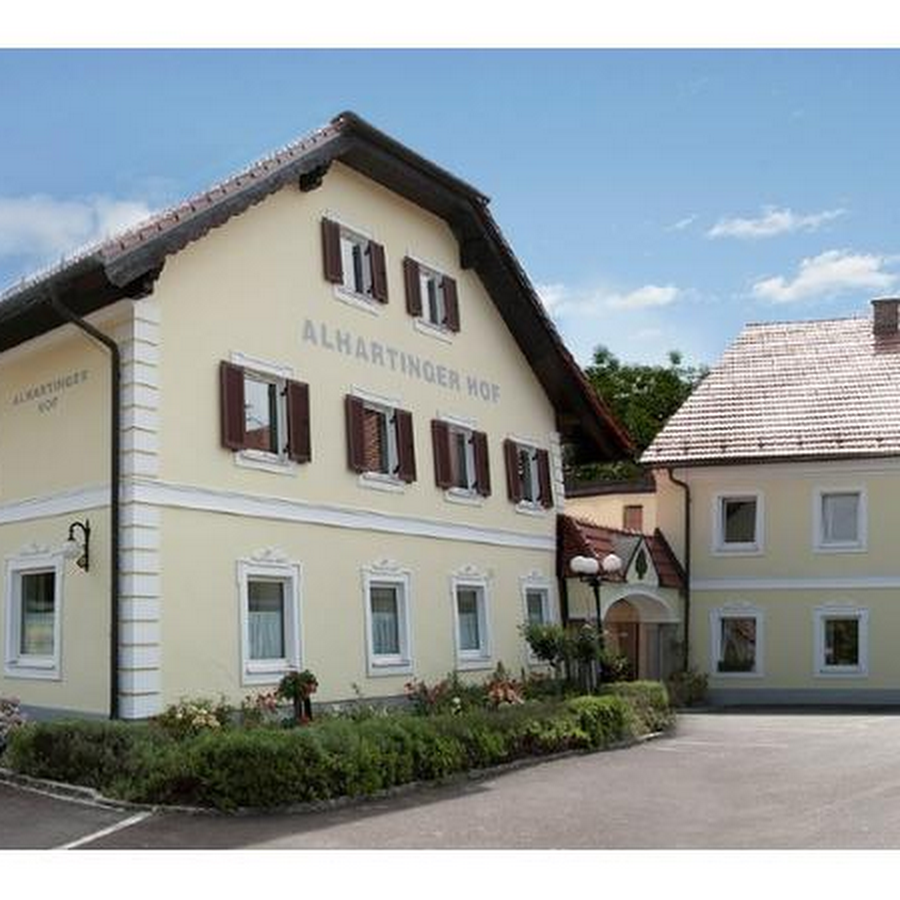
Hotel Alhartinger Hof
Hotel Garni Wilder Mann
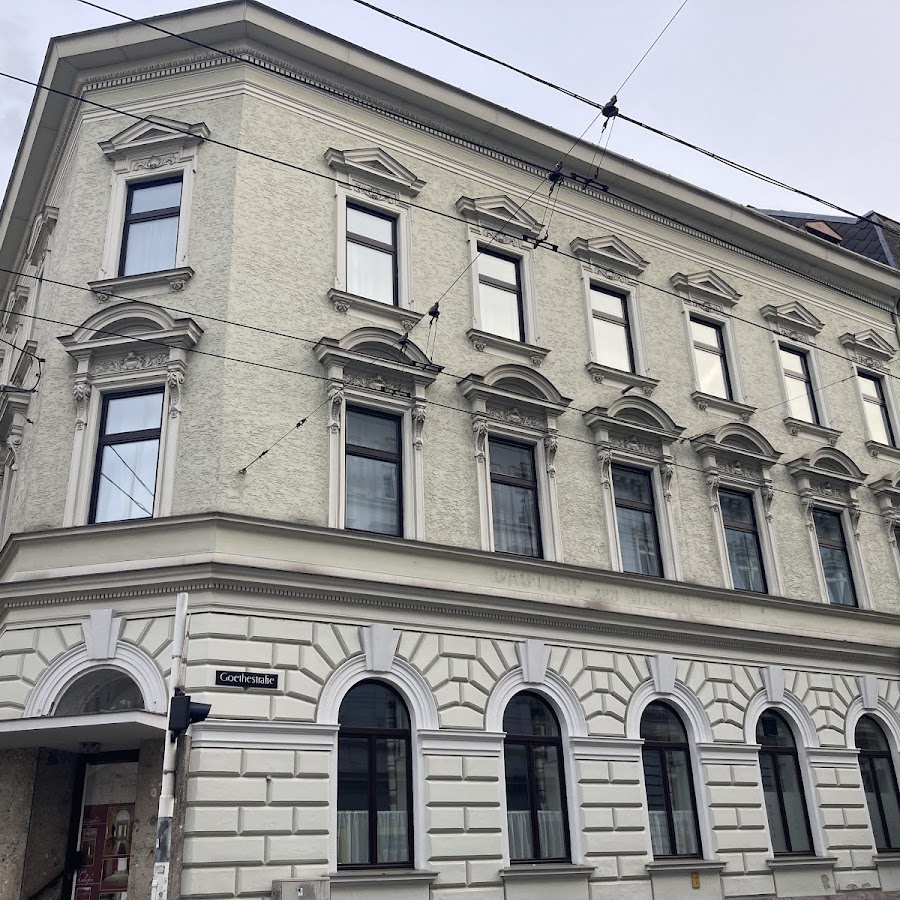
SOVEA Hotel - City
Wirtshaus Alhartinger Hof - Dragan Ćulibrk
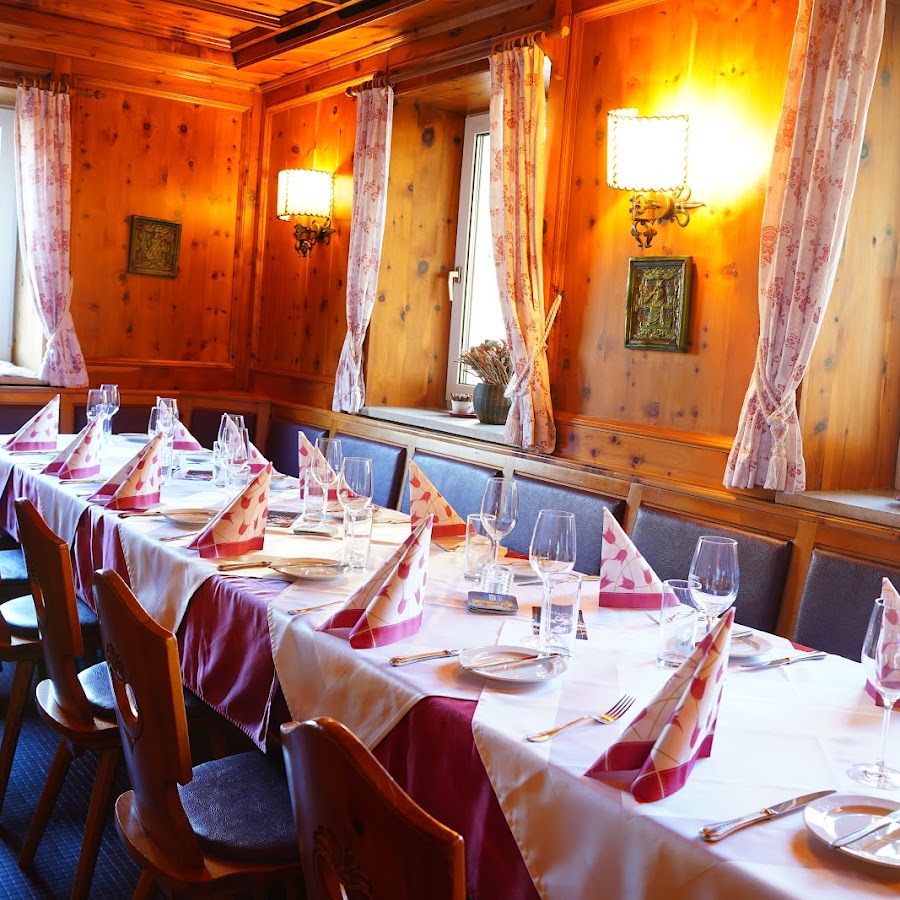
Hotel Goldener Adler
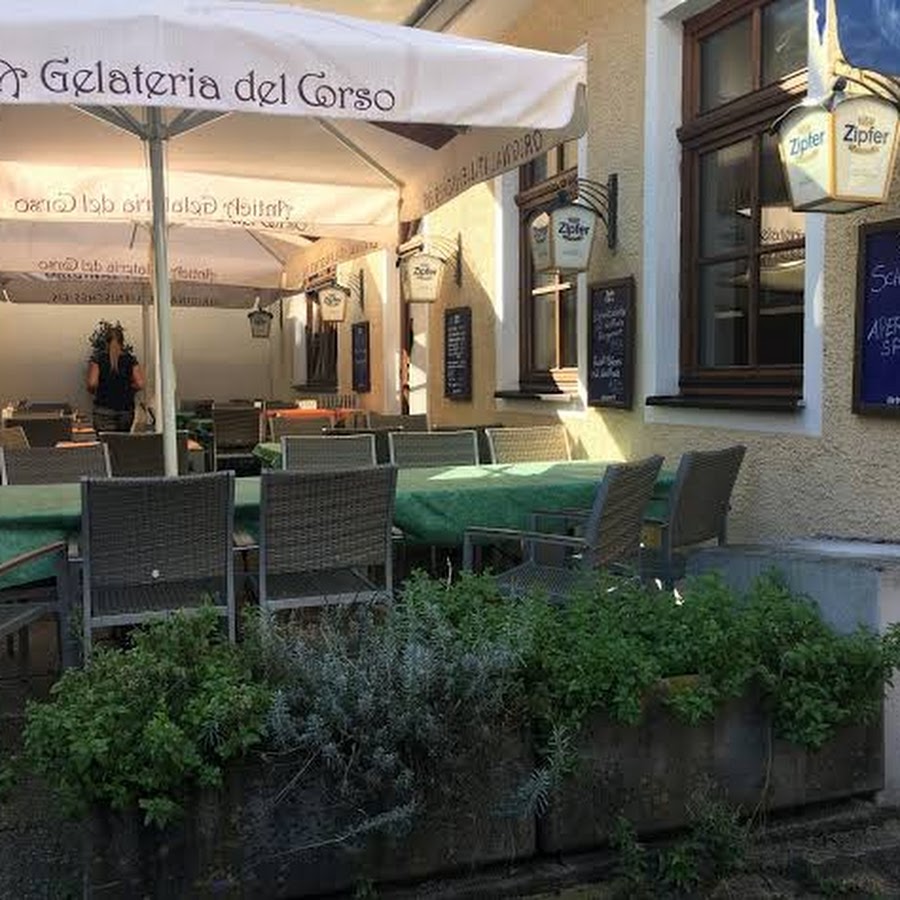
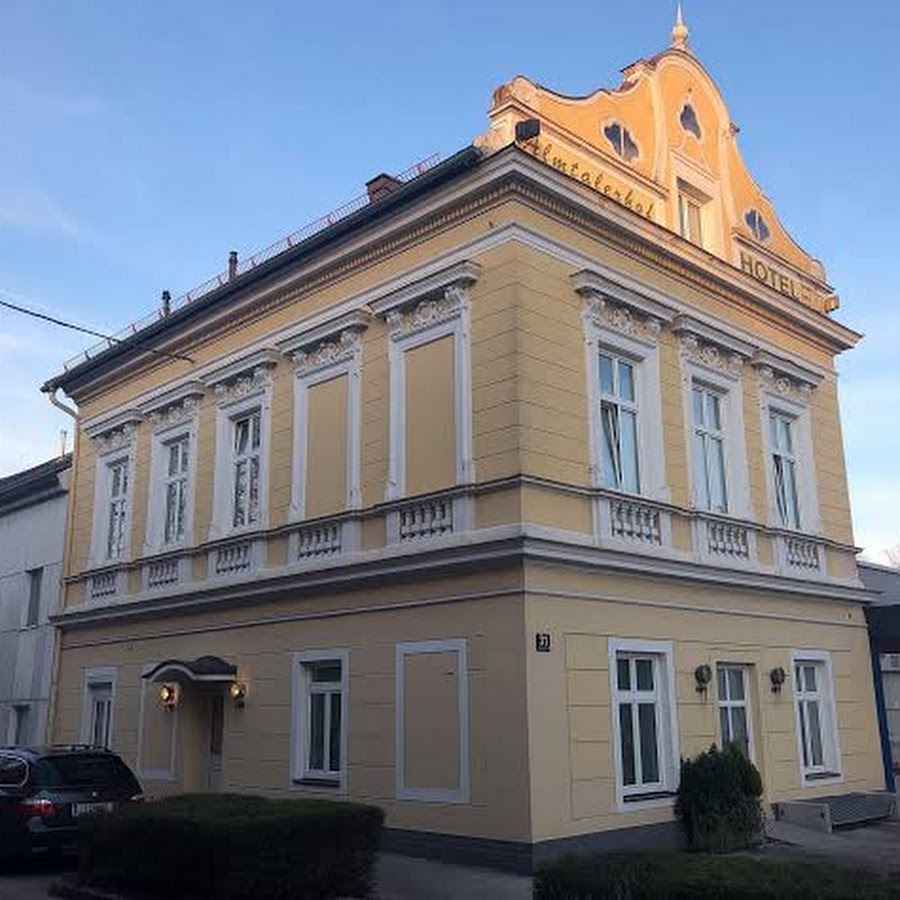
Hotel Almtalerhof
Kirchenwirt
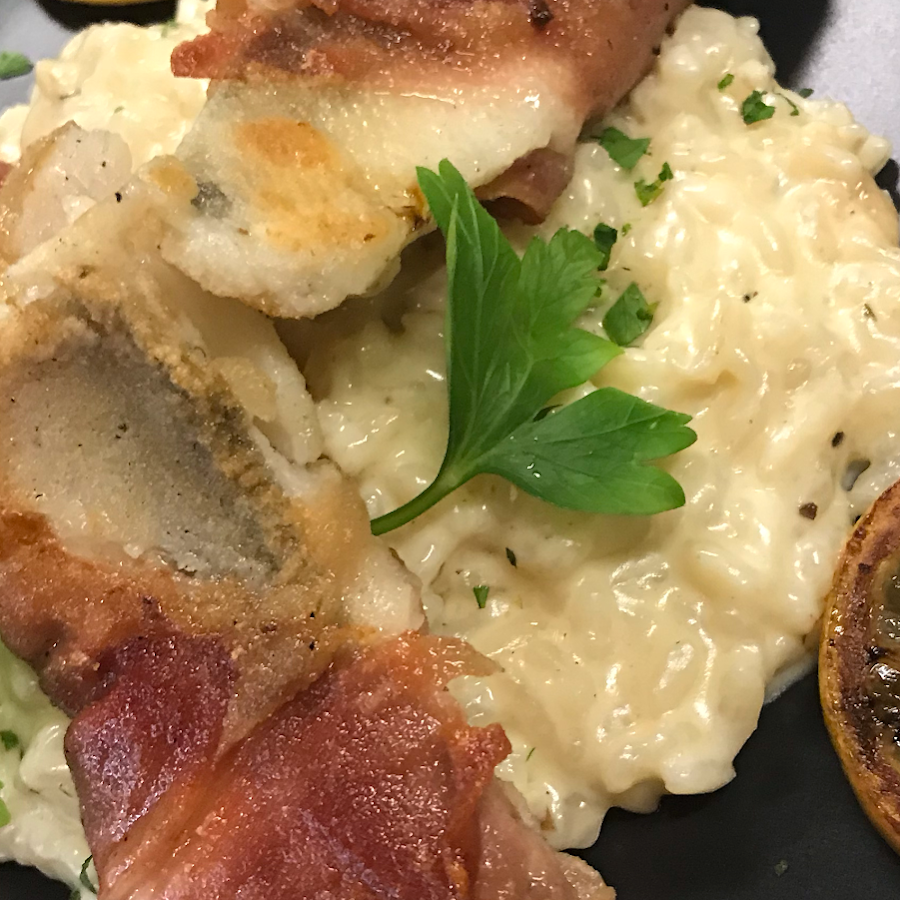
Das Landhof
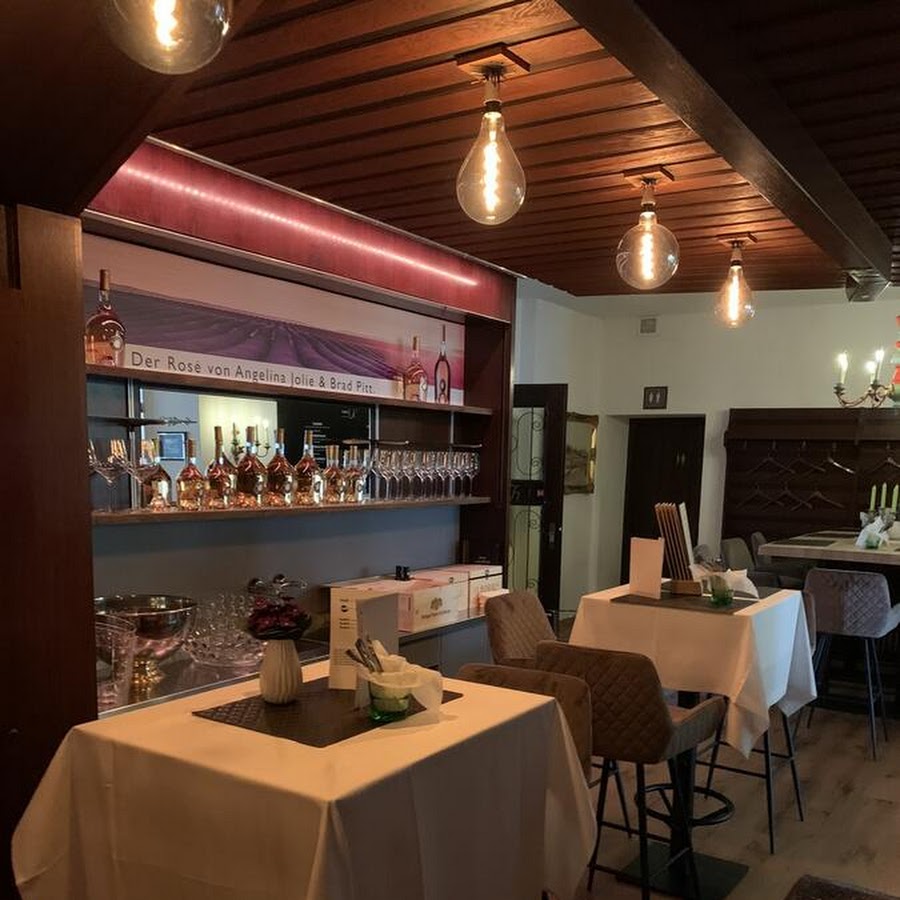
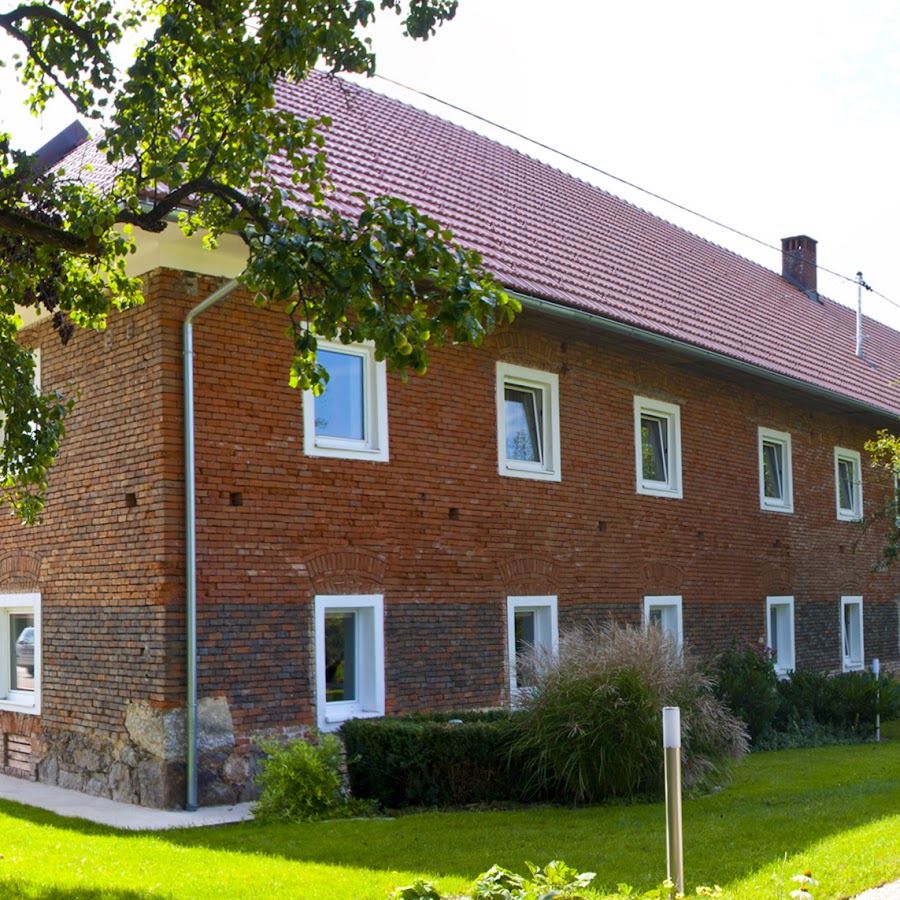
BRUCKNERGUT
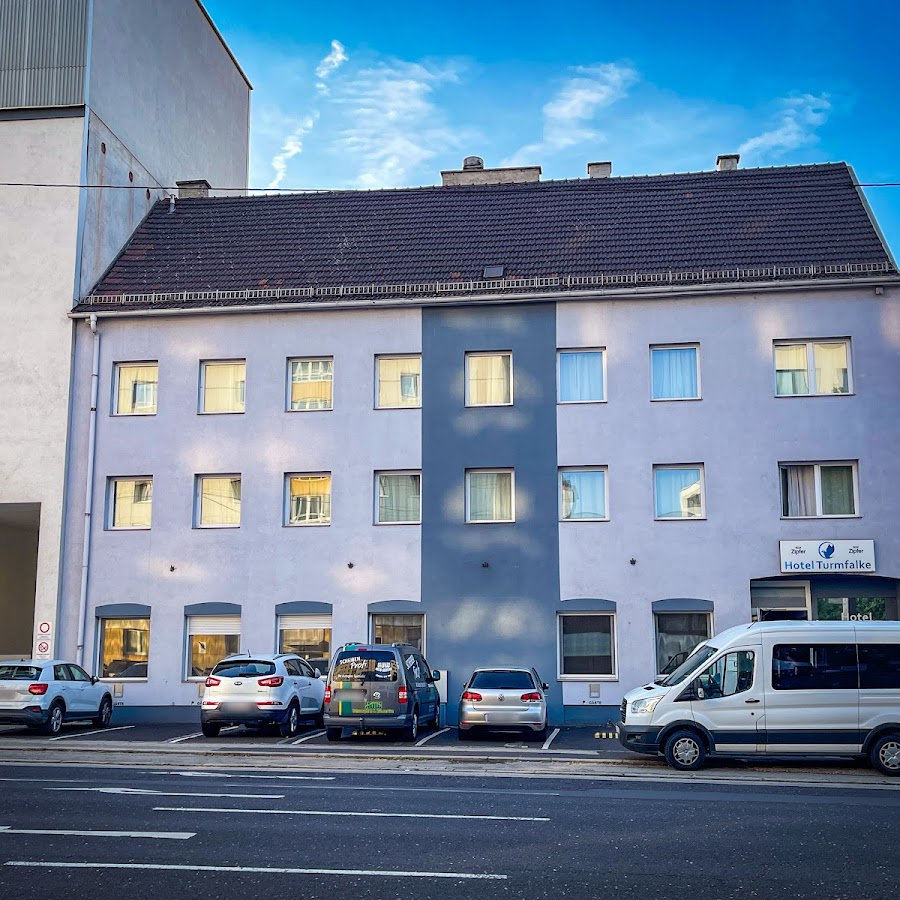
Hotel Turmfalke
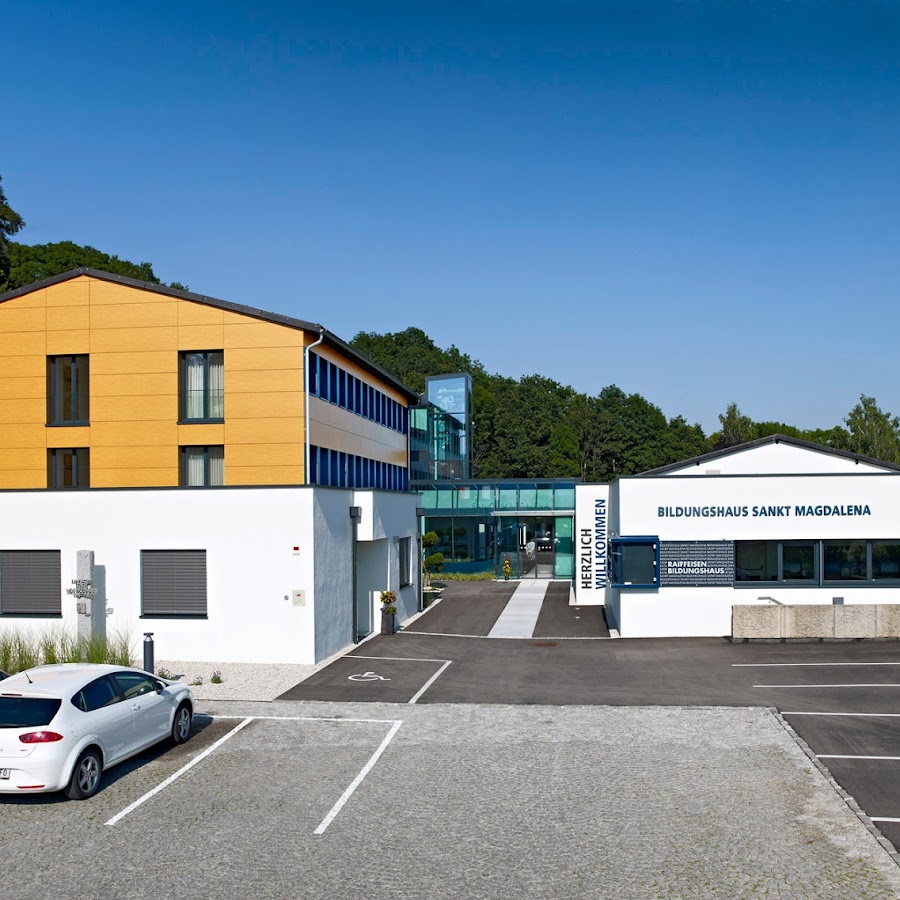
Bildungshaus Sankt Magdalena
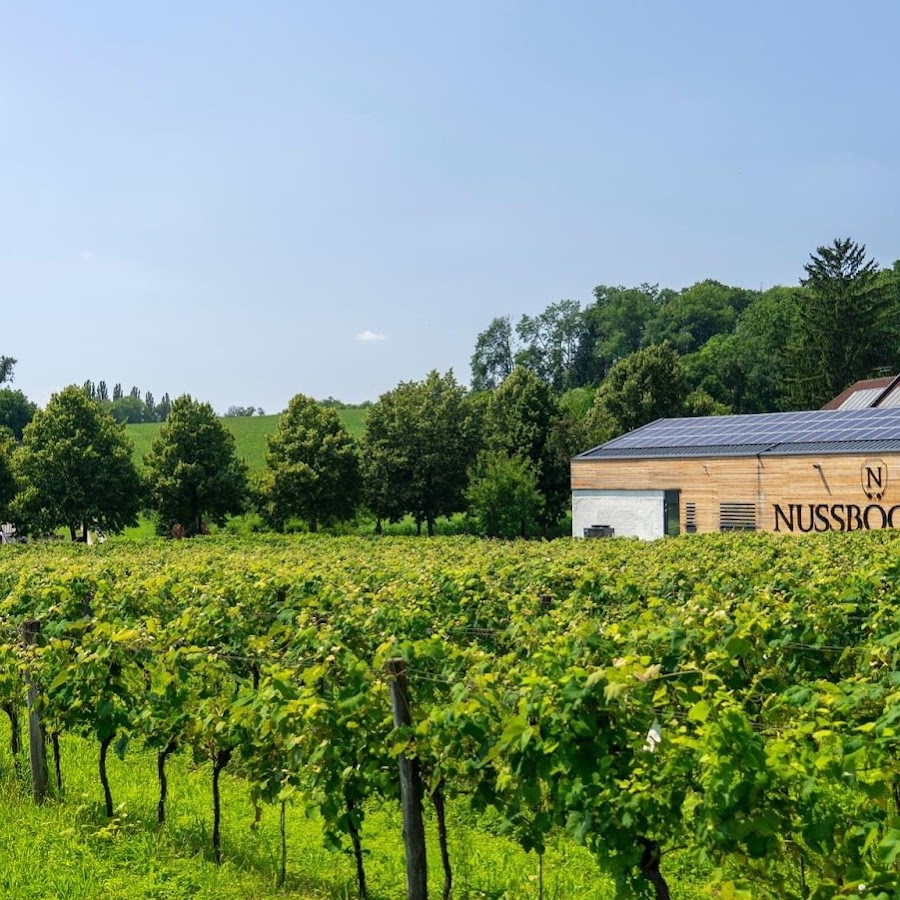
Nussböckgut - Familie Velechovsky
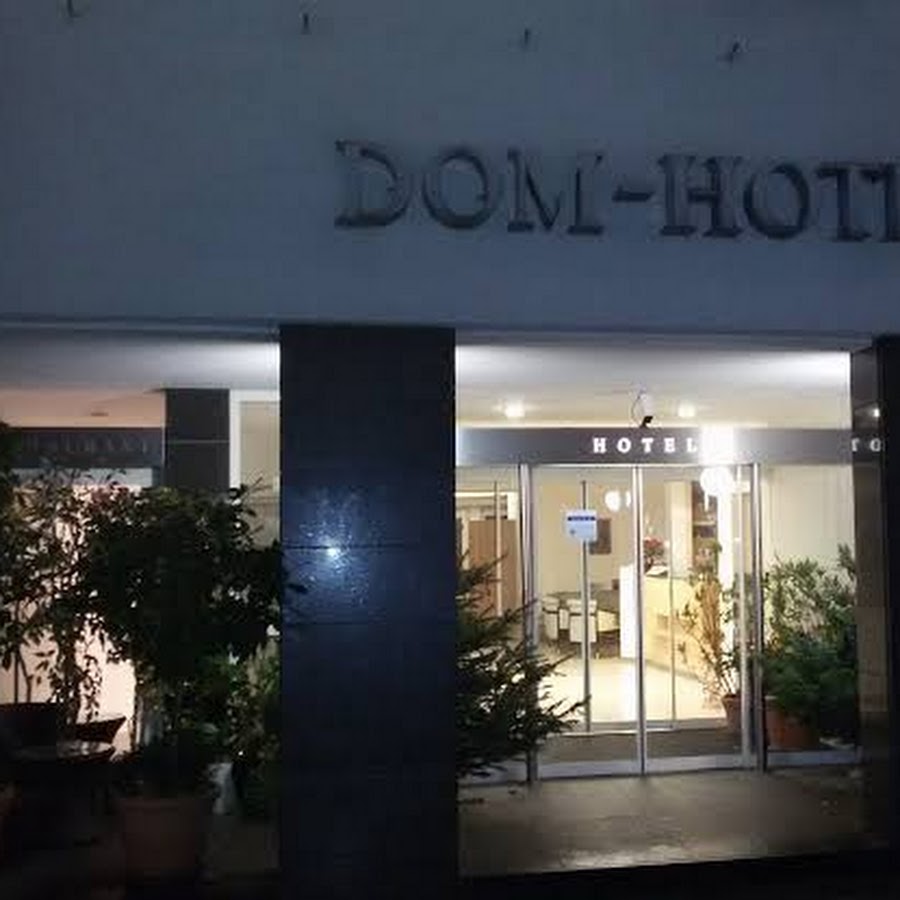
Dom-Hotel Linz
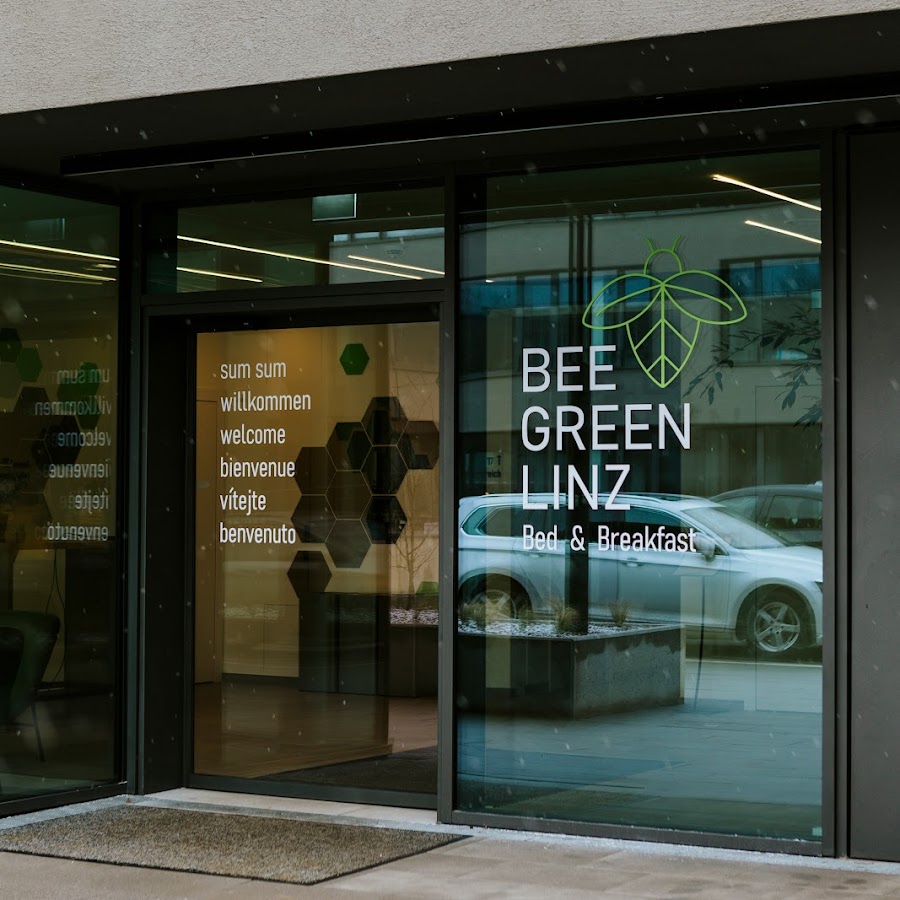
BEE GREEN LINZ
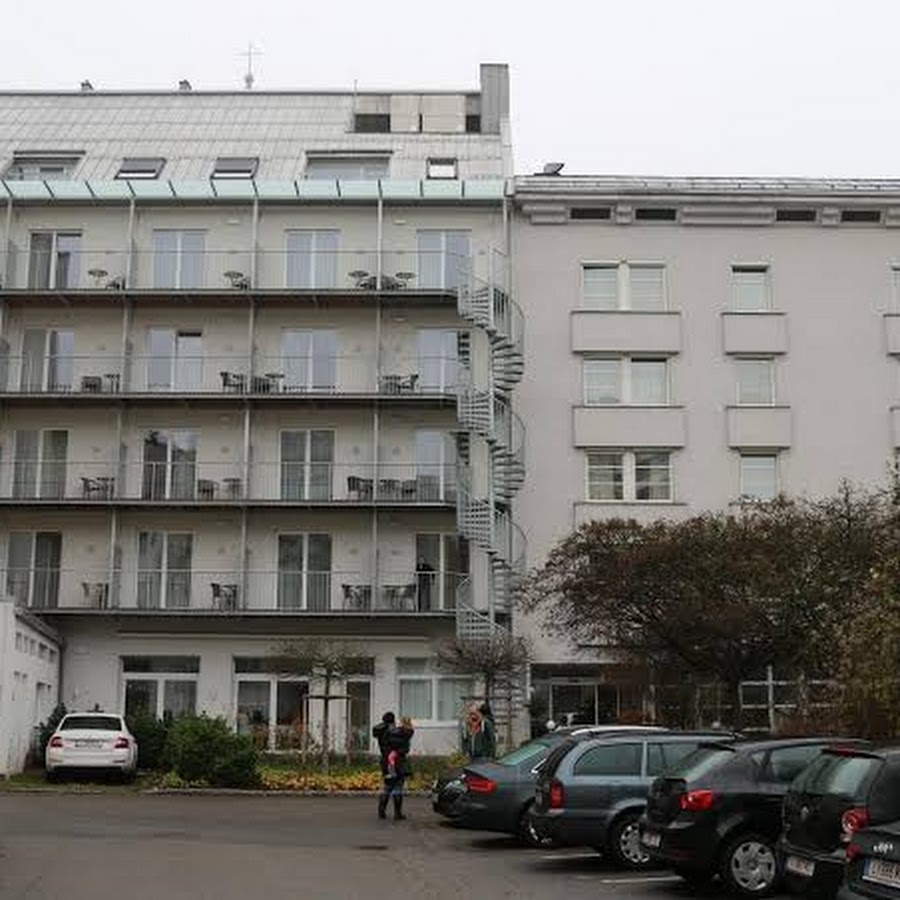
Hotel Kremstalerhof
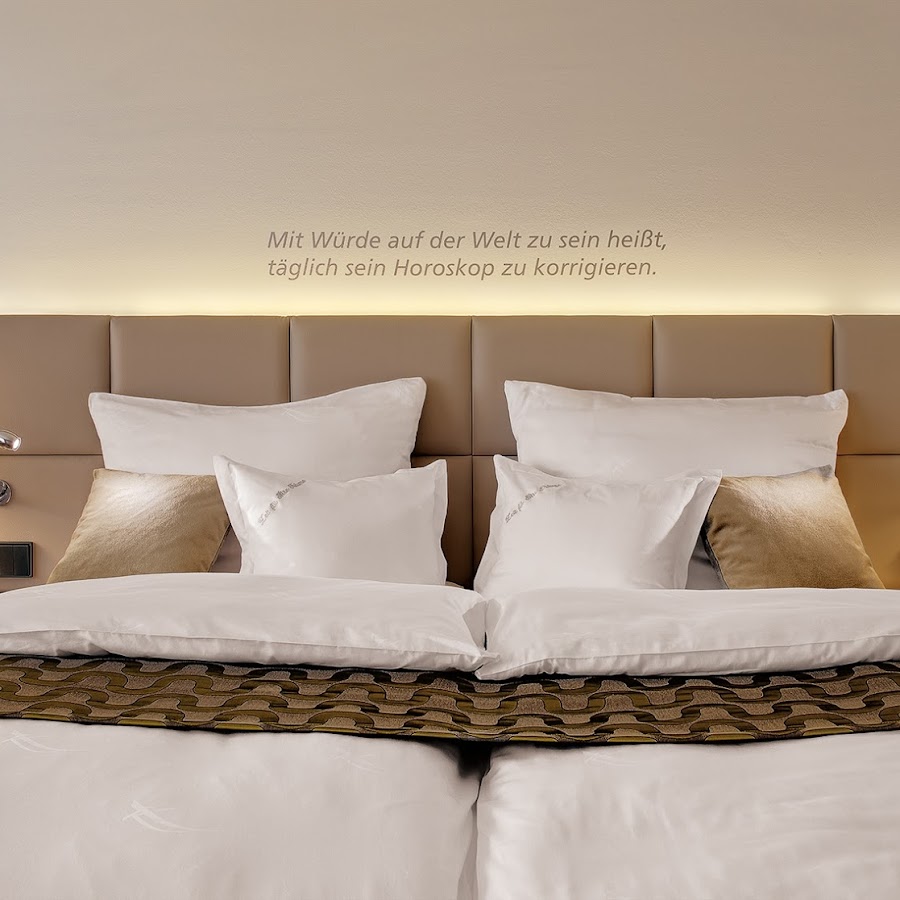
City-Hotel Linz
Mama Muh
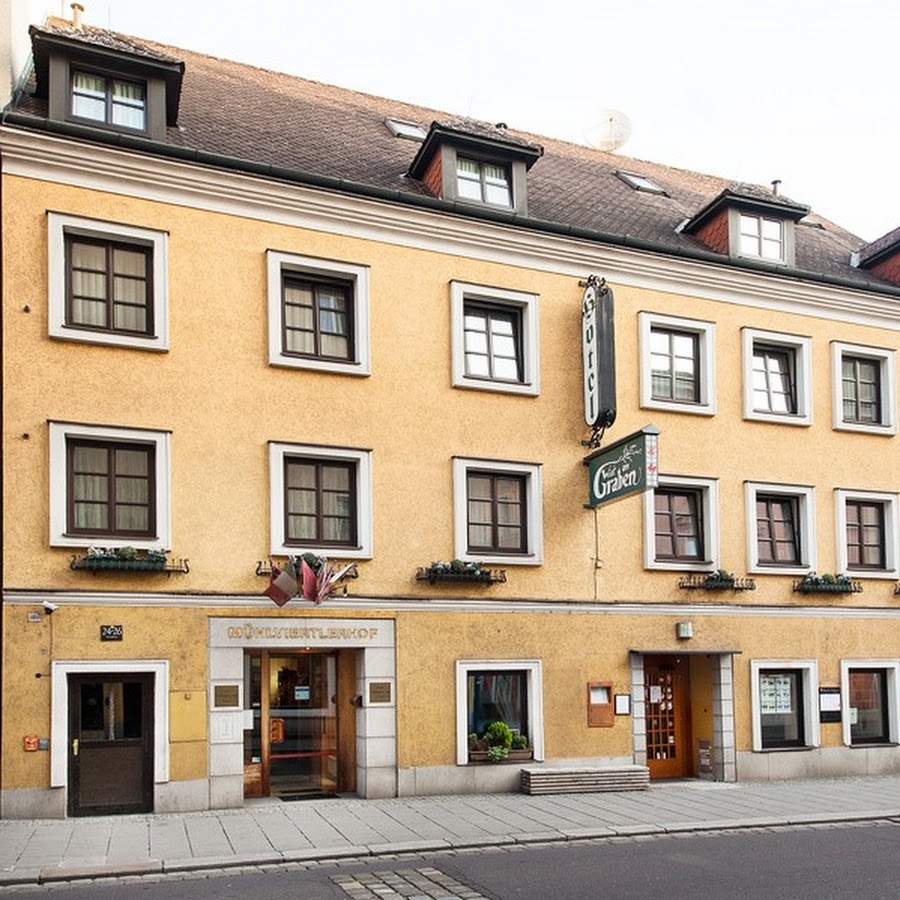
Hotel Am Domplatz
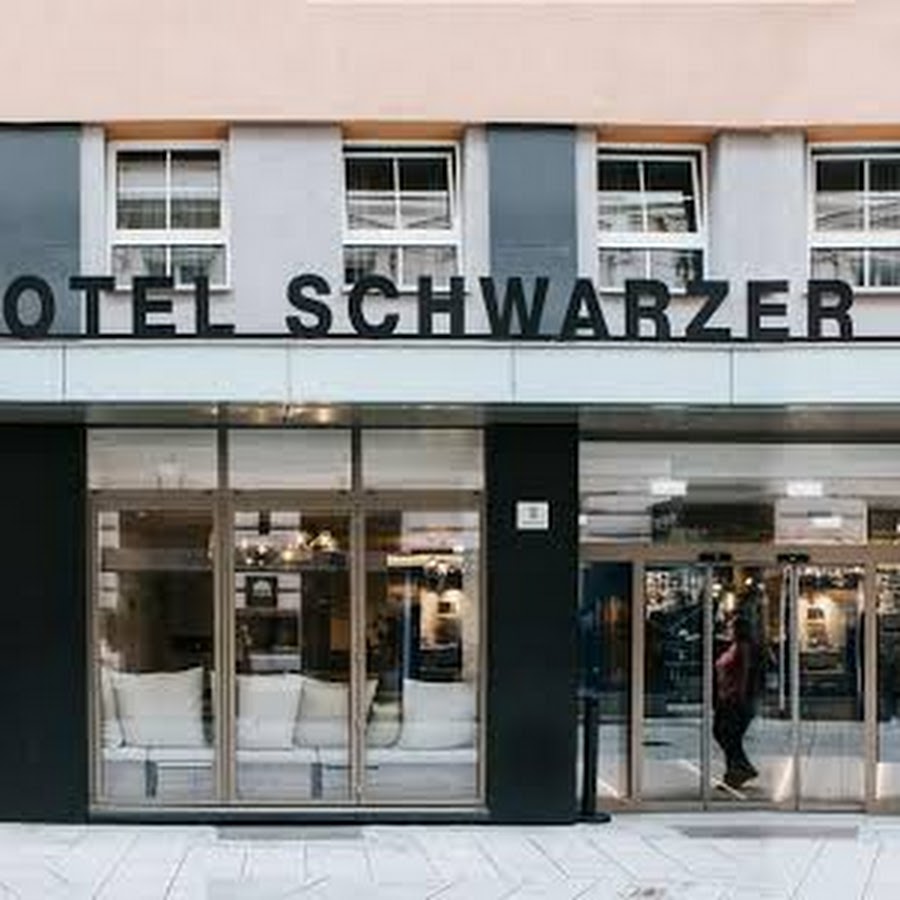
Hotel Schwarzer Bär
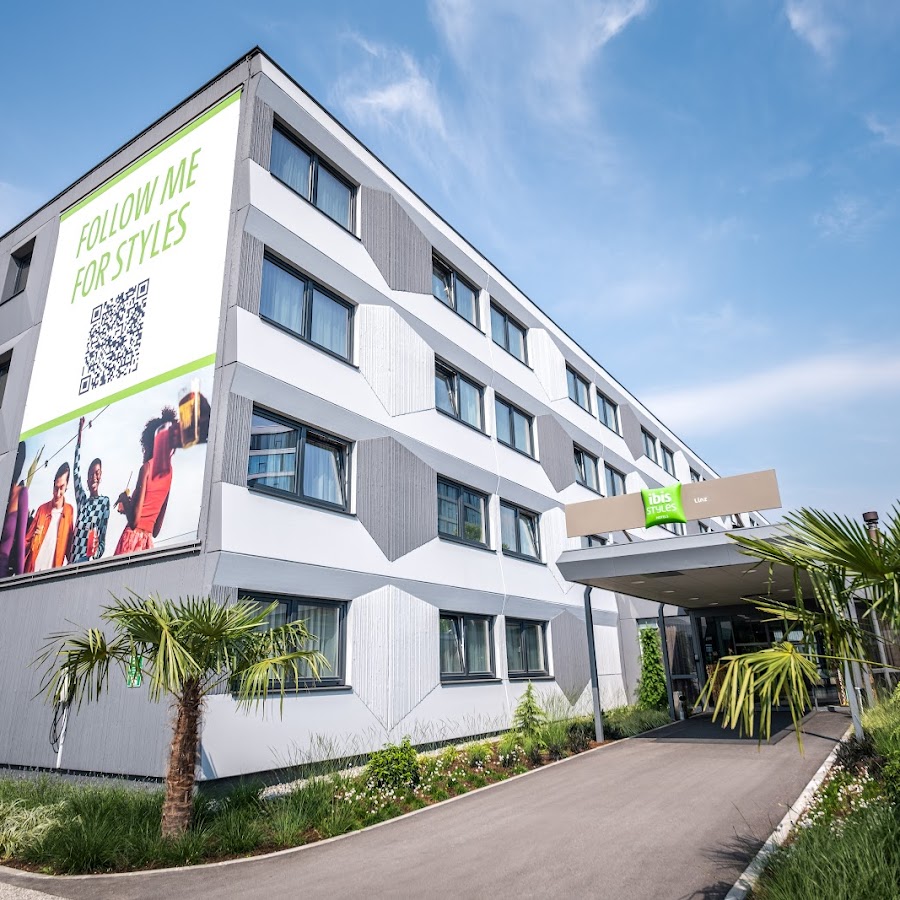
ibis Styles Linz
arte Hotel Linz
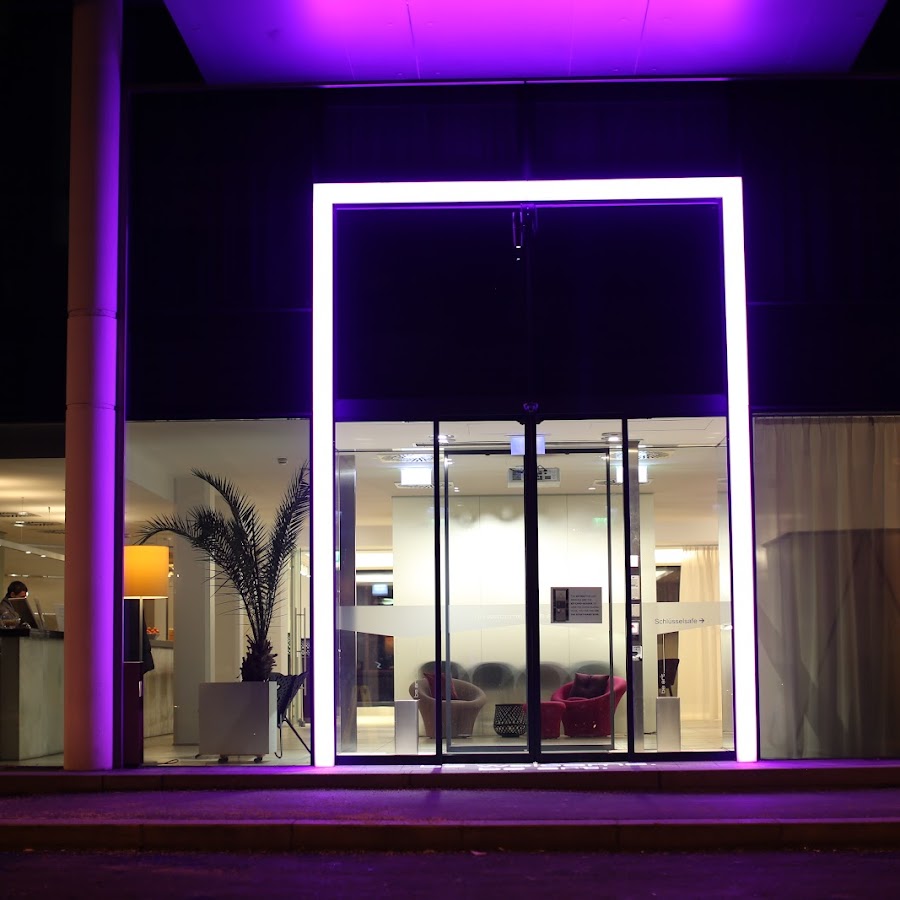
Best Western Hotel Spinnerei Linz
AMEDIA Hotel Linz
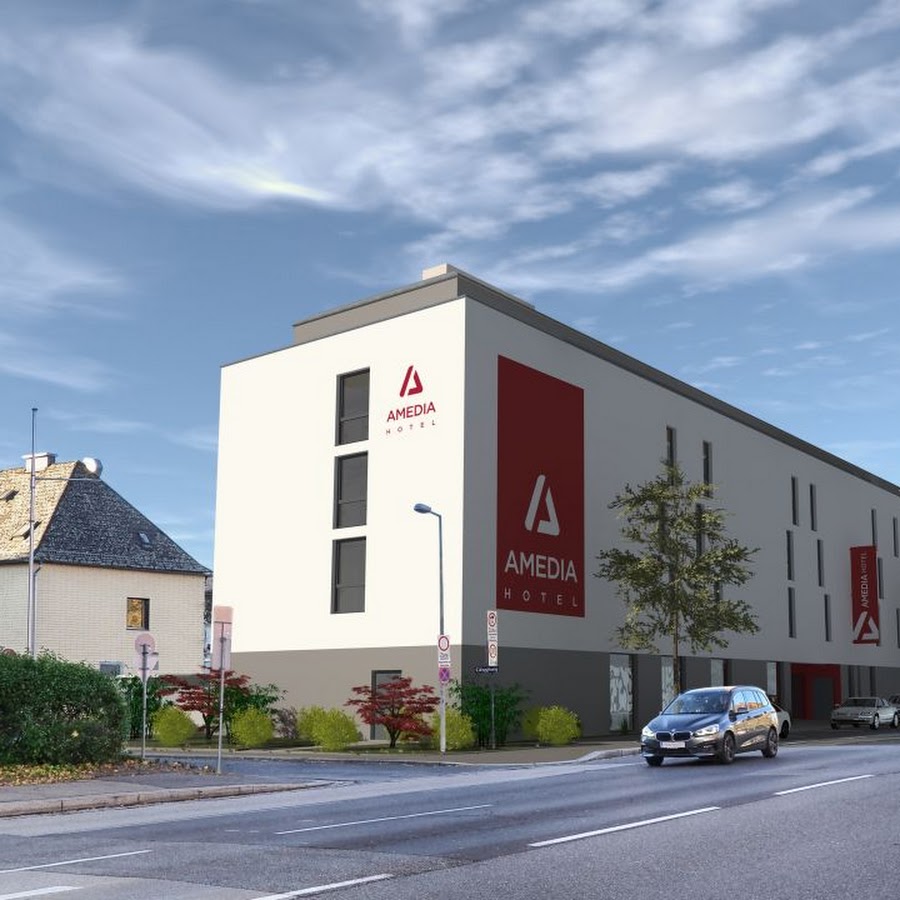
Harry's Home Linz
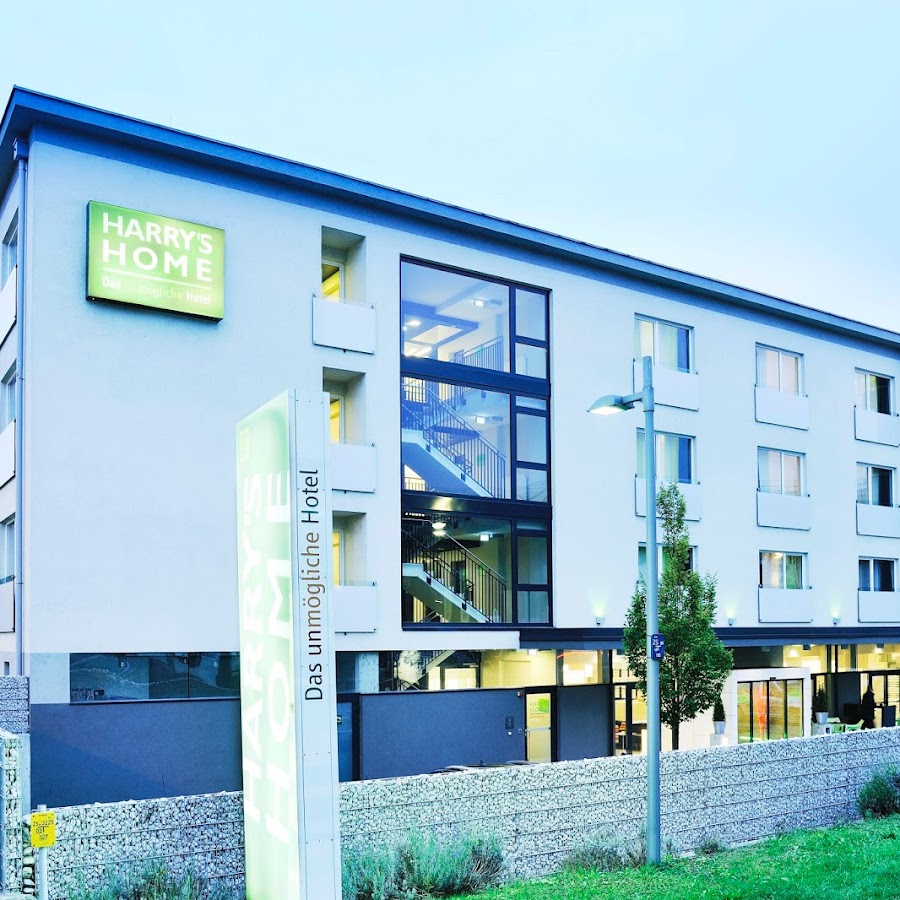
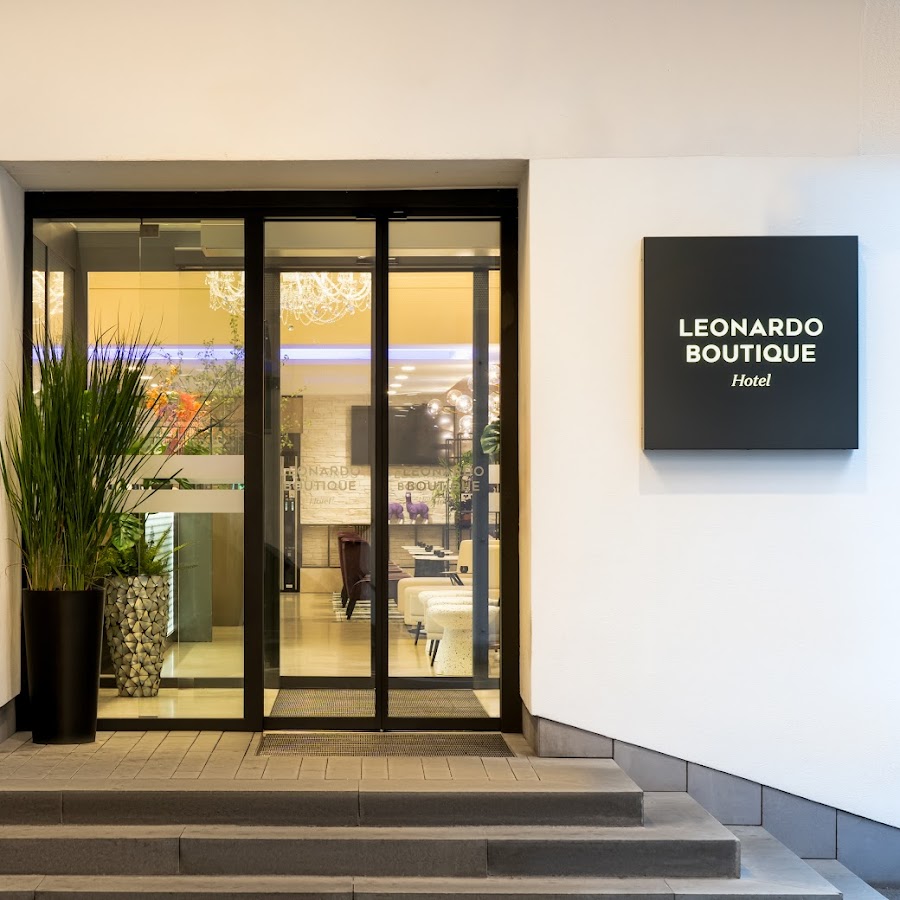
Leonardo Boutique Hotel Linz City Center
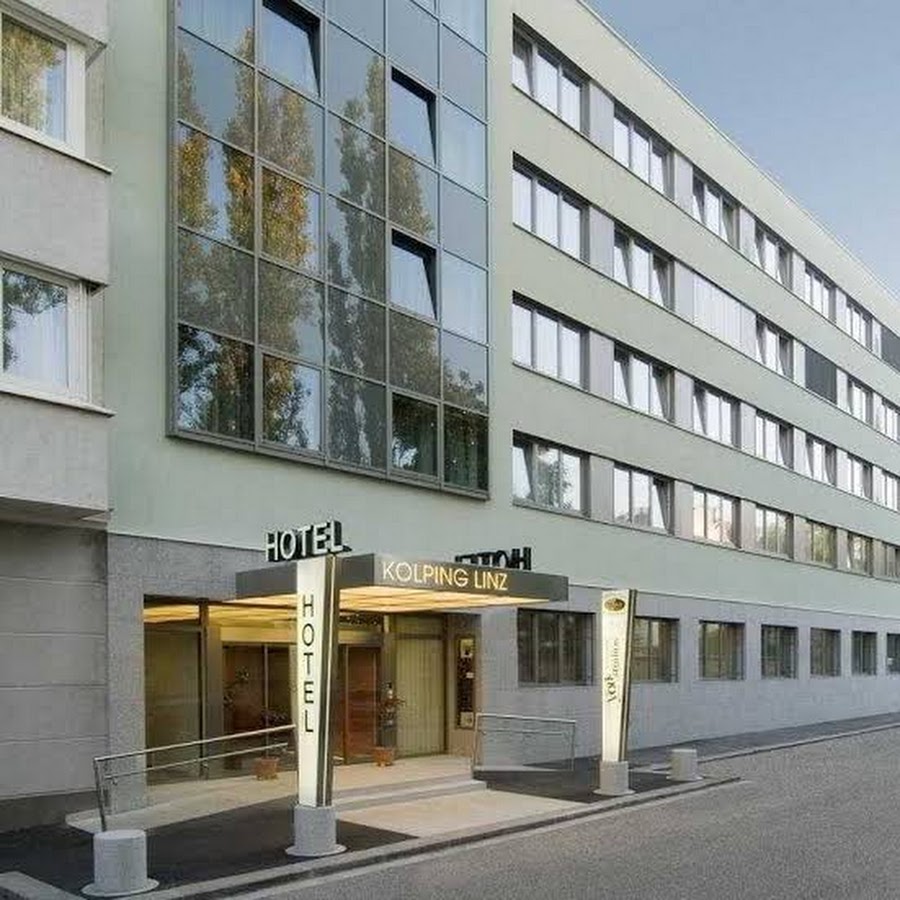
Stadtoase Kolping Hotel
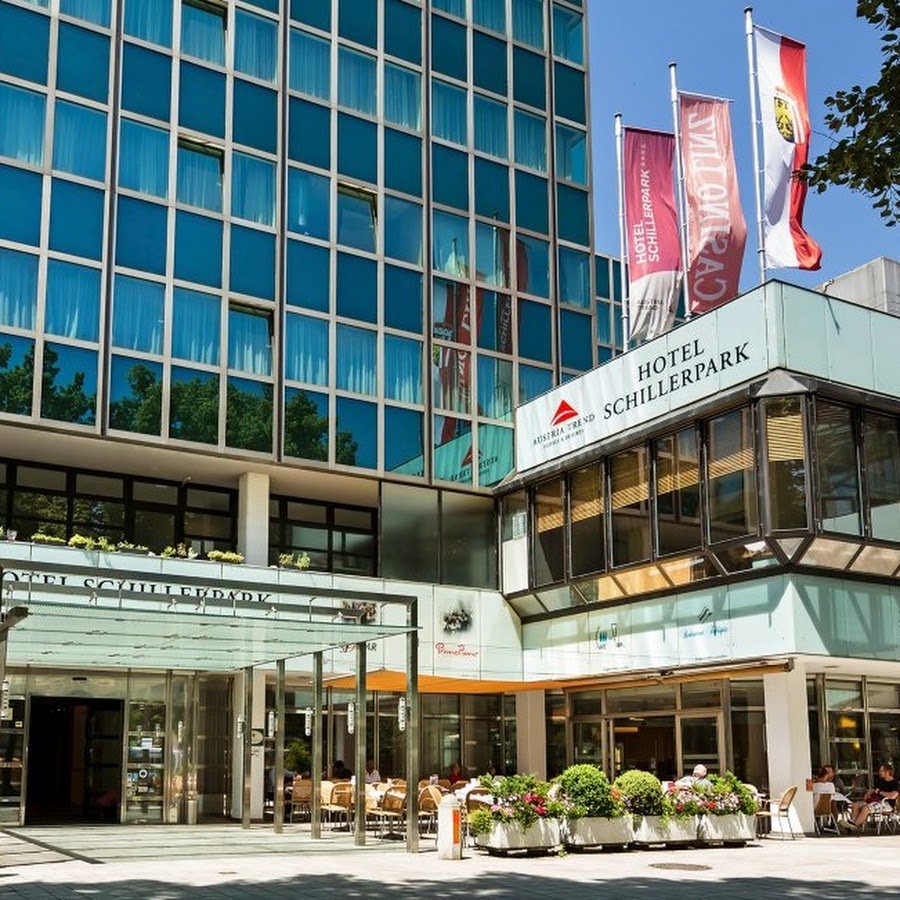
Hotel Schillerpark Linz
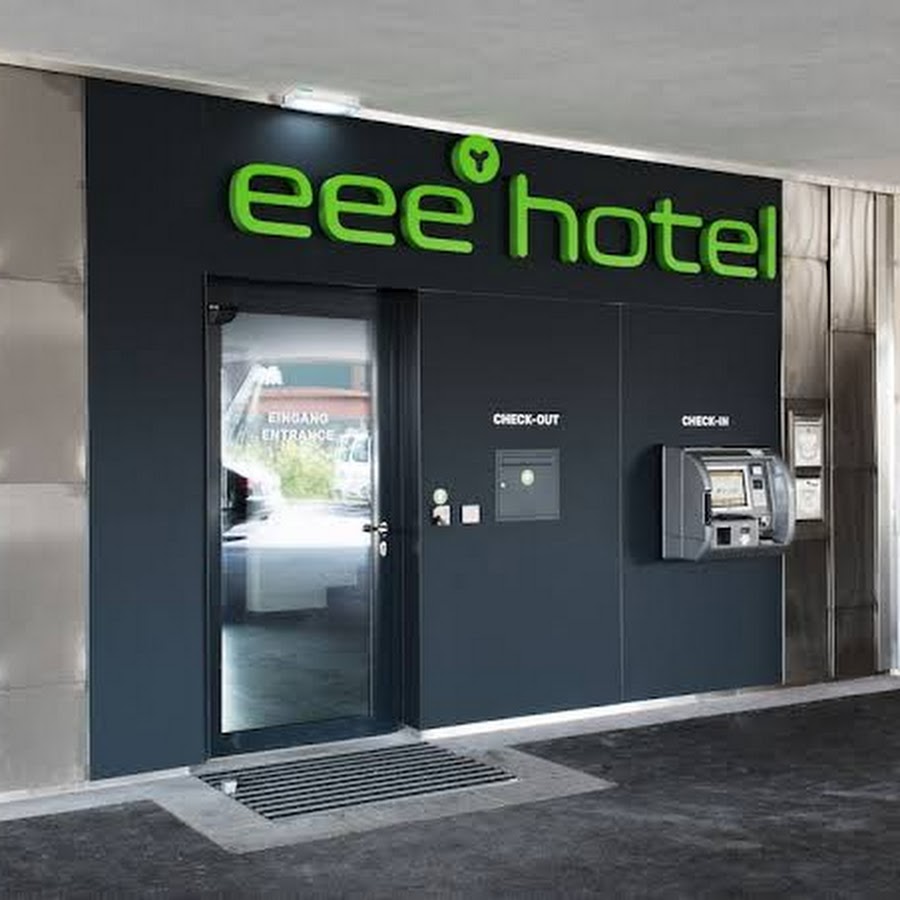
eee hotel Traun
Park Inn by Radisson Linz
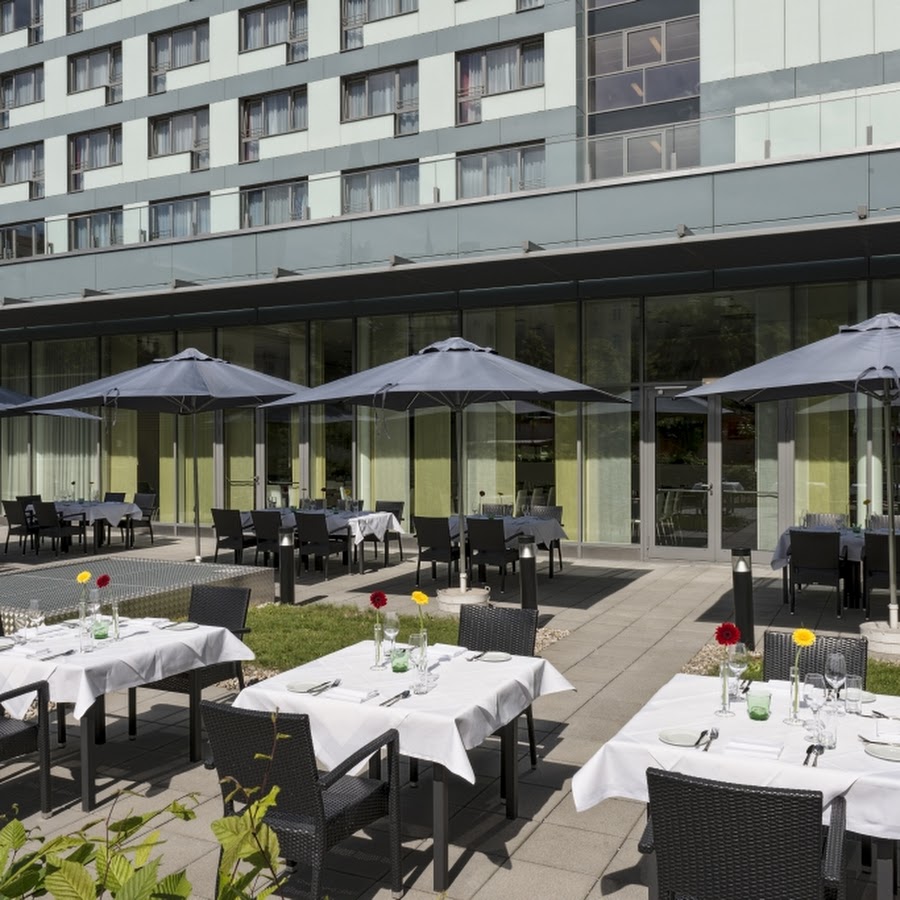
Courtyard Linz
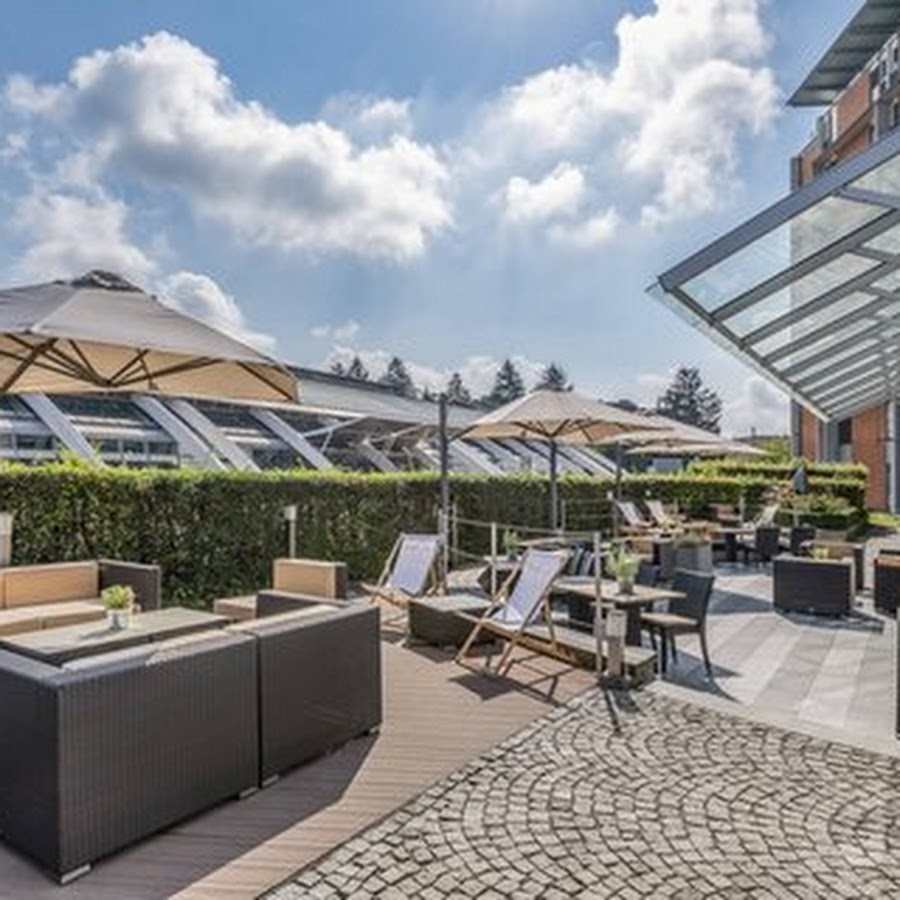
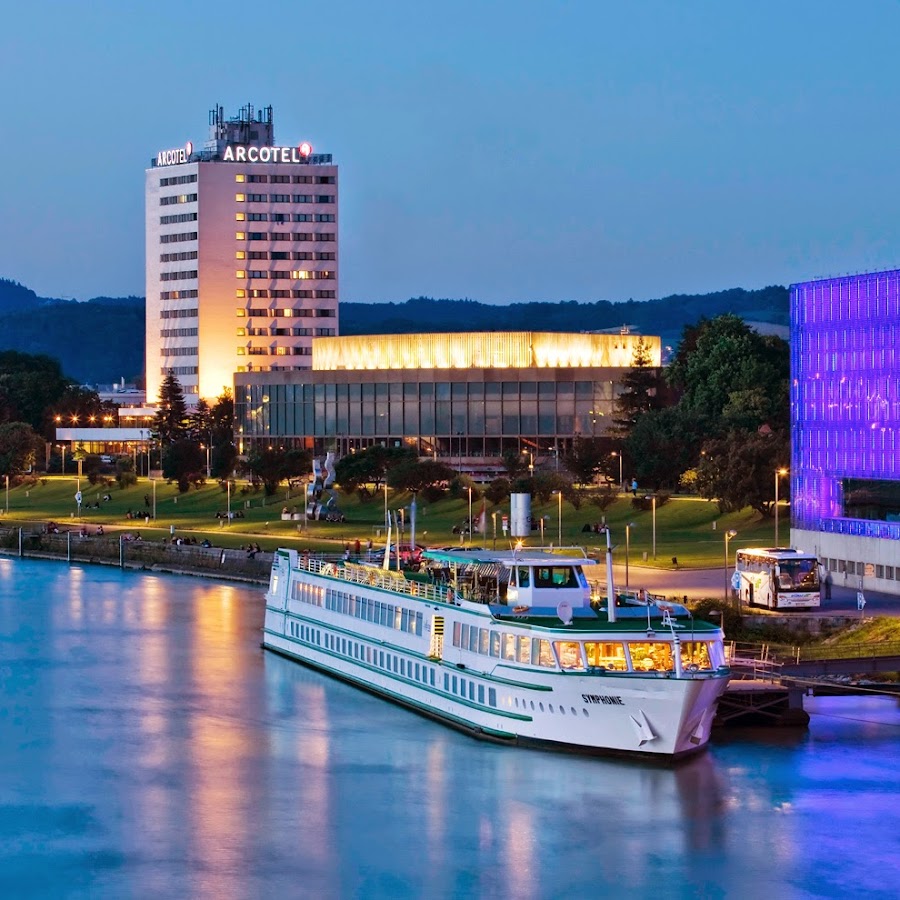
ARCOTEL Nike
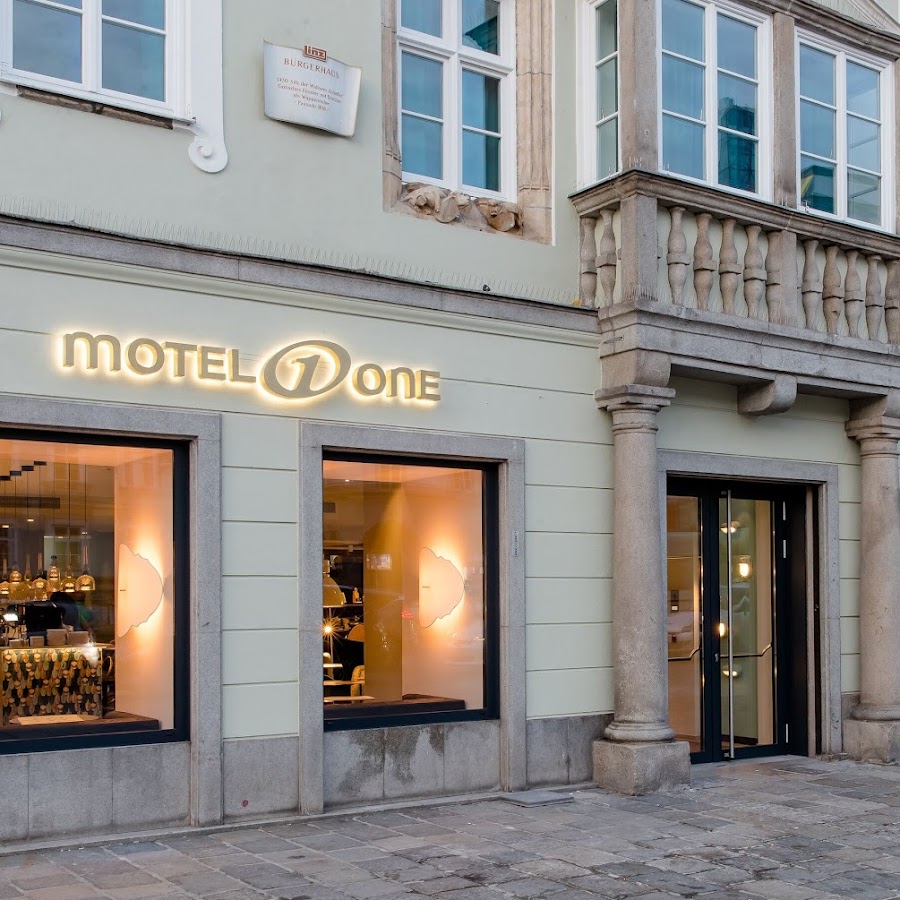
Hotel Motel One Linz-Hauptplatz
SLEEEP HOTEL Ansfelden
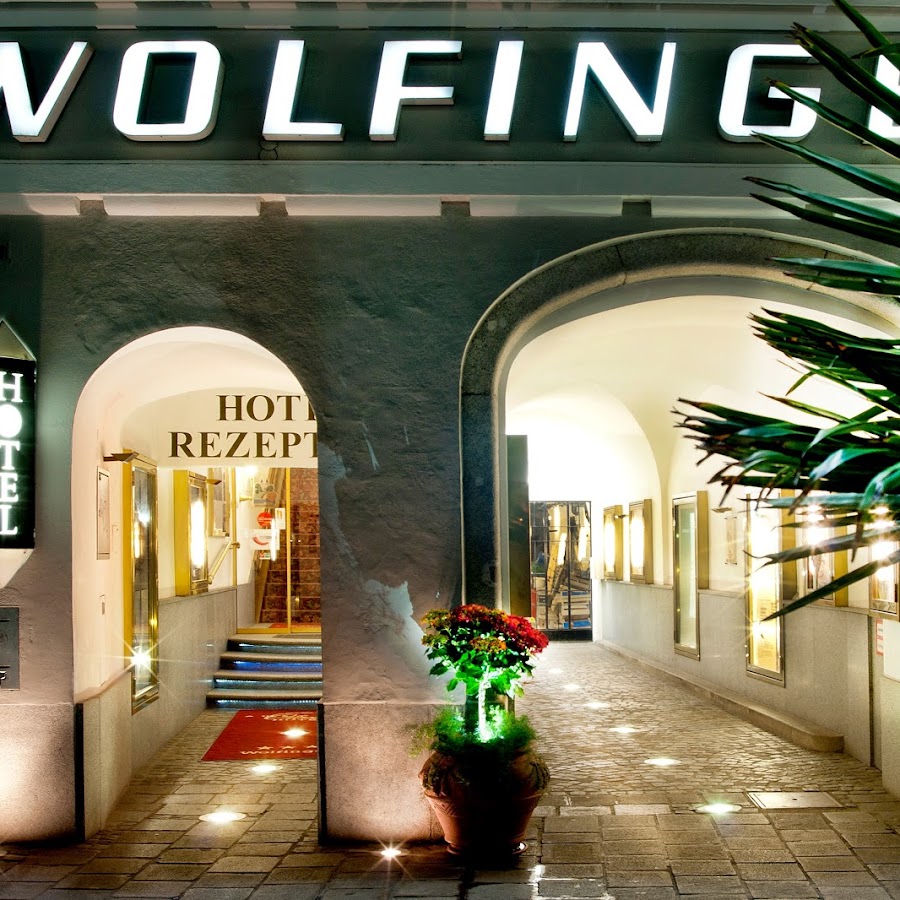
Austria Classic Hotel Wolfinger Linz
ART-INN
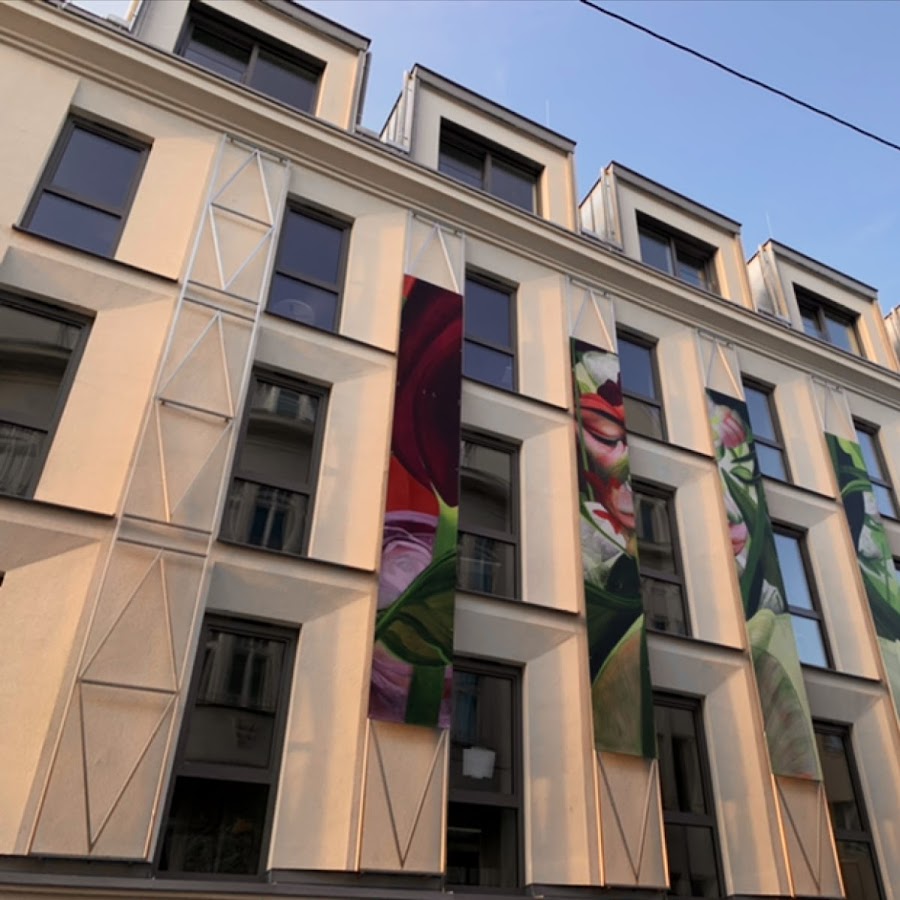
boulderbar Hotel Linz