Lithgow
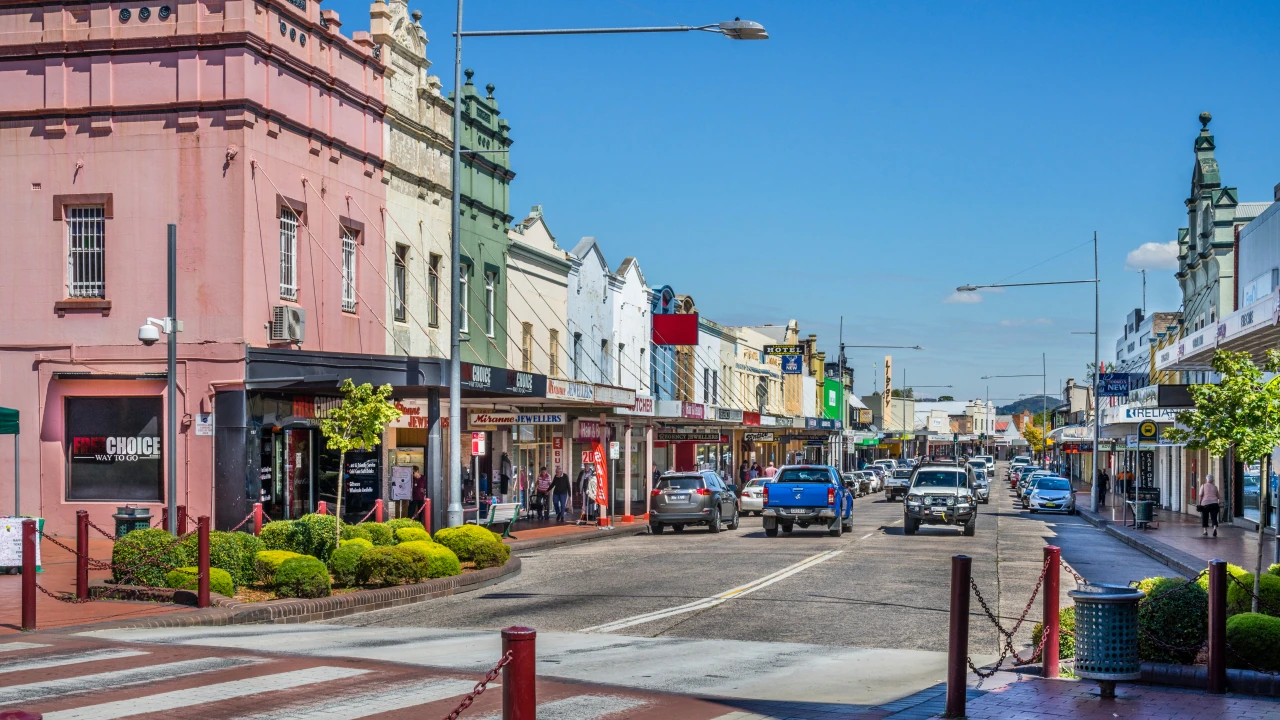
Lithgow, in the western foothills of the Blue Mountains, developed as one of Australia’s earliest and most important industrial towns, shaped by coal, rail and steel. Surrounded by spectacular wilderness, it is the gateway to the secret treasures of Wollemi National Park, the pagodas of the Gardens of Stone, the vast Capertee Valley as well as world-renowned Jenolan Caves. Linger longer and discover scenic train rides, local produce and luxurious back-to-nature retreats. The valley was named in 1827 for William Lithgow, a colonial official, with European settlement beginning in the 1820s on pastoral properties such as Andrew Brown’s Cooerwull estate near Bowenfels. Coal seams and the arrival of the Great Western Railway and Zig Zag Railway in 1869 transformed a quiet rural valley into a booming industrial centre, supplying steaming coal and attracting heavy industry. By the late nineteenth century Lithgow hosted blast furnaces, collieries and associated potteries and brickworks, earning a reputation as the cradle of New South Wales’ industrialisation. Today, heritage sites such as Blast Furnace Park and the State Mine Heritage Park recall this robust working-class past, while the surrounding escarpments and national parks highlight the town’s dramatic setting between mountains and western plains. https://en.wikipedia.org/wiki/Lithgow,_New_South_Wales
 google.com